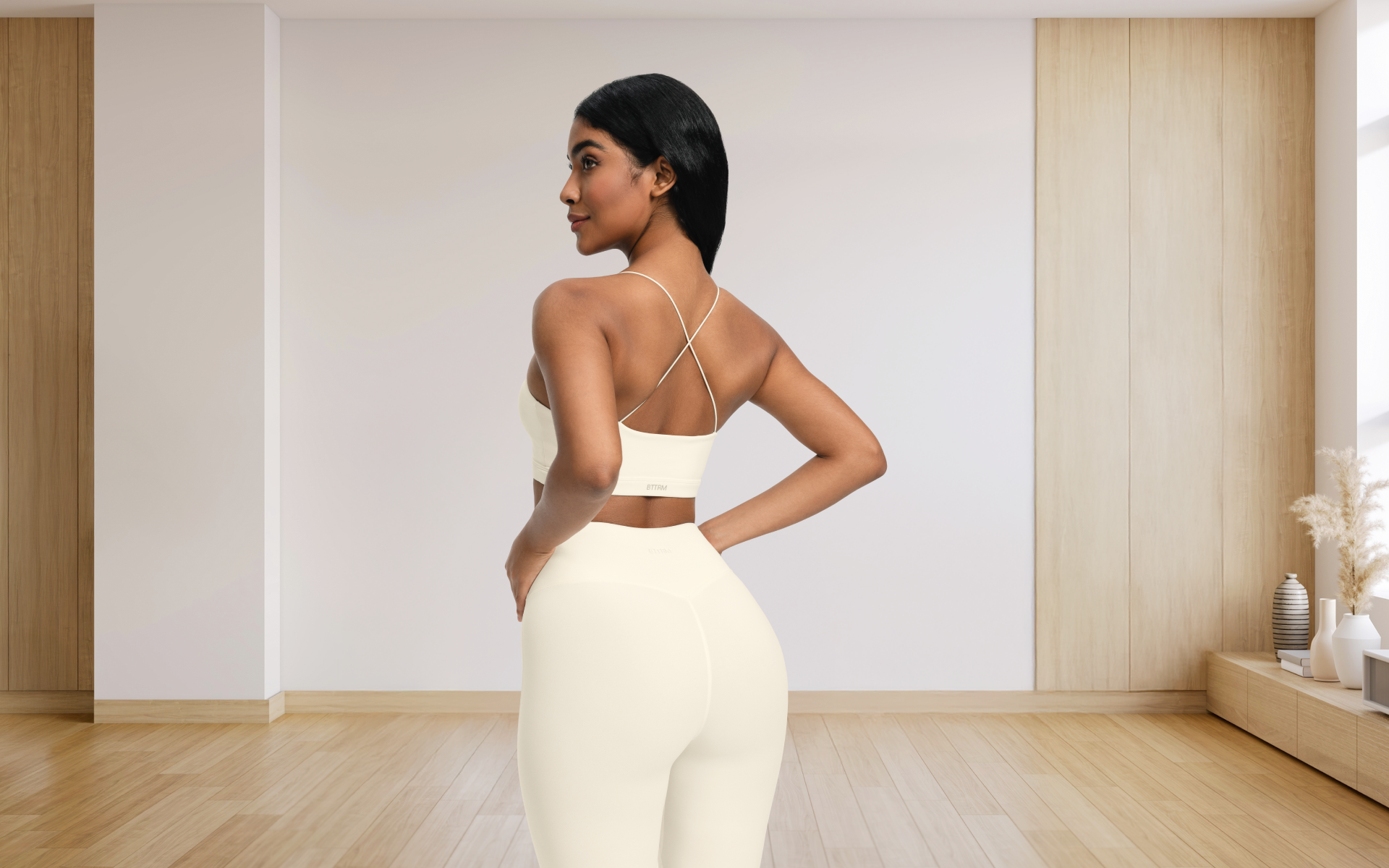
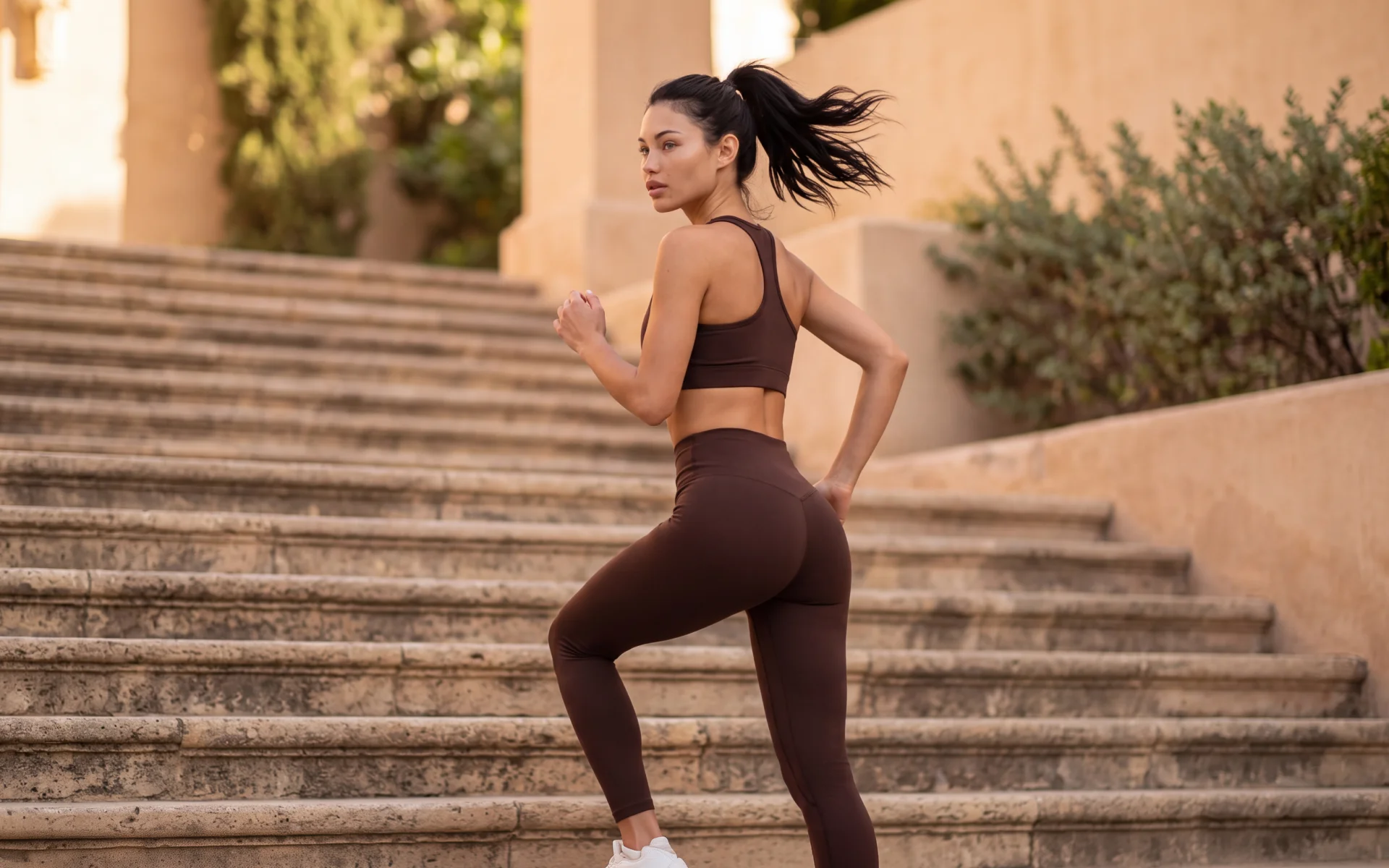
Does walking make your butt bigger? Walking uses the glutes, but it does not guarantee visible muscle growth. Resistance training is a more direct way to challenge these muscles (1). Our guide to whether Pilates can build glutes explores another activity people consider for this goal.
Following exercise and diet plans is the key in your fitness journey and greatly impacts results. In 4 weeks users can typically expect to lose not more than 1-2 lbs per week. Individual results may vary.
Key takeaways
- Walking engages your glutes, but the load per step is usually too light to build noticeable size on its own (2).
- One muscle-activity study found that gait and incline changed glute activity; activity measurements alone do not prove muscle growth (3).
- Walking can support fat loss when paired with a modest calorie deficit, and individual results vary (4).
- Resistance training places higher tension on the glutes than walking, and this tension is what drives growth (1).
- The sample routine uses two sessions with eight sets each; adjust the workload to your experience and recovery.
- A common protein target for muscle building is around 1.6 to 2.2 grams per kilogram of body weight daily (5).
- Studies of muscle size do not establish a universal deadline for visible changes in appearance (1).
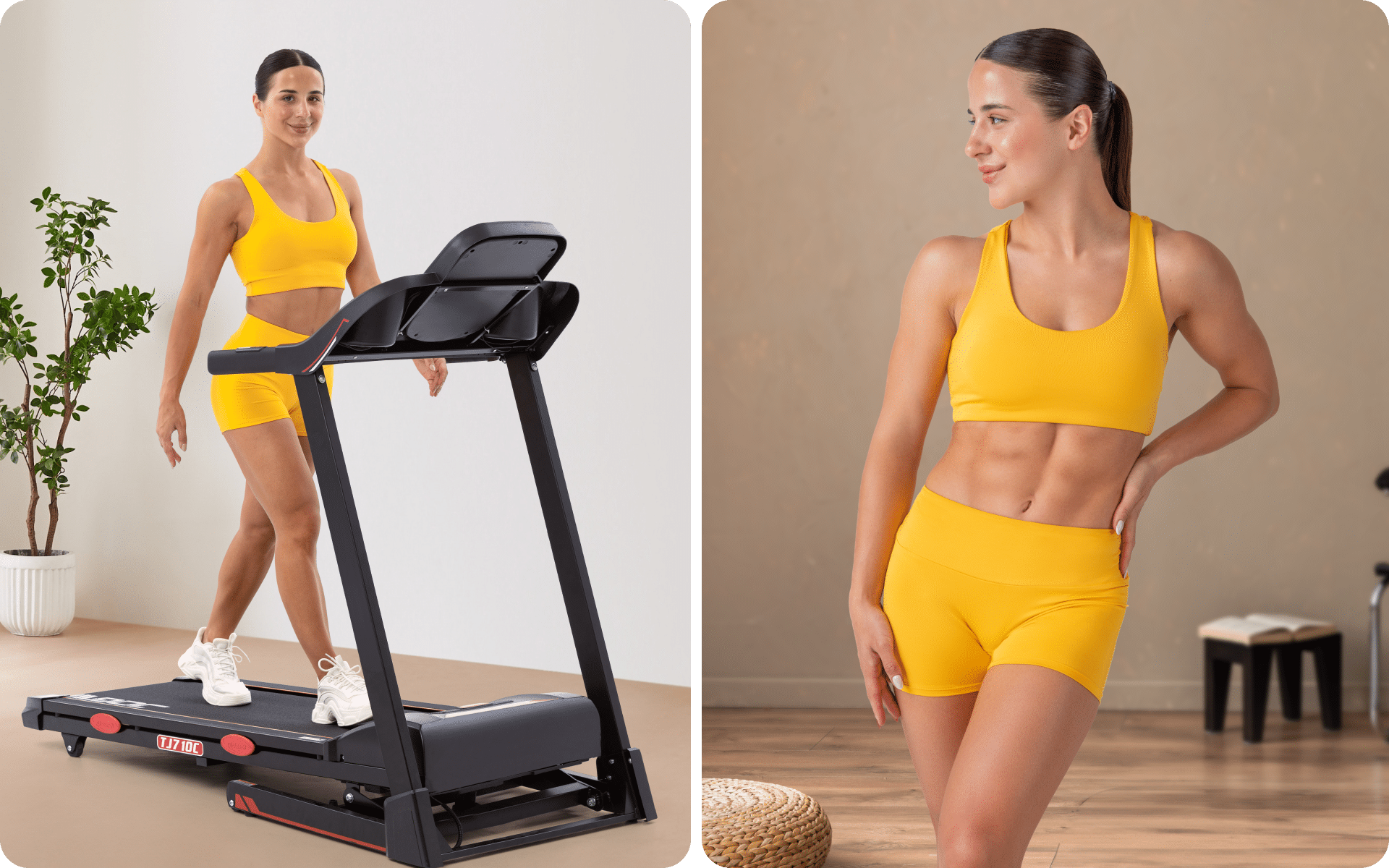
Will walking make my bum bigger?
Walking won’t usually make your bum much bigger on its own. It engages your glute muscles, but the effort per step tends to stay low. Muscles grow when they face enough tension and challenge over time (2), and casual walking rarely provides that.
Here’s the simple logic: your glute muscles respond to progressive overload, which means gradually increasing the challenge you place on them (2). Flat, everyday walking keeps that challenge low.
Walking may help a little if you fit certain cases:
- You’re new to movement or returning after a long break
- You add steep hills or stairs regularly
- You carry added load, such as a weighted vest or backpack
- You pair walking with resistance training and enough food
For most people, walking works better as support, not as a main glute builder. Think of it as a helpful base layer.
If bigger glutes are your goal, resistance training tends to deliver more. Loaded moves place higher tension on the muscle (1). This tension is what drives growth.
Read more: Treadmill Interval Workout Guide For Beginners
What does walking do to your body shape?
A ten-week walking study in sedentary postmenopausal women with obesity found changes in fitness and body composition. It did not establish firmer glutes, better posture, or a lifted appearance (6).
Body composition describes the proportions of fat and fat-free tissues, which include muscle, bone, and other tissues (7).
A regular walking routine may support several changes (6, 4):
- Lower body fat over weeks to months, when paired with a modest calorie deficit
- Better everyday endurance and energy
- A repeatable way to include more movement
- Practice walking for longer or at a manageable pace
Changes in body fat and muscle can affect appearance differently. A study result cannot predict how one person’s glutes will look.
Walking can be part of an activity routine, but it is not a reliable prescription for a particular body shape.
If muscle growth is your goal, include progressive resistance exercises and adapt nutrition and recovery to your needs.

How long do you need to walk to build your glutes?
No set walking duration reliably builds your glutes. Muscle growth depends more on tension, effort, and progression than on time spent moving (2). You could walk 30, 60, or 90 minutes daily and still see little size change if the intensity stays low.
This surprises many people. More minutes feels like it should mean more muscle, but an indoor walking workout at an easy pace mainly builds endurance.
To bias walking a bit more toward your glutes, you should consider these adjustments:
- Try a gentle incline before increasing the grade.
- Choose a pace you can sustain with control.
- Add a short hill section if it suits your current ability.
- Treat extra load as optional and seek guidance before using it if balance or joint symptoms are a concern.
Even with these tweaks, results build slowly and differ from person to person. Individual outcomes depend on your starting point, food intake, and recovery.
Use resistance exercises to add a progressive challenge rather than relying on more walking minutes alone.
Workouts, weight management tools, and recipe ideas come together in the BetterMe: Health Coaching app, giving you practical support for building a more consistent wellness routine.
Can your walking pace change how your glutes are worked?
Walking speed and incline can change muscle activity. Higher activity in a single session does not establish greater long-term growth (3).
A study measuring muscle activity across gait and incline included the gluteal muscles and found differences between conditions. These were acute activity measurements, not a training trial measuring growth (3).
These are adjustable examples, not measured rankings of glute growth.
| Walking type | Training demand | Good fit for | Example setup |
|---|---|---|---|
| Slow, flat walk | Low | Recovery, daily steps | A comfortable pace on a flat surface |
| Brisk, flat walk | Low to moderate | Fat loss support, base fitness | A manageable brisk pace |
| Incline walking | Moderate | More glute involvement | A gentle grade with controlled steps |
| Hill intervals | Varies with grade and pace | Walkers ready for added effort | Brief gentle hills with easier sections between |
An incline changes the demands of walking. Adjust pace and grade to your ability and stop for pain or unusual symptoms.
However, these remain locomotion tasks. They involve your glutes more, but they rarely match the tension of a loaded exercise.

What can you do to increase your butt size besides walking?
To increase your butt size, besides walking, focus on resistance training, enough food, and steady progression. These levers place higher tension on your glutes and give them a reason to grow over weeks and months (1).
Start with the training itself. Your glutes respond well to two movement patterns:
- Hip extension: moves such as hip thrusts, glute bridges, and hip hinges.
- Hip abduction: moves such as side-lying raises, banded steps, and cable work.
Next, apply progressive overload. This means slowly adding challenge. For example, add 5 pounds to your hip thrust once you can complete all sets with control.
Then, dial in a few supporting habits:
- Begin with a manageable number of sets and adjust according to performance and recovery. There is no single weekly set target that suits everyone.
- Eat enough protein, often around 1.6-2.2 grams per kilogram of body weight daily (5).
- Eat enough to support training. A larger calorie surplus is not automatically helpful: a short trial in trained adults mainly linked larger surpluses with increased skinfold thickness (8).
- Allow recovery between demanding sessions; adjust the schedule if fatigue or discomfort persists.
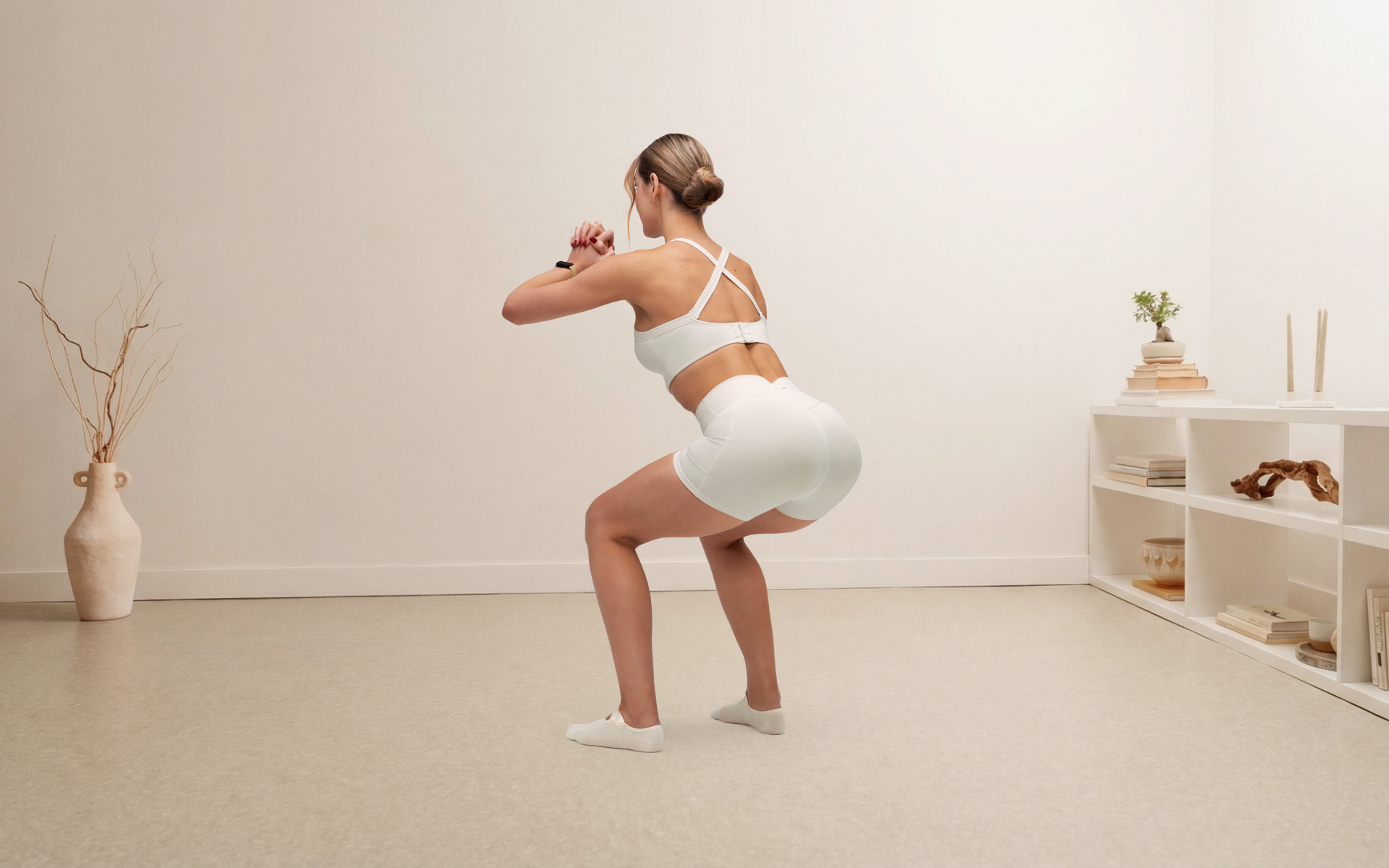
Bodyweight exercises can also help beginners. A bodyweight lower-body workout with squats, lunges, and bridges builds a base before you add load.
Individual results vary, so adjust based on your energy, recovery, and schedule. Consistency over months tends to matter more than any single session.
Read more: Glute Gains: How Much Incline On A Treadmill For Glutes?
What is an effective glute-focused workout routine?
This sample routine combines hip extension, single-leg work, and hip abduction. Choose resistance and exercise versions you can control.
The sample has two sessions with eight sets each, for 16 total weekly exercise sets. This is an adjustable example, not a universal glute-growth target. Unilateral repetitions are completed on each side.
| Day | Exercise | Sets | Reps | Rest |
|---|---|---|---|---|
| Day 1 | Barbell hip thrust | 2 | 6-10 | 90 secs |
| Day 1 | Romanian deadlift | 2 | 8-10 | 90 secs |
| Day 1 | Bulgarian split squat | 2 | 8-12 each side | 60 secs |
| Day 1 | Cable hip abduction | 2 | 12-20 | 45 secs |
| Day 2 | Banded lateral walk | 2 | 12-15 steps each way | 45 secs |
| Day 2 | Reverse lunge | 2 | 8-12 each side | 60 secs |
| Day 2 | Single-leg glute bridge | 2 | 10-15 each side | 45 secs |
| Day 2 | Side plank with abduction | 2 | 10-12 each side | 45 secs |
The gym version needs a barbell or dumbbells, a stable bench, a cable machine with an ankle cuff, and a resistance band. At home, substitute a floor bridge for the barbell hip thrust, a bodyweight hinge for the deadlift, and a side-lying leg raise for cable abduction. Reduce the sets when needed.
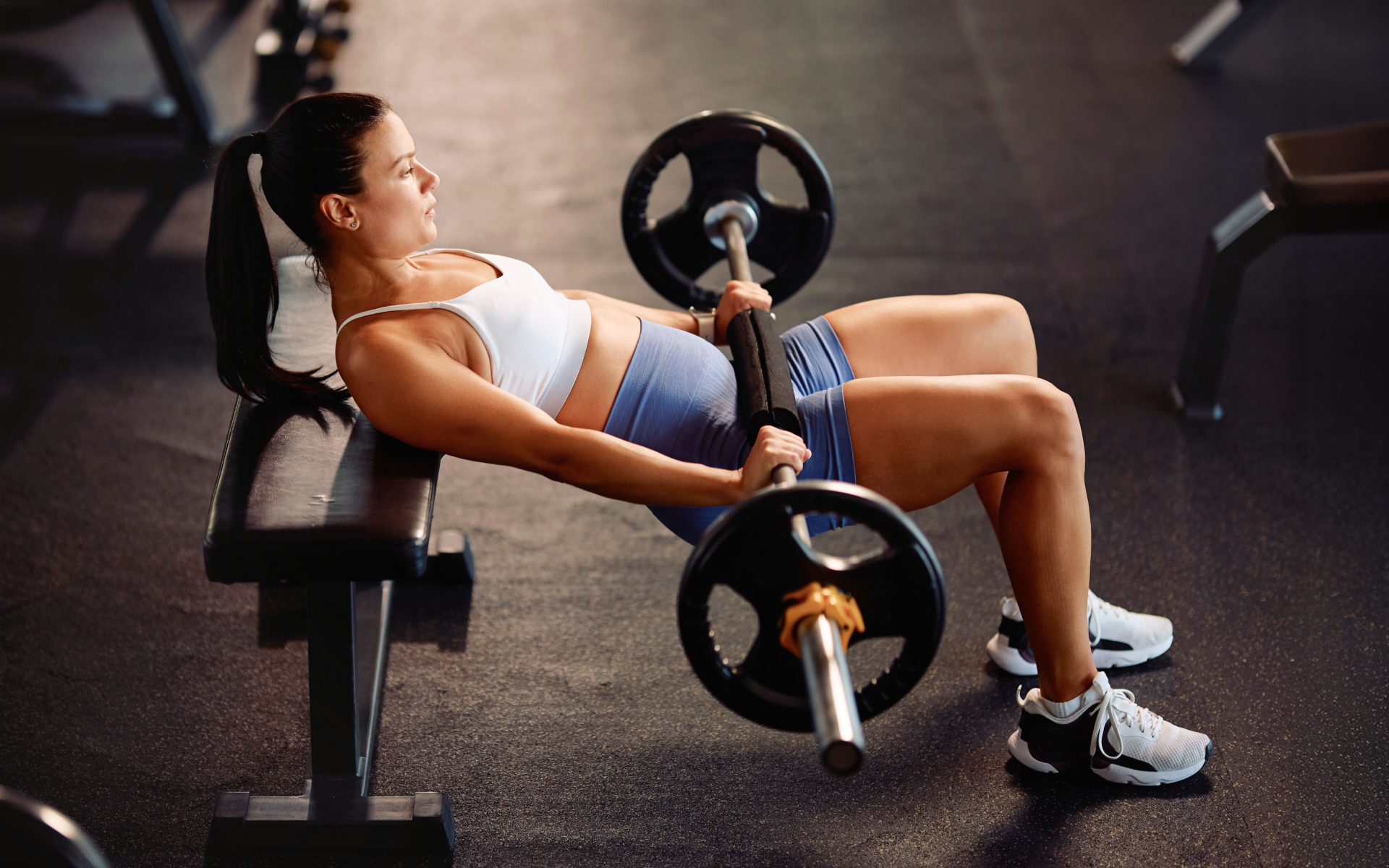
Barbell hip thrust
- Sit on the floor with your upper back against a bench.
- Roll a loaded bar over your hips with a pad for comfort.
- Plant your feet flat, about hip-width apart.
- Drive through your heels and lift your hips to a straight line.
- Squeeze your glutes at the top, then lower with control.
Romanian deadlift
- Hold a barbell or dumbbells in front of your thighs.
- Keep a soft bend in your knees.
- Push your hips back as you lower the weight along your legs.
- Stop when you feel a stretch in your hamstrings.
- Drive your hips forward to return to standing.
Bulgarian split squat
- Place your rear foot on a bench behind you.
- Keep your front foot planted, about two feet ahead.
- Lower straight down until your front thigh is near parallel.
- Keep your torso slightly forward for glute focus.
- Press through your front heel to stand.
Cable hip abduction
- Attach an ankle cuff to a low cable.
- Stand side-on and cuff your outer leg.
- Hold a support for balance.
- Lift your leg out to the side with control.
- Return slowly without letting the stack rest.
Reverse lunge
- Stand tall with your feet hip-width apart.
- Step one foot back into a lunge.
- Lower until both knees bend near 90 degrees.
- Keep your front heel down for glute drive.
- Push through the front foot to return.
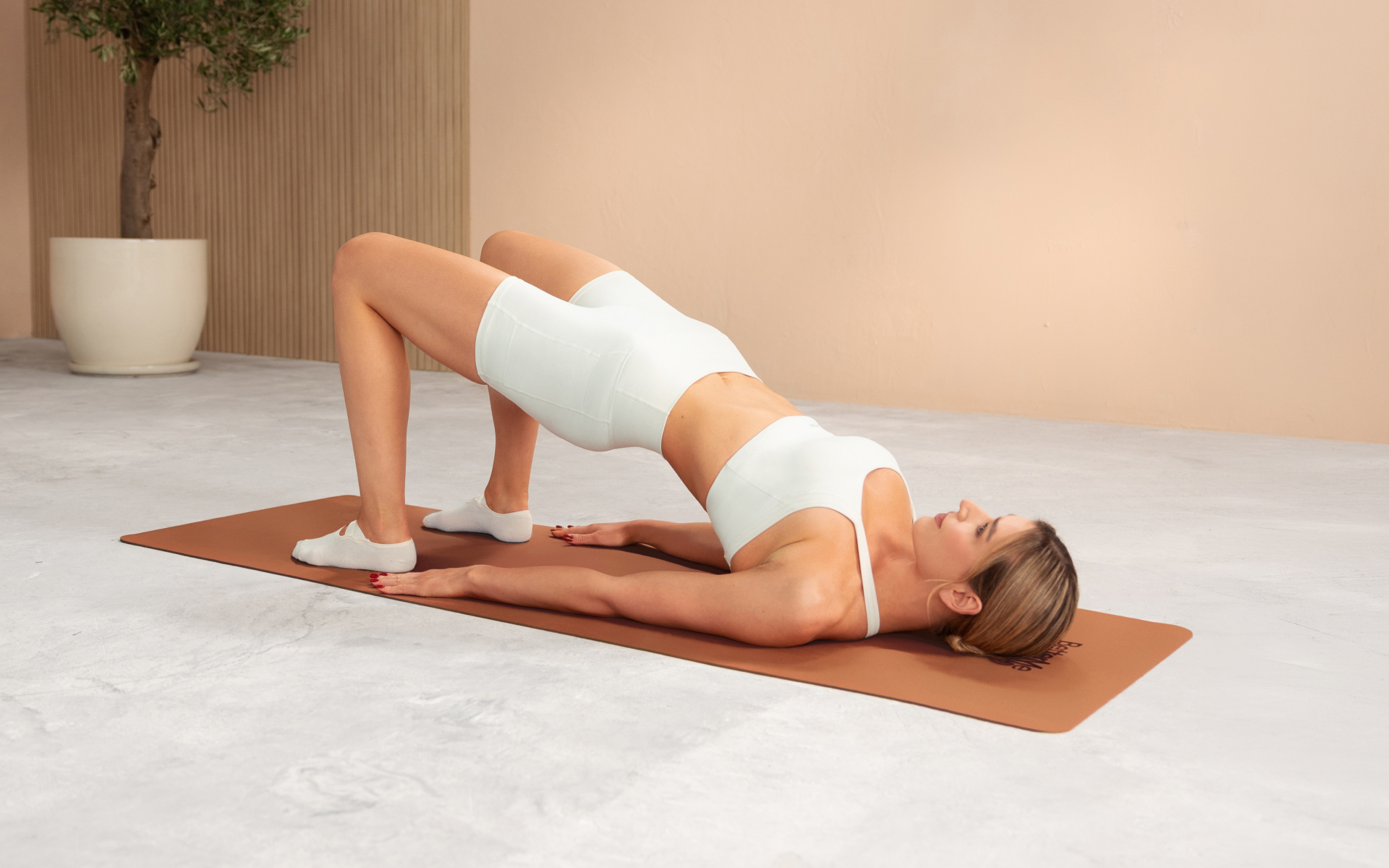
Single-leg glute bridge
- Lie on your back with your knees bent.
- Extend one leg straight out.
- Drive through the planted heel to lift your hips.
- Squeeze your glute at the top.
- Lower slowly and repeat before switching sides.
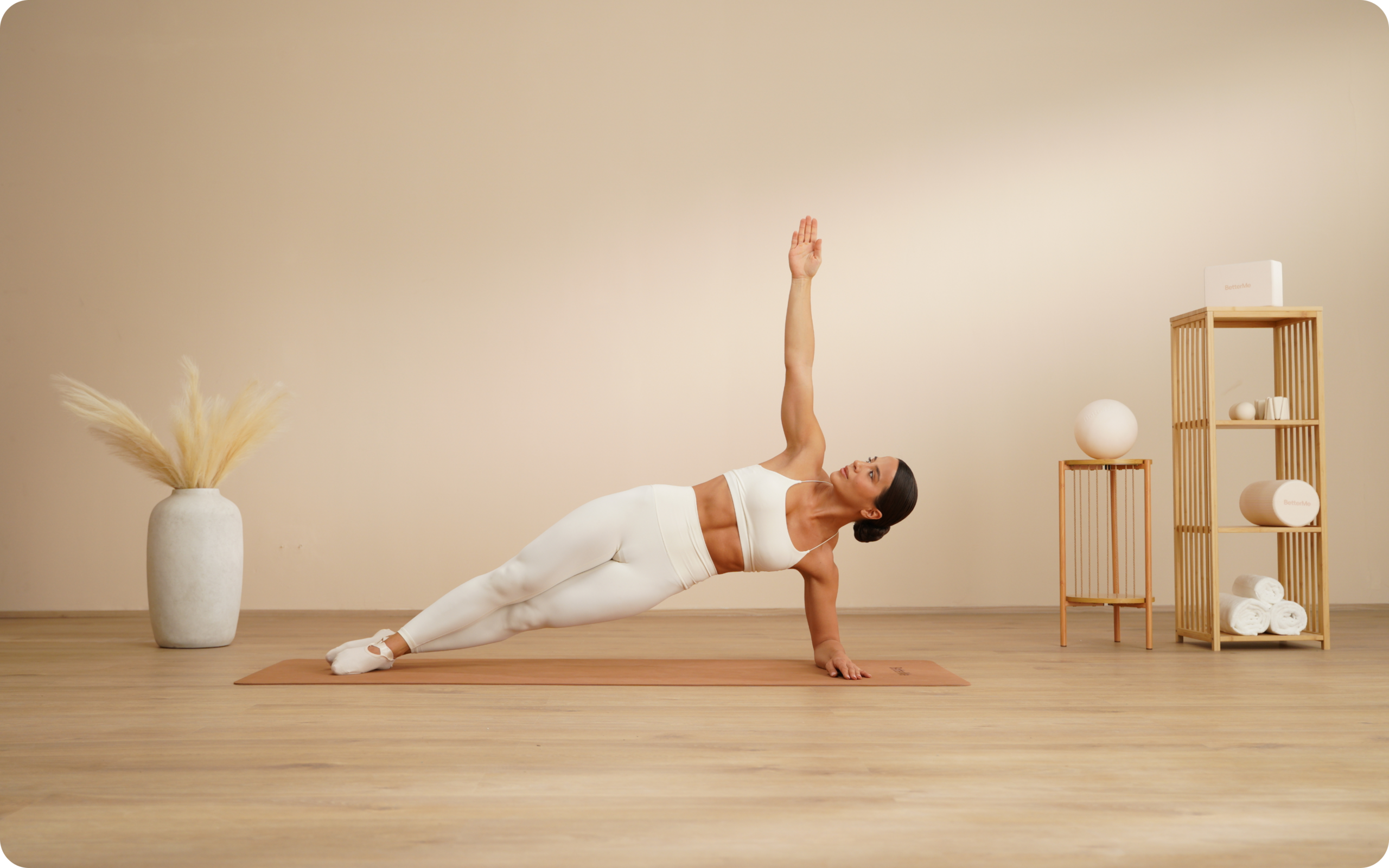
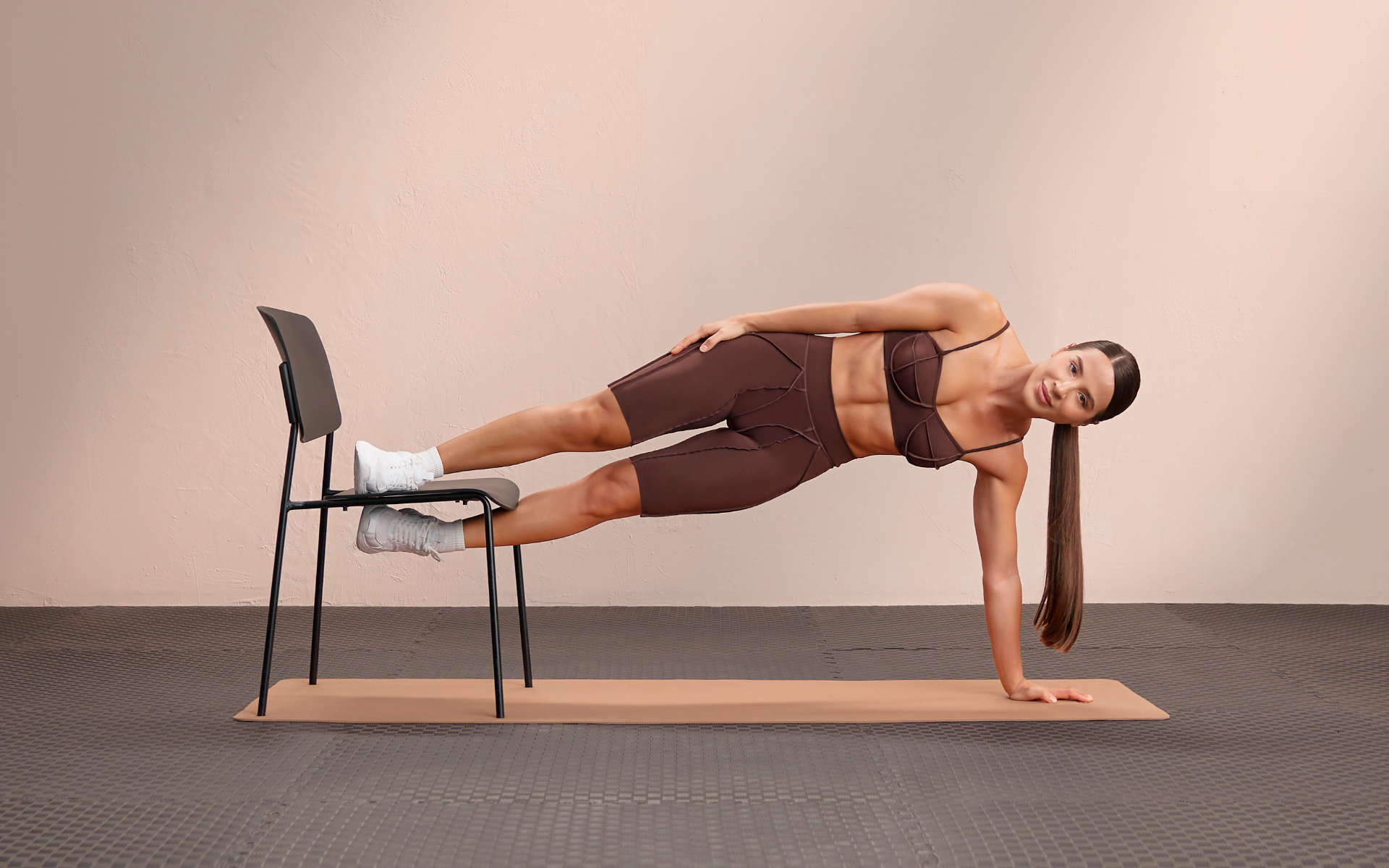
Side plank with abduction
- Lie on your side, resting on your forearm.
- Stack your feet and lift your hips into a side plank.
- Raise your top leg toward the ceiling.
- Hold briefly, then lower with control.
- Keep your hips steady throughout.
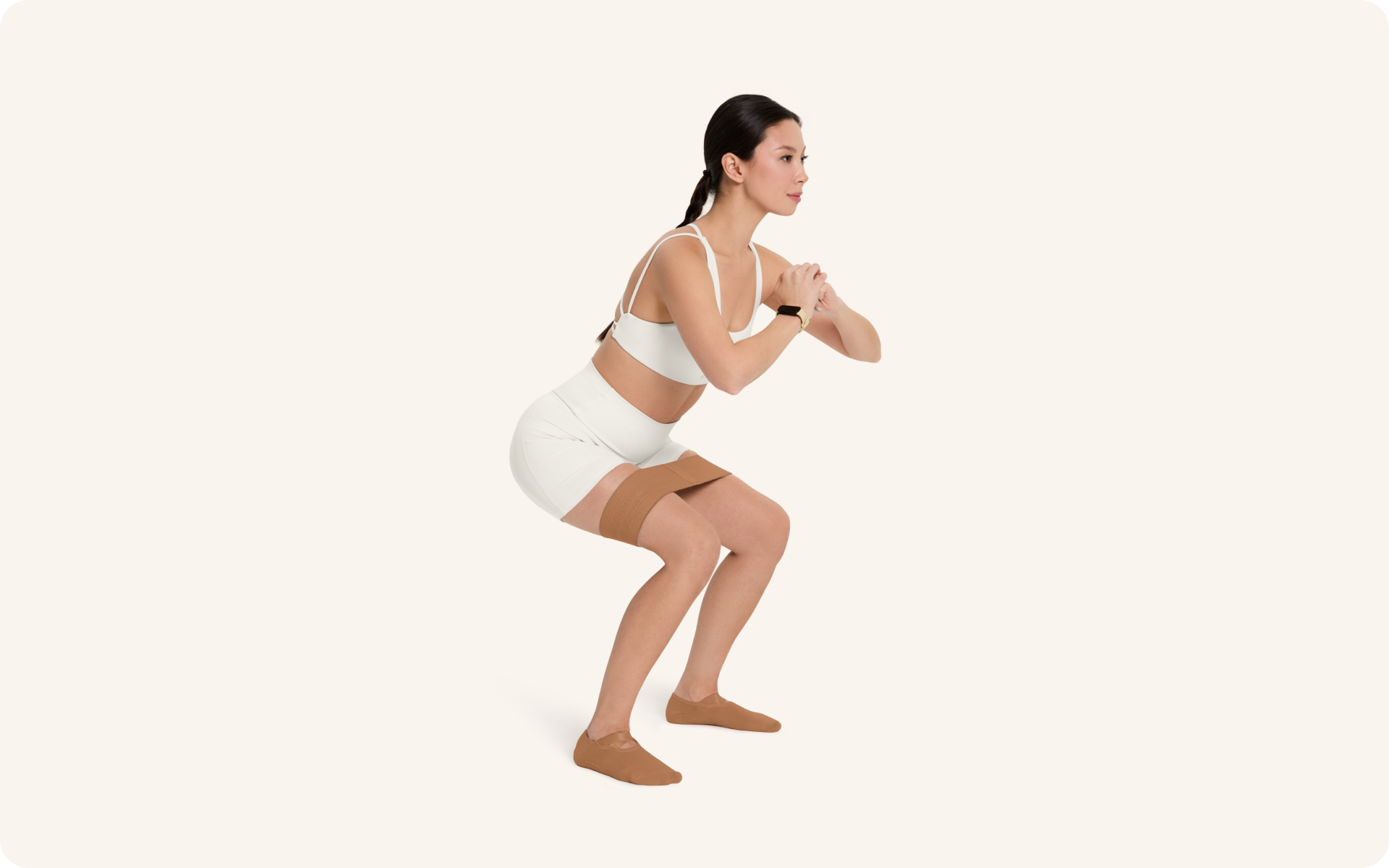
Banded lateral walk
- Loop a band around your ankles or forefeet.
- Drop into a quarter-squat stance.
- Step sideways while keeping tension on the band.
- Take small, controlled steps.
- Avoid letting your feet snap together.
For more portable options, see our guide to Resistance Band Exercises for Legs and Glutes.
Why aren’t my glutes growing?
Your glutes may not be growing because your training lacks enough challenge, volume, or progression. Other common reasons include too little food, poor recovery, or expecting fast results. Muscle growth tends to be slow (2), even when you do everything with care.
Run through this checklist to spot the gap:
- Not enough overload: You keep the same weight and reps for weeks.
- Too much light “activation”: You rely on tiny-band moves and skip heavier lifts.
- Low effort: Your sets end far from real fatigue.
- Workload mismatch: The amount of training may be too little or too much for your current capacity.
- Narrow exercise choice: You do only squats or abduction work.
- Technique drift: Your quads or back take over from your glutes.
- Under-fueling: Your food intake may not support training and recovery. A calorie surplus is not a universal prerequisite for every beginner.
- Short recovery: You train sore glutes daily without rest.
Change one factor at a time. Add a repetition or a little resistance only when your current workload is controlled and recovery is adequate.
Track strength, technique, and consistency. Studies of muscle size do not provide a reliable deadline for visible changes in your own appearance (1).
For another exercise example, read our Brazilian butt squat challenge article and adapt the workload to your level.
BetterMe offers a variety of workouts, recipes, challenges, and support tools to help you stay more consistent with your wellness routine. Explore the app to find features that fit your goals, preferences, and schedule.

Twenty squats may be challenging for one person and easy for another. Whether they stimulate growth depends on your starting point, effort, technique, and progression. Use a version you can control and add challenge when you are ready (2). There is no single age at which everyone loses the ability to build glute muscle. Training response varies with health, activity, nutrition, and age-related changes (9). Adapt resistance exercises to your current ability. A noticeable size change in two weeks is not a reliable expectation. Studies measure changes under specific training conditions and cannot promise an appearance timeline for an individual (1). Focus on controlled technique and a routine you can maintain. Yes, you can build a bigger bum without weights, especially as a beginner. Bodyweight moves such as single-leg bridges and split squats, plus banded exercises, can challenge your glutes enough to support growth. Progress with repetitions, leverage, or band resistance when you are ready (2). Current evidence does not establish that external weights always produce greater long-term results than progressively challenging bodyweight work. Protein guidance for strength training commonly discusses about 1.6-2.2 grams per kilogram daily (5). Adapt intake to your needs and health. Include varied foods and adequate energy; no particular food directs growth to your buttocks.FAQs
Will 20 squats a day make my bum bigger?
At what age do buttocks stop growing?
Can I get a bigger bum in 2 weeks?
Can I get a bigger bum without weights?
What can I eat to enlarge my buttocks?
The bottom line
Walking can support an active routine, but it does not promise larger glutes. For muscle growth, use progressive resistance exercises that suit your ability, adequate nutrition, and recovery. Track what you can do instead of relying on a fixed appearance deadline.
DISCLAIMER:
This article is intended for general informational purposes only and does not serve to address individual circumstances. It is not a substitute for professional advice or help and should not be relied on for making any kind of decision-making. Any action taken as a direct or indirect result of the information in this article is entirely at your own risk and is your sole responsibility.
BetterMe, its content staff, and its medical advisors accept no responsibility for inaccuracies, errors, misstatements, inconsistencies, or omissions and specifically disclaim any liability, loss or risk, personal, professional or otherwise, which may be incurred as a consequence, directly or indirectly, of the use and/or application of any content.
You should always seek the advice of your physician or other qualified health provider with any questions you may have regarding a medical condition or your specific situation. Never disregard professional medical advice or delay seeking it because of BetterMe content. If you suspect or think you may have a medical emergency, call your doctor.
SOURCES:
- The impact of resistance training on gluteus maximus hypertrophy: a systematic review and meta-analysis (2025, frontiersin.org)
- Load-induced human skeletal muscle hypertrophy: Mechanisms, myths, and misconceptions (2025, sciencedirect.com)
- Electromyography Activity Across Gait and Incline: The Impact of Muscular Activity on Human Morphology (2010, uwnmbl.engr.wisc.edu)
- Aerobic Exercise and Weight Loss in Adults (2024, pmc.ncbi.nlm.nih.gov)
- CLINICAL PRACTICE GUIDELINES FOR SPORTS NUTRITION: BRAZILIAN SPORTS NUTRITION ASSOCIATION (2025, scielo.br)
- Ten weeks of low-volume walking training improve cardiometabolic health and body composition in sedentary postmenopausal women with obesity without affecting markers of bone metabolism (2024, pubmed.ncbi.nlm.nih.gov)
- Body Composition (2020, sciencedirect.com)
- Effect of Small and Large Energy Surpluses on Strength, Muscle, and Skinfold Thickness in Resistance-Trained Individuals: A Parallel Groups Design (2023, link.springer.com)
- Musculoskeletal Changes Across the Lifespan: Nutrition and the Life-Course Approach to Prevention (2021, frontiersin.org)
 By
 Reviewed by
 Reviewed by