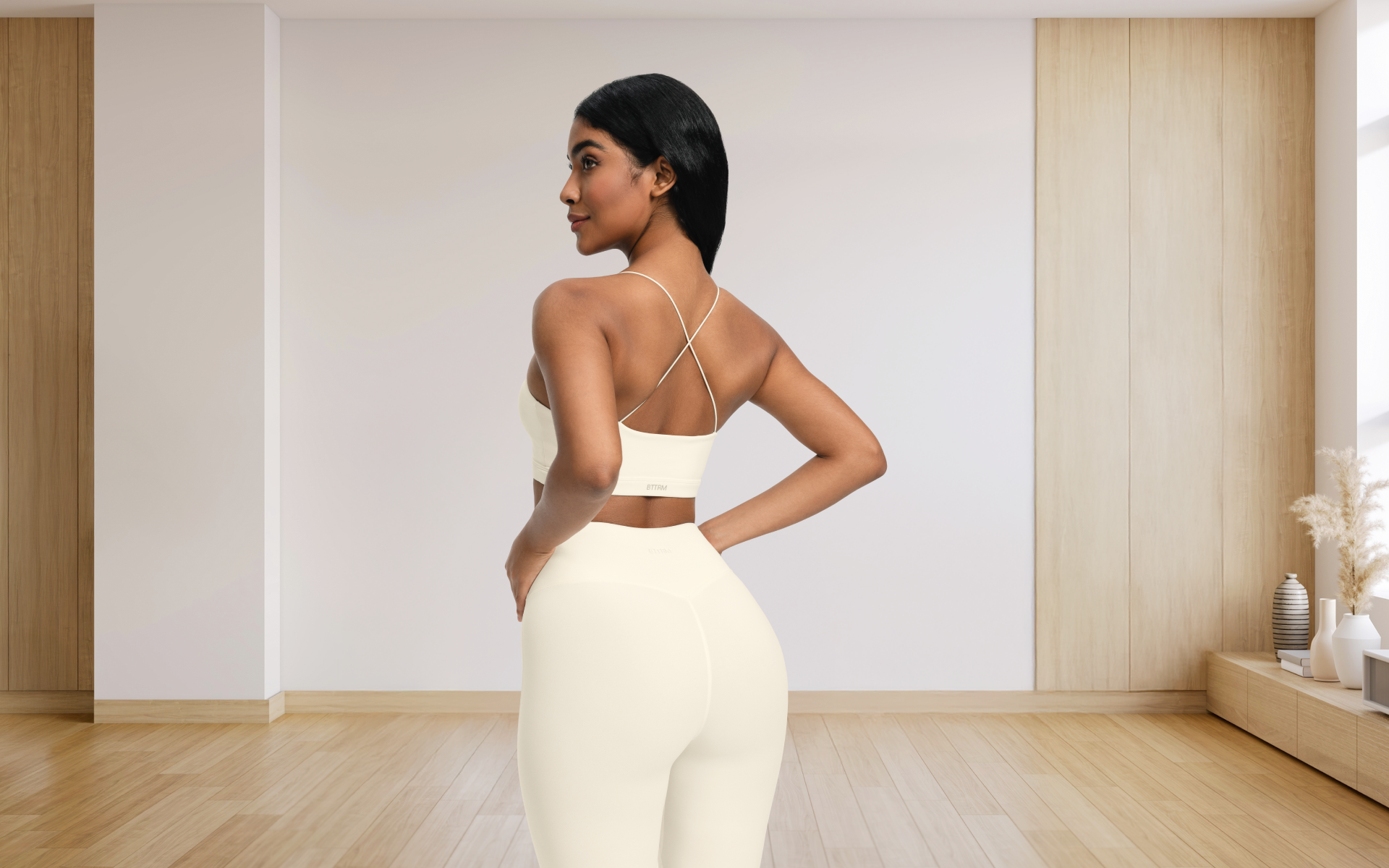
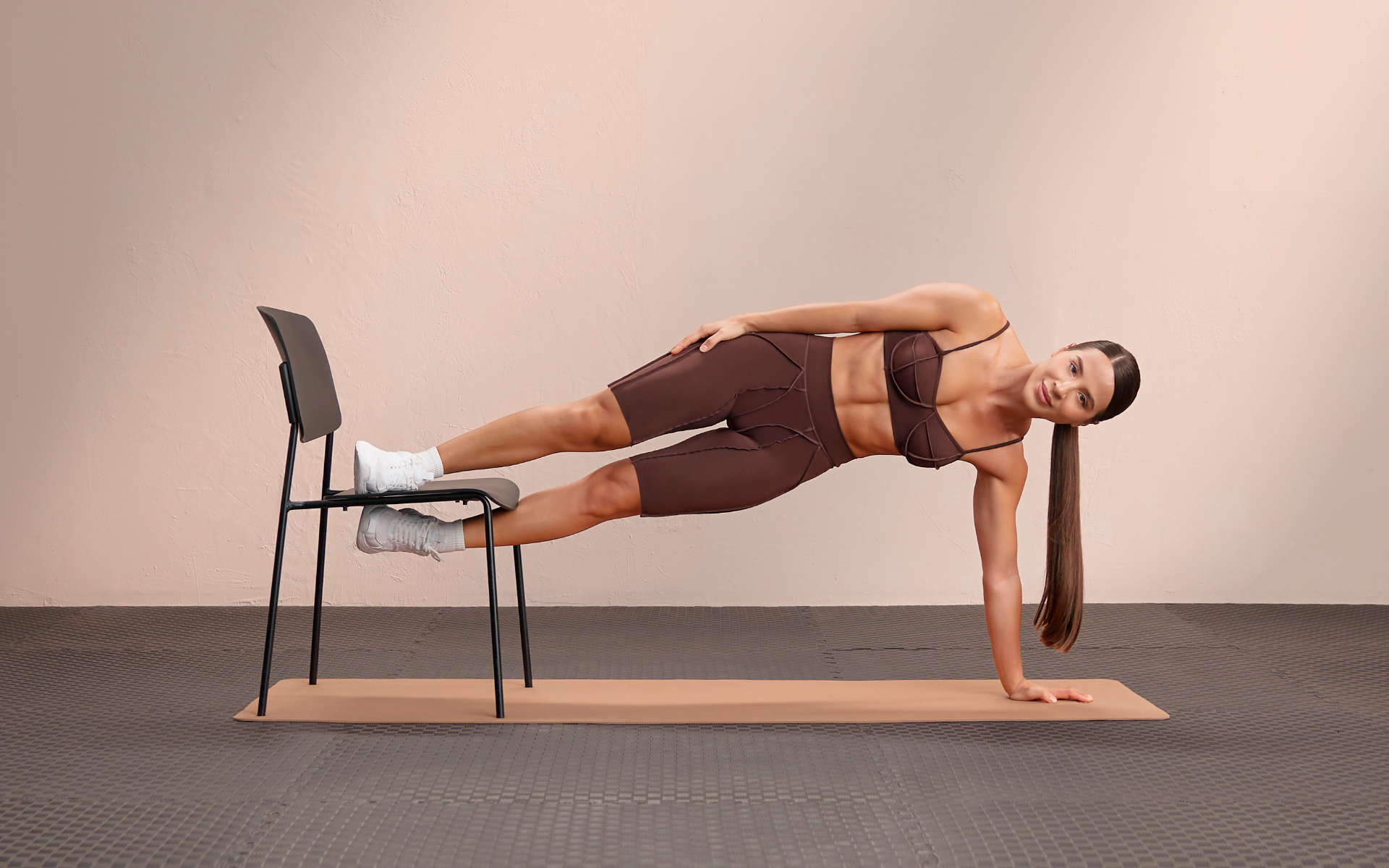
A side booty workout trains the muscles around the outer hips through leg raises, side steps, and single-leg movements. The sample routine below combines six exercises with adjustable repetitions and holds. For another glute-training option, explore our bubble butt workout. Choose movements you can control without expecting a fixed change in appearance.
Key takeaways
- Side-glute training can include hip abduction, side steps, and single-leg movements.
- Training a nearby muscle has not been shown to selectively remove fat from that area (2).
- A review found that several hip-abduction and single-leg exercises produced high activity in parts of the gluteus medius and minimus (1).
- Bodyweight, bands, and weights can all provide resistance; added equipment is not always necessary for progress (3).
- Step-up variations produced high gluteus maximus activity in one review; activation alone does not rank long-term muscle growth (4).
- Track controlled repetitions, exercise difficulty, and recovery instead of using an appearance deadline.
- Recovery needs vary with training volume, exercise choice, and effort (5).
What is a side booty workout?
A side booty workout is a strength routine that includes movements for the outer-hip muscles. It can combine hip abduction, which moves the leg away from the body, with single-leg and hip-extension exercises.
The gluteus medius and minimus contribute to hip movement and pelvic control. A review examined how different exercises activate their individual segments (1).
Training these muscles does not selectively remove nearby fat. A meta-analysis found no localized fat reduction from training the adjacent muscles (2). Resistance training can develop muscle, but that does not guarantee a particular hip shape.
What actually happens at those sides?
Exercise studies can help identify which muscles are active during a movement. Their results should not be treated as a prediction of how your hips will look.
Step-ups and glute activation
Many people assume that side booty training is all about kicking out. However, a 2020 systematic review found that step-ups and their variations led to some of the highest activation of the gluteus maximus (4).
Step-ups also require balance and control. Choose a stable platform height you can manage, and use appropriate support while learning the movement.
Focus on abduction
A review found high activity in parts of the gluteus medius and minimus during several abduction and single-leg exercises (1). Side-lying leg raises are one option; clamshells are another movement to practice, but neither should be described as completely isolating one muscle.
Consider adding weight
Resistance can come from body weight, bands, or external weights (3). When your current version becomes manageable, you can adjust repetitions, range of motion, or difficulty. Adding weight is one option, not an inevitable requirement.
What this means for your workouts
Build a routine around movements you can perform with control. Combine different directions of hip movement rather than relying on one exercise to change the shape of the outer hips.
If you cannot keep your balance or maintain the intended movement, reduce the load, range, or repetitions. A qualified trainer can help you choose a manageable version.
Read more: Does walking make your butt bigger?
Why are the sides of my glutes flat?
Hip appearance varies between people. A flat-looking area or an inward curve is not, by itself, evidence that a muscle is weak or that you need to change your body.
Let’s take a look at why some glutes appear flatter and how it relates to the different types of butts.
How bone structure affects hip dips
The pelvis and thigh bones provide the framework around the hips. Exercise changes what you can do; it should not be presented as a way to reshape that framework.
You do not need to remove hip dips to benefit from training. Set goals around strength, control, or the activities you want to perform.
How muscles and fat affect your shape
Muscle size and fat distribution contribute to appearance, but a photograph cannot tell you how strong a muscle is or how often someone sits. Assess your training through performance rather than appearance alone.
How can you build a manageable glute routine?
Choose a few movements you can control, then plan when to repeat them. A short session can be adjusted as you learn how much work you recover from.
Remember these tips:
- Start small: Use fewer exercises or sets when the full sample is too demanding.
- Target the side glutes: Focus on glute medius exercises to strengthen the sides of your hips.
- Keep a record: Note the version, repetitions, and effort so you can compare sessions.
Include glute work within a broader strength routine. Our guide to muscle groups to work out together can help you organize the rest of your training.
BetterMe can help you add more structure to your daily wellness routine with workouts, meal planning tools, and habit-building features. Explore the app and take a practical step toward a routine that feels more manageable for you.
How do you target the side bum with exercises?
Include movements that take the leg outward as well as exercises that challenge one leg at a time. The gluteus medius and minimus respond differently across exercises and muscle segments (1).
Here are practical ways to vary the work:
Work side to side
Side steps and leg raises add lateral movement to a routine that might otherwise rely on squats and hip hinges.
For lateral band walks, choose a light enough band to keep each step controlled. Place it according to the band or exercise instructions and avoid taking a wider step than you can manage.
Train one leg at a time
The single-leg Romanian deadlift challenges hip and trunk control. A study measured gluteus medius activity during loaded versions of this movement; it measured immediate activation, not long-term strength gains (6).
Holding a load in the hand opposite the working leg changes the demands of the exercise. The study found greater activation in some hip muscles with that arrangement (6). Learn the movement without a heavy load first.
How to reduce the balance challenge
Use a small range of motion and a suitable stable support when practicing a single-leg movement. You can also begin with a two-leg bridge before trying the single-leg version.
Progress when you can repeat the movement with control. Do not add load simply because the previous version felt less intense.

What is a pumping side booty workout?
A pumping workout is an informal name for a routine that uses repeated movements and relatively short rests. A temporary muscle sensation is not a measure of growth, so do not chase discomfort or use it to judge whether a session worked.
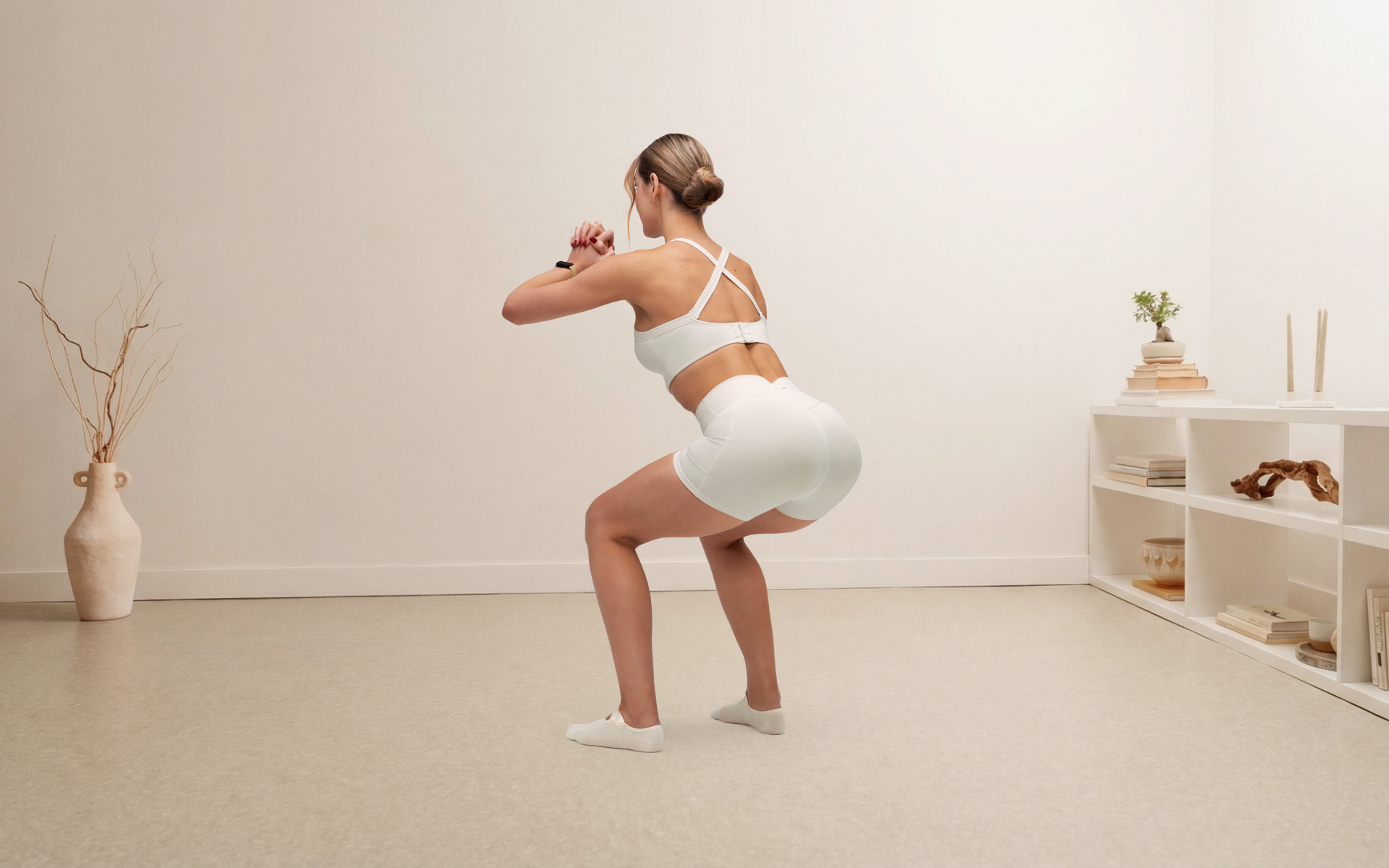
The following bodyweight circuit is an adjustable example. Begin with fewer exercises or rounds if needed, and allow longer rests when your form becomes difficult to maintain.
Sample plan:
- Try 1-2 rounds initially; add a round only when the workload is manageable.
- Rest at least 30-40 seconds between exercises, and longer when needed.
- Move with control rather than rushing to finish the repetitions.
Side-lying leg raises
Reps: 15-20 per side
- Keep your hips stacked.
- Lift your top leg slowly, pausing for 1 second at the top.
- Lower with control.
Clamshells
Reps: 10-15 controlled repetitions per side
- Keep your feet together and your knees bent.
- Open and close your top knee slowly while keeping your feet together.
- Don’t let your hips roll back.
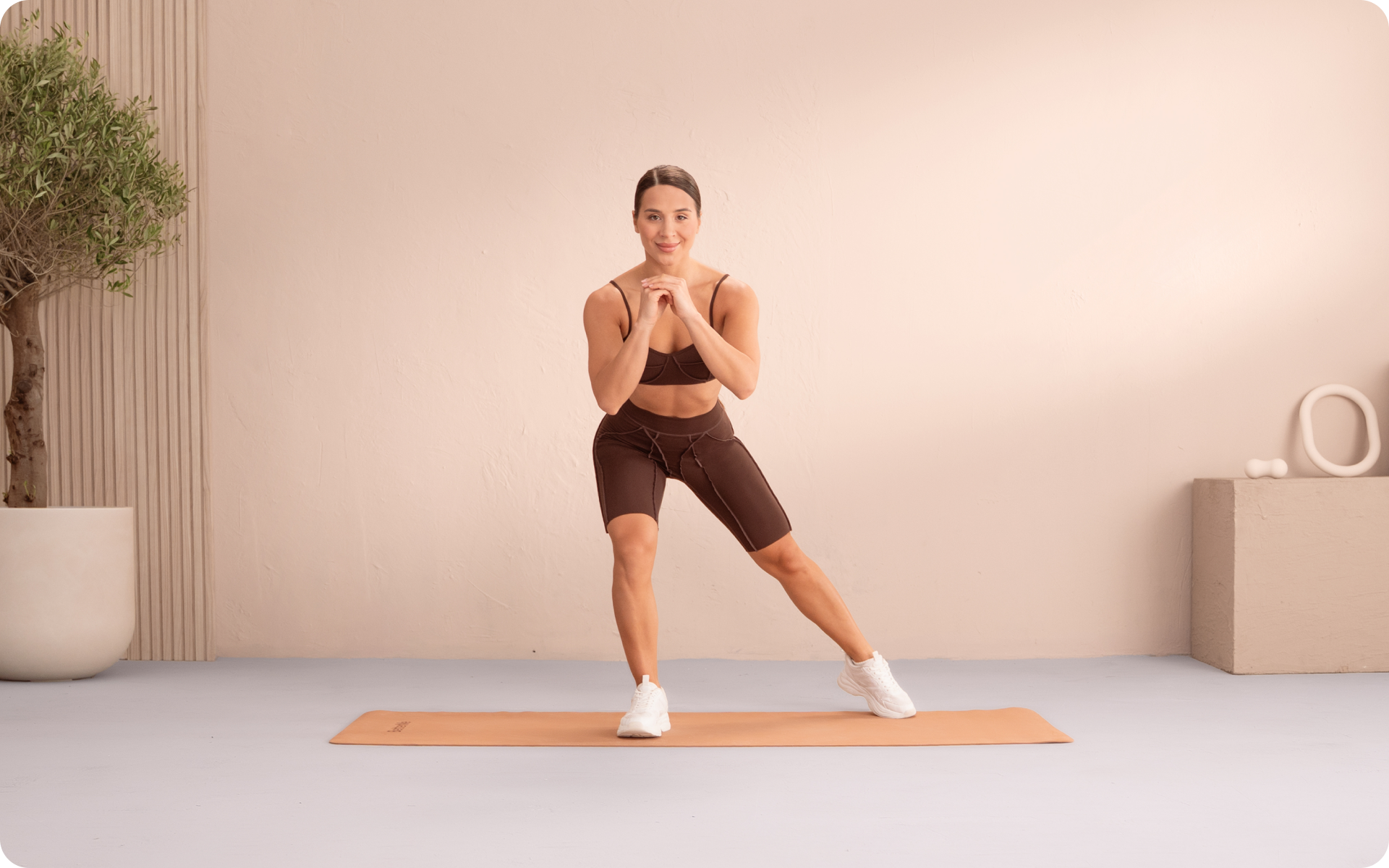
Lateral walkouts (bodyweight)
Reps: 12-15 steps each direction
- Stay in a half-squat position with your chest up.
- Step wide and stay low to keep tension on the glutes.
Fire hydrants with hold
Reps: 12-15 per side
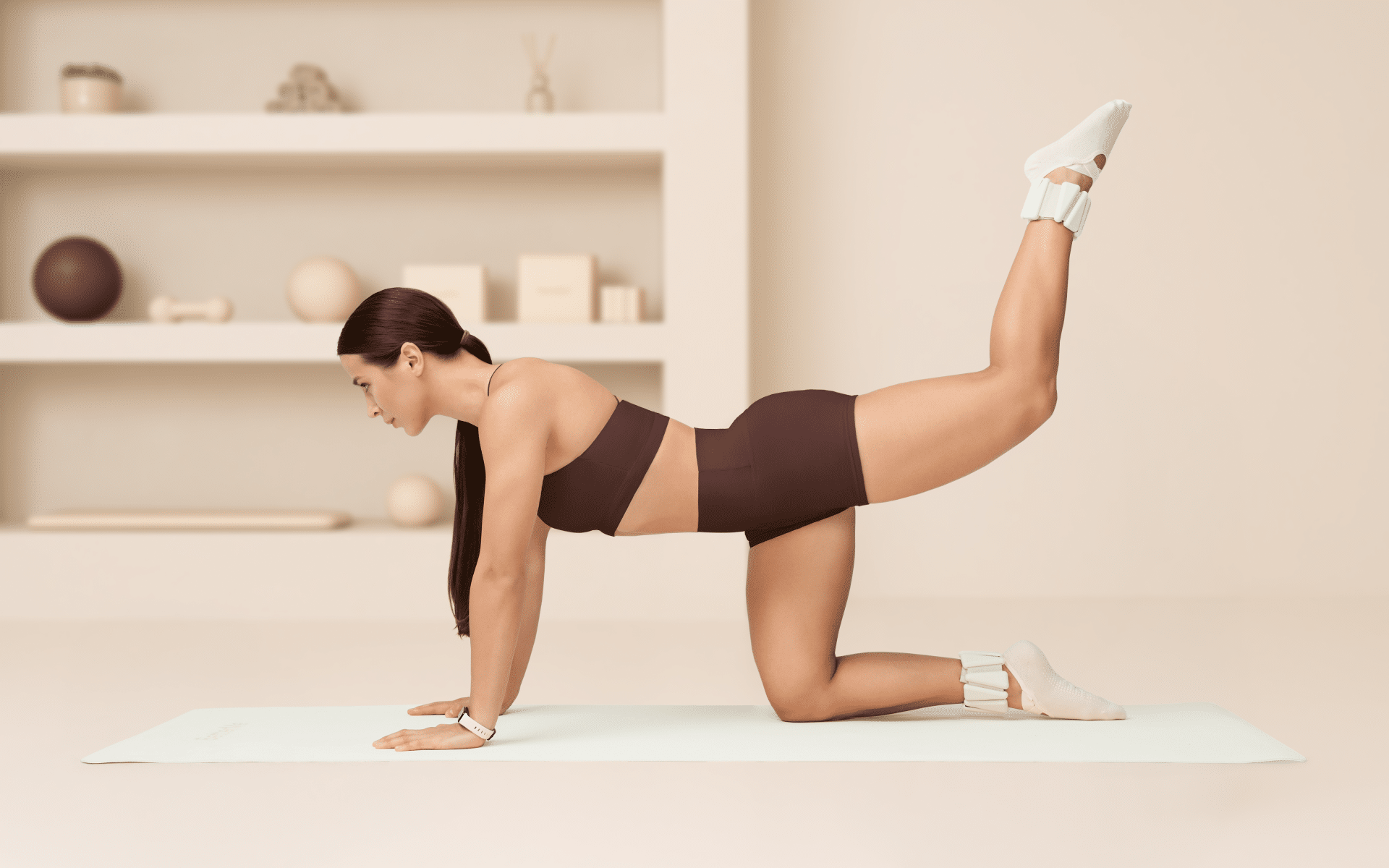
- While on all fours, lift your leg out to the side.
- Hold for 2 seconds at the top before lowering back to center.
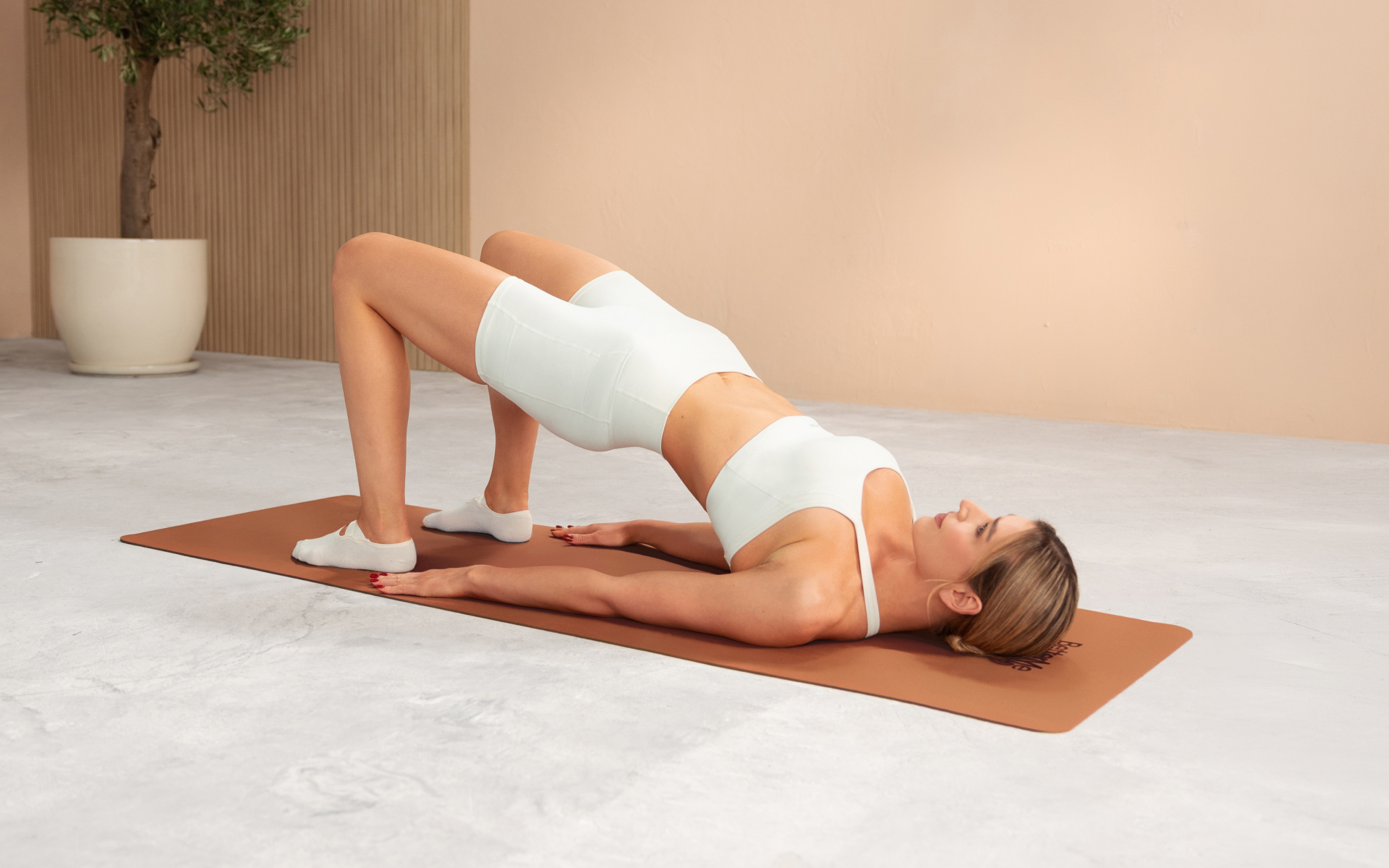
Single-leg glute bridge hold
Time: 20-30 seconds per side
- Lie on your back with your knees bent and feet flat.
- Lift one foot, then raise your hips by pressing through the foot on the floor.
- Keep your hips level during the hold, then lower before switching sides.
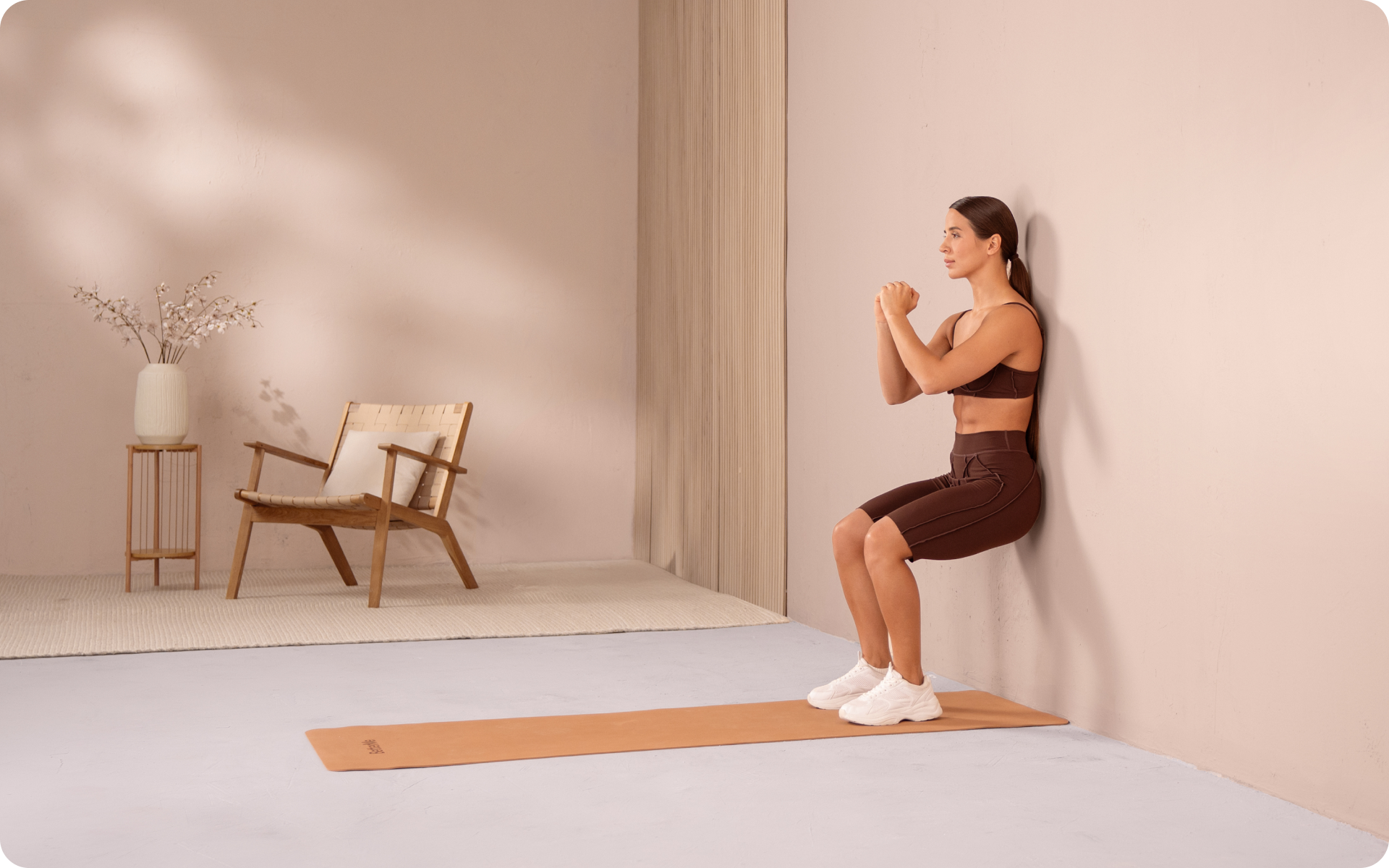
Wall sit with alternating foot lift (optional)
- Hold a wall sit for 30 seconds.
- Lift one foot slightly from the floor, set it down, and switch sides while keeping your hips controlled.
Finish the session when fatigue makes the movements difficult to control. Repeat or reduce the workload next time before deciding to add more.
Do step-ups build more glute muscle than other exercises?
Activation research does not establish which exercise produces the most long-term glute growth.
A 2020 review reported high gluteus maximus activation during step-up variations (4). This supports their inclusion as an option, but it does not prove that step-ups grow the side glutes more than every other exercise.
Choose an exercise you can progress and perform consistently, with a suitable platform and enough control to avoid pushing mainly off the trailing leg.
You can combine step-ups with the lateral and bridge movements in a broader routine, adjusting the total work to your recovery.
Read more: Pilates glute exercises: a simple way to build strength
How long will it take to grow side glutes?
There is no fixed deadline for growing side glutes. Training history, workload, nutrition, and individual response all affect progress; visible changes are not guaranteed.
Keep track of what you can repeat with control. Better technique or more repetitions can be useful progress even when your appearance has not changed.
Use the table as a training log rather than a biological timeline:
| Training focus | When to check | What to record | How to adjust |
|---|---|---|---|
| Movement control | During each session | Exercise version, range of motion, and balance | Reduce difficulty when control is lost |
| Workload | Across repeated sessions | Sets, repetitions, resistance, and recovery | Increase one variable when the current workload is manageable |
To support your training, consider the following:
- Progression: Make a small adjustment when the current version is manageable. Change one variable at a time, such as repetitions or resistance.
- Nutrition: Include protein-containing foods in your meals. A review in healthy adults found small additional lean-mass gains when higher protein intake accompanied resistance training (7).
- Recovery: Allow time between demanding sessions and reduce the next workload if fatigue affects performance. Recovery demands depend on the session (5).
For a sample weekly structure, place two sessions on nonconsecutive days. Adjust that example around other lower-body training and your recovery.
What mistakes stop glute growth?
Even a well-planned side booty workout can stall if your form or habits are working against you.
Review these aspects of your routine:
- Bouncing off the bottom foot during step-ups, which can remove tension from the glutes.
- Repeating an exercise version that no longer challenges you, without reviewing repetitions, range, or resistance.
- Adding more work despite fatigue that affects your movement control (5).
- Choosing a range of motion you cannot control under the current load.
- Poor pelvic stability during single-leg moves, allowing the hips to tilt instead of staying level.
- Neglecting food intake that supports your activity; seek individual advice from a registered dietitian if needed.
- Quitting too early: progress takes time, so try to stay consistent.
Workouts, weight management tools, and recipe ideas come together in the BetterMe: Health Coaching app, giving you practical support for building a more consistent wellness routine.

FAQs
How can I tell whether a band is too strong?
Use a lighter band if it makes you twist, shorten the intended movement, or lose your balance. The resistance should let you repeat the exercise with control.
Is strength training useful at any age?
There is no single age at which strength training stops being useful. Match the workload to your current ability rather than using an age or appearance cutoff (3).
What machine targets the side glutes?
Standing cable abductions and seated hip-abduction machines provide ways to add resistance. Ask a trainer to demonstrate setup and choose a load you can control.
Are squats better than lunges?
Neither is automatically the right choice for every routine. Squats use both legs together, while lunges introduce a split stance; choose the version you can control and progress.
Is it OK to train side glutes every day?
Daily hard training is not necessary. Recovery requirements vary with exercise choice, volume, and effort (5). For the sample routine, use nonconsecutive days and adjust the workload if fatigue persists.
The bottom line
A side booty workout can combine lateral movements, bridges, and single-leg exercises. Choose a manageable version and use performance goals rather than expecting to erase hip dips.
Record the work you complete, progress gradually, and allow recovery. Visible changes vary between people and should not be tied to a fixed week on a calendar.
DISCLAIMER:
This article is intended for general informational purposes only and does not serve to address individual circumstances. It is not a substitute for professional advice or help and should not be relied on for making any kind of decision-making. Any action taken as a direct or indirect result of the information in this article is entirely at your own risk and is your sole responsibility.
BetterMe, its content staff, and its medical advisors accept no responsibility for inaccuracies, errors, misstatements, inconsistencies, or omissions and specifically disclaim any liability, loss or risk, personal, professional or otherwise, which may be incurred as a consequence, directly or indirectly, of the use and/or application of any content.
You should always seek the advice of your physician or other qualified health provider with any questions you may have regarding a medical condition or your specific situation. Never disregard professional medical advice or delay seeking it because of BetterMe content. If you suspect or think you may have a medical emergency, call your doctor.
SOURCES:
- A systematic review and meta-analysis of common therapeutic exercises that generate highest muscle activity in the gluteus medius and gluteus minimus segments (2020, pubmed.ncbi.nlm.nih.gov)
- A proposed model to test the hypothesis of exercise-induced localized fat reduction (spot reduction), including a systematic review with meta-analysis (2022, hummov.awf.wroc.pl)
- ACSM publishes updated resistance training guidelines (2026, acsm.org)
- Gluteus Maximus Activation during Common Strength and Hypertrophy Exercises: A Systematic Review (2020, jssm.org)
- The Importance of Recovery in Resistance Training Microcycle Construction (2024, jhk.termedia.pl)
- Effects of loading positions on the activation of trunk and hip muscles during flywheel and dumbbell single-leg Romanian deadlift exercises (2023, frontiersin.org)
- Systematic review and meta-analysis of protein intake to support muscle mass and function in healthy adults (2022, onlinelibrary.wiley.com)
 By
 Reviewed by
 Reviewed by