
Most people don’t want to get into the complexities of counting calories and/or macronutrients. The whole task of weighing every ingredient is so stressful. And trust me, everyone who has tried to lose weight at some point in their lives has been there. We stare at a salad or any other meal, and wonder if it’s within our caloric intake or not. Sometimes, we skip meal times altogether, and that’s even more frustrating!
Honestly, being in a calorie deficit doesn’t mean starving yourself or living on boring food. It just means eating a bit less than what your body burns. These meals will keep you feeling full, energized, and actually enjoying what’s on your plate.
This guide takes a deep dive into easy calorie deficit meal plans and provides tips to make the most of them.
What Are Easy Calorie Deficit Diet Meals?
Meals for a calorie deficit diet that actually work usually go beyond the basic “just eat less” advice. The real focus should be on foods that keep you full and well-nourished. Basically, it’s about controlling hunger so you can stick with it long term.
Here’s a simple breakdown of the key pillars behind a science-backed 1200 calorie deficit meal plan.

Why High Protein Matters
Protein is the real MVP when you’re eating in a calorie deficit. Studies have shown that a higher protein intake (around 1.2-1.6 g per kg of body weight) can help control appetite and support overall metabolic health (1).
This happens because protein makes you feel full for longer after eating, and it has a higher thermic effect than carbs or fats. Your body uses about 20-30% of protein’s calories just to digest it, compared to only 5-10% for carbs. Also note that when you’re in a deficit, your body can dip into muscle for energy. A higher-protein diet helps prevent that if you’re also strength training. This can lead to more fat loss while keeping lean muscle intact (2).
In a deficit, the body may catabolize muscle for energy. A study found that individuals following a high-protein diet lost more body fat and retained more lean mass than those on a standard protein diet (3).
You Have to Eat More, Not Less
One big reason diets fail is simple. People feel hungry all the time.
That’s why meals should focus on low-calorie, high-volume foods. These are the foods that take up a lot of space on your plate but don’t pack in many calories. They could be leafy greens, broccoli, cauliflower, cucumbers, or juicy fruits.
Studies have shown that how much food you eat matters more for fullness than calories alone. When you swap refined carbs for fiber-rich whole grains and vegetables, you can make your meal two to three times bigger without adding many extra calories. The extra volume stretches your stomach and sends signals to your brain that you’re full (4).
In short: bigger plates → fewer calories → less hunger
When it comes to weight loss, progress is made by inches, not miles, so it’s much harder to track and a lot easier to give up. The BetterMe: Health Coaching app is your personal trainer, nutritionist, and support system all in one. Start using our app to stay on track and hold yourself accountable!
Fiber Can Keep You Full
Fiber can slow digestion. This means food stays in your stomach longer, which keeps you feeling satisfied between meals.
Research published in the Annals of Internal Medicine found that just aiming for 30 grams of fiber a day can support weight loss almost as effectively as more complex diet plans (5).
So there are no strict rules. To increase your fiber intake, you just need to consume more fruits, vegetables, whole grains, and legumes.
Use Fats Smartly
Fat has more calories than carbs and protein, but cutting it out completely can backfire. Your body needs healthy fats to function properly, especially for hormone balance (6).
Including sources such as olive oil, nuts, seeds, avocados, and fatty fish helps your body absorb key vitamins A, D, E, and K. The key is portion control, not elimination. Also, remember that a little healthy fat goes a long way in making meals more satisfying and sustainable.
A comprehensive meal plan should aim for a 300-500-calorie daily deficit. Statistics show that this moderate approach leads to a weight loss of roughly 0.5 to 1.0 kg (1-2 lbs) per week (7). This is the threshold most associated with long-term weight maintenance rather than “yo-yo” dieting.
Read more: Nutrition and Workout Plan for Strength and Balanced Wellness

How to Kick Start a Calorie Deficit Diet as a Beginner
To start losing weight as a beginner, the goal is to eat a bit less without tricking your body into thinking it’s starving. If you cut calories too fast, your brain flips a survival switch. This mode makes you feel incredibly hungry and tired, which usually leads to giving up.
Step # 1: Find Your Starting Point
Before cutting calories, you need to know how much you’re eating right now. Many beginners skip this step and guess, which usually leads to frustration and burnout.
Why does it matter? Tools like TDEE calculators estimate the number of calories your body needs each day based on your metabolism and activity level. Research suggests that most people underestimate their food intake by 30-50%, which makes progress harder than it needs to be (8).
Simple tip: Track what you normally eat for three days. Don’t change anything yet, just observe. This will give you a realistic baseline to work from.
Step # 2: Eat Enough Protein First
We mentioned above how protein plays an important role in keeping you full. Your body may naturally keep eating until its protein needs are met. If your meals for your calorie deficit diet are low in protein, you’re more likely to overeat carbs and fats without realizing it.
Aim for about 30 grams of protein at breakfast, such as eggs or Greek yogurt. This can control your hunger, balance blood sugar, and avoid afternoon energy crashes.

Step # 3: Watch What You Drink
For beginners, one of the quickest wins is cutting back on liquid calories. Drinks often sneak in extra calories without making you feel full. Research has shown that calories from drinks don’t satisfy hunger the same way solid food does (9). This makes it easy to consume more calories without noticing.
You should swap juices and sodas for sparkling water, black coffee, or plain tea. This small change alone can save 200 to 300 calories a day, without touching your meals at all.
Step # 4: Move More in Simple Ways
You don’t need to hit the gym right away to burn calories. Every day movement, like walking, standing, cleaning, or even fidgeting, adds up. This is called NEAT, and it plays a bigger role than most people realize.
Research in the Journal of Internal Medicine showed that NEAT can differ by as much as 2,000 calories per day between people of the same size (10). This is a huge difference without a single workout.
You can set a daily step goal (around 7,000 steps) instead of stressing about gym sessions. Pairing this with smart choices like calorie deficit breakfasts makes fat loss easier and more sustainable.
| Action | Purpose |
|---|---|
| Calculate TDEE | Defines your caloric "ceiling" |
| Hydrate first | 500ml of water before meals |
| The 80/20 rule | 80% nutrient-dense foods, 20% fun foods to prevent binge cycles |
| Sleep (7+ hours) | Sleep deprivation increases ghrelin (hunger) and decreases leptin (fullness) |

How to Correctly Eat in a Calorie Deficit
You need to balance the numbers (fewer calories) with how your body actually uses food. When you do this right, you lose mostly fat, not much muscle. In the meantime, you can keep your energy and hormones in a good place.
Below are some core rules for doing a calorie deficit the right way:
Choose Real Food Over Empty Calories
Yes, you can lose weight by eating junk food if the calories are low enough, but you’ll probably feel tired, hungry, and miserable. A better approach is focusing on foods that give you more volume and nutrients for fewer calories.
For example:
- 200 calories of strawberries fill a big bowl, around 50 medium-sized berries.
- 200 calories of potato chips is a snack-sized bag, around 20-25 chips..
High-volume foods physically fill your stomach, which helps control hunger hormones (11). This is why simple low-calorie meals built around fruits, vegetables, and lean proteins are much easier to stick to.

Use Your Plate as a Guide
You don’t need to weigh food at every meal. A visual approach works well, particularly on busy days or when eating out.
- Half your plate: Non-starchy vegetables (broccoli, spinach, peppers)
- One quarter: Lean protein (chicken, fish, tofu, egg whites)
- One quarter: Complex carbs (potatoes, quinoa, whole wheat pasta)
- Healthy fats are used during cooking or as a garnish (olive oil, avocado, nuts, and seeds). They may also be naturally occurring in your protein source (such as fatty fish).
This method naturally keeps portions balanced and makes it much easier to build simple low-calorie meals.
Don’t Forget to Drink Water
Your brain often confuses thirst with hunger. This can lead to unnecessary snacking.
Easy habit: Drink about 500 ml of water 30 minutes before meals. Research has suggested that this simple step can significantly boost weight loss by helping you eat less without trying (12).
It may take you some time to get used to the new eating patterns. However, don’t give up too soon. Allow your body time to adjust to this routine, and you might notice significant improvements in your physical and mental health.
The BetterMe: Health Coaching app will provide you with a host of fat-frying fitness routines that’ll scare the extra pounds away and turn your body into a masterpiece! Get your life moving in the right direction with BetterMe!
What Are Some Calorie Deficit Diet Meals Ideas for Beginners?
An easy calorie deficit meal plan can include the following ideas:
Breakfast Ideas
- Greek yogurt with berries and a sprinkle of chia seeds
- Scrambled eggs with spinach and cherry tomatoes and whole-grain toast
- Overnight oats with almond milk, banana slices, and cinnamon
- Protein smoothie with whey/plant protein, spinach, and frozen berries
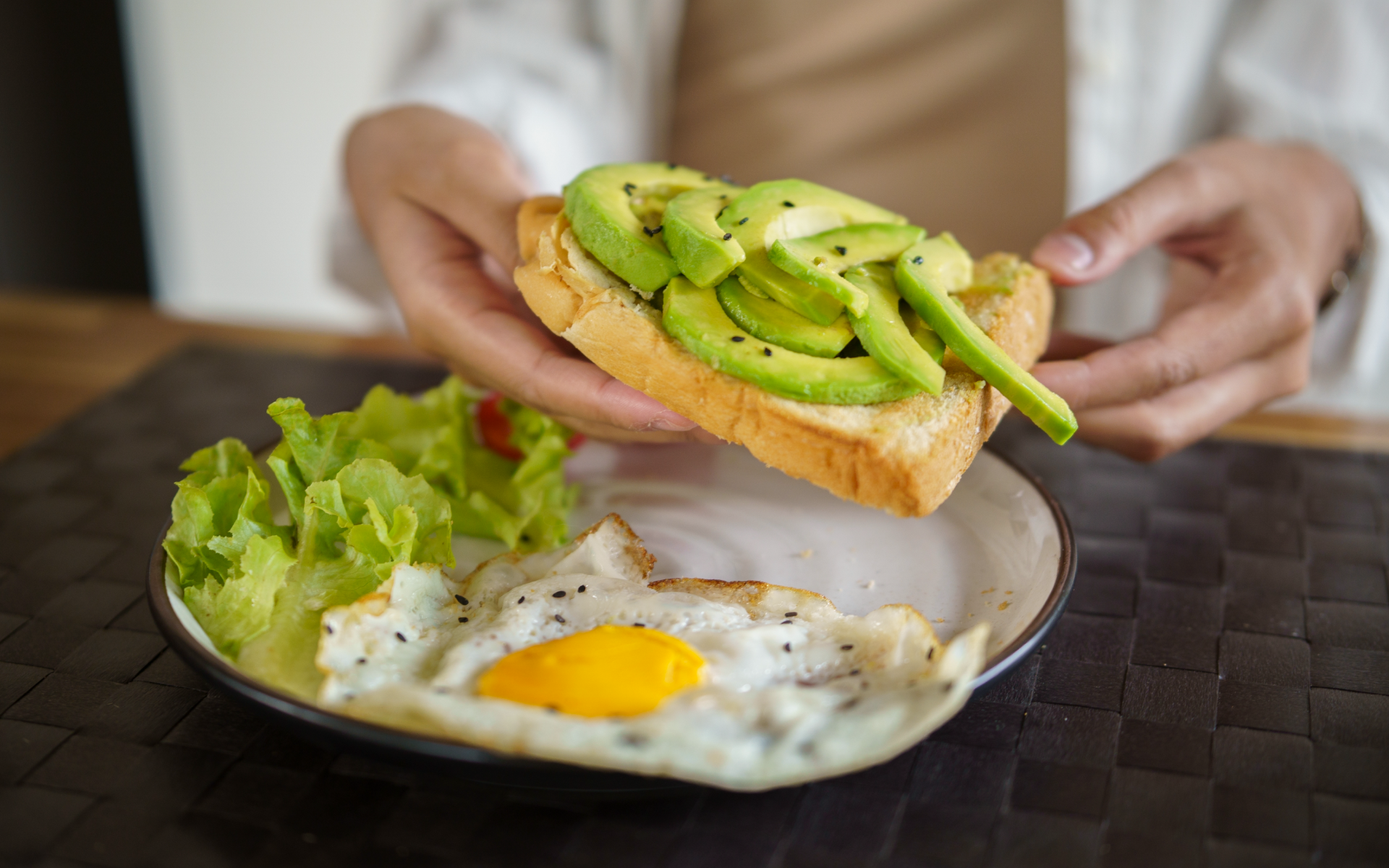
- Whole-grain toast with avocado and a boiled egg

Lunch Ideas
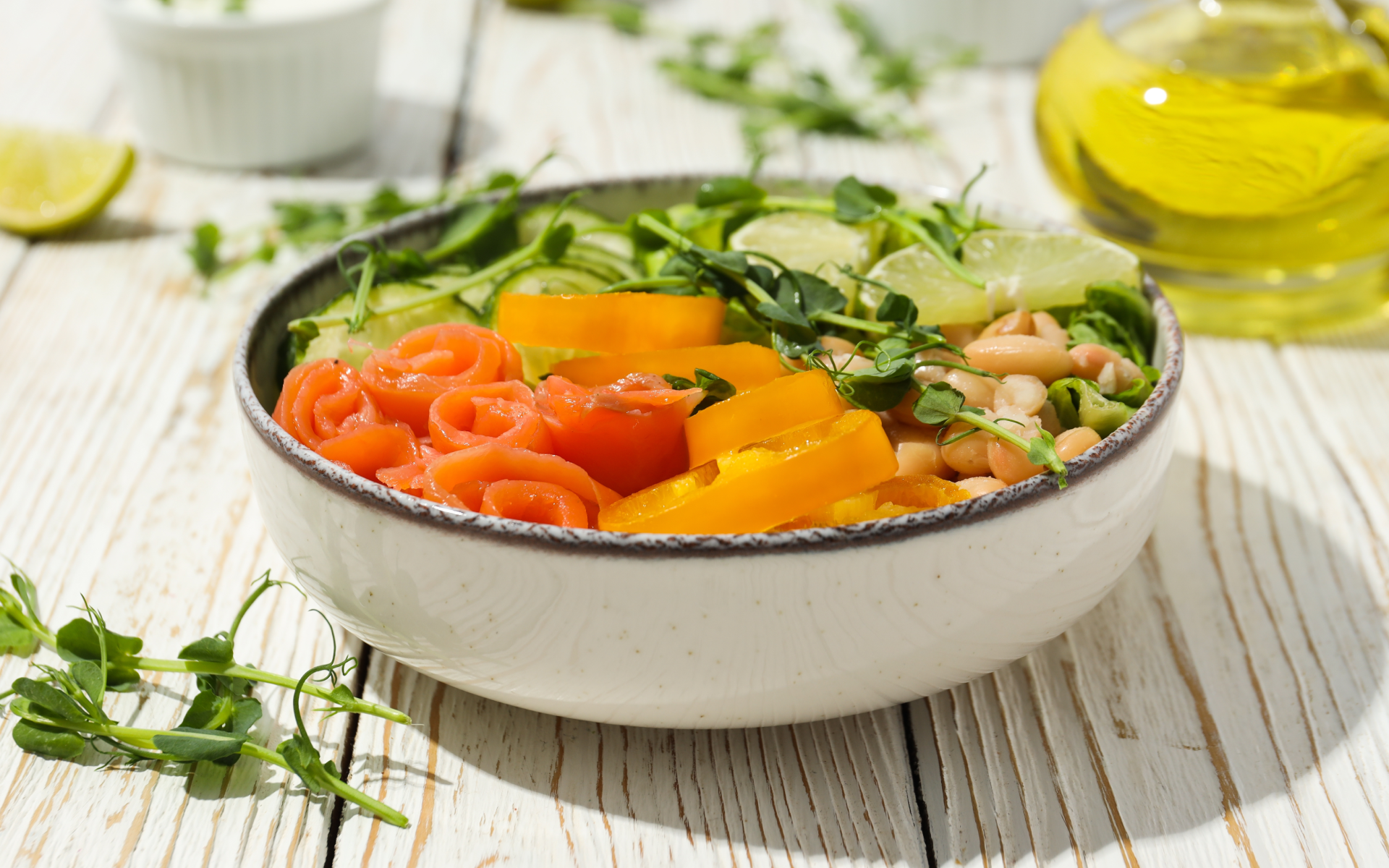
- Grilled chicken salad with mixed greens, cucumbers, white beans, and a light vinaigrette
- Tuna salad stuffed in bell peppers
- Quinoa bowl with roasted vegetables and chickpeas
- Turkey or tofu lettuce wraps with shredded carrots and cucumber
- Vegetable and lentil soup with a side of whole-grain crackers
Dinner Ideas
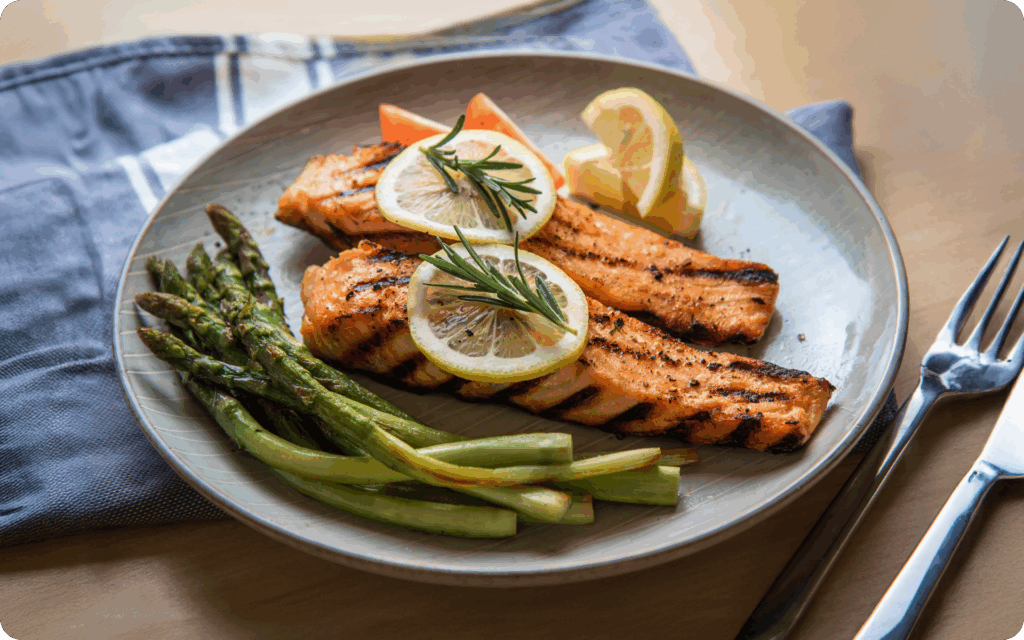
- Baked salmon with steamed broccoli and cauliflower rice
- Stir-fried chicken or tofu with mixed vegetables, brown rice, and a splash of soy sauce
- Whole-wheat pasta with marinara sauce, zucchini, and lean ground turkey
- Grilled shrimp tacos with cabbage slaw and salsa (use corn tortillas)
- Baked sweet potato topped with cottage cheese and green beans
Snack Ideas
- Apple slices with a teaspoon of peanut butter
- Carrot and cucumber sticks with hummus
- A handful of almonds or walnuts
- Boiled eggs with a dash of pepper
- Air-popped popcorn
Read more: How to Create a Lean Bulking Meal Plan That Works for You
What Happens When You First Start a Calorie Deficit?
When you first cut calories, your body goes through a quick adjustment as it shifts from using food for energy to tapping into stored energy.
In the first week, you may see a fast drop on the scale, often 1-3 kg (2-7 lbs). This is mostly water weight. It is released as your body uses stored glycogen (the sugar stored in your muscles and liver). Since glycogen holds water, burning it also flushes out fluids (13).
In addition to the scale changes, a few internal shifts also happen:
- Hormone changes: Insulin (which stores fat) drops, while glucagon rises to help release stored energy (14).
- Increased hunger: Your stomach produces more ghrelin, the hunger hormone, which can lead to temporary cravings (15).
- Metabolism tweaks: Your heart rate and body temperature might dip slightly as your body becomes more efficient with fewer calories (16).
- Temporary fatigue: As glycogen drops, your muscles may feel a bit heavy, especially during intense workouts, until your body adapts to burning fat.
This first phase can feel tough, but it’s actually a good sign. Your body is successfully switching to fat as its main fuel source.
What Are the Signs that My Calorie Deficit Is Working?
Knowing whether your calorie deficit is actually helping you lose fat can be confusing, particularly early on. Thankfully, your body gives you real signs that you’re on the right track, beyond just what the scale says.
Here are some common, easy-to-notice signs that your calorie deficit is working:
- Your Weight May Slowly Trends Downward
Seeing the number on the scale go down over weeks (even if it’s just a small amount) usually means you’re in a deficit. Small weekly drops are normal. Dramatic swings often reflect water changes, not fat loss.
- Your Clothes May Start to Feel Looser
Sometimes your clothes fit more comfortably even before the scale changes much. This can be a sign that you’re losing fat around key areas, such as your waist or hips.

- Your Energy Stays Okay Throughout the Day
Healthy weight loss shouldn’t leave you feeling drained all day. You may feel a bit hungry between meals, but you should still have energy for work, chores, and simple workouts.
- You Can Notice Changes in Body Shape or Measurements
Taking waist, hip, or chest measurements can show progress even when the scale stalls. This often reflects real fat loss rather than temporary water weight.
- Small Improvements in Health Markers
Even modest weight loss, such as 5% of your total body weight, has been shown to improve markers of blood pressure and metabolic health in people with overweight or obesity. A systematic review found losing this much weight to be associated with meaningful health benefits across several areas, even if the overall weight loss wasn’t large (18).
What not to stress over:
- Day-to-day scale fluctuations
- Feeling a little hungry between meals
- Minor energy dips here and there
These are often normal parts of the adjustment process. However, if you’re constantly exhausted, overly hungry all day, or feeling unable to function normally, this may mean your deficit is too big or your diet is poorly balanced.

How Long Can Your Body Stay in a Calorie Deficit?
You can stay in a calorie deficit until your body fat gets very low, but doing so for too long often backfires as your metabolism slows.
Some experts recommend keeping a steady deficit for about 12-16 weeks before taking a short diet break or switching to maintenance calories.
Here’s what determines the timeline for a safe deficit:
- Metabolism slows: Your body conserves energy during prolonged deficits, which may result in a slowdown or “plateau” on your weight loss journey (20).
- Hormones shift: Fullness and sex hormones drop; stress hormones rise, potentially causing water retention and muscle loss (21).
- Mental fatigue: Long-term dieting can be exhausting and trigger binge-restrict cycles. Breaks can help prevent this.
Listen to your body, take smart breaks, and remember, steady progress beats extreme restriction every time!

A good calorie deficit meal is filling but not heavy on calories. For example: grilled chicken or tofu, a large portion of mixed vegetables, and a moderate serving of rice or potatoes. Meals like this focus on protein and volume, which helps you stay full without overeating. For most people, 2 liters is a good starting point, but water alone doesn’t cause weight loss. Hydration helps control appetite, supports digestion, and prevents mistaking thirst for hunger. If you’re active, live in a hot climate, or exercise regularly, you may need to drink more. You may feel slightly hungry between meals, but you shouldn’t feel constantly starving. Mild hunger is normal, but if you’re tired, irritable, or thinking about food all day, your deficit may be too aggressive or poorly balanced. Yes, sleep plays a big role. Poor sleep can increase hunger hormones, reduce fullness signals, and make cravings more difficult to control. Getting 7 to 9 hours of sleep helps your body regulate appetite and makes it much easier to stick to a calorie deficit.Frequently Asked Questions
What is an example of a meal for a calorie deficit?
Is 2 liters of water a day enough to lose weight?
How hungry should I be on a calorie deficit?
Does sleep affect weight loss?
The Bottom Line
At the end of the day, don’t think of a calorie deficit diet as a prison sentence – it’s just a budget. You wouldn’t try to save money by never spending a dime – you’d just stop buying the stuff that doesn’t add value.
Eating for a deficit is the exact same thing. Focus on filling your plate in a way that your brain stays happy while your body taps into its reserves. Find out what your body needs. Some people are okay with a 1200-calorie deficit meal plan, while others don’t feel satiated with 2000 kCal either.
Just don’t get bogged down in perfection.
If you overeat one day, you’ll just have a slightly smaller deficit for the week. The secret to the whole process isn’t a magic pill or a 1,000-calorie-a-day crash diet – it’s more like consistency over intensity. Play the long game, eat the volume-vegetables, and your future self will definitely thank you.
DISCLAIMER:
This article is intended for general informational purposes only and does not serve to address individual circumstances. It is not a substitute for professional advice or help and should not be relied on for making any kind of decision-making. Any action taken as a direct or indirect result of the information in this article is entirely at your own risk and is your sole responsibility.
BetterMe, its content staff, and its medical advisors accept no responsibility for inaccuracies, errors, misstatements, inconsistencies, or omissions and specifically disclaim any liability, loss or risk, personal, professional or otherwise, which may be incurred as a consequence, directly or indirectly, of the use and/or application of any content.
You should always seek the advice of your physician or other qualified health provider with any questions you may have regarding a medical condition or your specific situation. Never disregard professional medical advice or delay seeking it because of BetterMe content. If you suspect or think you may have a medical emergency, call your doctor.
SOURCES:
- The role of protein in weight loss and maintenance (2015, sciencedirect.com)
- Why You Don’t Just Lose Fat When You’re on a Diet (2023, scientificamerican.com)
- Effects of high-protein diets on fat-free mass and muscle protein synthesis following weight loss: a randomized controlled trial (2013, pubmed.ncbi.nlm.nih.gov)
- Solubilization of Hydrophobic Dyes in Surfactant Solutions (2013, mdpi.com)
- Single-Component Versus Multicomponent Dietary Goals for the Metabolic Syndrome: A Randomized Trial (2015, acpjournals.org)
- Nutritional influences on hormonal homeostasis: Exploring mechanisms and implications (2024, researchgate.net)
- Rate of weight loss can be predicted by patient characteristics and intervention strategies (2012, jandonline.org)
- Discrepancy between Self-Reported and Actual Caloric Intake and Exercise in Obese Subjects (1992, nejm.org)
- Sugary Drinks (2023, nutritionsource.hsph.harvard.edu)
- Nonexercise activity thermogenesis – liberating the life-force (2007, onlinelibrary.wiley.com)
- Appetite-related Gut Hormone Responses to Feeding Across the Life Course (2025, academic.oup.com)
- Pre-meal water consumption for weight loss (2013, pubmed.ncbi.nlm.nih.gov)
- Role of insulin and other related hormones in energy metabolism—A review (2016, tandfonline.com)
- Ghrelin, a gastrointestinal hormone, regulates energy balance and lipid metabolism (2018, portlandpress.com)
- Linking calorie restriction, body temperature and healthspan (2020, scripps.edu)
- Effects of Moderate and Subsequent Progressive Weight Loss on Metabolic Function and Adipose Tissue Biology in Humans with Obesity (2016, sciencedirect.com)
- Quantification of the effect of energy imbalance on bodyweight (2011, thelancet.com)
- Metabolic Slowing with Massive Weight Loss despite Preservation of Fat-Free Mass (2012, academic.oup.com)
- Long-term effects of calorie restriction on serum sex-hormone concentrations in men (2010, onlinelibrary.wiley.com)