

Whenever we talk about calisthenics, we often forget the foundation that most calisthenic movements come from or what supports them.
Most calisthenic exercises, such as the handstand, push-up, and pull-up, require strength and hand involvement.
That is why calisthenics hands is a subject that you should understand to help you master the best calisthenics hands exercises.
As mentioned, the hands play a central role in most calisthenic moves.
The role of the hands in calisthenics includes the following factors:
- Grip Strength and Endurance: Essential for most calisthenics exercises that involve gripping, such as pull-ups and hanging exercises. Without this strength, you may fall and get injured, so that better grip strength can reduce the likelihood of injuries.
- Balance and Control: The hands also provide control and balance in calisthenic exercises such as handstands, planches, and push-ups. With your hands, you can control where your weight lies and adjust to maintain balance and stability where needed. Handstand benefits involve this balance and control factor.
- Support and Resistance: Hands feel and endure the resistance and friction while offering the support your body needs in most calisthenic moves.
What Are Calisthenics Hands?
Calisthenic hands refer to the role your hands play in calisthenic exercises.
Hands are very useful during every move of calisthenics from supporting your bodyweight when doing push-ups, holding the bars during pull-up exercises, and the hands in most cases are the ones that feel the friction and can even develop calluses.
It is important to understand that most calisthenic moves use your wrists, fingers, and forearm; you need stronger hands for better calisthenics and fewer injuries!
Grip strength and wrist stability are important not just for offering good balance in handstands but also for better control and fewer injuries, as mentioned.
Therefore, you need to ensure that your hands are strong, mobile, and stable.

What Makes Hand Strength Important In Calisthenics?
Most calisthenics workouts use hands, and hand strength is important for a variety of reasons. Whether it is holding your body weight, providing control, preventing injuries, or executing some calisthenics movements, hand strength is essential.
Hand strength is important in calisthenics because of:
- Grip and Control
Hand strength is important for providing a stronger grip and control for safety during the exercise. In most calisthenics exercises, your hands serve as your anchor, holding you to the bars and lifting your body against gravity. Grip strength is also an indicator of overall strength and fitness (1).
- Better Stability
Some static skills, such as planches, handstands, and L-sits, require strong hands for proper form. You, therefore, need strong hands and wrists to help you in maintaining balance by distributing the weight of the body evenly.
- Strength Transfer
When you have strong hands, you can transfer that strength when pulling or pushing, which is important in some calisthenic moves such as muscle-ups and pull-ups.
- Wrist Resilience
Strong hands also build on wrist strength and resilience. It is important to understand that wrists also play a vital role and thus should be strong and resilient. Wrist strength determines the overall wrist functionality. It is what permits multidirectional hand movement, and that is central in most exercises (2).
BetterMe: Health Coaching app helps you achieve your body goals with ease and efficiency by helping to choose proper meal plans and effective workouts. Start using our app and you will see good results in a short time.
What Are The Best Calisthenics Hands Exercises For Beginners?
The best calisthenics exercises for beginners are those that build wrist grip and strength, and lay a strong foundation for advanced movements.
Some of the best calisthenics exercises suitable for beginners include:
- Wrist circles
- Fist clenches
- Wrist flexor stretch
- Finger push-ups
- Wrist push-ups
- Towel squeeze
All these exercises are not only beneficial but also relatively easy to do, making them the best for beginners.
Read more: Calisthenics Workout Routine: A Science-Backed Program
What Is A Safe Warm-Up For Calisthenics Hand Workouts?
A safe, warm-up calisthenics hand workout focuses on gradually increasing blood flow, loosening the joints, and preparing your muscles and tendons for stress.
These hand exercises are simple and can last 10–15 minutes.
Some of these are safe warm-ups that you can try, such as:
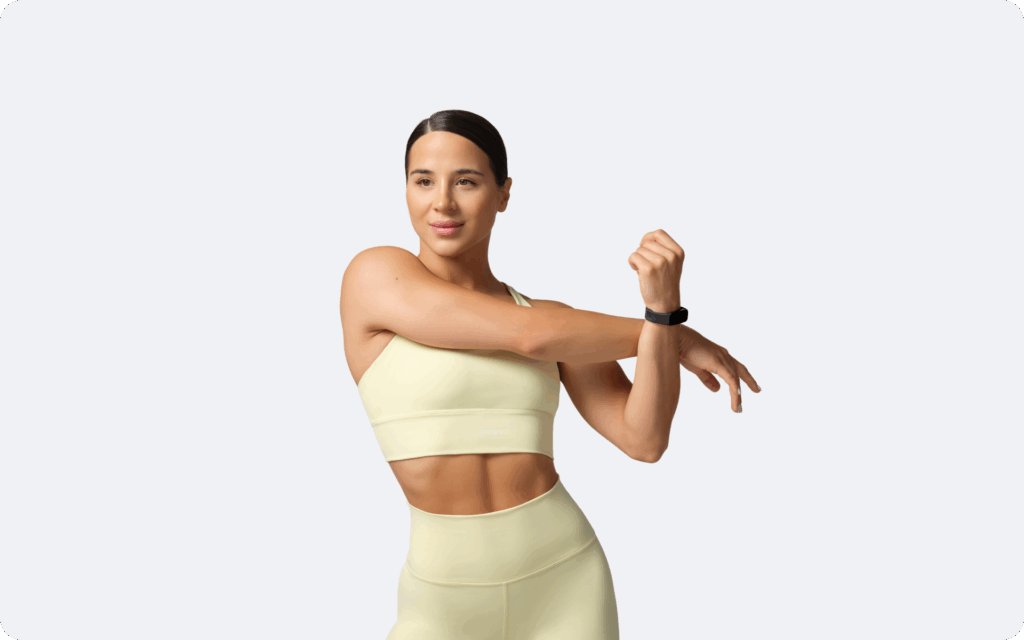
- The wrist flexor and stretch
- Finger flex and extend
- Finger push-ups or palm lifts
- Wrist circles
- Wrist rolls
What Are More Advanced Calisthenics Hand Movements To Try?
There are many advanced calisthenics hand movements you can try once you have developed basic hand strength, wrist stability, mobility, and control.
These exercises primarily focus on developing exceptional grip strength and hand and forearm endurance, enhancing wrist mobility and stability, and facilitating skill in handstand Calisthenics progression.
Some advanced calisthenics hand movements you can try include:
- Planche push-ups
- One-arm push-ups
- Freestanding handstands
- Handstand push-ups
- Handstand walking
- Fingertip push-ups
- Rope or towel climbs
- Front lever pull
- L-sit handstand.
Why Are Handstands So Hard?
Handstands can be so hard because you need both skill and strength.
It requires the skill to balance and control your body while in an inverted position, and strength to bear the body weight with your hands.
Any weakness in wrist and hand control, technique and alignment, and core and shoulder strength can make handstands more challenging.
Fear is also what grips some people making it hard for them to try.
Of course, being in an upside-down position with your head down can be an uphill battle for some people to even try.
How To Learn To Do Calisthenics Handstands?
Learning to do calisthenics handstands is important.
It helps improve body awareness and build strength.
As a beginner, you should seek tactile and verbal feedback, as well as visual comparative feedback, to help you improve your balance, posture, and mental picture of the handstand (4). Calisthenics handstands exercises, such as the following, can help too.
Reasons why BetterMe is a safe bet: a wide range of calorie-blasting workouts, finger-licking recipes, 24/7 support, challenges that’ll keep you on your best game, and that just scratches the surface! Start using our app and watch the magic happen.
Here are the key steps:
- Build Strength
You need strength to do the handstands. So, the first thing is to build your wrist and shoulder strength. Wrist circles, pike push-ups, and palm lifts can be helpful.
- Master the Basics
First, it is important to understand the steps that can help you as a beginner.
Start with the easiest moves such as lying on your back, lifting your legs and shoulders slightly, and tightening your core.
- Start with Wall Handstands
Wall handstands can be easier because you get used to being upside down while on the support of the wall. Calisthenics handstand equipment is simply a wall!
Calisthenics handstands for beginners require a wall for support.
- Work on Balance
Once you are comfortable with your head down, learn to balance by moving slightly away from the wall with your hands for support.
- Progress to Freestanding Handstands
After you have done sufficient wall handstands, you can now move away from the wall then try a small free handstand on a soft surface.
Read more: Full-Body Calisthenics Exercises: How to Get Ripped Without Touching a Single Weight
How To Get Stronger Wrists For Calisthenics?
Getting stronger wrists for calisthenics involves incorporating exercises that activate the wrist muscles, helping build strength, stability, mobility, and load tolerance.
Some of the things you can do to get stronger wrists for calisthenics include the following:
Warm Up Daily
You need to warm up your wrists daily or before engaging in any workout.
Some of the exercises to warm up your wrists include finger flicks, wrist circles, palm pulses, and forearm massage.
- Improve Mobility
Wrist mobility is important in a variety of exercises and handstands.
Some exercises that will help improve your wrist mobility include wrist extension stretch, side-to-side wrist leans, and reverse wrist stretch.
- Build Strength
Your wrist strength is also important. Strength is what supports your entire body during workouts. Some exercises that can help build wrist strength include palm raises, kneeling push-ups, towel hangs, wrist curls, and dead hangs.
- Load Bearing on Hands
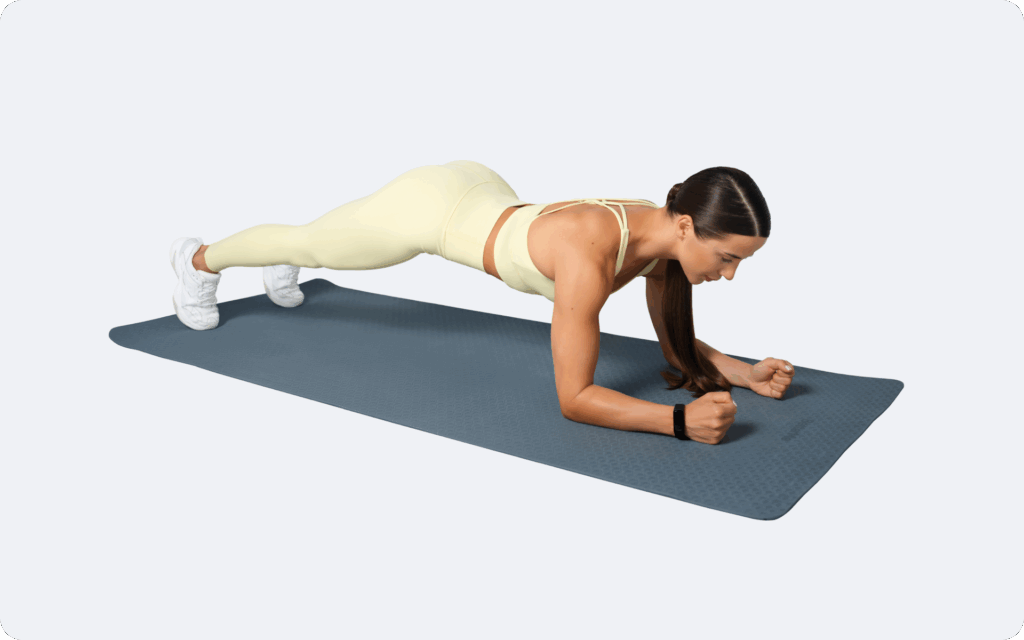
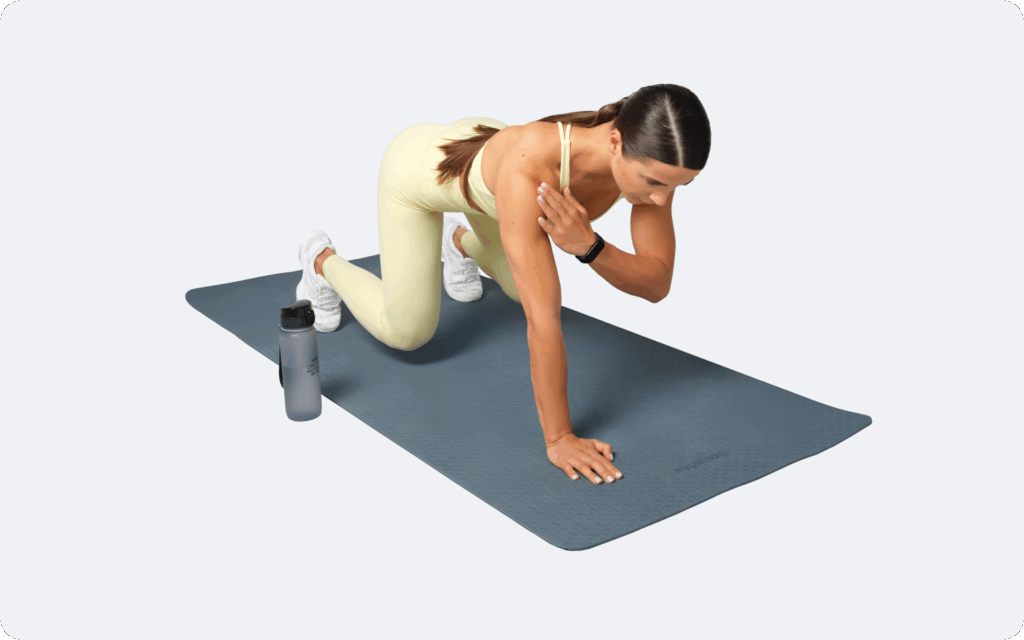
You also need to practice load-bearing on your hands, as that helps adapt your wrists safely over time. Some of the exercises that can be helpful in this case include plank holds, handstand wall leans, and quadruped holds.
Yes, handstands build muscle. With regular workouts and progressive overload, you can build muscle in the shoulders, chest, arms, and core. Handstand push-ups, for instance, can help you build strength, endurance, and muscle mass (3). Doing handstands every day can help build strong arms, shoulders, and core muscles. This daily practice translates into improved strength and endurance, better balance and coordination, and stronger wrist strength. Handstands are both a skill and strength. It is a skill because it requires you to master balance, control, and coordination technique for proper body alignment, shoulder positioning, proper entry, and balance on the hands. It is strength because it requires you to have strong shoulders, strong wrists and forearms, upper back strength, and a strong core. Yes, handstands can tone your arms. It is one of the best calisthenics exercises that heavily rely on arm and shoulder strength to support the entire body while you are in an inverted position. Handstands also activate the triceps, upper back, shoulders, forearms, upper back. To see results, be sure to pair exercise with a healthy calorie-controlled diet.Frequently Asked Questions
Will handstands build muscle?
What happens if I do handstands every day?
Is handstand a skill or strength?
Do handstands tone your arms?
The Bottom Line
At this point, you must have understood what calisthenics hands are all about and what role your hands play during calisthenics moves. As mentioned, hands are a central part of most calisthenics exercises. Your hands offer support and strength, provide grip and stability, and also provide resistance against gravity.
It is also important to remember that your forefingers and the wrist are performing when conducting calisthenics moves. Therefore, you need to keep them strong, balanced, and mobile or flexible to reduce the risks that would otherwise result if your hands were weak.
DISCLAIMER:
This article is intended for general informational purposes only and does not serve to address individual circumstances. It is not a substitute for professional advice or help and should not be relied on for making any kind of decision-making. Any action taken as a direct or indirect result of the information in this article is entirely at your own risk and is your sole responsibility.
BetterMe, its content staff, and its medical advisors accept no responsibility for inaccuracies, errors, misstatements, inconsistencies, or omissions and specifically disclaim any liability, loss or risk, personal, professional or otherwise, which may be incurred as a consequence, directly or indirectly, of the use and/or application of any content.
You should always seek the advice of your physician or other qualified health provider with any questions you may have regarding a medical condition or your specific situation. Never disregard professional medical advice or delay seeking it because of BetterMe content. If you suspect or think you may have a medical emergency, call your doctor.
SOURCES:
- Comparison of grip strength between calisthenic athletes, power lifters, bodybuilders and boxers: A cross-sectional study (2022, journalofsports.com).
- Effects of Alternative Wrist Grip Techniques on Pain, Strength, and Function in the Wrists of Novice Weightlifters (2024, riics.info).
- Exercise Technique: Handstand Push-up (2019, journals.lww.com).
- Teaching novices the handstand: A practical approach of different sport-specific feedback concepts on movement learning (2018, researchgate.net).
 By
By 
 Reviewed by