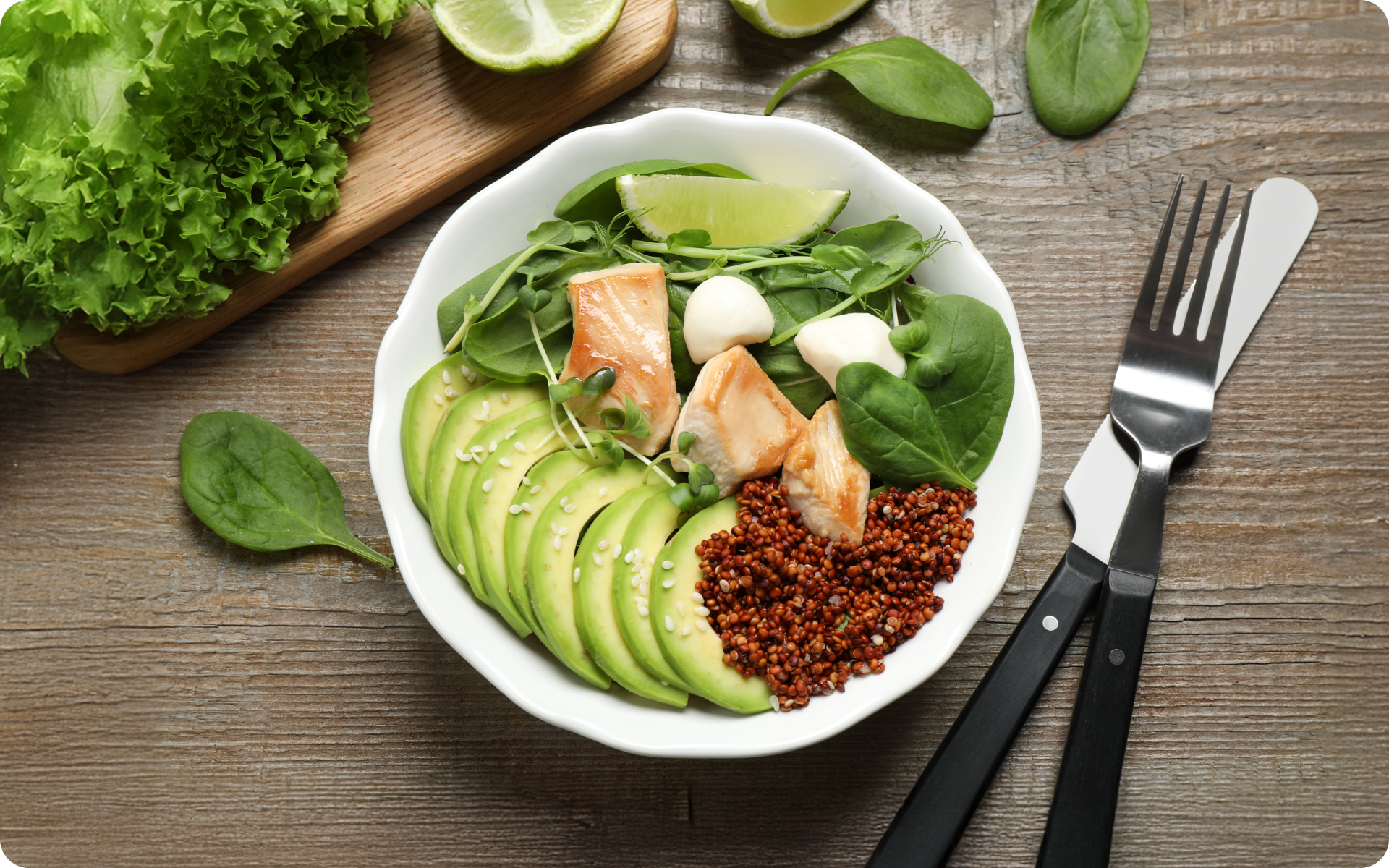

Blue Zones are regions – including Okinawa (Japan), Sardinia (Italy), Ikaria (Greece), the Nicoya Peninsula (Costa Rica), and Loma Linda (California) – where residents exhibit unusually high numbers of centenarians (people who live to be 100 years old). This is attributed to the type of diet these people follow, in addition to their lifestyles, community ties, and sense of purpose.
The concept of Blue Zones emerged after a 2005 National Geographic expedition, during which researchers identified five demographically confirmed and geographically defined areas with the highest percentage of centenarians.
This article is for general information only and isn’t medical advice. If you’re planning significant dietary changes or have health-related concerns, consider speaking with a qualified healthcare professional first.
What Is a Typical Blue Zone Diet?
A typical Blue Zone diet is largely plant-based. Although animal products aren’t prohibited, meat, dairy, and eggs are eaten sparingly, and often reserved for special occasions. However, sweets or highly processed foods are rarely added (1, 2).
While the basis is consistent and similar, each Blue Zone has its own local twist. In Okinawa, the traditional diet is focused on sweet potatoes, seaweed, and soy, with very little meat or dairy. In Nicoya, Costa Rica, the squash, corn, and beans trifecta usually dominates meals. However, in Sardinia and Ikaria, a Mediterranean-style approach with olive oil, beans, whole grains, vegetables, potatoes, and moderate fish consumption is more common (1, 2).
These local changes highlight that the Blue Zone diet isn’t a rigid plan, but a flexible way of eating that’s built on plant-forward traditions and seasonal, local foods.

What Are the Key Principles Behind the Blue Zone Diet?
People in the Blue Zones tend to eat in moderation, guided by practices such as the Okinawan “hara hachi bu”, which encourages stopping at 80 percent fullness. Meals are small to moderate in size, three per day, and snacking is uncommon. This can promote satiety while supporting healthy weight management over a lifetime (3).
Lifestyle and other factors that accompany our lives are also essential for well-being and longevity. Beyond food, the Blue Zone way of life emphasizes how people move, connect, and find meaning in their daily routines (4).
If you wish to free yourself from all the extra pounds that have been weighing you down for way too long, start using the BetterMe: Health Coaching app and overhaul your entire life!
- Moving Naturally
This is one of the most notable aspects shared by these areas – movement is built naturally into their lives, rather than structured gym workouts. They move with purpose, engage in activities such as gardening, walking, cycling, farming, or tending to household chores (3, 4).
This isn’t with the sole intent of burning calories or hitting a fitness target. These activities are woven into everyday tasks and leisure, keeping the body strong and flexible well into older age.
- Sense of Purpose
In Okinawa, this is known as ikigai, while in Nicoya, the phrase is plan de vida – “life plan”. This is the reason to wake up in the morning, either through caring for family, working the land, volunteering, or contributing skills to the community. This sense of meaning has been linked to lower stress, increased resilience, and measurable longevity benefits (3, 4).
- Social Connections
This is another fundamental pillar shared by people in Blue Zones. These communities prioritize family, keeping close bonds across generations, and often living with or near their children and grandchildren. Being part of communities, often faith-based, can provide regular opportunities for connection, ritual, and belonging. This “sense of tribe” may help reinforce positive wellness behaviors, as habits, both good and bad, are highly contagious (3, 4).
What Foods Are Included in a Blue Zone Diet?
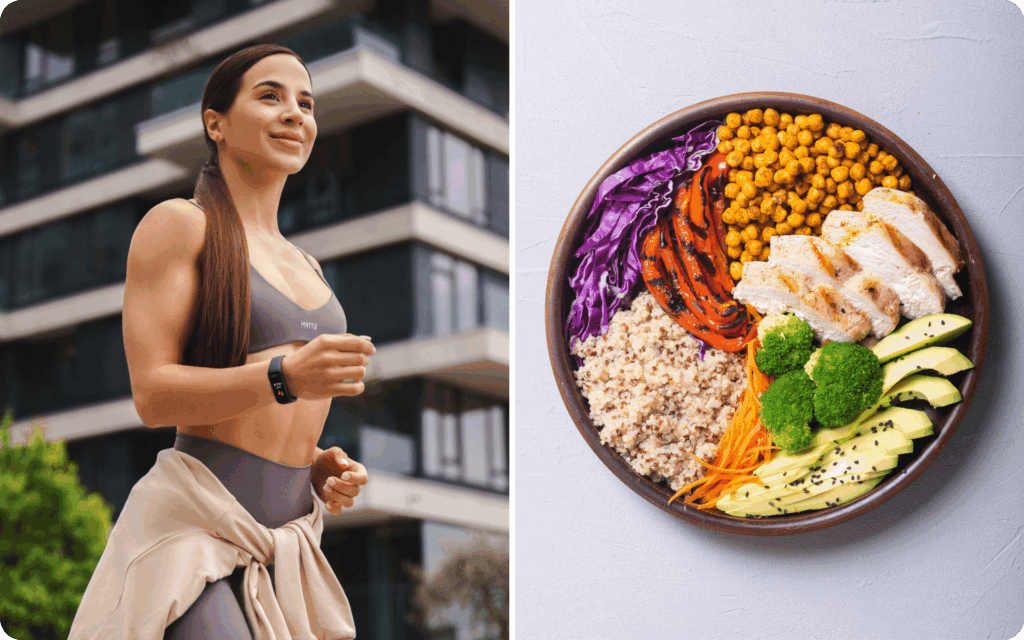
At its core, the Blue Zone diet is a plant-forward dietary approach. Almost 95-100% of the foods included are plant-based, and meals are centered on seasonal vegetables, fruits, beans, and whole grains.
Beans
Every Blue Zone region has a bean tradition – black beans in Costa Rica, lentils and chickpeas in the Mediterranean, soybeans in Okinawa. These humble legumes are eaten in hearty amounts, averaging at least half a cup per day.
Beans are nutrient-dense and rich in protein and fiber, which makes them filling and able to support blood sugar balance. They’re also versatile, affordable, and form the backbone of the daily diet, often paired with whole grains or vegetables (5).
Whole Grains
Refined flours and processed foods made with them are rare in Blue Zones. On the contrary, people in the Blue Zones stick to whole grains, including barley, oats, rye, and whole wheat. Breads, if included, are usually made from 100% whole grain and naturally fermented sourdough, both of which have a lower glycemic index than white breads (6).
Healthy Fats
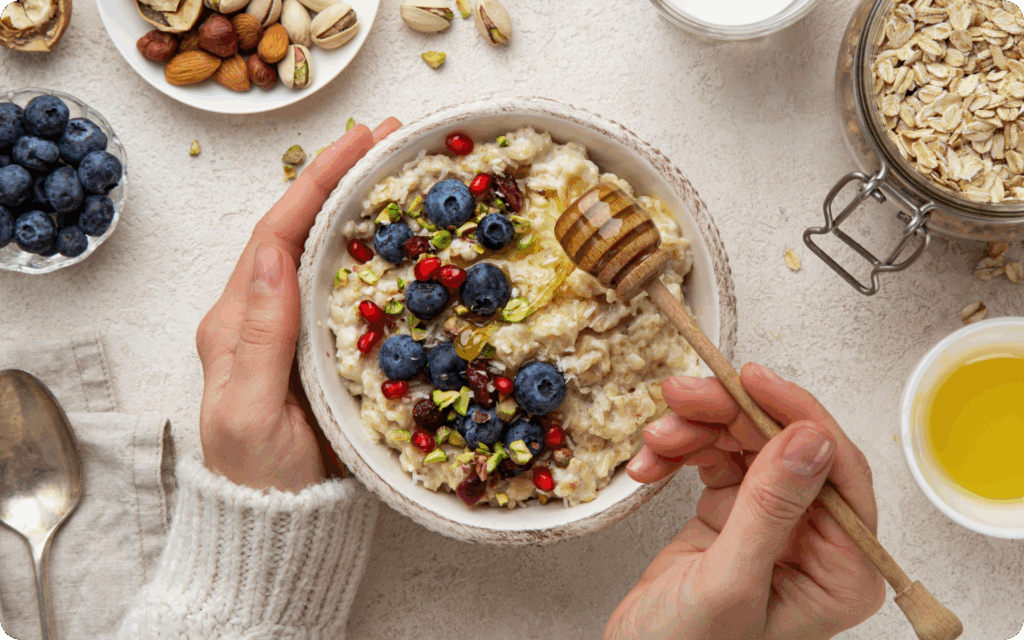
Instead of butter, lard, or other animal fats, Blue Zone diets rely on plant oils, olive oil being the most common one in Ikaria and Sardinia. Olive oil is rich in monounsaturated fats and antioxidants, often discussed as part of eating patterns that are associated with cardiometabolic wellbeing (7).
Nuts such as almonds, walnuts, pistachios, cashews, and Brazil nuts also provide healthy fats, which makes them regular snacks that support cholesterol and reduce inflammation (8).
Fruits and Vegetables
Leafy greens such as kale, spinach, chard, and beet or turnip tops are some of the top choices in Blue Zones. They are eaten daily, combined with seasonal fruits and other colorful vegetables for meals all year long. Together, these foods provide fiber, antioxidants, and nutrients and micronutrients that support overall well-being (9).
If you’re curious about blue zone foods, check out our earlier article.
Read more: The Everyday Guide to Low-Carb Snacks Without the Guesswork
What Is a Sample Blue Zone Diet Meal Plan?
Below is a two-day sample meal plan that’s aligned with Blue Zone principles – plant-focused, moderate animal products, seasonal, modest portions, mindful, and whole foods-based (1):
Day 1
Breakfast: Steel-cut oats with berries, flaxseed, walnuts, and a drizzle of honey.
Lunch: White bean and vegetable stew with sourdough bread.
Snack: A handful of almonds and an apple.
Dinner: Mixed greens salad, olive oil vinaigrette; roasted sweet potato; small serving of grilled fish.

Day 2
Breakfast: Tofu scramble with spinach and tomatoes.
Lunch: Chickpea salad with kale, spinach, and whole-grain bulgur, seasoned with olive oil.
Snack: Carrot sticks with hummus.
Dinner: Lentil and vegetable soup with steamed greens.
For more details about meal planning tips, take a look at our prior publication.
When it comes to weight loss, progress is made by inches, not miles, so it’s much harder to track and a lot easier to give up. The BetterMe: Health Coaching app is your personal trainer, nutritionist, and support system all in one. Start using our app to stay on track and hold yourself accountable!
What Foods Should You Avoid with the Blue Zone Approach?
Most processed foods, such as packaged sweets and sugary drinks, processed meats and breads, and ultra-processed snacks, aren’t included in Blue Zone dietary patterns.
While meat isn’t absent, it plays a minor role. Most people in Blue Zones eat small portions of meat, no more than two ounces, only a few times per month. This is usually reserved for celebrations.
Fish is a bit more common and is consumed a few times a week, but still not as often as plant-based protein. When fish is part of the menu, it’s usually small, low-mercury species such as sardines, anchovies, and cod.
Dairy and eggs are also consumed in limited amounts. For the most part, dairy options in Blue Zones feature goat or sheep milk, mainly fermented into yogurt or cheese. Eggs are included only a few times per week, typically as part of a larger plant-based meal.
Our previous post goes into great detail about the intermittent fasting food list.
Read more: The Scandinavian Diet: Simple, Seasonal, And Deeply Nourishing

Yes, rice can be part of the Blue Zone diet, but it’s often eaten in moderate amounts. In Okinawa, rice is traditionally a minor staple, with sweet potatoes being the main carb. Other Blue Zones may include whole-grain or white rice more often. While eggs aren’t banned from the Blue Zone diet, they’re eaten occasionally – no more than a few times a week – often as a complement to larger plant-based meals. Coffee, together with water, tea, and occasionally red wine in moderation, is commonly consumed as part of the Blue Zone diet. While it depends on the particular region, breakfast often includes protein (eggs, tofu, or pulses), vegetables, whole grains, nuts or seeds, and occasionally miso soup or porridge.Frequently Asked Questions
Is rice eaten in Blue Zones?
Do people in Blue Zones eat eggs?
Is coffee consumed in Blue Zones?
What do Blue Zone people eat for breakfast?
The Bottom Line
The Blue Zone diet is more than just a dietary pattern – the diet is combined with particular lifestyle pillars, often shared between these communities, such as regular physical activity, a strong sense of purpose, and a focus on social and family connections.
From a diet perspective, it shares some key aspects with other diets – a high intake of whole foods such as 100% whole grains, nuts, legumes, fruits, and vegetables, while limiting processed foods and sugary drinks.
However, there isn’t enough scientific evidence to fully support the Blue Zone diet’s claims. Data on longevity from these areas may be unreliable, which makes it difficult to definitively confirm exceptional lifespans.
It’s worth mentioning that this information is meant for general guidance and doesn’t replace personalized medical advice. It’s always a good idea to check with your doctor or a registered dietitian first before you make any significant changes to your diet.
DISCLAIMER:
This article is intended for general informational purposes only and does not serve to address individual circumstances. It is not a substitute for professional advice or help and should not be relied on for making any kind of decision-making. Any action taken as a direct or indirect result of the information in this article is entirely at your own risk and is your sole responsibility.
BetterMe, its content staff, and its medical advisors accept no responsibility for inaccuracies, errors, misstatements, inconsistencies, or omissions and specifically disclaim any liability, loss or risk, personal, professional or otherwise, which may be incurred as a consequence, directly or indirectly, of the use and/or application of any content.
You should always seek the advice of your physician or other qualified health provider with any questions you may have regarding a medical condition or your specific situation. Never disregard professional medical advice or delay seeking it because of BetterMe content. If you suspect or think you may have a medical emergency, call your doctor.
SOURCES:
- Food Guidelines (n.d., bluezones.com)
- Blue Zones Lessons From the World’s Longest Lived (2016, ncbi.nlm.nih.gov)
- Blue Zone, a Demographic Concept and Beyond (2025, ncbi.nlm.nih.gov)
- Lessons from the Blue Zones (n.d., ncbi.nlm.nih.gov)
- Legumes: Health Benefits and Culinary Approaches to Increase Intake (2015, ncbi.nlm.nih.gov)
- Health Benefits of Dietary Whole Grains: An Umbrella Review of Meta-analyses (2016, ncbi.nlm.nih.gov)
- Consumption of Olive Oil and Risk of Total and Cause-Specific Mortality Among U.S. Adults (2022, sciencedirect.com)
- Nuts and your heart: Eating nuts for heart health (n.d., mayoclinic.org)
- Dark Green Leafy Vegetables (n.d., ars.usda.gov)


 Reviewed by