Starting Pilates at home can feel exciting, until you start looking at equipment. Mats, bands, rings, balls, and rollers — suddenly, what seemed like a simple workout routine starts to look like a long shopping list.
In reality, you can start with very little. A few well-chosen basics are often enough to build an effective practice at home. The key is knowing what to buy first, what can wait, and which tools are simply nice to have.
This guide breaks down the most useful at-home Pilates equipment for beginners, what each item does, and how to choose the right setup for your goals.
Is It Effective To Do Pilates At Home?
Yes! For most beginners, at-home Pilates can be an effective way to build strength, improve flexibility, and develop better body awareness.
Joseph Pilates developed Pilates in the early 20th century. Originally called “Contrology,” the method centered on precise, controlled movements designed to support both physical and mental well-being. While studio machines like the reformer later became closely associated with Pilates, mat work has always been a core part of the practice.
Mat Pilates uses your body weight as resistance, which makes it well suited to home workouts. You do not need a studio setup to start learning the fundamentals.
What Makes Mat Pilates Effective?
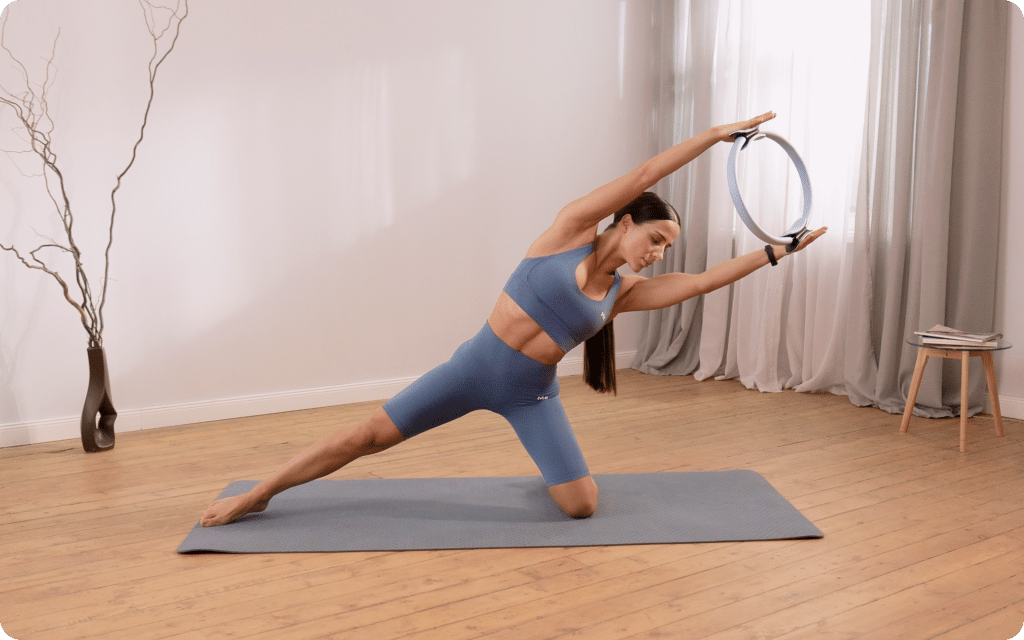
Mat Pilates works the whole body, with a strong focus on the core. The goal is not just to complete each movement, but to do it with control and intention.
Here’s why it works well at home:
- Body Awareness and Mind-Muscle Connection
Pilates teaches you to notice how you move. You learn to engage specific muscles, improve alignment, and move with more precision.
- Functional strength
Many Pilates exercises target stabilizing muscles that support posture, balance, and everyday movement. Even simple exercises can challenge the body in a thoughtful, effective way.
- Low-impact training
Pilates is gentle on the joints while still offering challenge. Slow, controlled movements can engage multiple muscle groups without the harsh impact of some other workouts.
- Adaptability
Mat Pilates works for a wide range of fitness levels. Beginners can start with bodyweight movements, then add small accessories for more support or challenge.
Do You Lose Anything By Skipping the Studio?
Practicing Pilates at home can be highly effective, though studios do offer some advantages. In-person instruction can help with form, and larger equipment can add more resistance and variety.
Still, most beginners do not need a studio to start progressing.
The foundation of Pilates is mat work. Learning to control your body without relying on machines can help you build strength, coordination, and confidence first. That base can serve you well whether you continue at home or move into studio classes later.
You are not missing out by starting at home. You’re simply building a solid base that can carry you into advanced training later, should you choose.
Practical Tips For Effective At-Home Practice
A home Pilates routine does not need to be complicated, but a few basics can make it more effective.
- Focus on form: Move slowly and with control. Pilates is more about quality than speed.
- Start with guidance: A beginner-friendly video or online class can give you structure and help you learn proper technique.
- Stay consistent: Even a few sessions per week can make a difference when you stick with them.
Keep your setup simple: You do not need a fully equipped home studio. A mat and one or two small tools are enough for most beginners.
Read more: How To Combine Pilates And Weight Lifting For Maximum Benefits
Whether you’re a workout beast or just a beginner making your first foray into the world of fitness and dieting – BetterMe has a lot to offer to both newbies and experts! Install the app and experience the versatility first-hand!
What Equipment Do I Need For Pilates At Home?
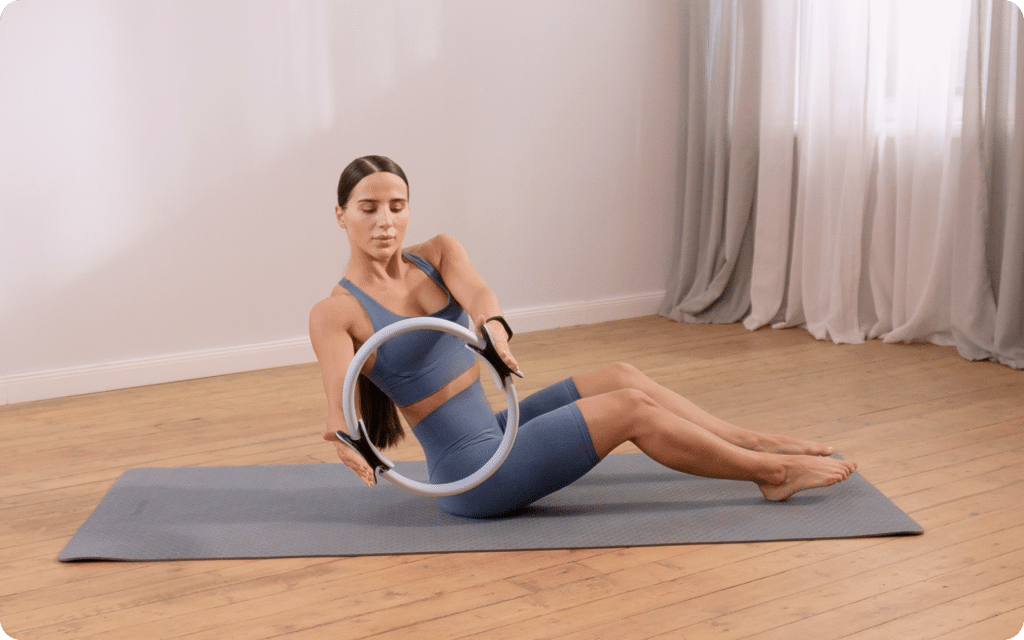
If you’re just getting started, it helps to think about equipment in tiers. That makes it easier to build your setup gradually instead of buying everything at once.
Beginner Pilates Equipment: What To Buy First
Must-have (Day 1)
Start with:
- Pilates mat
- Resistance bands
These two basics are enough for many beginner-friendly workouts and give you both comfort and light resistance.
Add soon (Week 2–4)
Once you’re more comfortable, consider adding:
- Pilates ball
- Grip socks
These can support balance, control, and comfort, especially on smooth floors.
Optional upgrades
When you want more variety, you can build from there with:
- Magic circle
- Foam roller
- Stretching strap
- Light hand weights
This approach helps you avoid overbuying while building a setup that can grow with you. If you want to compare beginner-friendly options in one place, you can browse BetterMe’s Pilates equipment collection before deciding what to add first.
Pilates Equipment Essentials For Beginners
- Pilates Mat
A Pilates mat is the foundation of home practice. Since many exercises involve rolling, lying on your back, or placing pressure on your knees and spine, a Pilates mat is usually thicker than a standard yoga mat.
That extra cushioning can make a big difference in comfort, especially for beginners.
What to look for: Choose a non-slip mat with enough thickness to support your joints. Around 10–15 mm is often a good starting point.
- Resistance Bands
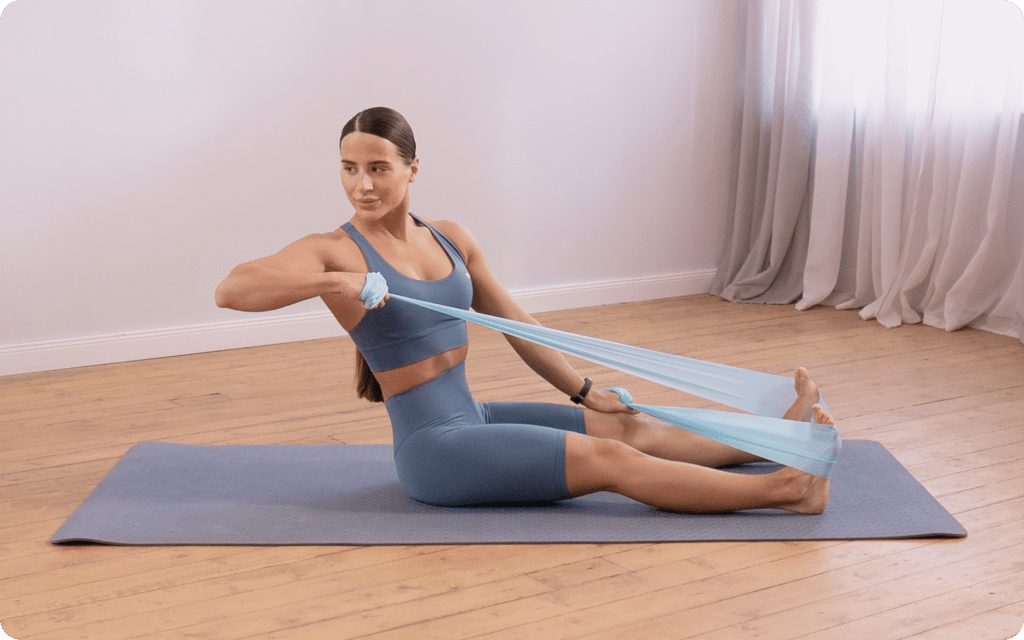
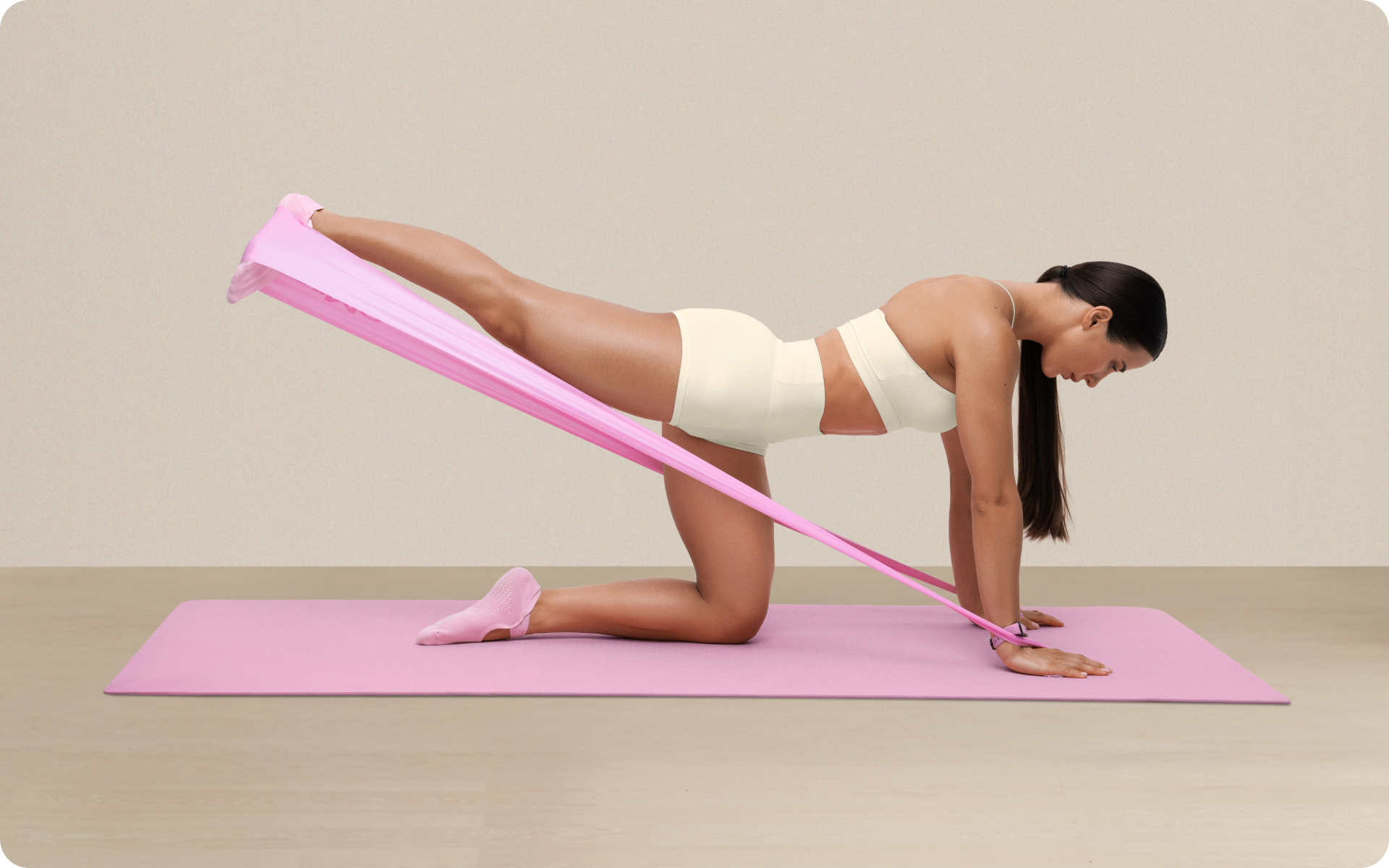
Resistance bands are one of the most practical tools for home Pilates. They are lightweight, affordable, and versatile enough for upper-body, lower-body, and core-focused exercises.
They can add challenge to simple movements and encourage better muscle engagement without taking up space.
What to look for: Look for a set with light to medium resistance. Latex bands offer more stretch, while fabric bands may feel sturdier for lower-body work.
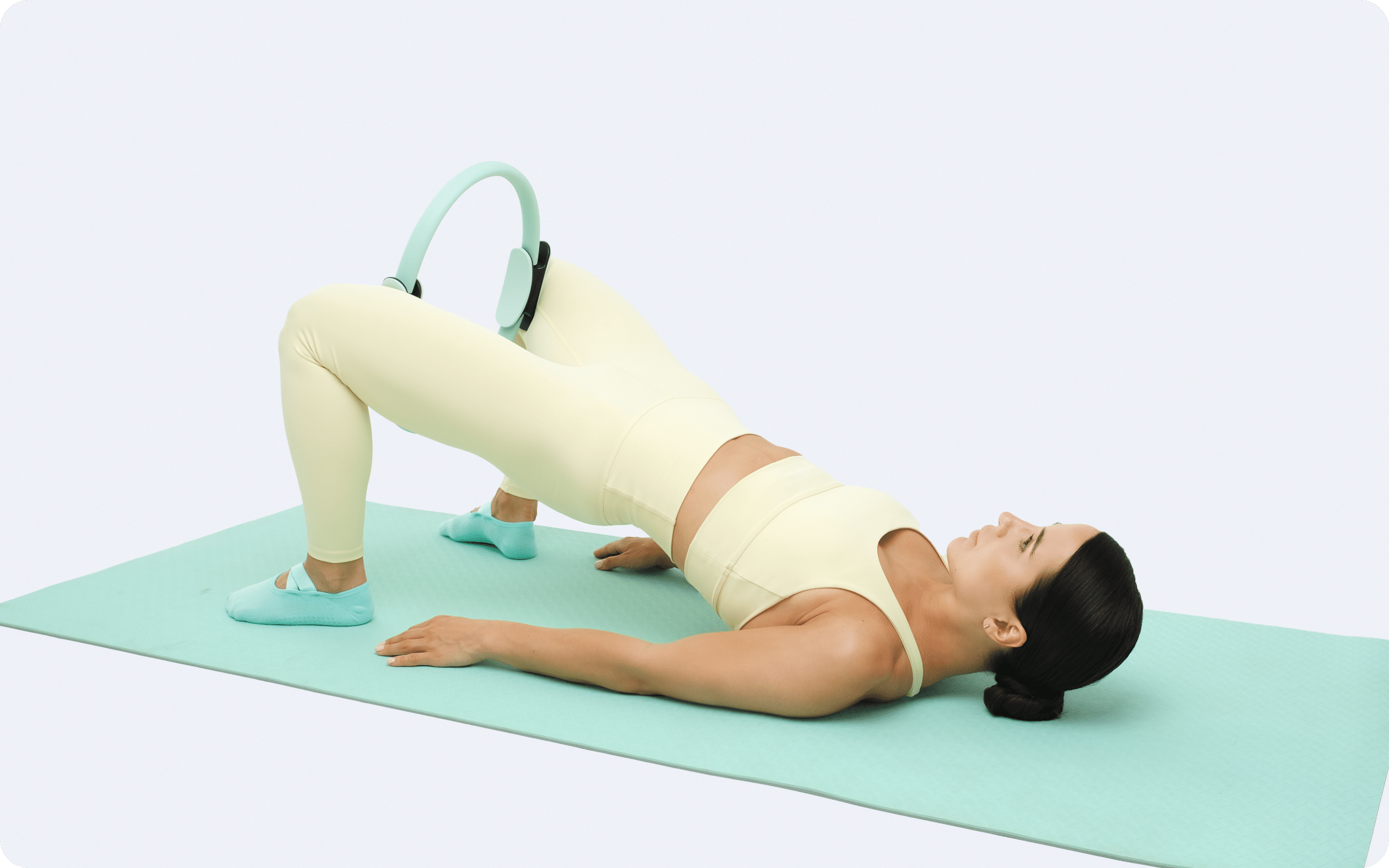
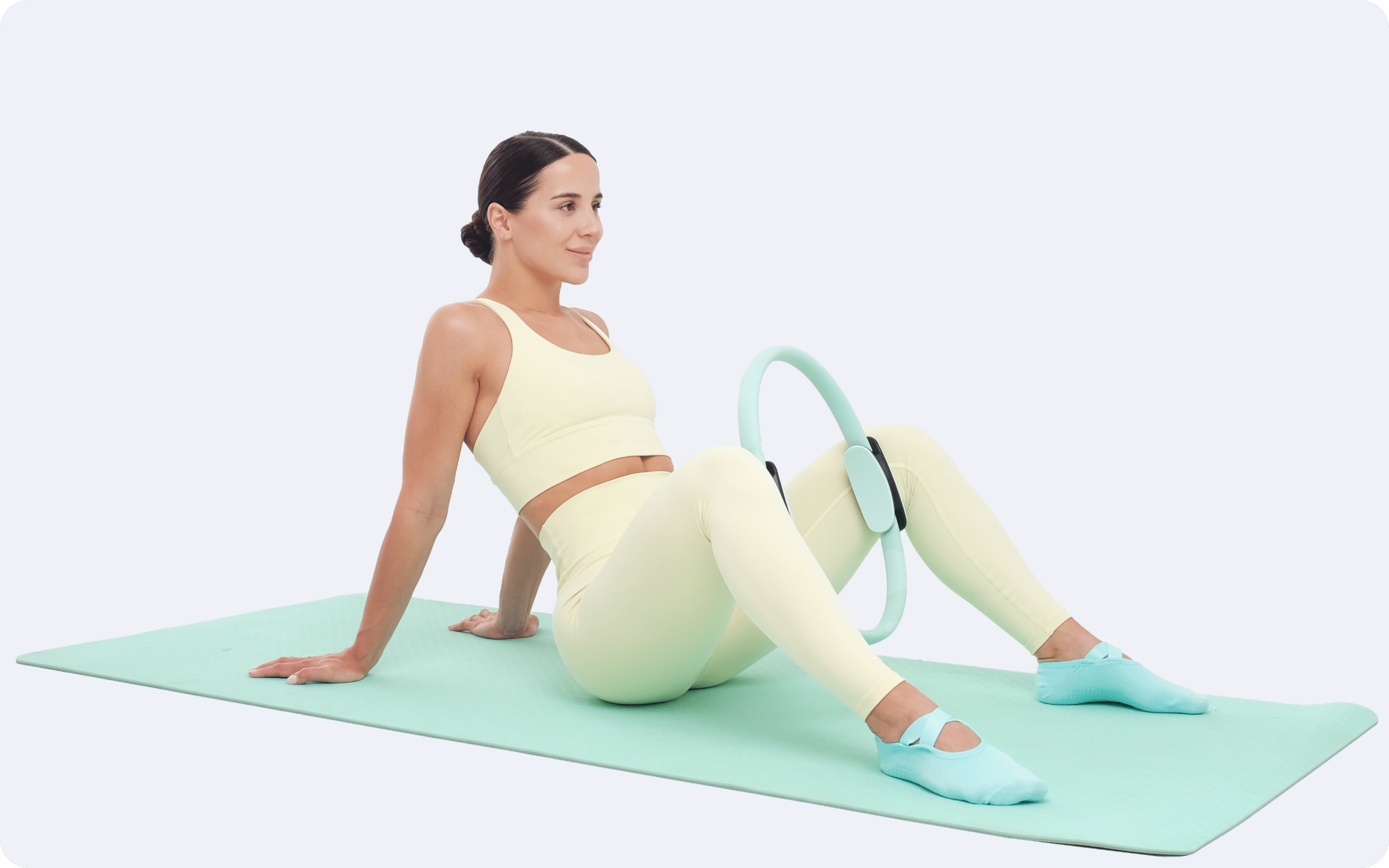
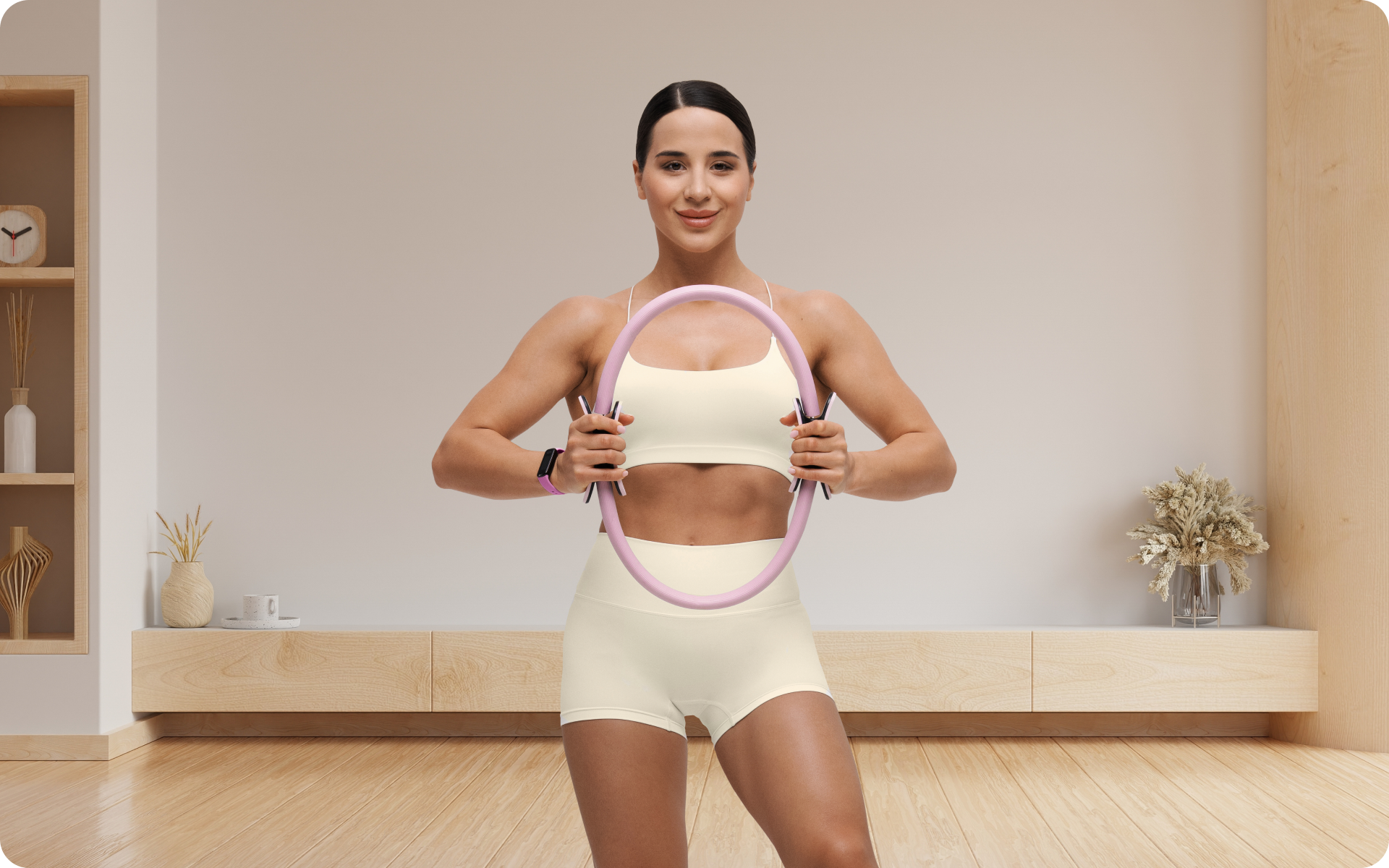
- Magic Circle (Pilates Ring)
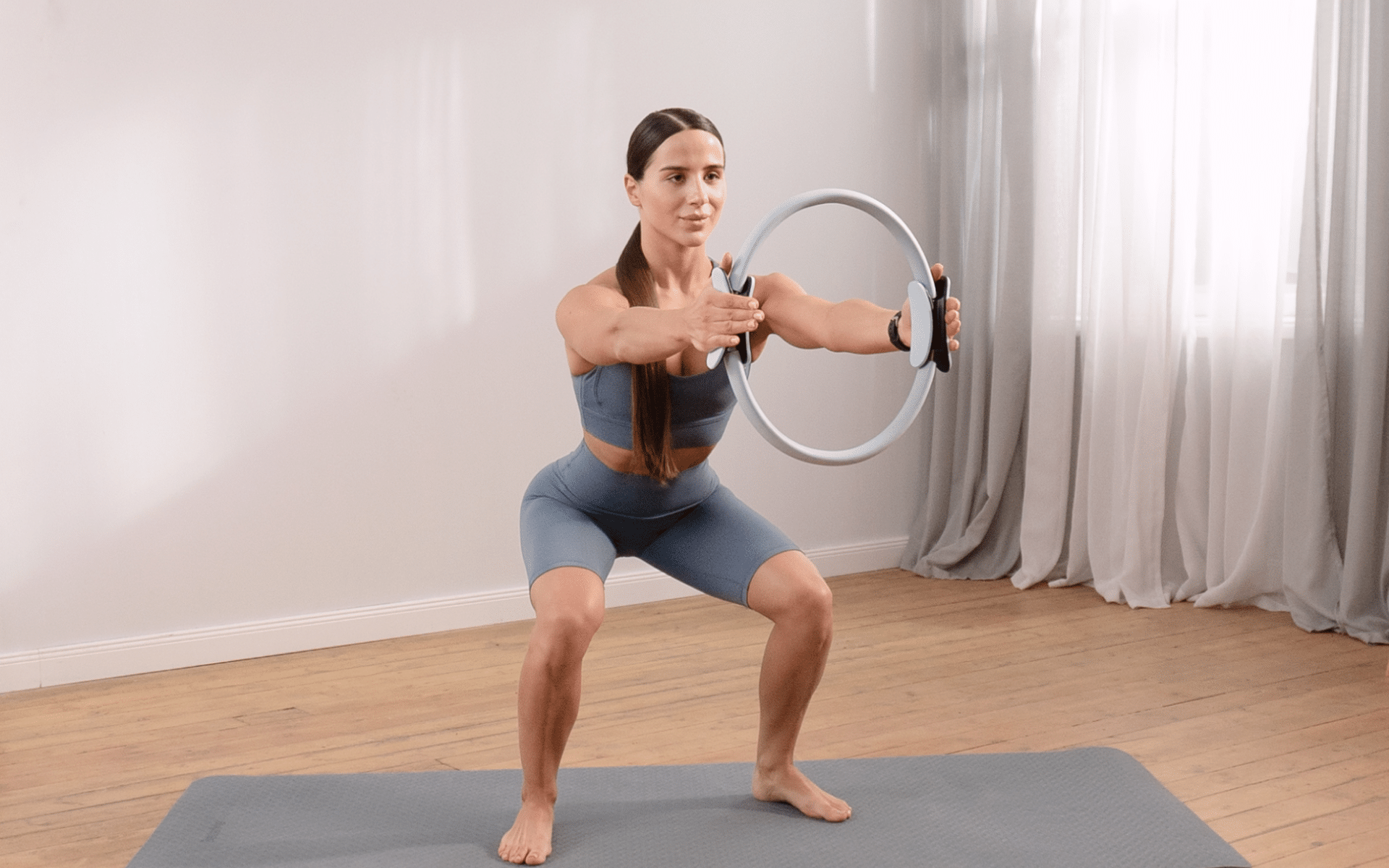
A magic circle is a lightweight ring with padded handles that adds gentle resistance to Pilates exercises. It is often used to target the inner thighs, arms, chest, and deep core muscles.
For beginners, it can be a simple way to add variety without making movements feel overly complicated.
What to look for: Choose a ring made from durable flexible material, such as fiberglass or metal, with comfortable padded grips.
- Small Exercise Ball
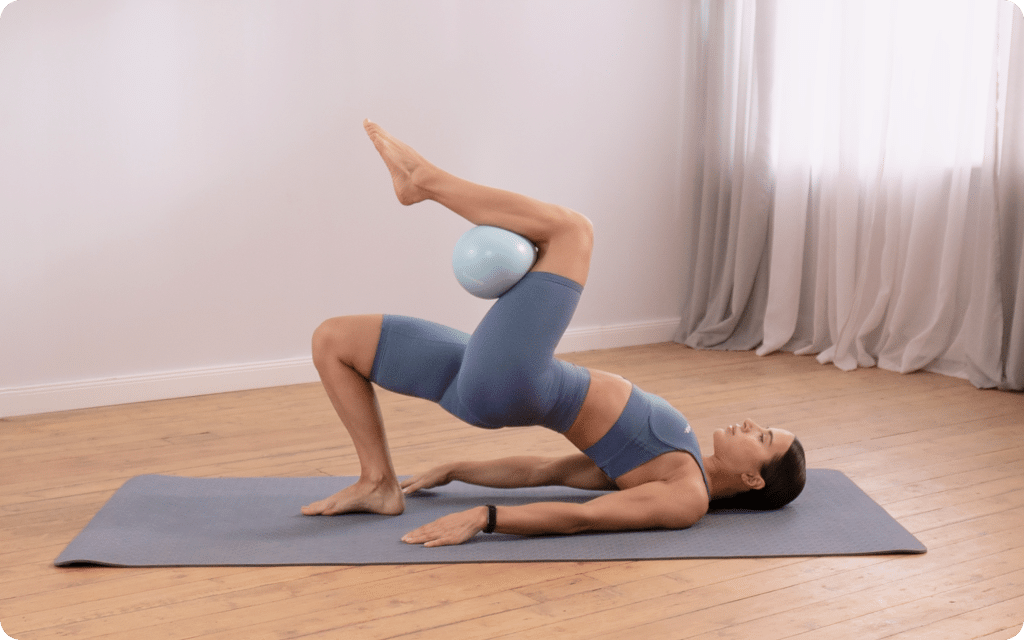
A small Pilates ball can help improve balance, alignment, and muscle activation. It is often placed under the lower back for support or between the knees or ankles for light resistance.
It is a simple tool, but it can make familiar exercises feel more focused.
What to look for: Check the size before buying. Smaller balls, around 9 inches, are common for Pilates. An anti-burst design can also be helpful.
- Foam Roller
A foam roller can be used both during and after workouts. In Pilates, it can support balance work, improve body awareness, and add challenge to controlled movements. It can also be used for self-massage and release.
What to look for: Beginners often do well with a softer roller rather than a very firm one. Consider both density and length depending on how you plan to use it.
- Hand Weights
Light hand weights can add resistance to upper-body Pilates exercises without changing the flow of the workout too much. In Pilates, the goal is usually controlled, endurance-based work rather than heavy lifting.
What to look for: A range of 1–3 pounds is usually enough. Choose a comfortable grip and a finish that feels easy to hold.
- Grip Socks
Grip socks are especially useful if you practice on hardwood, tile, or other smooth surfaces. They help reduce slipping and can make balancing movements feel more secure.
They are also a good option if you prefer not to work out barefoot.
What to look for: A reliable grip pattern on the sole is important. You can also choose between full-toe or open-toe coverage based on comfort.
- Stretching Strap
A stretching strap can make flexibility work more accessible, especially if you are still improving range of motion. It can help you hold stretches with more control and maintain better alignment.
What to look for: A strap with multiple loops can be especially helpful for beginners. Check the length too, since a longer strap offers more flexibility across exercises.
If you’re still deciding which tools are worth buying now versus later, it may help to look through a full Pilates equipment collection and compare the options by category rather than shopping item by item.
Do You Need A Reformer?
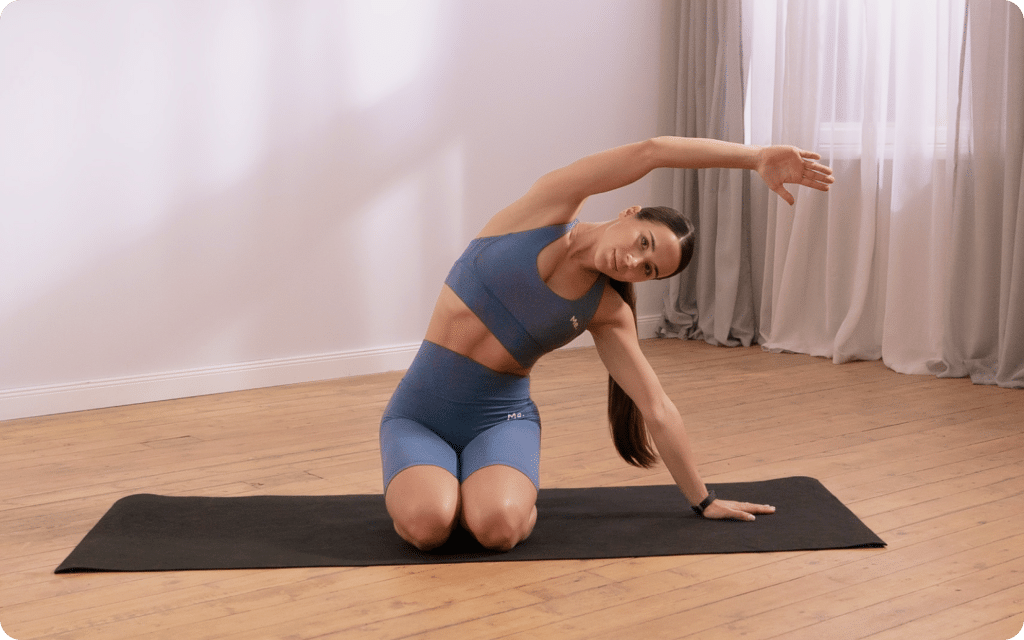
The reformer is one of the most well-known pieces of Pilates equipment, but it is not a must-have for beginners at home.
A reformer can add resistance, support, and exercise variety, which is why it is so popular in studios. But most foundational Pilates work can be done on a mat with a few small accessories.
If you’re new to Pilates, it makes sense to start with the basics first. Once you feel comfortable with mat work and want to expand your setup, you can decide whether a larger investment still makes sense for you.
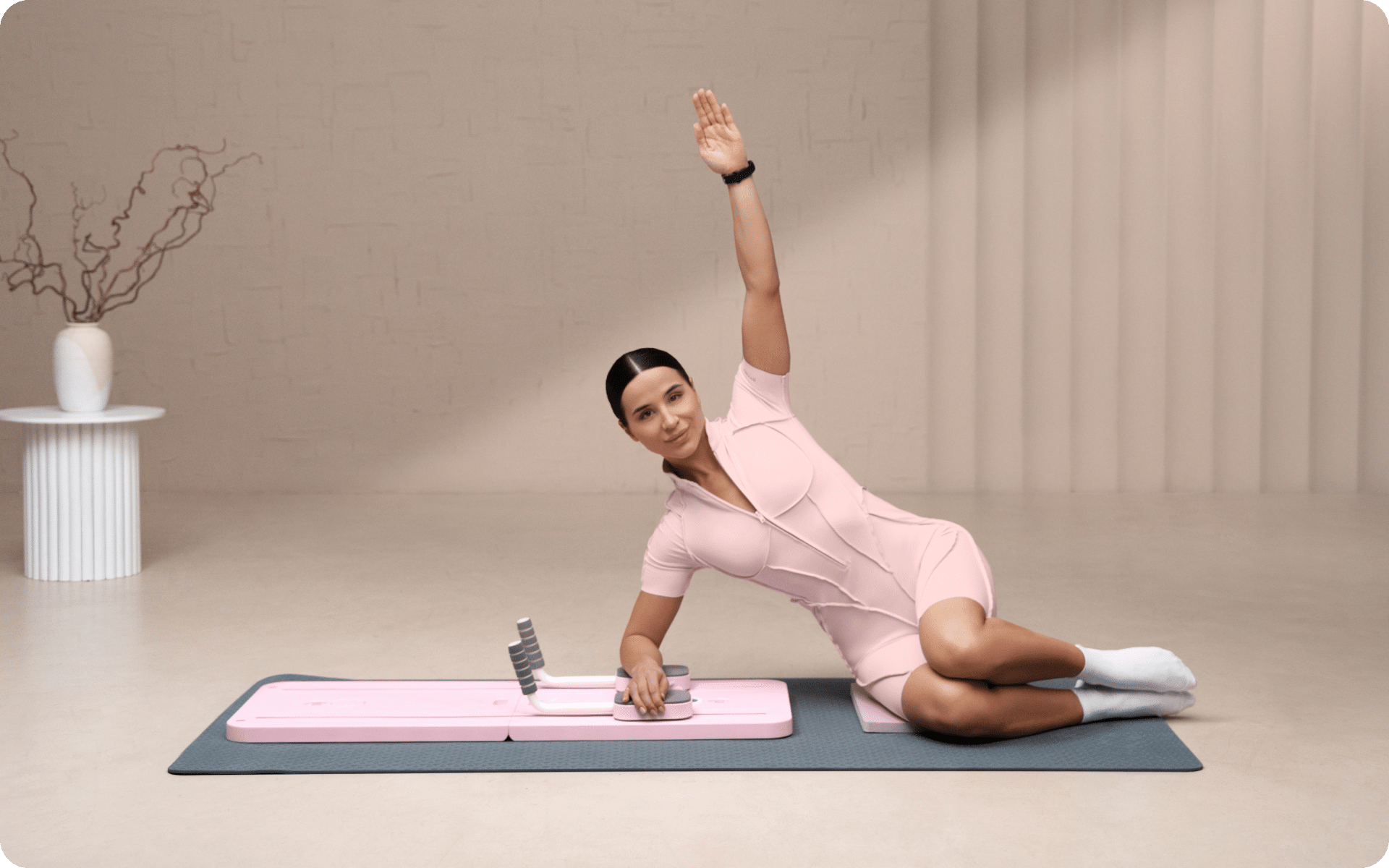
Can You Do Pilates Without Equipment?
Absolutely. Pilates was designed to work with minimal tools, and mat Pilates is built around bodyweight movement. Exercises like the Hundred, Roll-Up, and Single-Leg Stretch rely on control, precision, and breath rather than equipment.
For beginners, that can actually be a benefit. It allows you to focus on learning the method before adding extra challenge.
Equipment can enhance your workouts, but it is not what makes Pilates effective. Consistency, control, and proper form matter more.
What Can I Use Instead Of A Pilates Ball?
If you do not have a Pilates ball yet, there are a few simple substitutes you can use at home.
- Rolled-up towel or blanket
Works well for support-based movements, especially under the lower back or between the knees.
- Firm throw pillow
Can offer softness and light resistance for squeezing exercises or supported stretches.
- Soft kids’ ball or partly inflated ball
Feels closer to a Pilates ball in shape and function, especially for balance or gentle squeezing work.
- Yoga block wrapped in a towel
Useful when you need support or elevation, though it does not offer the same softness.
- Balloon
Can mimic some softness, though it is less durable and better suited to gentle use only.
- Rolled sweater or hoodie
Can work as a simple substitute when you need cushioning or a soft object for light resistance.
The best alternative depends on the exercise. If you mainly need support, a towel or pillow may work well. If you want gentle squeezing resistance, a softer ball-like option is usually closer.
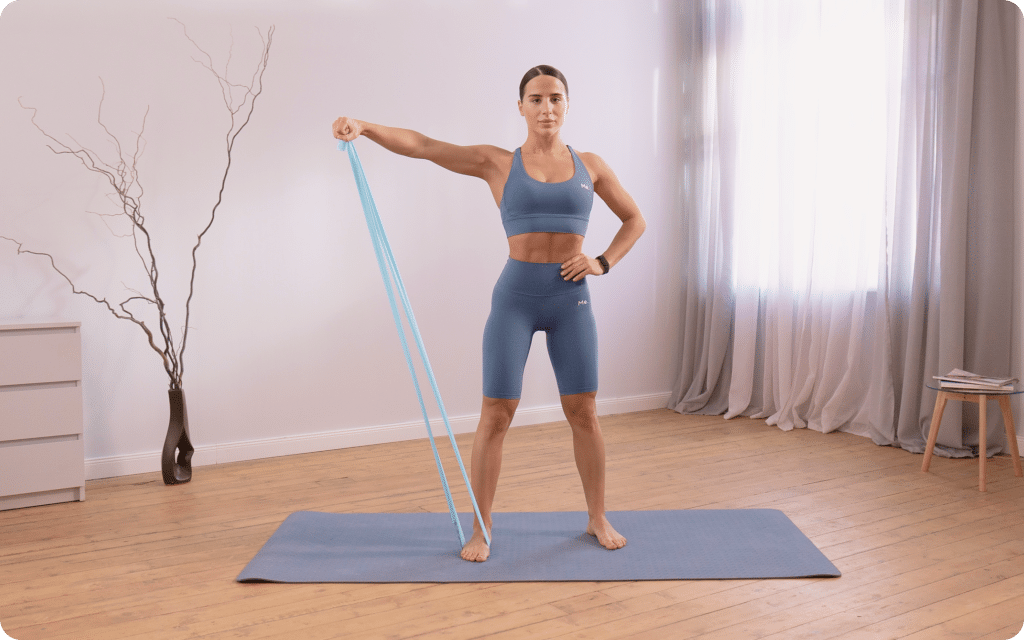
What Type Of Mat Do I Need For Pilates?
Choosing the right mat can make your workouts much more comfortable. Since Pilates often includes floor work, a standard thin yoga mat may not provide enough support.
Here are the main things to consider.
-
Thickness
A Pilates mat should usually be thicker than a yoga mat. Around 10–15 mm is often a comfortable range for beginners.
-
Material
Pilates mats are commonly made from foam, PVC, or TPE, and each material has slightly different benefits:
- Foam tends to feel soft and cushioned
- PVC is often grippy and supportive
- TPE can offer a good balance of comfort, grip, and lighter weight
-
Size
Your mat should be long enough to support your full body and wide enough to let you move comfortably. If you’re taller than average, an extra-long mat may feel better.
-
Surface Texture
Grip matters. A slip-resistant surface can help you stay stable during transitions, planks, and balance-focused exercises.
-
Portability
If your mat will stay at home, portability may not matter much. But if you want to bring it to class or travel with it, a lighter mat that rolls up easily can be more practical.
-
Budget
There are good beginner options at a range of price points. If you are just starting, focus on comfort and grip first. If Pilates becomes a regular part of your routine, you may want to upgrade later.
Pilates can help tone your abdominal muscles and improve core strength (1), but it doesn’t specifically target belly fat. Fat loss requires a combination of regular exercise, including cardio, and a healthy diet (2). Check out our guide – Workouts To Lose Weight at Home, to help you start your weight loss journey. You can get in shape with Pilates as it helps build strength, improve flexibility, and enhance posture (3). However, combining Pilates with other forms of exercise, like cardio or strength training, can be beneficial for overall fitness. You can use alternatives like a rolled-up towel, a firm pillow, a soft kids’ ball, or a partially inflated soccer ball. These items can mimic the cushioning and resistance of a core ball for most Pilates exercises.Frequently Asked Questions
Does Pilates burn belly fat?
Can you get in shape with just Pilates?
What can I use if I don’t have a core ball?
Where To Start
If you’re new to Pilates, try not to treat equipment like a checklist you need to complete all at once. Start with the essentials: a supportive mat and a set of resistance bands. Once you settle into a routine, you can add a Pilates ball or grip socks, then build from there if you want more variety.
The goal is not to create a perfect home studio right away. It is to make starting feel simple enough that you actually begin. A few well-chosen basics can go a long way when you use them consistently. When you’re ready to expand your setup, you can explore a full range of home Pilates equipment and add pieces at your own pace.
The Bottom Line
Starting Pilates at home can be simple, effective, and beginner-friendly. You do not need a large investment or a room full of equipment to begin. With a mat, a few smart add-ons, and a consistent routine, you can build a practice that supports your strength, flexibility, and confidence over time.
Explore BetterMe’s collection of Pilates equipment to save time and find thoughtfully designed essentials in colors you’ll enjoy using.
DISCLAIMER:
This article is intended for general informational purposes only and does not serve to address individual circumstances. It is not a substitute for professional advice or help and should not be relied on for making any kind of decision-making. Any action taken as a direct or indirect result of the information in this article is entirely at your own risk and is your sole responsibility.
BetterMe, its content staff, and its medical advisors accept no responsibility for inaccuracies, errors, misstatements, inconsistencies, or omissions and specifically disclaim any liability, loss or risk, personal, professional or otherwise, which may be incurred as a consequence, directly or indirectly, of the use and/or application of any content.
You should always seek the advice of your physician or other qualified health provider with any questions you may have regarding a medical condition or your specific situation. Never disregard professional medical advice or delay seeking it because of BetterMe content. If you suspect or think you may have a medical emergency, call your doctor.
SOURCES:
- Pilates: how does it work and who needs it? (2011, ncbi.nlm.nih.gov)
- Weight loss – a healthy approach (2024, betterhealth.vic.gov.au)
- Pilates (2011, ncbi.nlm.nih.gov)
 Reviewed by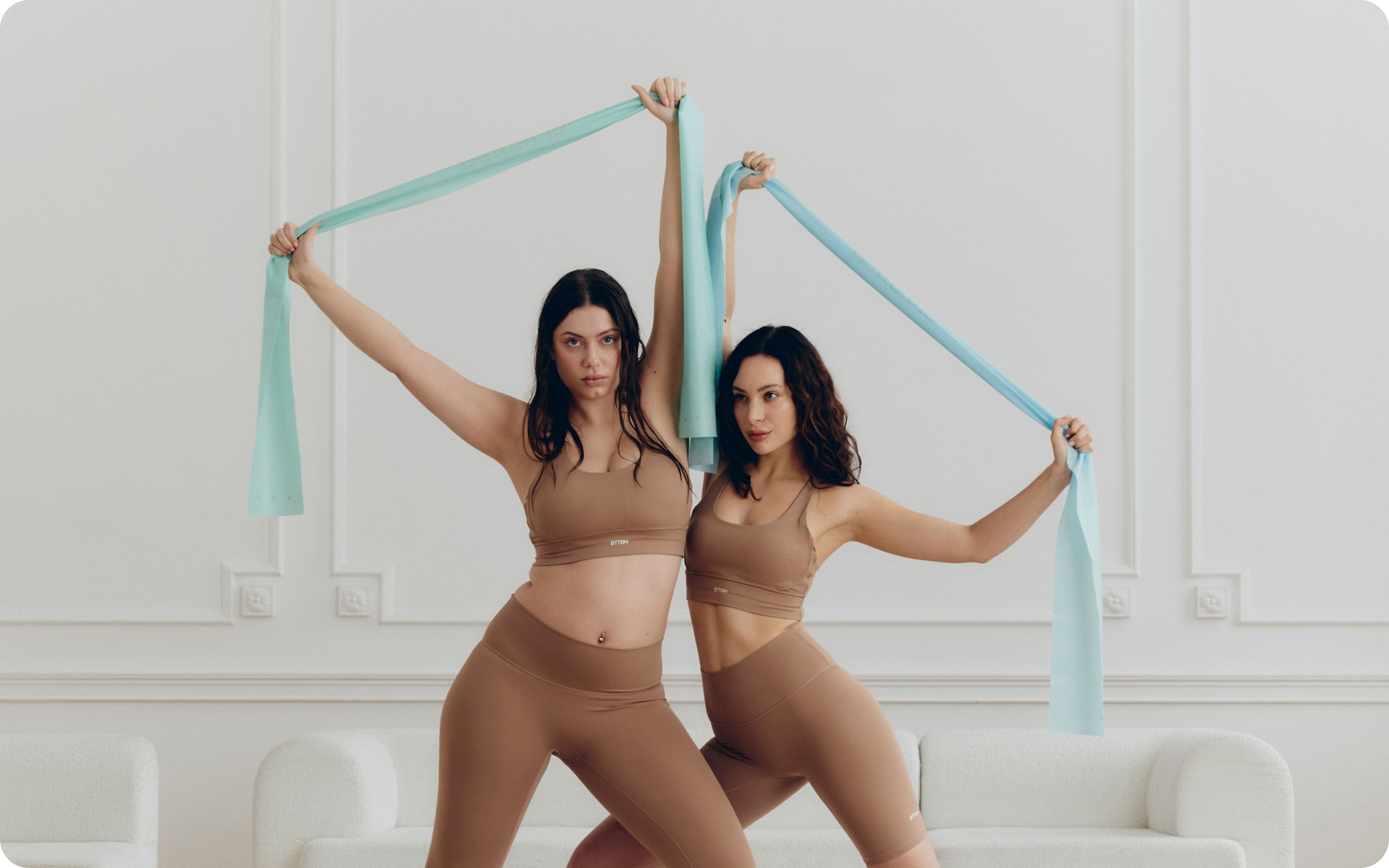
 Reviewed by