Although we’re all different, there’s one thing many women have in common: a fear of the changes that come with aging. Obviously, everyone wants to age gracefully, but aging is irreversible and inevitable, and there’s nothing you can do about it. However, you can fight certain side-effects of growing older, such as weight gain. If you’re looking for the best way to lose weight for women, this article is exactly what you need.
Read on to find out what is the best diet for a 40-year-old woman and how to get the most out of your weight loss efforts.
Best Diet for 40-Year-Old Women: What Contributes to Your Weight Gain?
You may already know that there are numerous diets that claim to be able to help you lose weight. To choose the most effective diet for a 40-year-old woman, you need to understand what contributed to your weight gain. Here are the main factors that affect your weight management after 40 (2):
- Hormonal changes. Although 40 seems too early for menopause, it’s right around the corner. Women aged 45 and older, who go through menopause, experience a significant decrease in estrogen, which promotes weight gain.
- Muscle loss. Age-related muscle loss makes the body burn fewer calories than it used to, which slows down your metabolism and makes it harder to slim down and easier to pack on pounds.
- Increased stress levels. Growing older brings more responsibilities, which are often a cause of stress. Increased levels of stress promote weight gain and harm your overall wellness.
- Poor sleep quality. Sleep is incredibly important for the proper functioning of your body. High levels of stress and some menopause symptoms lead to poor sleep quality, which makes you put on more pounds.
Read More: How To Lose 40 Pounds In 2 Months: The Best Plan To Help You Chase Away Those Extra Pounds
Best Diet for 40-Year-Old Women to Lose Weight
Your choice of approach is very important when you’re trying to plan the best weight loss diet for a 40-year-old woman. You can start a diet that limits the consumption of a certain nutrient, but then you would need to search for the answers to questions such as: “How many carbs per day to lose weight for a woman?”, “How many ounces of fat can you eat without putting on pounds?”, and “How much protein should I eat to preserve my muscle mass?” As that would only take more time and effort, why not stick to a traditional, effective, scientifically proven, and specialist-approved way of losing weight? Here are some recommendations for the best diet for 40-year-old women (1):
· Caloric deficit
As we age, the human body starts to burn fewer calories than it used to, so you can’t expect a diet that helped you slim down when you were young to work as effectively now. Therefore, the main question you need to ask is: “How many calories should I eat per day?” Now, before you try to figure out the right caloric deficit for you, you need to find out what your energy requirements are.
You can use a calculator, look up a formula and calculate it yourself, or ask a specialist to do it for you. After you’ve learned how many calories you burn daily, you should take that number and cut it by 500-1,000 calories, as long as that doesn’t take you below 1,200 calories per day (5). This should result in you losing 1-2 pounds (0.45-1kg) of fat a week (3).
Such a reduction is approved by specialists as it’s safe and provides you with sustainable results. So, if you usually burn 2,000 calories a day, eating 1,500 calories per day should see you lose an average of 1 pound per week.
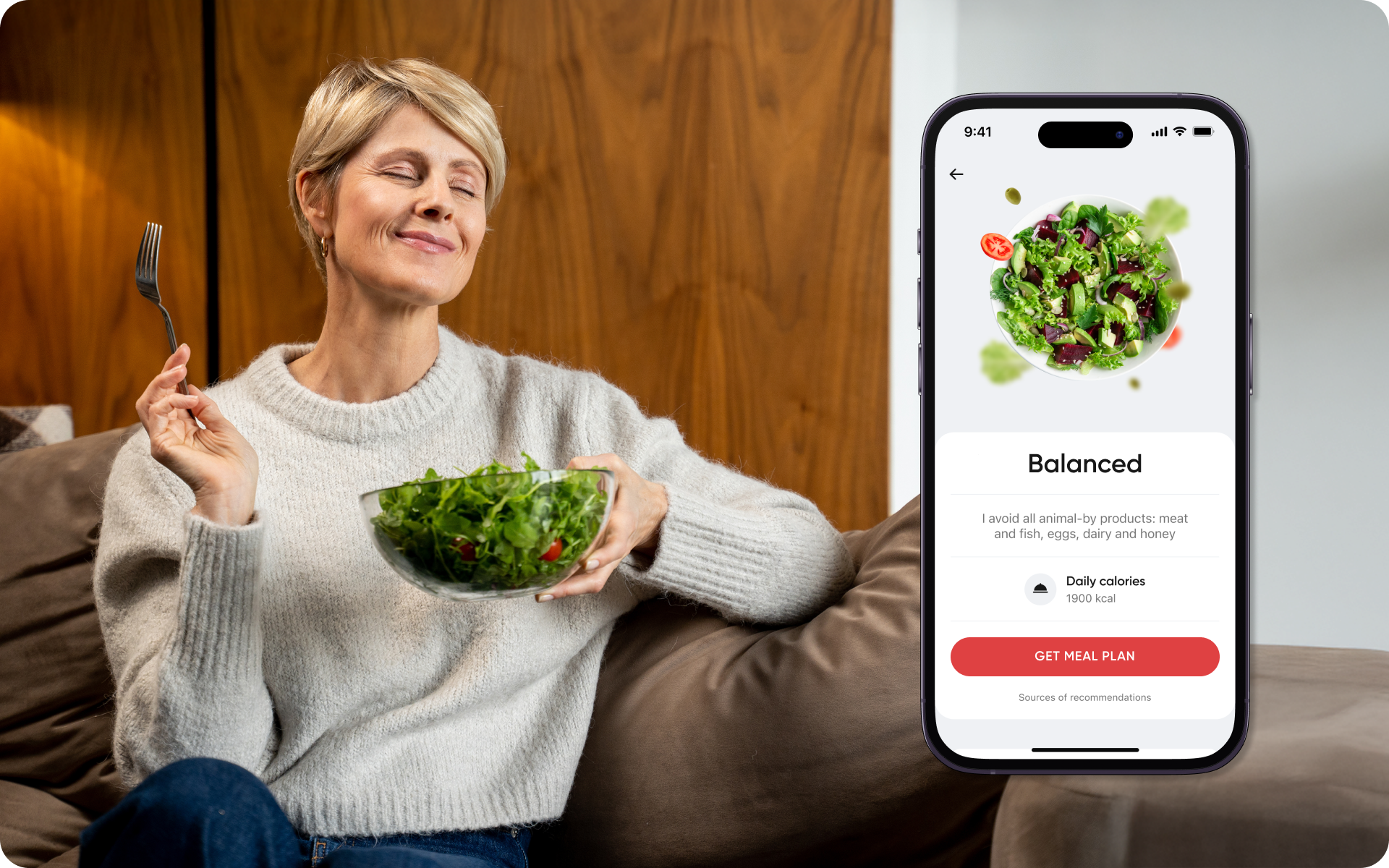
Looking for a way to break the vicious cycle of weight loss and tone up all the jiggly parts? Watch the extra pounds fly off and your muscles firm up with the BetterMe app!
Choice of foods
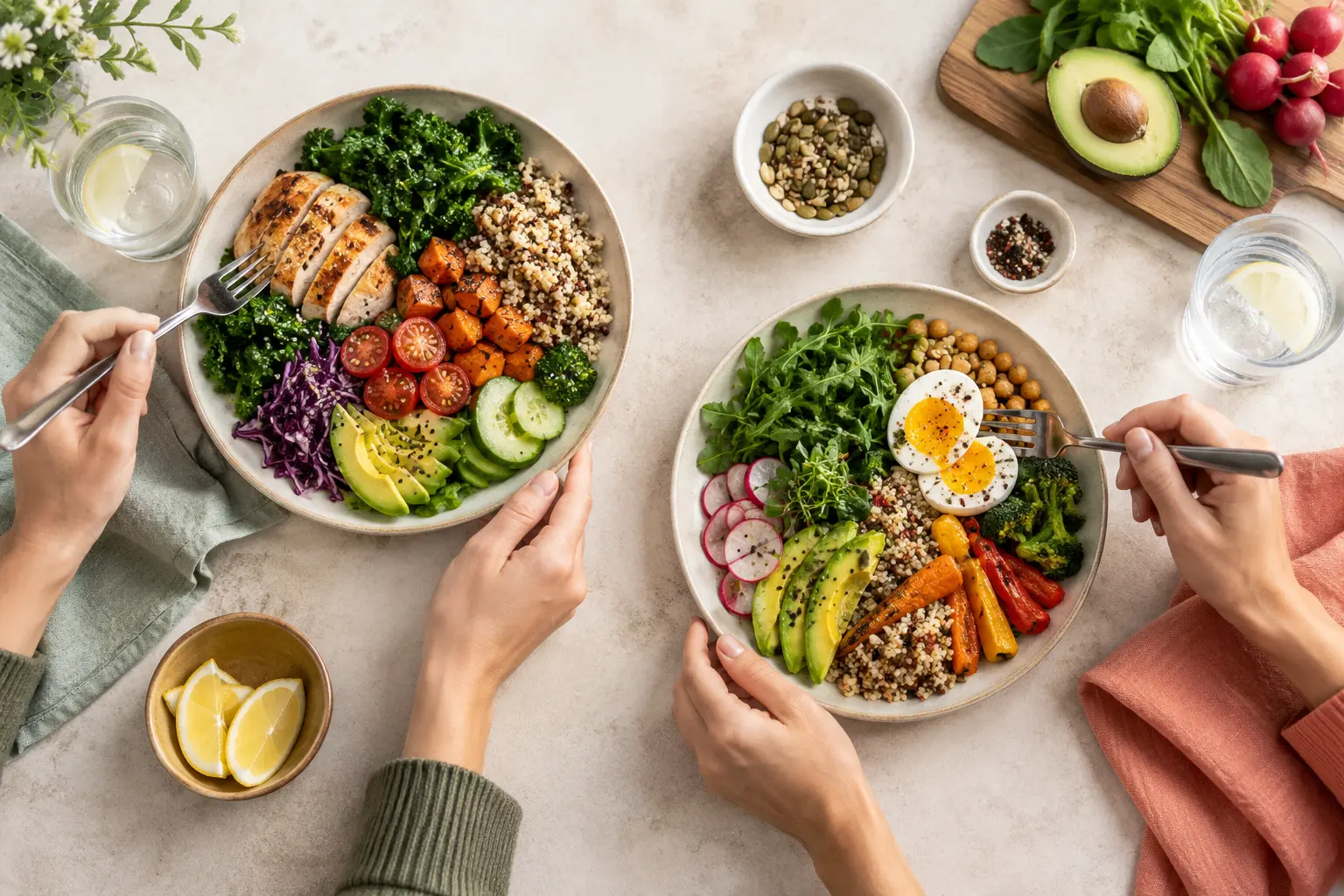
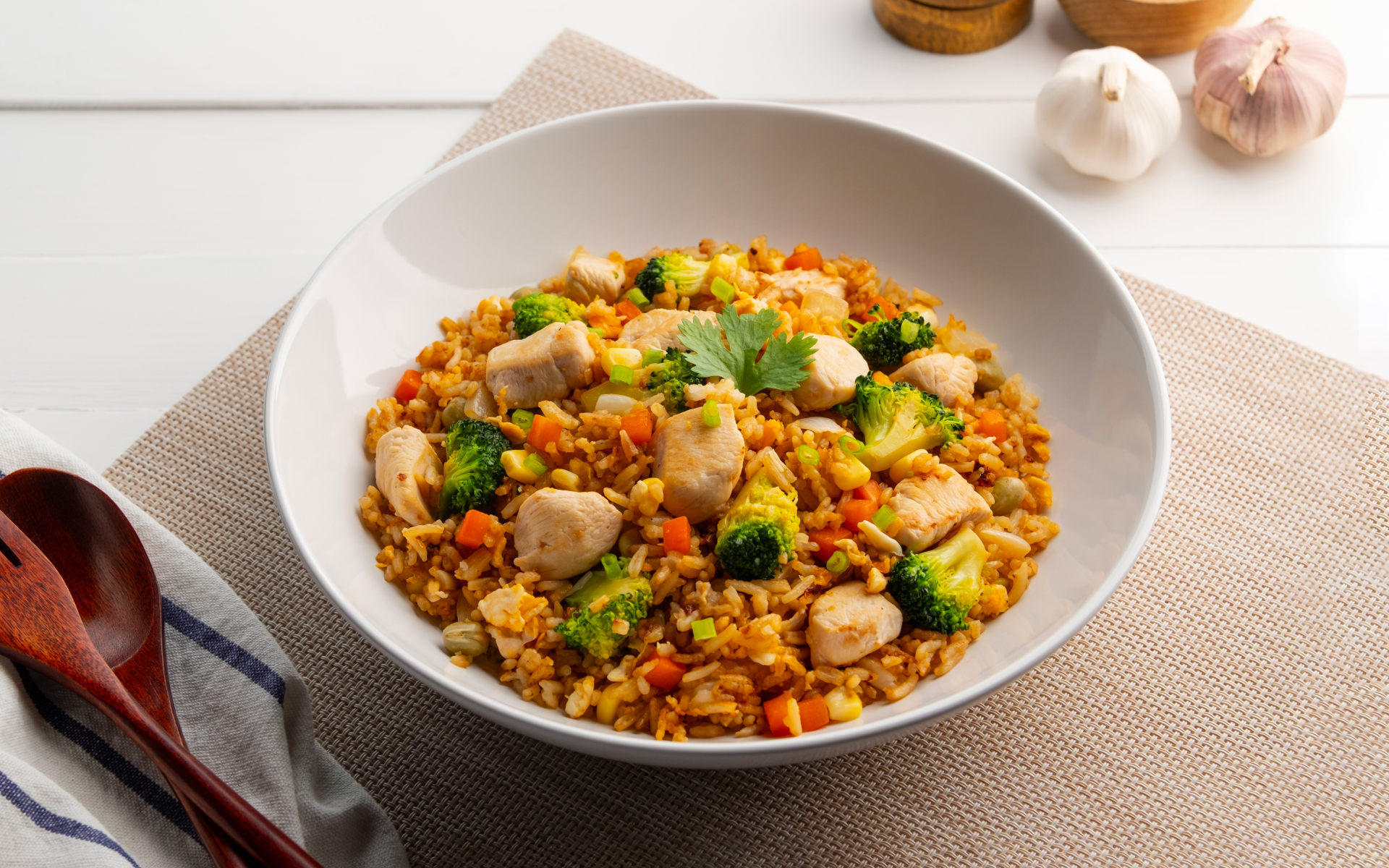
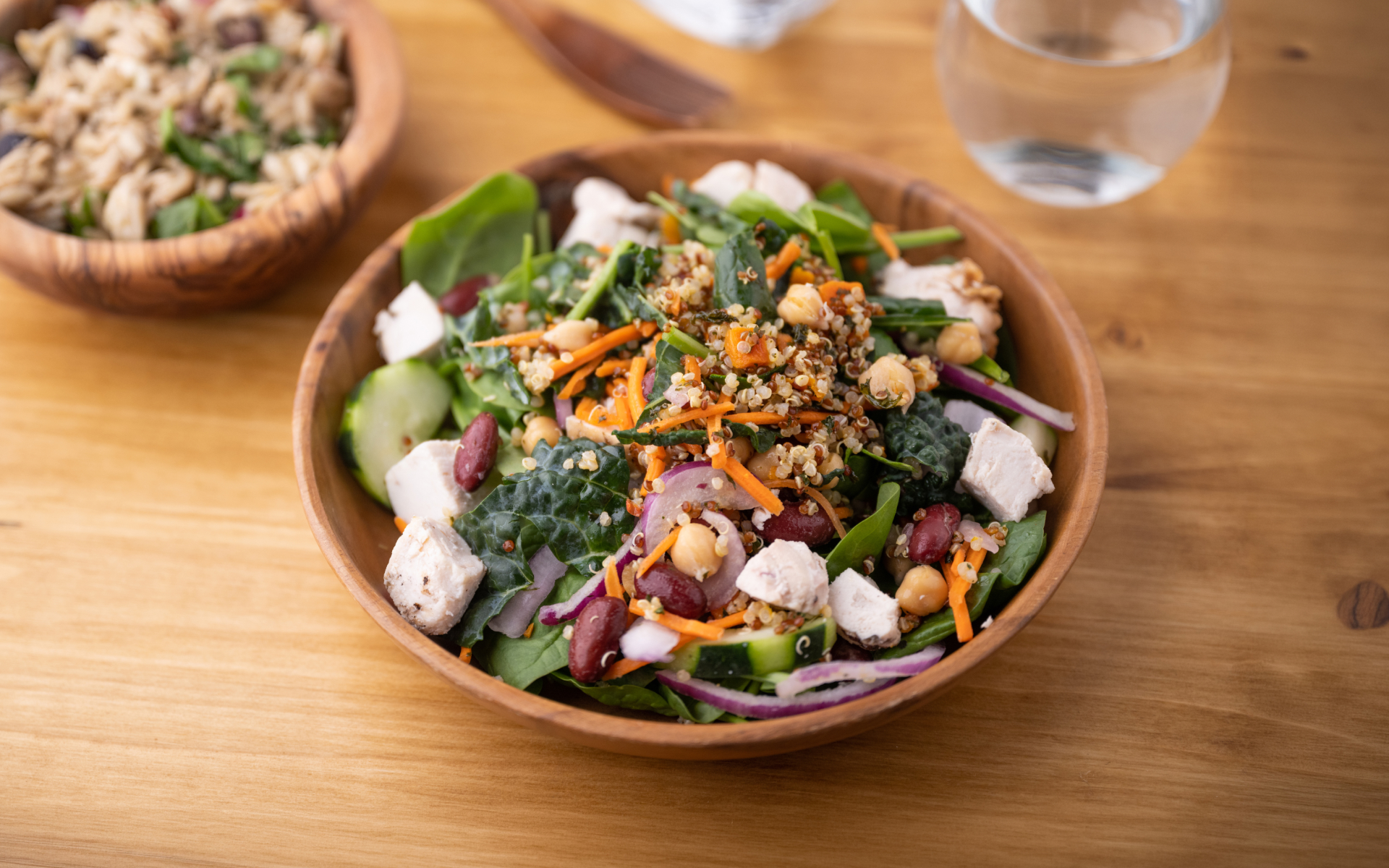
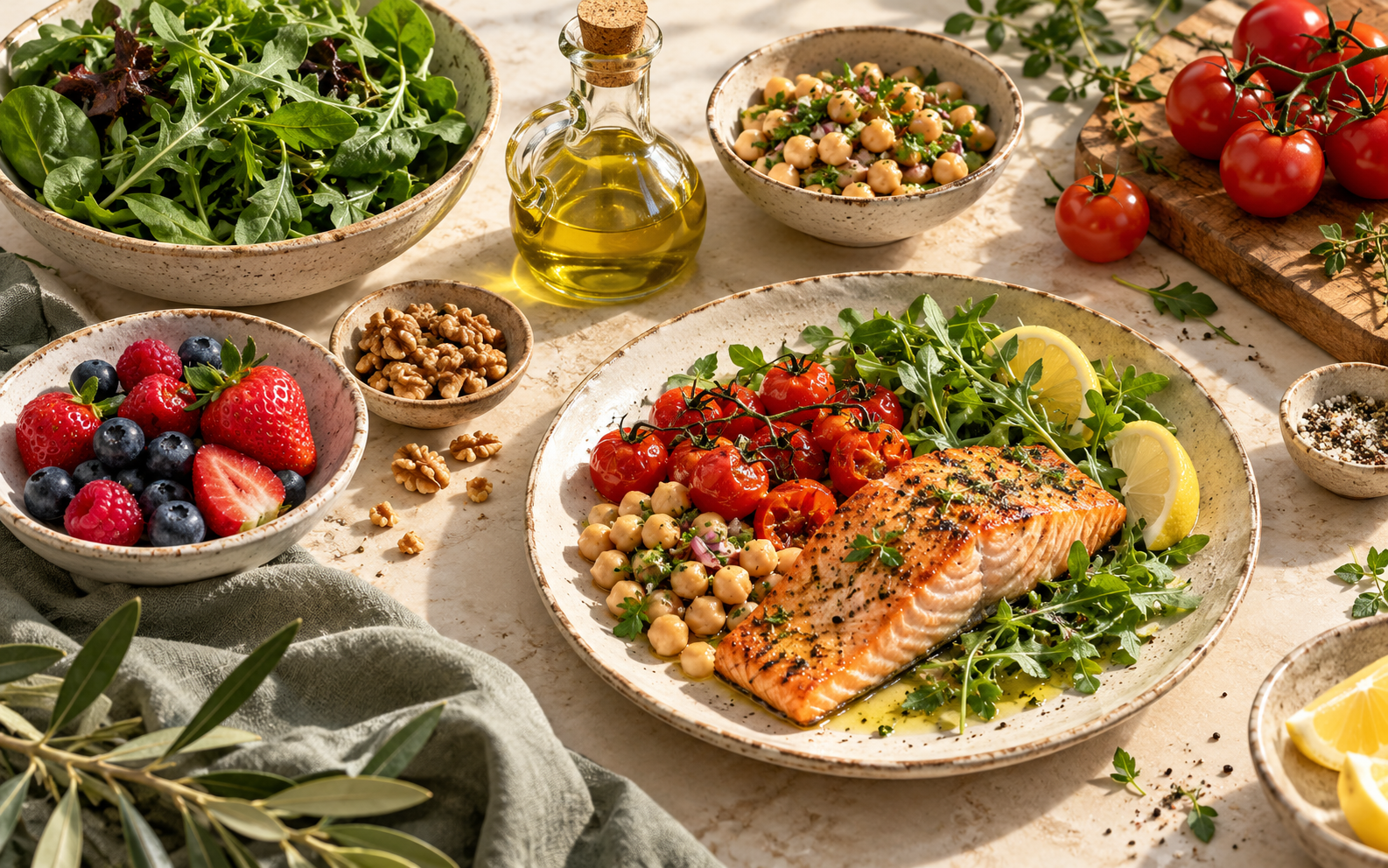
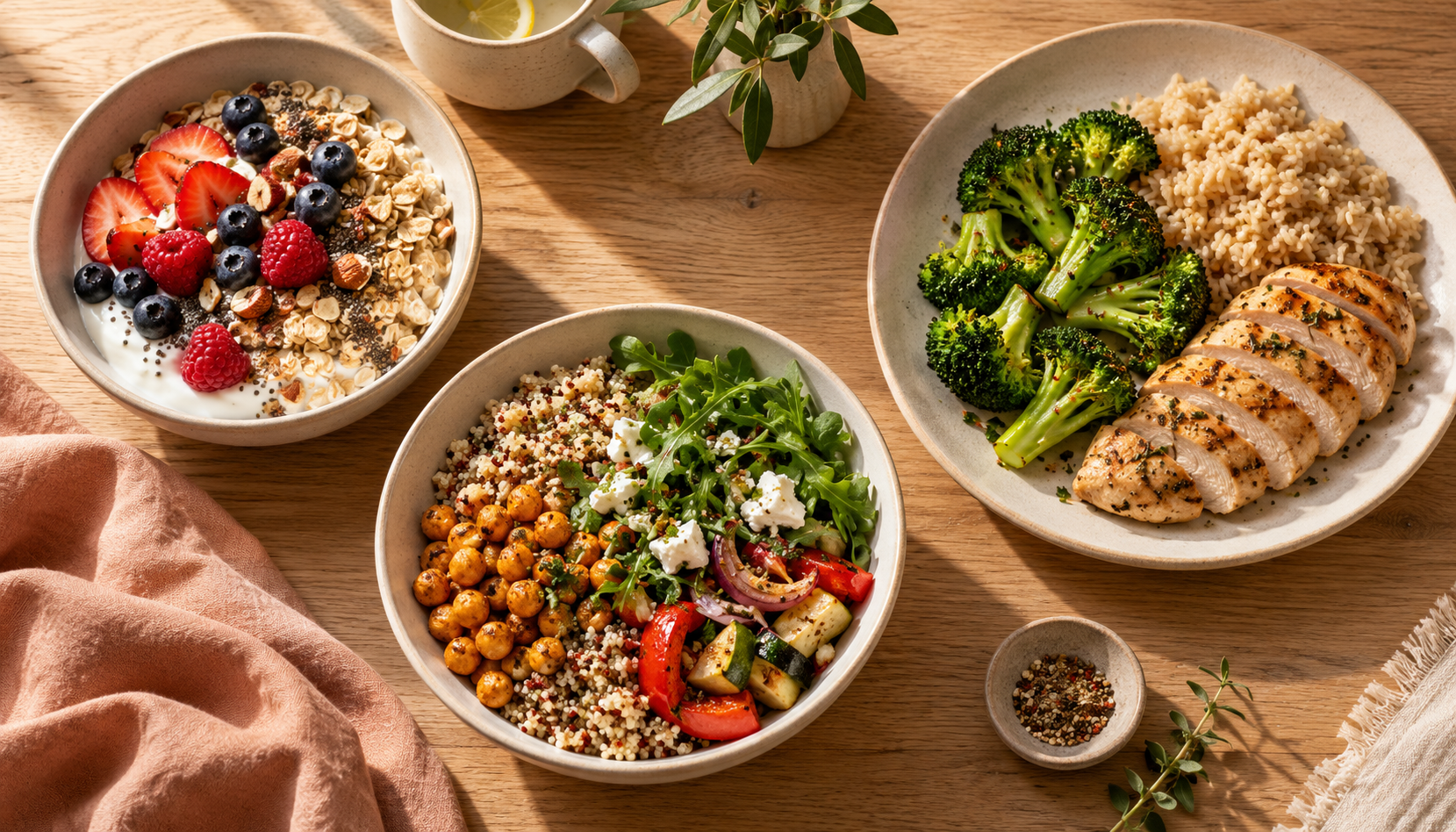
You are what you eat. Although the key to successful weight loss is a proper caloric deficit, your food choice is super important. It’s up to you whether you’ll slim down in a healthy way or temporarily shed a couple of pounds while harming your health. So, to reach a safe and sustainable result, the best diet for a 40-year-old woman should provide you with the following:
Fiber. This dietary component prolongs your feeling of fullness and promotes healthy digestion. You can find plenty of fiber in fruits and vegetables, beans and legumes, and whole grains.
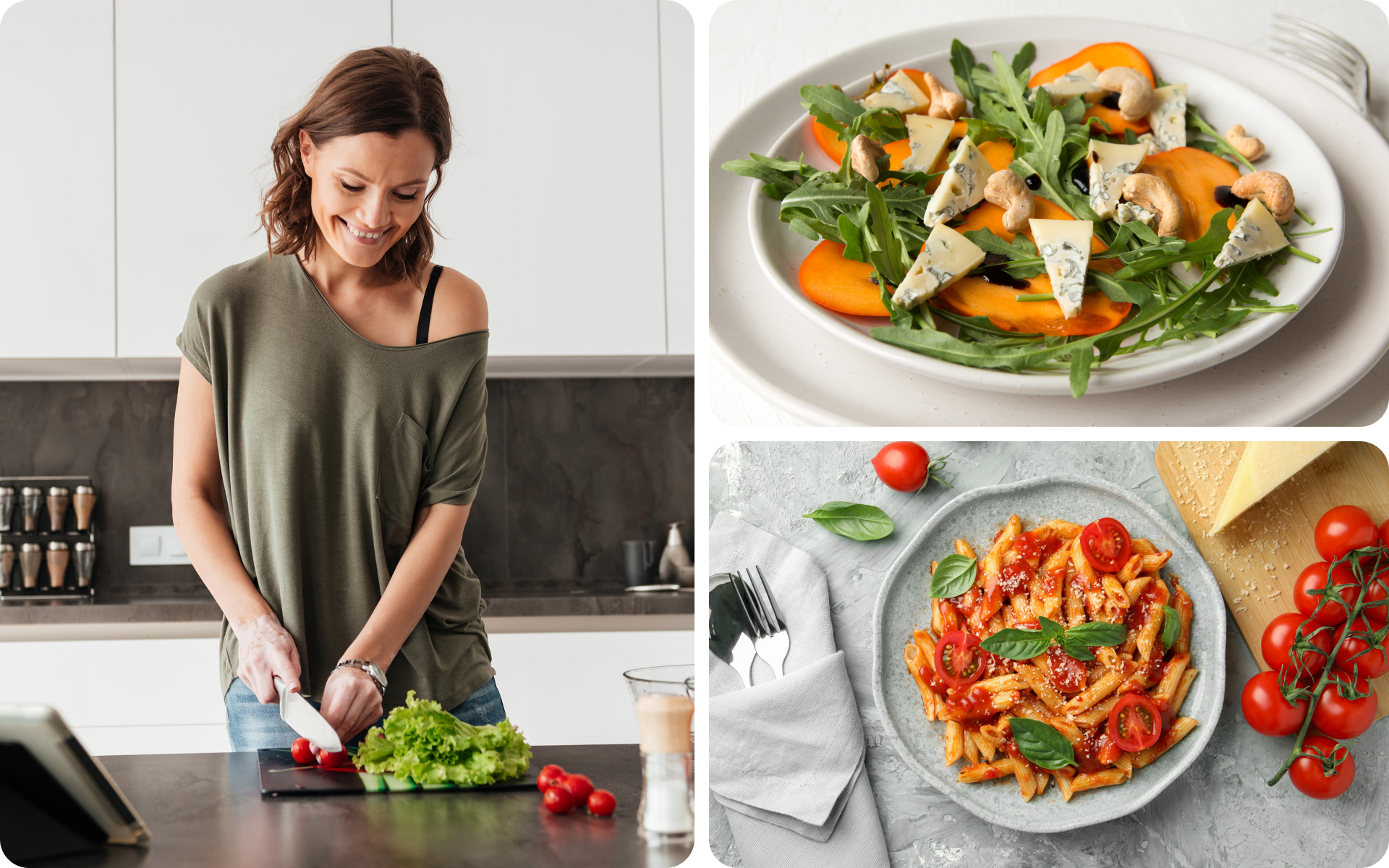
Proteins. These are the building blocks of your body. If you want to maintain or increase muscle mass, protein consumption is a must. They are also beneficial if you want to slim down, as, like fiber, they promote a feeling of satiety. Make sure your diet includes the following protein-rich foods: eggs, lean meats, poultry, dairy, fish, beans, and legumes (4).
Healthy fats. Mono- and polyunsaturated fats are essential for the proper functioning of your body. They decrease the risk of various diseases, such as diabetes, cardiovascular disease, and obesity. Fatty fish, avocados, olives, olive oil, nuts, and nut oils are packed with healthy fats.
Vitamins and minerals. Without them, your body would fail to function properly. Eat fruits, vegetables, beans, legumes, whole grains, eggs, seafood, and fish to make sure your body gets enough of all the essential micronutrients.
Water
You should never underestimate the importance of proper hydration. Drink plenty of water to maintain sound health, boost your overall wellness, and shed some pounds. Avoid sugary drinks and juices and opt for plain water, or calorie-free beverages and drinks, such as unsweetened tea and coffee or infused water.
FAQs
What’s the fastest way for a 40-year-old woman to lose weight?
Shedding weight quickly may seem tempting, but aiming for sustainable weight loss through a healthy diet and consistent exercise is generally recommended. It’s advisable to consult a doctor or registered dietitian to help create a personalized plan, which is the safest and most effective approach.
How can I lose 10 pounds in my 40s?
The ideal healthy and sustainable rate of weight loss is typically 1-2 pounds per week. Crash diets or extreme exercise programs may provide quick results, but they’re often difficult to maintain and can be risky. Aiming for gradual, consistent weight loss through healthy habits is more likely to lead to long-term success.
How much food should a 40-year-old woman eat to lose weight?
Calorie needs vary for each individual depending on factors such as activity level, current weight, and individual metabolism. In order to lose weight, you need to be in a caloric deficit. A doctor or dietitian can assess these factors and recommend a safe and effective calorie range for healthy weight loss.
Is it harder to lose weight after 40?
The ‘harder to lose weight’ philosophy is attributed to hormonal changes that can occur around this age that may influence weight management. However, focusing on healthy habits such as a balanced diet and regular exercise remains the foundation for weight loss at any stage of life.
The Bottom Line
The best diet for a 40-year-old woman is a safe and balanced nutritional plan. It should create an adequate energy deficit of 500-1,000 calories and provide you with all the essential nutrients your body needs. Such a nutritional plan will help you slim down without risking your health and wellness. To create the best weight loss approach for you, you should consult a specialist.
DISCLAIMER:
This article is intended for general informational purposes only and does not serve to address individual circumstances. It is not a substitute for professional advice or help and should not be relied on for making any kind of decision-making. Any action taken as a direct or indirect result of the information in this article is entirely at your own risk and is your sole responsibility.
BetterMe, its content staff, and its medical advisors accept no responsibility for inaccuracies, errors, misstatements, inconsistencies, or omissions and specifically disclaim any liability, loss or risk, personal, professional or otherwise, which may be incurred as a consequence, directly or indirectly, of the use and/or application of any content.
You should always seek the advice of your physician or other qualified health provider with any questions you may have regarding a medical condition or your specific situation. Never disregard professional medical advice or delay seeking it because of BetterMe content. If you suspect or think you may have a medical emergency, call your doctor.
SOURCES:
- 14 Ways to Shed Pounds After 40 (2020, webmd.com)
- 5 Reasons It’s Harder to Lose Weight With Age (2019, everydayhealth.com)
- Counting calories: Get back to weight-loss basics (2020, mayoclinic.org)
- Protein (n.d., hsph.harvard.edu)
- Weight loss: 6 strategies for success (2019, mayoclinic.org)
 Reviewed by