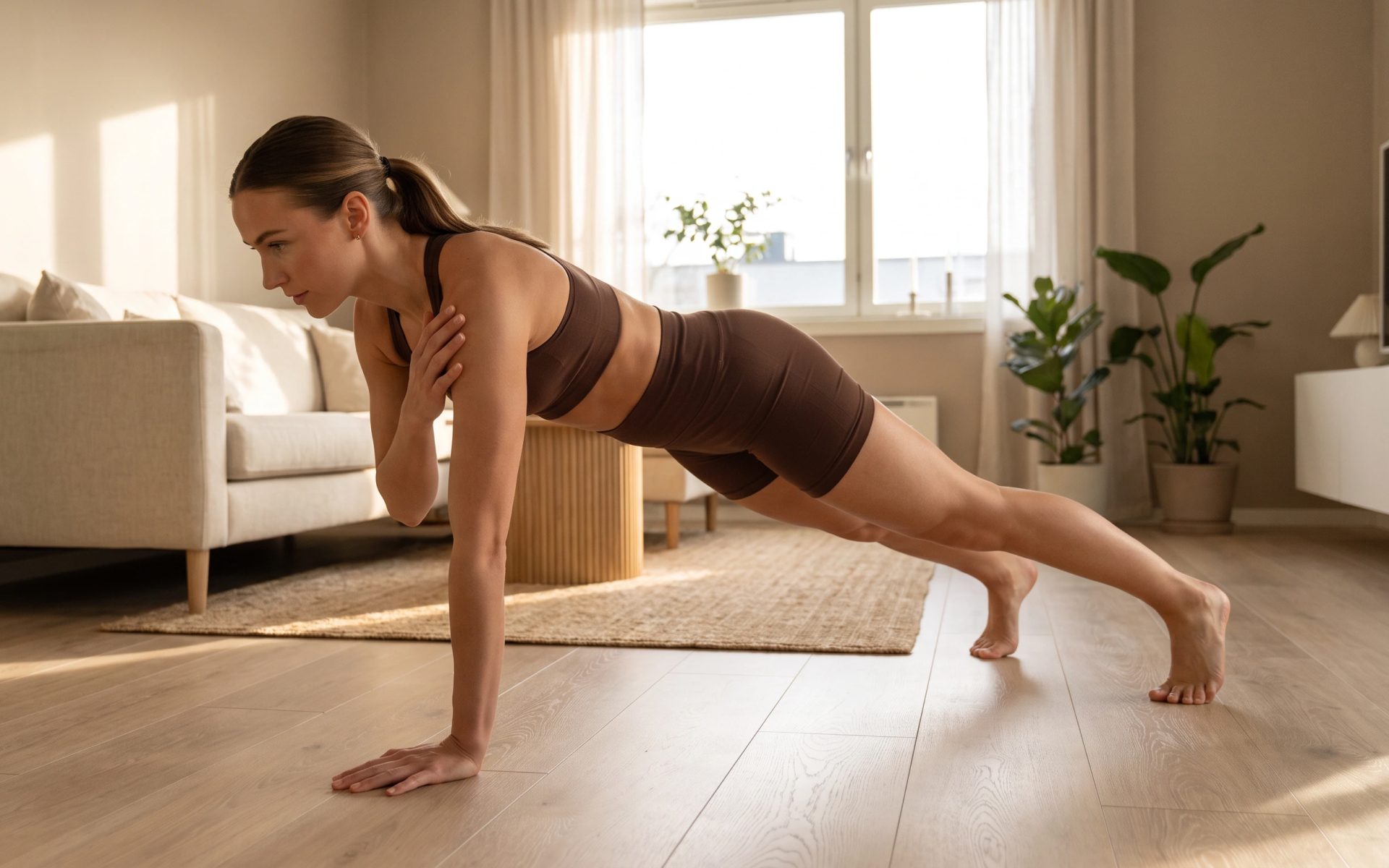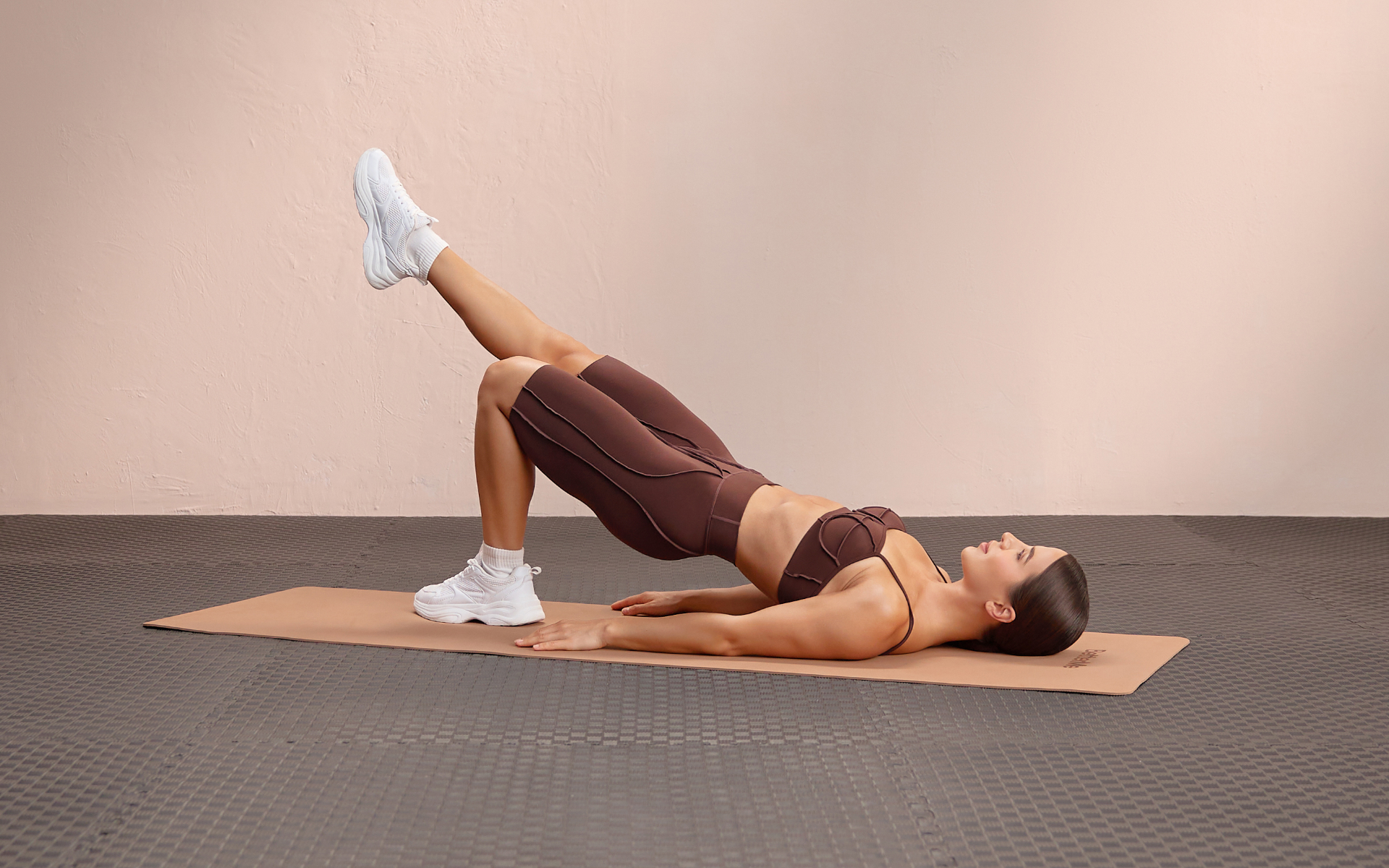
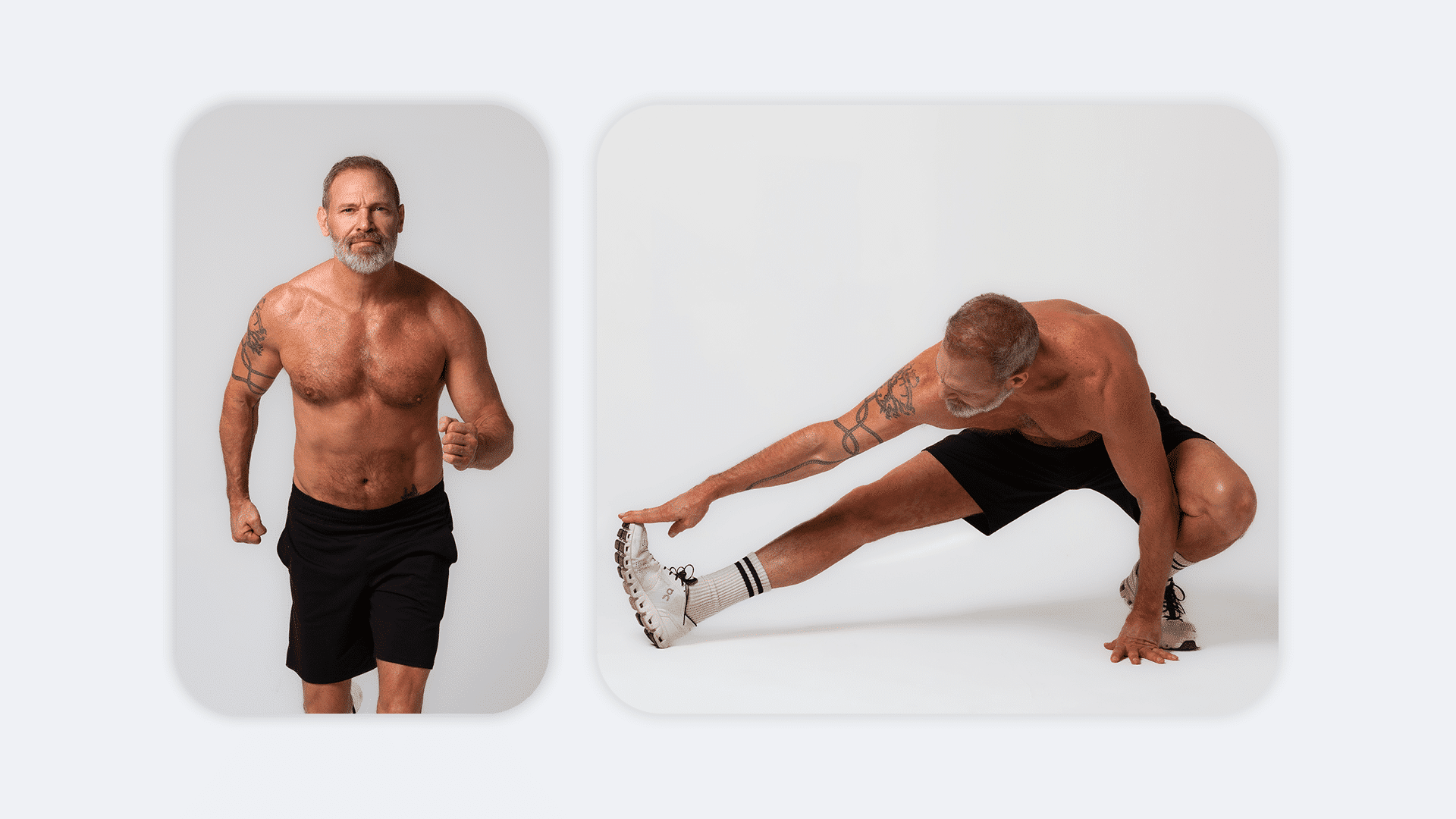
Pilates vs. calisthenics – which of these trendy workouts should you choose and why? Unless you’ve been living under a rock, you’ve seen Fit Tock influencers flooding social media feeds with their perfectly sculpted bodies, thanking either Pilates or Calisthenics for their transformation.

Pilates, if we’re sticking to dictionary definitions, is a low-impact exercise method that focuses on improving physical strength, flexibility, and posture. On the other hand, Calisthenics is best described as bodyweight exercises aimed at building strength, endurance, and fitness. .
Now the question remains – should you try Pilates for toning? Or should you opt for Calisthenics to achieve that chiseled physique?
Let’s get into the effectiveness of both workouts for toning and sculpting so you can decide which one suits you best.
Is Pilates Basically Calisthenics?
No, Pilates is not basically Calisthenics. The two may have some overlap, but they are distinct workout methods with differing principles, techniques, and benefits.
When it comes to weight loss, progress is made by inches, not miles, so it’s much harder to track and a lot easier to give up. BetterMe app is your personal trainer, nutritionist and support system all in one. Start using our app to stay on track and hold yourself accountable!
Here are the differences between pilates and calisthenics:
Purpose and Focus
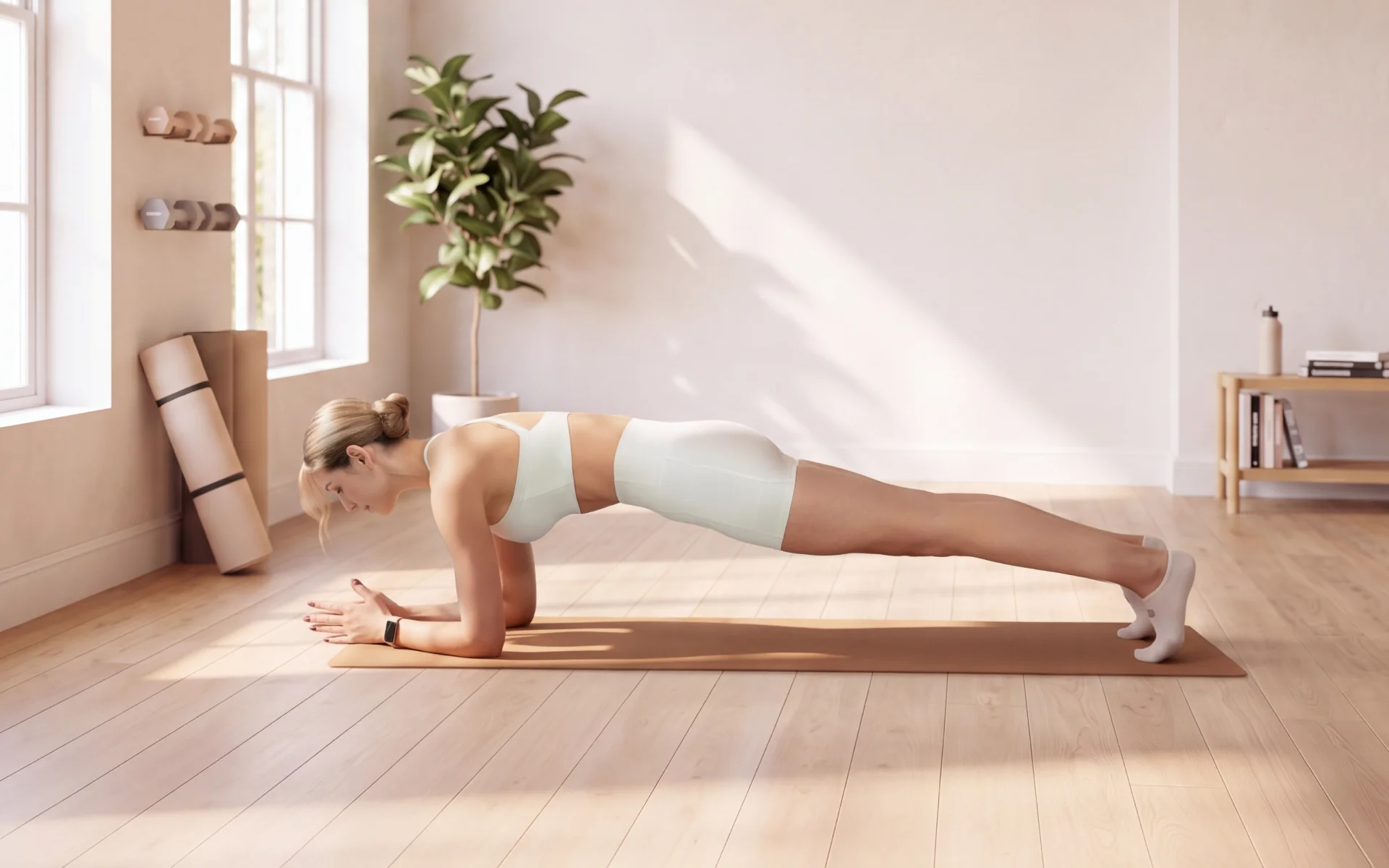
Pilates workouts are designed to improve core strength, flexibility, and posture. In contrast, a calisthenics workout prioritizes building overall strength and endurance, using body weight as resistance.
Principles
The Pilates method uses an order of sequences and exercises to achieve the desired outcomes. On the other hand, calisthenics is more like a free-flowing workout that involves bodyweight exercises without any specific order or sequence.
Workout Equipment
For a traditional Pilates class, you’ll need a mat or reformer machine. Calisthenics workouts don’t require any equipment and can be done pretty much anywhere.
Time commitment
Pilates is a relatively slower-paced workout that typically takes 45 minutes to an hour per session. Calisthenics, on the other hand, is usually done in shorter burst sessions of 5-10 minutes each.
Weight Loss
When comparing Pilates vs. calisthenics weight loss, calisthenics often comes out on top. The more dynamic and intense nature of calisthenics typically burns more calories and fat, leading to more significant weight loss.

Bodybuilding
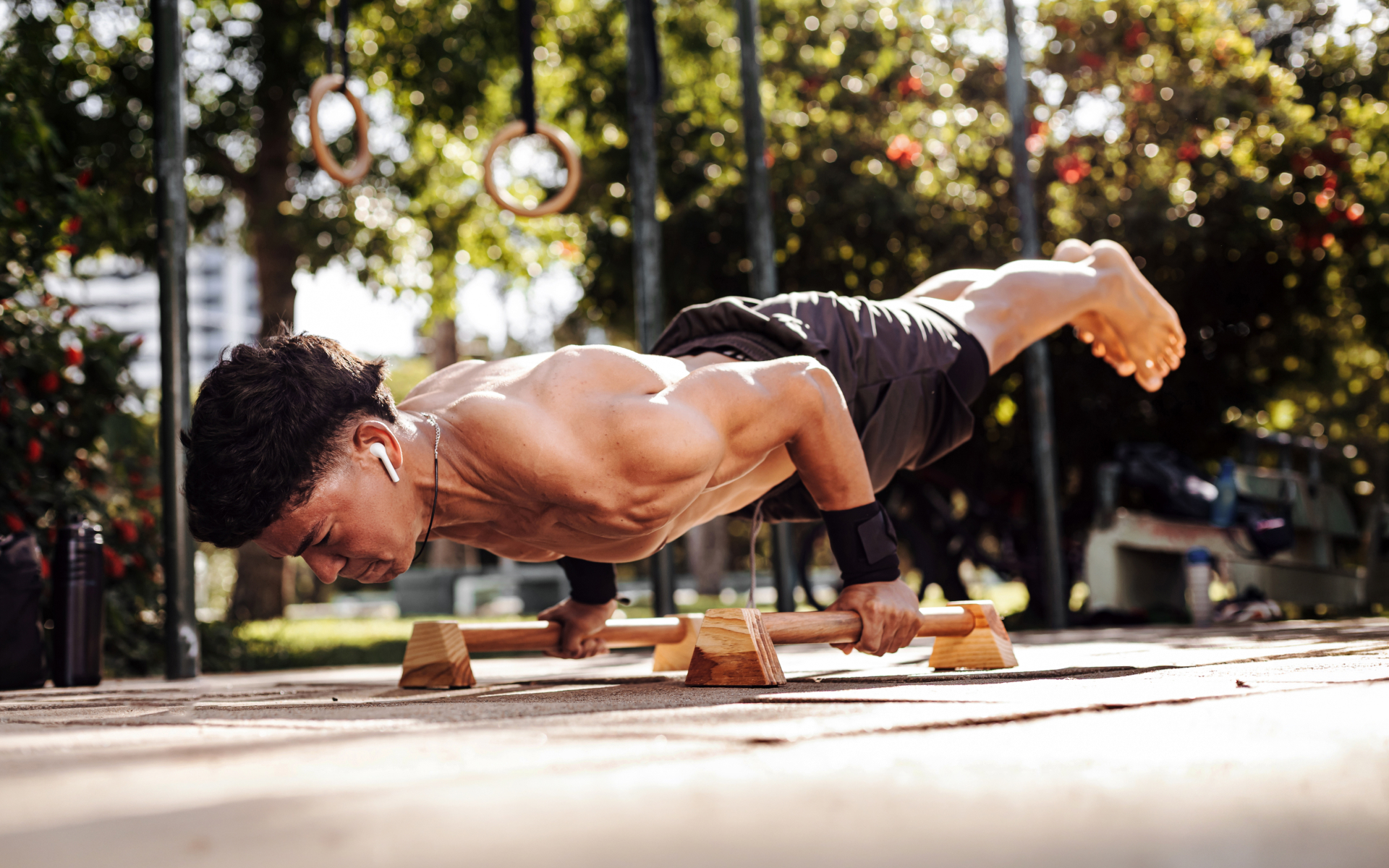
In the Pilates vs. Calisthenics bodybuilding debate, calisthenics usually wins, too. Calisthenics exercises like push-ups and pull-ups can help build more significant muscle mass, while Pilates tends to lean more towards toning and sculpting existing muscle.
Technique
Pilates basics include controlled movements and a focus on breath. Calisthenics, on the other hand, involves a combination of controlled movements as well as dynamic and explosive movements.
Ease of Use
Pilates and calisthenics both require practice and body control. If you’re a beginner, it may be easier to start with calisthenics exercises before progressing to Pilates. However, both can be tailored to individual levels; variations of Pilates e.g. wall Pilates or light Pilates, can be easier to master than traditional exercise and progressions.
Here are some similarities between Pilates and Calisthenics
Bodyweight
Both workouts utilize bodyweight as the primary form of resistance. This makes them accessible to anyone, anywhere – no fitness equipment required.
Lean Muscle Mass
Both workouts can help develop lean muscle mass. While Calisthenics may lead to more muscle development, Pilates can help tone and define these muscles, leading to a more sculpted appearance.
Pilates vs. Calisthenics: Which One Should You Choose?
Ultimately, the choice between Pilates and Calisthenics largely depends on your personal fitness goals, commitment, and preference.
Choose Pilates if:
- You’re Looking To Improve Core Strength: Pilates is renowned for its focus on core strength. If your goal is a strong, stable, and flexible core, Pilates may be the right choice (1).
- You’re Looking To Enhance Flexibility: Pilates exercises emphasize stretching and lengthening muscles, which can substantially improve flexibility (1).
- You’re Looking To Correct Posture: Pilates’ emphasis on alignment and control can significantly improve your posture, making it ideal for those looking to correct postural problems (1).
- You’re Looking To Build Mind-Body Awareness: Pilates requires concentration and body awareness, making it suitable for those seeking a mind-body connection in their workouts (1).
- You’re Looking To Tone and Sculpt: If your primary goal is toning rather than bulking up, Pilates can help define and sculpt your muscles.
- You’re Looking To Recover From an Injury: Pilates is often used in rehabilitation due to its low-impact nature and focus on controlled movements. If you’re recovering from an injury, consider Pilates.
- You’re Looking For a Low-Impact Workout: If you want to stay active without exerting too much stress on your body, Pilates is an excellent choice (1).
- You’re Looking To Boost Overall Fitness: Pilates is a full-body workout that can help improve overall fitness and well-being.
Read more: Calisthenics Pull Ups: A Step-by-Step Guide for Beginners.
Choose Calisthenics if:
- You’re Looking To Build Whole Body Strength: Calisthenics exercises like push-ups, pull-ups, and squats work for multiple muscle groups at the same time, making them great for overall strength training (2).
- You’re Looking To Improve Endurance: The high-repetition nature of calisthenics can significantly enhance your endurance levels (2).
- You’re Looking To Lose Weight: If your goal is weight loss, the high-intensity and dynamic nature of calisthenics could help you burn more calories (2).
- You’re Looking To Gain Muscle: If you’re interested in gaining muscle mass, the resistance provided by calisthenics exercises can promote muscle growth (2).
- You’re Looking For a Free-Flowing Workout: If you prefer workouts without strict sequences or routines, the flexibility of calisthenics might be a good fit.
- You’re Looking For a Workout Anywhere, Anytime: Calisthenics requires no equipment and can be done virtually anywhere, making it ideal for those with a busy lifestyle or limited access to gym equipment.
- You’re Looking For a Challenging Workout: Calisthenics exercises can be challenging, allowing you to push your body and progress at your own pace.
- You’re Looking To Build Balance and Coordination: Calisthenics involves balancing your body weight as you perform various exercises, making it great for improving coordination and balance.
Pilates vs. Calisthenics vs. Yoga
Now, primarily, Pilates and calisthenics are two different forms of exercise, each with its own merits. However, if you’re looking for something more mindful and spiritual, yoga might be a better fit. Yoga combines breathing exercises, meditation, and movement to foster a holistic sense of well-being (3).
As such, it may be the ideal choice for those looking to tap into their mental, physical, and spiritual sides.If you do have the time and resources to commit to a combination of Pilates, calisthenics, and yoga, you can reap the benefits of all three.
Yoga can be used for recovery or cross-training days between Pilates and calisthenics sessions. This mix will ensure you get the physical benefits of both workouts while also taking care of your mental health with some mindful practice.
Frequently Asked Questions
Is Pilates Better Than Gym for Muscle?
Pilates and gym workouts serve different purposes and are both beneficial, depending on your fitness goals. Gym workouts typically involve strength training and are effective for building muscle mass and strength. Meanwhile, Pilates focuses more on muscular endurance, flexibility, and overall body strength, particularly the core. It’s best to incorporate both for a well-rounded fitness routine.
Can You Build Muscle in Pilates?
Yes, you can build muscle in Pilates, especially the muscles in your core. Pilates uses resistance and your body weight to challenge your muscles, similar to weightlifting. However, the muscle development in Pilates is typically more about lean and toned muscles rather than bulk.
Can I Get Fit with Just Calisthenics?
Absolutely! Calisthenics is a form of strength training. It uses your body weight for resistance, so you can build muscle, improve flexibility, and boost endurance. Since it can be done anywhere without any special equipment, it’s a versatile approach to fitness.
Is Pilates Enough of a Workout?
Pilates is an effective workout that focuses on core strength, flexibility, balance, and coordination. It can be enough of a workout if these are your main fitness goals. However, for a comprehensive fitness regimen, it’s best to incorporate cardio and strength training exercises as well.
Is Pilates Just Bodyweight Exercise?
Mostly, yes. Pilates primarily uses your body weight for resistance. However, some Pilates exercises and classes use props like resistance bands, Pilates balls, or reformer machines to add challenge and variety to the workouts.
Is Pilates Similar to Calisthenics?
Both Pilates and calisthenics use body weight for resistance and can help develop strength and flexibility. But they differ in approach – Pilates is more structured and focuses on core strength and flexibility, while calisthenics is dynamic and aims more at overall body strength.
Is Yoga Considered Calisthenics?
While both yoga and calisthenics involve bodyweight exercises, they are not the same. Calisthenics is more focused on strength and endurance, while yoga emphasizes flexibility, balance, and the mind-body connection. However, some yoga poses do require strength and can be similar to calisthenics exercises.
Dropping pounds by the dozens without putting yourself through the wringer is everyone’s weight loss pipe dream. But what if we told you that the BetterMe app can make that happen? Keep yourself in prime shape with our fat-blasting workouts, delicious budget-sparing recipes, and body-transforming challenges with our app!
The Bottom Line
In the Pilates vs. Calisthenics debate, there’s no clear winner. Ultimately, both are effective forms of exercise that can help you reach different fitness goals. Consider your personal objectives and the features of each workout before deciding which one to pursue.
DISCLAIMER:
This article is intended for general informational purposes only and does not serve to address individual circumstances. It is not a substitute for professional advice or help and should not be relied on for making any kind of decision-making. Any action taken as a direct or indirect result of the information in this article is entirely at your own risk and is your sole responsibility.
BetterMe, its content staff, and its medical advisors accept no responsibility for inaccuracies, errors, misstatements, inconsistencies, or omissions and specifically disclaim any liability, loss or risk, personal, professional or otherwise, which may be incurred as a consequence, directly or indirectly, of the use and/or application of any content.
You should always seek the advice of your physician or other qualified health provider with any questions you may have regarding a medical condition or your specific situation. Never disregard professional medical advice or delay seeking it because of BetterMe content. If you suspect or think you may have a medical emergency, call your doctor.
SOURCES:
- Benefits of Pilates and Moves that Get Results (2023,healthysd.gov)
- Resistance training – health benefits (2022,betterhealth.vic.gov.au)
- Yoga – health benefits (2022,betterhealth.vic.gov.au)
 Reviewed by
 Reviewed by