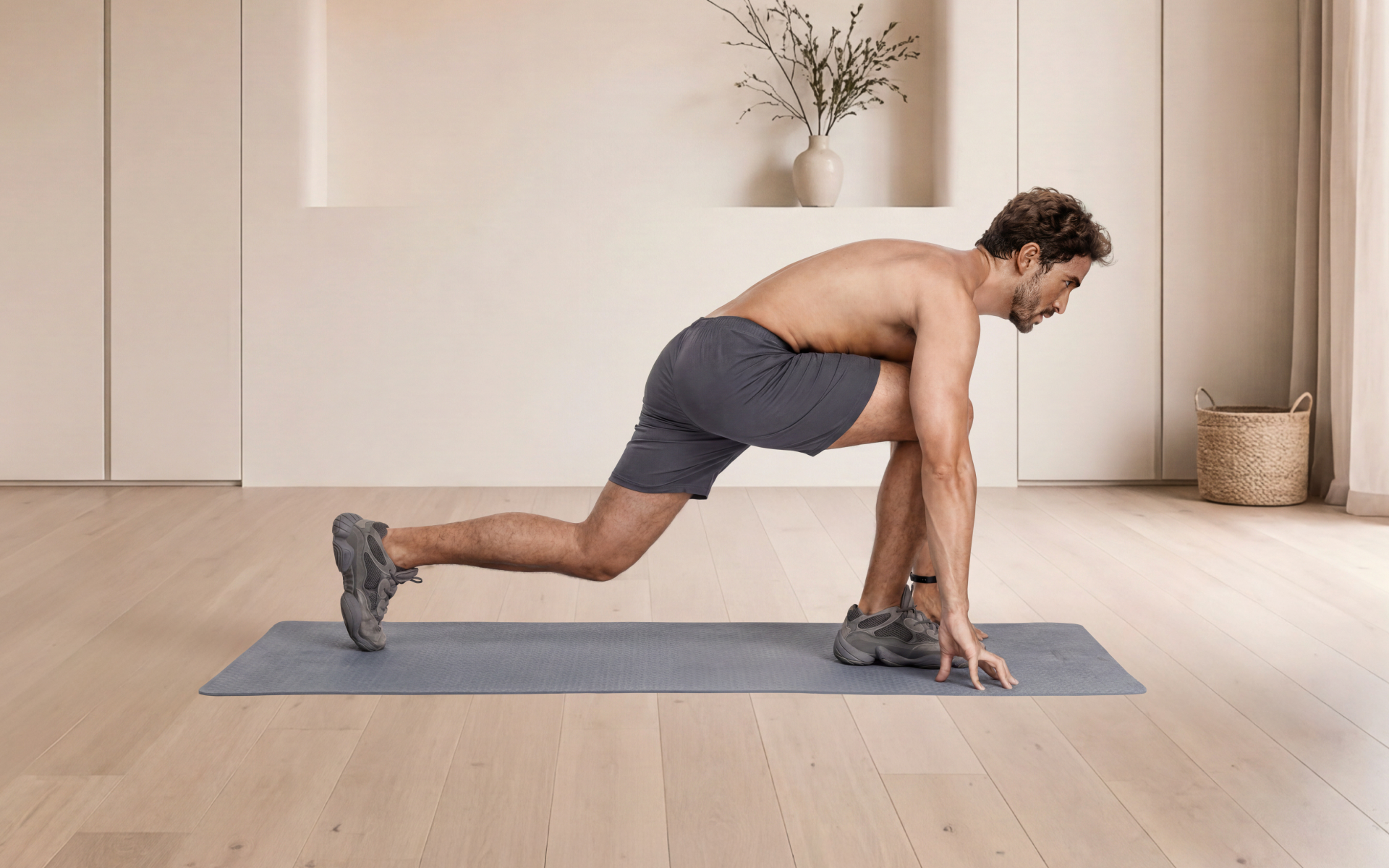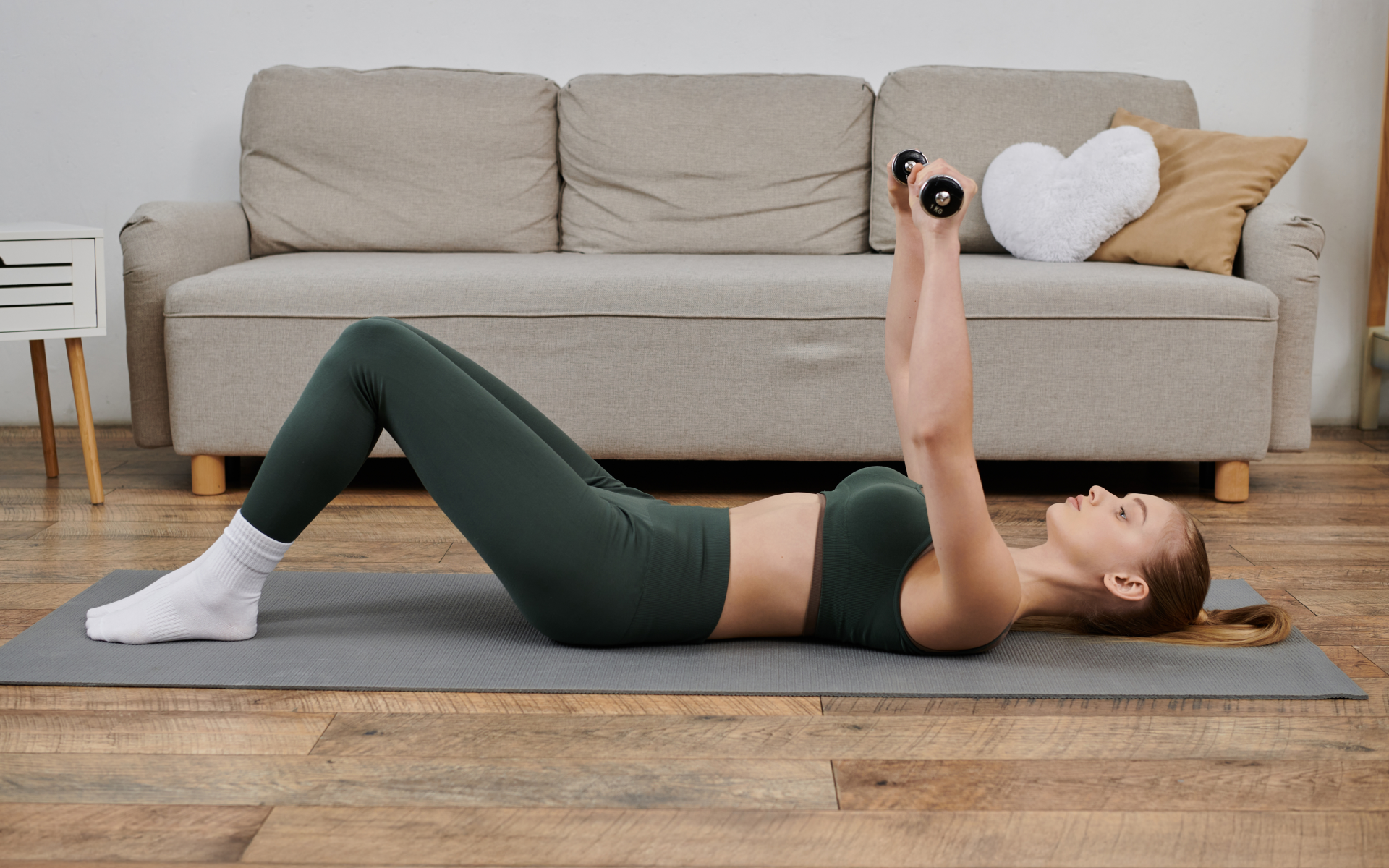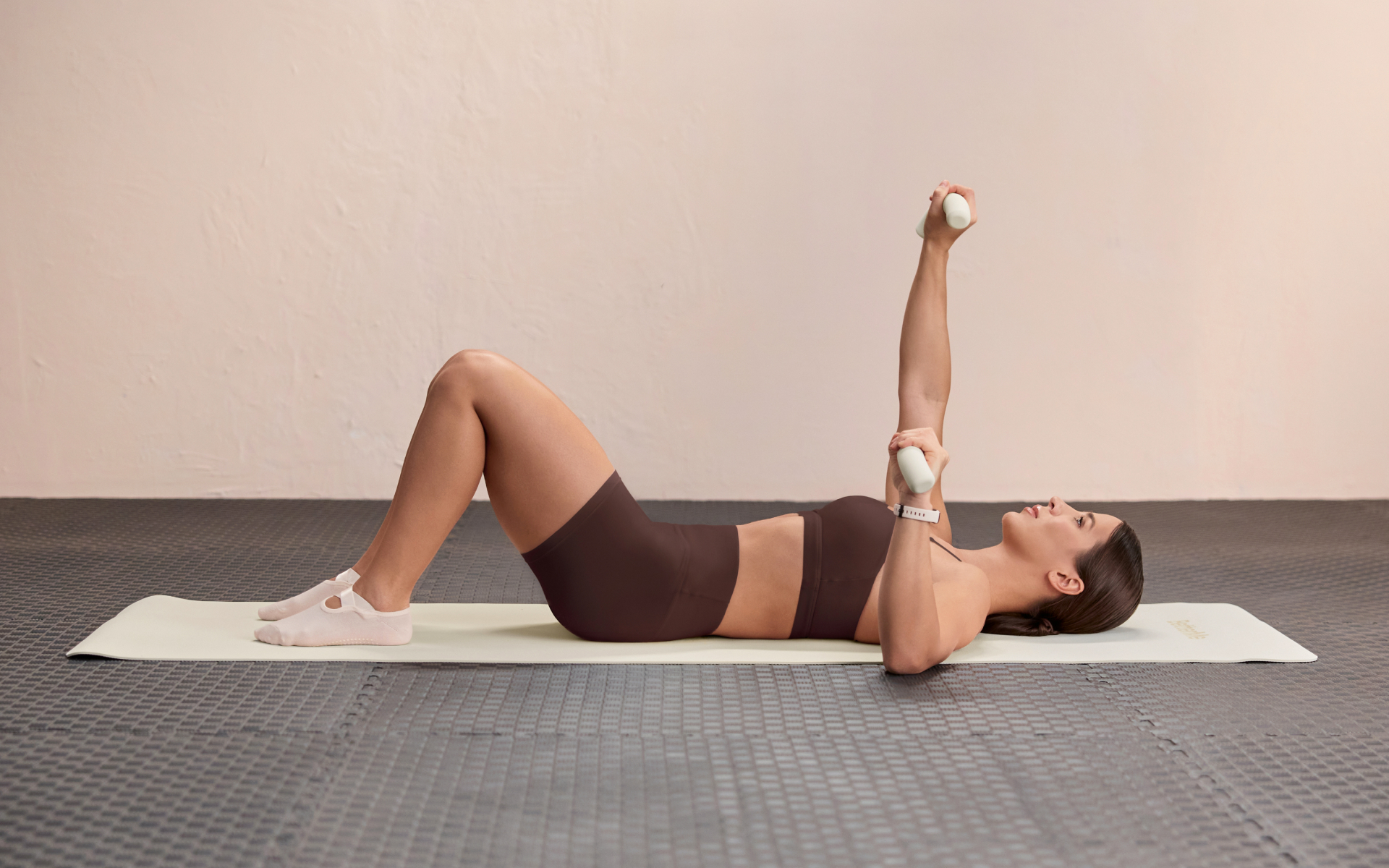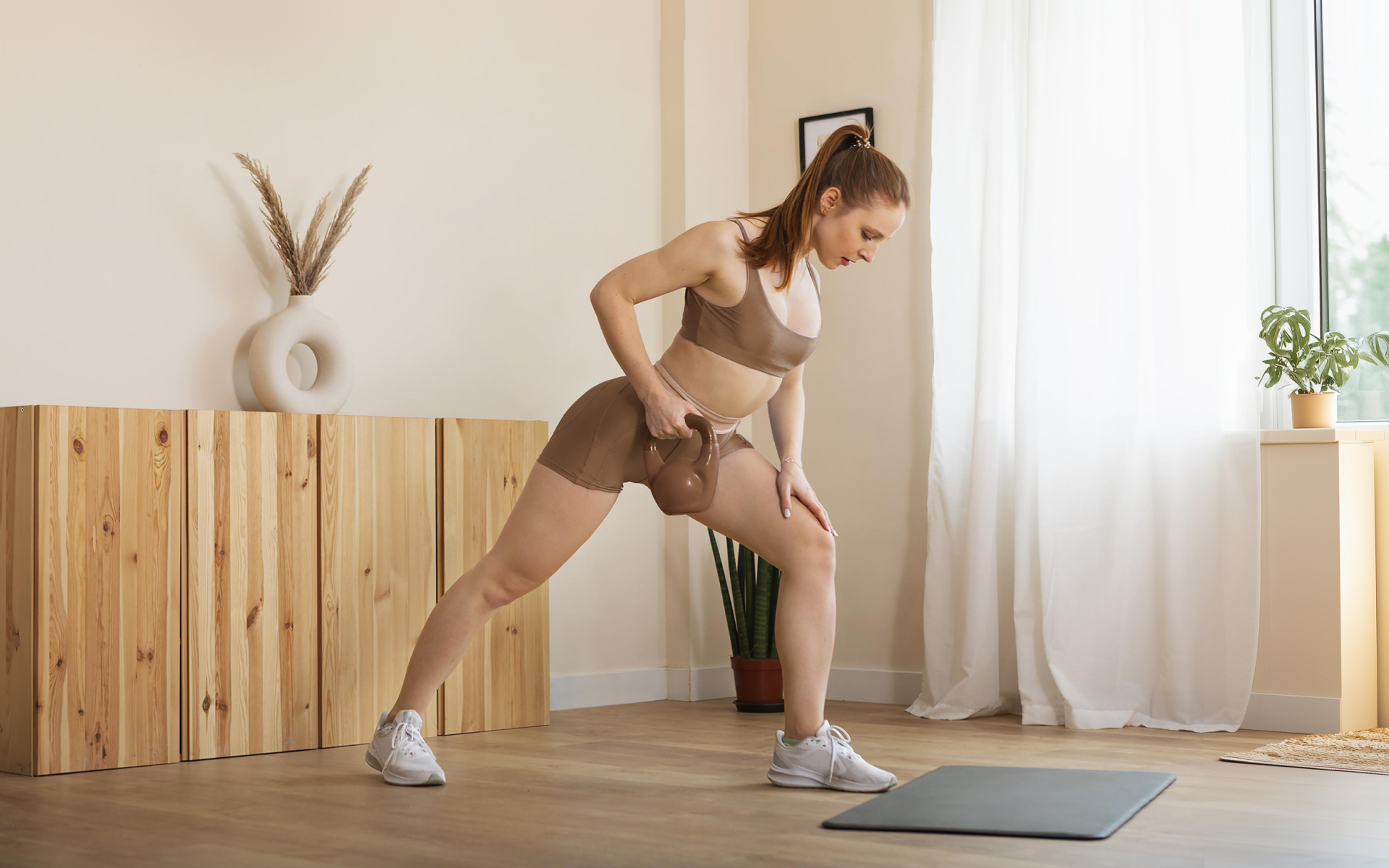
A 30-day full-body challenge is a month-long plan that trains your whole body 2-3 days per week, with rest days between sessions. You can do it at home or at the gym. In 30 days, many people notice better coordination, early strength gains, and steadier habits.
Confusing fitness advice can leave you stuck before you even begin. You want a clear 30-day full-body challenge, not a maze of conflicting tips. This guide breaks it down. You’ll learn what a full-body session includes, how to structure your week, and how to make progress without burning out.
We’ll also cover rest, exercise swaps, and simple ways to add movement. Think of this as your practical starting point—flexible, approachable, and easy to follow.
Are you ready to build a routine you can actually stick with? Let’s map out your month, step by step.
What Does a Full-Body Workout Actually Include?
A full-body workout is a single session that trains your entire body and its various functional movement patterns together, rather than focusing on isolating one body part at a time. It usually mixes lower-body, upper-body, and core work (1).
Most sessions cover five core patterns:
- Knee-dominant lower body: squats, leg press, split squats
- Hip-dominant lower body: hip thrusts, Romanian deadlifts
- Push: push-ups, chest press, overhead press
- Pull: rows, lat pulldowns, assisted pull-ups
- Core: planks, dead bugs, carries
You can add 0-2 optional moves for smaller muscles. Common picks include calves, biceps, or lateral raises.
What matters most isn’t the label. Research has suggested that full-body and split routines produce similar strength and muscle gains when weekly volume is matched (2). So a strong full-body exercise routine doesn’t need to be complicated.
For this challenge, a practical session looks like this:
- 4-6 exercises in total
- 2 lower-body movements
- 2 upper-body movements
- 1 core movement
- 0-2 optional extras
Aim for 2-4 sets per exercise. Use a rep range of 8-15 for most moves. Rest for 60-90 seconds between sets (3).
Keep your effort honest but controlled. Leaving 1-3 reps “in the tank” on most sets tends to work well for beginners (4). This means stopping before your form breaks down.
Here’s a simple structure you can repeat throughout your full-body workout plan:
| Slot | Pattern | Example exercise | Sets | Reps |
|---|---|---|---|---|
| 1 | Knee-dominant | Goblet squat | 3 | 8-12 |
| 2 | Push | Push-up | 3 | 8-12 |
| 3 | Hip-dominant | Hip thrust | 3 | 10-15 |
| 4 | Pull | Dumbbell row | 3 | 8-12 |
| 5 | Core | Plank | 3 | 20-40 secs |
| 6 (optional) | Accessory | Calf raise | 2 | 12-15 |
This covers your whole body in about 30-45 minutes.
Exercise Instructions
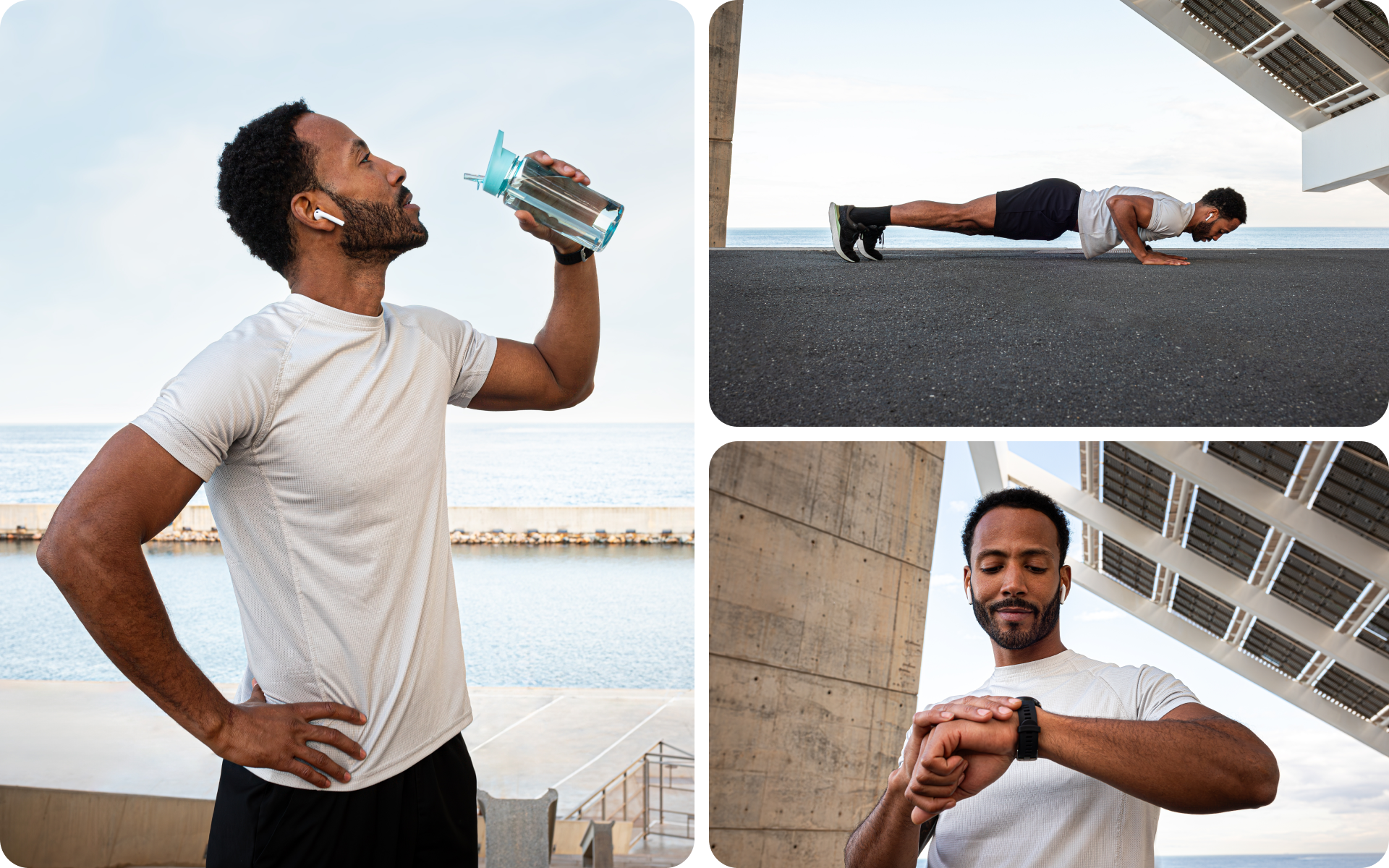
Here are step-by-step instructions for the core exercises in the program table above.
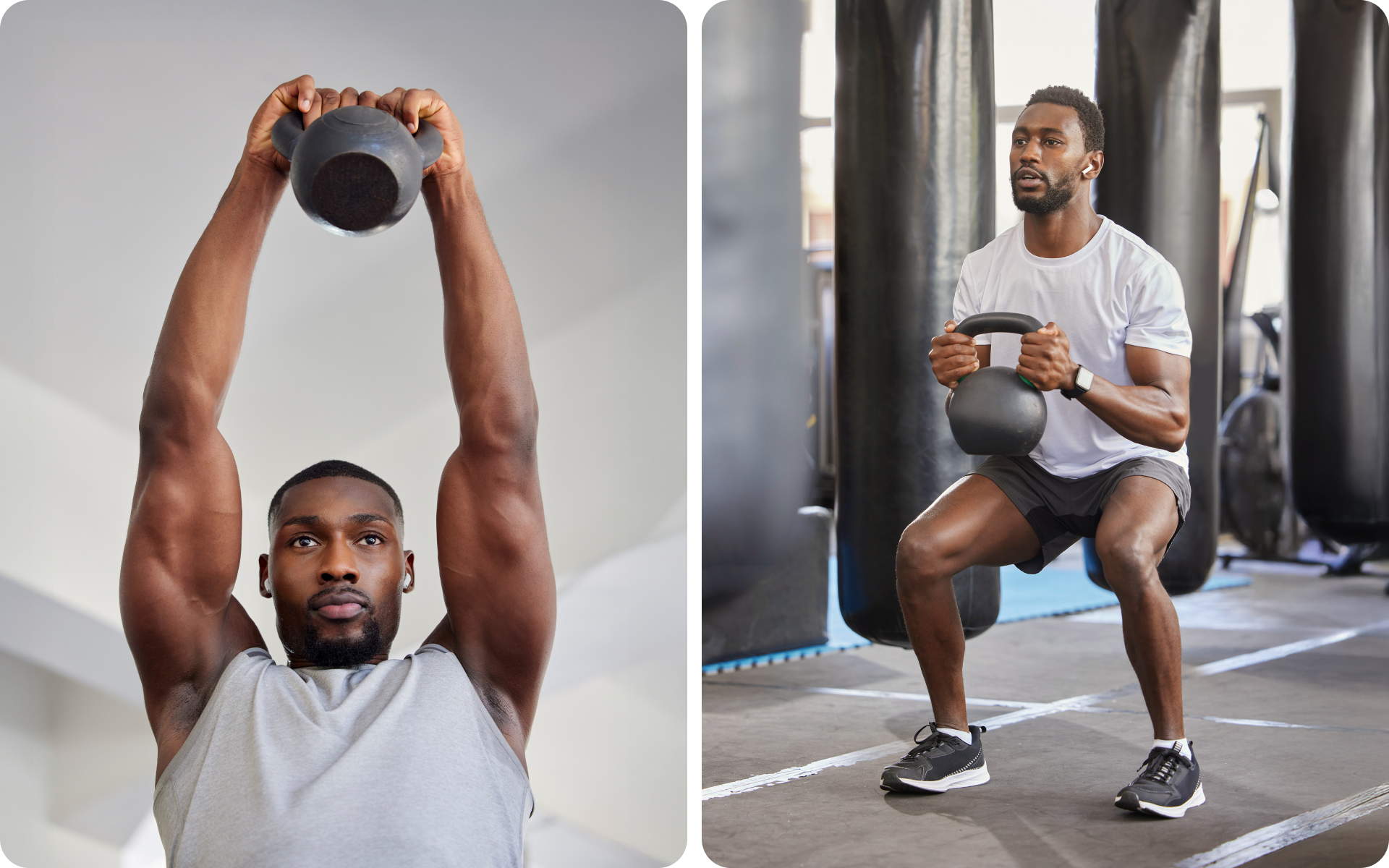
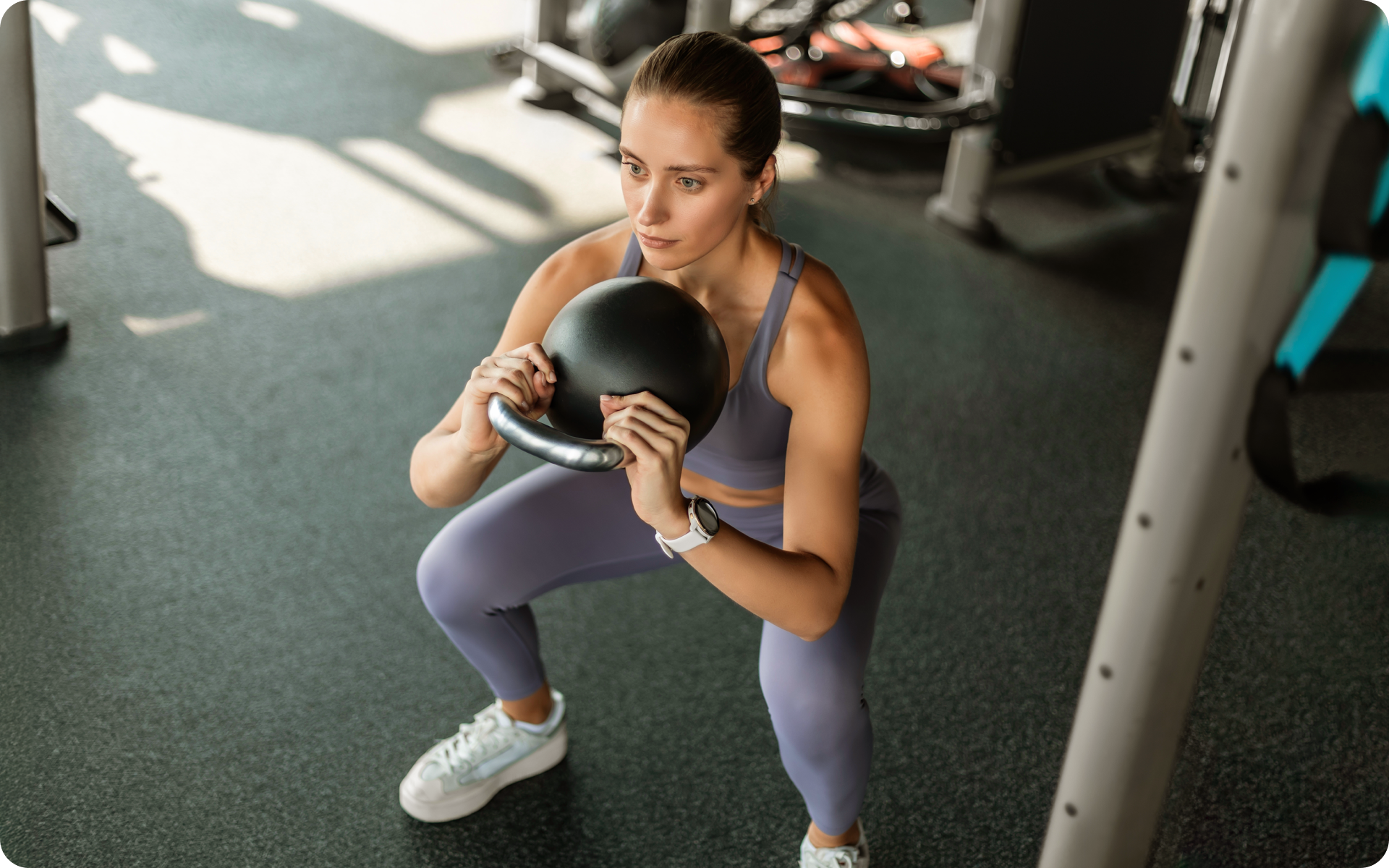
Goblet Squat
- Hold a dumbbell or kettlebell close to your chest.
- Stand with your feet shoulder-width apart.
- Lower your hips down and back, keeping your chest up.
- Descend until your thighs reach about parallel.
- Press through your feet to stand tall.
- Repeat for 8-12 reps.
Push-Up
- Start in a plank with your hands under your shoulders.
- Keep your body in a straight line.
- Bend your elbows to lower your chest toward the floor.
- Stop when your chest is a few inches from the ground.
- Press back up to the start.
- For an easier version, place your hands on a bench.
Hip Thrust
- Sit on the floor with your upper back against a bench.
- Place your feet flat and hip-width apart.
- Rest a weight across your hips if you want load.
- Drive through your heels to lift your hips up.
- Squeeze your glutes at the top, forming a straight line.
- Lower with control and repeat for 10-15 reps.
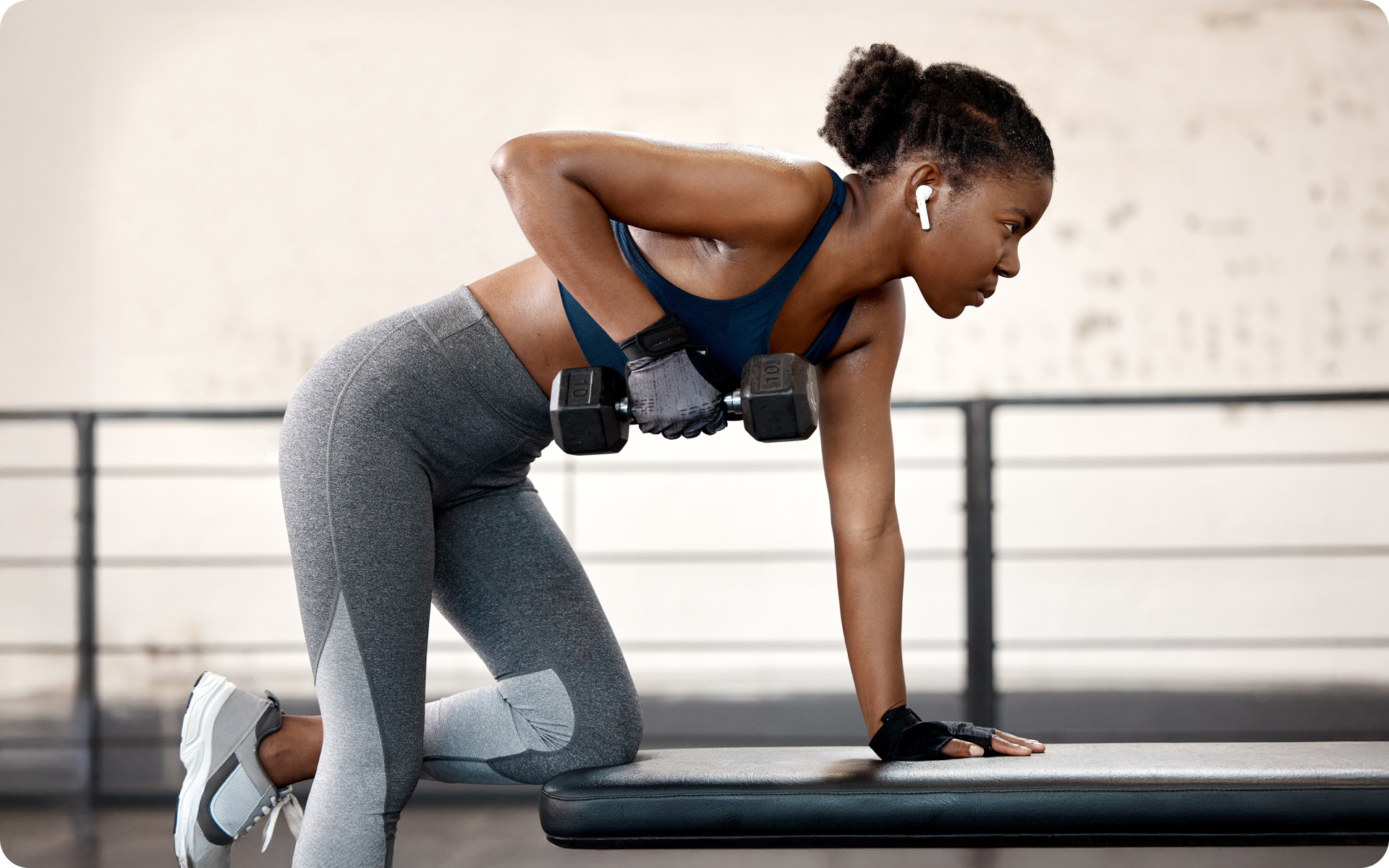
Dumbbell Row
- Hold a dumbbell in one hand.
- Place your opposite knee and hand on a bench.
- Keep your back flat and core braced.
- Pull the dumbbell toward your hip.
- Squeeze your shoulder blade at the top.
- Lower slowly and repeat for 8-12 reps per side.
Plank
- Rest on your forearms and toes.
- Keep your elbows under your shoulders.
- Form a straight line from your head to your heels.
- Brace your core and squeeze your glutes.
- Breathe steadily and hold for 20-40 seconds.
- Lower your knees to rest if needed.
Calf Raise
- Stand tall with your feet hip-width apart.
- Hold a wall or rail for balance if needed.
- Press through the balls of your feet.
- Lift your heels as high as comfortable.
- Pause briefly at the top.
- Lower slowly and repeat for 12-15 reps.
You can do this full-body exercise routine with minimal gear. Many moves also work as a no-equipment workout challenge using bodyweight versions.
BetterMe offers a variety of workouts, recipes, challenges, and support tools to help you stay more consistent with your wellness routine. Explore the app to find features that fit your goals, preferences, and schedule.
How Does the Seven-Day Training Cycle Work?
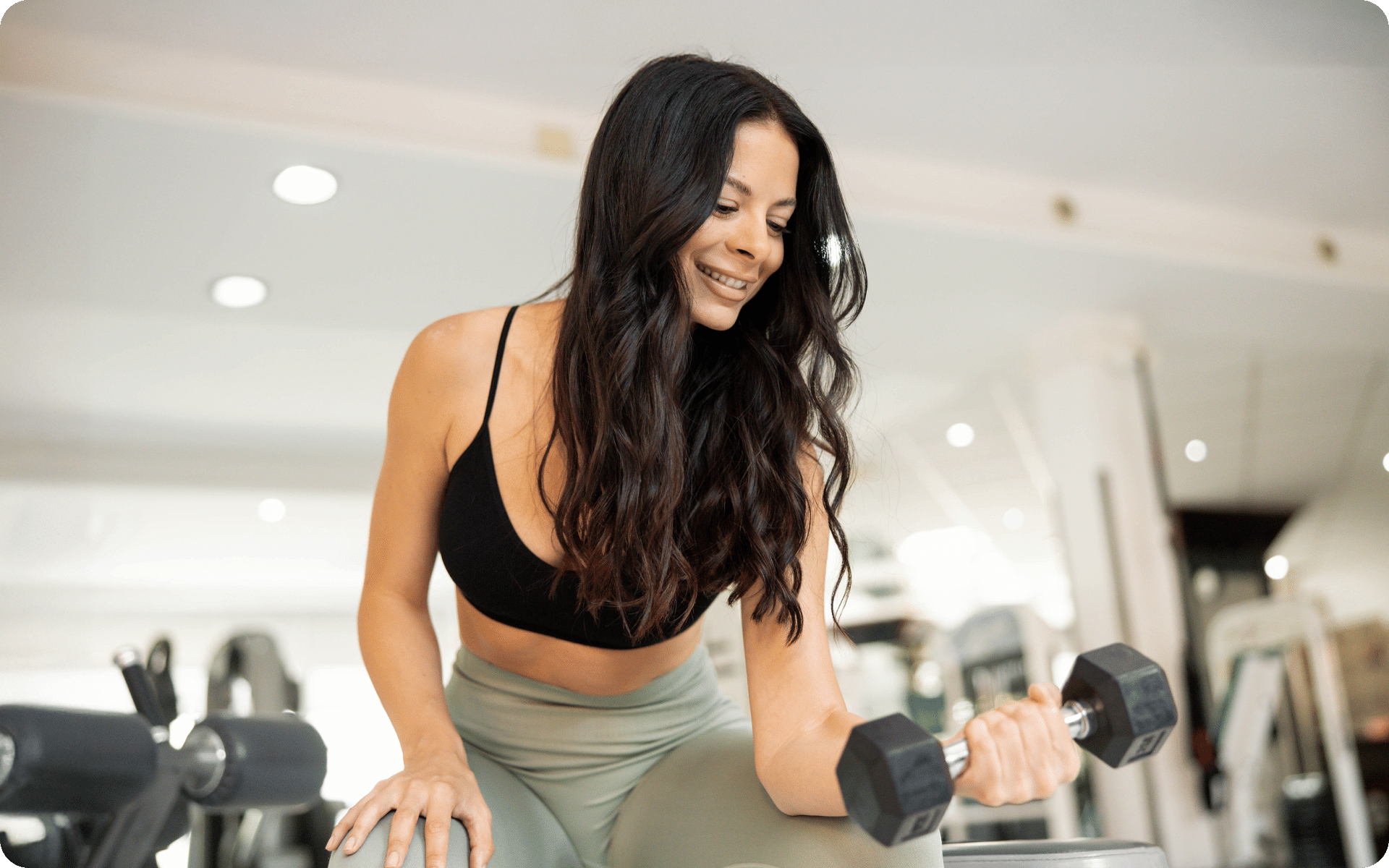
The seven-day training cycle works by spacing 2-3 strength sessions across the week, with rest days in between. This gives your body enough stimulus to adapt and enough rest to repeat it well (5).
For most people, three full-body strength days per week is a practical default. It exposes each muscle group more than once (5), which tends to help progress.
Here’s a simple weekly rhythm:
- Day 1: Full-body A
- Day 2: Active rest or light cardio
- Day 3: Full-body B
- Day 4: Rest
- Day 5: Full-body C
- Day 6: Active rest
- Day 7: Full rest
Why 2-3 sessions? Research on training frequency has suggested that hitting each muscle group about twice a week tends to support better results than once a week. Higher-load, multi-set training also ranks well for both strength and muscle growth (6).
Within each session, the same simple rules apply:
- Warm up for 5-10 minutes.
- Complete your main lifts first.
- Finish with core or accessories.
- Cool down with light movement.
Here’s what happens across the cycle, in plain terms (5):
- Training day: You create fatigue and a signal to adapt.
- Next 24–72 hours: Your body recovers and rebuilds.
- Next session: You repeat with slightly more work.
This repeating loop is the engine of any progressive full-body workout. Consistency across the week matters more than any single “perfect” day.
If three days feels like a lot at first, start with two. You can add the third day once the routine feels manageable. This keeps your month-long workout plan realistic and repeatable.
Full-body workout rest days aren’t wasted days. They are when much of your progress actually takes shape.
Read more: Lunge Variations: Shake Up Your Lower-Body Routine Like A Pro
What Does the Complete 30-Day Calendar Include?
A complete 30-day workout calendar includes about 12-14 strength sessions, 8-12 active-rest or cardio days, and 4-8 lighter or full rest days. It also builds in gentle progression across the weeks.
You don’t lift hard all 30 days. This approach tends to lead to burnout, not results.
Here is a sample structure for your 30-day workout plan:
| Week | Strength days | Active rest | Rest | Focus |
|---|---|---|---|---|
| Week 1 | 3 | 2 | 2 | Learn form, keep it moderate |
| Week 2 | 3 | 2 | 2 | Repeat, slight increase in reps |
| Week 3 | 3 | 3 | 1 | Add load or a set |
| Week 4 | 3 | 2 | 2 | Consolidate, finish fresh |
Each week has a clear job:
- Weeks 1-2: Focus on technique. Keep 1-3 reps in reserve. Mild soreness is normal.
- Week 3: Nudge difficulty up. Add load, reps, or one set to a few lifts.
- Week 4: Keep progressing gently. Don’t try to max out everything.
What might you notice in 30 days? Many people report:
- Smoother, more confident movement
- Early strength improvements
- Better tolerance for training
- Steadier routine and energy
Keep your expectations realistic. Early gains often come from improved coordination and motor skills, not big muscle changes (7). Visible muscle growth usually takes longer (8). Individual outcomes vary and depend on sleep, nutrition, effort, and your starting point (5).
This 30-day fitness challenge is a starting framework, not a rigid rulebook. You can shift days around to fit your schedule. Missing one day does not undo your progress.
If you prefer a seated option on lighter days, you might explore these Full-Body Chair Workouts for gentle, supported movement.
How Can You Distinguish a Training Day From an Active-rest Day?
A training day is designed to challenge your muscles and create a real adaptation signal, while an active-rest day uses light movement to help you feel better and prepare for the next session. The difference comes down to intensity and purpose.
Active rest means low-effort movement that supports rest without adding meaningful fatigue (9). It’s not a hidden workout.
Here is how to tell them apart:
Training day includes:
- Resistance work at moderate to hard effort
- Structured sets and reps
- The last few reps feeling challenging
- Some muscle fatigue you recover from
Active-rest day includes:
- Easy walking, cycling, or rowing
- Light mobility drills
- Gentle core or stability work
- Conversational breathing throughout
A simple gut check helps. After a training day, you think, “That was work.” After active rest, you think, “I feel looser and more refreshed.”
Use these intensity markers as a guide:
| Feature | Training day | Active-rest day |
|---|---|---|
| Effort level | 6-9 out of 10 | 2-4 out of 10 |
| Breathing | Harder, focused | Easy, conversational |
| Goal | Build strength | Support rest |
| Duration | 30-45 minutes | 15-30 minutes |
| Soreness after | Some is normal | Should feel better |
The simplest rule: if it helps you train better tomorrow, it’s rest, while if it adds fatigue you must recover from, it’s training.
During this full-body workout challenge, active rest keeps you consistent. It reduces stiffness and supports your next hard session. Resist the urge to turn every off day into a bonus workout.

How Should You Adjust the Exercises to Your Ability?
You adjust exercises to your ability by keeping the movement pattern the same and swapping the specific exercise to match your strength, mobility, and comfort. The pattern stays, the difficulty flexes.
This keeps your beginner full-body challenge effective without straining you.
Here’s how to scale each pattern:
Knee-dominant:
- Easier: bodyweight squat, box squat
- Moderate: goblet squat, leg press
- Harder: front squat, back squat
Hip-dominant:
- Easier: glute bridge, hip hinge drill
- Moderate: dumbbell Romanian deadlift
- Harder: barbell RDL, trap-bar deadlift
Push:
- Easier:, wall push-up
- Moderate: push-up
- Harder: dumbbell or barbell bench press
Pull:
- Easier: light resistance band row
- Moderate: cable row, lat pulldown
- Harder: pull-up, barbell row
Core:
- Easier: dead bug, knee plank
- Moderate: full plank, bird dog
- Harder: loaded overhead carry, hanging knee raise
Pick a version you can perform for the target reps with good form. If you can’t control the last rep, scale down. If it feels too easy, scale up.
Use these signals to choose the right level:
- You can move through the full range without discomfort.
- Your form stays clean on every rep.
- You feel challenged, not overwhelmed.
- You can repeat it session after session.
There’s no single “correct” exercise. The most useful choice is one you can do well, recover from, and progress over time.
This flexibility makes a strength cardio mobility plan work for many bodies and levels. Older trainees, beginners, and returning lifters can all adjust the same template.
If you have dumbbells and want a ready-made option, try this 30-Minute Full-Body Dumbbell Workout for a structured session.
How Can You Progress Without Increasing Every Exercise at Once?
You progress without increasing everything at once by improving just one variable on a few selected exercises each week, rather than changing every lift. This keeps fatigue manageable and progress steady.
Progressive overload means gradually asking your body to do a little more over time. It can mean more weight, more reps, or more sets—not all at once (10).
Follow this simple progression order:
- Own the movement with good form.
- Add reps within your target range.
- Then add a small amount of load.
- Occasionally add one set.
Here is a four-week example for one lift:
- Week 1: Dumbbell bench, 3 sets of 8 at 20 lb
- Week 2: 3 sets of 10 at 20 lb
- Week 3: 3 sets of 8 at 25 lb
- Week 4: 3 sets of 9 at 25 lb
That is real progress without overhauling your whole plan.
Each week, aim for:
- 1-2 main lifts
- 1-2 accessory lifts
- Steady rest
You might add reps to rows, add weight to squats, and simply hold form on hip thrusts. That is smart fatigue management, not undertraining.
Research has suggested that both strength and muscle can improve across a range of loads when effort is sufficient. Heavier loads tend to favor strength. A wider rep range can still support muscle growth (3).
A few practical rules for this month:
- Increase load by roughly 5-10% when reps feel easy.
- Add one set only when rest allows.
- Keep 1-2 reps in reserve on most working sets.
Selective progression keeps your at-home full-body workout sustainable. You build momentum without crashing halfway through. Small, steady wins tend to add up over 30 days.
Read more: Bodyweight Squats: A Simple Yet Effective Full Body Exercise

How Can Cardio and Mobility Complement the Strength Sessions?
Cardio and mobility complement your strength sessions by supporting rest, movement quality, and general fitness, without draining your energy for lifting. When placed well, they help rather than compete.
Cardio is any activity that raises your heart rate for a sustained period, such as walking or cycling. Mobility is movement that helps you access a comfortable range of motion around your joints.
How cardio helps:
- Builds general fitness and stamina
- Supports rest between sessions
- Adds movement on non-lifting days
- Helps you tolerate training volume
Research on combining strength and cardio has suggested that light-to-moderate cardio generally doesn’t blunt whole-muscle gains. Interference is more likely with heavy running or very intense intervals (11). So keep hard conditioning modest during this plan.
Practical cardio options:
- 20-30 minutes of brisk walking
- 15-25 minutes of easy cycling
- 10-20 minutes of light rowing
- Incline walking on lighter days
Place cardio on separate days, or after lifting if it stays easy. Avoid stacking hard cardio right before leg-focused sessions (11).
How mobility helps:
- Improves your setup and positions
- Reduces stiffness that limits training
- Serves as a warm-up or cool-down
Useful mobility targets for this routine:
- Ankles for squats
- Hips for squats and hinges
- Upper back for pressing and pulling
- Shoulders for overhead and rowing work
Keep your mobility purposeful. Do drills that help you move better today, not random stretching for its own sake. Five to 10 minutes of movement that’s similar to your upcoming workout before lifting works well.
This balance rounds out a full-body workout plan without overreaching. Think of cardio and mobility as helpers, not the main event. During this challenge, they keep you moving comfortably and consistently.
For a dedicated routine, explore this Full-Body Mobility Routine to add on your rest days.
Workouts, weight management tools, and recipe ideas come together in the BetterMe Well-Being Coach app, giving you practical support for building a more consistent wellness routine.
FAQs
Is the 30-day full-body challenge suitable for beginners?
Yes, the 30-day full-body challenge can suit beginners when you scale the exercises to your level. Start with 2-3 sessions per week and 4-6 moves each. Keep 1-3 reps in reserve and focus on form.
Beginners often progress with less volume (7), so build up gradually. Individual results vary, and it helps to check with a qualified professional first.
Do you need to train every muscle group every day?
No, you don’t need to train every muscle group every day for this plan to work. Aim to work each major muscle group about twice a week, which usually means 2-3 sessions in total. Daily training tends to limit rest, and rest days support progress. Spacing sessions across the week is often more sustainable and comfortable for most people (5).
Can you complete the challenge without equipment?
Yes, you can complete the challenge without equipment by using bodyweight versions of each movement pattern. Swap squats for bodyweight squats, presses for push-ups, and rows for band/towel rows or pull-ups.
Add planks, glute bridges, and lunges for variety. A no-equipment workout challenge can still build strength and consistency, but loading options are more limited than with weights.
Can you combine the plan with running or walking?
Yes, you can combine this plan with running or walking, particularly at a light-to-moderate pace. Walking pairs well on rest days and rarely competes with lifting. Keep hard running modest, since intense running may interfere with lower-body gains for some people (12). Place tougher runs away from leg sessions and aim for 20-30 minutes on easier days.
What should you do after missing several days?
After missing several days, simply return to your next scheduled session without trying to “make up” everything. Restart at a slightly lighter effort for one session, then continue as planned. Missing days is normal and doesn’t erase your progress. Extend the calendar by a few days if you want to complete all sessions, and keep the routine flexible.
The Bottom Line
A 30-day full-body challenge gives you a flexible framework to train your whole body, recover well, and build steady momentum over a month. Focus on 2-3 quality sessions weekly, gentle progression, and rest you can repeat. Individual results vary, so adjust the plan to fit your body and schedule. Pick your first session, and let this month be the start of a routine you genuinely enjoy.
DISCLAIMER:
This article is intended for general informational purposes only and does not serve to address individual circumstances. It is not a substitute for professional advice or help and should not be relied on for making any kind of decision-making. Any action taken as a direct or indirect result of the information in this article is entirely at your own risk and is your sole responsibility.
BetterMe, its content staff, and its medical advisors accept no responsibility for inaccuracies, errors, misstatements, inconsistencies, or omissions and specifically disclaim any liability, loss or risk, personal, professional or otherwise, which may be incurred as a consequence, directly or indirectly, of the use and/or application of any content.
You should always seek the advice of your physician or other qualified health provider with any questions you may have regarding a medical condition or your specific situation. Never disregard professional medical advice or delay seeking it because of BetterMe content. If you suspect or think you may have a medical emergency, call your doctor.
SOURCES:
- Multi-joint vs. Single-joint Resistance Exercises Induce a Similar Strength Increase in Trained Men: A Randomized Longitudinal Crossover Study (2020, pmc.ncbi.nlm.nih.gov)
- Split or full-body workout routine: which is best to increase muscle strength and hypertrophy? (2021, pmc.ncbi.nlm.nih.gov)
- Loading Recommendations for Muscle Strength, Hypertrophy, and Local Endurance: A Re-Examination of the Repetition Continuum (2021, mdpi.com)
- Modeling the repetitions‐in‐reserve‐velocity relationship: a valid method for resistance training monitoring and prescription, and fatigue management (2024, pmc.ncbi.nlm.nih.gov)
- Molecular Basis and Practical Applications of Training, Nutrition and recovery for Maximum Gains in Lean Muscle Mass: A Narrative Review for Optimizing Muscular Hypertrophy (2026, researchgate.net)
- Resistance training prescription for muscle strength and hypertrophy in healthy adults: a systematic review and Bayesian network meta-analysis (2023, pubmed.ncbi.nlm.nih.gov)
- Neuromuscular adaptations to resistance training in elite versus recreational athletes (2025, frontiersin.org)
- A Systematic Review with Meta-Analysis of the Effect of Resistance Training on Whole-Body Muscle Growth in Healthy Adult Males (2020, pmc.ncbi.nlm.nih.gov)
- Comparison of Different recovery Strategies After High-Intensity Functional Training: A Crossover Randomized Controlled Trial (2022, pmc.ncbi.nlm.nih.gov)
- Effects of Resistance Training Overload Progression Protocols on Strength and Muscle Mass (2024, pubmed.ncbi.nlm.nih.gov)
- Muscle fatigue and interference phenomenon during concurrent aerobic and strength training: An alternative hypothetical model (2025, sciencedirect.com)
- Comparative efficacy of concurrent training types on lower limb strength and muscular hypertrophy: A systematic review and network meta-analysis (2024, pubmed.ncbi.nlm.nih.gov)