Meal planning wasn’t as confusing a decade ago.
Today, you might come across debates about which diet plans are better.
Heated conversations between vegans, meat lovers, and low-carb people can make deciding what to eat overwhelming!
If you don’t understand the conflicts, you must develop a solid plan.
However, it’s essential to identify a meal plan that is easy to follow and keeps you on track.
The usual fitness goals include:
- Losing weight
- Having a clear mind
- Increasing lean muscle mass
One needs a structured meal plan and a regular exercise regimen to achieve these goals.
A 2050-calorie meal plan may be just what you need!
The standard 2050-calorie meal plan ensures you get everything your body wants without overindulging in one nutrient group.
A mix of proteins, healthy fats, and complex carbs can energize and satisfy throughout the day.
The best part?
This meal plan is flexible enough to include delicious, wholesome foods you will love.
This article provides insightful information about the 2050-calorie meal plan and helpful tips and examples to get the most out of it.
Keep scrolling to find out!

What Is A 2050 Calorie Meal Plan?
Even though nutritional requirements may vary among individuals, 2000 calories are considered a standard.
It is based on the estimated nutritional needs of most adult individuals, as determined by the 2020-2025 Dietary Guidelines (1).
This calorie figure is also used as a benchmark to create recommendations on nutrition instructions.
Most nutrition labels say, “Percent Daily Values are based on a 2,000-calorie diet. Your Daily Values may be higher or lower depending on your calorie needs.”
A 2050-calorie meal plan provides around 2050 calories daily.
Typically, the core purpose of this meal plan is:
- Weight maintenance
- Moderate weight loss
- Muscle gain
BetterMe: Health Coaching app helps you achieve your body goals with ease and efficiency by helping to choose proper meal plans and effective workouts. Start using our app and you will see good results in a short time.
You or a dietician would choose what foods to include after evaluating your:
- Age
- Gender
- Metabolism
- Activity level
An ideal plan should have a balance of macronutrients.
Combining essential vitamins, carbohydrates, proteins, and fats can positively impact your physical and mental health (2).
Key Components Of A 2050-Calorie Meal Plan
The macronutrient distribution in this meal plan should look like this:
- Carbohydrates: 45-65% (approximately 230-330 grams)
- Protein: 10-35% (approximately 50-180 grams)
- Fats: 20-35% (approximately 45-80 grams)
You should consume 3 main meals with 2-3 snacks in between.
Read more: 7 Reasons To Eat Healthy Fats For Breakfast
Example Of A 2050 Calorie Meal Plan For Weight Loss
The plans may look different according to an individual’s goals.
If your target is to shed some pounds, the 2050 calorie meal plan should be similar to this:
Breakfast (450 calories)
Focus on a high-protein, fiber-rich breakfast to stay energetic throughout the day and reduce unnecessary cravings (3).
- 3 large egg whites + 1 whole egg (95 cal, high protein)
- ½ cup mixed berries (40 cal)
- 1 tbsp peanut butter (90 cal)
- Black coffee or tea (0 cal)
- ½ cup oats (150 cal)
Morning Snack (200 calories)
Try adding healthy fats for a natural energy spike.
- 1 medium banana (105 cal)
- 10 raw almonds (70 cal)
- 1 cup green tea (0 cal)

Lunch (550 calories)
Lunch should balance lean proteins, complex carbohydrates, and healthy fats. This balance will help you stay full until the evening.
- 3 oz grilled chicken breast (140 cal, high protein)
- 1 cup cooked quinoa (220 cal, fiber + carbs)
- Lemon juice and herbs for seasoning (0 cal)
- 1 cup steamed broccoli (55 cal)
- 1 tbsp olive oil (120 cal)
Afternoon Snack (250 calories)
You should have a protein-packed snack to stabilize your blood sugar levels (4).
- 1 cup plain Greek yogurt (120 cal, high protein)
- 1 tbsp chia seeds (70 cal, fiber + omega-3s)
- Dash of cinnamon (0 cal)
- 1 tsp honey (20 cal)
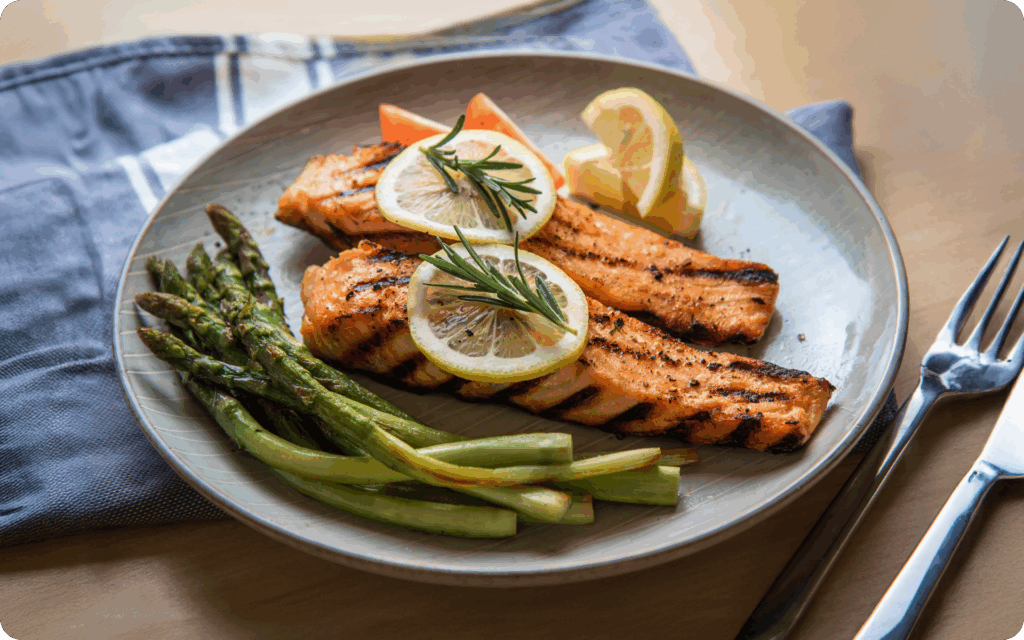
Dinner (550 calories)
Enjoy a satisfying evening meal with anti-inflammatory, healthy fats and nutrient-dense carbs.
- 4 oz baked salmon (230 cal, high in omega-3s)
- 1 cup roasted sweet potato (180 cal)
- 1 cup mixed green salad with balsamic vinegar (50 cal)
- 1 tsp olive oil (40 cal)
Remember – water has 0 calories.
A strong hydration game can help you fight food cravings while staying satiated with water.
Understandably, you may want to indulge in your favorite foods.
To avoid overindulging, you can try portion-controlled eating:
- Stick to standard serving sizes
- Adjust portion sizes according to your weight loss and calorie goals
In summary, a 2050-calorie meal plan could help you achieve the transformation you yearn for.
The results may not appear overnight, but adhering to a structured diet and exercise plan could help you see the difference.
Are 2050 Calories Too Much?
The average adult requires about 2000 calories per day to function well.
According to research, adult women typically need 1,600–2,400 calories daily, depending on their activity level.
The range for men is higher, at 2,000–3,000 calories per day (5).
However, the number of calories required is also subject to individual factors.
Some people may need fewer or more than 2000 calories a day.
For instance, teenagers or pregnant women need more than 2000 calories to support growth.
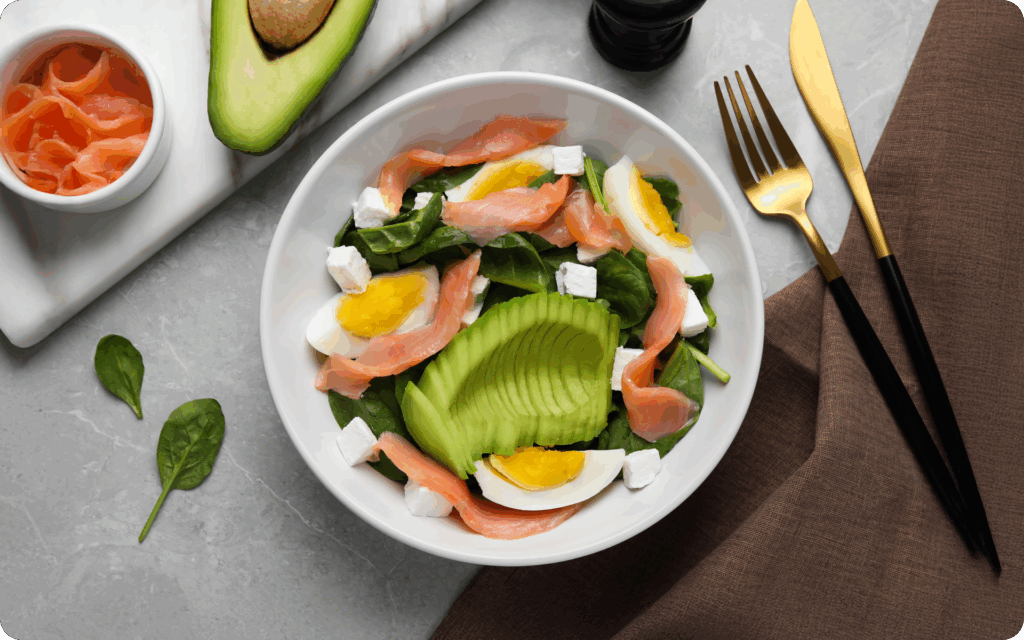
On the other hand, some people who might benefit from the 2050 calories meal plan are:
- Active individuals who exercise regularly
- Those who wish to maintain their weight
- Muscle-builders who want to improve their strength
Start by calculating your total daily energy expenditure (TDEE).
Compare it with the 2050 calorie meal plan to see if it aligns with your goals. The number of calories may require a cut-off if you want to lose weight.
Conversely, you may need to increase your caloric count if you feel weak or fall sick often.
Will I Gain Weight If I Eat 2500 Calories A Day?
The answer to this question depends on your activity levels.
A body that consumes 2500 calories daily and burns 2500 the same day will not gain weight. On the other hand, a body that takes in 2500 calories but burns only 2000 calories may gain weight at the rate of 1 pound a week.
Some people likely go beyond the recommended 2000 calories because they want to gain weight.
If that is the case, you shouldn’t undermine the importance of a well-rounded meal plan.
A plan that includes the right balance of nutrients and avoids junk can help you put on some pounds while keeping you mentally and physically fit.
If you feel your metabolism is too fast, you should research how to gain weight with a fast metabolism.
The Harvard School of Public Health linked specific dietary and lifestyle factors with long-term weight gain (6).
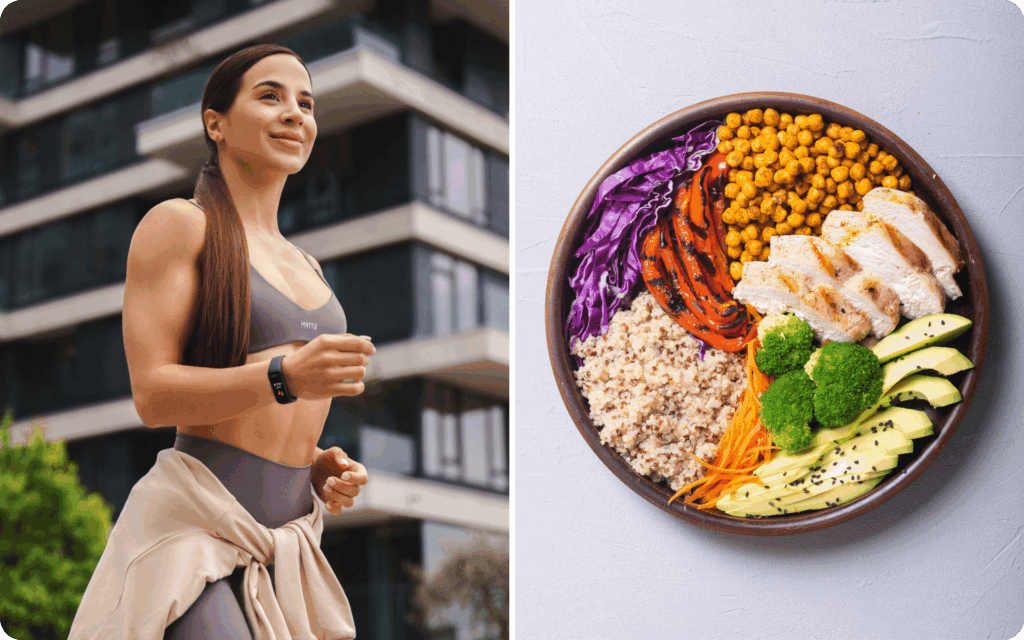
Don’t assume that losing or gaining weight is as simple as regulating your caloric consumption.
These factors can also influence your weight:
- Time spent watching television
- Nutrient profile
- Hours of sleep
- Stress levels
A slight daily caloric excess of just 50 to 100 calories can lead to gradual weight gain over time.
A study published in The New England Journal of Medicine found that weight gain can happen over time (7). But, some small, consistent lifestyle changes can help prevent or reverse it.
The study suggests that focusing on specific foods and drinks—eating less or more of certain items—could reduce calorie intake.
Overall, changes in diet had the most significant impact on weight gain, while physical activity and time spent watching TV also contributed.
These findings highlight key lifestyle changes that you can prioritize to prevent obesity.
A 2050 calorie meal plan low carb could be your best friend in this endeavor. It ensures you don’t eat many junk foods but consume more nutritious foods to fuel your body.
Ultimately, whether you will gain weight depends on your total daily energy expenditure (TDEE), which covers the energy you may burn through daily activities and essential functions.

Check out how you can determine your calorie requirements by calculating your TDEE:
Multiply your Basal Metabolic Rate (BMR) by your activity level
- Sedentary: BMR × 1.2
- Lightly Active: BMR × 1.375
- Moderately Active: BMR × 1.55
- Very Active: BMR × 1.725
Compare To 2500 Calories:
- You may lose or maintain weight if 2500 is less than your TDEE.
- If 2500 is more, you may gain weight.
Calculating calorie consumption allows you to have a clear goal in mind. You can then create a meal plan according to your nutritional needs and work out as you should to stay fit and healthy!
Read more: How A Healthy Meal Planning App Can Change The Way You Eat Forever
How To Get 2050 Calories?
Consuming high-quality food ensures you get your 2050 calories from the right sources.
Here are some key food groups you should include in your 2050-calorie meal plans:
- Fruits
Fruits are rich in vitamins, minerals, and fiber.
They can boost your satiety and satisfy your sugar cravings with their natural sweetness.
You should eat 2-3 servings of fruit each day while trying to keep your calories to 2050 (8).

- Vegetables
Leafy greens, non-starchy, and starchy veggies are one way to keep your plates healthy and colorful.
To make your 2050-calorie meal plan vegetarian, you must have various vegetables in your fridge.
Vegetables provide many of the same health benefits as fruits but typically have fewer calories (9).
- Dairy
Milk is a perfect addition to a 2050-calorie meal plan that isn’t vegan. Dairy products can play a key role in the body’s protein supply.
Studies show that milk, especially cow’s milk, and milk-based supplements with whey and casein can help build muscle (10). It may also make you feel fuller, reducing food cravings.
- Meats, Eggs, And Fish
Lean meats, eggs, and fatty fish are great additions to a meal plan.
To make your 2050 calorie meal plan high protein, you shouldn’t hesitate to include lean red meat and fish.
Red meat has a robust nutrient profile, and fish have anti-inflammatory properties (11)(12).
Meanwhile, eggs are a quality source of amino acids while increasing satiety (13).
When it comes to weight loss, progress is made by inches, not miles, so it’s much harder to track and a lot easier to give up. The BetterMe: Health Coaching app is your personal trainer, nutritionist, and support system all in one. Start using our app to stay on track and hold yourself accountable!
- Legumes
Legumes are rich in:
- Iron
- Zinc
- Fiber
- Protein
- B vitamins
- Magnesium
- Carbohydrates
They are also complex carbohydrates, making them an excellent choice for a calorie-deficit weight-loss diet (14).
Examples include beans (like kidney, black, and pinto), chickpeas, peanuts, and peas.
The Healthy Eating Food Pyramid recommends eating various foods from all food groups and within each group to get the nutrients we need (15).
Eating too much or too little can harm our health.
Not eating enough can lead to nutrient deficiencies and malnutrition, while overeating can cause obesity and other problems.
Eating the right amount of food each day is essential to stay healthy.

What Is A 2050 Calorie Meal Plan Example?
You will find hundreds of sample meal plans online.
Whether you want to opt for 2050 calories, more than that, or less – there are several options you might come across. The choice depends on your end goal.
What do you want to achieve?
How do you want to appear after following this plan?
What kind of meals can you easily arrange?
Can you work out accordingly?
Exercise is an essential factor to consider. For example, someone might want to gain muscle, appear leaner, and have more overall strength.
Designing a 2000 calorie meal plan bodybuilding-friendly may be their ultimate solution. This meal plan includes more proteins and vegetables to fuel the body with essential macros.

Here is an example:
Meal 1: Breakfast (450 calories)
- 4 large egg whites + 2 whole eggs (170 cal, 26g protein)
- ½ cup mixed berries (40 cal, 10g carbs)
- 1 tbsp peanut butter (90 cal, 8g fat)
- ½ cup oats (150 cal, 27g carbs)
Meal 2: Mid-Morning Snack (300 calories)
- 1 scoop whey protein (120 cal, 25g protein)
- 1 medium banana (105 cal, 27g carbs)
- 1 tbsp almond butter (75 cal, 7g fat)
Meal 3: Lunch (500 calories)
- 5 oz grilled chicken breast (165 cal, 35g protein)
- 1 cup steamed broccoli (55 cal, 10g carbs)
- 1 cup cooked quinoa (220 cal, 39g carbs)
- 1 tsp olive oil for cooking (40 cal, 4g fat)

Meal 4: Pre-Workout Snack (200 calories)
- 1 slice whole-grain toast (80 cal, 15g carbs)
- 1 tbsp honey (60 cal, 17g carbs)
- 1 boiled egg (60 cal, 6g protein)
Meal 5: Post-Workout Dinner (450 calories)
- 1 cup roasted sweet potato (180 cal, 39g carbs)
- 6 oz baked salmon (230 cal, 38g protein, 10g fat)
- 1 cup mixed greens with lemon juice (40 cal, 5g carbs)
Meal 6: Evening Snack (100 calories)
- ½ cup plain Greek yogurt (60 cal, 10g protein)
- 1 small handful of walnuts (40 cal, 4g fat)
Your workout timing and the food items can vary in your meal plan.
Consult a registered dietitian for more insights about appropriate meals. They can design a plan that suits your lifestyle and individual factors.
Why Am I Still Hungry After Eating 2500 Calories?
You need to rethink your food plan if you feel hungry even after eating 2500 calories.
Are the foods you are eating providing enough energy for your body?
Should you replace some food groups with more satisfying ones?
A few reasons behind endless hunger could be:
- You are eating too many refined carbs that cause blood sugar spikes, leaving you hungrier later
- Stress, boredom, or anxiety may be compelling you to overeat
- Not drinking enough water can give hunger signals
- Your meals may be low in fiber or protein
- Your meals may be too far apart
There could be many other reasons why you feel hungry despite hitting the 2500-calorie goal.
Before starting any meal plan, talk to your doctor or seek help from authentic online sources to ensure your diet includes all the required food groups.
Lastly, cheat days are okay in your diet. Once in a while, take it easy and savor your favorite foods without guilt!

If you include the right food groups in your diet, you can live on 1500 calories a day (16). Just make sure your diet doesn’t exceed your minimum caloric requirement, as determined by the calculations provided previously. 200 calories may look like either of these: There could be many other combos that contain 200 kCal. The choice depends on what your body needs and what you can easily access. Yes, a 5-pound weight gain can be noticeable. Depending on your body type and weight distribution, it may be especially noticeable on the face, waist, or hips. Rice, potatoes, red meat, milk, nuts, and whole-grain bread are high-calorie foods. However, while these foods are part of a balanced diet, other high-calorie foods, such as desserts, ice cream, pizza, and fried foods, should be minimized as they provide lower-quality calories.Frequently Asked Questions
Can I live on 1500 calories?
What do 200 calories look like?
Is 5 pound weight gain noticeable?
What are high-calorie foods?
The Bottom Line
Following a 2050-calorie meal plan is simple. It may take some time for your body to adjust to it initially, but once you get accustomed to eating structured meals, you may find yourself doing better – physically and mentally.
The impact of eating less and eating healthy is pretty holistic, right?
However, a 2050-calorie meal plan may sometimes provide too many calories. Even if you get a comprehensive plan, like a 2000 calorie meal plan high protein, it could result in weight gain or even malnutrition because each person’s body needs will differ.
Talk to a registered dietitian who can recommend a plan based on your needs.
DISCLAIMER:
This article is intended for general informational purposes only and does not serve to address individual circumstances. It is not a substitute for professional advice or help and should not be relied on for making any kind of decision-making. Any action taken as a direct or indirect result of the information in this article is entirely at your own risk and is your sole responsibility.
BetterMe, its content staff, and its medical advisors accept no responsibility for inaccuracies, errors, misstatements, inconsistencies, or omissions and specifically disclaim any liability, loss or risk, personal, professional or otherwise, which may be incurred as a consequence, directly or indirectly, of the use and/or application of any content.
You should always seek the advice of your physician or other qualified health provider with any questions you may have regarding a medical condition or your specific situation. Never disregard professional medical advice or delay seeking it because of BetterMe content. If you suspect or think you may have a medical emergency, call your doctor.
SOURCES:
- Dietary Guidelines for Americans 2020 – 2025 (2021, dietaryguidelines.gov)
- The Impact of Nutrients on Mental Health and Well-Being: Insights From the Literature (2021, pmc.ncbi.nlm.nih.gov)
- Extra protein is a decent dietary choice, but don’t overdo it (2013, health.harvard.edu)
- Changes in the glucose and insulin responses according to high-protein snacks for diabetic patients (2020, pmc.ncbi.nlm.nih.gov)
- DIETARY GUIDELINES FOR AMERICANS 2015-2020 (2015, odphp.health.gov)
- A systematic literature review on obesity: Understanding the causes & consequences of obesity and reviewing various machine learning approaches used to predict obesity (2021, sciencedirect.com)
- Changes in Diet and Lifestyle and Long-Term Weight Gain in Women and Men (2011, pmc.ncbi.nlm.nih.gov)
- Why is it important to eat fruit? (2024, ask.usda.gov)
- Vegetables and Fruits (n.d., hsph.harvard.edu)
- The effects of protein and amino acid supplementation on performance and training adaptations during ten weeks of resistance training (2006, pubmed.ncbi.nlm.nih.gov)
- Meat in your diet (n.d., nhs.uk)
- A critical review on the health benefits of fish consumption and its bioactive constituents (2022, pubmed.ncbi.nlm.nih.gov)
- The Health Benefits of Egg Protein (2022, pmc.ncbi.nlm.nih.gov)
- Legume Intake, Body Weight, and Abdominal Adiposity: 10-Year Weight Change and Cross-Sectional Results in 15,185 U.S. Adults (2022, pmc.ncbi.nlm.nih.gov)
- Healthy Eating Pyramid (n.d., nutritionsource.hsph.harvard.edu)
- Caloric Restriction in Humans: Impact on Physiological, Psychological, and Behavioral Outcomes (2011, pmc.ncbi.nlm.nih.gov)


 Reviewed by