
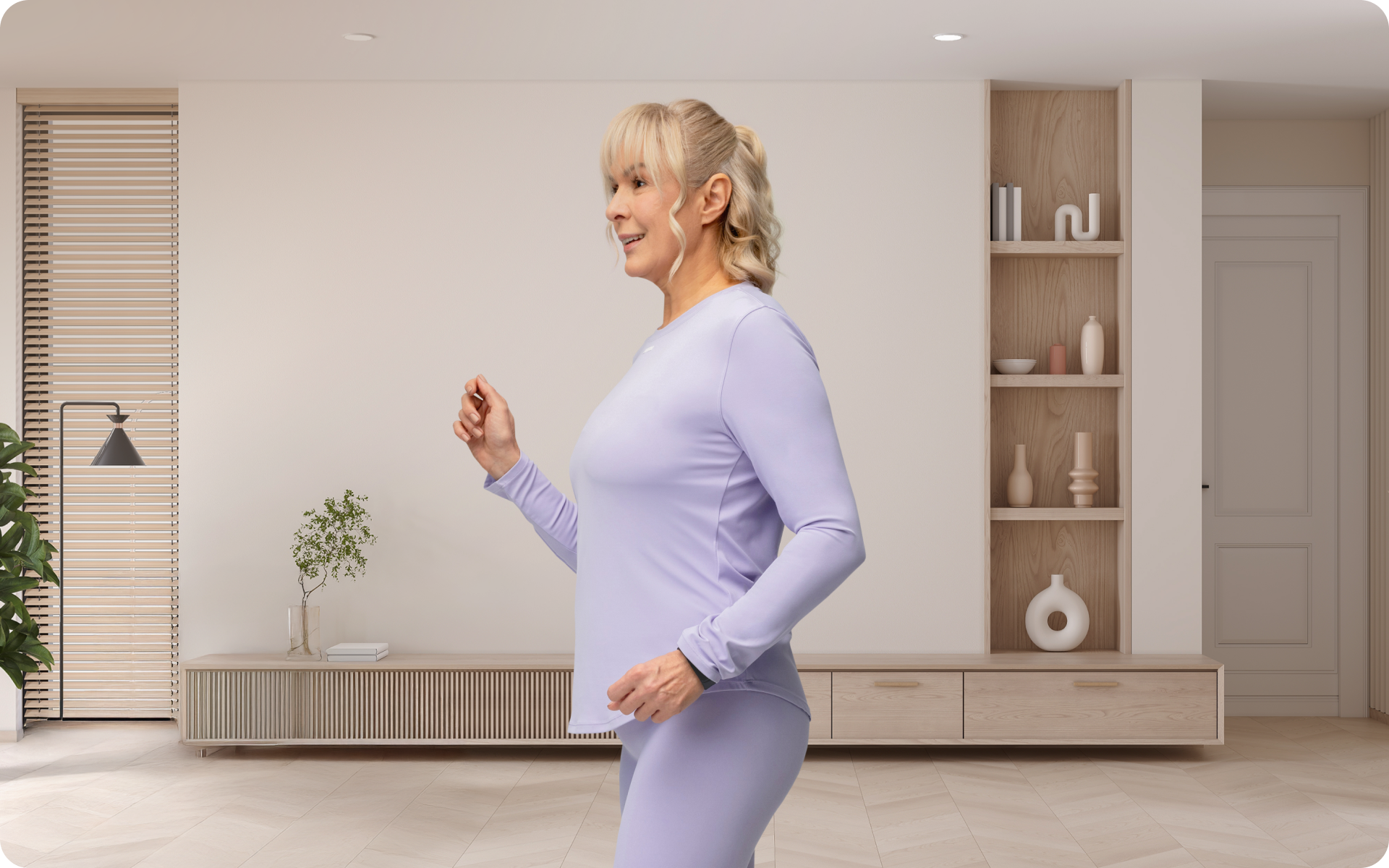
A 10-minute indoor walking workout for seniors can use 2 easy opening minutes, 6 minutes of simple walking variations, and 2 slower finishing minutes. Older women can keep the whole session gentle or adjust selected middle minutes. The sample requires no jumping, high knee lifts, or fixed walking speed.
For a longer option, compare the 20-minute indoor walking routine.
If you have joint, muscle, or spine-related concerns, please consult your physician before starting this workout.
Key takeaways
- The sample routine has 10 timed minutes, including a 2-minute easy finish.
- Side steps and small marching steps can be replaced with plain walking.
- Moderate activity generally allows talking but not singing (1).
- Walking time can increase gradually after a period of lower activity (2).
- General older-adult guidance includes aerobic, strength, and balance activities (3).
- A short walking session does not replace supported balance practice (4).
What do you need before walking indoors?
Use a clear, level area and footwear that feels comfortable and supportive (2). Walk the route slowly before starting the timer. Keep turns broad enough that you do not need to pivot suddenly.
Walking in place is an alternative when traveling around the room is inconvenient. Keep the steps small and avoid lifting your feet to match someone else’s demonstration. The beginner indoor walking workout provides additional setup ideas.
What does each minute include?
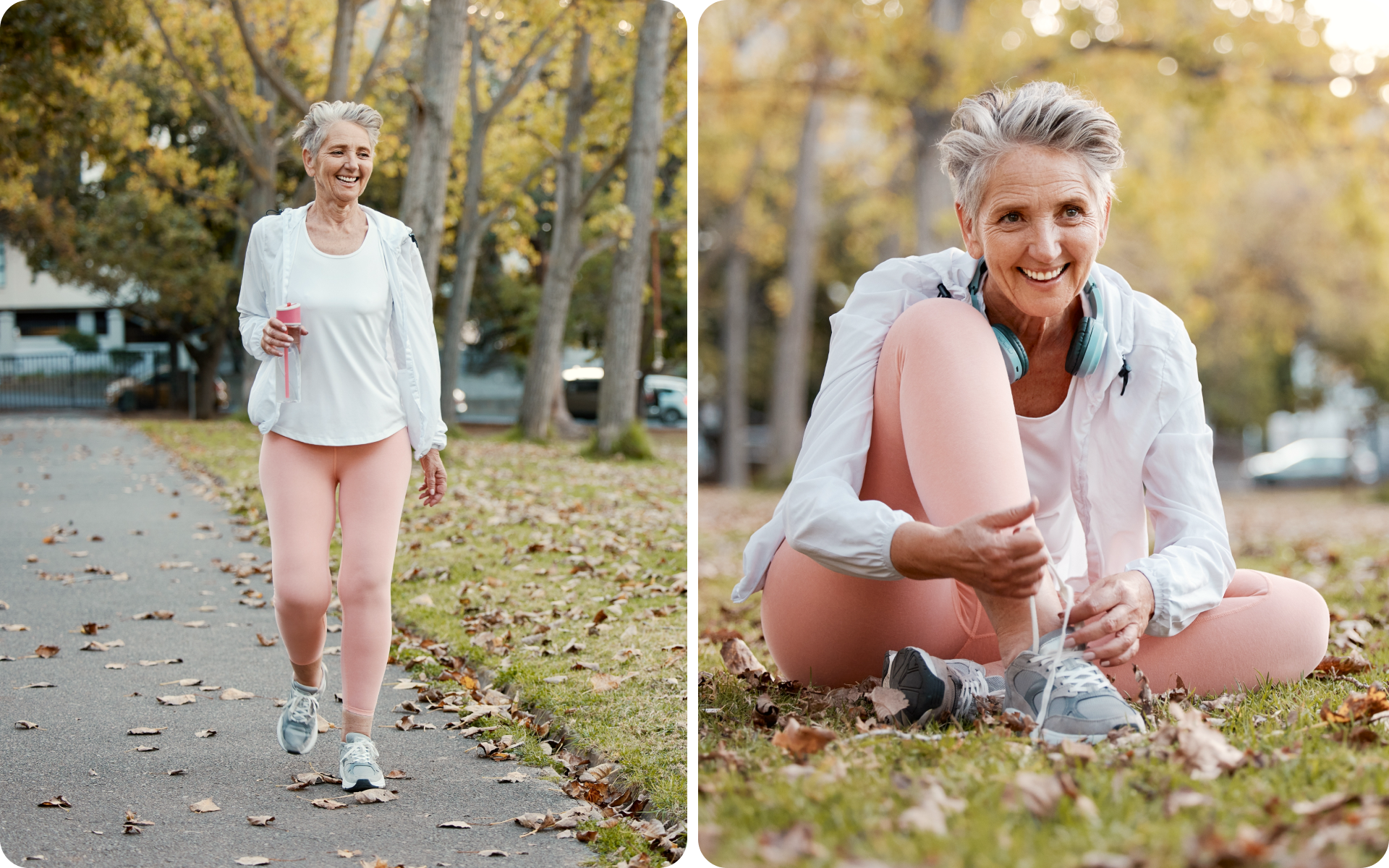
Use a comfortable pace for this sample. Each row is one minute, including the opening and finish. Substitute ordinary walking for a variation whenever needed.
|
Minute |
Movement |
Effort option |
|---|---|---|
|
1 |
Easy forward walking |
Gentle start |
|
2 |
Easy walking in place or along the route |
Stay gentle |
|
3 |
Steady forward walking |
Comfortable pace |
|
4 |
Steady walking with natural arm swing |
Comfortable pace |
|
5 |
Forward walking |
Optionally a little quicker |
|
6 |
Forward walking |
Maintain or reduce pace |
|
7 |
Small side steps |
Replace with forward walking if needed |
|
8 |
Small marching steps |
Keep foot lift low |
|
9 |
Slow walking |
Gradually ease down |
|
10 |
Slow walking |
Gentle finish |
The routine is 2 + 6 + 2 = 10 minutes. Pauses lengthen elapsed time unless they replace part of a block; neither approach is a problem. Record walking time separately if you want an accurate activity log.
BetterMe will shake off your mental funk, rid you of your energy-zapping habits, and help you sculpt the body of your dreams. Intrigued? Hurry up and change your life for the better!

How do you choose the intensity?
Choose either an easy session throughout or a slightly quicker middle section. Moderate aerobic effort is about 5 or 6 on a 0-to-10 effort scale; easy walking can stay below that (1).
The optional quicker minutes are not sprints. If talking becomes difficult, reduce effort rather than aiming for a prescribed speed. There is no required number of steps, and easy opening and closing minutes do not automatically count as moderate activity.

How can you make the movements simpler?
Replace a variation with ordinary walking whenever it interrupts comfortable movement. For side steps, move one foot sideways, then bring the other toward it without crossing your feet. Sideways walking is also described as a balance exercise near a wall or stable chair (4).
For a small march, lift one foot only as far as comfortable, return it, then alternate. Keep your hands available for your usual walking support. If standing is unsuitable, ask about seated movement rather than treating it as equivalent walking.
How do you make each minute practical?
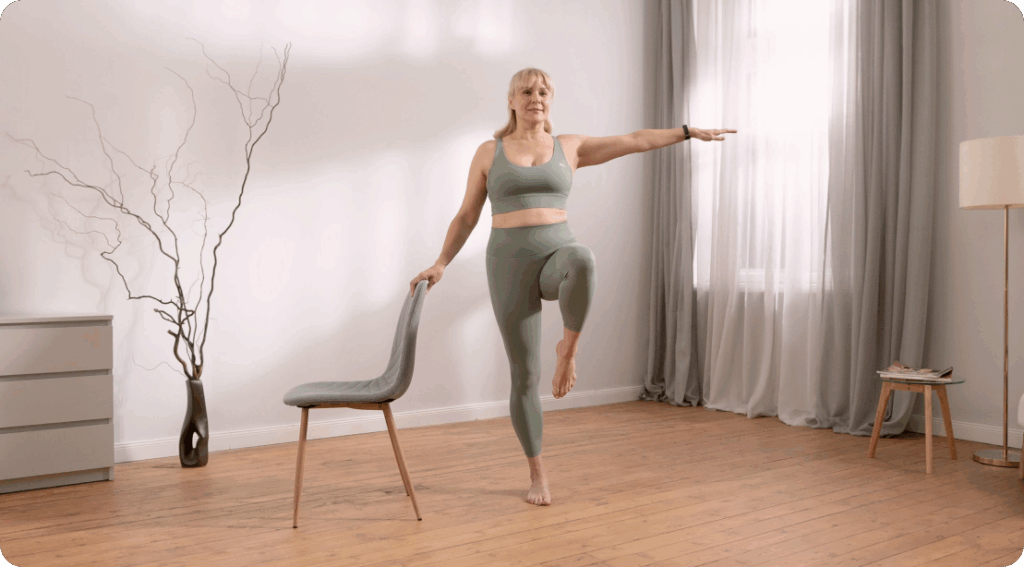
Use the minute labels to organize the walk, not to force a movement you cannot perform comfortably. The ten-minute table already includes its opening and finish. You can use plain walking throughout and leave the optional variations out.
Minutes one and two
Begin with easy steps on the route you checked before starting. Let the arms move naturally or remain available for usual support. Notice whether the turns, lighting, and footwear feel workable. Stop to reset the space if something interferes with comfortable movement.
Walking in place is an option when the route is short. Keep the feet close to the floor and avoid deliberately raising the knees. This routine does not require standing on one leg for ankle circles or leg swings.
Minutes three through six
Continue with forward or in-place walking at a pace you can manage. The fourth minute’s arm swing is natural rather than a requirement to pump harder. A comfortable stride is enough; lengthening it deliberately changes the task.
The quicker fifth and sixth minutes are optional. You can keep the opening pace or slow down. They are not sprints, and you should not use someone else’s walking speed as a target. The talk test describes effort rather than a universal number of steps.
If a new arm movement distracts from the feet, leave it out. Walking does not become incomplete because the hands are quiet. Keep them available for your prescribed walking aid or usual support, and ask for appropriate instruction if the chosen route does not accommodate it.
Minutes seven and eight
For the side-step minute, move one foot sideways and bring the other toward it without crossing. Change direction before the end of the clear space. Small steps are enough. Plain forward walking is a direct substitute when the direction change feels awkward.
For marching, lift one foot a small comfortable distance, return it, then alternate. High knee lifts and hand reaches add coordination tasks that this sample does not require. Use a quiet upper body while learning the feet.
You can practice either variation outside the timed routine before deciding whether to include it. A separate balance exercise has its own setup and purpose. It should not be rushed because the walking table assigns one minute to a movement.
Minutes nine and ten
Slow the walking gradually for the last two minutes. The complete finish stays in the total, so ten minutes does not mean ten active middle minutes plus extra time afterward. If you add a stretch after finishing, record that separately.
Choose a stable place to stop. You can sit using your normal supported method if needed. Do not rush from walking into a deep stretch or another demanding movement. The timer marks an example ending, not permission to ignore how you feel.

How should you choose a time of day?
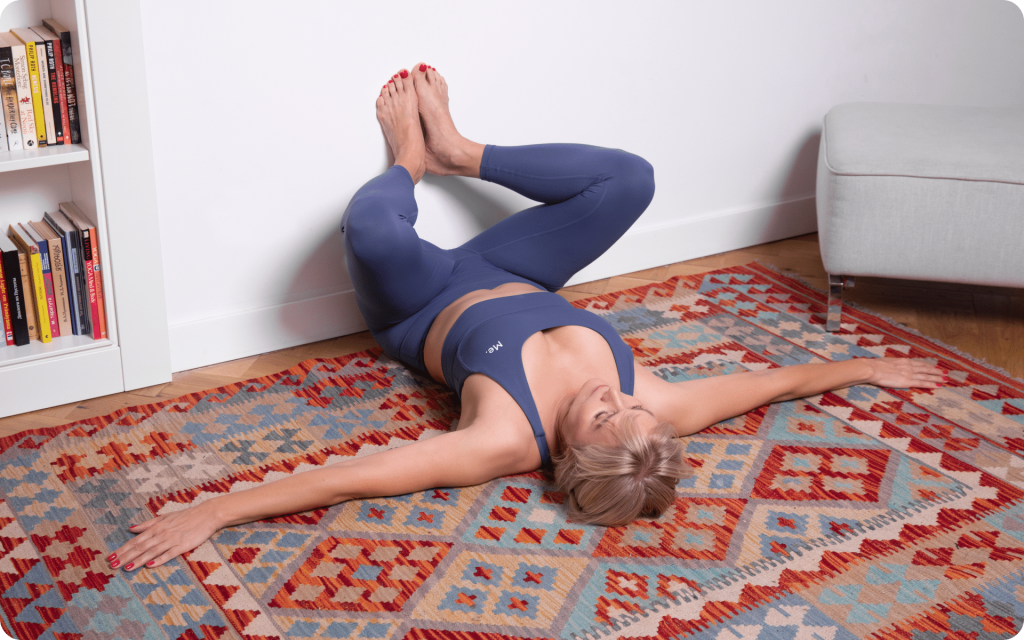
Choose a time that fits food, medication instructions, usual energy, and access to the route. Morning, afternoon, and evening are possible options. None is a universal choice for every older adult.
An afternoon window may be practical if mornings are busy; a morning session may fit another person’s routine. Keep your own circumstances in view. If a medication or medical condition affects activity timing, ask your healthcare provider rather than using a general clock rule.
A ten-minute session does not require skipping breakfast or fasting. You can choose ordinary meal timing and a separate walking window. Avoid adding a second restriction simply because the walk is short.
What if your day changes?
Move, shorten, or skip the walk when needed. There is no requirement to complete several sessions to compensate for one missed day. Keep the routine manageable alongside other daily activity and any professional guidance.
If walking with someone, agree on the route and a pace you can manage. Keep the companion’s step length or preferred duration separate from your own target. You may finish at different times.

How can a simple record guide the next session?
Record the active walking minutes, pauses, movement substitutions, and a short effort description. If the timer ran during a rest, do not count that rest as walking. Actual minutes can differ from the table without making the record less useful.
Use the same route and movement choices when comparing sessions. A larger step count after changing to a longer hallway does not by itself establish improved capacity. Note the setup so the next entry has context.
A fitness app is optional. Check whether its text and demonstrations are clear, whether you can pause, and whether the movements fit your setup before following along.
Review what felt manageable before adding time or pace. The next session can repeat the same ten-minute structure, use fewer minutes, or retain plain walking for every block. There is no required progression to high knees, weights, or daily maximum effort.
What can you check when choosing a digital demonstration?
Check whether you can see the feet, understand the direction changes, and pause the instructions. A routine that uses small forward steps may fit this sample better than one built around high knees, side shuffles, or rapid backward taps. Preview it before walking.
Place the screen where you can glance at it without repeatedly looking down or turning away from the route. Set the volume and timer first. Do not carry the device while also needing a hand for your usual walking support.
If the instructions move too quickly, pause and learn the pattern separately. You can use a plain timer and ordinary walking instead. The session does not require a fitness app or a step-count target, and the app label cannot determine whether the demonstrated movements fit your circumstances.
A companion can help set up the device or read the table before you start. That help does not replace individual exercise guidance when needed. Keep the route clear for both people and agree on a way to stop before beginning.
Record the version actually used. Ten minutes following a faster demonstration and ten minutes of gentle forward walking have different demands. The title of the routine should not replace a brief note about your own effort and movement choices.

Whether you’re a workout beast or just a beginner making your first foray into the world of fitness and dieting – BetterMe has a lot to offer to both newbies and experts! Install the app and experience the versatility first-hand!
How can 10 minutes fit into a weekly plan?
A short walk can be one part of a wider activity week. A brisk 10-minute walk can contribute to a weekly aerobic target, while an easy 10-minute session has a different intensity (2). Older-adult guidance also includes strength activity at least twice weekly and balance practice (3).
Use the 21-day walking schedule or the 28-day indoor walking plan as optional calendars. Repeat a manageable duration, include rest days, and increase only when appropriate.
Chair sit-to-stands and wall presses are examples of separate strength activities (5). Gentle calf stretches are optional after the timed walk, using a comfortable range (6). Stretching outside the table adds to elapsed time; it does not belong to the 10-minute total.

Yes, moderate walking can contribute toward weekly aerobic activity. Its duration alone does not establish intensity or replace strength and balance activities (3). No, small marching steps are enough for this sample. Plain forward walking can replace the marching minute. Repeated sessions are optional, not a requirement. Choose a total that remains manageable alongside your usual activities, and allow rest when needed.Frequently Asked Questions
Can a 10-minute walk contribute to exercise goals?
Do you need to lift your knees high?
Should you repeat the routine several times daily?
The bottom line
Use the ten-minute table to plan an easy opening, comfortable middle, and slower finish. Keep plain walking as an alternative to side steps or marching. Record the active minutes and any pauses so you can choose a manageable next session.
DISCLAIMER:
This article is intended for general informational purposes only and does not serve to address individual circumstances. It is not a substitute for professional advice or help and should not be relied on for making any kind of decision-making. Any action taken as a direct or indirect result of the information in this article is entirely at your own risk and is your sole responsibility.
BetterMe, its content staff, and its medical advisors accept no responsibility for inaccuracies, errors, misstatements, inconsistencies, or omissions and specifically disclaim any liability, loss or risk, personal, professional or otherwise, which may be incurred as a consequence, directly or indirectly, of the use and/or application of any content.
You should always seek the advice of your physician or other qualified health provider with any questions you may have regarding a medical condition or your specific situation. Never disregard professional medical advice or delay seeking it because of BetterMe content. If you suspect or think you may have a medical emergency, call your doctor.
SOURCES:
- How to Measure Physical Activity Intensity (2025, cdc.gov)
- Walking for health (2022, nhs.uk)
- Older Adult Activity: An Overview (2025, cdc.gov)
- Balance exercises (2023, nhs.uk)
- Strength exercises (2024, nhs.uk)
- Flexibility exercises (2023, nhs.uk)
 Reviewed by
 Reviewed by


 Reviewed by