Weight training for women over 50 can help you build muscle, get stronger, and support everyday movement. You can start with 2-3 sessions a week using machines, dumbbells, bands, or your own body weight. Progress comes from gradually lifting a little more over time.
Weight training means working your muscles against a load. That load can be a dumbbell, a resistance band, a machine, or your own bodyweight. It’s sometimes called resistance training, and the two terms mean the same thing here.
This guide is for women over 50 who feel new to lifting or want a clear place to begin. You’ll find simple routines, quantified tips, exercise steps, and honest answers to common questions.
Why does this matter? Muscle and strength tend to matter more as we age, and lifting can support how you move through daily life. Keep reading, and we’ll walk through it together, one step at a time.
Can a 50-Year-Old Woman Build Muscle?
Yes, a 50-year-old woman can build muscle. Some research has suggested that women in their 50s and beyond respond well to resistance training, gaining both strength and lean mass over time (1).
Muscle mass refers to the amount of muscle tissue on your body. It tends to decline slowly with age, but regular lifting may help you preserve and rebuild it (2, 3).
Here’s the encouraging part. Some research has suggested that women over 50—including after menopause—can still build meaningful muscle and strength through resistance training (4). Responses vary from person to person, and the amount of muscle gained may differ based on factors like starting point, consistency, and recovery.
A few things to keep in mind (5):
- Strength often improves before you see visible muscle changes.
- Early progress tends to come from your body learning the movements.
- Consistency over months matters more than any single session.
So the idea that it’s “too late” to gain muscle after 50 does not hold up. For many women, the body stays responsive and adaptable.
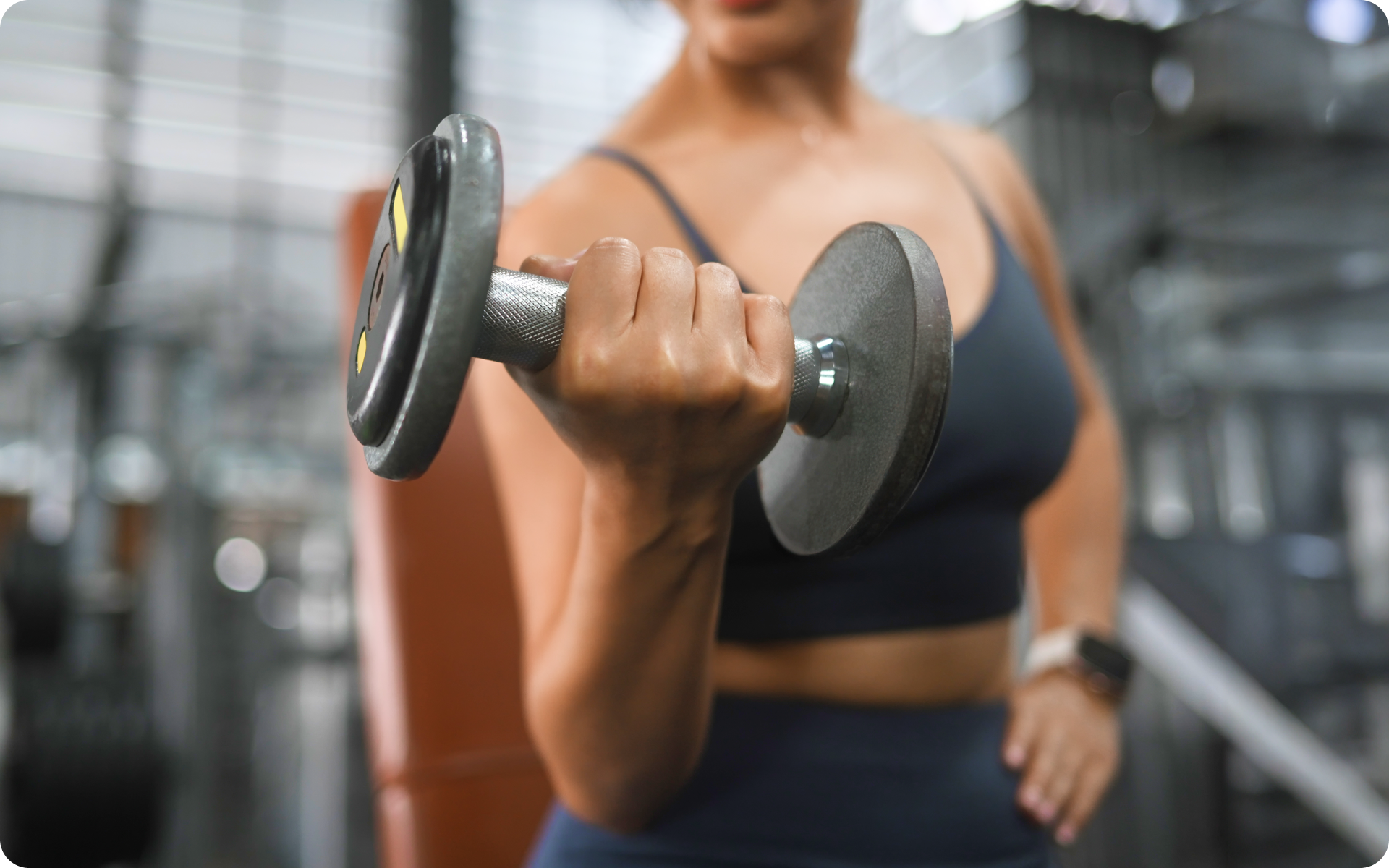
What Should a 50-Year-Old Woman’s Muscle Mass Be?
There is no single muscle mass number that every 50-year-old woman should hit. The right amount depends on your height, body size, and individual makeup.
Chasing one universal target tends to cause more worry than it’s worth. Muscle mass varies widely between healthy people, and measurement methods differ too.
A more useful focus is function. Ask yourself these questions instead:
- Am I getting stronger over time?
- Can I carry groceries, climb stairs, and stand up with ease?
- Am I holding onto my muscle as the years pass?
For many people, strength and daily movement matter more than a precise percentage. If you want a specific number for your situation, a qualified professional can help you understand your own measurements.
The goal here is simple. Support your muscle, keep improving, and let go of the pressure to match a generic figure.
Read more: Chair Yoga for Beginners Over 50: A Guide to Gentle Movement
Is Weight Training Good for Women over 50?
Weight training tends to be good for women over 50, and it’s one of the more practical ways to support strength as you age. Regular lifting may support muscle, lean mass, functional ability, and everyday movement (6).
Strength training for women over 50 offers benefits that reach beyond appearance. Some research has suggested that it may support (7):
- Muscle strength and lean mass
- Balance and steadiness
- Confidence with daily tasks
- Bone-supporting movement patterns
Weightlifting for women over 50 also pairs well with other activities. If broader body-composition goals matter to you, combining cardio with lifting may help. Walking, cycling, or swimming can complement your strength sessions (8).
Here’s a realistic view. Lifting isn’t a complete solution, and results vary from person to person. Still, for many women, adding resistance work supports how they feel and move through the week.
You don’t need to lift heavy or train for hours. Two or three focused sessions per week can offer meaningful support.
How to Start Weight Training as a Woman over 50
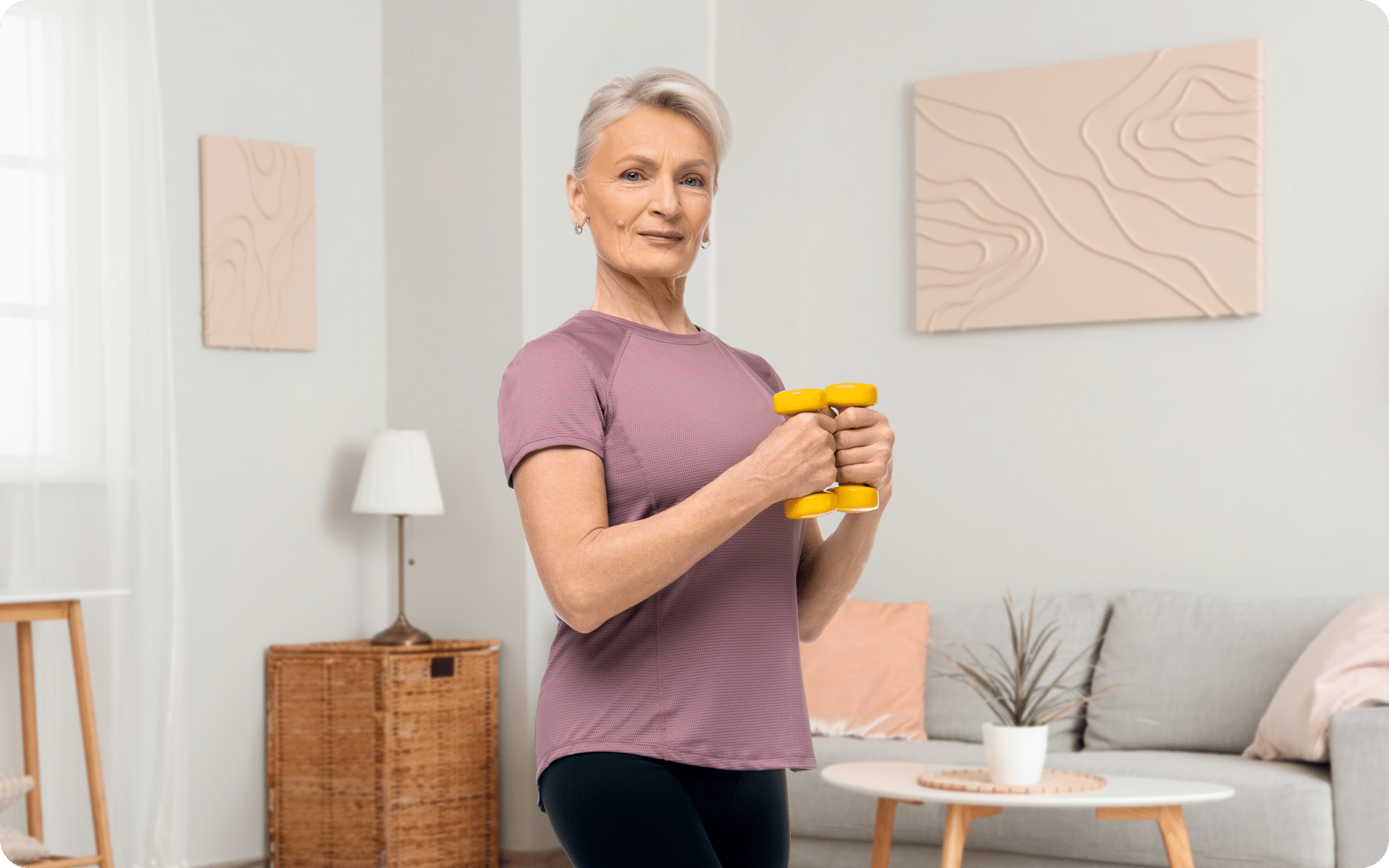
To start weight training as a woman over 50, begin with 2 short full-body sessions a week using simple movements and manageable loads. A full-body workout trains all your major muscle groups in one session.
Start conservatively and build from there. Here is a beginner-friendly framework:
- Train 2 days per week to begin, with a rest day between.
- Pick 5-7 basic movements covering push, pull, squat, hinge, and carry.
- Do 1-2 sets per exercise at first.
- Use a load you could lift a few more times at the end of a set.
- Progress slowly as movements start to feel easier.
Are you wondering how to gain muscle after 50 as a female? The core idea is progressive overload. This means gradually making training harder over time. You can add a rep, a small amount of weight, an extra set, or better control (9).
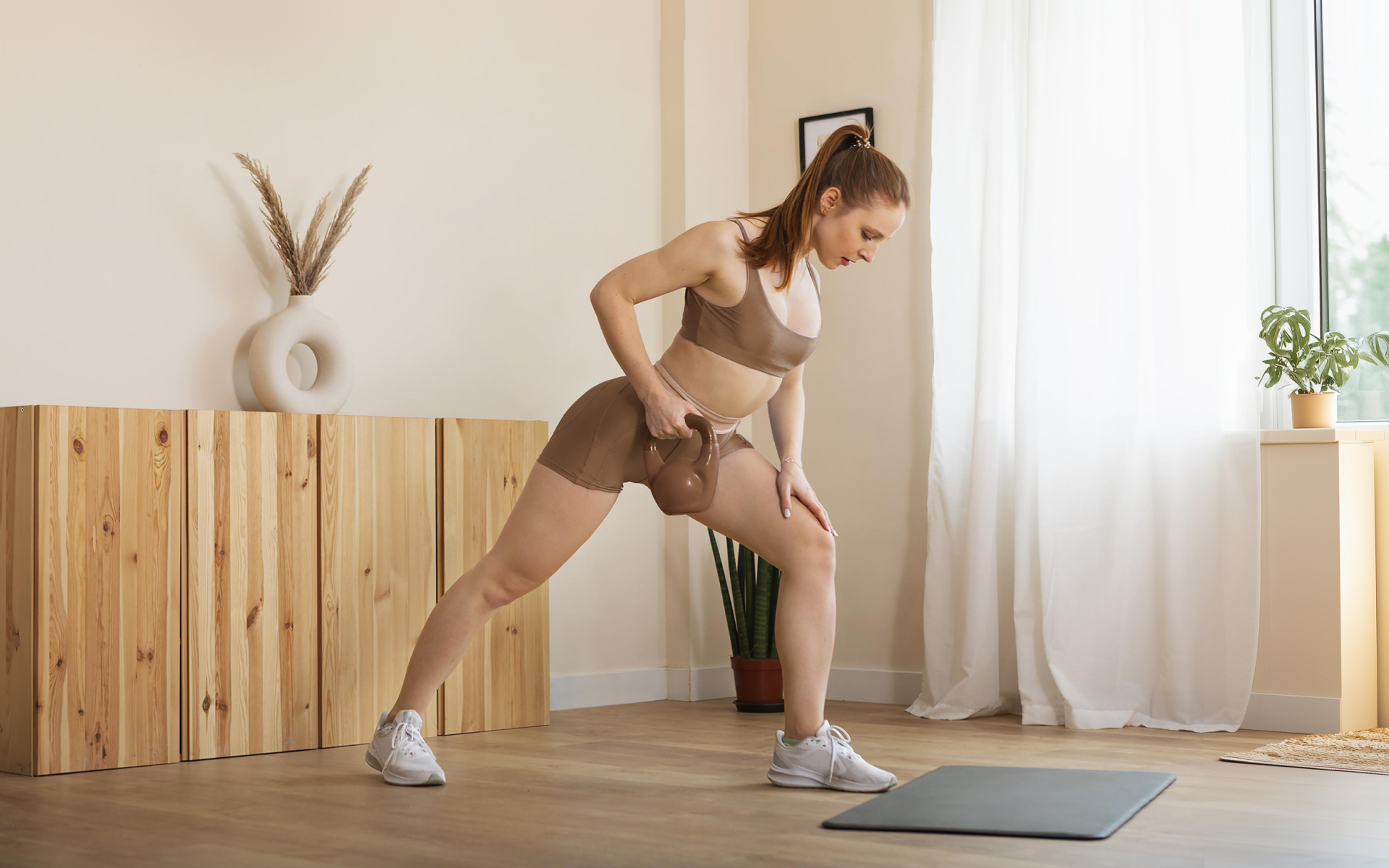
You have options for equipment too. Machines, dumbbells, resistance bands, and body weight can all work. Choose what feels comfortable and keeps you coming back.
If you have any ongoing health concerns or past strains, consider checking with a qualified professional before you begin.
What Is an Effective Weight Training Routine for Women over 50?
There’s no single weight training routine that works for everyone, but a well-rounded routine trains all major muscle groups 2-4 times a week with gradual progression (10). A full-body plan 3 times weekly tends to suit many beginners.
Here are the features of a solid routine:
- All major muscle groups included
- 2-4 sets per exercise
- Around 6-12 reps for a strength-and-size blend
- Progressive overload over weeks
- Recovery between sessions
A full-body gym workout plan for a 50-year-old woman works well because it balances effort and rest. Below is a sample 3-day full-body plan you can adapt.
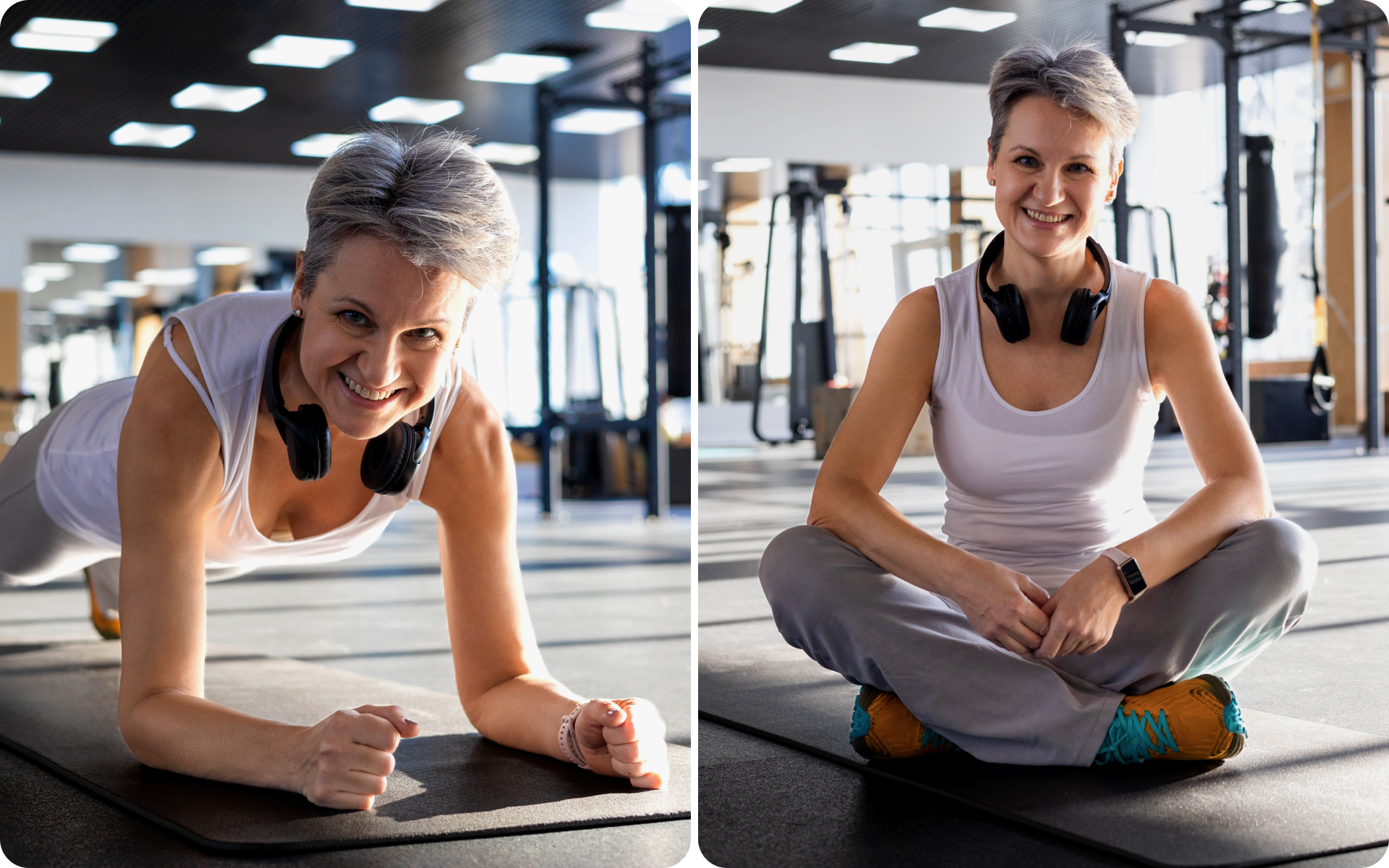
Sample Full-Body Routine (Repeat 3 Days a Week)
| Exercise | Muscles trained | Beginner starting point | Home or gym option |
|---|---|---|---|
| Goblet squat | Thighs, glutes | 2 sets × 8 reps | Dumbbell (home) or machine leg press (gym) |
| Romanian deadlift | Hamstrings, glutes, back | 2 sets × 8 reps | Dumbbells or resistance band |
| Chest press | Chest, shoulders, arms | 2 sets × 10 reps | Bands or machine chest press |
| Seated row | Upper back, arms | 2 sets × 10 reps | Band row or cable row machine |
| Overhead press | Shoulders, arms | 2 sets × 8 reps | Dumbbells or bodyweight incline push |
| Farmer carry | Grip, core, whole body | 2 sets × 20 steps | Dumbbells, kettlebells, or water jugs |
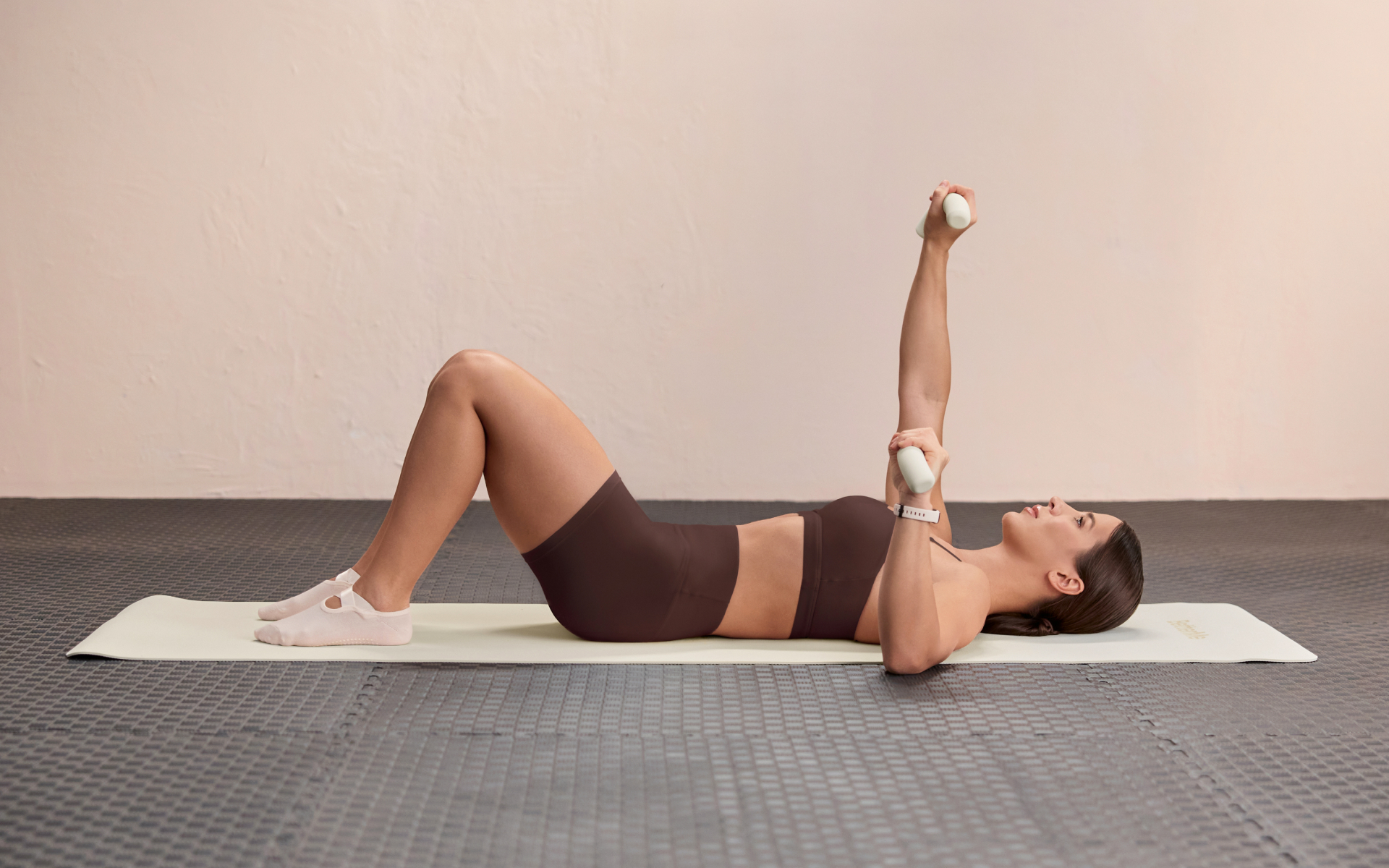
| Dead bug | Core | 2 sets × 8 per side | Bodyweight |
A gym workout plan for a 50-year-old woman at home can use the exact same movements. Swap machines for bands, dumbbells, or kettlebells, and the plan still works.
A quick note on powerlifting routines for women over 50: powerlifting focuses on heavy squats, bench presses, and deadlifts at low reps. These routines may suit some experienced lifters who enjoy that style, but they aren’t required for most people. A general full-body plan tends to serve beginners well.
Workouts, weight management tools, and recipe ideas come together in the BetterMe: Health Coaching app, giving you practical support for building a more consistent wellness routine.
Exercise Instructions
Here’s how to perform each movement in the sample routine. Move with control, and stop before your form breaks down.
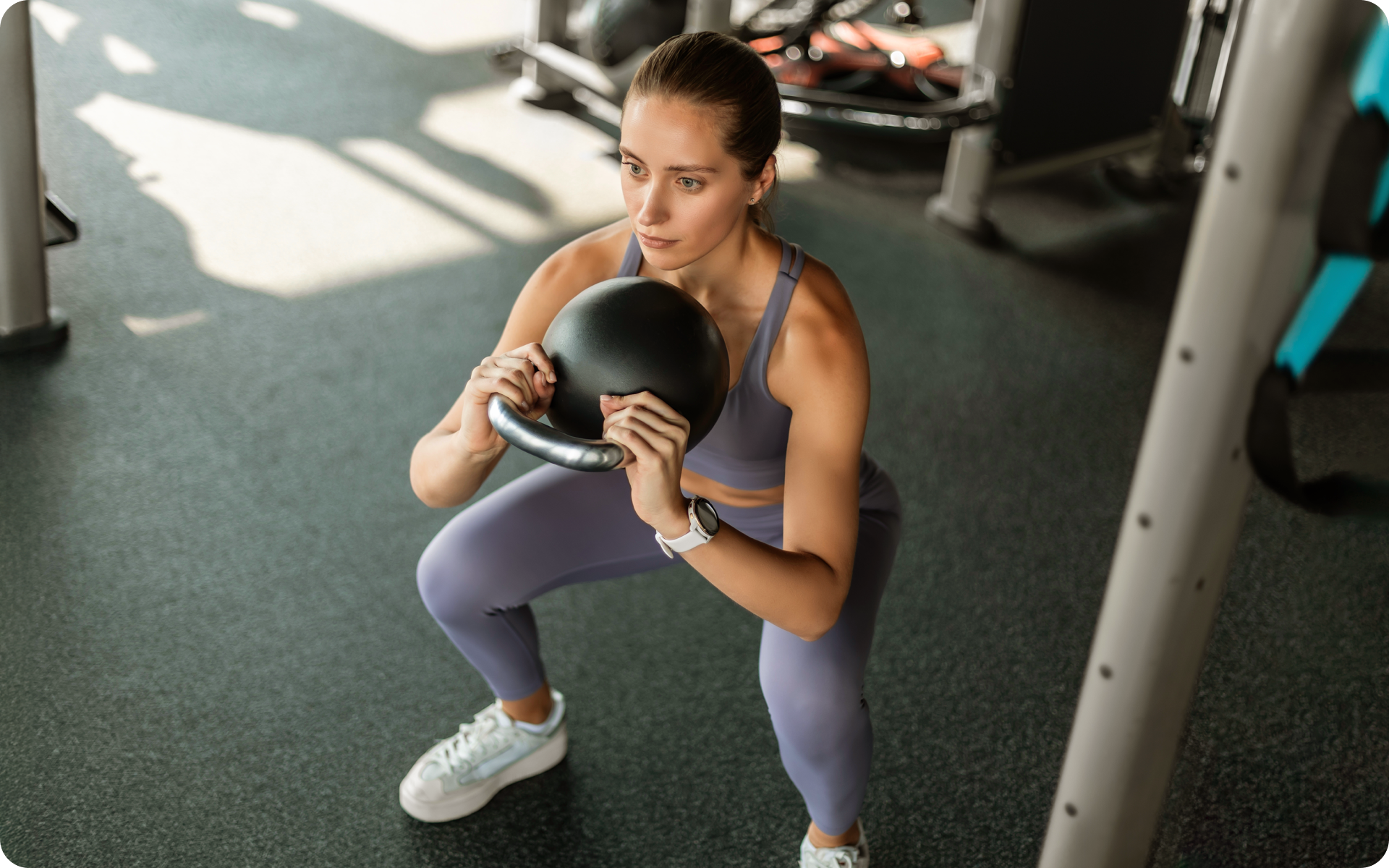
Goblet Squat
- Hold a dumbbell close to your chest with both hands.
- Stand with your feet a little wider than hip-width apart.
- Bend your knees and lower your hips down and back.
- Rise back up through your heels to return to standing.
Romanian Deadlift
- Hold dumbbells in front of your thighs.
- Keep a soft bend in your knees.
- Hinge at your hips and slide the weights down your legs.
- Squeeze your glutes to return upright.
Chest Press
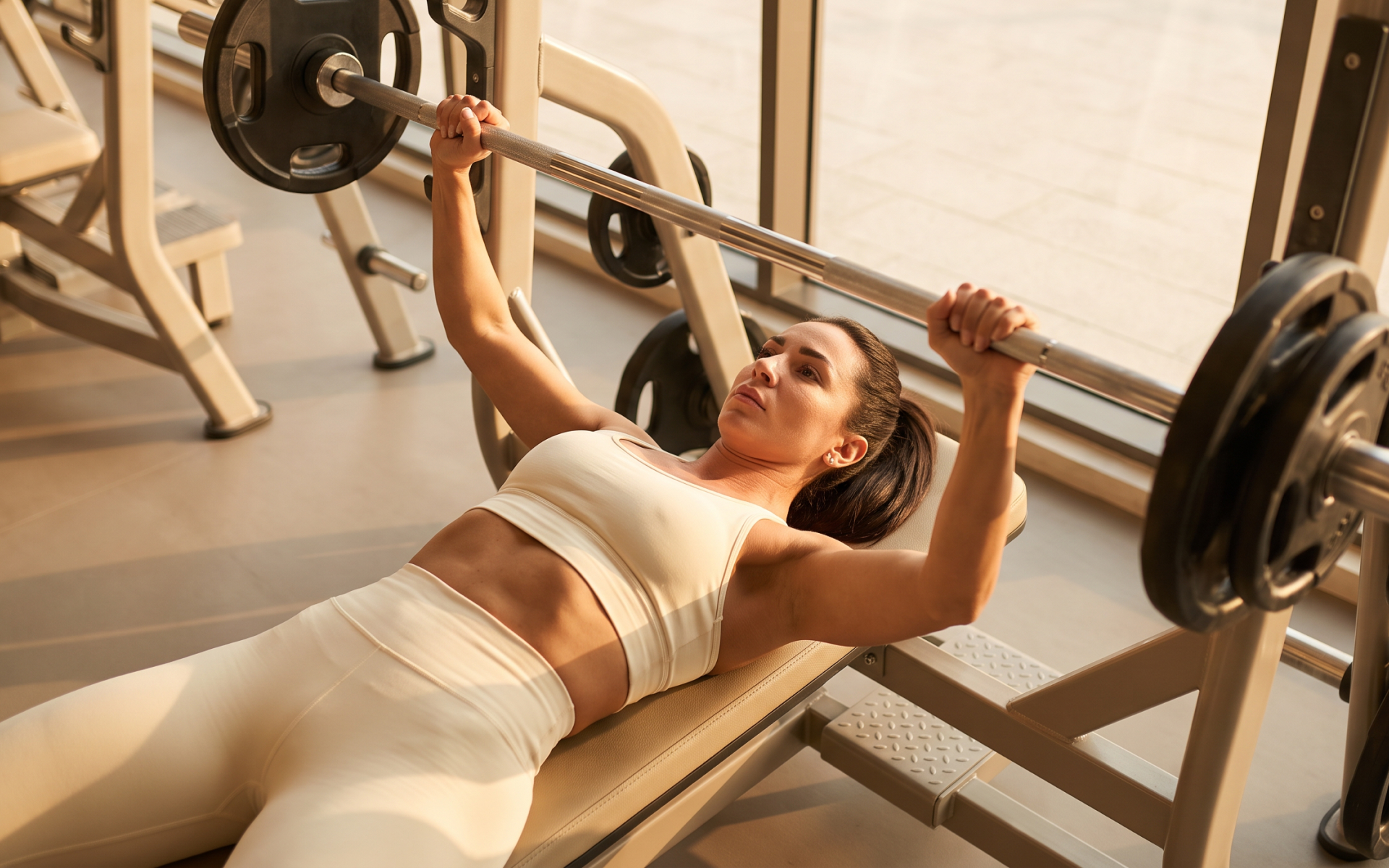
- Lie on a bench or the floor with weights at chest level.
- Keep your wrists stacked over your elbows.
- Press the weights up until your arms are straight.
- Lower them back down with control.
Seated Row
- Sit tall and hold a band or cable handle in front of you.
- Keep your shoulders relaxed and down.
- Pull your elbows back toward your ribs.
- Return to the start slowly.
Overhead Press
- Hold dumbbells at shoulder height.
- Keep your ribs down and core gently braced.
- Press the weights overhead until your arms straighten.
- Lower them back to your shoulders.
Farmer Carry
- Hold a weight in each hand at your sides.
- Stand tall with your shoulders back.
- Walk forward with steady, controlled steps.
- Keep your core gently engaged the whole time.
Dead Bug
- Lie on your back with your arms reaching toward the ceiling.
- Lift your knees to a 90-degree angle.
- Slowly lower one arm and the opposite leg.
- Return to the start and switch sides.
How Many Reps Should a 50-Year-Old Woman Do?
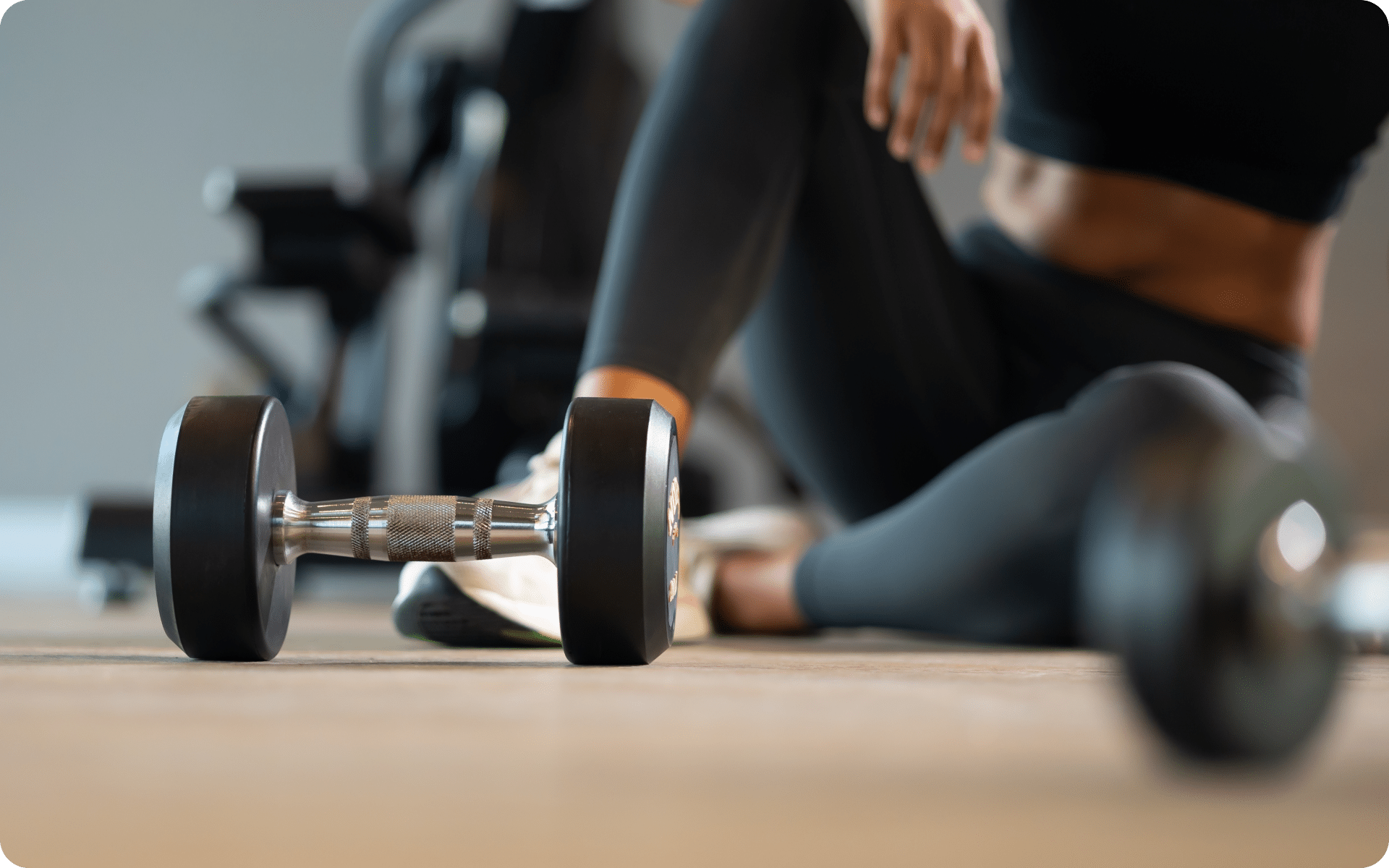
A 50-year-old woman can do around 6-12 reps per set for a strength-and-size blend, though a broader range of 5-20+ can also work (11). A rep—short for repetition—is one complete movement of an exercise.
A set is a group of reps done back-to-back before you rest. So “2 sets of 10 reps” means 10 reps, a rest, then 10 more.
Rep ranges loosely tie to goals (12):
- 5-8 reps: leans toward strength, with heavier loads
- 8-12 reps: a practical mix of strength and size
- 12-20+ reps: leans toward endurance, with lighter loads
Effort matters more than hitting an exact number. A helpful tool is RPE, or rate of perceived exertion. It scores how hard a set feels on a scale of 1-10, where 10 means you couldn’t do another rep (13).
For most sets, aim for an RPE around 7-9. That leaves 1-3 reps “in the tank”. You don’t need a special “seniors” rep range—moderate reps work well.
How Often Should a 50-Year-Old Woman Lift Weights?
A 50-year-old woman can lift weights 2-4 times a week, aiming to work each major muscle group at least twice weekly (11). Two sessions suit beginners, while 3 tends to be a comfortable sweet spot.
More isn’t automatically better. Recovery, sleep, and food intake all shape how you respond (10).
Read more: Strength Training Dos And Don’ts For Women Over 50
Weekly Schedule Options
| Schedule | Session length | Who it suits |
|---|---|---|
| 2-day full body | 30-45 minutes | Beginners, busy weeks, or those who are returning after a break |
| 3-day full body | 40-50 minutes | Many people who want steady, balanced progress |
| 4-day split | 30-45 minutes | Those who enjoy shorter, more frequent sessions |
Rest between heavier sets tends to run about 2-3 minutes. For lighter, higher-rep work, 60-90 seconds is common (10).
The finer details tend to matter less for most beginners. Exact tempo, “the pump”, training to failure, and complex periodization are optional polish. Consistency, effort, and gradual progression carry the results.
How Long Does It Take to See Results from Weightlifting for a 50+ Female?
Results from weightlifting for a 50+ female often begin within a few weeks for strength, with visible changes usually taking a few months. Individual outcomes vary and depend on your training history, sleep, food intake, recovery, proper progression, and consistency.
Changes often develop gradually, and individual timelines vary (11):
- Early weeks: coordination, confidence, and initial strength may improve
- Following months: strength gains and body-composition changes may become more noticeable
- Over several months: changes in movement and everyday function may become more noticeable
- Longer term: continued training may support further muscle and strength development
Keep in mind that “results” mean different things. Strength tends to show up first. Visible muscle takes longer, and changes in body composition depend heavily on your overall routine, not lifting alone.
Try not to compare your pace to anyone else’s. Two women can follow the same plan and progress differently, and that’s completely normal.
At What Age Should I Stop Lifting Heavy Weights?
There’s no set age at which women should automatically stop lifting heavy weights. The choice depends on your health, skill, and recovery, not the calendar.
“Heavy” is also relative. For one woman, heavy may mean a loaded deadlift, while for another, it may mean a challenging dumbbell squat. The point is a load that feels meaningfully challenging for you.
You might consider adjusting how you lift if you notice:
- Movements that feel unsteady or hard to control
- Discomfort that lingers or worsens with loading
- Poor recovery between sessions
- Ongoing health concerns worth discussing with a professional
For many people, lifting continues comfortably well into older age when the load matches their ability. The idea that heavy lifting becomes off-limits at a certain birthday is a myth. Listen to your body, adjust as needed, and lift in a way that feels right for you.
BetterMe can help you add more structure to your daily wellness routine with workouts, meal planning tools, and habit-building features. Explore the app and take a practical step toward a routine that feels more manageable for you.
FAQs
Can I change my body shape at 50?
Yes, you can influence your body shape at 50 through consistent training and overall lifestyle habits. Some research has suggested that resistance training may support lean mass, while combining cardio with lifting may support broader body-composition goals (8).
Changes tend to be gradual and vary from person to person. Focus on strength and steady habits, and let shifts happen at their own pace over months.
Is it harder to get in shape after 50?
Getting in shape after 50 can take a little more patience, but it remains very achievable. Muscle and strength may respond a bit more slowly than in younger years, yet the body stays adaptable. Recovery, sleep, and food intake play a bigger role now. For many women, a consistent 2-3 day routine offers meaningful progress over time (10, 11).
Is it okay to lift light weights every day?
Lifting light weights every day can be okay for many people, particularly with easy, low-fatigue movements. Still, your muscles tend to grow and adapt during rest, not just during training (10). If you lift daily, consider rotating muscle groups or keeping the effort gentle. Listen to your body, and add rest days if you feel run-down or notice lingering discomfort.
What percentage of muscle should a 50-year-old woman have?
There is no single muscle percentage that every 50-year-old woman should have, as healthy ranges vary widely. Body size, height, and individual makeup all shape the number. Rather than chasing a specific figure, focus on strength, lean mass, and daily function. If you want individualized numbers, a qualified professional can help you understand your own measurements in context.
The Bottom Line
Weight training for women over 50 offers a practical, flexible way to support strength, muscle, and everyday movement, with no single perfect plan required. Start with 2-3 full-body sessions a week, lift in a range that feels challenging, and build gradually over time. Remember that progress varies from person to person, and consistency tends to matter most.
Are you ready for your next step? Pick two days this week, choose a few movements from the sample routine, and treat your first session as a simple experiment you can adjust as you go.
DISCLAIMER:
This article is intended for general informational purposes only and does not serve to address individual circumstances. It is not a substitute for professional advice or help and should not be relied on for making any kind of decision-making. Any action taken as a direct or indirect result of the information in this article is entirely at your own risk and is your sole responsibility.
BetterMe, its content staff, and its medical advisors accept no responsibility for inaccuracies, errors, misstatements, inconsistencies, or omissions and specifically disclaim any liability, loss or risk, personal, professional or otherwise, which may be incurred as a consequence, directly or indirectly, of the use and/or application of any content.
You should always seek the advice of your physician or other qualified health provider with any questions you may have regarding a medical condition or your specific situation. Never disregard professional medical advice or delay seeking it because of BetterMe content. If you suspect or think you may have a medical emergency, call your doctor.
SOURCES:
- The effects of exercise training on body composition in postmenopausal women: a systematic review and meta-analysis (2023, frontiersin.org)
- Methodological standards for body composition—an expert-endorsed guide for research and clinical applications: levels, models, and terminology (2025, pmc.ncbi.nlm.nih.gov)
- It’s never too late: The impact of resistance training on strength and body composition in females across the lifespan – A systematic review and meta-analysis (2026, sciencedirect.com)
- The effect of resistance training programs on lean body mass in postmenopausal and elderly women: a meta-analysis of observational studies (2021, link.springer.com)
- Load-induced human skeletal muscle hypertrophy: Mechanisms, myths, and misconceptions (2025, sciencedirect.com)
- Resistance training – health benefits (2022, betterhealth.vic.gov.au)
- How can strength training build healthier bodies as we age? (2022, nia.nih.gov)
- The effects of exercise training on body composition in postmenopausal women: a systematic review and meta-analysis (2023, frontiersin.org)
- Effects of Resistance Training Overload Progression Protocols on Strength and Muscle Mass (2024, pubmed.ncbi.nlm.nih.gov)
- Molecular Basis and Practical Applications of Training, Nutrition, and Recovery for Maximum Gains in Lean Muscle Mass: A Narrative Review for Optimizing Muscular Hypertrophy (2026, researchgate.net)
- Resistance Training for Older Adults: Position Statement From the National Strength and Conditioning Association (2019, nsca.com)
- Loading Recommendations for Muscle Strength, Hypertrophy, and Local Endurance: A Re-Examination of the Repetition Continuum (2021, pmc.ncbi.nlm.nih.gov)
- Modeling the repetitions‐in‐reserve‐velocity relationship: a valid method for resistance training monitoring and prescription, and fatigue management (2024, pmc.ncbi.nlm.nih.gov)