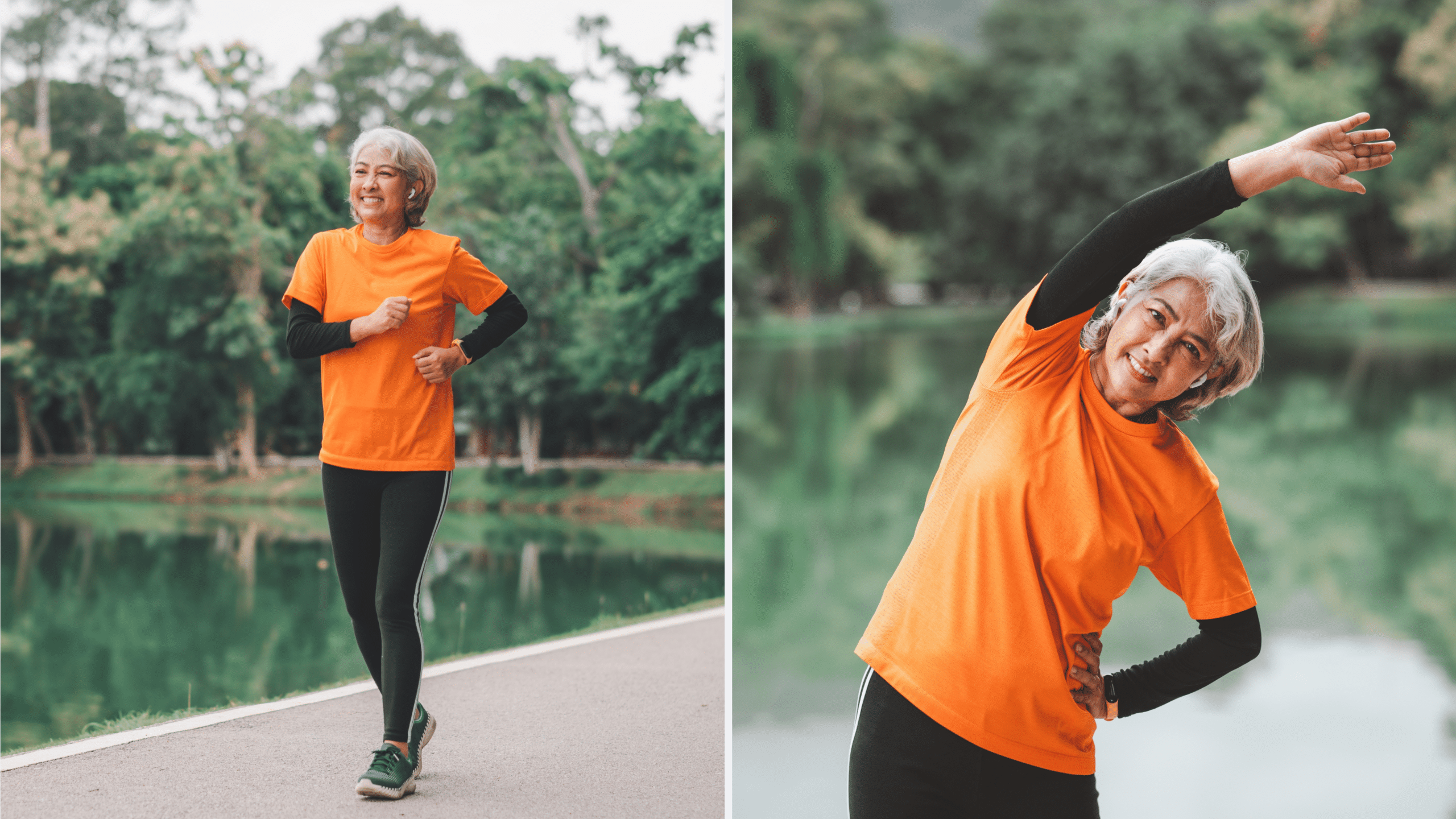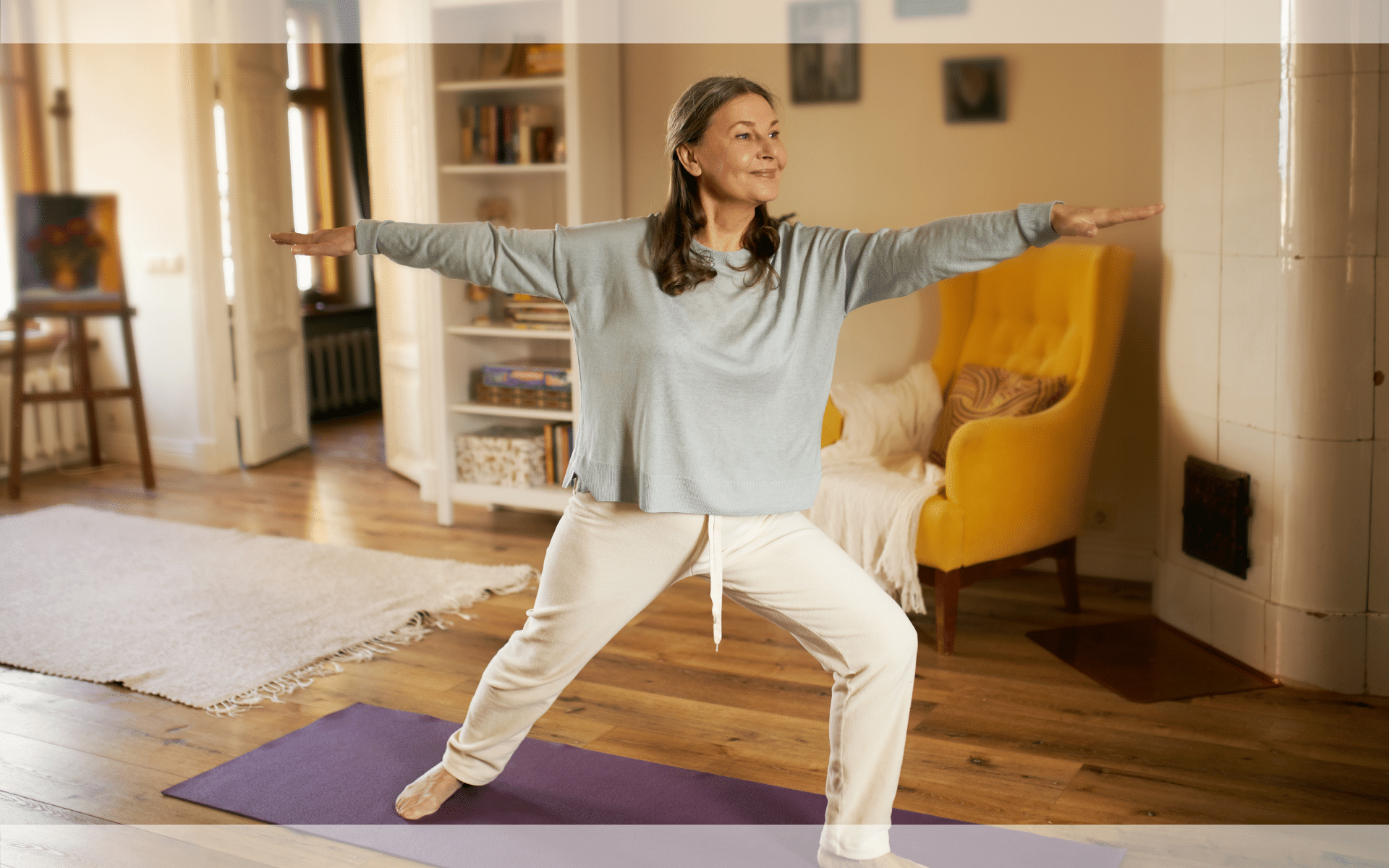
Types of walking styles differ by pace, terrain, technique, and equipment. Casual walking uses a comfortable pace, while faster walks or hills change the effort. Some options need poles or added load. For a terrain example, see our incline walking guide.
You can choose a gentle, low-impact walk or a more challenging option. This guide compares walking styles and offers ways to find a pace and route that suit your routine.
Key takeaways
- Walking styles vary by pace, terrain, technique, and equipment.
- Casual walking and power walking differ in pace and arm movement.
- Incline walking and trail walking change the terrain and demands of a walk.
- Nordic walking and rucking use equipment to add upper-body movement or resistance.
- A comfortable pace and route can help you tailor a walk to your goals.
- A weekly plan can mix walking styles according to your schedule and preferences.
What does “walking style” mean?
Walking style describes features such as pace, arm movement, and terrain. A biomechanical model examines how foot motion contributes to walking dynamics (1). This model is not evidence that one style provides a particular fitness outcome.
Changing the pace or terrain changes the task. Choose a style that suits your experience, route, and available equipment.
For more insight into how walking types differ, take a look at the table below:
| Element | Casual walking | Dynamic/power walking |
|---|---|---|
| Pace | Comfortable, self-selected pace | Faster pace adjusted to the individual |
| Posture | Natural, loose | Tall spine, head up, shoulders retracted |
| Arm drive | Subtle, passive swing | Active 90-degree bent arm drive |
Adjusting pace and structure can change the demands of a walk.
No single approach fits every situation. You can mix slower and faster walking according to your comfort and preferences.
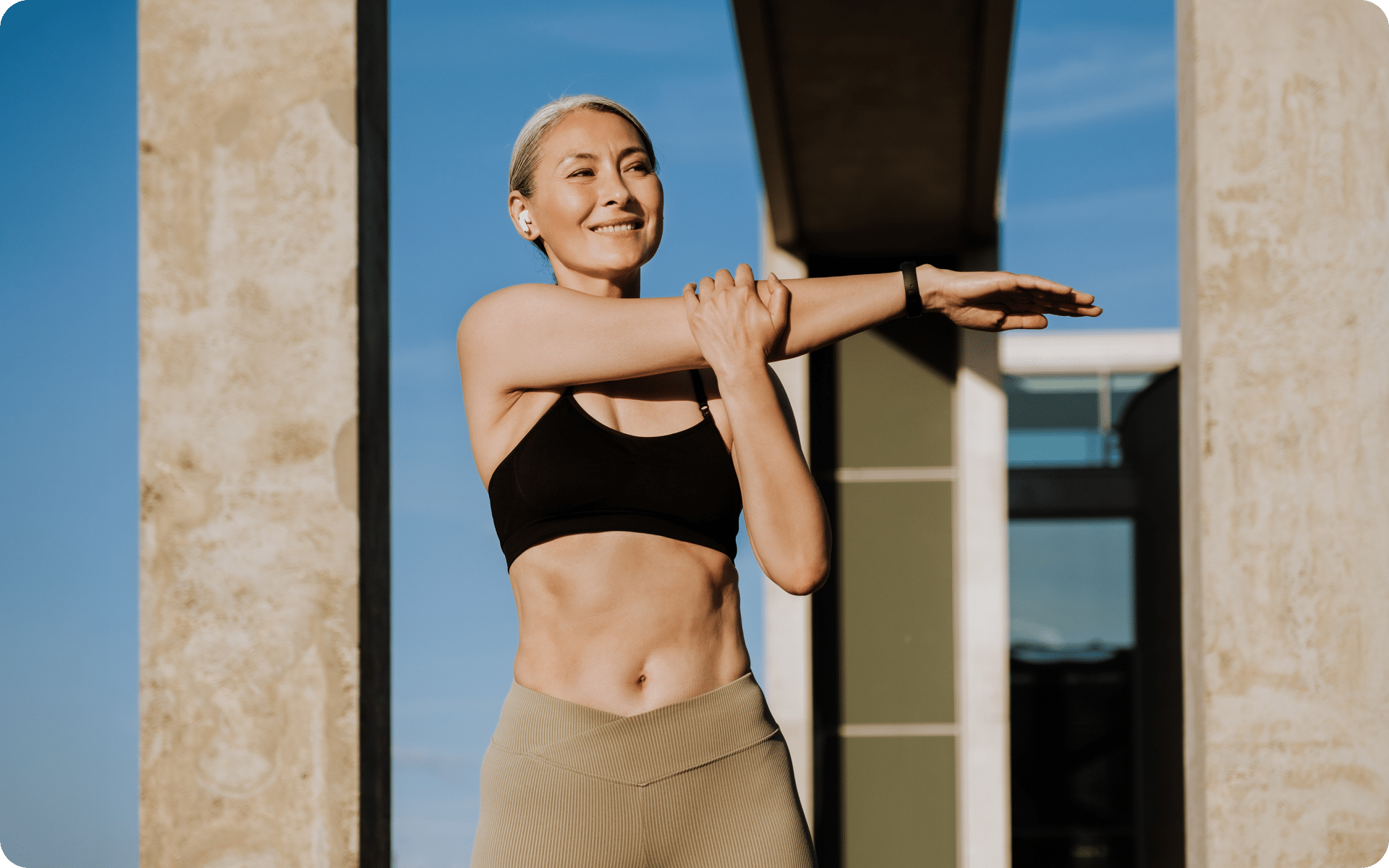
Which walking styles are based on pace?
Pace changes how a walk feels. General activity guidance includes brisk walking as an example of moderate-intensity aerobic activity (2). Choose a pace you can manage rather than treating a speed range as a universal target.
The table below shows how the primary pace-based walking styles compare and how to incorporate them into your routine:
| Style | Pace approach | Key characteristics |
|---|---|---|
| Power walking | Faster than a comfortable stroll | Exaggerated arm swing (90° bend), upright posture, fast feet |
| Nordic walking | Self-selected pace with poles | Uses specialized poles, active upper-body push-off |
| Treadmill walking | Adjustable belt speed | Digitally controlled pace/incline, padded shock absorption |
| Race walking | Technique-dependent competitive pace | Strict technique: straight lead knee, continuous ground contact, active hips |
Read more: Nordic Walking: Is This New Workout Craze Worth It? Benefits, Disadvantages And Risks
What is power walking?
Power walking uses a faster pace with active arm movement. Keep your stride comfortable and adjust your effort; there is no single required speed.
What is Nordic walking?
Nordic walking uses poles alongside stepping movements. See our Nordic walking technique guide for pole setup and movement examples. Pole use does not establish a guaranteed reduction in lower-body pressure.
How does treadmill walking differ?
Treadmill walking lets you adjust belt speed and incline. One small study compared a specific incline protocol with self-paced treadmill running and found different energy-expenditure rates (3). It did not test joint impact or strength gains.
What is race walking?
Race walking uses a regulated competitive technique rather than simply a fast stroll. A study of male students examined the relationship between speed and race-walking performance (4). Competitive results should not be treated as a beginner’s speed prescription.
What is trail walking?
Trail walking takes place on natural paths that may have inclines or uneven surfaces. Adjust the pace to the route rather than assuming a faster trail walk provides specific strength or balance gains.
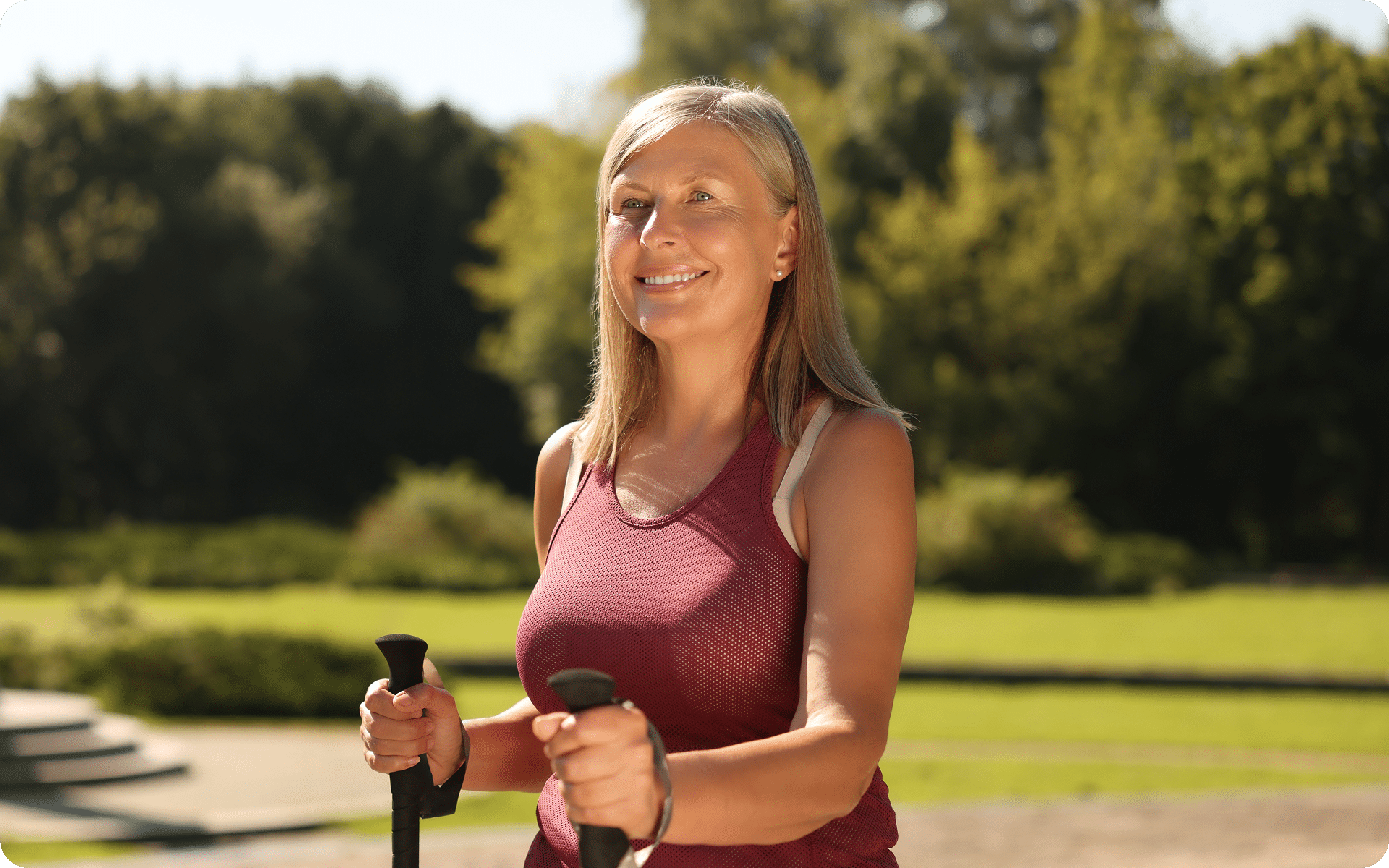
Which walking styles use a different technique?
Terrain and equipment change the walking task. A route may involve hills, uneven surfaces, or additional gear. Choose a route and equipment that suit your experience.
How do hiking and trekking differ?
The debate around hiking vs. trekking comes down to scale and difficulty.
- Hiking: Refers to long walks on established trails or countryside paths. It’s usually completed within a single day. The focus is on enjoying nature while maintaining a steady stride. As you carry minimal gear, your posture remains relatively upright and agile.
- Trekking: Involves rigorous journeys through remote or mountainous regions where established roads may not exist. Trekking requires special pacing to conserve energy over long distances while hauling heavy survival gear.
BetterMe offers a variety of workouts, recipes, challenges, and support tools to help you stay more consistent with your wellness routine. Explore the app to find features that fit your goals, preferences, and schedule.
How can you adjust a walk on uneven ground?
On trails or rocky paths, choose a pace and step length that feel controlled. The following are practical options, not a source-derived gait prescription:
- Take comfortable steps uphill: Reduce step length if long strides feel awkward, and slow down as needed.
- Adjust your pace to the terrain: Slow down on hills or uneven ground rather than trying to maintain a fixed speed.
- Use controlled steps downhill: Choose a manageable pace and stop or turn back if the route feels unsuitable.
Walking speed can reflect the route and surroundings. Choose a pace that feels comfortable and suits your purpose; there is no single pace for everyone.
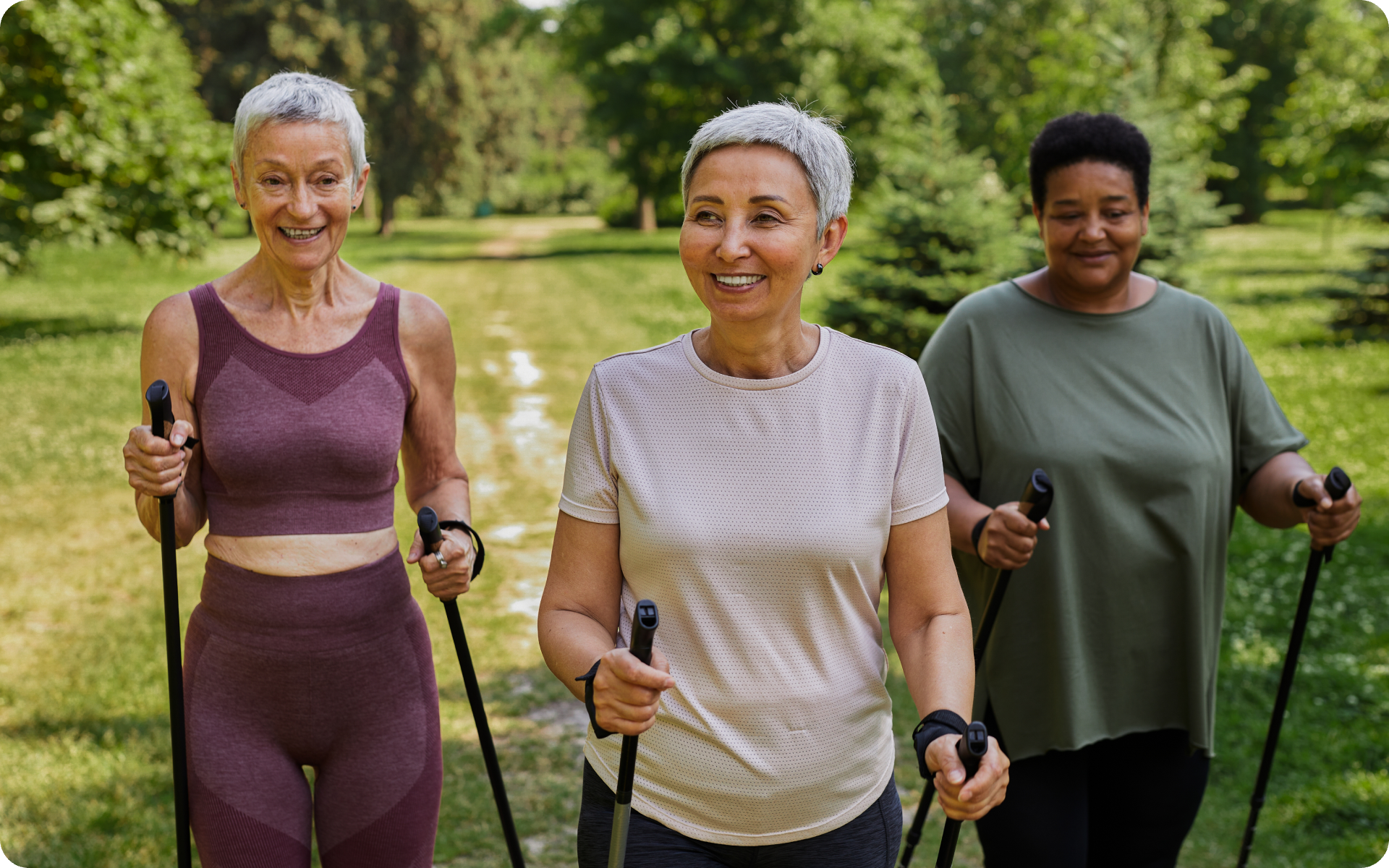
Which walking activities depend on terrain or equipment?
Certain walking styles are defined less by speed and more by the environment you navigate or the gear you bring along. Adapting to natural landscapes or introducing new terrain shifts how your muscles activate, which places unique demands on your body.
The examples below describe common movement demands rather than measured muscle-strengthening outcomes:
| Walking activity | Core driver | Movement demands |
|---|---|---|
| Incline walking | Elevation/gradient | Walking uphill |
| Rucking | Weighted rucksack/vest | Walking with an added load |
| Nordic trail walking | Trekking/Nordic poles | Walking with pole use |
| Beach/soft sand walking | Unstable surface | Walking on yielding ground |
Read more: Nordic Walking Disadvantages: Do The Cons Outshine The Pros?
How does incline walking change a walk?
Incline walking adds an uphill gradient. The specific treadmill comparison examined metabolic responses, not strength gains or joint impact (3). Adjust incline and speed to your comfort.
What is rucking?
Rucking means walking while carrying an added load. A review describes the physiological demands of load carriage (5). Added effort should not be described as proof that every rucking session builds strength.
How does soft sand change walking?
Soft sand yields underfoot. A biomechanics study examined changes in walking mechanics across sand substrates (6). Its results do not establish universal increases in muscle activity or long-term fitness gains.
Uneven or yielding ground can make a walk feel different. Adjust your pace and route instead of assuming a fixed calorie or strength benefit.
When considering incline walking versus running, compare the actual activity and effort. Choose the option that suits your preferences and experience.

How do you choose a walking style for a 10-, 20-, or 40-minute walk?
Choose the duration and style according to your experience, preferences, and available time. The following timings are examples, not research-derived prescriptions.
- 10-minute walk: Try an easy-paced indoor or outdoor walk and shorten it if needed.
- 20-minute walk: Try a comfortable steady walk or alternate easy and faster periods.
- 40-minute walk: Choose a familiar route and include breaks or a shorter duration when needed.
General activity guidance recognizes that small amounts of activity can contribute to wellbeing (2). This does not establish rapid fitness changes from a particular step count.
A fixed step target is not necessary for this sample plan. Choose a duration and pace that feel manageable, then adjust over time.
How can you try different walking styles during one week?
You can try different walking styles during the week to add variety. Use the sample as a flexible menu rather than a strength or balance program.
Below is an example of a balanced weekly plan:
- Monday: Try brisk or power walking for 20-30 minutes, adjusted to your comfort.
- Tuesday: Try a comfortable incline or hilly route.
- Wednesday: Choose a relaxed walk or a 10-minute indoor session.
- Thursday: Try Nordic walking if you have suitable poles and know how to use them.
- Friday: Choose a familiar trail and adjust your pace to the surface.
- Saturday: Take a longer walk if it suits your schedule and comfort.
- Sunday: Your favorite walking style or a gentle easy-paced walk.
If you want to walk faster, try quicker, slightly shorter steps while keeping your stride comfortable. As your fitness improves, you can mix and match different walking styles to create workouts that fit your goals and keep you motivated.
Whether you’re just starting your fitness journey or looking to add more structure to your routine, BetterMe offers tools that can support different wellness goals. Explore the app and see how its workout, nutrition, and habit-building features can fit into your lifestyle.

FAQs
Is brisk walking faster than a casual walk?
Yes. Brisk walking uses a faster pace than a casual stroll. What feels brisk varies by person.
Is power walking the same as race walking?
No, they’re not the same. Power walking is simply walking at a fast, energetic pace with active arm swings. Race walking is a technical Olympic sport governed by strict rules, including keeping one foot on the ground at all times and keeping the leading knee completely straight upon contact.
Can I do power walking on a treadmill?
Yes. Set a comfortable treadmill speed, swing your arms naturally, and adjust your stride to the pace and setting. Treadmill walking is one indoor option for low-impact movement.
Is hiking considered a type of walking?
Yes, it’s walking with an outdoor upgrade. Hiking is essentially walking on natural trails, hills, or rough terrain instead of flat, paved pavement, giving your legs, ankles, and core a much more dynamic workout.
What is the difference between hiking and trekking?
It comes down to duration and distance. A hike is usually a single-day walk along marked paths, while a trek is a multi-day expedition through rugged, off-grid environments where you carry all your gear on your back.
Can I use more than one walking style in the same workout?
Yes. You can combine a comfortable warm-up pace, a faster interval, and an incline if they suit you. Mixing styles may add variety.
The bottom line
Walking styles offer different combinations of pace, terrain, technique, and equipment. Choose options you can adjust to your experience, route, and schedule.
You can vary your pace or route without expecting a particular fitness result. The sample week is a flexible set of options.
DISCLAIMER:
Following exercise and diet plans is the key in your fitness journey and greatly impacts results. In 4 weeks users can typically expect to lose not more than 1-2 lbs per week. Individual results may vary.
This article is intended for general informational purposes only and does not serve to address individual circumstances. It is not a substitute for professional advice or help and should not be relied on for making any kind of decision-making. Any action taken as a direct or indirect result of the information in this article is entirely at your own risk and is your sole responsibility.
BetterMe, its content staff, and its medical advisors accept no responsibility for inaccuracies, errors, misstatements, inconsistencies, or omissions and specifically disclaim any liability, loss or risk, personal, professional or otherwise, which may be incurred as a consequence, directly or indirectly, of the use and/or application of any content.
You should always seek the advice of your physician or other qualified health provider with any questions you may have regarding a medical condition or your specific situation. Never disregard professional medical advice or delay seeking it because of BetterMe content. If you suspect or think you may have a medical emergency, call your doctor.
SOURCES:
- Foot function enabled by human walking dynamics (2022, journals.aps.org)
- Top 10 Things to Know About the Second Edition of the Physical Activity Guidelines for Americans (2025, odphp.health.gov)
- An Exploratory Study Comparing the Metabolic Responses between the 12-3-30 Treadmill Workout and Self-Paced Treadmill Running (2025, digitalcommons.wku.edu)
- RACE WALKING: INVERSION OF FUNCTION FROM THE ASPECT OF SPEED AND RESULT SUCCESS (2021, oapub.org)
- Physiological impact of load carriage exercise: Current understanding and future research directions (2022, physoc.onlinelibrary.wiley.com)
- Human walking biomechanics on sand substrates of varying foot sinking depth (2024, journals.biologists.com)
 Reviewed by