
Sugar is an ingredient that might often be present in every meal.
Whether it is breakfast, lunch, dinner, or snacks, there are a variety of foods that contain sugar, whether added or naturally present. It is important to note that sugar plays a key role in the body as the primary source of energy, powering the muscles, brain, and other organs. And while sugar is beneficial, it may also have adverse effects, prompting sugar-free meals or other moderation strategies.
In this guide, we have covered everything you need to know about sugar-free meals.
So, let’s get into the details.
Understanding “No Sugar,” “Low Sugar,” And “No Sugar Added”
Before diving in, it’s essential to clarify key definitions:
No sugar: literally means no sugar at all, including natural and added sugars. Under this definition, foods like apples, bananas, or milk would not be permitted.
Low sugar: means a product contains sugar, but in a reduced amount.
No sugar added: means no sugar is added during processing, but the food may still contain natural sugars (e.g., fruit, dairy).
The approach described in this article aligns with a “no sugar added” diet, which is not a strict no-sugar diet.
This focus is why foods like whole fruits will appear in the meal suggestions. Additionally, throughout this guide, we refer to no-sugar-added foods as “sugar-free.”

What Are Sugar-Free Meals?
Sugar-free meals, as the name suggests, are those meals containing unprocessed whole foods without added sugars.
Some of the added sugars these meals avoid can include:
- Brown sugar
- White sugar
- Honey
- Syrups
- All artificial sweeteners.
However, a strict “no sugar” diet would also eliminate natural sugars found in fruit and dairy. The diet discussed in this guide instead follows a “no sugar added” approach, which includes foods with naturally occurring sugars. The focus on “no sugar added” makes it possible to have easy sugar-free meals.
When it comes to weight loss, progress is made by inches, not miles, so it’s much harder to track and a lot easier to give up. The BetterMe: Health Coaching app is your personal trainer, nutritionist, and support system all in one. Start using our app to stay on track and hold yourself accountable!
People embrace a sugar-free or no-sugar-added diet for reasons that include the following:
Weight Management
High-sugar diets can cause weight gain and, in some cases, obesity (1).
Sugar is high in calories, so eliminating it from your diet often means a reduction in calorie intake, as reducing sugar consumption has been a target in most weight management strategies.
Reduce the Risk of Diabetes
Added sugars in diets increase the risk of type 2 diabetes. Weight gain and abdominal fat that may result from a high sugar diet may reduce insulin sensitivity, which is a factor that may lead to type 2 diabetes (1).
Improve Metabolic Markers
Eating less added sugar can come with metabolic benefits. According to some studies, this diet helps lower triglyceride levels and improve insulin response (3).
Better Dental Health
Though it may not be the primary goal of a sugar-free diet, it is a benefit that comes with it.
Sugar is known to cause dental decay; therefore, reducing it will help reduce the risk of cavities and other dental issues.
Read more: 7 Benefits of Not Snacking and What Happens to Your Body When You Quit
What Happens When You Stop Eating Sugar For 7 Days?
If you are on a 28-day sugar detox for example, the first 7 days are marked by changes in your body that may differ from one individual to another.
- In most cases, the first 2 days are marked by intense cravings, low energy, and even headaches. Some people may even experience stomach upset.
- The changes you experience in the first 2 days, including mood swings, headaches, and intense cravings, begin to ease in about 3 days.
- Stabilization and early benefits begin to manifest within about 5–7 days.
- So, when you avoid sugar for a week, you may experience some changes that include slight weight changes, reductions in the risk of type 2 diabetes and other diseases, as well as a variety of other small metabolic shifts. It is, however, essential to ensure you don’t replace the sugar with higher-calorie foods, as that will negate the benefits that you would have gained, especially regarding weight loss.

Will I Lose Belly Fat If I Stop Eating Sugar?
Yes, it is very likely that you will lose belly fat when you stop eating sugar, just as you would in all other parts of your body. It is important to note that you don’t only lose fat in the belly alone because your body doesn’t choose a specific region of the body to burn fat, but does so equally in all parts of the body. That is why spot reduction is not possible and, therefore, your belly will lose fat that is proportionate to all other parts of the body (2).
What Food To Eat On A No-Sugar Diet?
On a no-sugar diet, you aim to avoid added and free sugars and cut overall calories. Under the “no sugar added” approach, foods with natural sugars may still be included, as long as they are whole and unprocessed.
Here is a no-sugar diet food list to consider:
- Whole Grains
Include oats, quinoa, brown rice, whole-grain bread, and whole-grain pasta, among others. Whole grains contain high amounts of fiber, and, as mentioned earlier, fiber helps slow digestion, thereby slowing the intake of sugar into the body.
- Vegetables
Vegetables are healthy and rich in vitamins, minerals, and fiber. Leafy greens, tomatoes, carrots, onions, broccoli, zucchini, bell peppers, and many other vegetables are low in sugar and high in fiber.
- Whole Fruits
Whole fruits contain fiber and don’t look like sweetened beverages or fruit juices.
The fibers help slow digestion and don’t spike blood sugar as quickly in non-diabetics.
No sugar recipes for dessert may be challenging, but fruit is always an option on a sugar-free diet!

- Healthy Protein
Some healthy protein sources to consider include lean meats, chicken, fish, eggs, tempeh, and tofu. Of course, beans, edamame, and lentils are also part of plant protein that you can include in a sugar free diet.
- Unsweetened Dairy
Plain or Greek yogurt, unsweetened plant milk, and unsweetened milk are suitable options. Avoid flavored choices because most usually contain added sugars.
- Healthy Fats
Some of the healthy fat options to consider include canola oil, avocado oil, and olive oil. These fats do not contain sugars and help in improving satiety.
- Herbs and Spices
Instead of using sweeteners to add some flavors to your food, you can add some spices such as vanilla extract, lemon, rosemary, chili, or cinnamon among others.
- Beverages
When it comes to beverages, avoid ones with added sugars. Instead, drink water, and plain tea or coffee among other sugar-free beverages.


The food list above can fit the following goals:
- Healthy sugar-free meals
- Sugar-free meals for family

What Are Some Tasty Sugar-Free Meals?
There is a wide variety of tasty sugar-free meals that you can consider on a no-sugar diet. Of course, we can’t possibly mention them all in this single piece. Just to highlight, here are some of the options:
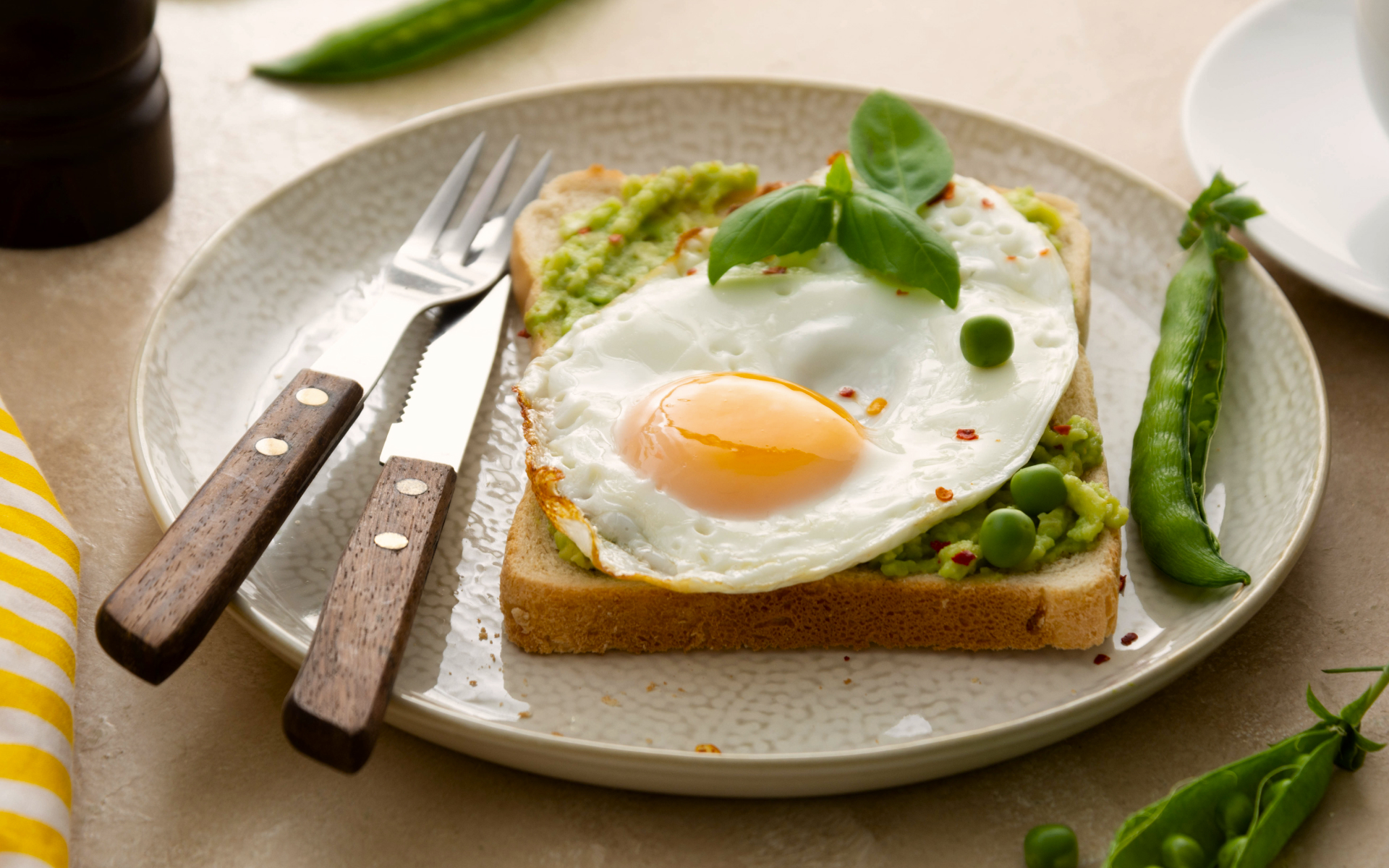
Breakfast: Veggie Omelet with Avocado Slices
You can make a veggie omelet with avocado slices, and it can be a great, tasty, and satisfying breakfast. All you need is spinach, avocado slices, eggs, tomatoes, and onions. Alternatively, you can make overnight oats with berries and nuts.
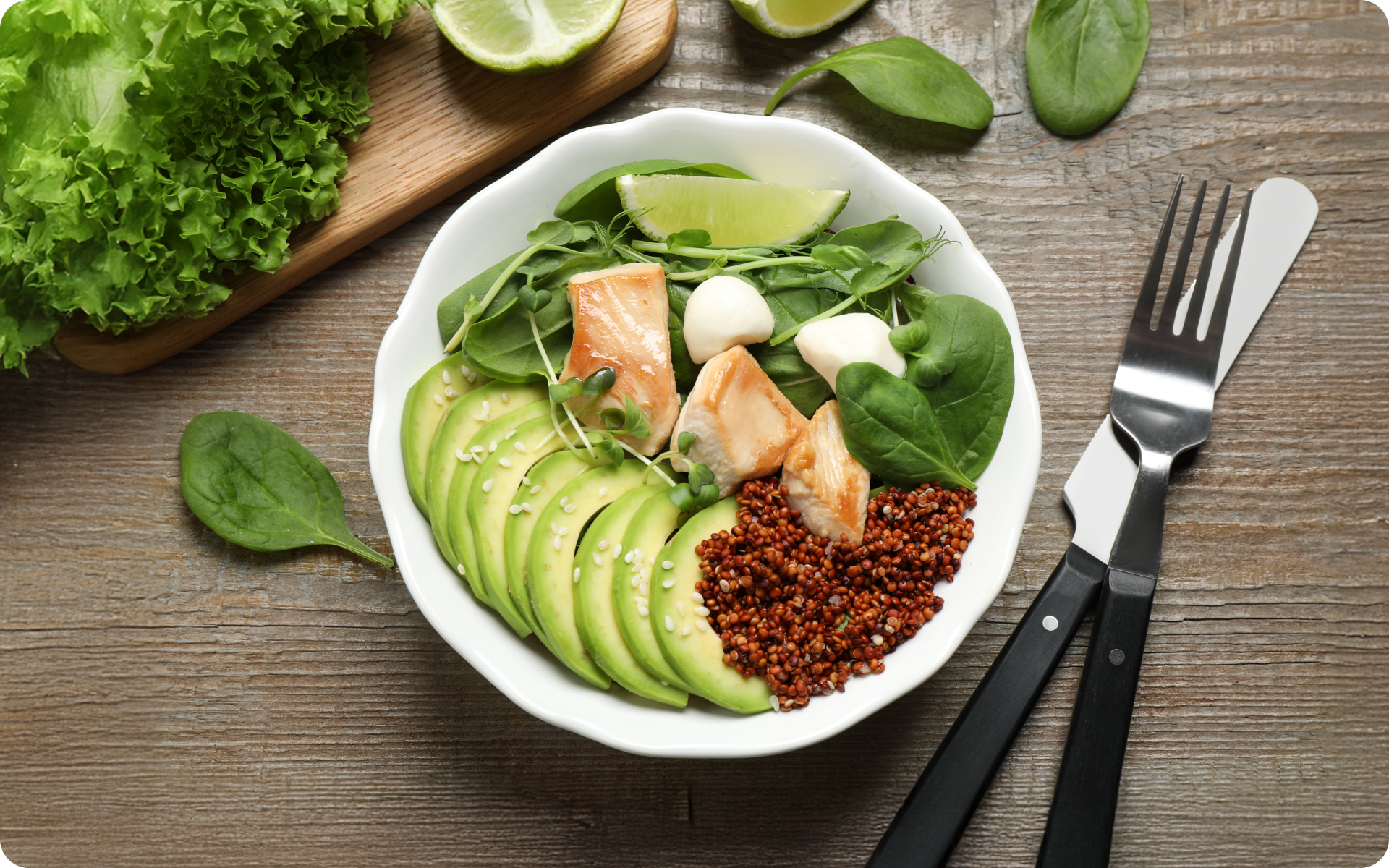
Lunch: Grilled Chicken Salad or Lentil Stew with Vegetables
You will need chicken breast, lemon dressing, tomatoes, leafy greens, cucumber, lentils, turmeric, celery, carrots, and olive oil to make this tasty recipe.
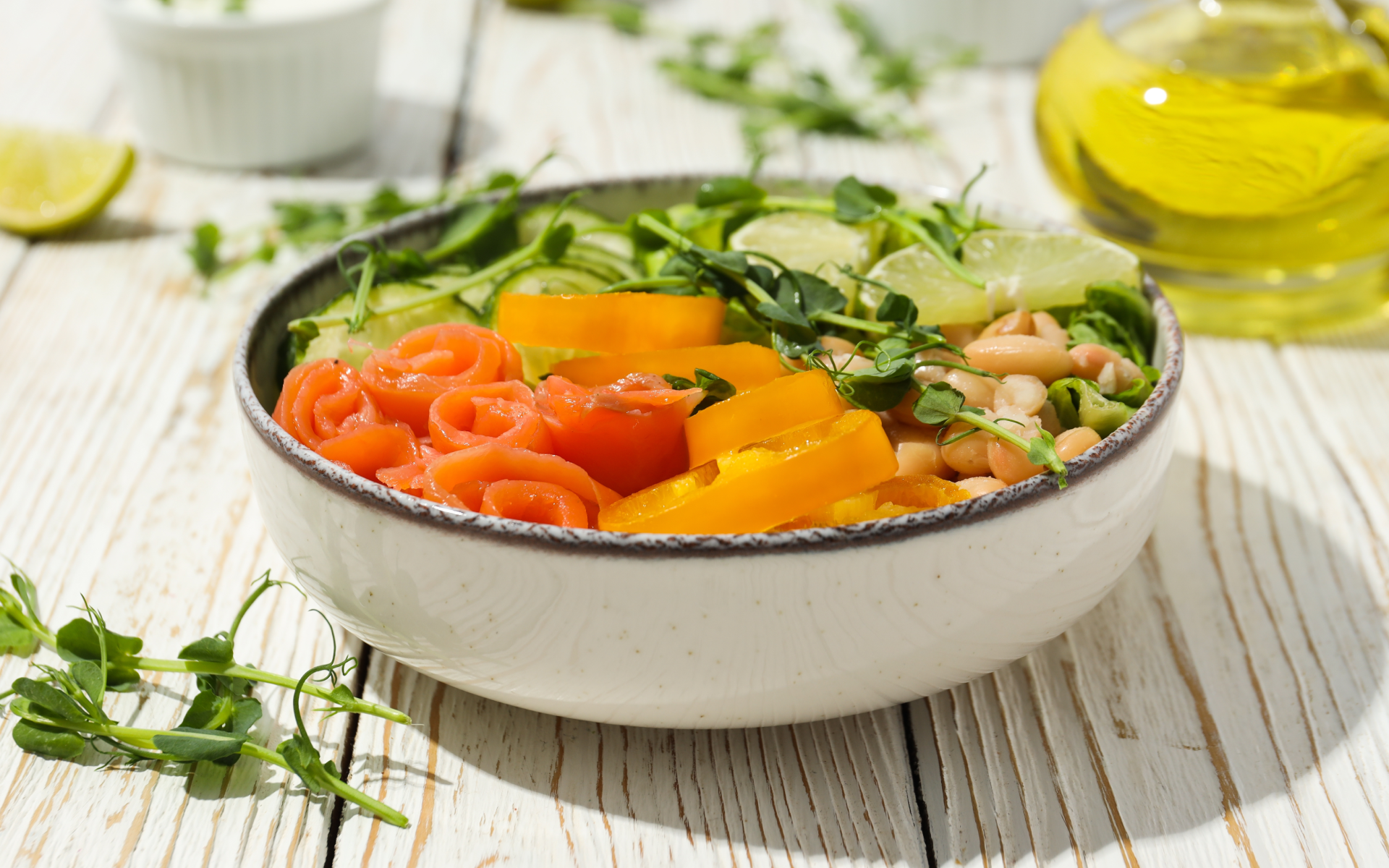
Dinner: Steamed Broccoli and Quinoa with Baked Salmon
Of course, you will need salmon, quinoa, and broccoli as the main ingredients. You can use your favorite spices, herbs, and healthy oils to make this.
Snacks
Some snacks to consider include plain Greek yogurt with cinnamon and walnuts, mixed nuts and seeds, carrot sticks, and hummus.
Our previous post goes into great detail about the no salt no sugar diet.
Can I Eat Fruit On A No Sugar Diet?
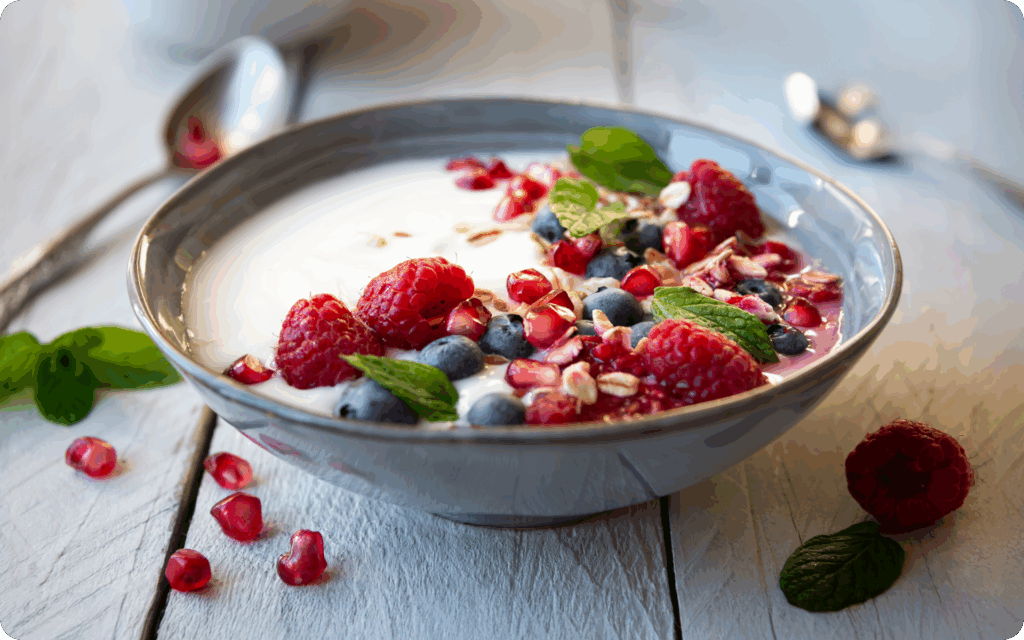
Yes, you can eat fruit on a no-sugar diet. The purpose of most no-sugar diets is to cut out added sugars and high calories, as well as the risks they entail.
Whole fruits are good because they are high in fiber, which helps slow the breakdown process and prevent spikes in blood sugar levels. However, some strict diets may eliminate all sugars, including those in fruits, but most generally permit fruit intake in moderation.
Read more: The Benefits of Not Drinking Soda or Why This Sugary Beverage Is Worth Quitting
What Foods Should You Avoid On No-Sugar Diets?
On a no-sugar diet, you should always avoid foods that contain added sugars, those with hidden sugars, or those that your body can easily convert into sugar.
Some of these foods you should avoid include the following:
- Sugary Drinks
Sugary drinks include sodas, coffee drinks, sweetened teas, fruit juices, energy drinks, and sports drinks. These have added sugars and can easily cause a spike in blood sugar levels when consumed.
- Sweets and Desserts
Cakes, pastries, candies, cookies, ice cream, donuts, and baked goods are made with refined flour, added sugars, and added fats, and are high in calories, which may cause weight gain.
The BetterMe: Health Coaching app will provide you with a host of fat-frying fitness routines that’ll scare the extra pounds away and turn your body into a masterpiece! Get your life moving in the right direction with BetterMe!
- Processed Foods
Most processed foods contain added or hidden sugars.
So, most store-bought, ready-to-eat snacks, meals, and soups may not be suitable for a no-sugar or sugar-free diet. Read the labels carefully to ensure the ingredients don’t contain added sugars, so you don’t add unwanted calories to your sugar-free meals and snacks. When in doubt about calories, track them.

- Fruit Juice and Fruit Juice Concentrates
Fruit juice and fruit juice concentrates don’t contain fiber and are high in sugars. They are also high in calories and are just like sugar-sweetened beverages. The calories can add up and easily spike blood sugar levels, so these are not good options for a sugar-free diet.
- Breakfast Cereals
Most cereals on the market have added sugars. They may even be labeled healthy or whole grain, but you should be careful about the sugars they contain.
- Sweetened Dried Fruits
Sweetened dried fruits and canned fruits contain added sugars or are highly concentrated in sugar, and are not good for a sugar-free diet. Instead, if fruits must be a part of your diet, you can eat fresh fruits that contain fiber.

No, you can’t eat rice while on a no-sugar diet because rice is a carbohydrate. The carbs break down into sugar, which can still cause a rise, or spike, in blood sugar levels. You will see many people eating meals without sugar or carbs, and they will not include rice. However, you may eat a whole grain option like brown rice because it contains more fiber and will slow the breakdown process; however, when following a low-sugar diet, it is still not suitable. If you are following a strict no-sugar diet, the answer is no, because apples contain natural sugar, and most of their calories come from it. However, the dietary approach described in this guide is a “no sugar added” approach, not an actual zero-sugar plan. Under our more flexible structure, we recommend eating apples within your calorie limit goals because: There is no fruit without sugar. All fruits contain sugar, which makes them taste sweet. However, some have lower sugar content than others. Some examples of low-sugar options include avocados, olives, limes, and lemons. Honey itself is a form of sugar made of fructose and glucose, and you cannot eat it if you are on a no-sugar diet. It is used in most cases as a sweetener and, like added sugars, is something you would want to avoid in a no-sugar diet.Frequently Asked Questions
Can I eat rice on a no-sugar diet?
Can I eat apples on a no sugar diet?
What is the healthiest fruit with no sugar?
Can I eat honey on a no sugar diet?
The Bottom Line
As we have explained, one reason people avoid sugar is to lose weight. Sugar is a major contributor to significant weight gain due to overeating, when calories can add up quickly.
By cutting out sugar, you are cutting a significant number of calories, which is likely to lead to weight loss, especially when combined with other healthy weight-loss practices and exercises.
Eating less sugary foods helps in reducing the risk of type 2 diabetes. In addition, it helps improve metabolic and oral health, among other benefits. Therefore, if you are on a weight-loss journey, a no-sugar diet could be the way to go.
DISCLAIMER:
This article is intended for general informational purposes only and does not serve to address individual circumstances. It is not a substitute for professional advice or help and should not be relied on for making any kind of decision-making. Any action taken as a direct or indirect result of the information in this article is entirely at your own risk and is your sole responsibility.
BetterMe, its content staff, and its medical advisors accept no responsibility for inaccuracies, errors, misstatements, inconsistencies, or omissions and specifically disclaim any liability, loss or risk, personal, professional or otherwise, which may be incurred as a consequence, directly or indirectly, of the use and/or application of any content.
You should always seek the advice of your physician or other qualified health provider with any questions you may have regarding a medical condition or your specific situation. Never disregard professional medical advice or delay seeking it because of BetterMe content. If you suspect or think you may have a medical emergency, call your doctor.
SOURCES:
- Practical Strategies to Help Reduce Added Sugars Consumption to Support Glycemic and Weight Management Goals (2021, pmc.ncbi.nlm.nih.gov).
- Spot reduction: why targeting weight loss to a specific area is a myth (2023, sydney.edu.au).
- The Impact of Free Sugar on Human Health—A Narrative Review (2023, pmc.ncbi.nlm.nih.gov).

 Reviewed by