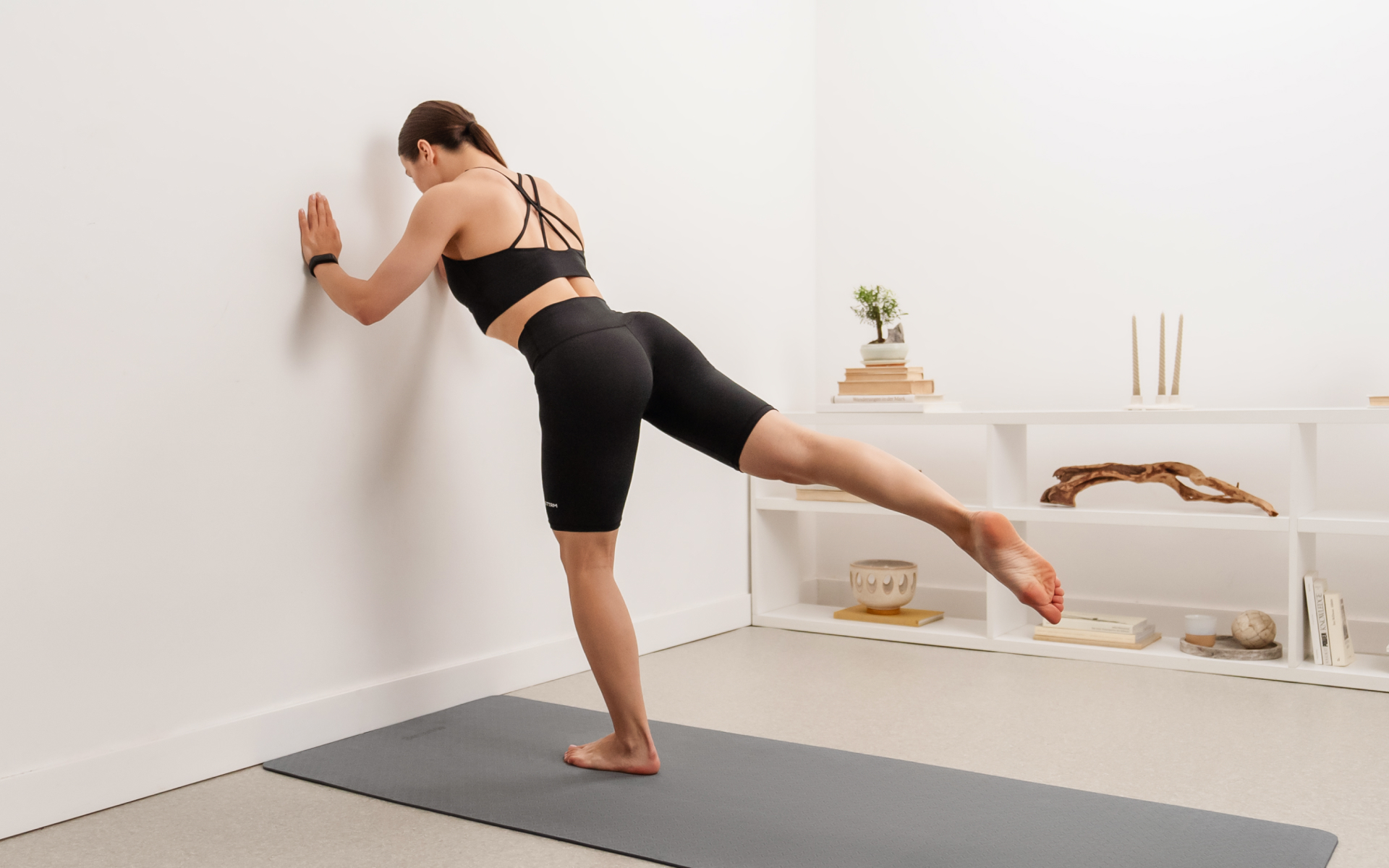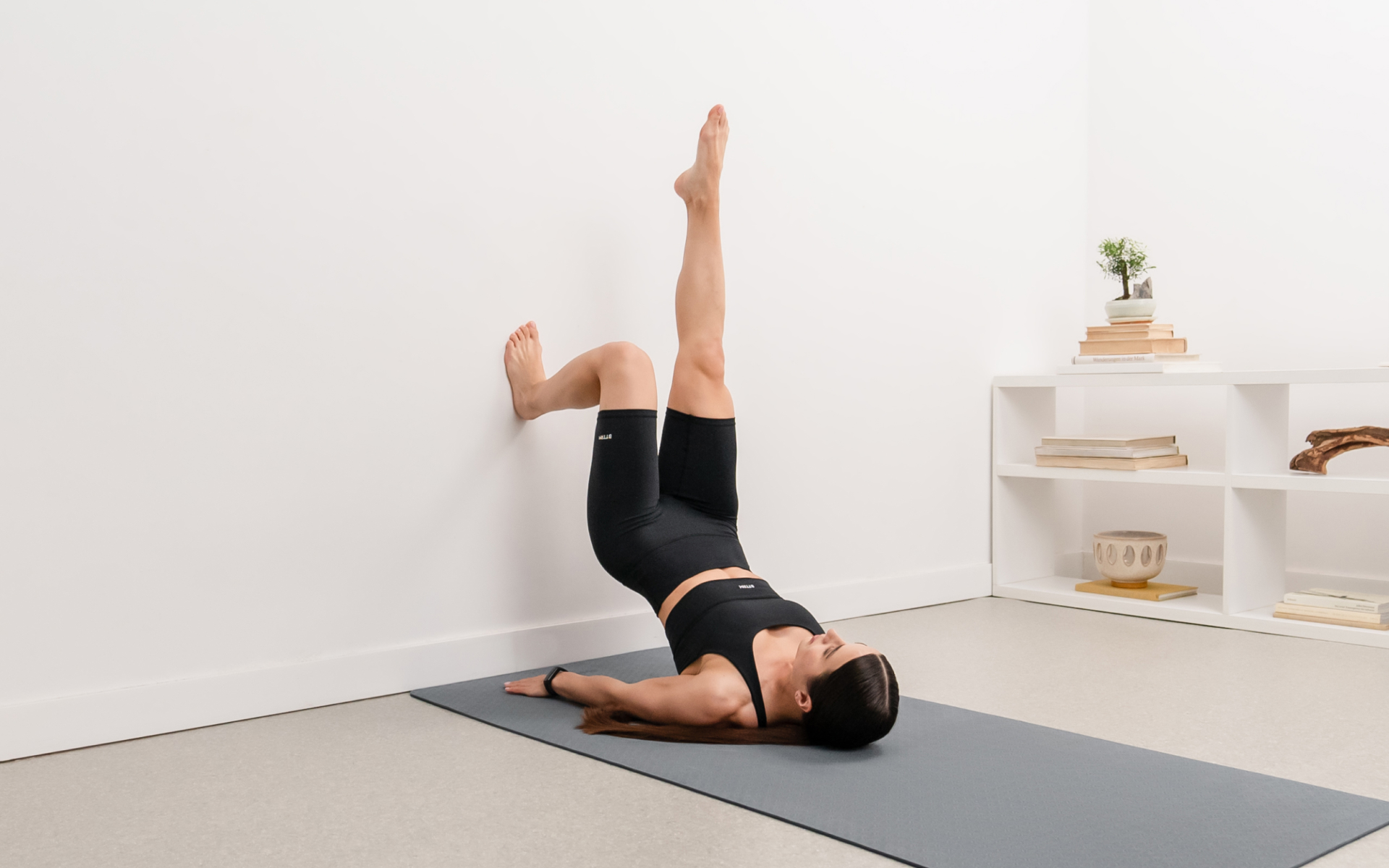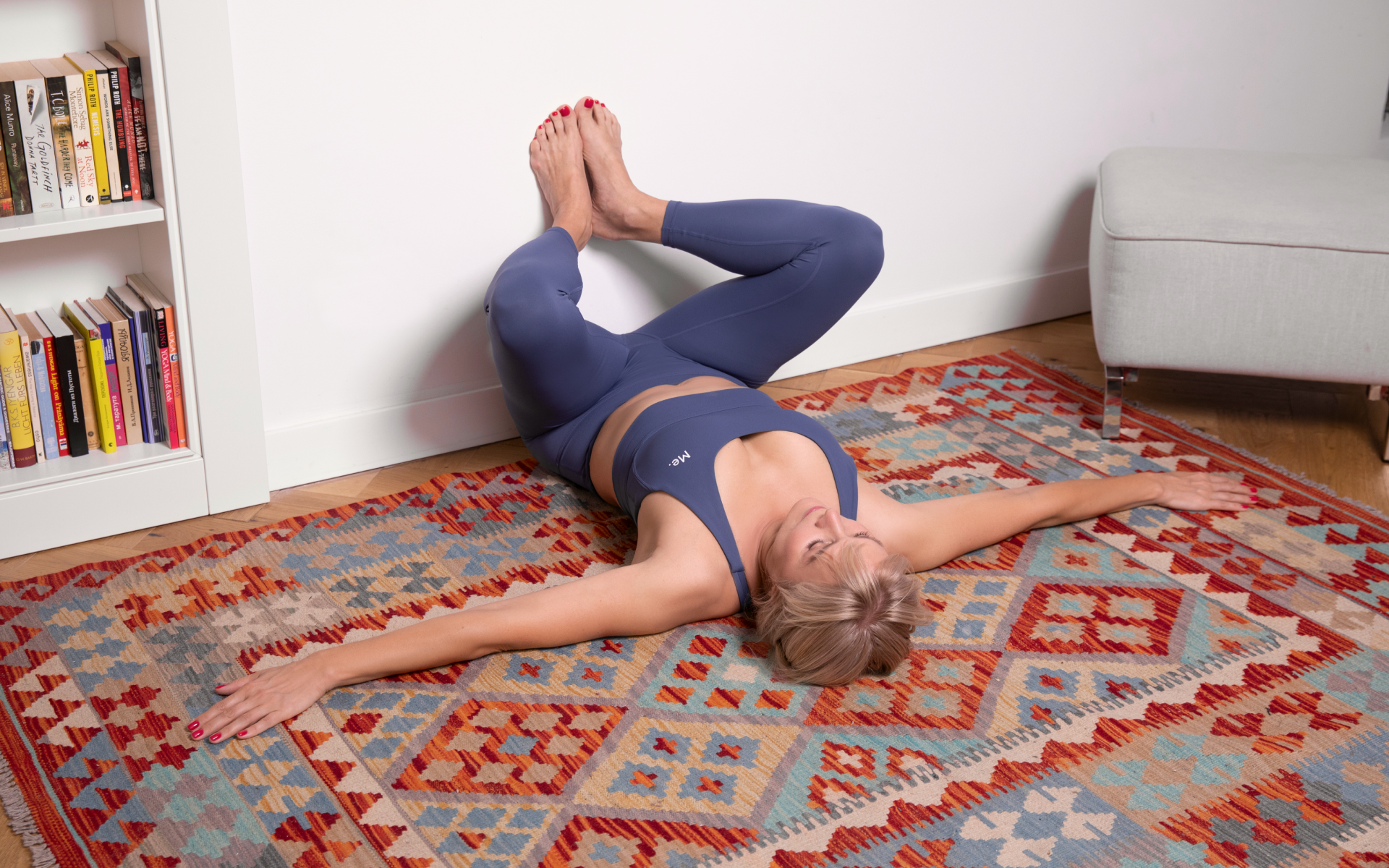
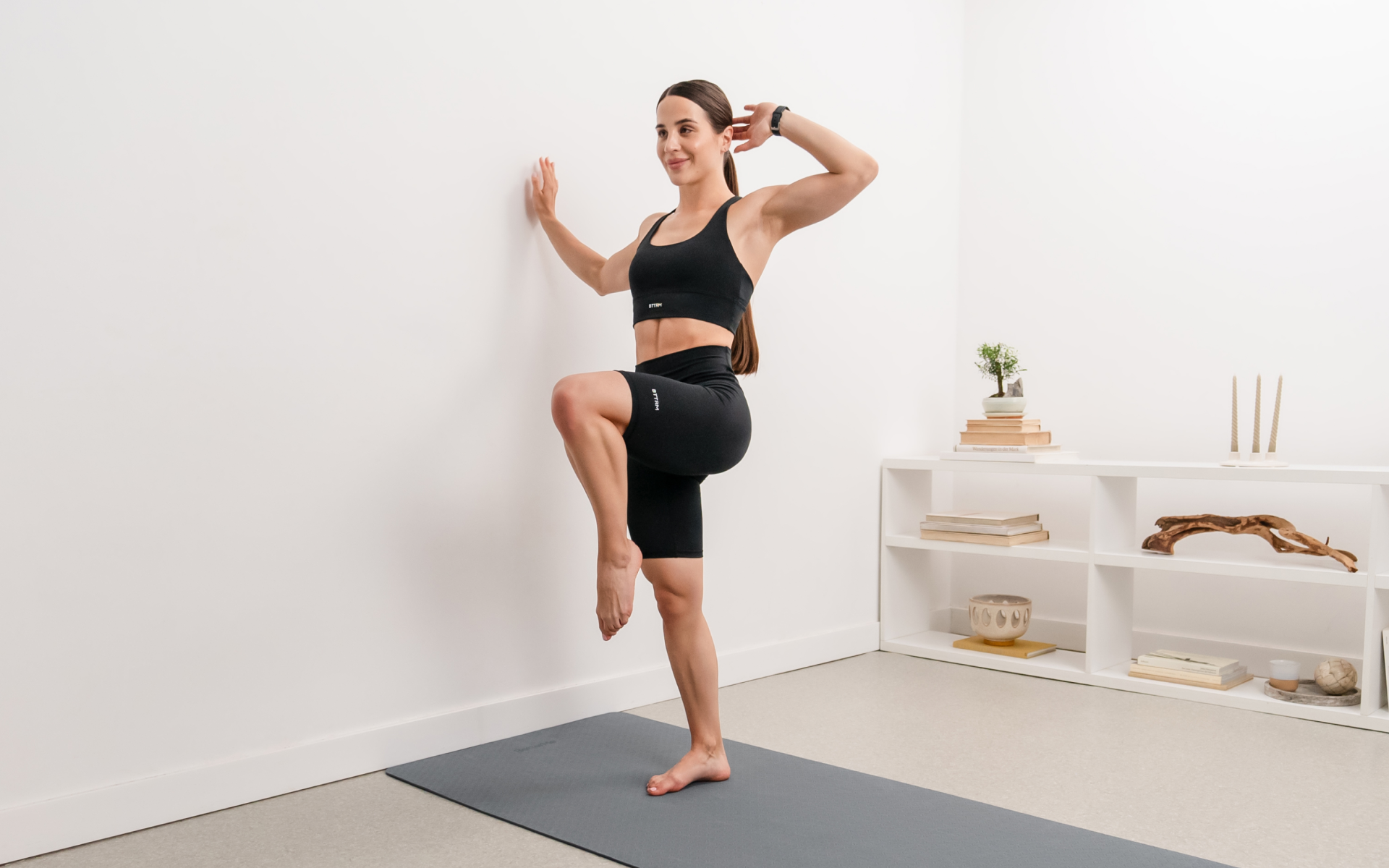
Do you think you need fancy equipment or a gym membership to tone up? Think again!
Standing wall exercises at home are the low-effort, high-reward trend everyone’s loving right now. From TikTok fitness creators to busy professionals, people are squeezing in mini workouts between Zoom calls. Your wall isn’t just décor, it’s a built-in workout buddy that helps with posture, strength, and balance.
These exercises use your own body weight to target your core, legs, arms, and back. They’re also joint-friendly and space-efficient. You may find yourself doing wall push-ups, wall sits, or resistance holds, and you’ll feel your muscles fire up without ever hitting the floor.
Now that you’ve been convinced to exercise while standing, find a sturdy wall and your playlist. This at-home fitness trend is all about keeping it simple, practical, and surprisingly fun.
What Are Standing Wall Exercises?
For beginners, standing wall exercises use a wall to provide stable, immediate support. They’re an easy and safe way to build strength and correct movement form. The wall acts like a fixed anchor, allowing you to focus on using the correct muscle groups without the added challenge of free-standing balance (1).
The wall support is key for deep core engagement and stability. These low-impact exercises help build functional strength needed for daily tasks such as standing up or squatting (2).
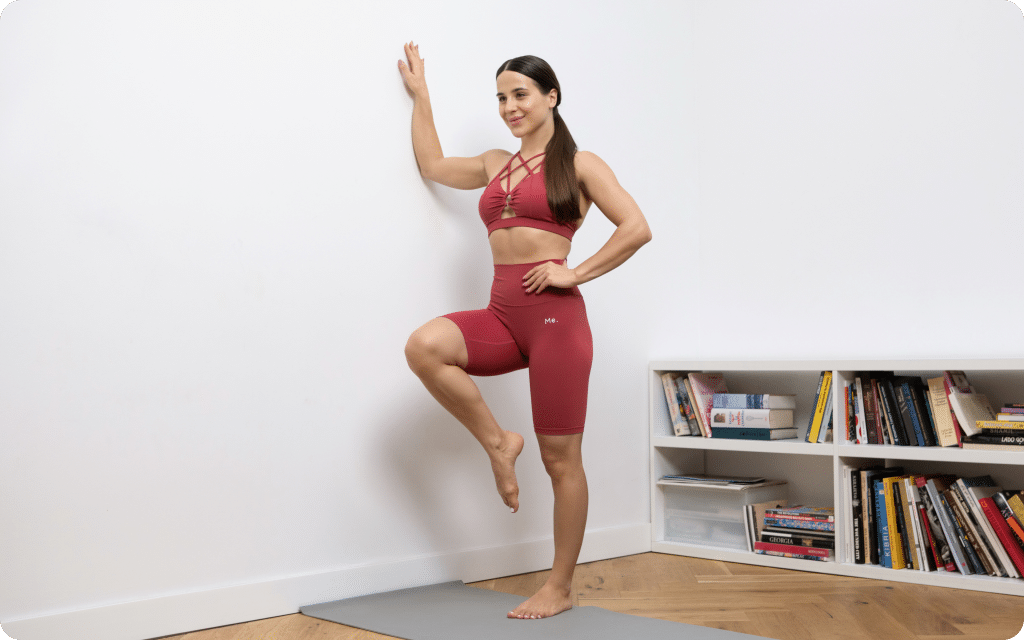
How Do They Work?
Many wall exercises, such as the wall sit, are isometric. This means your muscles are working and under tension, but your joints don’t move. This type of training can build muscle endurance and strength (1). The core features of these exercises are:
- By keeping your back pressed flat against the wall during exercises, you’re more likely to engage your core and the muscles that support your back and posture.
- Exercises tend to be gentle on joints and require little space (3), which makes them great for at-home workouts.
- Many beginner wall exercises utilize your back, hands, or feet against a wall to help you maintain proper posture. For example, a wall plank can help you practice full-body alignment in a simpler, more supported version than a floor plank.
- Using the wall reduces balance demands and gives a precise reference point for alignment. You can focus more on correct form rather than scrambling to stay upright.
Therefore, if you want to start at home with minimal equipment and maximal support, standing wall exercises can be your stepping stone to stability.
Read more: What Is the Best Wall Pilates Challenge to Try in 2025?
How Can I Tone My Stomach Standing Up?
Your wall can be your secret weapon for a toned core. It’s one of the simplest ways to activate your deep abdominal muscles without getting on the floor (4). You may be new to fitness or looking for standing wall exercises for seniors, but you should know that wall workouts are low-impact and can deliver big results.
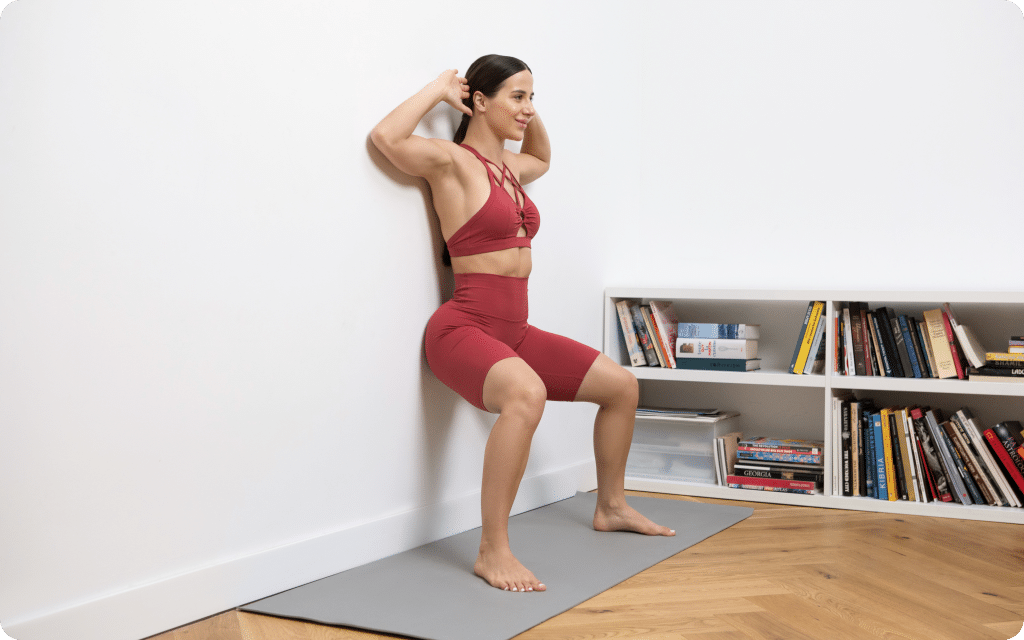
For example, the modified wall squat is a famous wall move that can strengthen the core and lower body. To do it:
- Stand with your back flat against the wall.
- Slowly slide down into a seated position.
- Hold this position with your knee bent at a 90-degree angle and focus on controlling your breathing.
This move doesn’t just work your legs, it can also strengthen your deep core muscles, particularly the transversus abdominis. This core muscle can support your spine and act like a natural corset to give your waist a tighter, more defined look. Doing this move regularly and eating a healthy diet can even improve posture and make your midsection appear leaner (5).
Science backs this up too. Performing supported exercises, such as those done near a wall, has a proven impact on health. A comprehensive review of physical exercise programs, including stability training, found a decreased likelihood of falls in older adults. This shows the clinical value of supporting stability work in any fitness plan (6)!
Do Standing Wall Exercises Actually Work?
Yes, they work, but the real genius is how they work and how easily you can crank up the intensity.
Their underlying mechanism is the magic here. As with the popular wall sit, many core wall movements are isometric exercises. This means you’re challenging your muscles (quads, glutes, core) without actually moving your joints. This constant, static tension can be excellent for building pure endurance and foundational strength that helps you handle dynamic movements later (1).
However, you don’t have to stay stuck in low gear. Once those 30-second wall sits feel like a breeze, you can immediately ramp up the difficulty. This is where standing wall exercises with weights come in. Simply holding a dumbbell or weight plate against your chest while in the wall sit position can dramatically increase the load on your leg muscles, pushing you toward serious gains. You can also transition to dynamic wall squats using a stability ball to build endurance while adding controlled movement.
For those who are looking to level up, standing wall exercises with weights can add extra resistance. They can help you tone your arms, shoulders, and legs even faster. So, if you’re just starting or looking to switch up your routine, wall exercises can be a safe way to stay fit anywhere.
What Are the Benefits of Standing Wall Exercises?
Standing wall exercises carry powerful perks, which makes them a smart choice for almost anyone, particularly beginners. The wall helps you get better results as it takes the struggle of balancing out of the equation. Here’s what you may experience:
- Improved Functional Strength
As with the popular wall sit, these standing moves use an isometric exercise technique. This means your muscles can get stronger by holding a fixed position against resistance. This then builds the crucial strength needed for daily activities, such as squatting down to tie your shoe or standing up quickly from a low chair.
These compound movements are efficient, working all your large lower-body muscle groups at once, including your quadriceps (thighs), glutes, hamstrings, and calves (7).
- Improves Posture and Core Stability
The wall acts as an instant feedback tool for posture. When you press your back flat against it, you’re immediately forced to engage important stabilizer muscles in your core and upper back. Strengthening these specific muscles will work wonders for your spinal alignment. They can help you stand taller and prevent that familiar slouch. In fact, studies have shown that wall exercises are excellent for strengthening deep abdominal muscles, which essentially act like your body’s natural internal corset (1).
BetterMe: Health Coaching app helps you achieve your body goals with ease and efficiency by helping to choose proper meal plans and effective workouts. Start using our app and you will see good results in a short time.
- Enhances Balance and Coordination
When you practice wall exercises, you improve the communication loop between your brain and muscles. This better physical coordination ultimately leads to improved balance. As poor coordination and balance can increase the risk of accidental trips, strengthening this connection is the key to staying steady on your feet as you age. For more details about wall exercises for flat stomach, take a look at our prior publication.
- Helps Prevent Falls
Perhaps the biggest benefit of all is safety. As these routines use the wall for reliable support, they can help build stability and strength while significantly reducing the risk of injury. In fact, primary health analyses have confirmed that exercise programs focused on stability and strength lead to a documented decreased likelihood of falls in older participants (6).
As you’re using the wall as a stabilizer or support, you can get the benefits of resistance plus alignment cues built in. For example, when your back is flat against the wall and you slide into a “sit” position, your core must fire to keep you upright and your legs load in a steady way. This combination can boost strength (particularly lower body + core) and stability/posture. Perform them on a regular basis, and you’ll pretty quickly feel your body start working against the wall instead of collapsing on it. This is when you know you’re doing them right.
What Are Some Good Standing Wall Exercises?
It’s easy to start wall exercises as they require almost no equipment, just a sturdy wall. Listed below are some beginner-friendly moves, complete with simple steps to make sure you’re doing them right:
Wall Sit (The Endurance Builder)
- Stand with your back pressed flat against the wall and your feet approximately shoulder-width apart.
- Walk your feet forward about one step away from the wall.
- Slowly slide down the wall, bending your knees until your thighs are parallel to the floor, as if sitting in a chair. If 90 degrees is too deep, start higher.
- Ensure your knees stay straight above your ankles and don’t push past your toes.
- To start, hold the position for 15 to 30 seconds, focusing on keeping your back firmly against the wall.
Wall Push-up (The Upper-Body Strengthener)
- Stand facing the wall, about an arm’s length away, with your feet hip-width apart.
- Place your palms flat against the wall, shoulder-width apart and at shoulder height.
- Keeping a straight line from your head to your heels, slowly bend your elbows and lower your chest toward the wall.
- Push yourself back up to the starting position until your arms are straight.
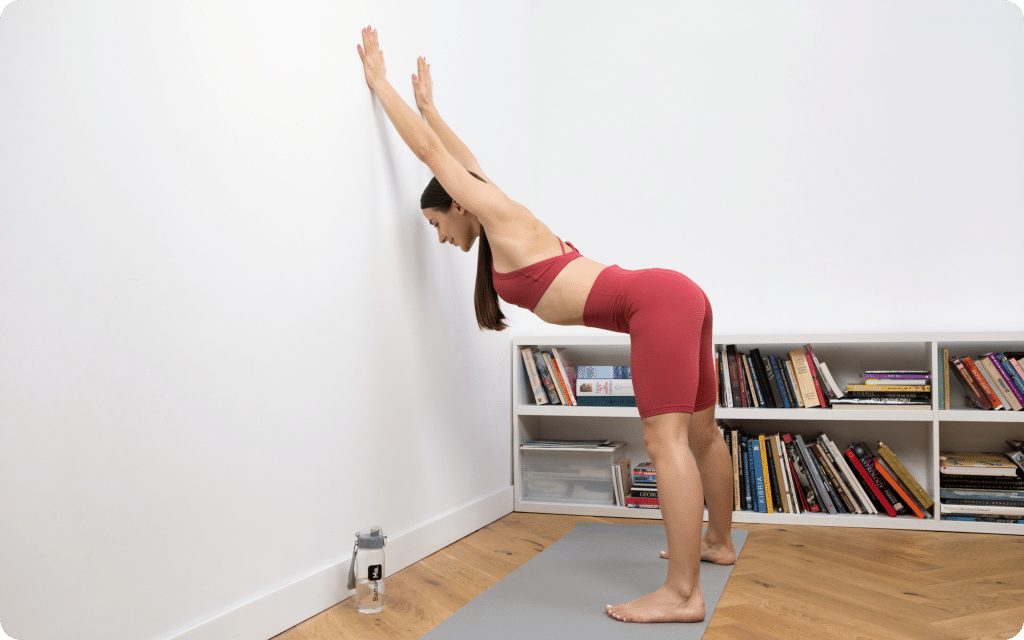
Wall Roll Down (The Spine Mobilizer)
- Stand straight with your back flat against the wall. Your feet should be hip-width apart and far enough from the wall for comfort.
- Gently roll your spine down toward the floor, one vertebra at a time, bending forward as far as feels comfortable.
- Once you reach your lowest point, pause for a moment.
- Slowly roll back up, using controlled movement until your back is flat against the wall again.
Reasons why BetterMe is a safe bet: a wide range of calorie-blasting workouts, finger-licking recipes, 24/7 support, challenges that’ll keep you on your best game, and that just scratches the surface! Start using our app and watch the magic happen.
Heel-to-Toe Walk (The Balance Tester)
- Stand upright and hold the wall lightly with your fingers if needed for stability.
- Place your right heel directly in front of your left toe.
- Place your left heel directly in front of your right toe. You’re essentially walking in a straight line, putting one foot immediately in front of the other.
- Keep looking straight ahead the entire time.
- Try to take at least five steps in a row, slowly reducing your reliance on the wall as you improve.
You’ll find more or less similar exercises when doing wall Pilates for a workout for beginners or seniors. They work on the core aspects of your physical health and help you stay strong and focused while improving body awareness with every move.
Read more: Is BetterMe Wall Pilates Legit? An Evidence -Based Overview
What Is the Best Standing Exercise to Lose Belly Fat?
Unfortunately, no single standing exercise can help you lose fat specifically from your stomach. This is a fitness myth that is known as “spot reduction”. Belly fat is actually lost through overall weight reduction, which requires you to burn more calories than you consume. This will lead to fat loss across your entire body and not just in one specific region.
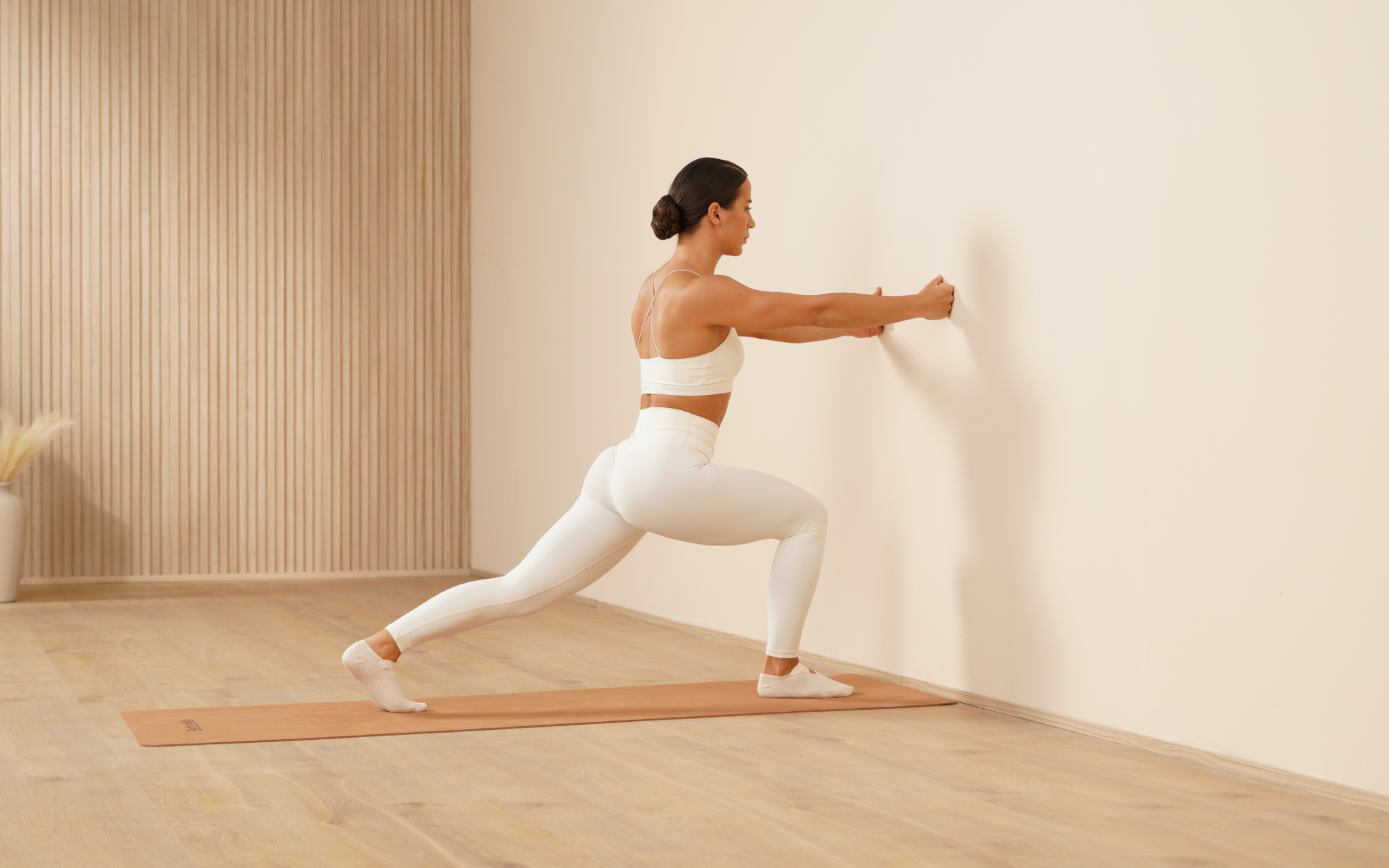
However, the “best” standing exercise for achieving a flat stomach will be one that burns calories and builds muscle, increasing your strength and ultimately boosting your long-term metabolism. If your goal is to lose belly fat without hitting the floor, the standing wall plank hold can be an effective move you can do. It’s simple, beginner-friendly, and suits small spaces. To do it:
- Stand facing a wall and place your palms flat at shoulder height.
- Step your feet back until your body forms a straight line.
- Tighten your abs and hold.
- Breathe in through your chest and out through your stomach. With each breath out, feel your abs tighten further.
- Hold this position for 30 to 60 seconds or 8 to 10 breaths.
- Repeat 3 or 4 times.
This move targets the muscles in your core, such as the rectus abdominis (six-pack) and transverse abdominis (the corset), in addition to other muscles throughout your body that are used when attempting to stabilize. The transverse abdominis is a deep core muscle responsible for stability and posture (9), while the rectus abdominis is known as the “six-pack” muscle and is also responsible for posture as well as trunk flexion.
For even better results, combine wall planks with standing wall exercises with weights, such as wall sits, twists, or standing marches. These exercises can elevate your heart rate and increase calorie burn. Regular exercise paired with a healthy diet in a calorie deficit can reduce body fat while building core strength and stability.
How to Do Standing Wall Exercises Effectively
Focus on form, consistency, and awareness to get real results from your wall workouts. The following are some simple adjustments you can make to make every move count:
- Keep your back straight, your shoulders relaxed, and your core engaged throughout each exercise.
- Slow, steady motions activate your muscles better than quick, jerky ones.
- Inhale as you relax and exhale as you engage your core for better stability.
- Aim to practice 3 to 4 times a week for lasting progress.
Routines such as the wall sit exercise can strengthen your legs, glutes, and core while building endurance and helping create that toned body appearance. Keep at it, and you’ll notice the wall stand exercise benefits kick in, such as improved posture, better balance, and a stronger overall alignment. You should also combine these moves with various other forms of exercise and healthy meals for building a toned, strong body and sustainable fat-loss results. If you’re curious about wall sit exercise for belly fat, check out our earlier article.
To a certain extent, standing could be considered a good form of exercise. We’re all at various levels of fitness and what’s easy for one person may not be easy for another. In addition, standing can improve your posture, boost circulation, and lightly work your core and legs. It’s not a full workout, but it’s way better than sitting all day. From a calorie-burning perspective, no, it’s not better than walking. Walking can burn more calories and get your heart rate up much higher than standing would. However, standing more often is still a great way to stay active between walks. Moves such as wall squats, jumping jacks, and standing marches are all great ways to get your heart rate up and help your body burn calories. High-intensity full-body exercises are some of the best ways to burn calories in a shorter period of time. Remember that the more muscles you use, the greater intensity of the workout, which ultimately means more calories you can torch. About 10 to 15 minutes is plenty. Focus on good form and do it a few times a week for noticeable results.Frequently Asked Questions
Is standing a good exercise?
Is standing better than walking?
Which standing exercise burns the most calories?
How long should a standing core workout last?
The Bottom Line
The wall is your answer if you want maximum return on your fitness investment with minimal risk. Standing wall exercises can force your deep core muscles to stabilize your body, improve your posture right away, and build the functional strength you need for everyday life. They’re simple to start, easy to progress with weights, and they offer a scientifically proven pathway to better balance and a significantly lower risk of falling. Try skipping the fancy gym equipment and use the wall to build a stronger, steadier, and more resilient you!
DISCLAIMER:
This article is intended for general informational purposes only and does not serve to address individual circumstances. It is not a substitute for professional advice or help and should not be relied on for making any kind of decision-making. Any action taken as a direct or indirect result of the information in this article is entirely at your own risk and is your sole responsibility.
BetterMe, its content staff, and its medical advisors accept no responsibility for inaccuracies, errors, misstatements, inconsistencies, or omissions and specifically disclaim any liability, loss or risk, personal, professional or otherwise, which may be incurred as a consequence, directly or indirectly, of the use and/or application of any content.
You should always seek the advice of your physician or other qualified health provider with any questions you may have regarding a medical condition or your specific situation. Never disregard professional medical advice or delay seeking it because of BetterMe content. If you suspect or think you may have a medical emergency, call your doctor.
SOURCES:
- The Effects of Modified Wall Squat Exercises on Average Adults’ Deep Abdominal Muscle Thickness and Lumbar Stability (2013, pmc.ncbi.nlm.nih.gov)
- Balance exercises (2023, nhs.uk)
- Understanding Quad Strengthening Exercises for Bad Knees (2024, melbournesportsphysiotherapy.com.au)
- Abdominal hollowing and lateral abdominal wall muscles’ activity in both healthy men & women: An ultrasonic assessment in supine and standing positions (2011, sciencedirect.com)
- Trapezius muscle activity during wall slide exercise: Natural vs corrected head posture (2025, sciencedirect.com)
- The Effects of Physical Exercise on Balance and Prevention of Falls in Older People: A Systematic Review and Meta-Analysis (2020, mdpi.com)
- Compound Exercises (n.d., physio-pedia.com)
- Comparison of the recruitment of transverse abdominis through drawing-in and bracing in different core stability training positions (2019, e-jer.org)
 Reviewed by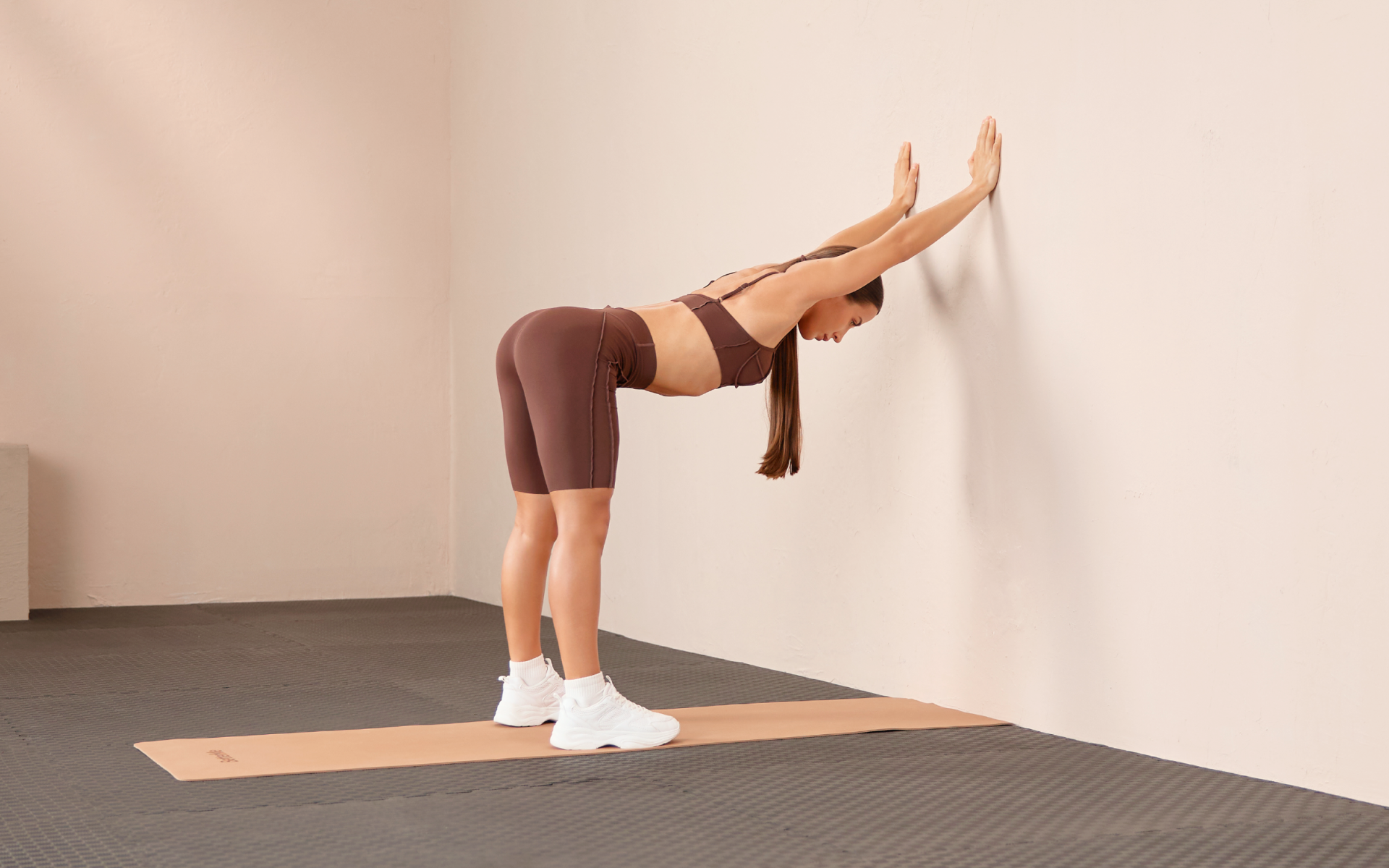
 Reviewed by