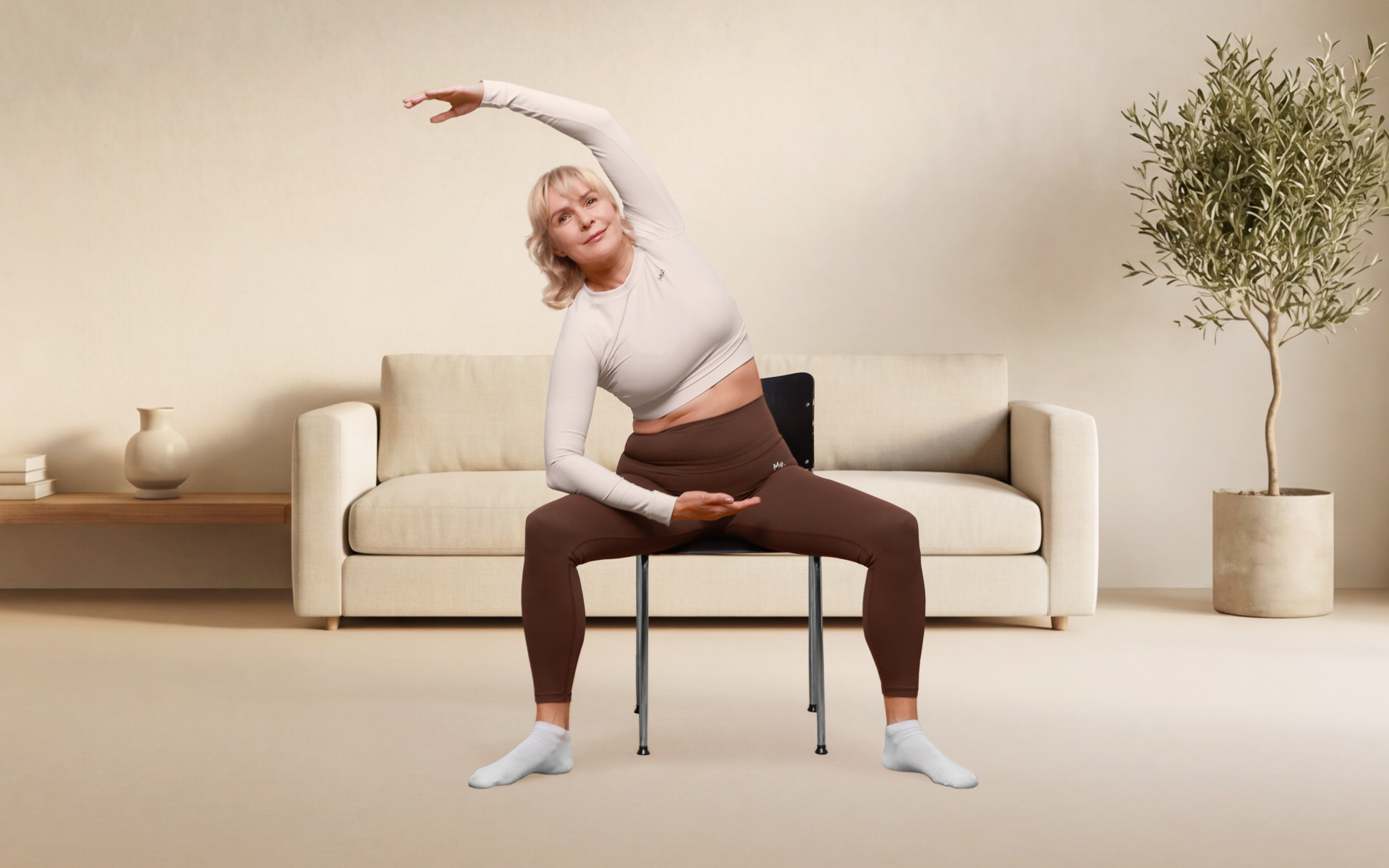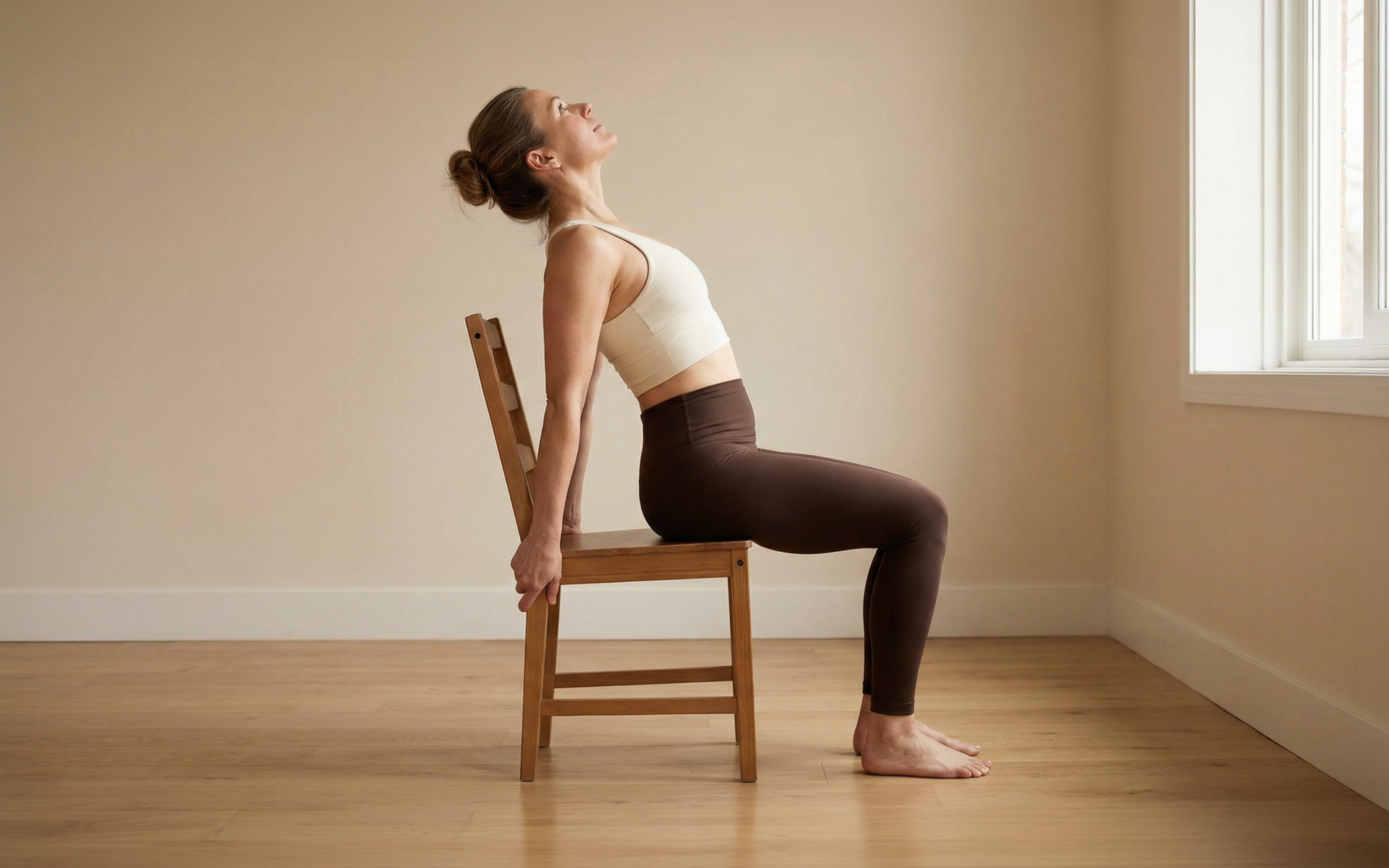
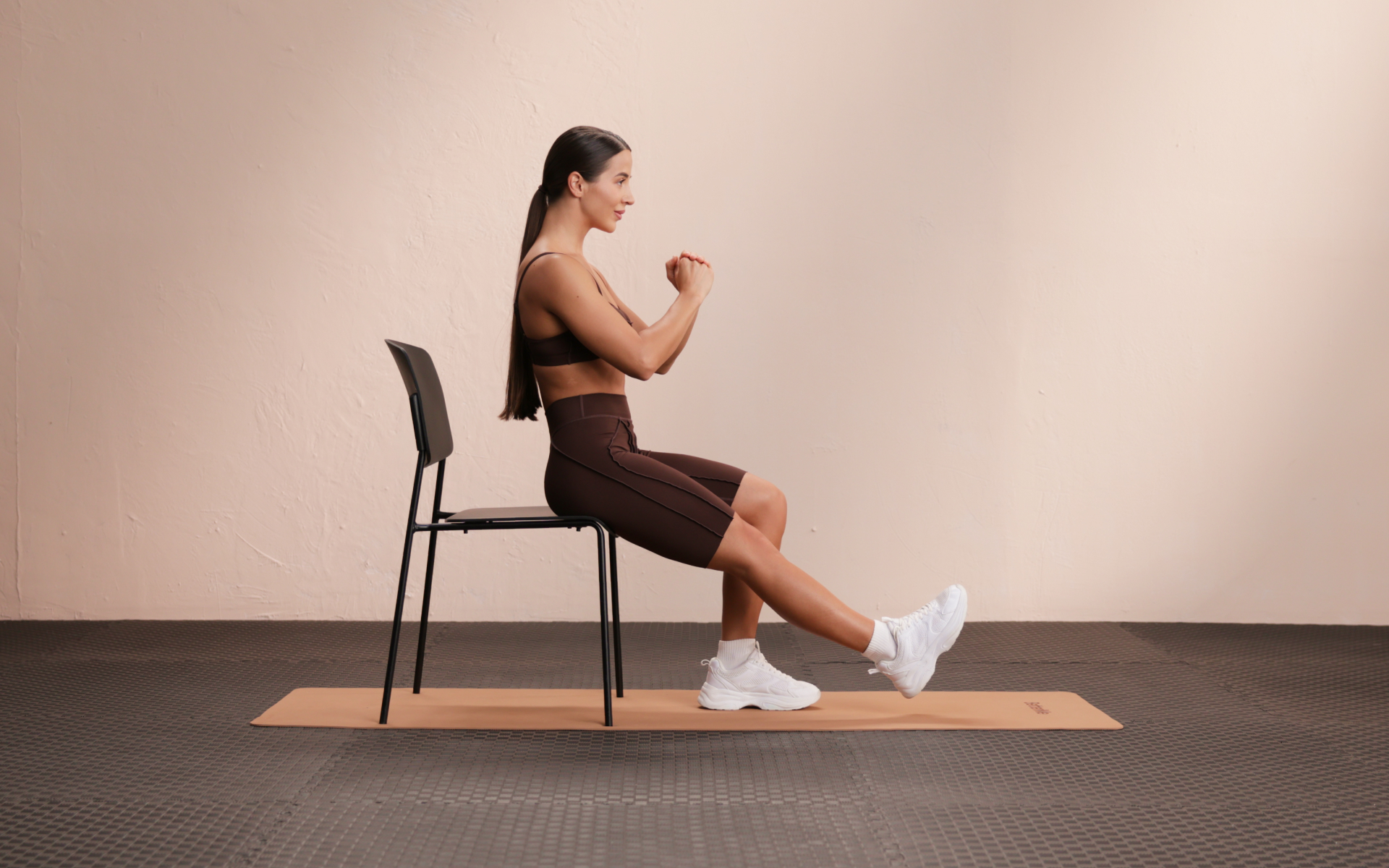
The seated forward fold stretch is a simple movement that is often used to support flexibility and help you slow down after a workout or a long day of sitting. There are several variations of this stretch, from beginner-friendly chair-based options to more advanced floor versions.
But how do you properly perform a seated forward fold stretch? In this guide, you’ll learn the basic steps, common mistakes to avoid, potential benefits of the movement, and when a forward fold may need to be modified.
What Is the Seated Forward Fold Stretch?
The seated forward fold stretch is a yoga move where a person bends forward while seated, lengthening the back of the body and often creating a more relaxed feeling.
How Do You Perform the Seated Forward Fold Stretch?
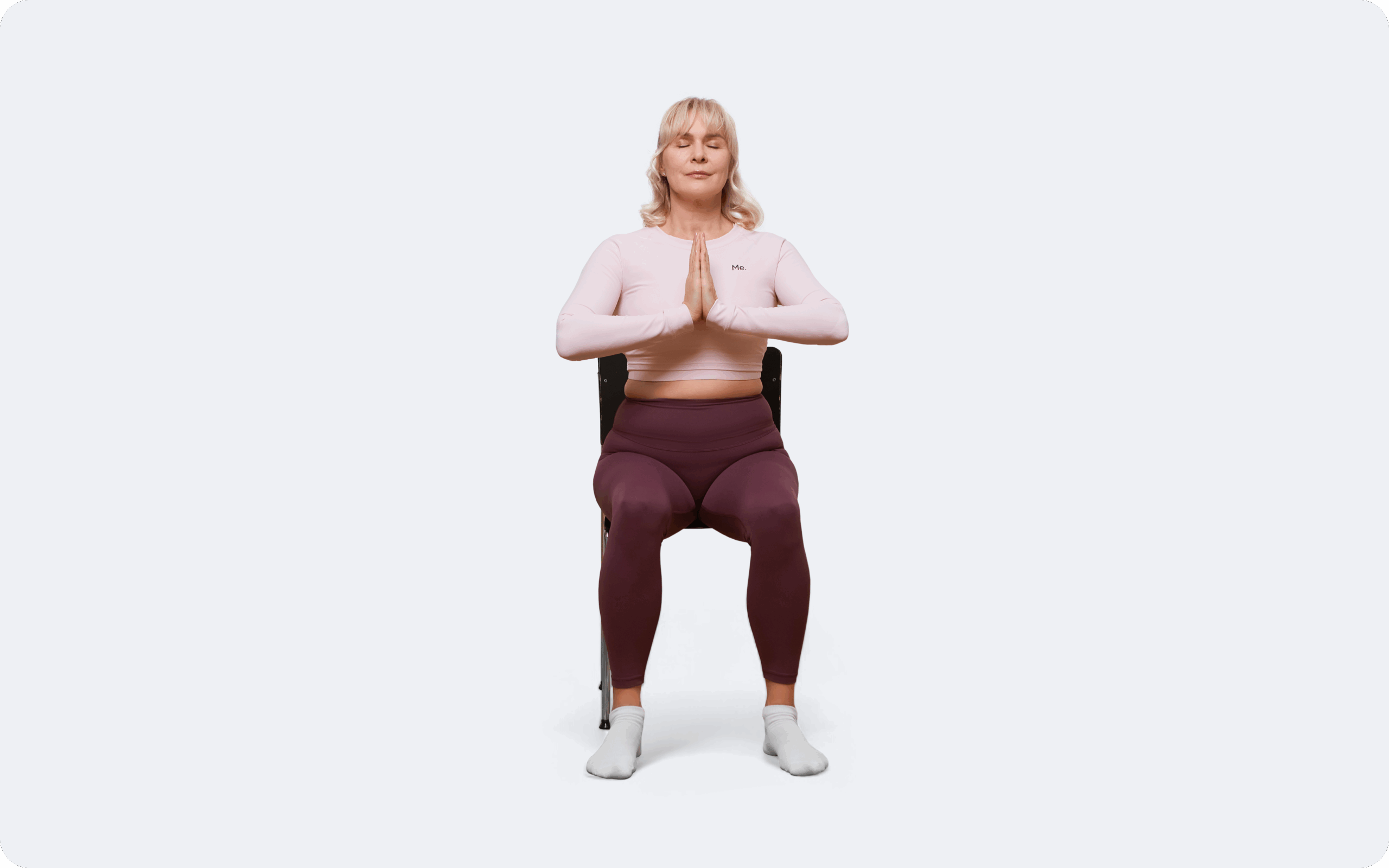
A seated forward fold stretch for beginners can be a simple way to explore gentle mobility work. Here’s a quick step-by-step guide on how to move comfortably and with control:
- Sit on the edge of a chair with your feet flat on the floor, about hip-width apart.
- Rest your hands on your knees. Inhale deeply and lengthen your spine to sit tall.
- On the exhale, draw your belly button toward your spine and begin to fold forward, bending your elbows.
- As you bend forward, lead with your chest, keeping your head aligned with your shoulders.
- Focus on maintaining a flat back, keeping your sit bones on the chair, and your feet grounded.
Stretching after training, or even as a standalone session, doesn’t necessarily have to take long. A 10-minute stretch routine may help ease feelings of tightness, support mobility, and fit easily into your day.
Is Leaning Forward While Sitting a Good Stretch?
Yes, leaning forward while sitting may feel like a good stretch when you do it with proper form and within a comfortable range. It may support flexibility and mobility by stretching your:
- Hamstrings
- Lower back
- Calves
This stretch may help ease feelings of tightness around the hips and support better posture over time. It can fit well into a weekly movement routine, particularly when paired with short standing or walking breaks. This may support mobility and help you feel more refreshed.
Read more: 8 Chair Stretching Exercises For The Elderly
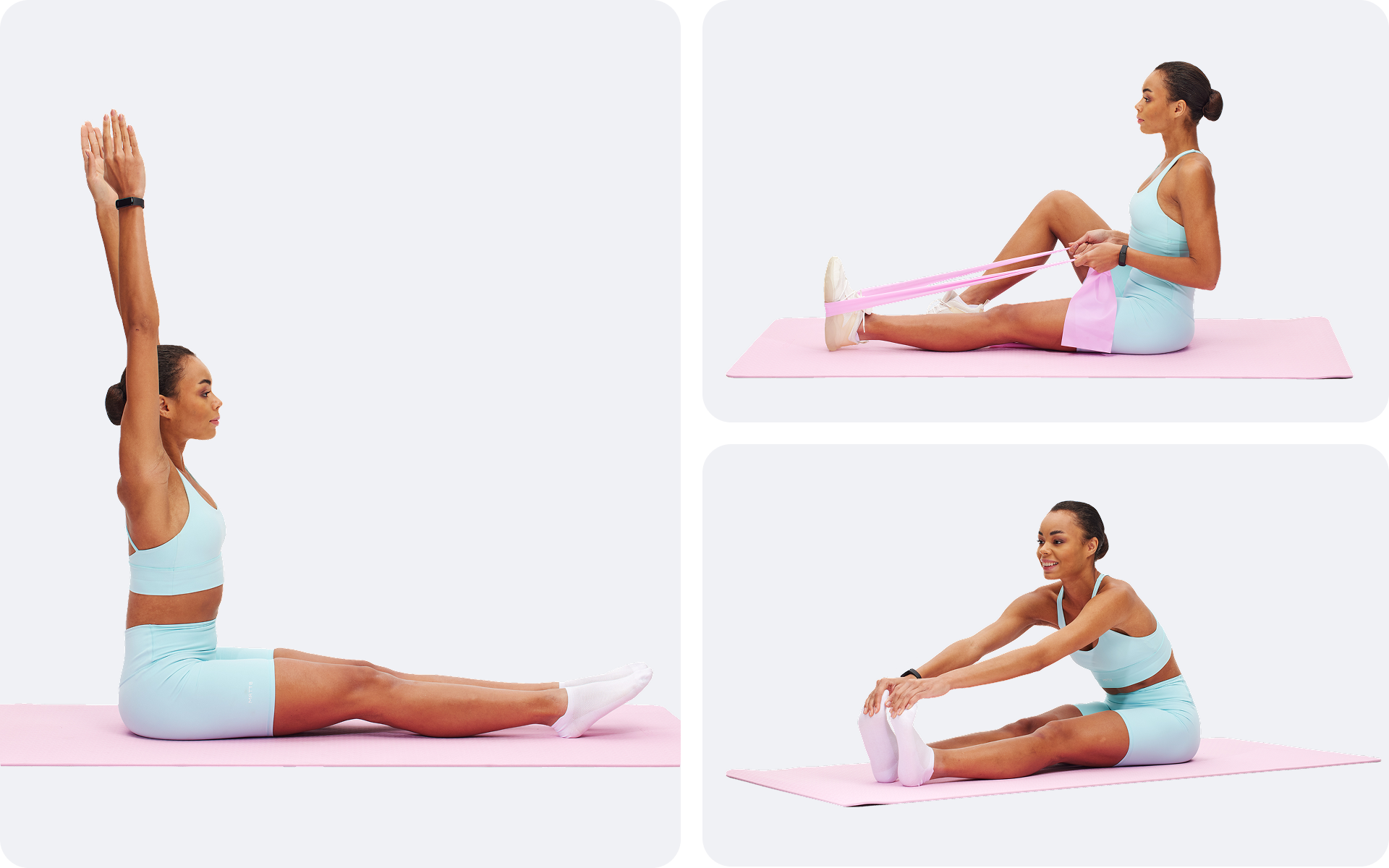
How to Do an Advanced Seated Forward Fold Stretch
Earlier, we covered a gentler chair-based version of the seated forward fold. Now, let’s move to a more advanced version performed on the floor.
Instructions:
- Sit on the floor with your legs extended straight in front of you. Keep your back tall and feet flexed. You may slightly bend your knees if keeping them straight feels too intense.
- On an inhale, raise your arms overhead to lengthen your spine.
- Exhale and hinge forward from your hips, not your waist.
- Slide your hands down your legs toward your shins, ankles, or feet (depending on your flexibility).
- Keep your spine long; avoid rounding your shoulders.
- Relax your neck and breathe slowly for 10-15 seconds.
- Inhale and gently return to an upright seated position.
You can also make it feel more manageable by trying a seated wide-legged forward fold, with your legs set wider than shoulder-width apart.
Whether you’re looking to simply pep up your fitness routine, jazz up your diet with mouth-watering low-calorie recipes or want to get your act together and significantly drop that number on your scale – BetterMe: Health Coaching app has got you covered! Improve your body and revamp your life!
What Are the Benefits of Forward Folds?
The seated forward fold stretch is commonly used to support flexibility and create a sense of ease after movement. One study found that practicing the seated forward bend yoga pose (Paschimottanasana) offers mental, physical, and emotional benefits.
Some sources suggest that seated forward folds may (1):
- Support circulation
- Help some people feel less stressed
- Improve digestion
The review also describes how the seated forward stretch engages different areas of the body:
- It stretches the hamstrings
- It promotes overall mobility by involving hip flexion, which lengthens the muscles around your hips
- It promotes flexibility in the lower back and spine
How Long Should I Hold the Seated Forward Bend?
For a seated forward fold, try to hold each stretch for 20-60 seconds (depending on your experience and comfort level). Newbies can start with shorter holds of up to 20 seconds, while advanced practitioners may go longer to deepen the stretch.
Most importantly, focus on steady breathing, keeping your spine long.
Regarding the seated forward fold stretch for seniors, the hold time may be shorter. Beginners can hold a bend for 10-15 seconds, keeping a light bend in the knees, if needed. More experienced older adults can extend the hold time as long as the stretch feels comfortable and manageable.
What Are Some Common Mistakes with a Seated Forward Fold?
Common mistakes when doing a seated forward fold stretch yoga include:
Mistake #1: You may be rounding your lower back instead of hinging at your hips. This can place strain on your back.
Mistake #2: You could be locking your knees. You could be locking your knees. This can put extra pressure on the joints.
Mistake #3: You may be forcing your stretch. If you push too far, this can lead to discomfort. Move only until you feel light tension, and keep the stretch within a comfortable range.
Mistake #4: You could be holding your breath. Steady breathing can make the stretch feel more controlled and comfortable.
Mistake #5: You may be misaligning your head and shoulders. Instead, lift your chest and keep your head in line with your shoulders for a more comfortable position.
Are you aiming to stretch other parts of your body, such as your thighs? You can also try a thigh stretch Pilates session between workouts.
Read more: 6 Seated Leg Exercises for Seniors to Build Strength
Why Can’t I Still Do a Sitting Forward Fold?
Are you struggling with a seated forward fold, even when exercising regularly? You’re not alone. Several factors may play a role:
- Tight hamstrings
- Weak core muscles
- Poor posture
- Hip inflexibility
- Lower back stiffness
- Long periods of sitting
Trying to force the stretch may make it feel more uncomfortable. Remember, flexibility develops gradually. Pairing it with other activities such as Pilates or yoga may support mobility and body awareness.
Focus on hinging from your hips, keeping your spine long, and steady breathing. Pairing it with other activities such as double-leg stretch Pilates or yoga can boost mobility and improve body alignment.
When Should You Avoid Forward Folds?
Forward folds are manageable for many people, but they may not feel right in every situation. However, there are situations where a forward fold may need to be modified or skipped. These cases are:
- Ongoing lower back discomfort or a past back strain. In those cases, folding forward may feel less comfortable.
- Pregnancy. During pregnancy, especially in the later stages, forward folds often need to be adjusted for comfort.
- Certain conditions. If you tend to feel dizzy when bending forward, this position may feel uncomfortable for you.
Pro tip: If the movement feels uncomfortable, stop and choose a different variation. Gentler variations and props can make forward folds feel more manageable.
Frequently Asked Questions
Why is the seated forward fold so hard?
It may be difficult as it challenges your hamstrings, lower back, and hips. If you have tight muscles, poor posture, or a weak core, hinging from the hips may feel difficult and uncomfortable.
Is a seated forward fold good for back muscles?
It can engage the muscles along the back while also stretching the back of the body. For some people, regular practice may support flexibility and body awareness.
Can a seated forward fold improve flexibility?
It might. Practicing the seated forward fold on a regular basis may help improve flexibility in the backs of your legs and lower back.
What muscles are used in a seated forward fold?
The seated forward fold involves the hamstrings, calves, muscles along the back, hip flexors, and core. These areas work together to support the position.
Will seated forward folds help you sleep?
Some research has suggested that yoga may be associated with better sleep quality for some people (2). The seated forward fold may feel calming for some people, which is why they choose to include it in a slower evening routine.
What should I avoid during forward folds?
Avoid rounding your lower back, locking your knees, holding your breath, forcing the stretch, or allowing your head and shoulders to fall out of line.
The Bottom Line
In this guide, you’ve learned how to properly perform a seated forward fold stretch. Steady breathing and good form are the keys to performing a forward fold comfortably and with control. When this move is done with good form, it may support flexibility and help you slow down after activity.
If you have ongoing back discomfort or any concerns regarding how this movement feels for your body, it may be best to check with a qualified healthcare professional before you try it.
DISCLAIMER:
This article is intended for general informational purposes only and does not serve to address individual circumstances. It is not a substitute for professional advice or help and should not be relied on for making any kind of decision-making. Any action taken as a direct or indirect result of the information in this article is entirely at your own risk and is your sole responsibility.
BetterMe, its content staff, and its medical advisors accept no responsibility for inaccuracies, errors, misstatements, inconsistencies, or omissions and specifically disclaim any liability, loss or risk, personal, professional or otherwise, which may be incurred as a consequence, directly or indirectly, of the use and/or application of any content.
You should always seek the advice of your physician or other qualified health provider with any questions you may have regarding a medical condition or your specific situation. Never disregard professional medical advice or delay seeking it because of BetterMe content. If you suspect or think you may have a medical emergency, call your doctor.
 Reviewed by
 Reviewed by