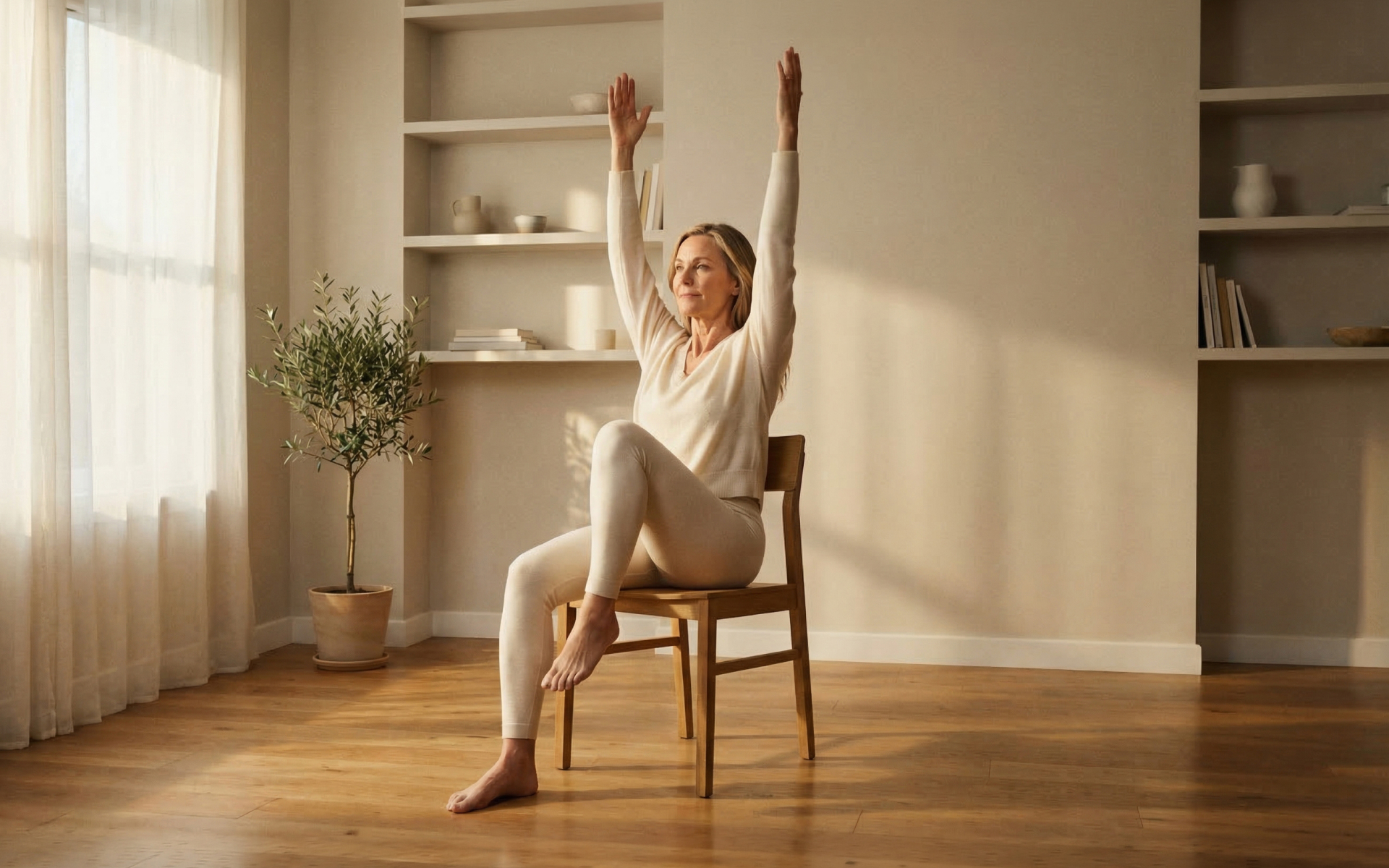
Do you ever feel like shifting weight and reaching out for something while being seated isn’t as easy for you as it was before? If you’re blaming it all on aging and not doing anything about it, this could be a mistake. There’s plenty you can do to counteract the diminishing balance in your body.
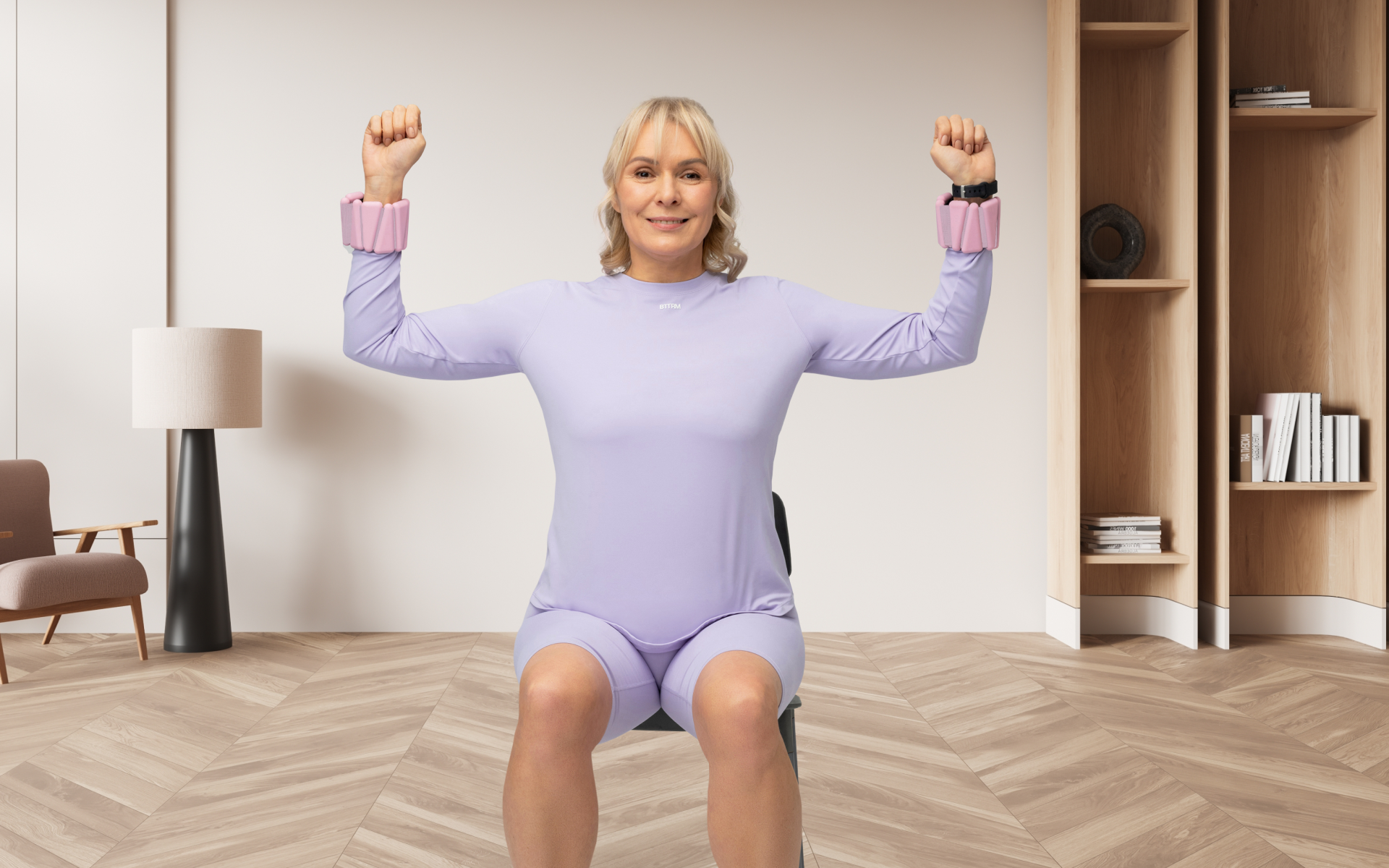
Seated balance exercises have emerged as a regimen that can help you regain and sustain your balance. You can still achieve improved stability and enhanced coordination while seated. These are particularly preferred for seniors or people recovering from injuries.
Regular practice of chair exercises for balance can gradually improve your posture and overall stability, and as your strength and coordination develop, everyday movements may start to feel easier. You won’t be afraid to do the usual tasks as your balance is now likely to be much steadier.
What Are Stable Seated Balance Exercises?
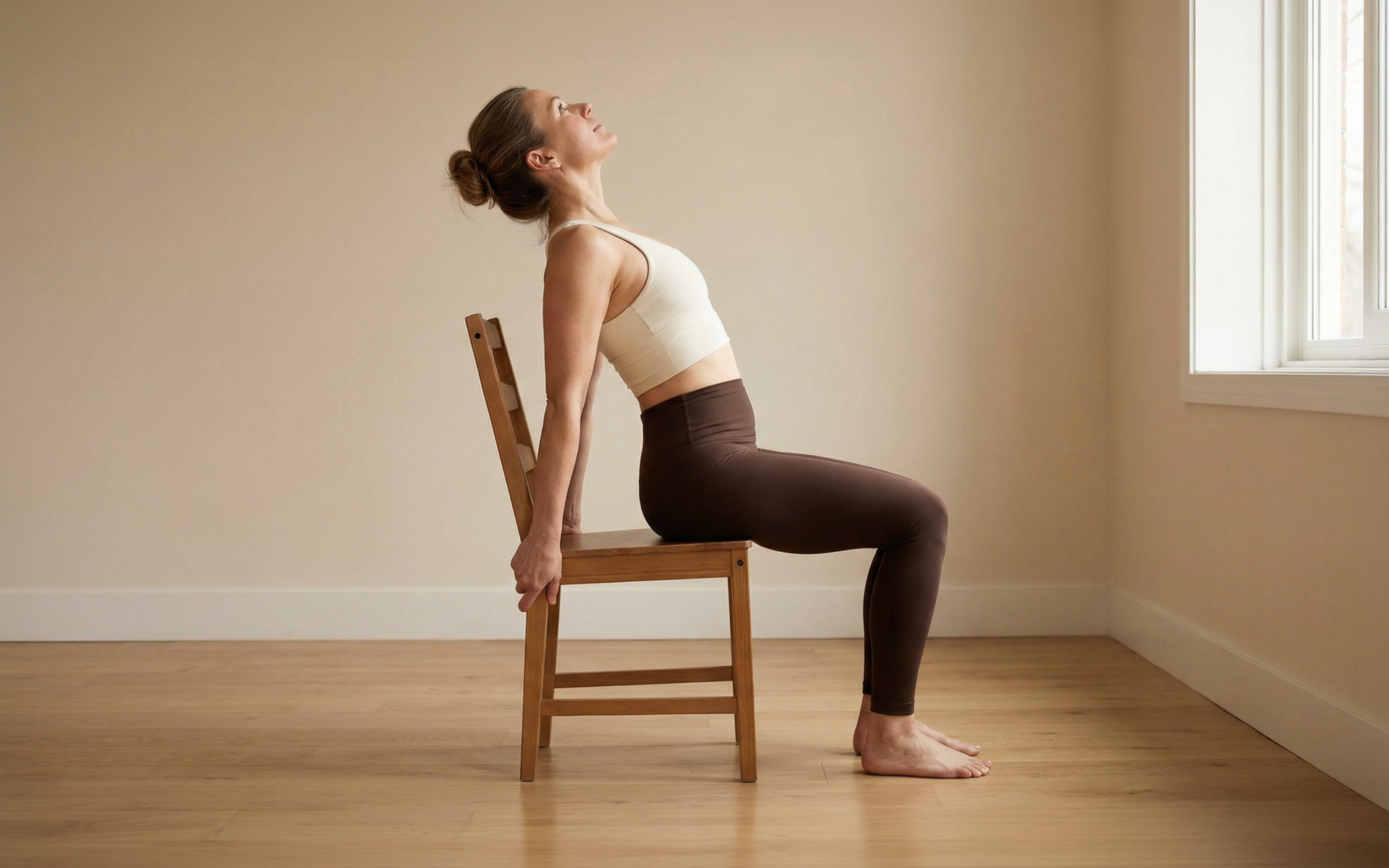
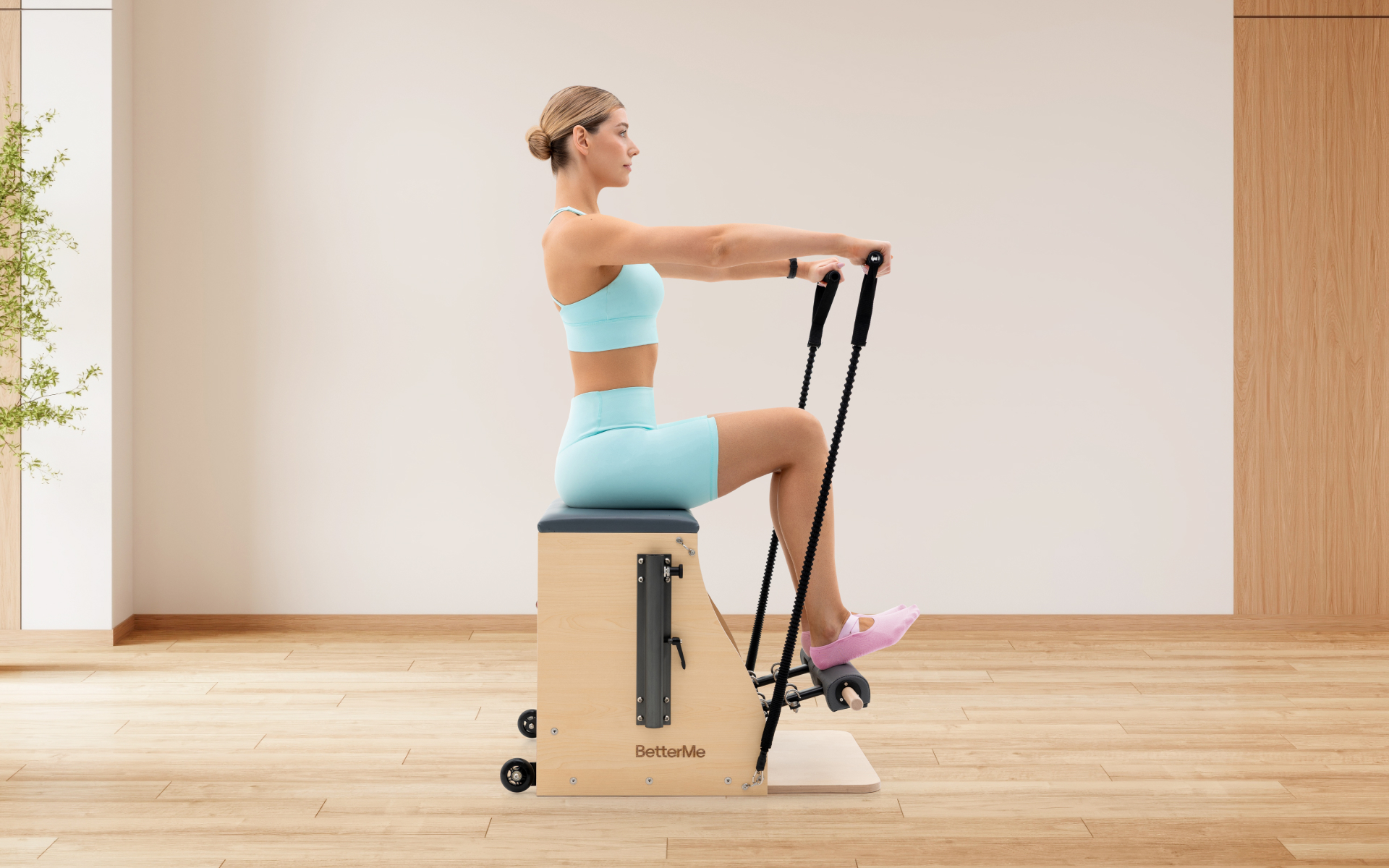
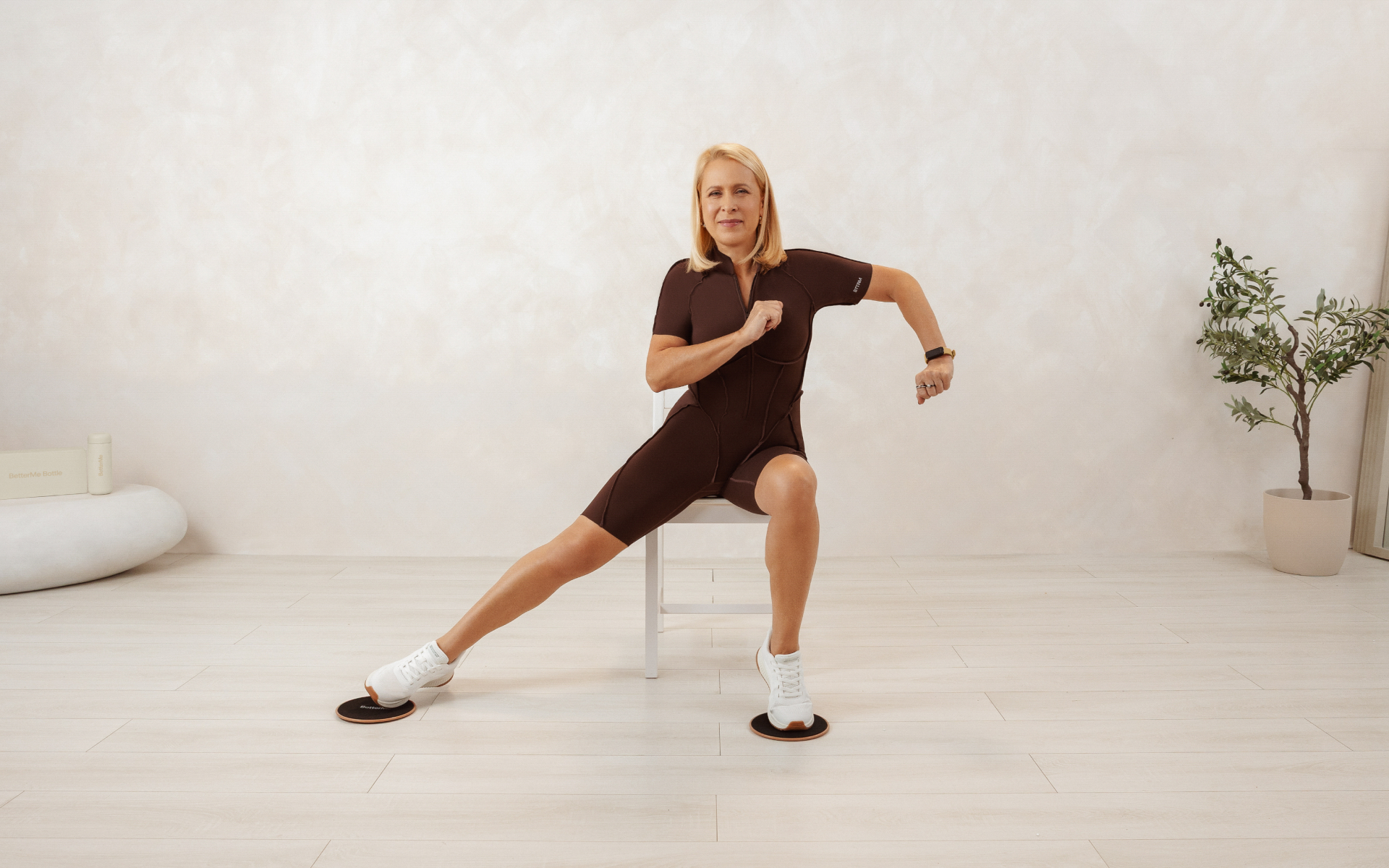
When we talk about dynamic sitting balance exercises, we mean movements that can be done while sitting on a firm, flat surface. This could be a sturdy chair or a workout bench that can also help you build your balance.
These movements focus on how your body’s center of gravity works with your base of support (the area where your thighs and feet touch the surface) (1, 2). Because you remain seated, the body can focus more clearly on the core muscles, which include the transverse abdominis, multifidus, and pelvic floor. Together, they can help keep your body stable and controlled.
The Science of Active Sitting
The main goal of seated balance training is to improve control over postural sway.
Even when you are sitting, your body constantly makes small adjustments to keep you upright and steady. Seated exercises build on this natural process by encouraging you to gently shift your weight or reduce the number of points that touch the floor, thereby challenging your stability.
Research also supports their effectiveness. A randomized controlled trial from 2015 found that adding core stability exercises to regular physiotherapy significantly improved dynamic sitting balance. In addition, trunk control and daily functional activities in stroke patients were also slightly better (3). This suggests that seated exercises can effectively strengthen the core and improve overall balance.
Why It Matters
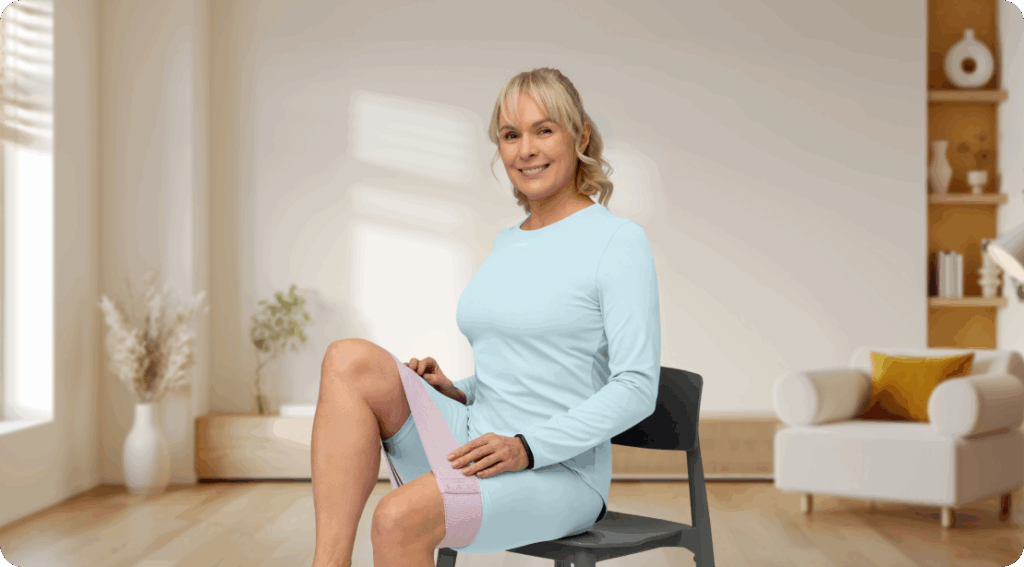
The need for simple and accessible balance exercises for seniors is more important than ever.
Statistics show that falls are the second leading cause of unintentional injury deaths worldwide (4). Many people think that falls only happen while standing or walking. However, many of them actually occur during transfers, such as moving from sitting to standing or sitting down again. That’s why improving stability while seated matters so much. It can build the basic strength and control that are needed to handle these movements safely.
Research has also shown that targeted balance training can reduce fall rates by nearly 24% in high-risk groups (5).
Whether you’re a workout beast or just a beginner making your first foray into the world of fitness and dieting – BetterMe has a lot to offer to both newbies and experts! Install the app and experience the versatility first-hand!
What Makes Seniors Lose Their Balance?
Seniors often lose their balance due to several body systems that control stability being affected. When any of these systems declines, maintaining stability becomes more difficult.
Below are the main reasons why balance problems become more common in older adults.
- Loss of Muscle Strength (Sarcopenia)
As people age, they naturally lose muscle mass and strength, particularly in the legs and core. This condition, which is called sarcopenia, can reduce the body’s ability to stabilise itself when walking, standing, or changing positions. Weak muscles also slow down the body’s response when a person trips or slips.
A 2024 study found that balance ability declines more rapidly with age than other physical measures, such as grip strength or walking speed (6). The study also highlighted that simple balance tests, such as standing on one leg, can reveal early signs of aging-related instability.
- Inner Ear Changes
The vestibular system in the inner ear helps the brain understand body position and movement (7). As we age, the tiny sensory cells in this system begin to deteriorate. This can make it harder for the brain to detect movement and maintain equilibrium.
- Nervous System Changes
Aging slows down the communication between the brain and muscles. Reaction times become slower, so seniors may not be able to correct their posture quickly when they stumble (8). Changes in nerve function can also reduce proprioception, which is the body’s sense of position in space (9).
Generally, seniors tend to lose balance as several body systems gradually weaken with age. Muscles deteriorate, the inner ear and vision decline, and reflexes slow down. Health conditions and certain medications can also affect coordination. Consequently, the body cannot respond as quickly to shifts in movement, increasing the risk of instability and falls.
Read more: Chair Yoga Camel Pose: How to Do It
Can an Elderly Person Regain Their Balance?
Yes, seniors can improve their balance.
We now know that aging naturally affects strength and balance. However, most older adults can still regain enough stability to move safely and stay independent.
One study found that performing simple balance exercises at least 3 days per week can improve balance and reduce fall rates in older adults who have experienced falls (10). Adults should be encouraged to continue working out – they can opt for yoga for balance for seniors or chair exercises for balance.
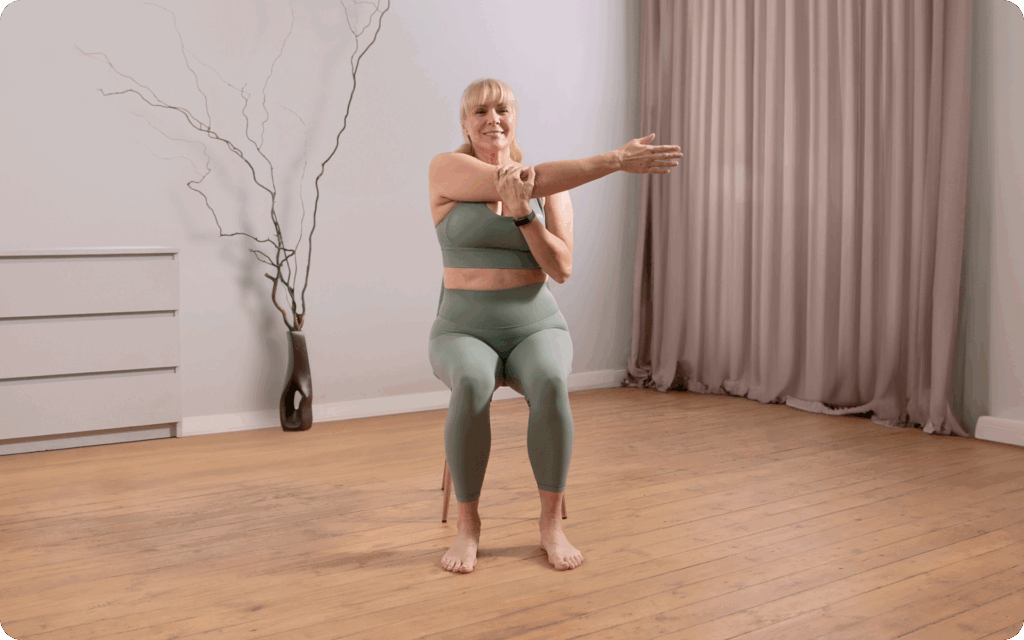
Either way, the motive is to move those muscles so they stay strong.
Often, the first step is getting help from a physical therapist or balance specialist. These professionals can assess the cause of instability and recommend targeted movements. Seniors who are dealing with dizziness or inner-ear issues may also benefit from vestibular rehabilitation therapy.
In addition to exercises, a few simple lifestyle changes can make everyday movement safer:
- Wear supportive footwear: Choose rubber-soled, non-slip shoes rather than socks or smooth slippers.
- Improve home safety: Install handrails and keep rooms well-lit, particularly hallways and staircases at night.
- Use mobility aids if needed: A cane or walker can provide extra stability on stairs or uneven surfaces.
A striking combination of balance exercises, professional guidance, and small safety adjustments can help many seniors avoid falls.
What Are Some Effective Seated Balance Exercises for Seniors?
Seated balance exercises train the body to maintain control while sitting, which can help with everyday movements such as standing up and turning around.
Below are a few exercises you can try:
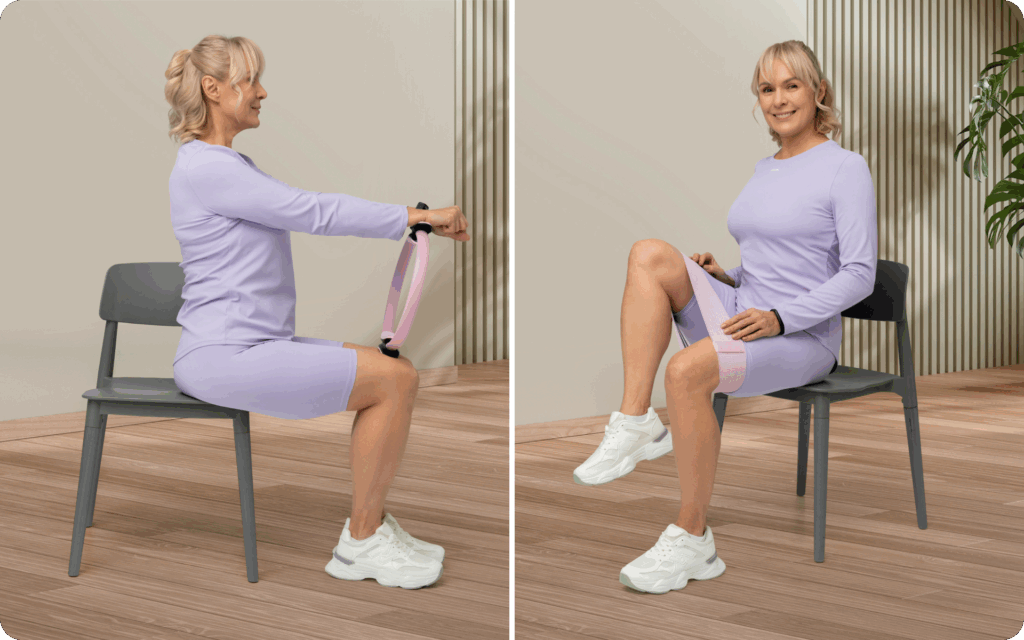
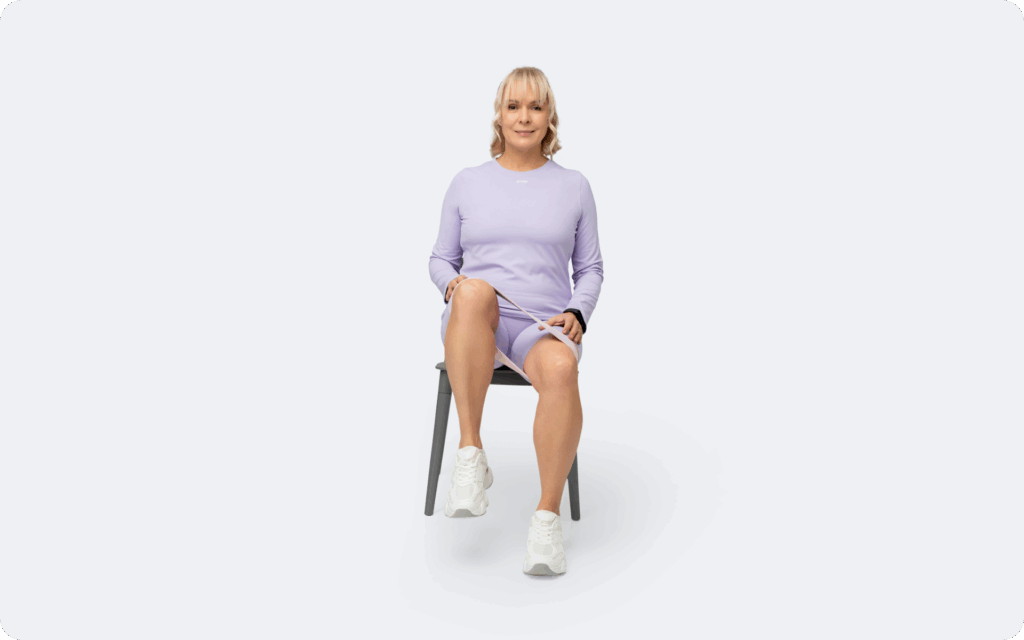
Seated Marching
- Sit upright on a sturdy chair with your feet flat on the floor.
- Lift your right knee slowly as if marching.
- Lower it back down and lift your left knee.
- Continue alternating legs for 10-15 repetitions.
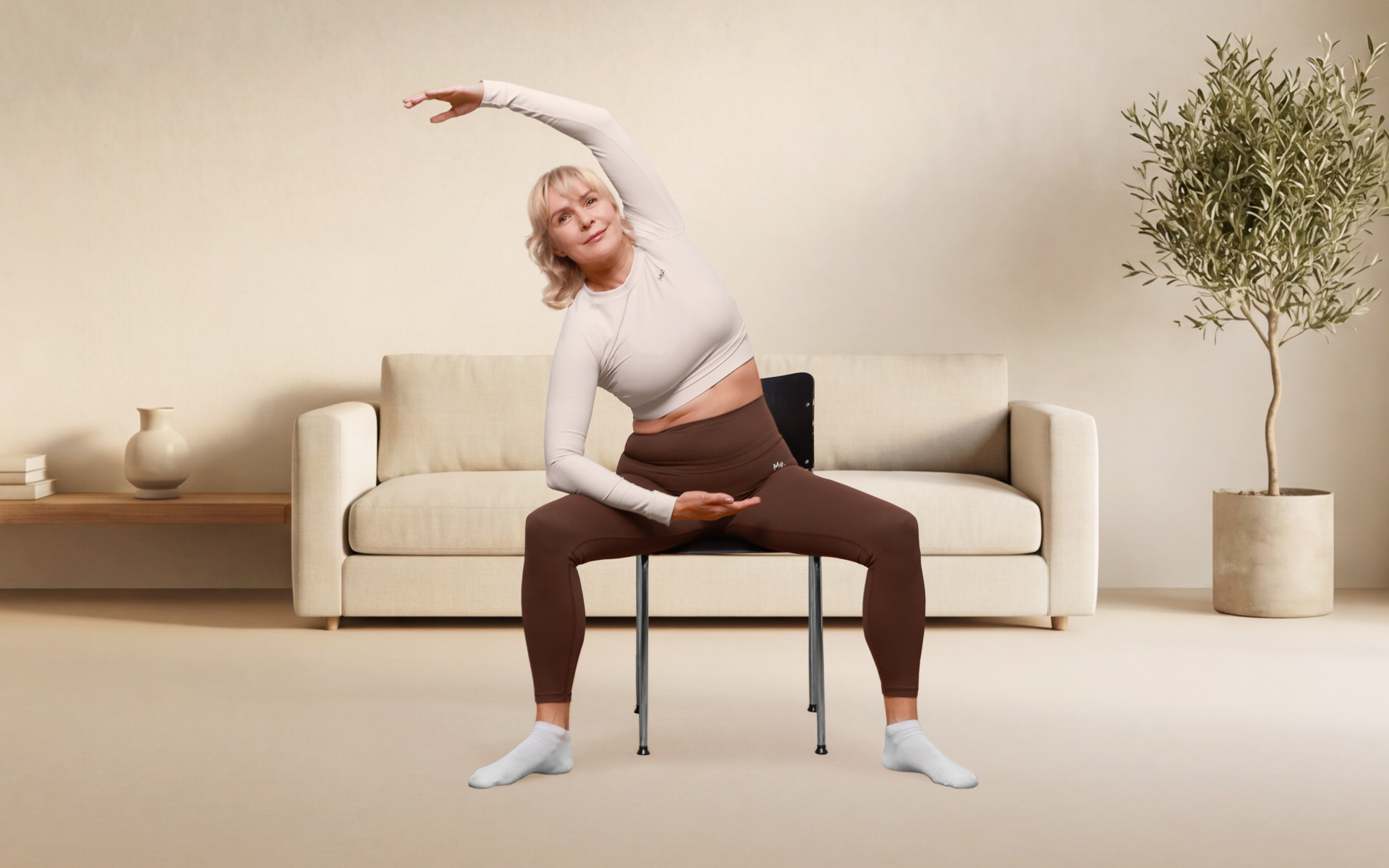
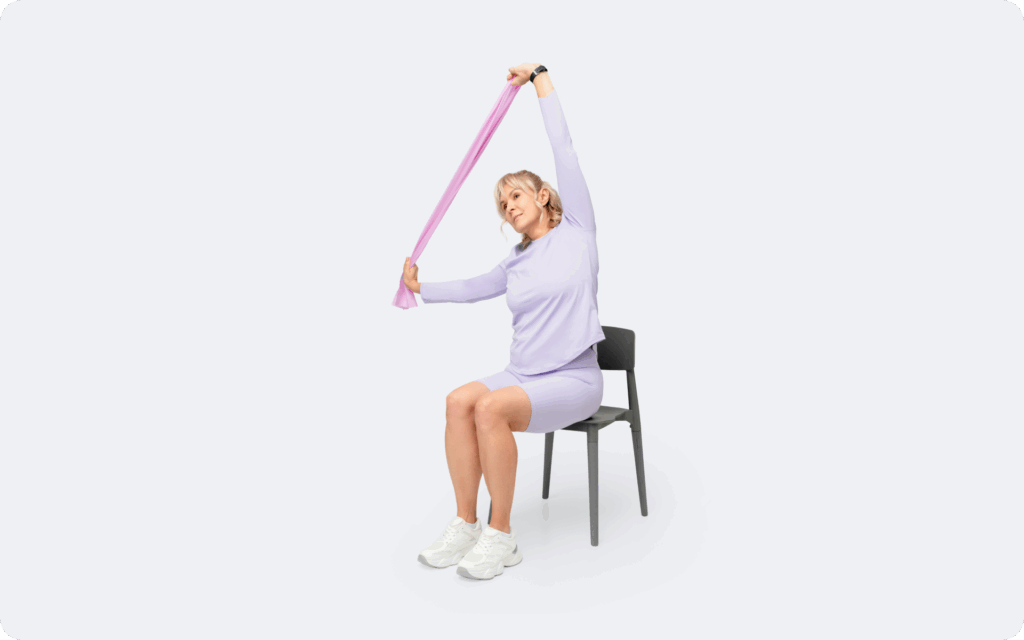
Seated Side Bends
- Sit tall with your feet shoulder-width apart.
- Place your right hand on the chair and raise your left arm overhead.
- Slowly bend your upper body to the right.
- Return to the center and repeat on the other side.
- Perform 8-10 repetitions per side.
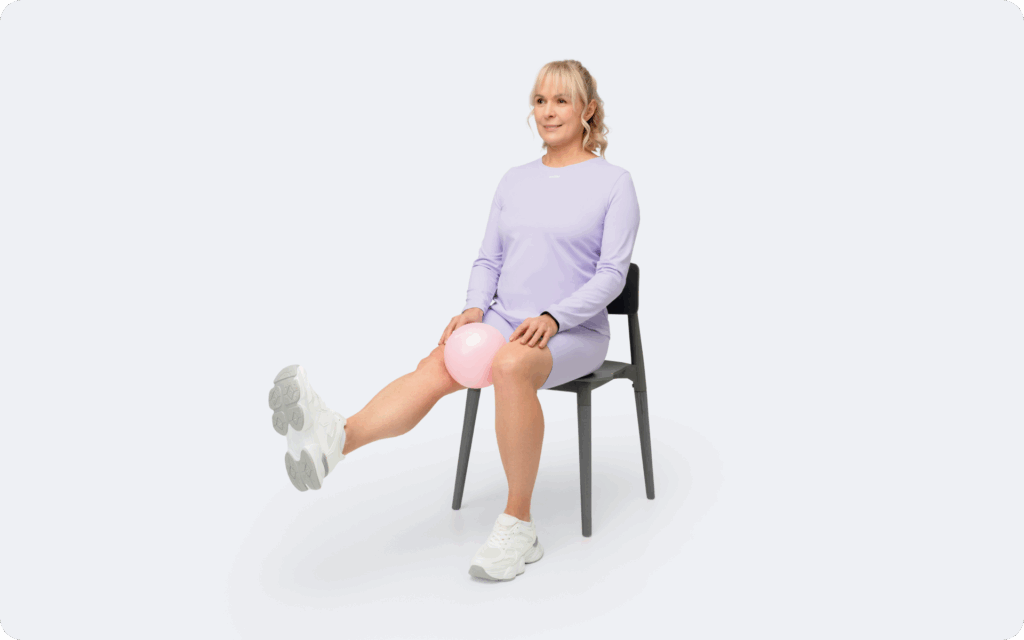
Seated Leg Extensions
- Sit with your back straight and your hands resting on the chair.
- Slowly extend your right leg until it’s straight.
- Hold for 2-3 seconds.
- Lower your leg and repeat with your left leg.
- Perform 10 repetitions on each side.
You can try these or look for some more chair exercise options. Don’t expect the results overnight. These are gentle exercises that may take time to show their positive results.
Read more: 9 Primarily Seated Lower-Back Exercises for Seniors
How Long Do Balance Exercises Take to Work?
Balance exercises usually take a few weeks to show noticeable improvements, but consistent practice over a longer period produces the best results.
According to one study, participants who performed structured balance exercises showed measurable improvements after about 6 weeks of training. In this study, participants completed balance exercises twice a week. Researchers noticed that their walking ability and balance performance improved by the end of the six-week intervention period (11).
At the same time, this research also states that longer programs lead to stronger and more lasting results. Balance training in older adults led to the conclusion that approximately 11-12 weeks of consistent training can improve overall performance.
This research clearly shows that one needs to practice seated exercises for a longer period to see visible results. You can also check out the top 10 balance exercises for seniors at home to learn moves that you can do without leaving your doorstep.
Reasons why BetterMe is a safe bet: a wide range of calorie-blasting workouts, finger-licking recipes, 24/7 support, challenges that’ll keep you on your best game, and that just scratches the surface! Start using our app and watch the magic happen.
Does Walking Improve Balance for Seniors?
Yes, absolutely.
Walking can be a great way for seniors to boost their balance. When you walk regularly, strength eventually develops in your muscles (12) – this can make it easier to stay steady whether you’re standing or changing direction.
It also helps with your gait and overall mobility. The more you walk, the better your body gets at coordinating your legs, core, and arms (13). This improved coordination can help your brain respond more quickly to shifts in your body. It points to the fact that you’re less likely to lose your balance.
So yes, those post-dinner strolls are definitely worth a try to get a better balance!
Balance problems can start in your 50s or 60s, but it varies depending on lifestyle, health, and activity level. Balance involves the brain, inner ear (vestibular system), eyes, muscles, and joints. They must all work together to keep you steady. Early signs may include frequent stumbling, feeling dizzy, unsteady walking, or difficulty standing from a chair. Any time works, but morning or early afternoon is often preferred. This is when energy levels are higher, and the body is alert. Opt for foods that are rich in calcium, vitamin D, magnesium, and protein. These may be leafy greens, dairy, nuts, and fish. A healthy 70-year-old should aim for about 5-10 seconds per leg. Consider gradually increasing with practice.Frequently Asked Questions
At what age do people start having balance issues?
Which part of the body controls balance?
What are the first signs of balance issues?
What is the best time of day to do balance exercises?
What should I eat for balance issues?
How long should a 70-year-old be able to balance on one leg?
The Bottom Line
The gist of this entire discussion is that seated balance exercises are your path to regaining the balance you feel is slowly withering away. Just find out what time works for you and what exercises should be a part of your routine. You can even look for new exercises when you feel bored.
And don’t forget, if you have a medical issue or you’re searching for these movements for a senior, you should talk to a professional to get insightful guidance.
DISCLAIMER:
This article is intended for general informational purposes only and does not serve to address individual circumstances. It is not a substitute for professional advice or help and should not be relied on for making any kind of decision-making. Any action taken as a direct or indirect result of the information in this article is entirely at your own risk and is your sole responsibility.
BetterMe, its content staff, and its medical advisors accept no responsibility for inaccuracies, errors, misstatements, inconsistencies, or omissions and specifically disclaim any liability, loss or risk, personal, professional or otherwise, which may be incurred as a consequence, directly or indirectly, of the use and/or application of any content.
You should always seek the advice of your physician or other qualified health provider with any questions you may have regarding a medical condition or your specific situation. Never disregard professional medical advice or delay seeking it because of BetterMe content. If you suspect or think you may have a medical emergency, call your doctor.
SOURCES:
- Centre of Gravity (n.d., physio-pedia.com)
- Evidence Supporting Balance Training in Healthy Individuals: A Systemic Review (2009, journals.lww.com)
- The effect of additional core stability exercises on improving dynamic sitting balance and trunk control for subacute stroke patients: a randomized controlled trial (2015, journals.sagepub.com)
- Falls (2021, who.int)
- Exercise for preventing falls in older people living in the community (2019, cochranelibrary.com)
- Age-related changes in gait, balance, and strength parameters: A cross-sectional study (2024, journals.plos.org)
- Biomechanical study of the vestibular system of the inner ear using a numerical method (2017, sciencedirect.com)
- Age-related increases in reaction time result from slower preparation, not delayed initiation (2022, journals.physiology.org)
- Mechanisms of proprioceptive realignment in human motor learning (2011, sciencedirect.com)
- Effectiveness of simple balancing training program in elderly patients with history of frequent falls (2011, dovepress.com)
- Effect of 6-Week Balance Exercise by Real-Time Postural Feedback System on Walking Ability for Patients with Chronic Stroke: A Pilot Single-Blind Randomized Controlled Trial (2021, mdpi.com)
- Effect of Brisk Walking on Health-Related Physical Fitness Balance and Life Satisfaction Among the Elderly: A Systematic Review (2022, frontiersin.org)
- Effects of Arm Swing in Lower Limb Muscle Activation and Coordination During Treadmill Walking (2024, researchgate.net)
 Reviewed by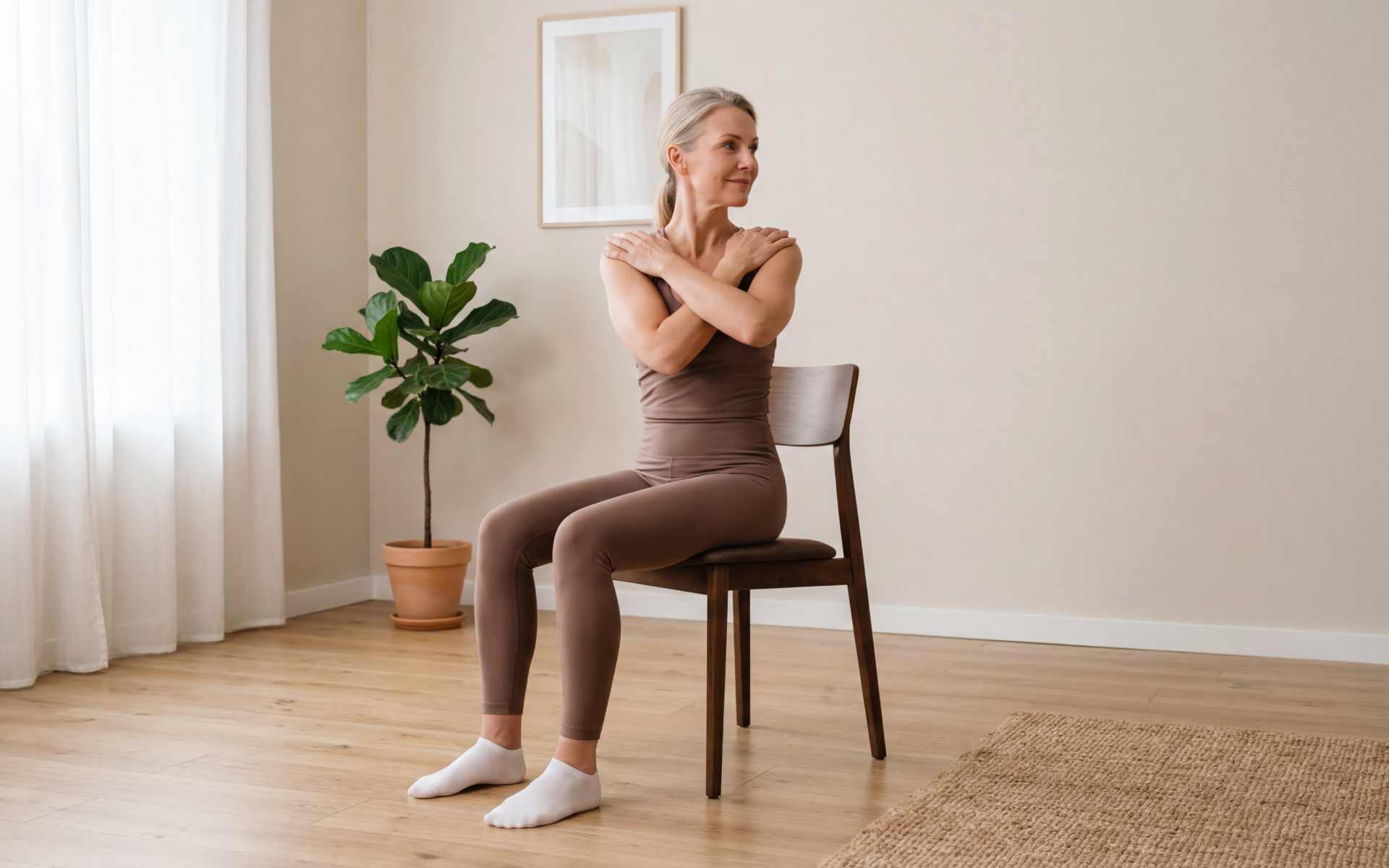
 Reviewed by