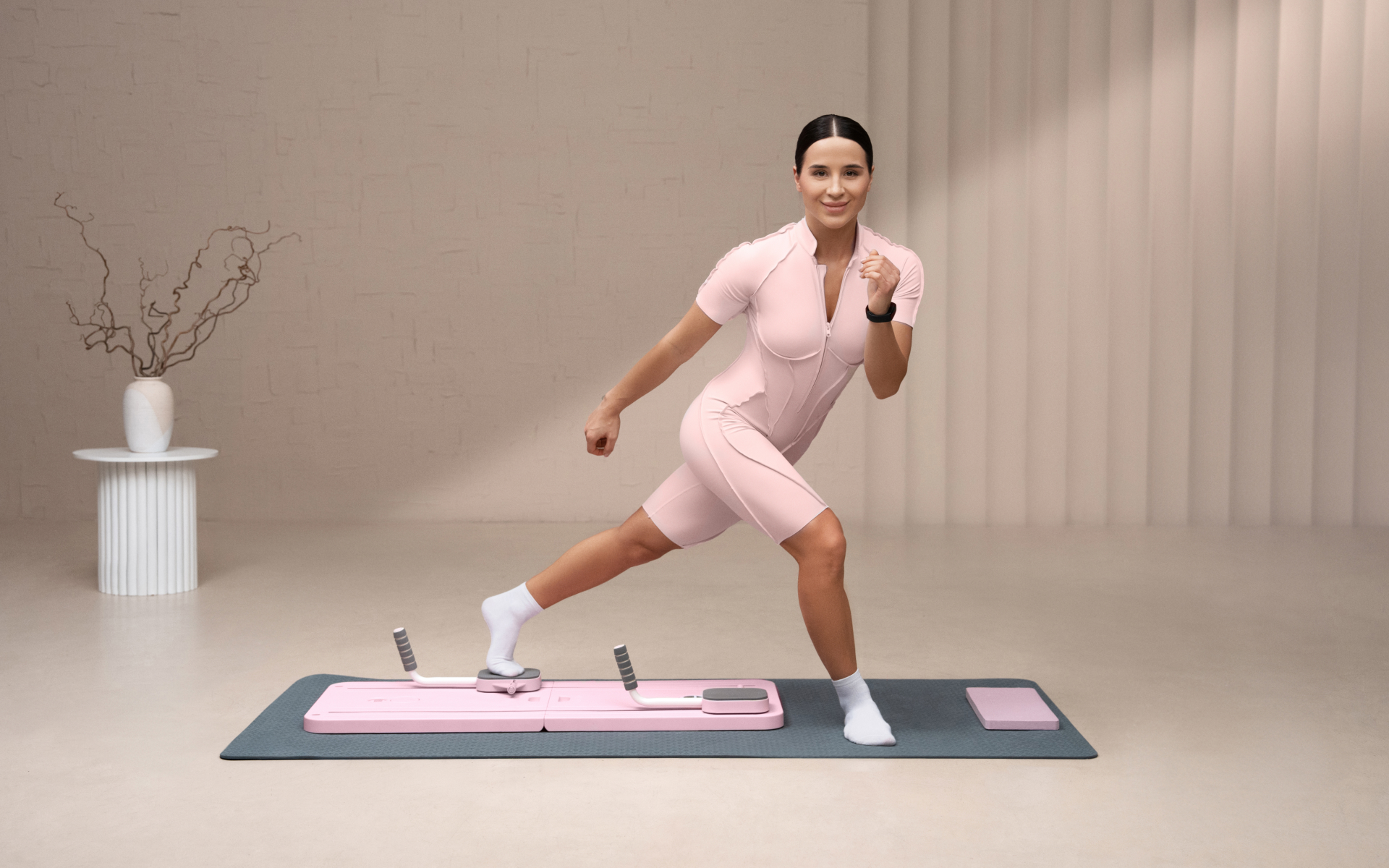
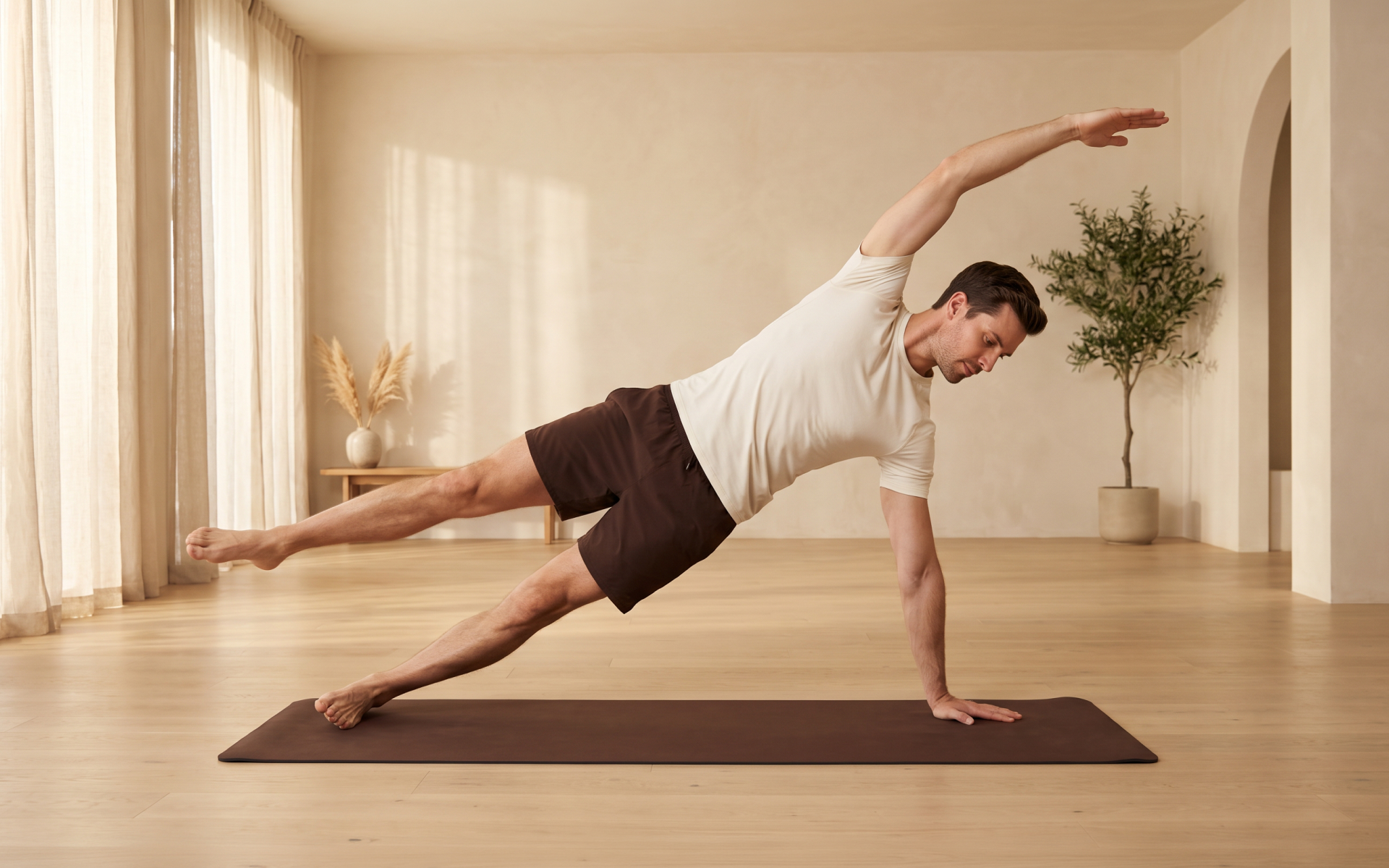
Pilates for men is a low-impact workout that focuses on core strength, flexibility, and postural alignment. While it’s often associated with women, men who do Pilates can experience improved functional fitness, better mobility, and enhanced athletic performance. It can be adapted for different fitness levels and done with or without equipment.
Are you getting bored with your usual workout routine? If you’re tired of doing the same mix of cardio and strength training, you might want to try a different approach to movement. Have you ever considered Pilates? If you want to know more about it, this article covers Pilates basics, the benefits of Pilates for men, and how to get started.
What Is Pilates?
Pilates is a form of low-impact exercise that aims to strengthen your muscles while supporting postural alignment and flexibility. It was created by a German anatomist called Joseph Pilates in the early 20th century. He believed physical and mental well-being to be closely connected, which influenced the development of this exercise routine.
In addition to being a low-impact workout, Pilates involves precise movements and stretching that may help you become more flexible. It can also be considered a strength-training exercise, as it helps build muscle endurance by using your own body weight as resistance (1).
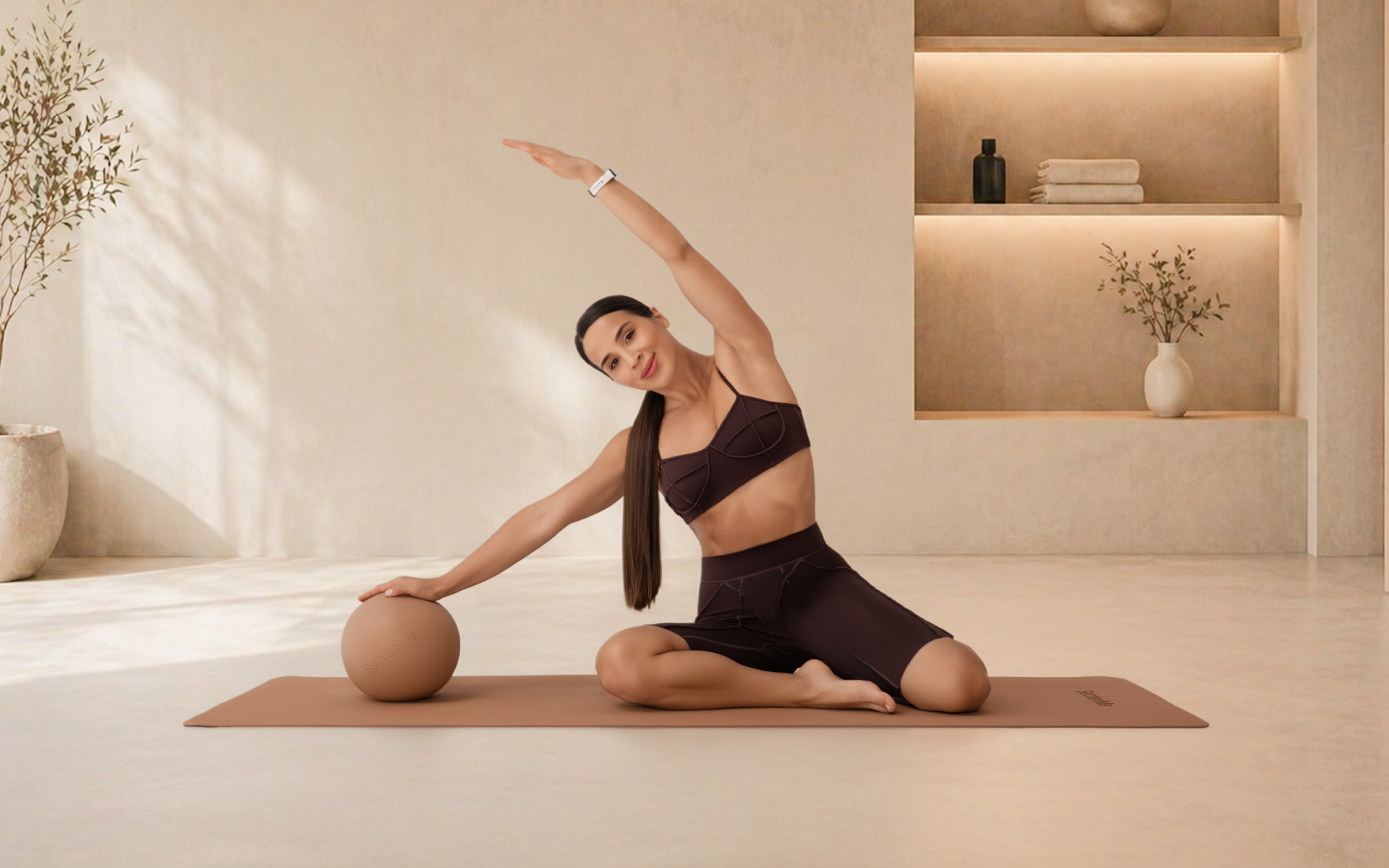
Pilates is a versatile workout that can be done in gyms, studios, or at home. You can do the exercises with or without equipment, depending on your preference and fitness level.
The movements in Pilates are generally slow, precise, and involve controlled breathing. Although it’s a full-body exercise, it’s mostly known for working the core. The core includes the lower back area, hips, and abdominals.
Pilates movements can be adapted to suit different experience levels and preferences. Its controlled, low-impact movements can engage the muscles without high-impact exercise (2).
Read more: Pilates Basics: A Guide On This Low-Impact Workout
Pilates Benefits for Men
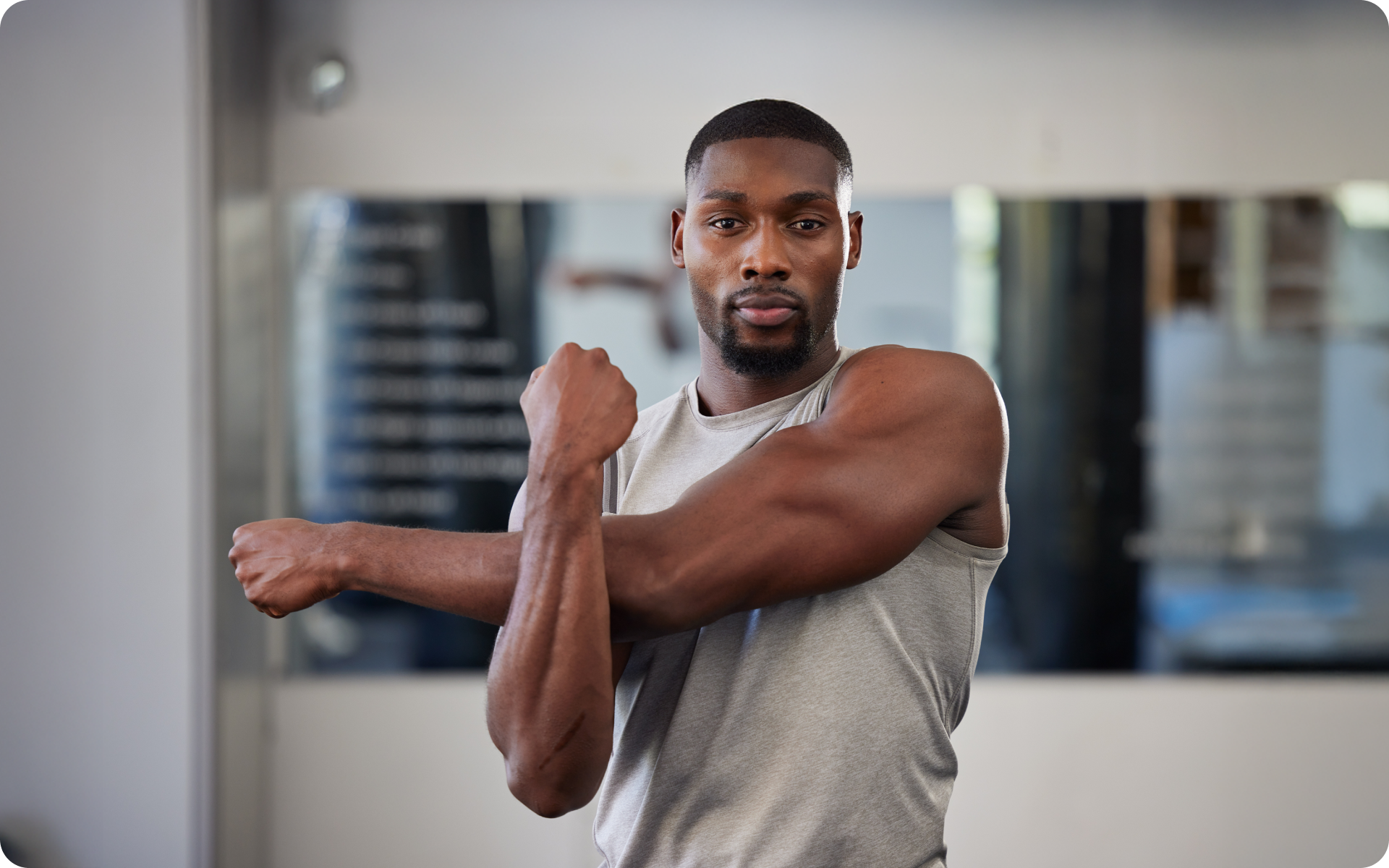
While Pilates is sometimes stereotyped as a workout for women, men can experience significant advantages from regular practice. Here are some of the key benefits:
Supports Core Strength
A strong core is essential for everyday activities and athletic performance. Pilates-based core stabilization training has been shown to improve core muscle function, including the activation of deep stabilizing muscles (3). This can make movements such as bending, lifting, and twisting more manageable in daily life.
For athletes, improved core stability is often associated with greater endurance and reduced risk of strain during training. A strong core also supports better balance, which is useful in a wide range of sports and activities.
May Improve Posture
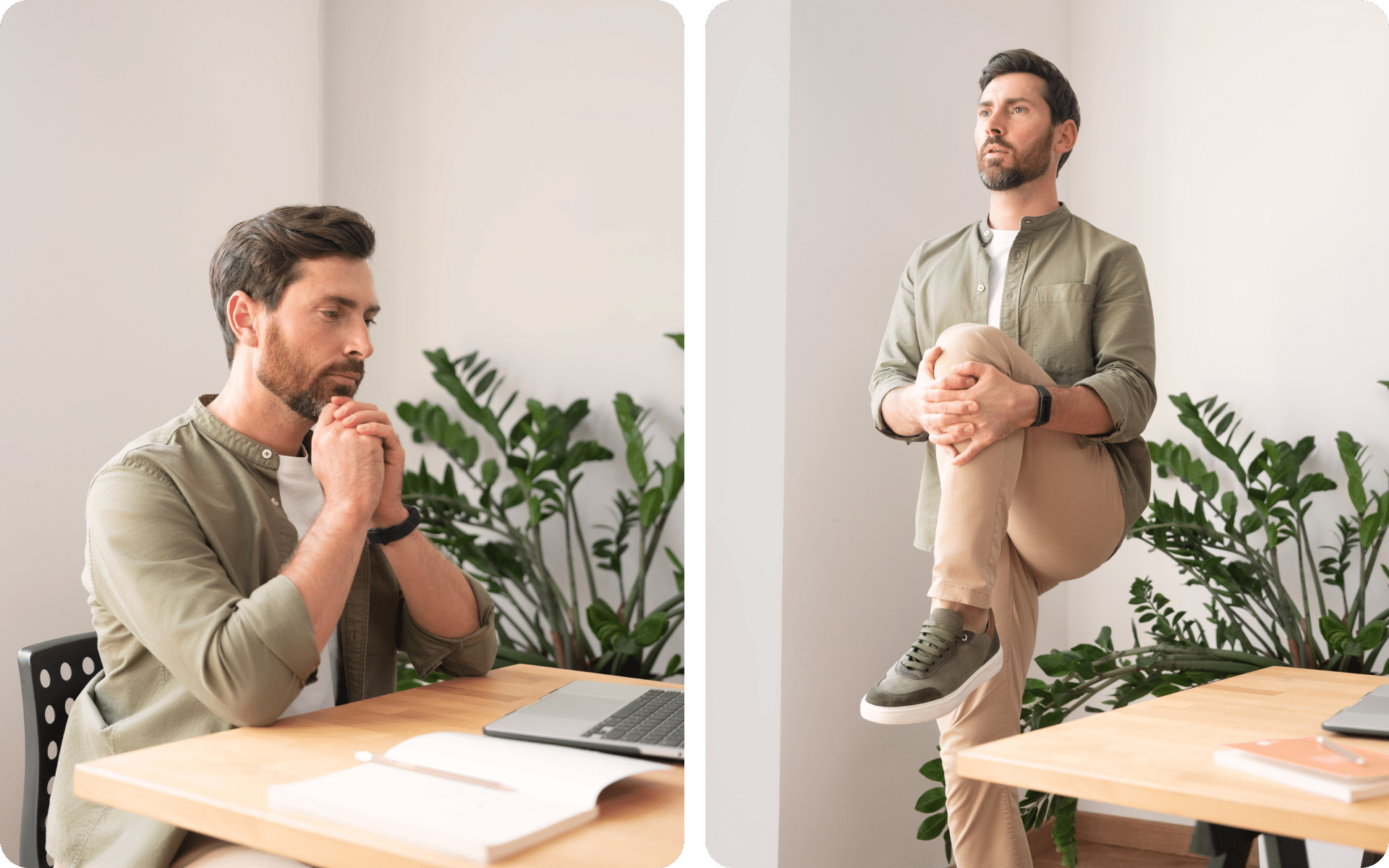
Many men spend long hours sitting at desks or engaging in activities that can lead to forward-leaning posture. A systematic review found that Pilates can improve body posture alignment, including the cervical, thoracic, and lumbar regions (4). Better alignment may reduce the discomfort often associated with poor posture.
One of the core principles of Pilates is alignment—being actively aware of where your body parts are at all times. This mindful approach to movement can carry over into everyday posture habits.
Enhances Flexibility and Mobility
Men who focus heavily on weightlifting sometimes experience tightness in the hips, hamstrings, and shoulders. Pilates incorporates stretching and controlled movement that may help improve flexibility. Research has indicated that Pilates exercises may improve functional fitness, including flexibility and agility, particularly in older men (5).
Greater flexibility can support a wider range of motion in everyday activities and may complement other forms of training by allowing you to move more freely.
Can Support Athletic Performance
For male athletes, Pilates can be a valuable addition to a training routine. A systematic review noted that Pilates exercises can improve dynamic balance, agility, and coordination in male athletes (6). Another study found that both mat and reformer Pilates effectively enhanced physical and technical performance in amateur soccer players (7).
These findings suggest that Pilates may be a useful cross-training tool for men who play team sports or engage in activities that require balance and coordination.
Mat Pilates vs. Reformer Pilates for Men
Both mat and reformer Pilates offer benefits for men. The table below outlines the key differences to help you decide which approach suits your goals:
| Factor | Mat Pilates | Reformer Pilates |
|---|---|---|
| Equipment | Mat only | Reformer machine with springs and pulleys |
| Cost | Low (mat only) | Higher (studio or equipment purchase) |
| Resistance | Bodyweight only | Adjustable spring resistance |
| Best for | Beginners, home workouts | Progressive overload, posture work |
| Portability | High—can be done anywhere | Low—requires the machine |
Reformer Pilates for Men
Reformer Pilates uses a specialized machine with springs, pulleys, and a sliding carriage to provide resistance. This adds an extra challenge compared to mat Pilates and allows for a wider variety of exercises.
For men, a reformer provides adjustable spring resistance and a different exercise setup from mat Pilates. Research has explored reformer Pilates in relation to postural alignment and body awareness (8). The adjustable resistance allows for progressive overload, which makes it suitable for those who are looking to increase the challenge over time.
A randomized controlled study found that reformer Pilates showed additional benefits over mat Pilates for physical performance in male athletes (7). If you have access to a reformer, it may be worth exploring as part of your routine.
Whether you’re just starting your fitness journey or looking to add more structure to your routine, BetterMe offers tools that can support different wellness goals. Explore the app and see how its workout, nutrition, and habit-building features can fit into your lifestyle.
Pilates for Men at Home
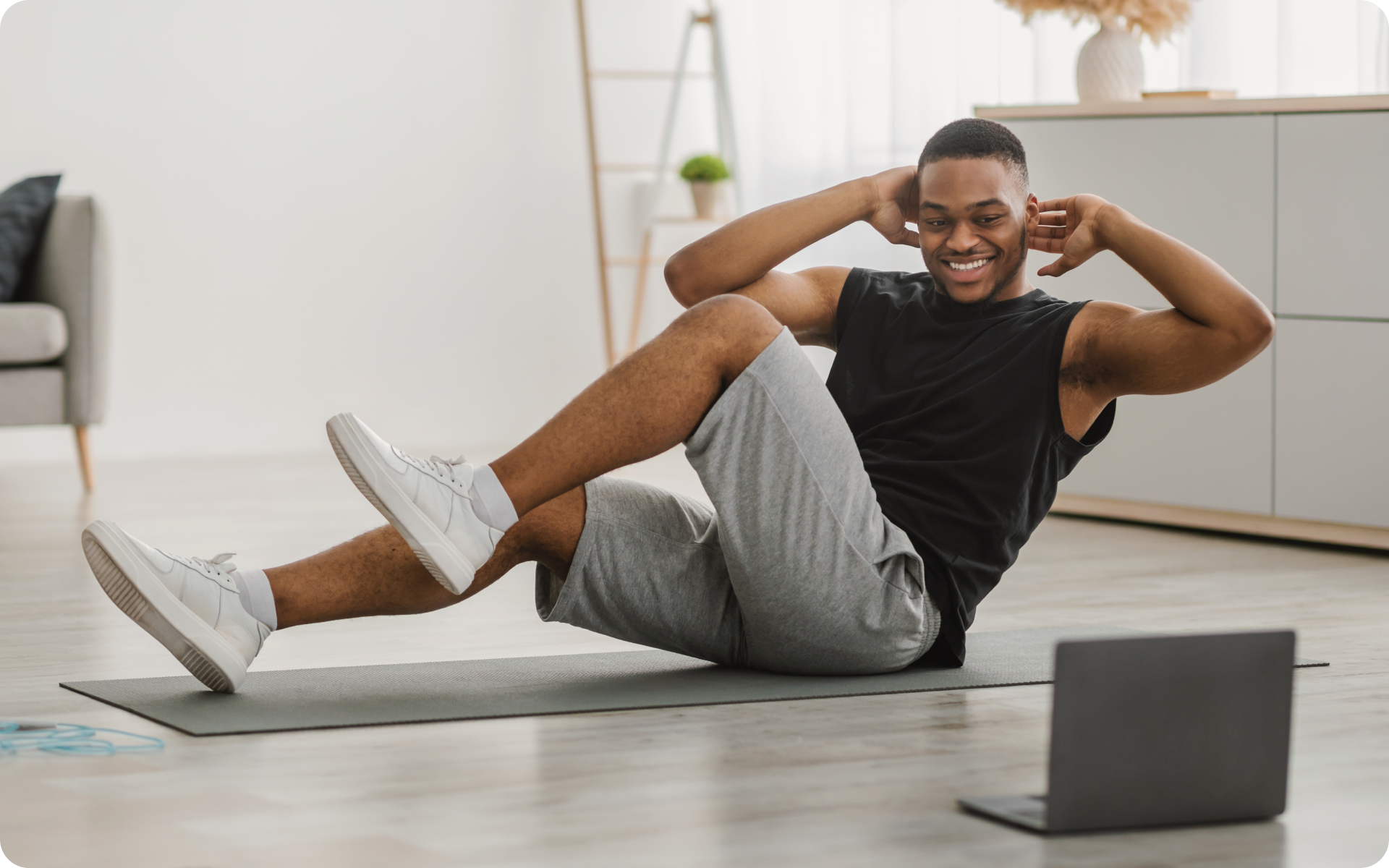
You don’t need a studio membership to start a Pilates workout for men. Mat Pilates can easily be done at home with minimal equipment. All you need is a comfortable mat and enough space to move freely.
Here are some practical steps to get started at home:
- Get a comfortable mat: A thicker mat is often preferred for Pilates to cushion the lower back area during floor exercises.
- Focus on form: As you won’t have an instructor to guide you in person, pay close attention to your alignment and controlled movements. Many free video resources are available online.
- Start with the basics: Master foundational moves such as the pelvic curl, chest lift, and the hundred before progressing to more advanced exercises.
- Be consistent: Aim for 2 to 3 sessions a week to build a steady routine. Consistency tends to produce better results than occasional intense sessions.
- Combine with other training: Pilates works well alongside cardio and strength training. It can complement your existing routine rather than replace it.
Principles of Pilates
The principles of Pilates define the approach Joseph Pilates envisioned. They come from his book, ‘Return to Life Through Contrology’, and focus on the connection between the mind and body. Understanding these principles can help you get more out of each session:
Concentration: Focusing all your attention on the movements to promote mind-body awareness. As you become mindful of how your body moves, you can receive more value from each motion.
Centering: Focusing on the center of your body, which Joseph Pilates called ‘the powerhouse’. This is the region from which energy for the workout originates.
Control: Maintaining proper and complete muscle control to ensure correct form throughout each movement.
Precision: Executing movements with exactitude. Performing one exercise with deliberate precision is considered more valuable than completing many repetitions with poor form.
Breathing: Using deep, controlled, diaphragmatic breathing to support the movements. Knowing when to inhale and exhale is a key part of Pilates technique.
Alignment: Being actively aware of your posture and the placement of your body parts—your head, neck, pelvis, and limbs—throughout each exercise.
Flow: Transitioning smoothly and elegantly from one pose to another. Continuous, fluid movement helps build strength and stamina.
Integration: Uniting all the principles above. When combined, they allow you to work multiple muscle groups simultaneously while maintaining proper form and breathing.
Read more: Pilates Vs Yoga For Weight Loss: The Battle Of Low-Impact Exercises
FAQs
Is Pilates good for men?
Yes, Pilates is a suitable workout for men. It supports core strength, may improve flexibility, and can enhance athletic performance. Research has shown that Pilates exercises can improve dynamic balance, agility, and coordination in male athletes (6). Many men incorporate it into their training routines as a complement to strength work or cardio.
Can Pilates change a male body?
Pilates can support changes in a male body by improving posture, increasing muscle endurance, and enhancing core stability. While it may not build bulky muscle in the way that heavy weightlifting does, it can contribute to a more aligned and functional physique. Results will vary depending on consistency, frequency, and the type of Pilates practiced.
How often should men do Pilates?
For many people, doing Pilates 2 to 3 times a week is a good starting point. Consistency tends to produce better results than occasional intense sessions. Pilates can also be combined with other forms of exercise, such as cardio or resistance training, to create a well-rounded routine.
Is reformer Pilates better than mat Pilates for men?
Both mat and reformer Pilates offer benefits. Reformer Pilates provides adjustable resistance, which may be useful for men looking to increase the challenge progressively. A study found that reformer Pilates showed additional performance benefits over mat Pilates in male athletes (7). However, mat Pilates can be done at home without equipment. The best choice depends on your goals and available resources.
The Bottom Line
Pilates for men is a versatile, low-impact workout that offers a range of benefits, including improved core strength, better posture, and enhanced flexibility. Whether you choose a Pilates workout for men at home using a mat or explore reformer Pilates in a studio, it can be a valuable addition to your fitness routine. As with any new exercise program, consider starting gradually and focusing on proper form to get the most out of each session.
DISCLAIMER:
This article is intended for general informational purposes only and does not serve to address individual circumstances. It is not a substitute for professional advice or help and should not be relied on for making any kind of decision-making. Any action taken as a direct or indirect result of the information in this article is entirely at your own risk and is your sole responsibility.
BetterMe, its content staff, and its medical advisors accept no responsibility for inaccuracies, errors, misstatements, inconsistencies, or omissions and specifically disclaim any liability, loss or risk, personal, professional or otherwise, which may be incurred as a consequence, directly or indirectly, of the use and/or application of any content.
You should always seek the advice of your physician or other qualified health provider with any questions you may have regarding a medical condition or your specific situation. Never disregard professional medical advice or delay seeking it because of BetterMe content. If you suspect or think you may have a medical emergency, call your doctor.
SOURCES:
- Effects of Pilates exercises on muscular strength and endurance: A systematic review and meta-analysis (2024, sciencedirect.com)
- Eight-week equipment-based Pilates exercises positively affects quality of life, and functional capacity in non-active adult women: a randomized controlled trial (2021, pubmed.ncbi.nlm.nih.gov)
- Effects of Core Stability Training on Deep Stabilizing Muscle Function and Neuromuscular Control (2025, pmc.ncbi.nlm.nih.gov)
- Effects of Pilates on Body Posture: A Systematic Review (2024, sciencedirect.com)
- Benefits of Pilates exercises on functional fitness and quality of life in older men: A quasi-experimental study (2024, balticsportscience.com)
- How Pilates Exercises Affect Sports Performance: A Systematic Review (2023, dergipark.org.tr)
- Randomised controlled study on the effects of pilates exercises in soccer: Comparing mat and reformer methods on physical and technical performance (2025, pmc.ncbi.nlm.nih.gov)
- The Effect of Reformer Pilates on Postural Alignment and Body Appreciation (2025, pmc.ncbi.nlm.nih.gov)
 By
By 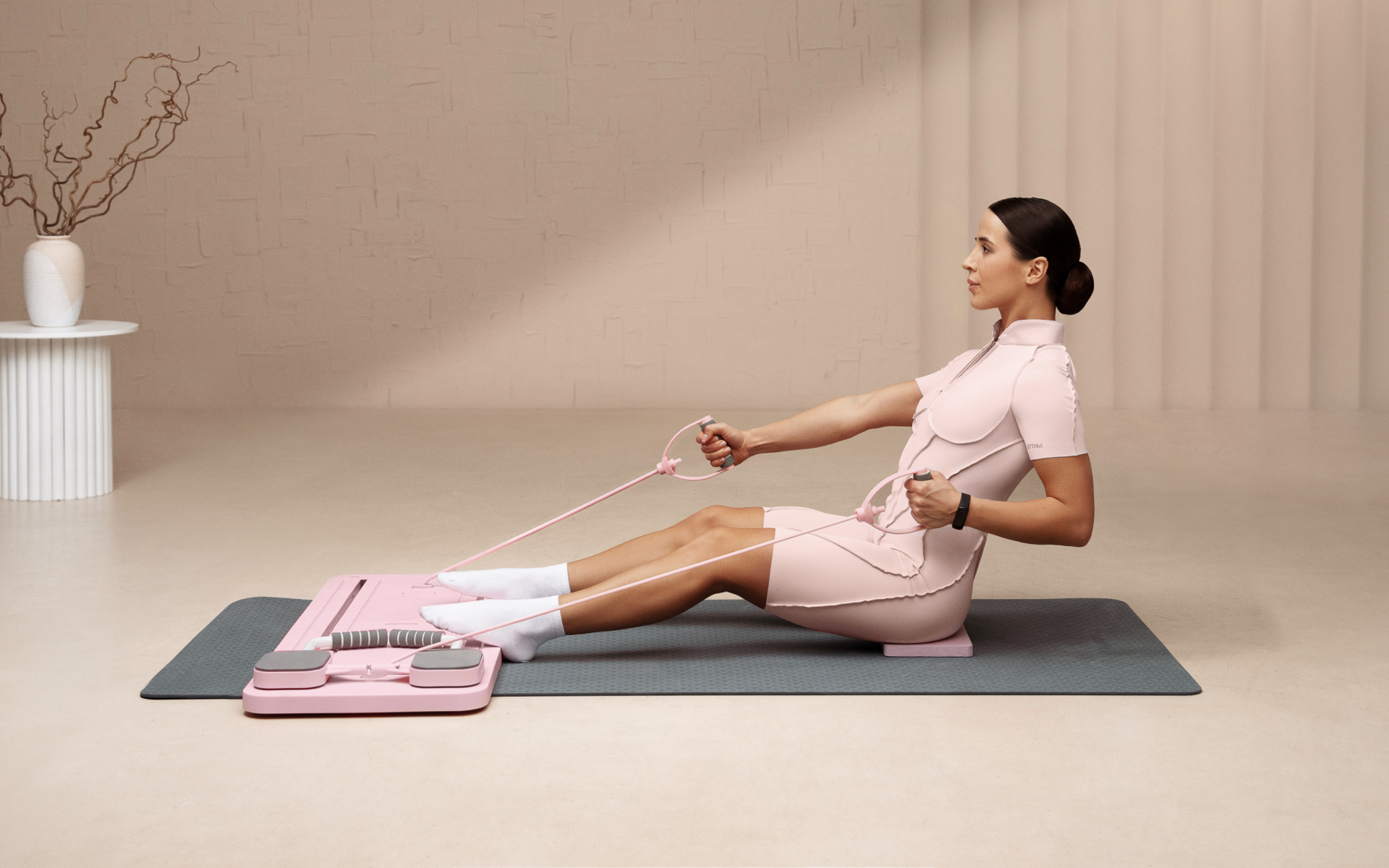
 Reviewed by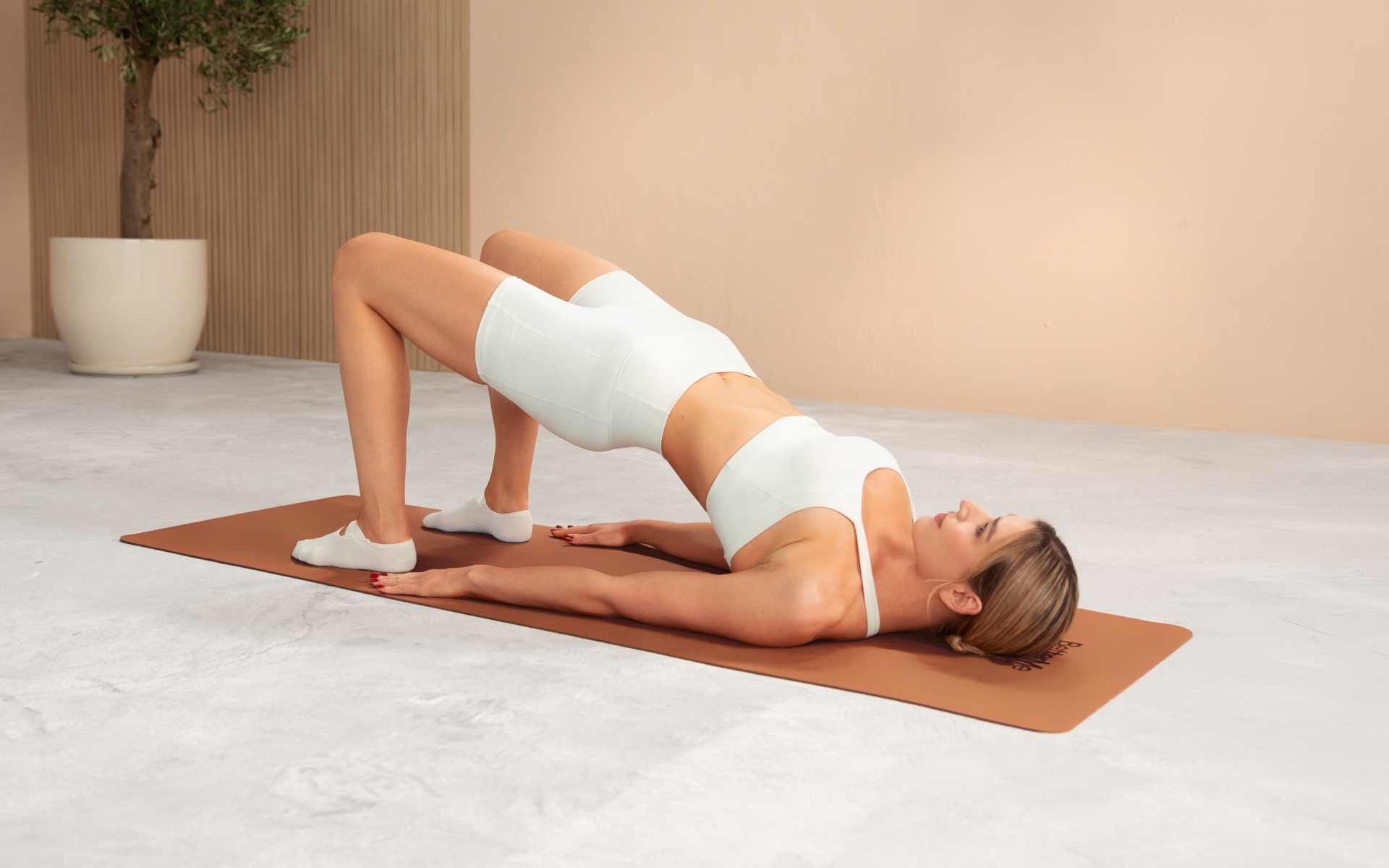
 By
By 
 Reviewed by