Disclaimer: This article is intended for general informational purposes only and does not address individual circumstances. It is not a substitute for professional advice or help and should not be relied on to make decisions of any kind. Always consult a qualified professional before starting a new exercise routine. Individual results vary and depend on multiple factors including frequency, intensity, nutritional habits, and overall lifestyle.
When considering a new movement routine, many people wonder whether yoga or pilates is the better choice for managing body weight. Both practices have grown significantly in popularity, and both offer meaningful benefits for physical activity and body awareness. However, they approach movement in fundamentally different ways, and understanding those differences can help you make a more informed choice.
Quick Answer: Neither yoga nor pilates is inherently superior for weight loss. Both are low-impact practices that burn fewer calories than high-intensity cardio. Pilates focuses on core strength and controlled movement, while yoga emphasizes flexibility, balance, and mindfulness. For body weight management, the most effective choice is the one you enjoy enough to practice consistently, ideally as part of a broader routine that includes cardiovascular effort and a balanced nutritional approach. If you are new to both, experimenting with each style is a practical starting point.
What Is The Difference Between Pilates And Yoga?
While both disciplines are low-impact and emphasize the mind-body connection, their primary focuses differ in meaningful ways.
Yoga is an ancient practice rooted in mindfulness, breath control, and flexibility. It involves moving through various postures (asanas) to support balance and body awareness. There are many styles of yoga, ranging from gentle, restorative practices to more vigorous, flowing sequences such as vinyasa or power yoga. The variety of styles means that yoga can be adapted to suit a wide range of fitness levels and goals.
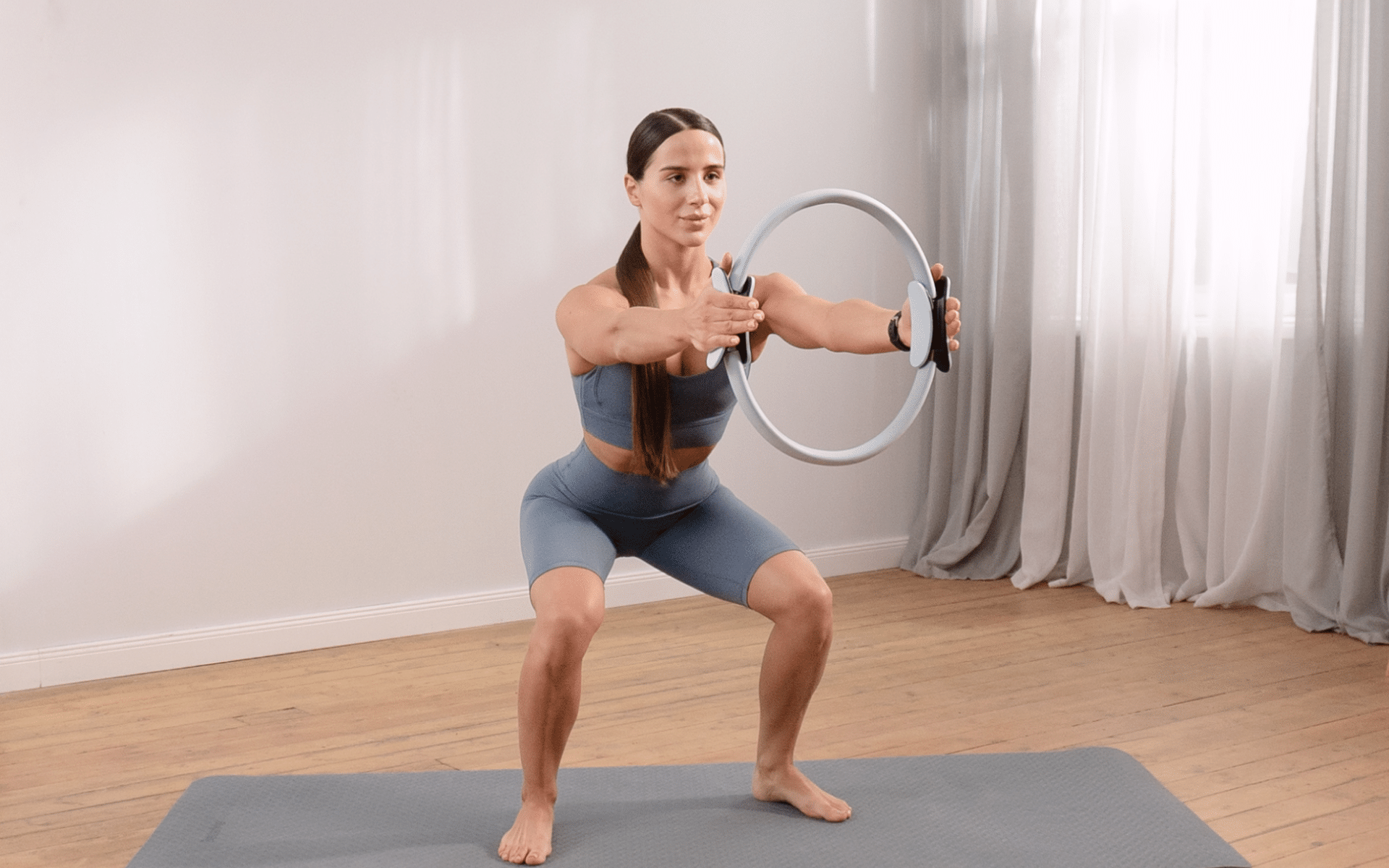
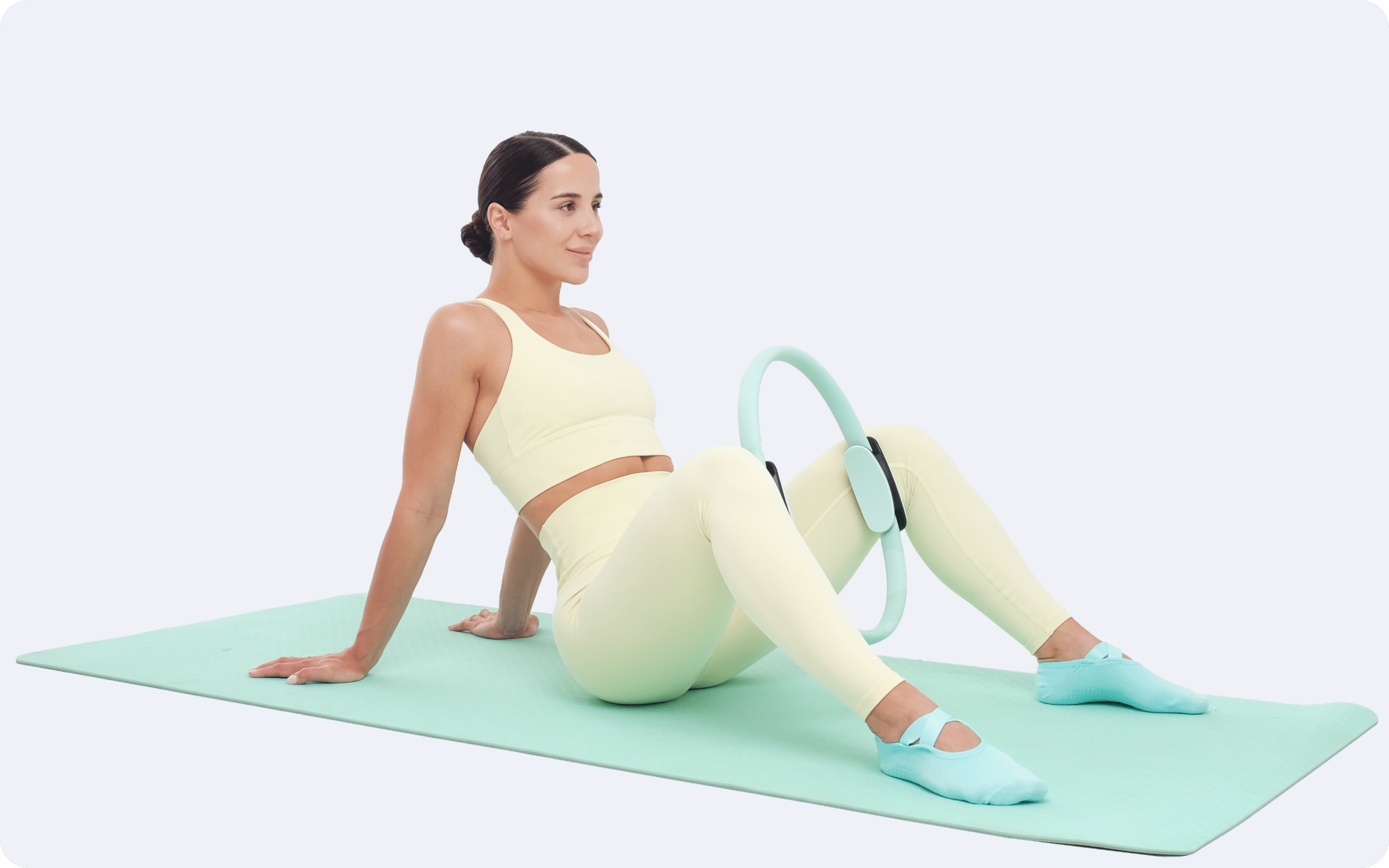
Pilates, developed in the early 20th century by Joseph Pilates, is a system of exercises designed to build core strength, stability, and muscular endurance. It often involves precise, repetitive movements that target specific muscle groups, particularly the abdomen, lower back, and hips. Pilates can be practiced on a mat or using specialized equipment such as a reformer machine.
Pilates vs. Yoga: A Quick Comparison
| Feature | Yoga | Pilates |
|---|---|---|
| Primary Focus | Flexibility, balance, and mindfulness | Core strength, stability, and muscular endurance |
| Movement Style | Holding postures and flowing sequences | Precise, repetitive movements |
| Equipment | Usually a mat; sometimes blocks or straps | Mat, resistance bands, or a reformer machine |
| Breathing | Breath guides movement and supports relaxation | Breath engages the core and powers movement |
| Calorie Burn | Moderate; varies by style and intensity | Moderate; varies by style and intensity |
| Best Suited For | Those seeking flexibility and stress management | Those seeking core strength and postural support |
Pilates vs. Yoga Benefits: What Does the Research Say?
Both practices have been studied for their potential role in supporting body weight management and overall physical activity. The available evidence is encouraging but should be understood in context: neither yoga nor pilates replaces aerobic exercise or dietary changes as primary strategies for managing body weight.
Yoga Benefits
Yoga may support flexibility and body awareness, which many people find useful for movement quality and building a consistent routine. A systematic review found limited evidence suggesting that yoga may support energy balance in adults with overweight or obesity, potentially by influencing physical activity levels and dietary patterns (1). The review noted that yoga may also support the development of mindful eating habits and a more structured relationship with physical activity, though the evidence base remains limited and further research using objective measures is needed.
Pilates Benefits
Pilates engages multiple muscle groups and emphasizes alignment and postural awareness. Its focus on core strength is often cited as a reason many people find it supportive for the lower back area. A review of available studies found that pilates may be associated with changes in body weight and body composition in adults with overweight or obesity (2). Available research also suggests that mind-body movement practices may play a supportive role in exercise routines for people with overweight or obesity, particularly for those who are new to structured movement (3).
BetterMe Well-Being Coach app helps you achieve your body goals with ease and efficiency by helping to choose proper meal plans and effective workouts. Start using our app and you will see good results in a short time.
Exploring Different Styles
Both yoga and pilates encompass a wide range of styles and formats. Understanding the options available can help you identify the approach that best fits your current fitness level and goals.
Reformer Pilates for Weight Loss
Reformer pilates uses a specialized machine with a sliding carriage, springs, and pulleys to provide adjustable resistance. This added resistance can increase the intensity of the workout compared to mat pilates, engaging more muscle groups simultaneously. One randomized controlled study found that 8 weeks of reformer pilates, practiced 3 times per week, was associated with significant changes in body composition and muscle strength in overweight and obese women (4). The study also noted improvements in muscle endurance and overall mood scores in the reformer pilates group compared to the control group.
Wall Pilates for Weight Loss
Wall pilates is a variation of mat pilates that uses a wall for support and resistance. It is a practical option for home workouts and can help those who are new to pilates find stability while performing foundational exercises. The wall provides a fixed surface for leg presses, bridges, and core engagement movements, making it a beginner-friendly starting point that requires no equipment beyond a clear wall space.
Standing Pilates Exercises
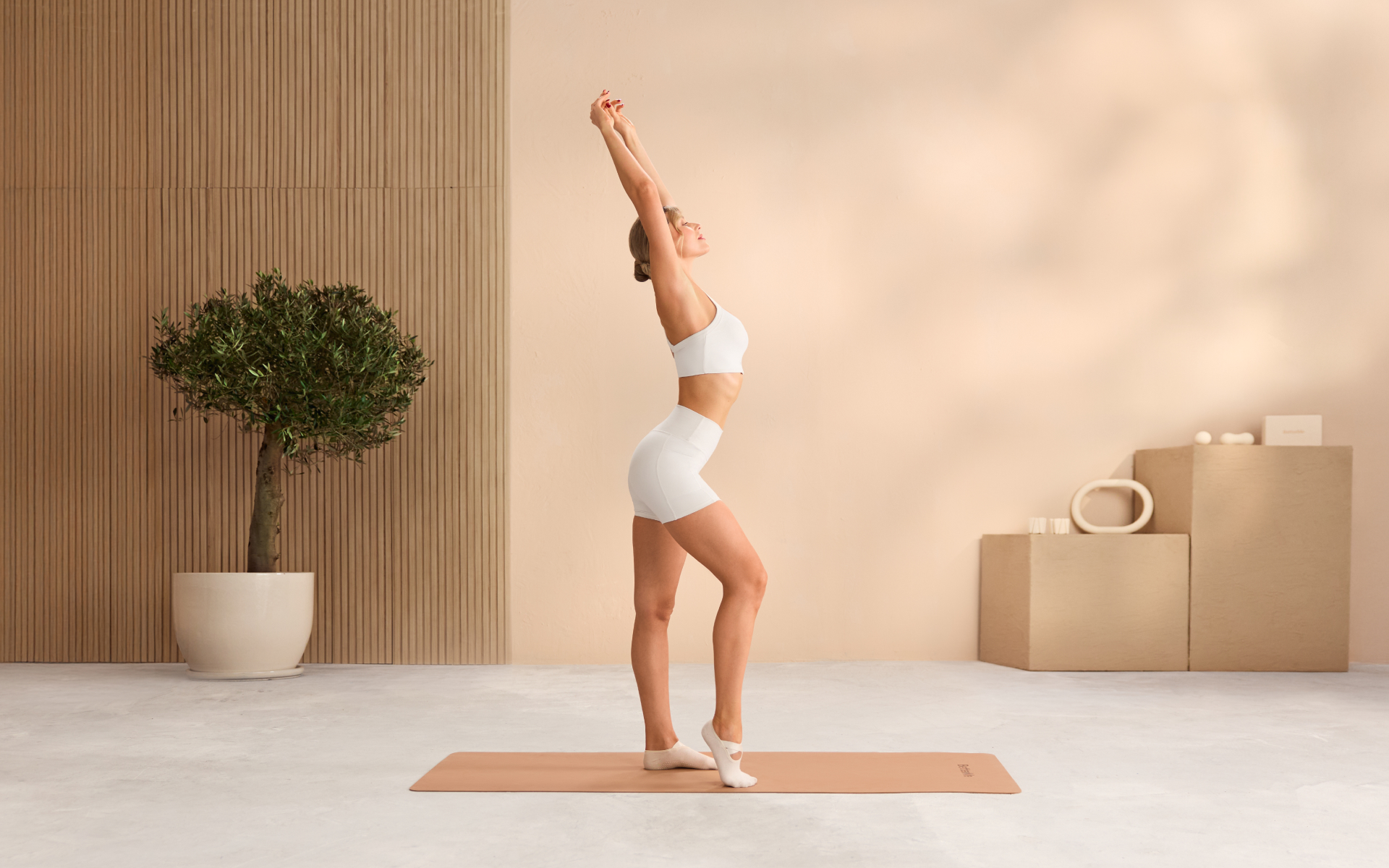
Standing pilates exercises are performed upright rather than on a mat, which can be a practical option for those who find floor-based movement challenging. These exercises often incorporate balance challenges and can be performed at home with minimal space. Common standing pilates movements include standing leg lifts, side kicks, and single-leg balance exercises.

Chair Yoga for Weight Loss
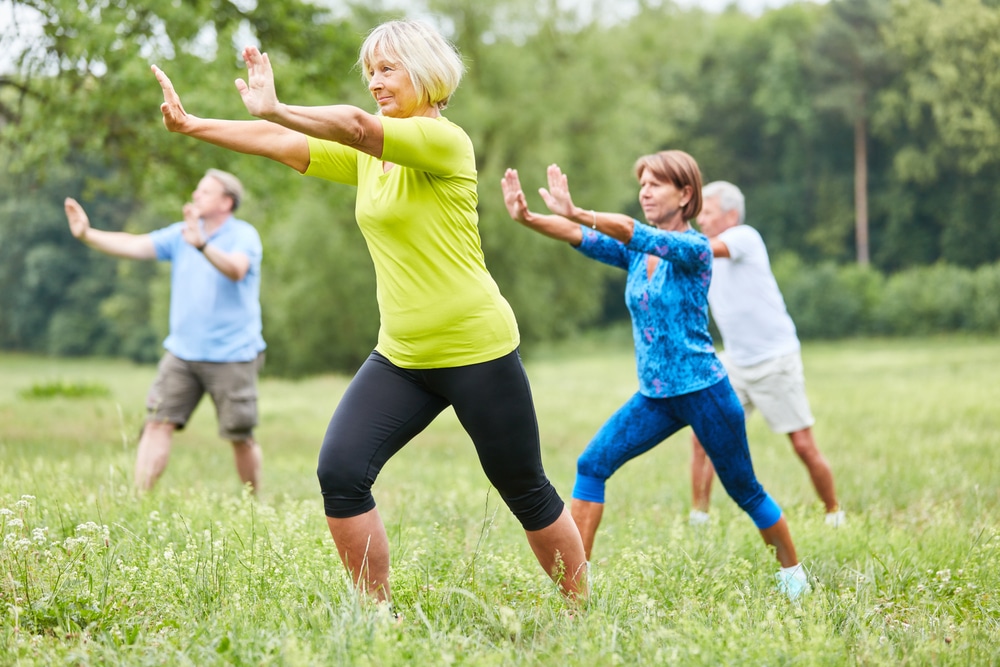
Chair yoga modifies traditional yoga poses so they can be performed while seated or using a chair for support. It is a suitable option for individuals with limited mobility or those who find getting up and down from the floor challenging. One study found that chair yoga may support functional fitness and daily activity levels in older adults (5). Chair yoga can also serve as an entry point for those who are new to yoga and want to build confidence before transitioning to mat-based practice.
Yoga Poses for Weight Loss
If you are interested in starting a yoga practice, consider beginning with foundational poses that build body awareness and strength. The following poses are commonly recommended for beginners and can be part of a structured routine:
- Mountain Pose (Tadasana): A standing pose that builds postural awareness and grounding.
- Downward-Facing Dog (Adho Mukha Svanasana): A full-body stretch that engages the arms, shoulders, and legs.
- Warrior II (Virabhadrasana II): A standing pose that builds lower body strength and stability.
- Chair Pose (Utkatasana): A squat-like pose that engages the thighs and core.
- Plank Pose: A core-strengthening pose that also engages the arms and shoulders.
Read More: Hot Yoga Weight Loss: Become The Fittest, Leanest, And Strongest Version Of Yourself
Is Yoga Or Pilates Better For Weight Loss?
When it comes to managing body weight, neither practice is a standalone solution. Both yoga and pilates can elevate your heart rate to a moderate degree, similar to a brisk walk, depending on the intensity of the session. However, they are generally not considered high-calorie-burning activities compared to aerobic exercise.
The key advantage of both practices is their low-impact nature, which makes them suitable for a wide range of people, including those who are new to structured movement or who find higher-intensity exercise challenging. When combined with cardiovascular effort and strength training, yoga and pilates can be a useful part of a broader movement routine.
Ultimately, the most effective approach is to choose the practice that you enjoy and can maintain consistently over time. Consistency is one of the most important factors in any long-term movement routine, and the practice you are most likely to stick with is the one most likely to support your goals.
Body Weight Exercises for Weight Loss at Home
Both yoga and pilates are well-suited to home workouts, as they require minimal equipment and can be adapted to small spaces. If you are looking to build a workout plan for weight loss at home, consider combining elements of both practices with additional body weight exercises.
A simple home exercise routine might include a 10-minute yoga flow for mobility and body awareness, followed by 20 minutes of mat pilates for core engagement, and then 15 minutes of body weight exercises such as squats, lunges, and push-ups for cardiovascular effort. This type of combined approach can provide a more well-rounded stimulus than either practice alone.
BetterMe provides structured yoga and pilates routines to help you build a consistent movement practice. Explore the app to find a plan that fits your goals and schedule.
Frequently Asked Questions
Can I do pilates or yoga at home?
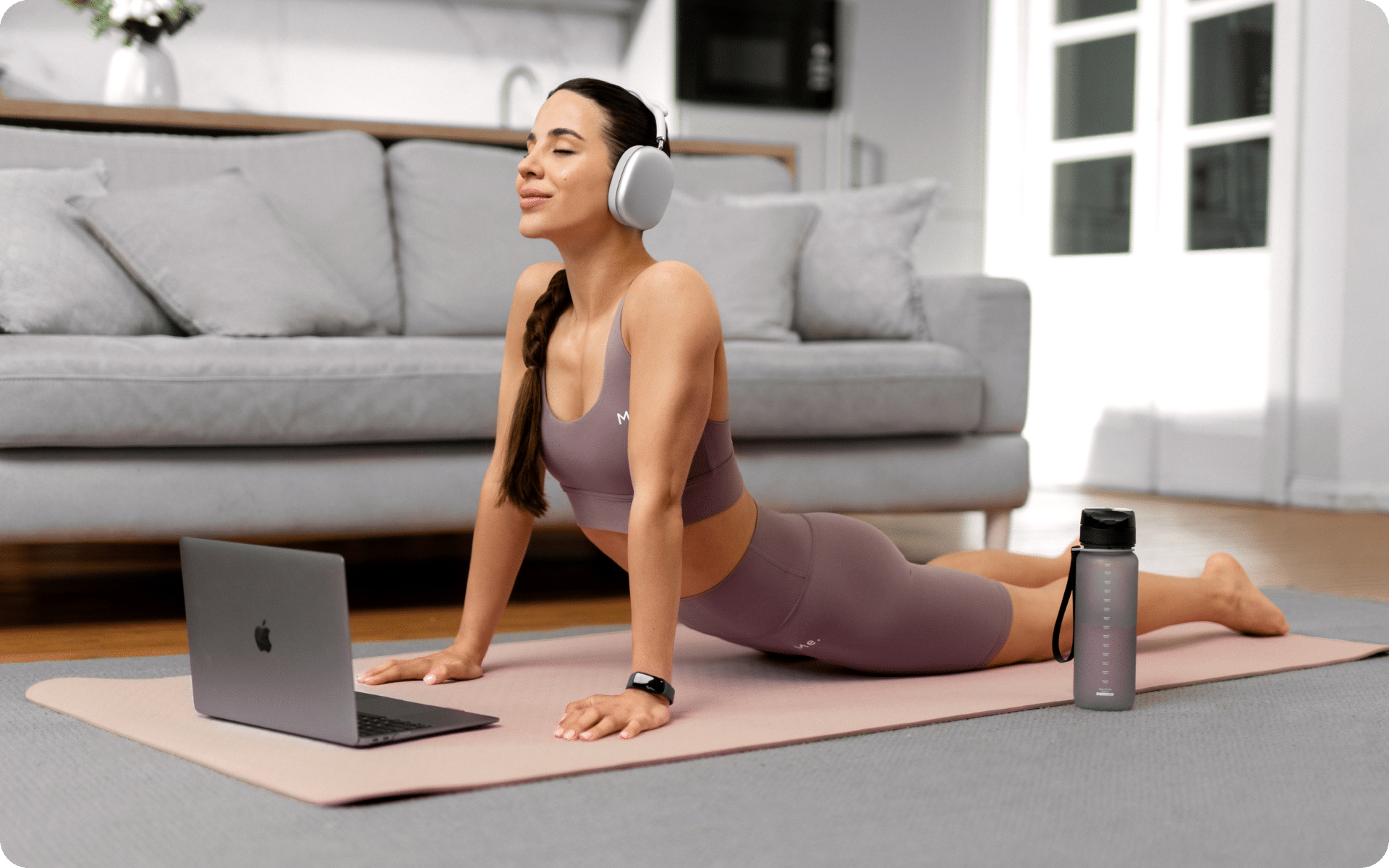
Yes, both practices are well-suited to home workouts. Mat pilates and many styles of yoga require minimal equipment, often just a comfortable mat and enough space to move. Wall pilates and chair yoga are particularly practical for home settings, as they use everyday household items for support.
Which is better for beginners?
Both disciplines offer beginner-friendly options. Gentle yoga or restorative yoga classes are practical starting points, while beginner mat pilates or wall pilates can help you learn foundational core engagement. The best starting point is the one that feels most manageable and enjoyable for you.
Do I need equipment for pilates?
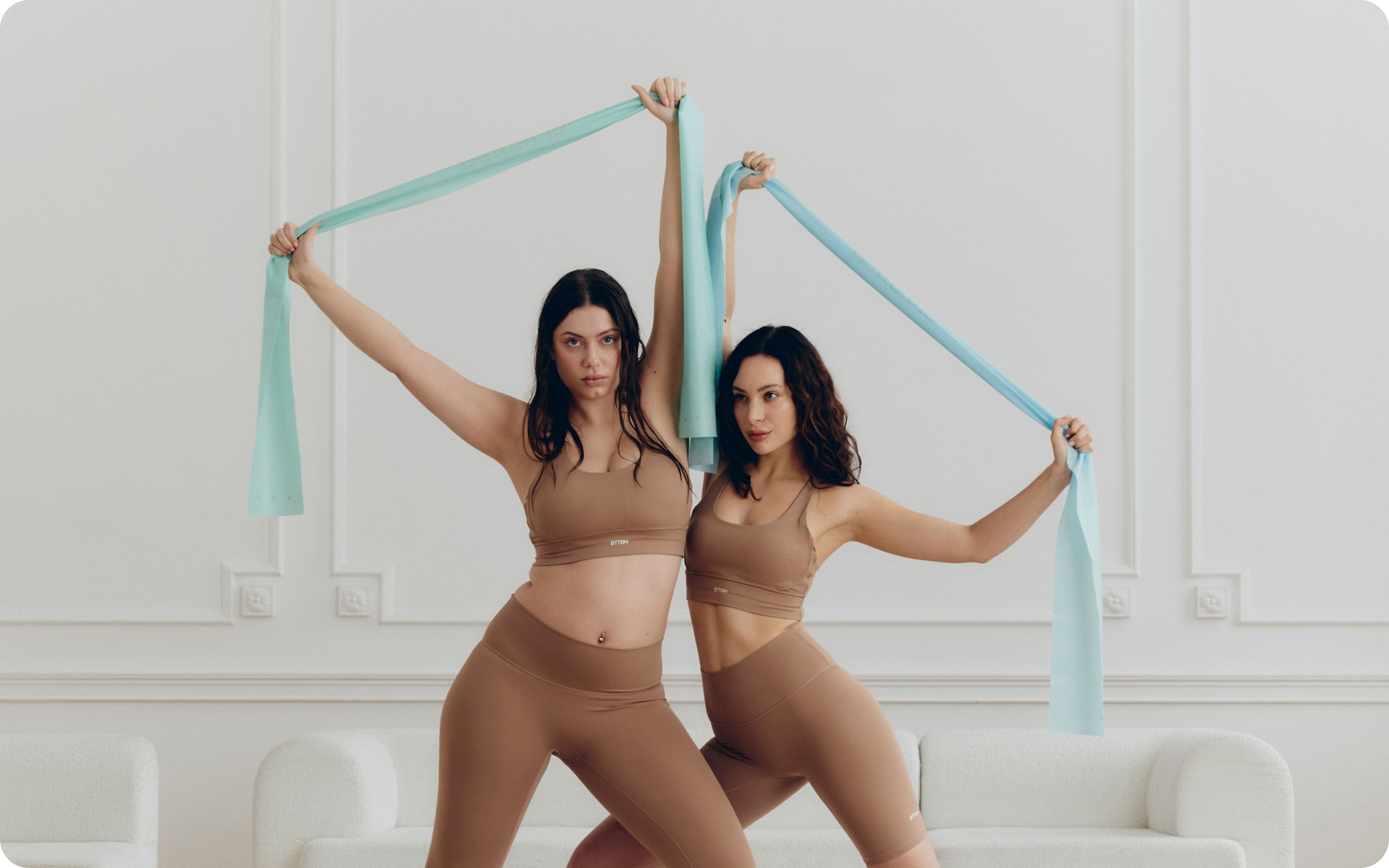
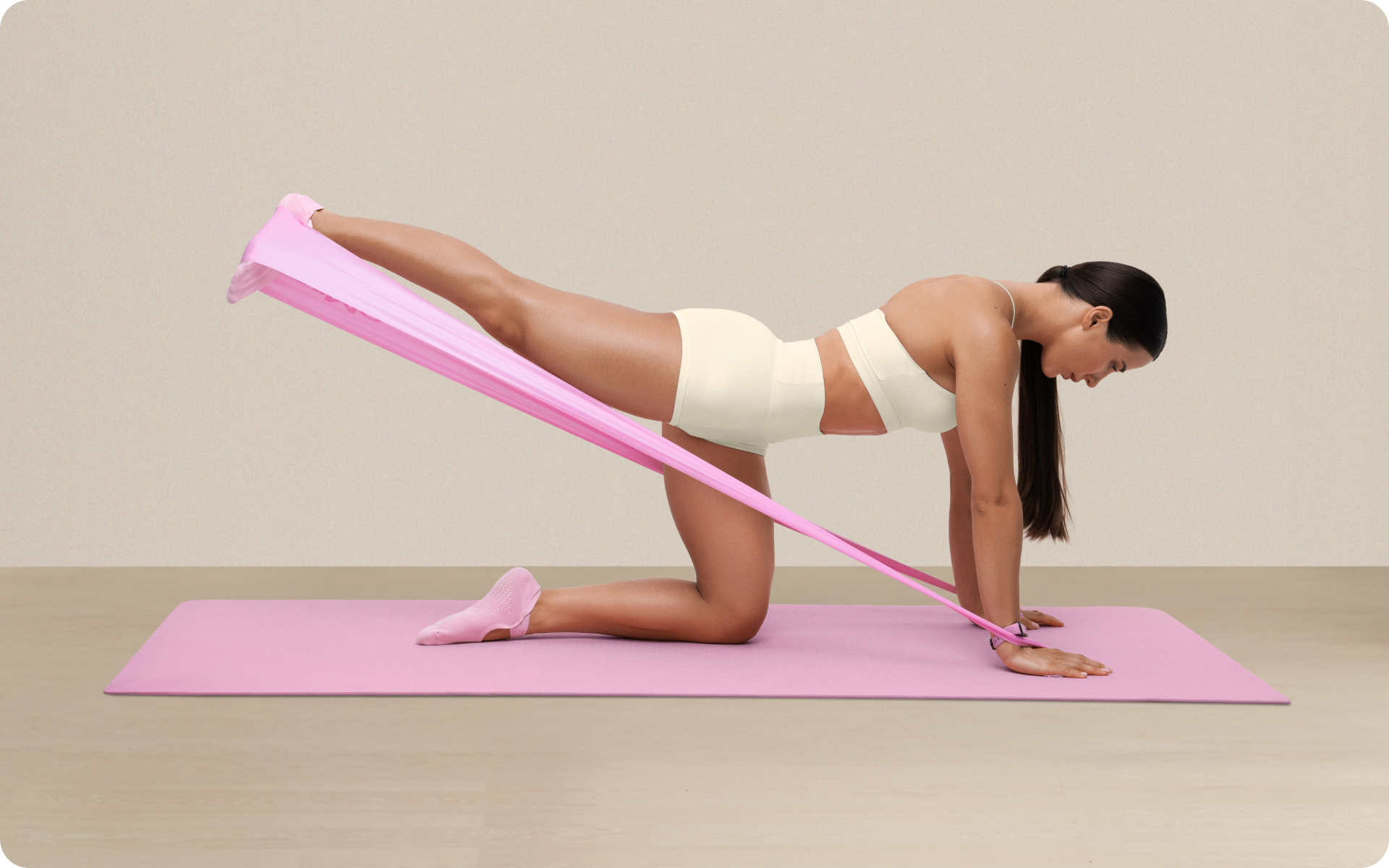
Mat pilates requires no special equipment, though some routines incorporate small props such as resistance bands or light weights. Reformer pilates requires access to a specific machine, usually found in specialized studios. Wall pilates and standing pilates require no equipment at all.
How often should I practice?
Consistency is more important than frequency when starting out. Beginning with 2 to 3 sessions per week can help you build a sustainable habit. As you become more comfortable with the movements, you may choose to increase your practice to 4 or 5 times per week, depending on your schedule and goals.
Can yoga or pilates replace cardio for weight loss?
Neither yoga nor pilates is typically considered a replacement for cardiovascular exercise when body weight management is a primary goal. Both practices offer meaningful benefits for strength, flexibility, and body awareness, but they generally burn fewer calories per session than moderate-intensity cardio. For most people, a combination of both is more effective than either approach alone.
The Bottom Line
So, is yoga or Pilates better for weight loss? The answer is that both workouts are not that effective for losing weight, when used as a major type of physical load. The best option will be to combine them with other strength and cardio workouts to make your fitness routine well-rounded. They can be a part of your overall weight-loss plan or a way to reduce stress and improve control over your body. The best thing is that they are adaptable to any fitness level and will allow you to increase your skills gradually. Both Pilates and yoga provide your body with various benefits, that’s why they are worth your attention. A decision, what to choose – yoga or Pilates – to lose weight more effectively, is entirely up to you.
Remember, that it is crucial to know what workout is more suitable and effective for you, taking into account your fitness goal. This will help you achieve the desired result faster and without additional efforts. Make it a rule to consult a health professional before starting a new workout plan to protect your health and avoid undesirable consequences.
DISCLAIMER:
This article is intended for general informational purposes only and does not serve to address individual circumstances. It is not a substitute for professional advice or help and should not be relied on for making any kind of decision-making. Any action taken as a direct or indirect result of the information in this article is entirely at your own risk and is your sole responsibility.
BetterMe, its content staff, and its medical advisors accept no responsibility for inaccuracies, errors, misstatements, inconsistencies, or omissions and specifically disclaim any liability, loss or risk, personal, professional or otherwise, which may be incurred as a consequence, directly or indirectly, of the use and/or application of any content.
You should always seek the advice of your physician or other qualified health provider with any questions you may have regarding a medical condition or your specific situation. Never disregard professional medical advice or delay seeking it because of BetterMe content. If you suspect or think you may have a medical emergency, call your doctor.
SOURCES:
- The Impact of Yoga on Components of Energy Balance in Adults With Overweight or Obesity: A Systematic Review (2021, pmc.ncbi.nlm.nih.gov)
- Pilates for Overweight or Obesity: A Meta-Analysis (2021, pmc.ncbi.nlm.nih.gov)
- Role of Mind-Body Fitness in Obesity (2022, pubmed.ncbi.nlm.nih.gov)
- Effects of Reformer Pilates on Body Composition, Strength, and Psychosomatic Factors in Overweight and Obese Women: A Randomized Controlled Trial (2025, pubmed.ncbi.nlm.nih.gov)
- Effect of Chair Yoga Therapy on Functional Fitness and Daily Life Activities Among Older Female Adults With Knee Osteoarthritis in Taiwan: A Quasi-Experimental Study (2023, pmc.ncbi.nlm.nih.gov)
 Reviewed by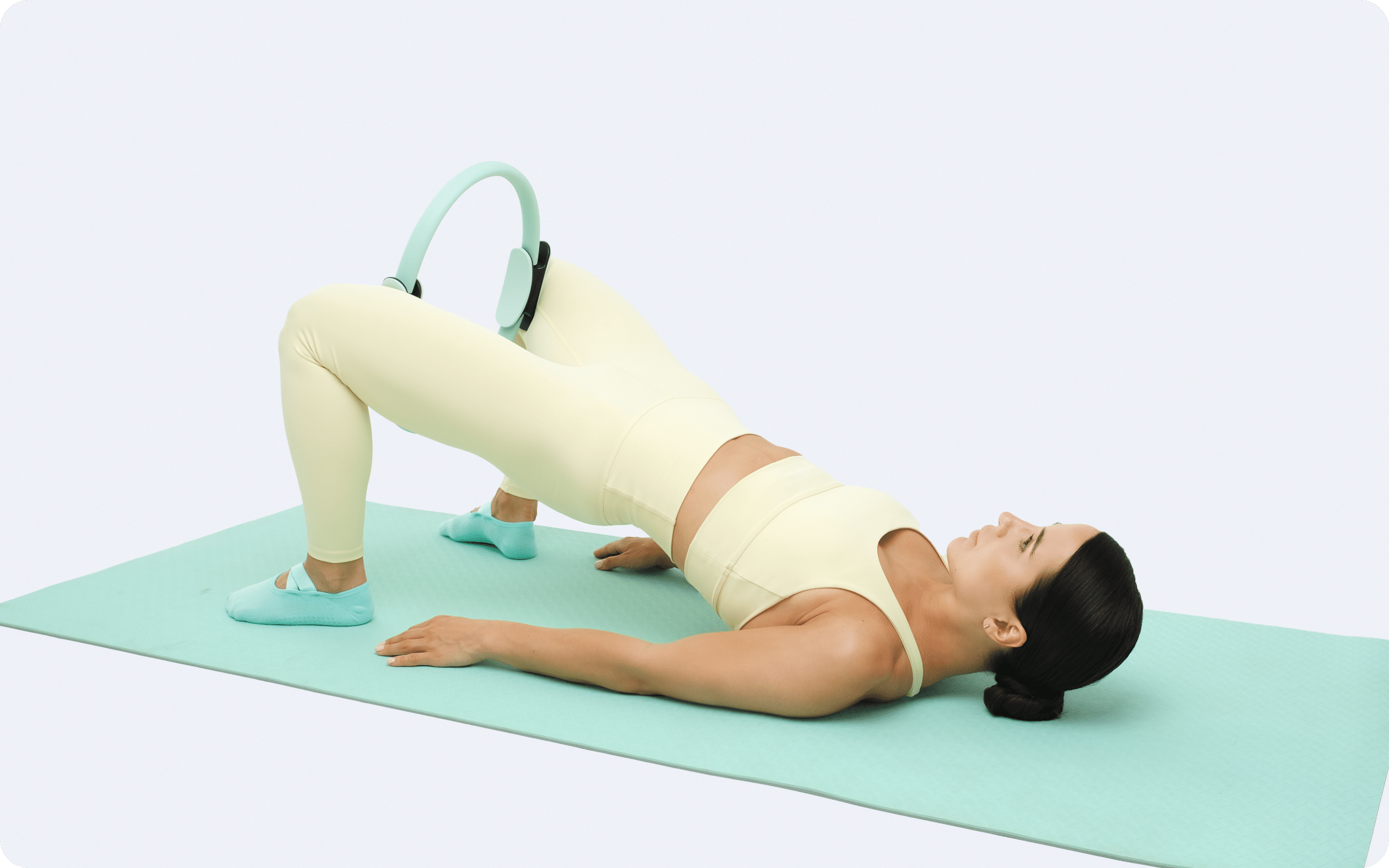
 Reviewed by