

The Nordic lifestyle is less about trend and more about a way of being. No one curated it solely for social media and physical health, and it’s not a quick fix.
The Nordic lifestyle is how people in Norway, Sweden, Denmark, Finland, and Iceland live–day in, day out. At its core, these communities built their lifestyle on balance, wellness, nature, and social trust. It’s not flashy. It’s not performative. It’s about quality of life, of relationships, of time.
This way of life is grounded in simplicity and functionality.
You won’t find excess or noise.
What you will find is a quiet, steady focus on what actually matters:
- Time with family
- Access to nature
- Trust in your community
- Nourishing food
- Room to breathe
It’s a culture that values fairness, rest, and genuine connection over status or speed.
Nordic life isn’t about escaping hustle culture. It was never part of it to begin with (1, 2, 3).
What Are The Principles Of Nordic Life?
There are a few key threads that run through what some may call “Nordic rules” or, as we like to say, Scandinavian culture.
These threads show up across homes, workplaces, and policies.

The following consists of Nordic lifestyle facts and Nordic lifestyle characteristics:
- Balance
Nordic people work to live, not the other way around.
Work-life balance isn’t just a perk; it’s an expectation. Paid parental leave, flexible hours, and generous vacation time are built into the system (2).
- Trust
Trust in government. Trust in neighbors. Trust in systems.
In the Nordics, there’s a deep belief that people generally do the right thing. This trust fuels social cohesion and civic responsibility (3).
BetterMe: Health Coaching app helps you achieve your body goals with ease and efficiency by helping to choose proper meal plans and effective workouts. Start using our app and you will see good results in a short time.
- Equality
Gender equality, income equality, access to education and healthcare–it’s all a big deal here. There’s a strong cultural push for fairness and keeping everyone on relatively even footing (4).
- Sustainability
Nordic countries take the long view. Renewable energy, recycling, slow fashion, and conscious consumption are the norm, not the niche (5).
- Connection to Nature
Nature isn’t something you visit once a year. It’s part of daily life. Forests, lakes, mountains–even harsh winters–are embraced, not avoided (6).
- Community Without Clutter
Social life matters, but so does solitude.
It’s common to have tight-knit communities without constant noise or overstimulation.
It’s a connection, but quiet (7).
Read more: Meditative Movement: How Mindfulness and Exercise Work Together
What Is The Nordic Philosophy Of Life?
At its core, the Nordic philosophy of life revolves around lagom (Swedish for “just enough”), hygge (Danish for “cozy contentment”), and sisu (Finnish for “grit and resilience”).
These aren’t just nice-sounding words–they shape how people live.
- Lagom: The Power of “Just Enough”
It’s the idea that more isn’t better–enough is better.
Not too much. Not too little. Just right. This shows up in consumption, design, lifestyle, and even conversation (8).
- Hygge: Intentional Comfort
Hygge is about creating warmth in small ways: candlelight, good company, a calm atmosphere. It’s not just about aesthetics–it’s about how something feels. And how it makes others feel too (9).
- Sisu: Inner Strength
Finnish culture leans on sisu–an unshakable resilience, especially in the face of adversity. It’s about doing what needs to be done, even when it’s hard, especially when it’s hard (10).
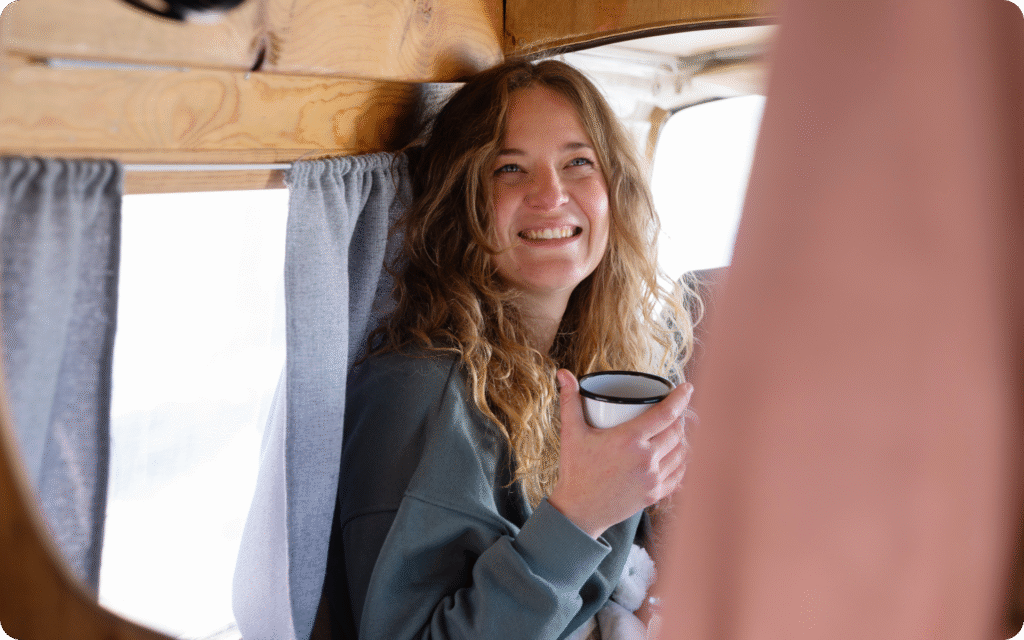
What Is A Nordic Healthy Lifestyle?
Forget fads.
A healthy Nordic lifestyle isn’t about extreme workouts or cutting entire food groups.
It’s about consistency, nature, movement, and fresh, whole foods in longevity nutrition.
Movement That Fits Into Life.
People walk, cycle, ski, and hike. Daily movement fits into the lifestyle; it isn’t an obligation. It’s functional, not performative (8, 9)
Natural Food, Not Processed Junk
The diet is rich in fish, whole grains, berries, root vegetables, and seasonal produce.
Portion control is natural. Eating is mindful, not rushed (9).
Prioritizing Mental Health
Dark winters bring challenges, but there’s open conversation about mental health. Nature therapy, sauna culture, and social support help people stay grounded.
Rest Matters
Sleep isn’t sacrificed to ambition. It’s respected. So is taking time off. Rest is productivity’s equal–not its enemy (7).
Reasons why BetterMe is a safe bet: a wide range of calorie-blasting workouts, finger-licking recipes, 24/7 support, challenges that’ll keep you on your best game, and that just scratches the surface! Start using our app and watch the magic happen.
What Is The Nordic Outdoor Lifestyle?
The outdoor lifestyle in the Nordics is weekend hikes, but also a cultural bond with nature, practiced daily, in all weather.
Friluftsliv: “Open-Air Living”
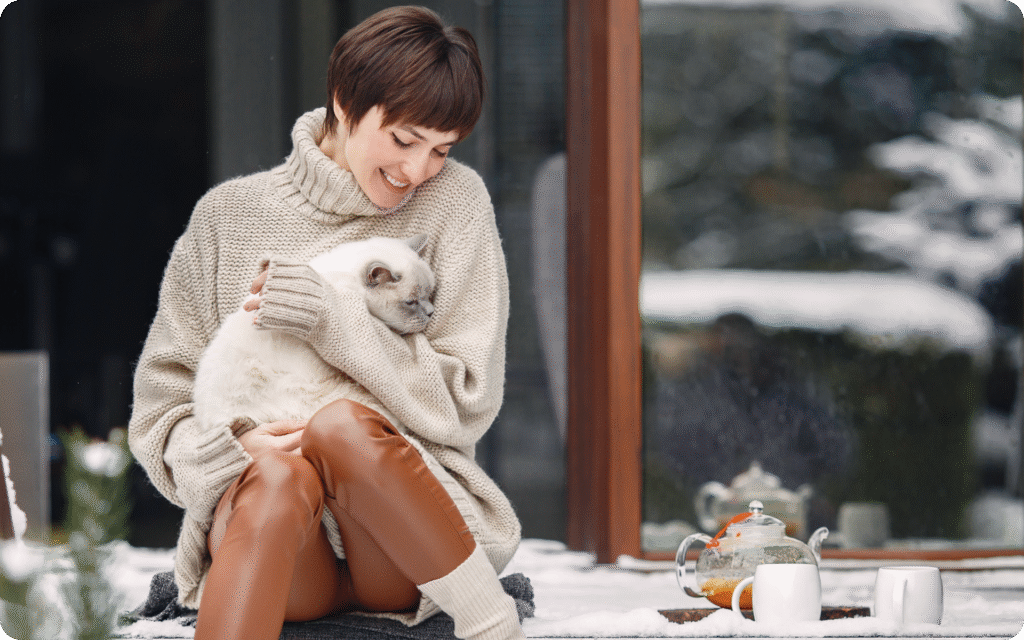
This Norwegian concept means getting outside–rain, snow, or shine. It could be a Nordic walking trip in the forest, a ski trip, or just sipping coffee outdoors. It’s about clearing your head and reconnecting with the natural world.
Kids Grow Up Outside
In Nordic countries, kids nap outdoors, play in forests, and attend outdoor kindergartens–even in freezing temperatures. It’s not risky–it’s healthy.
Winter Doesn’t Mean Indoors
Skiing, snowshoeing, ice-skating, to name a few; the cold is a part of life.
Minimal Tech, Max Presence
When people are outside, they’re really outside. There’s less documenting going on and more experiencing. Most phones stay in pockets.
If you’re curious about friluftsliv, check out our earlier article.
Read more: Foods That Increase Metabolism And Burn Fat
What Does The Nordic Diet Normally Consist Of?
The Nordic diet is founded on seasonal, nutrient-dense plants (9).
Common Foods Include:
- Fish–Salmon, herring, mackerel, cod
- Root vegetables–Carrots, beets, potatoes, turnips
- Whole grains–Rye, barley, oats
- Berries–Blueberries, lingonberries, cloudberries
- Legumes–Beans and peas
- Leafy greens–Kale, cabbage, spinach
- Dairy–Skyr, yogurt, hard cheeses
Fatty fish and canola oil are favored over saturated fats. Sugar is limited. Meals are home-cooked, simple, and designed to fuel your body.

What Is The Difference Between Scandinavian And Nordic?
These 2 terms get mixed up a lot–but they’re not the same.
Scandinavia typically refers to:
- Sweden
- Norway
- Denmark
Nordic countries include all of Scandinavia plus:
- Finland
- Iceland
The term “Nordic” is broader and encompasses greater cultural and geographic diversity, such as the Finnish language (which is unrelated to the others) and Iceland’s unique history and landscape.
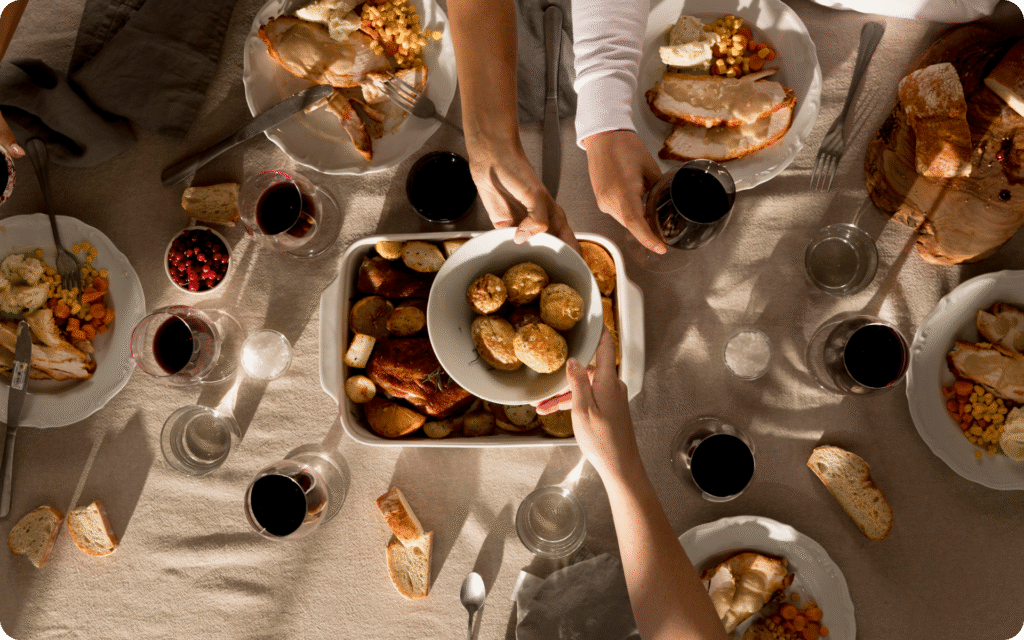
A typical Nordic breakfast includes whole-grain bread or crispbread, boiled eggs, cheese, yogurt, and seasonal berries. Smoked fish, such as herring or salmon, is also common. Norwegians enjoy balanced, protein-rich breakfasts that fuel the day steadily. The Nordic diet emphasizes locally grown, seasonal fruits–especially berries like blueberries, lingonberries, cloudberries, and blackcurrants. Apples, pears, and plums are also common. Tropical fruits are limited, as the diet focuses on what naturally grows in Northern climates. Lunch in Norway often features open-faced sandwiches on rye or whole-grain bread, topped with cheese, cold cuts, smoked fish, or liver pâté. It’s usually accompanied by sliced vegetables or fruit and is meant to be nutritious and simple. A Nordic toast is an open-faced slice of hearty rye or sourdough bread, topped with butter and protein like smoked salmon, cheese, or cured meat. It’s nutrient-dense, visually minimal, and commonly eaten for breakfast, lunch, or as a light snack.Frequently Asked Questions
What does a Nordic breakfast consist of?
What fruits are allowed on the Nordic diet?
What is a typical Norwegian lunch?
What is a Nordic toast?
The Bottom Line
The Nordic lifestyle isn’t about selling you a perfect morning routine or a capsule wardrobe. It’s a deeper, more practical way of living–one that consistently ranks these countries among the happiest and healthiest in the world. Why?
Because they don’t chase extremes. They build systems and habits that actually work.
From food and family to outdoor living and social trust, Nordic culture focuses on balance over burnout. It values the collective, without sacrificing the individual. It respects nature, without rejecting modern life. It welcomes quiet, without losing connection.
Here, health isn’t a hashtag. It’s built into daily life through movement, home-cooked meals, time outdoors, and a culture that doesn’t glorify overwork. Wellness is personal and public–supported by design, not left to chance.
What’s powerful about this lifestyle is that it doesn’t revolve around consumerism or performance.
You don’t need a cabin in the woods or a new wardrobe to embrace it. You just need to make space for what really matters: slowing down, eating well, being present, getting outside, and living with intention instead of intensity.
The world doesn’t need more hustle. It requires human nature. The Nordic lifestyle is a reminder that progress isn’t about speed but about sustainability.
So, if you’re looking to reset, recharge, and realign with a more grounded way of life, you don’t need to move to Sweden. You just need to start living a little more Nordic, one calm, considered choice at a time.
DISCLAIMER:
This article is intended for general informational purposes only and does not serve to address individual circumstances. It is not a substitute for professional advice or help and should not be relied on for making any kind of decision-making. Any action taken as a direct or indirect result of the information in this article is entirely at your own risk and is your sole responsibility.
BetterMe, its content staff, and its medical advisors accept no responsibility for inaccuracies, errors, misstatements, inconsistencies, or omissions and specifically disclaim any liability, loss or risk, personal, professional or otherwise, which may be incurred as a consequence, directly or indirectly, of the use and/or application of any content.
You should always seek the advice of your physician or other qualified health provider with any questions you may have regarding a medical condition or your specific situation. Never disregard professional medical advice or delay seeking it because of BetterMe content. If you suspect or think you may have a medical emergency, call your doctor.
SOURCES:
- The Nordic Council of Ministers (nd.,norden.org)
- OECD Better Life Index Index (nd., oecdbetterlifeindex.org)
- World Happiness Report –(2025, worldhappiness.report)
- 2025 Global Multidimensional Poverty Index — Overlapping Hardships: Poverty and Climate Hazards (2025,hdr.undp.org)
- Nordic Cooperation on Sustainability Goals (2025,norden.org)
- Friluftsliv (2025, visitnorway.com)
- Swedishness through lagom Can words tell us anything about a culture? (researchgate.net)
- –WHO: Health Profile of the Nordic Countries (2025, who.int)
- The Nordic diet: Healthy eating with an eco-friendly bent (nd., harvard.edu)
- Screen Time Harms Teens Sleep (nd. bbc.com)
- The New Nordic Diet: A sociological study of the acceptance and appropriation of a dietary regime (2013, researchprofiles.ku.dk/)
- Nordic Co-operation: Definitions (2025,norden.org)
- Nordic Journal of Psychiatry
 Reviewed by

 Reviewed by