
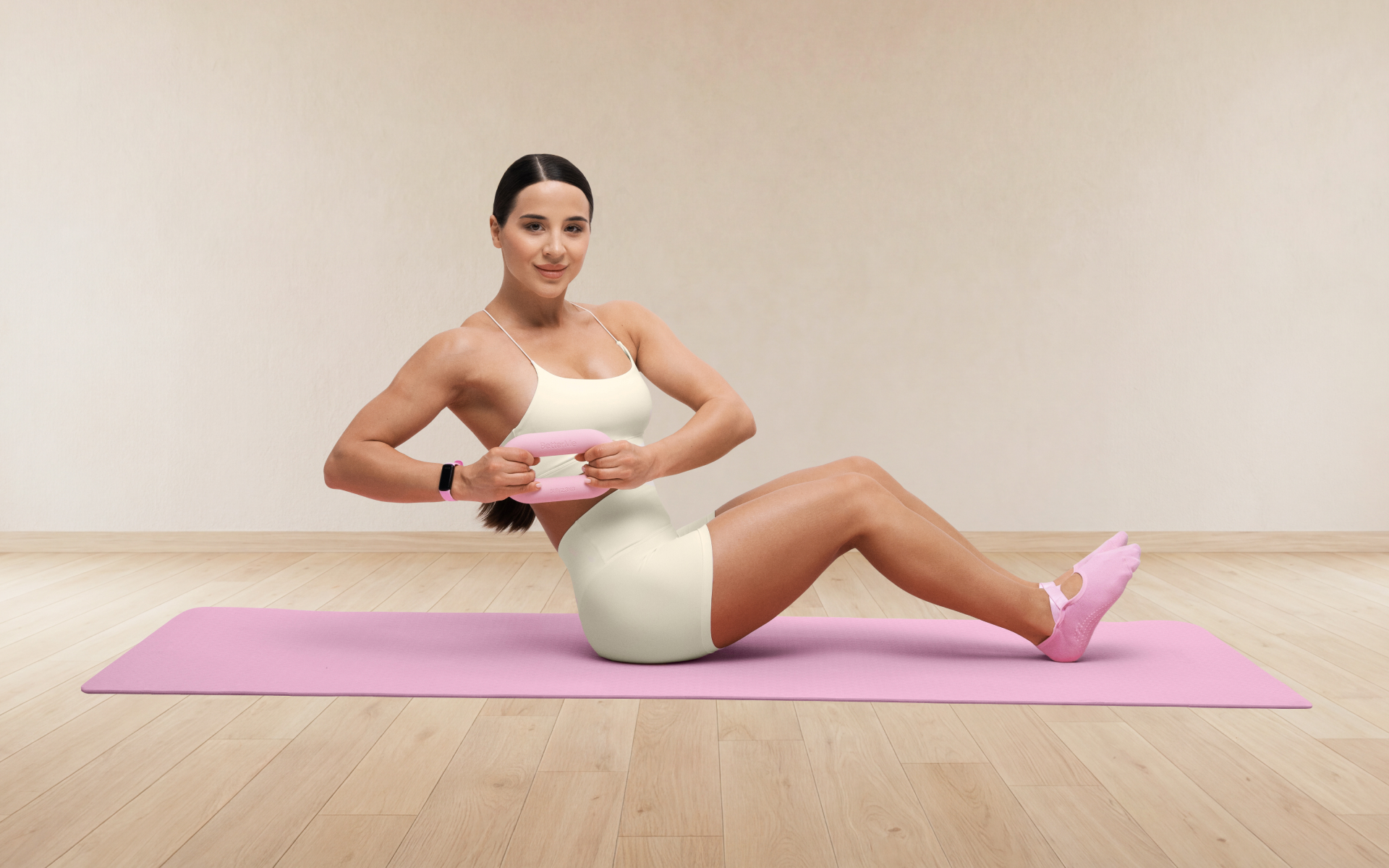
Consistency is the primary driver of adaptation for everyone who adopts a physically active lifestyle. Many people struggle not with the intensity of their workouts, but with the regularity of them. A structured Monday to Friday workout plan provides a framework that mirrors the typical work week, which allows you to build a routine that integrates seamlessly with your daily life while leaving the weekends open for rest or active leisure.
This guide will break down exactly how to structure a five-day training week effectively. We’ll move beyond vague advice and look at specific training variables – volume, intensity, and recovery – to ensure you’re stimulating change without inviting signs of overtraining. Whether you’re looking to build muscle, improve cardiovascular health, or simply maintain a high level of physical performance, knowing how to properly plan a five-day split is crucial.
What Is a Monday to Friday Workout Plan?
A Monday to Friday workout plan is a training schedule that condenses your physical activity into five consecutive days, followed by two days of rest or active recovery (typically Saturday and Sunday).
This structure is highly popular because it aligns with the standard 9-to-5 work week, which makes it easier for many individuals to habituate exercise into their morning or evening routines.
However, a “workout plan” is not synonymous with “crushing yourself” five days in a row. A well-designed plan manages fatigue by alternating between different energy systems and muscle groups. It typically involves a mix of resistance training (strength), cardiovascular work (endurance), and active recovery (mobility).
For example, performing high-intensity interval training (HIIT) or heavy compound lifting for five consecutive days is rarely sustainable for the average person. It often leads to systemic fatigue – a state where the central nervous system cannot recover fast enough to maintain performance (1, 2).
Instead, a sustainable Monday to Friday workout plan modulates intensity. You might have three days of higher exertion (resistance training) interspersed with two days of lower mechanical stress (steady-state cardio or mobility).
This approach ensures that while you’re active daily, you’re not constantly overloading the same physiological systems. This variance allows for “local” recovery (muscles healing) even while you continue to train globally (systemic movement).

Is It Good to Work Out Monday to Friday?
The efficacy of a training frequency depends entirely on how the volume (total work done) is distributed. Working out five days a week is not inherently “good” or “bad” – it’s a tool.
The World Health Organization guidelines recommend 150-300 minutes of moderate-intensity aerobic physical activity, or at least 75-150 minutes of vigorous-intensity aerobic physical activity per week, together with muscle-strengthening activities on two or more days (3).
A Monday to Friday schedule is an excellent vehicle to meet and exceed these guidelines.
BetterMe: Health Coaching app helps you achieve your body goals with ease and efficiency by helping to choose proper meal plans and effective workouts. Start using our app and you will see good results in a short time.
The Benefits of a 5-Day Structure
- Habit Formation: Psychology plays a massive role in fitness. By anchoring your training to your workdays, you remove the decision fatigue of “should I work out today?” It simply becomes part of the weekday schedule.
- Volume Management: Spreading your total weekly training volume over five days allows for shorter, higher-quality sessions. Instead of trying to cram 20 sets of leg exercises into one marathon Saturday session, you might split that volume across two days, maintaining higher intensity for each set.
- Metabolic Health: Daily activity improves insulin sensitivity and glucose regulation (4). A Monday to Friday workout plan for weight loss can be particularly effective because it ensures consistent caloric expenditure and metabolic upregulation throughout the week.
The Risks to Mitigate
The primary risk is inadequate recovery. If you view every Monday through Friday session as a “maximum effort” event, you risk burnout or injury.
Research suggests that muscle protein synthesis – the process of repairing and building muscle – typically lasts 24 to 48 hours after a workout (5).
If you train the same muscle group with high volume every day, you interrupt this recovery process. Therefore, the “goodness” of this schedule relies on a smart split that rotates focus areas.

What Is a Good Workout Routine Monday Through Friday?
A “good” routine is one that balances specificity (training for your goals) with recovery. For the general population looking for a blend of aesthetics, strength, and health, a hybrid approach is often best. This involves three days of strength training and two days of conditioning.
We will focus on a split that prioritizes full-body motor patterns and aerobic capacity. This specific routine is designed to hit major muscle groups 2-3 times a week (indirectly or directly), which sports science literature consistently highlights as optimal for hypertrophy (muscle growth) in natural trainees (6).
The 3/2 Split Overview
- Monday: Lower-body strength (squat/hinge focus)
- Tuesday: Upper-body strength (push/pull focus)
- Wednesday: Zone 2 cardio and core (active recovery/endurance)
- Thursday: Full-body hypertrophy (muscle building focus)
- Friday: High-intensity interval training (HIIT) or tempo cardio
- Saturday/Sunday: Rest or casual walking
This is an excellent template for a Monday to Friday workout plan for beginners because it separates heavy lifting days with a lower-impact cardio day on Wednesday. This “mid-week deload” of mechanical tension allows joints and ligaments to recover while you still work on your cardiovascular engine.
Alternatively, if you’re training at home with limited equipment, a Monday to Friday workout plan at home might rely more on bodyweight progressions and higher repetitions to achieve similar levels of fatigue and stimulus. The principles remain the same: stimulus followed by recovery.
If you’re looking for a more specialized home-based approach, you can check out our guide on a 5-day workout routine at home.
Read more: 4-Week Gym Workout Plan to Support Your Goals
What Is a Balanced Monday to Friday Workout Plan?
A balanced plan doesn’t just look at “working out”, it looks at movement quality. To create a truly balanced Monday to Friday workout plan, you need to integrate resistance training, cardiovascular work, and mobility.
Below is a detailed weekly schedule. This program assumes access to basic gym equipment (dumbbells, kettlebells, bench). If you’re following a Monday to Friday workout plan that’s female-centric or male-centric, know that the physiological principles of muscle growth are largely gender-neutral. However, load selection will vary based on individual strength levels.
The Program
Program Notes
- RPE (Rate of Perceived Exertion): This is a scale of 1-10. An RPE of 8 means you could have done 2 more reps with good form.
- Rest Periods: Take 90-120 seconds for compound movements (exercises that use multiple joints) and 60 seconds for isolation movements.
Warm-up: Spend 5-10 minutes doing dynamic stretching before every session to increase blood flow to muscles (7).
| Day | Workout Focus | Exercise | Sets | Reps | RPE |
|---|---|---|---|---|---|
| Monday | Lower-body strength | Goblets Squats | 3 | 8-10 | 8 |
| Romanian Deadlifts (RDL) | 3 | 10-12 | 8 | ||
| Walking lunges | 3 | 12/leg | 7 | ||
| Calf raises | 3 | 15-20 | 9 | ||
| Tuesday | Upper-body strength | Dumbbell bench press | 3 | 8-10 | 8 |
| Single-arm dumbbell row | 3 | 10-12 | 8 | ||
| Overhead dumbbell press | 3 | 10-12 | 8 | ||
| Lat pulldowns (or band pull-aparts) | 3 | 12-15 | 9 | ||
| Wednesday | Cardio and core | Steady state cardio (jog/bike/ruck) | 1 | 30-45 mins | 5-6 (Zone 2) |
| Dead bugs | 3 | 10/side | N/A | ||
| Plank | 3 | 45-60 secs | N/A | ||
| Thursday | Full-body hypertrophy | Kettlebell/dumbbell swings | 3 | 15-20 | 7 |
| Push-ups | 3 | AMRAP (as many reps as possible) | 9 | ||
| Step-ups | 3 | 12/leg | 8 | ||
| Face pulls | 3 | 15-20 | 8 | ||
| Friday | Conditioning | Circuit: burpees, mountain climbers, jump squats | 4 rounds | 30 secs on / 30 secs off | 9 |
| Farmers carry | 3 | 40 meters | 8 |
Exercise Instructions
Goblet Squats
- Stance: Stand with your feet slightly wider than shoulder-width apart, your toes pointed slightly out.
- Grip: Hold a dumbbell or kettlebell vertically against your chest, cupping the top end with both hands.
- Descent: Initiate the movement by pushing your hips back and bending your knees simultaneously. Keep your chest up and your elbows pointing down.
- Depth: Lower yourself until your thighs are at least parallel to the floor, ensuring your heels stay planted.
- Ascent: Drive through your feet to return to the starting position, squeezing your glutes at the top.

Romanian Deadlifts (RDL)
- Setup: Stand holding a dumbbell in each hand or a barbell in front of your thighs, your palms facing your body.
- Hinge: Keep a slight bend in your knees (don’t squat). Push your hips backward as if trying to close a door with your glutes.
- Lowering: Lower the weights along the front of your legs. Go only as far as your hamstring flexibility allows without rounding your back (usually mid-shin).
- Return: Drive your hips forward to return to standing. Focus on the hamstrings and glutes, not the lower back.
Walking Lunges
- Step: Take a long step forward with one leg.
- Drop: Lower your hips until both knees are bent at approximately a 90-degree angle. The back knee should hover just above the ground.
- Drive: Push off the front foot to bring the back foot forward into the next step.
- Posture: Keep your torso upright and your core engaged throughout the movement.
Dumbbell Bench Press
- Position: Lie on a flat bench with your feet flat on the floor. Hold a dumbbell in each hand at chest level.
- Press: Push the dumbbells up towards the ceiling until your arms are fully extended.
- Path: Lower the weights slowly and with control until your upper arms are parallel to the floor or slightly deeper.
- Angle: Keep your elbows at roughly a 45-degree angle to your torso, not flared out to 90 degrees.
Single-Arm Dumbbell Row
- Support: Place your left knee and left hand on a bench for support. Your back should be flat and parallel to the ground.
- Grip: Hold a dumbbell in your right hand, your arm hanging straight down.
- Pull: Pull the dumbbell up toward your hip, driving your elbow back and close to your body.
- Release: Lower the dumbbell slowly to the starting position, feeling a stretch in the lat muscle.

Overhead Dumbbell Press
- Stance: Stand or sit with your feet shoulder-width apart. Hold dumbbells at shoulder height, your palms facing forward or neutral.
- Press: Drive the weights straight up overhead until arms are extended. Avoid arching your lower back excessively.
- Lower: Lower the weights back to shoulder height with control.
Dead Bugs
- Start: Lie on your back with your arms extended toward the ceiling and legs in a tabletop position (knees bent at 90 degrees).
- Movement: Lower your right arm behind your head and extend your left leg straight out simultaneously. Keep your lower back pressed firmly into the floor.
- Return: Return to the starting position and repeat with the opposite arm and leg.
- Control: Move slowly – this is an anti-extension core exercise.
Kettlebell Swings
- Hinge: Start with your feet wider than shoulder-width apart, kettlebell on the floor in front of you. Hinge at the hips to grab the handle.
- Hike: Hike the bell back between your legs like a football snap.
- Snap: Explosively drive your hips forward to propel the bell up to chest height. Your arms act as ropes; the power comes from the hips.
- Reset: Let gravity bring the bell back down, guiding it between your legs into the next hinge.
This balanced approach ensures you’re hitting the necessary movements without overtraining. For women who are specifically looking for tailored splits that emphasize different volume loads, you can review our 5-day workout split for women.
BetterMe will shake off your mental funk, rid you of your energy-zapping habits, and help you sculpt the body of your dreams. Intrigued? Hurry up and change your life for the better!
Does It Matter Which Days I Work Out?
Physiologically, your muscles don’t know that it’s Monday. They only understand stimulus and recovery time, which are key determinants of changes that occur in response to exercise (8). However, the sequence of your training days matters significantly for performance.
If you perform a heavy leg workout on Monday, your central nervous system (CNS) and localized musculature will experience fatigue. If you try to sprint on Tuesday, your performance will likely be inhibited as sprinting requires significant leg strength and CNS output. This is why the program above places an upper-body day between the heavy lower-body day and the cardio day.
Read more: How to Build a Gym Workout Routine for Women
The “Weekend Warrior” vs. Consistent Training
Research comparing “weekend warriors” (who compress volume into 1-2 days) vs. regular exercisers (spread over 3+ days) shows that while both groups see health benefits (9), the injury risk can be higher when volume is compressed due to acute fatigue (10). Spreading the load over a Monday to Friday schedule allows for better quality of movement.
Furthermore, adhering to a schedule that matches your lifestyle stress is essential. If Mondays are your most stressful day at work, scheduling your hardest workout then may be counterproductive due to already elevated cortisol levels. In that case, shifting your “heavy” day to Tuesday may yield better results.
Those who are interested in exploring different scheduling configurations, such as an upper/lower split spread over five days, can read more about the 5-day workout split.

If you’re training within 30-60 minutes of waking, consume a small, easily digestible carbohydrate source such as a banana or a slice of toast to top off liver glycogen. However, if the workout is low-intensity, training while fasted is also acceptable. Low-intensity cardio (Zone 2) can be considered “active recovery” as it enhances aerobic capacity by promoting blood flow without significant muscle damage (11), but high-intensity cardio places stress on the body and should be counted as a training stimulus (12), not rest. While you can be physically active 7 days a week, performing intense resistance or interval training every single day is generally not recommended as it prevents adequate recovery and can lead to diminished returns and injury (13). Common signs of overtraining include a persistent elevated resting heart rate, inability to sleep despite fatigue, a sudden drop in workout performance, and a lack of motivation or low mood that persists for more than a few days (14). You shouldn’t work out on days when you’re experiencing acute pain (not to be confused with muscle soreness), illness like a fever, or when your life stress is so high that adding physical stress would be detrimental to your overall health.Frequently Asked Questions
What should I eat before a morning workout?
Does cardio count as a rest day?
Can I work out 7 days a week?
How do I tell if I’m overtraining?
What days should I not work out?
The Bottom Line
Creating a Monday to Friday workout plan is about more than just filling a calendar – it’s about engineering a lifestyle that prioritizes longevity and performance. By structuring your week with intention – balancing strength, endurance, and recovery – you move away from sporadic exercise and toward a sustainable, high-performance routine.
Start with the plan outlined above, adjust the loads to your current capability, and trust the process of consistent effort.
DISCLAIMER:
This article is intended for general informational purposes only and does not serve to address individual circumstances. It is not a substitute for professional advice or help and should not be relied on for making any kind of decision-making. Any action taken as a direct or indirect result of the information in this article is entirely at your own risk and is your sole responsibility.
BetterMe, its content staff, and its medical advisors accept no responsibility for inaccuracies, errors, misstatements, inconsistencies, or omissions and specifically disclaim any liability, loss or risk, personal, professional or otherwise, which may be incurred as a consequence, directly or indirectly, of the use and/or application of any content.
You should always seek the advice of your physician or other qualified health provider with any questions you may have regarding a medical condition or your specific situation. Never disregard professional medical advice or delay seeking it because of BetterMe content. If you suspect or think you may have a medical emergency, call your doctor.
SOURCES:
- Central and Peripheral Fatigue in Physical Exercise Explained: A Narrative Review (2022, mdpi.com)
- The Role of High-Intensity Interval Training (HIIT) in Neuromuscular Adaptations: Implications for Strength and Power Development—A Review (2025, mdpi.com)
- Physical activity (n.d., who.int)
- Update on the effects of physical activity on insulin sensitivity in humans (2017, bmjopensem.bmj.com)
- Maximizing Post-exercise Anabolism: The Case for Relative Protein Intakes (2019, frontiersin.org)
- Progression Models in Resistance Training for Healthy Adults (2009, journals.lww.com)
- Dynamic Warm-ups Play Pivotal Role in Athletic Performance and Injury Prevention (2025, sciencedirect.com)
- General Principles of Training (2009, researchgate.net)
- Association of “weekend warrior” and leisure time physical activity patterns with health-related physical fitness: a cross-sectional study (2025, link.springer.com)
- The “weekend warrior”: Fact or fiction for major trauma? (2014, pmc.ncbi.nlm.nih.gov)
- What Is “Zone 2 Training”?: Experts’ Viewpoint on Definition, Training Methods, and Expected Adaptations (2025, journals.humankinetics.com)
- The Impact of High-Intensity Interval Training on Cardiometabolic, Neurologic, Oncologic, and Pain-Related Outcomes: A Comprehensive Review of Systematic Reviews (2025, mdpi.com)
- Beyond physical exhaustion: Understanding overtraining syndrome through the lens of molecular mechanisms and clinical manifestation (2025, sciencedirect.com)
- Overtraining Syndrome: A Practical Guide (2012, pmc.ncbi.nlm.nih.gov)
 By
By 
 Reviewed by



 Reviewed by