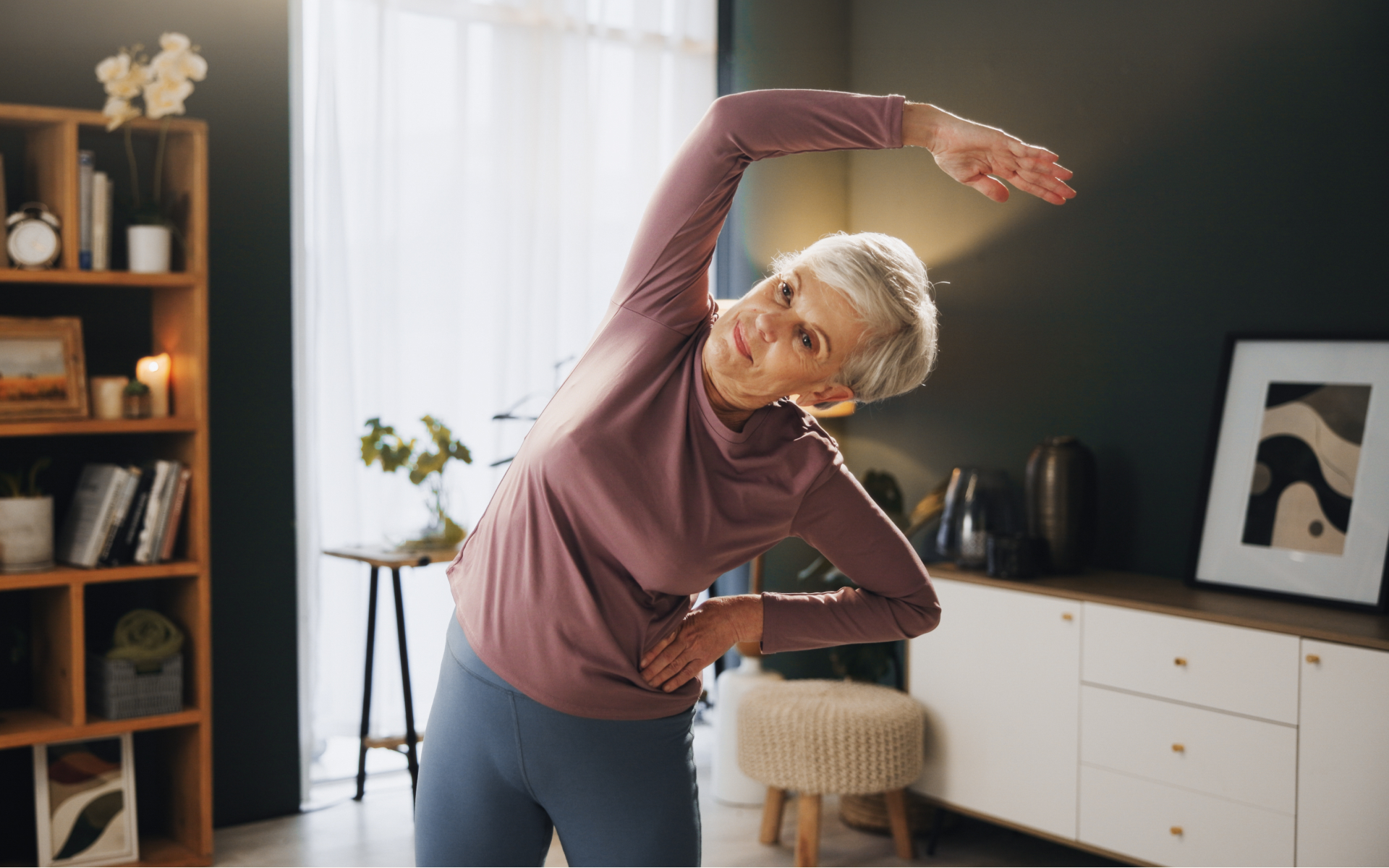
Light exercise is the type of movement that feels doable on a regular day. It gently increases your heart rate and breathing, but you can still hold a conversation and finish feeling refreshed, rather than wiped out. That’s why it’s one of the easiest ways to build consistency: you don’t need a gym, special equipment, or a perfect schedule to get started.
In this guide, you’ll find practical, beginner-friendly light exercises you can fit into real life – walking, cycling at an easy pace, chair movements, gentle yoga, balance drills, light dancing, and simple bodyweight options. You’ll also learn what “light intensity” actually means, how to choose activities that match your current fitness level, and a simple 15-20 minute routine you can repeat throughout the week.
The goal is straightforward: add more daily movement in a way that feels sustainable. Small sessions done consistently can add up, particularly when you choose options you enjoy and make them part of your routine.
What Are Some Light Exercises for Daily Movement?
Here are some practical light exercises for beginners and daily movement. They are gentle options that can fit into a regular routine without making every session demanding. They include:
- Walking – you can walk daily for 10-30 minutes. This will help you keep active and physically fit. You can walk anywhere, whether indoors or outdoors.
- Slow cycling – whether it’s outdoors or stationary cycling indoors, this activity can help improve your leg strength without putting too much pressure on your knees.
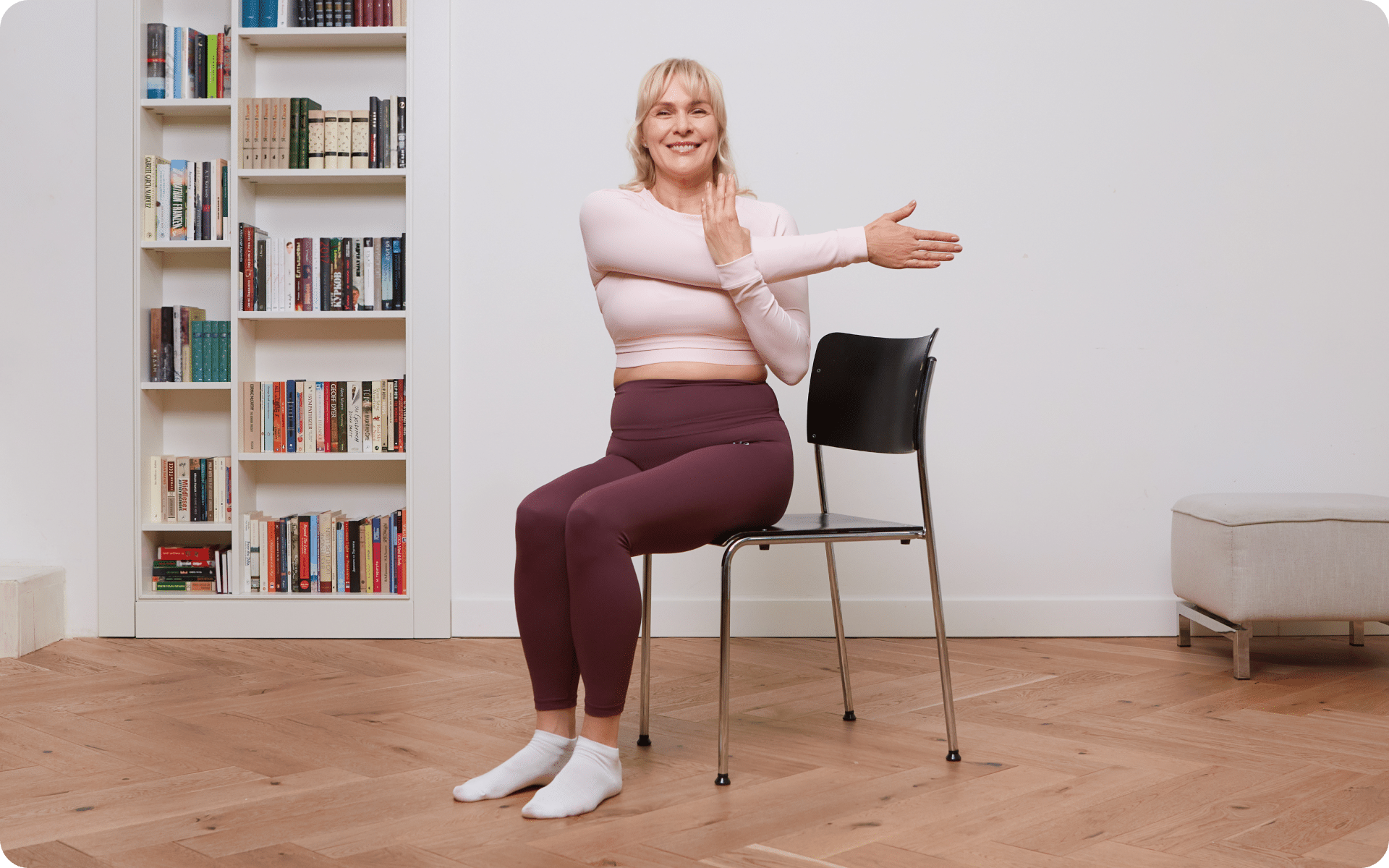
- Chair exercises – some of the easy chair yoga poses that can fit into a light exercise routine include seated leg lifts, seated twists, arm circles, and seated marches. All of these are low-impact movements that are gentle and don’t put too much pressure on your joints.
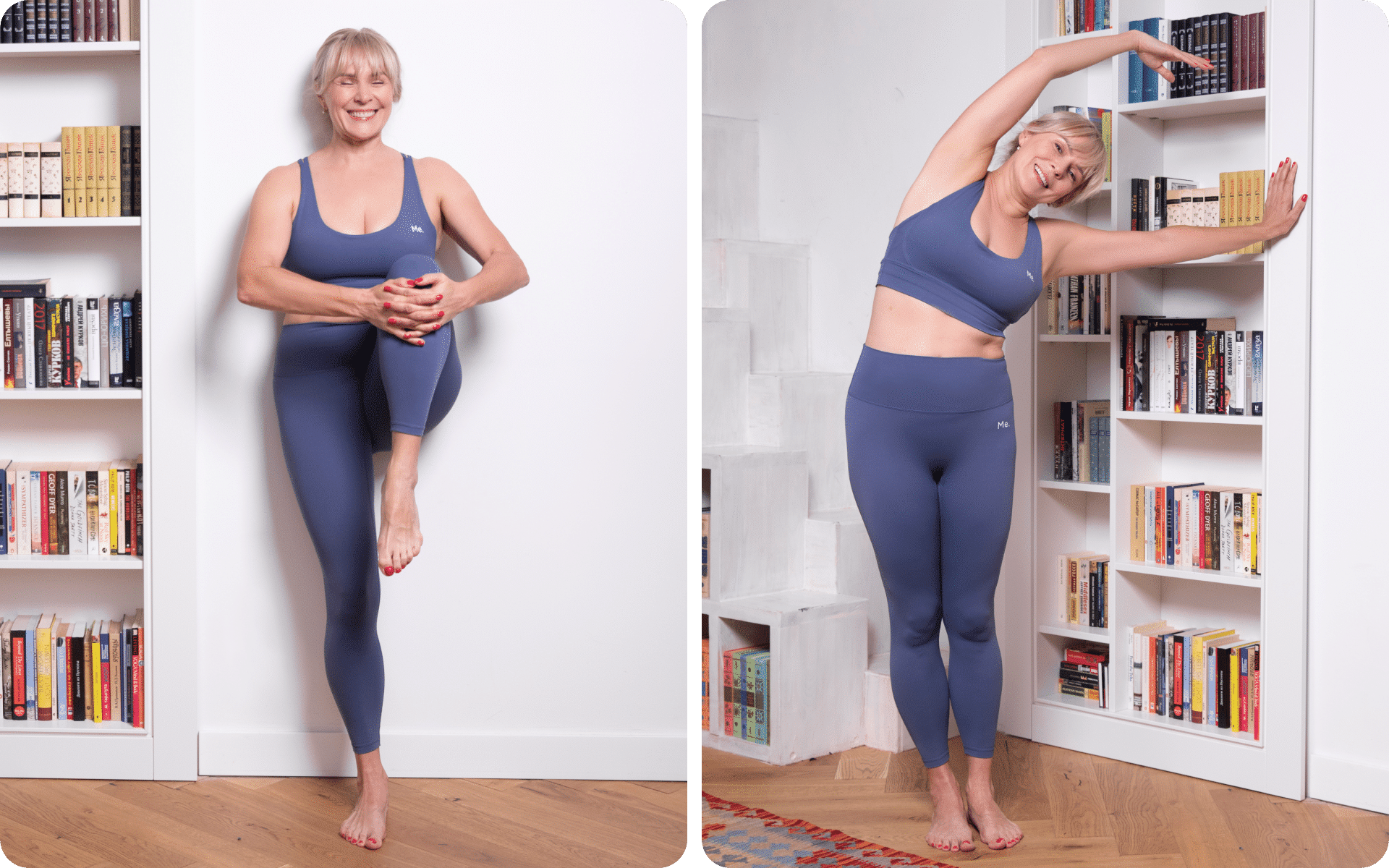
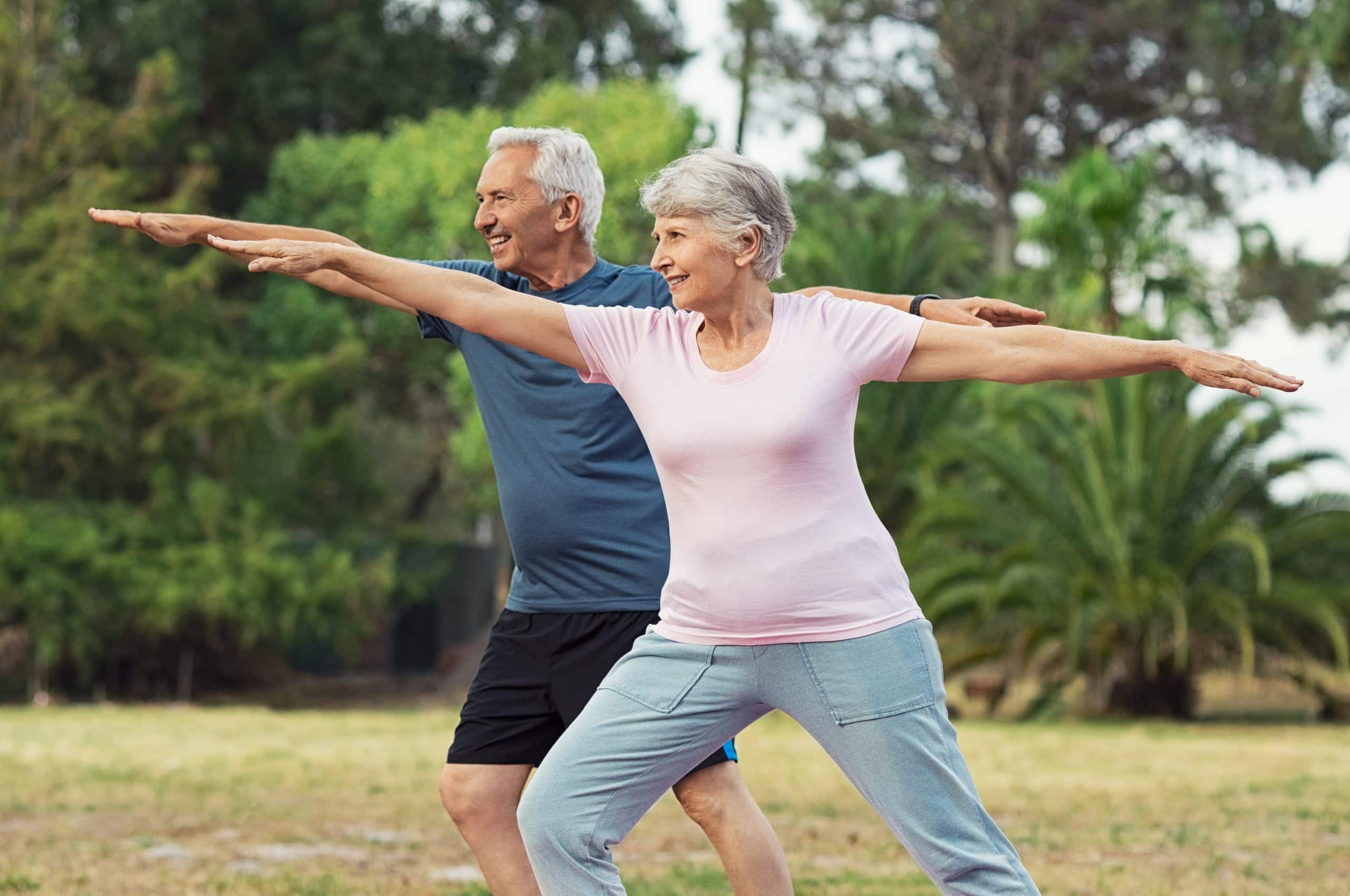
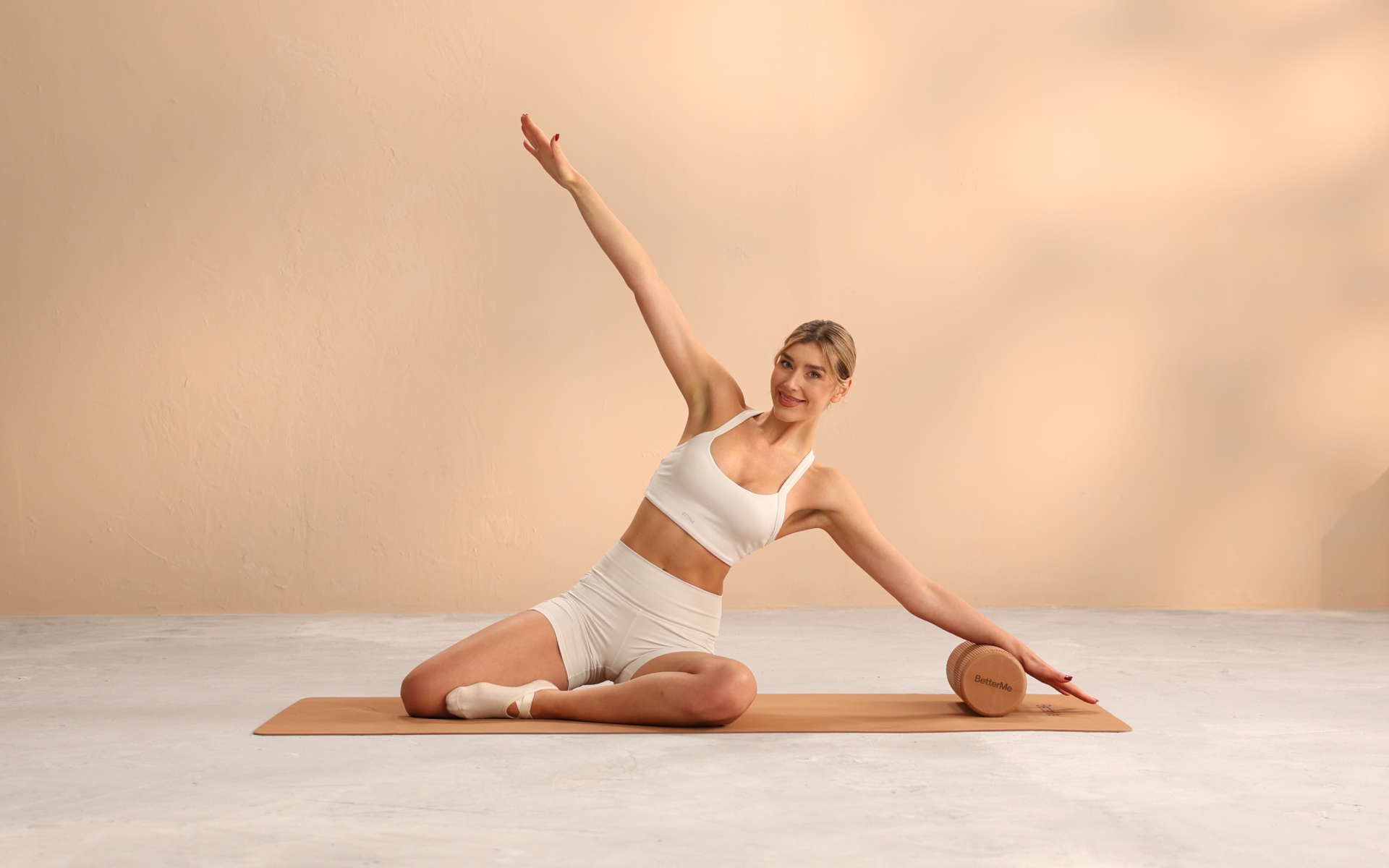
- Light yoga – some of the gentle poses such as standing stretches, cat-cow, and child’s pose are some of the few options that are easy to fit into a light exercise daily routine.
- Easy balance exercises include a single-leg stand and heel-toe walk. They can be a simple way to practice coordination as part of a gentle routine.
- Light dancing – you may not even need a schedule to dance. You can just make it a habit or lifestyle to incorporate dancing into your daily routine. With gentle music, you can dance gently during your relaxing moment at home. Dancing can also help boost your mood.
- Low-impact bodyweight movements – low-impact bodyweight movements that can fit into a light exercise routine for basic bodyweight workout include wall push-ups, heel raises, chair squats, and standing side leg lifts. These exercises are helpful for boosting strength without engaging in exercises with too much intensity.
If you prefer a gentler starting point, explore our low-impact workout guide.
What Is Considered a Light Exercise?
A light exercise is one that slightly raises your heart rate or breathing, but allows you to still talk comfortably. It doesn’t place too much strain on your muscles as it involves gentle movements while keeping your heart rate slightly above its resting rate. It can look like a normal routine such as a casual walk where you don’t even feel exhausted or sweaty, but you’re still getting the benefits of the extra daily movement.
After light exercise, you don’t feel tired or exhausted, but refreshed. However, your breathing will be slightly faster than when you’re not exercising, but you’ll still be able to talk comfortably.
These exercises may suit people who spend long periods sitting, older adults, beginners, and people returning gradually to activity. For older adults who prefer guided movement at home, a workout app for seniors can offer another convenient way to follow gentle, structured routines. If you have health concerns or have been advised to limit activity, speak with a healthcare professional before starting a new routine.
Looking at the nature of the exercises, you will find them easy to integrate into your daily life as you don’t need special equipment or access to the gym. In addition, the exercises are sustainable for long durations and you can go for up to an hour without feeling fatigue.
BetterMe offers a variety of workouts, recipes, challenges, and support tools to help you stay more consistent with your wellness routine. Explore the app to find features that fit your goals, preferences, and schedule.
What Are the Main Benefits of Regular Light Exercise?
Light exercises can be a useful starting point for beginners, people returning to activity, and anyone who prefers a gentler pace. If you have health concerns, contact a healthcare professional before starting a new workout routine. Focus on controlled movement and gradual progress rather than intensity.
What Are 10 Examples of Light Activity?
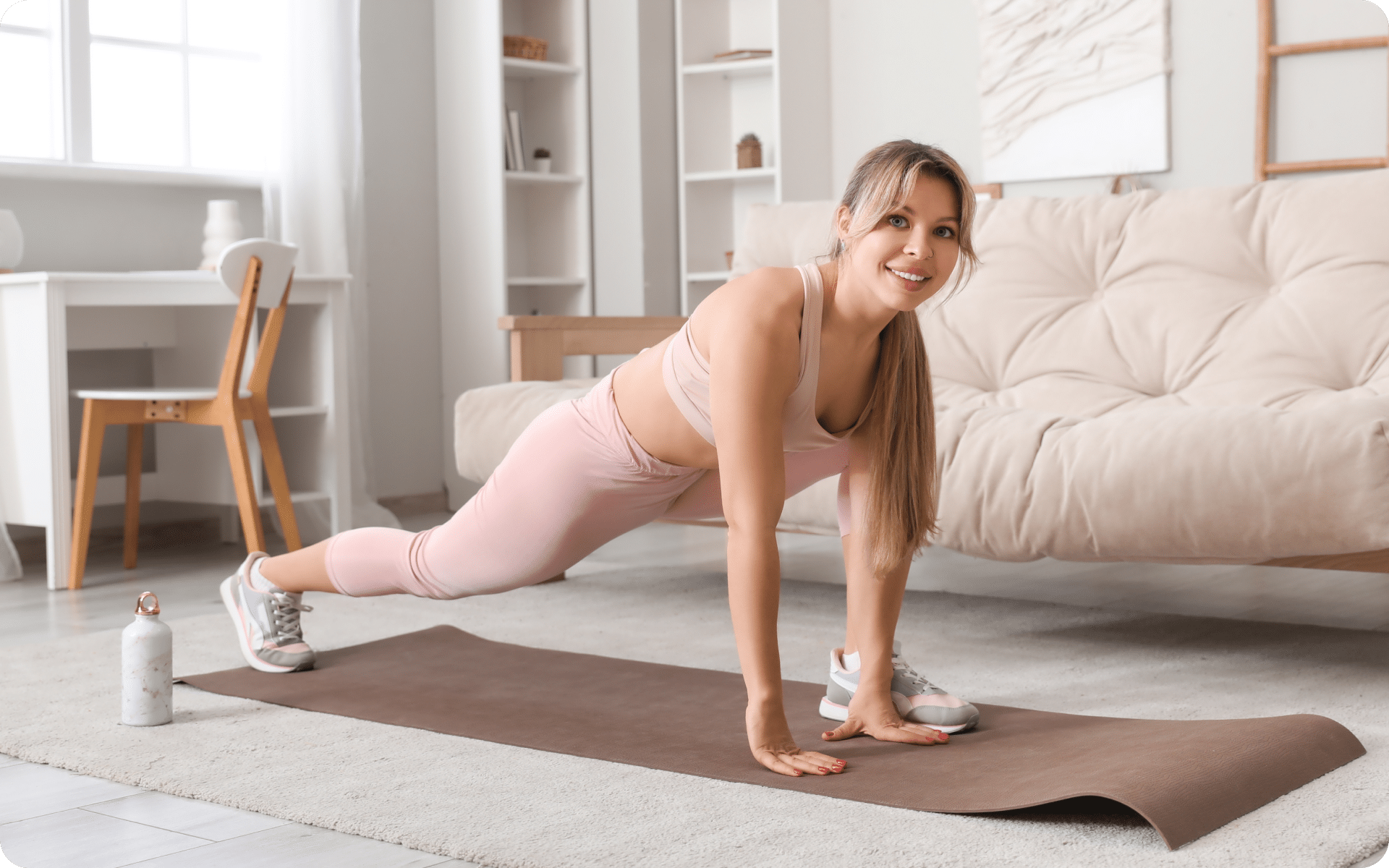
Here is light exercises list with 10 activities that you can engage in daily. During your normal home routine, you’ll find that some of the things you do are actually part of the light exercises that are beneficial to your health. Examples of light activities include:
Walking
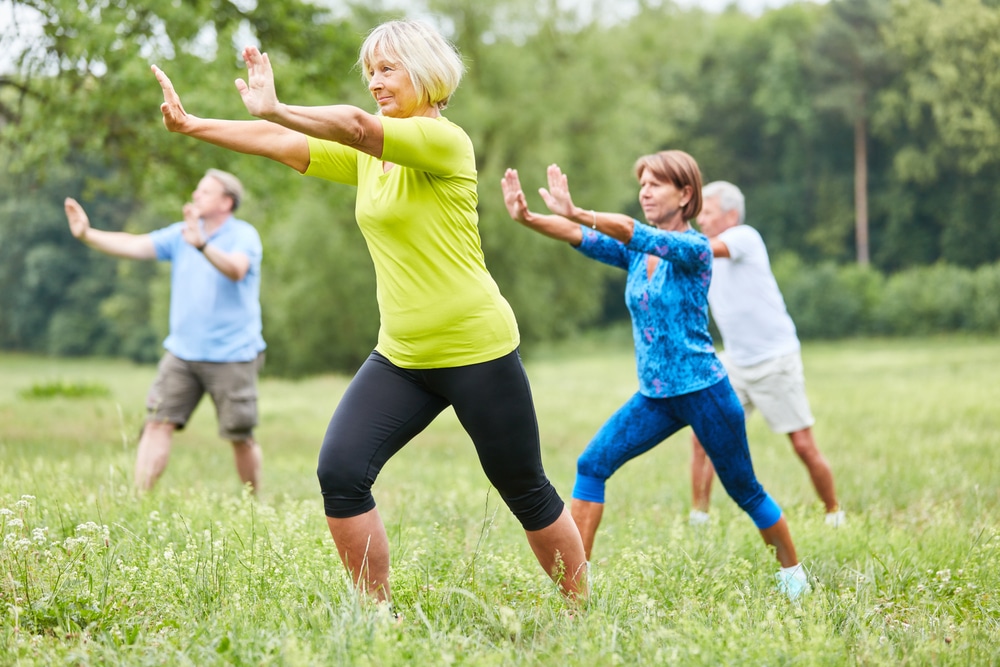
When it’s done at a comfortable, slow, and leisurely pace, walking is considered to be a light activity. Light-intensity walking is that which is slow or below 2mph, raises the heart rate slightly, and where you can talk comfortably while walking.
Slow Dancing
Slow dancing is a low-impact activity that can add variety to a movement routine. Some research has explored its links with mood, balance, and flexibility (1).
Gentle Yoga or Stretching
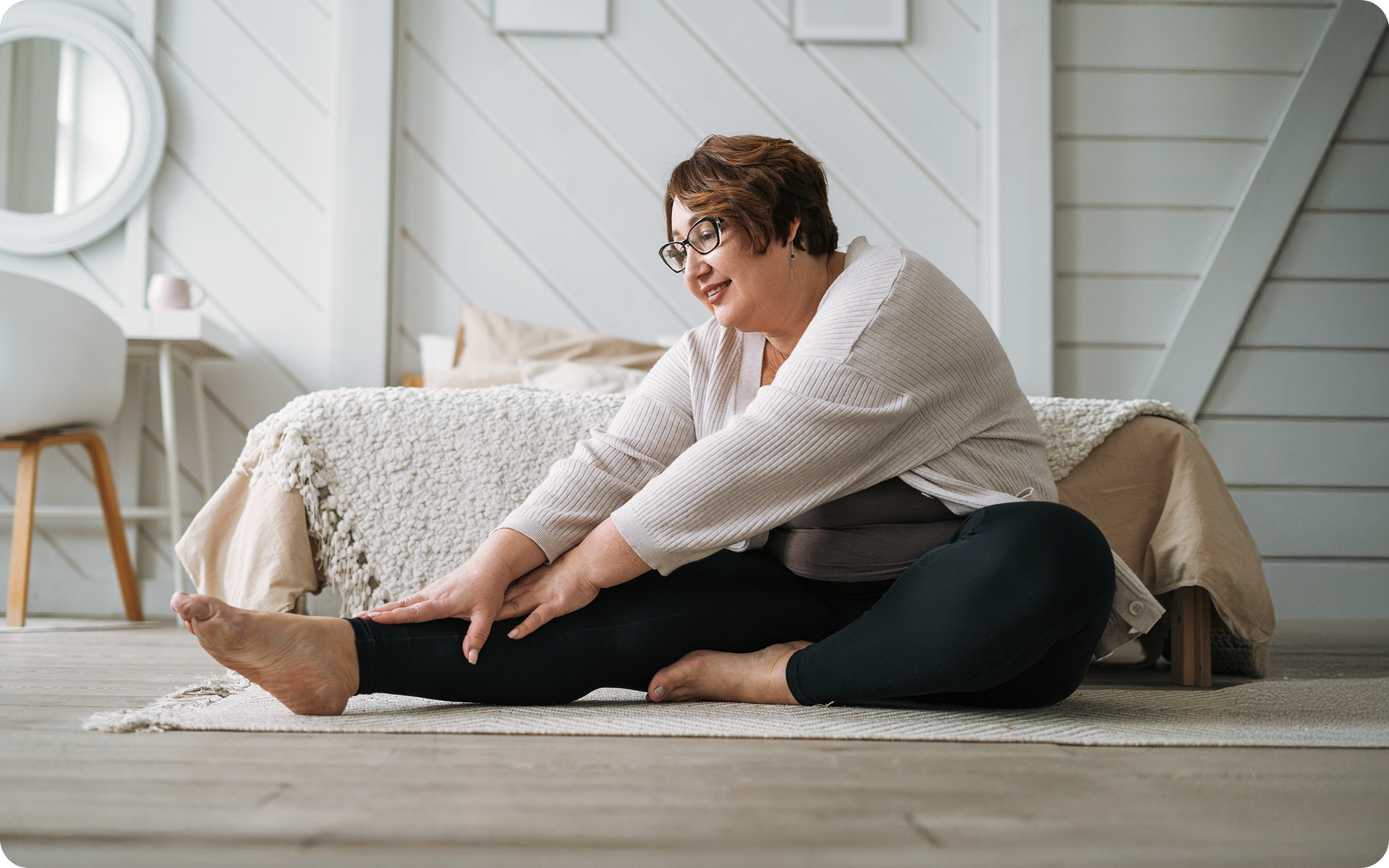
Gentle yoga uses slow movements, stretching, and breathing. Many people find it a calm option to include in a light exercise routine.
Slow Cycling
This is also an example of a light activity that offers both physical and mental benefits. When it comes to cycling, you need to choose a comfortable bike and keep it at a slow and steady pace. Slow cycling can be enjoyable and beneficial for your overall health and well-being.
Light Housework
Activities such as washing dishes, preparing food, light sweeping, decluttering, and dusting are examples of light housework. They can add movement to a day when combined with other routines (5).
Read more: No-Equipment Arm Workout: Exercises, Tips, and FAQs
Light Gardening
Like light housework, gardening can add gentle movement to the day. Weeding, planting, pruning, raking, and watering can be practical ways to spend more time moving outdoors.
Light Training
Light training can include light dumbbells or resistance bands, simple bodyweight squats, calf raises, and activities such as swimming. Choose an option and pace that feel manageable for you.
Leisure Sports
Leisure activities such as walks, golf, table tennis, light yoga, and cycling can make regular movement feel more enjoyable and easier to maintain (4).
Using Stairs
When you have the option of choosing between the elevator or the stairs, you should consider the latter. Stairs have been shown to help burn more calories than walking on a flat surface. Regularly taking the stairs can be helpful for improving cardiovascular health, burning calories, improving muscle strength, and boosting mood and energy.
Stretching
Stretching is often used as part of a warm-up or cool-down. When done gently, it can support a comfortable range of movement and provide a calm transition into or out of activity.
What Is an Example of a Light Exercise Workout Plan?
If you are looking for a simple light exercise routine for beginners, the following example uses gentle, low-impact movements that can fit into many daily schedules.
For more gradual options, see our low-intensity workouts guide.
Light Exercise Workout Plan (15-20 Minutes)
Warm-Up (3 Minutes)
- March in place – 1 minute
- Gentle neck turns – 30 seconds
- Shoulder rolls – 30 seconds
- Ankle circles – 1 minute
Main Workout (10-12 Minutes)
- Slow walking – 2 minutes
- Simple slow squats – 10 reps
- Arm circles – 1 minute
- Wall push-ups – 10-12 reps
- Seated leg lifts – 10 per leg
- Side steps – 1-2 minutes
- Slow cycling – 1 minute
Cool-Down (3 Minutes)
- Chest stretch on a wall – 30 seconds
- Gentle hamstring stretch – 30 seconds on each side
- Deep breathing – 1 minute
Read more: 30-Minute Full-Body Workout, No Equipment Needed: The Complete Guide
How to Start a Consistent Light Exercise Routine
Light exercise works more smoothly with a simple plan. Below are steps for creating a routine that suits your current ability and daily schedule.
Define Your Goals
It’s always the first thing to do. What do you want to achieve? Do you want to lose weight, improve your flexibility, improve your energy, or reduce stress? Your goals will define the direction your exercises will take and the amount of time you should dedicate to the exercises.
Start Small
When you’re starting out, you need to consider time, intensity, and type of exercise. Your approach should be progressive so you start with about 10-20 minutes, then progress to about 30-60 minutes consistently for 3-5 days per week.
Choose the Exercises You Enjoy Doing
If you want to stick to your routine and make it fun and enjoyable, you should choose exercises you enjoy doing. This could be walking around your neighborhood or park, dancing to your favorite music, or doing a slow countryside leisure ride where you can stop and admire the view.
Come up with a Schedule
A schedule is a plan that will guide you throughout the week. Once you have a goal and you’ve chosen your exercises, you need to decide on the specific time of day and which days you’ll perform your exercises.
Increase Gradually
You can start small and increase gradually as your comfort changes. If you are returning to activity after time away or have health concerns, consult a healthcare professional before increasing duration or intensity.
Listen to Your Body
When performing your exercises, whether it’s light yoga, stretching, or a countryside walk, you need to listen to your body – don’t overdo it. Just a simple walk daily is enough. You don’t have to stretch too far until you’re exhausted. In addition, you need to be slow with your exercises while also listening to your body and stop when you feel it’s enough.
Make It a Lifestyle
Making a lifestyle of any exercise means waking up to it daily or making it part of your weekly engagements. When it’s a lifestyle, it becomes something you always desire to do.
Is 30 Minutes, 7 Days a Week Good for a Beginner?
For many beginners, a 30-minute light session may be a reasonable option when it feels manageable. Start with a shorter duration if needed and build gradually. Regular movement can support consistency and help you learn what pace fits your routine.
Whether you want to refresh your fitness routine, explore lower-calorie recipe ideas, or bring more structure to your wellness habits, BetterMe Well-Being Coach app offers tools that can support your next step. Explore the app and find an approach that works for your lifestyle.
FAQs
Can I start working out at 60?
Yes, you can start working out at 60. Many older adults choose gentle movement to support everyday mobility, balance, and confidence. If you have health concerns or are returning after time away from activity, consult a healthcare professional first.
Older adults can also explore our low-impact exercises for seniors.
Do 7-minute workouts actually work?
A seven-minute session can be a practical way to begin building a movement habit. Choose a duration you can repeat consistently and adjust it as your comfort and routine change (2).
Does a chair workout really work for weight loss?
Chair workouts can contribute to daily movement and may help you build a regular activity habit. Changes in body weight depend on many factors, including eating habits, activity patterns, and individual circumstances. Aim for a routine you can maintain and seek professional advice if you need individualized nutrition guidance.
What is the single most effective exercise?
There’s no particular exercise we can say is the most effective. Different types of exercises are suited to different goals. The effectiveness of the exercise will depend on personal or individual goals. Some exercises are good for strength and muscle building, some are good for cardiovascular health, and some are good for weight loss. Therefore, no single exercise can be effective for all the goals.
The Bottom Line
Light exercises use low-intensity movements that may raise your heart rate while still allowing you to hold a conversation. Walking, slow cycling, gentle yoga, stretching, and light household chores can all be practical options. Start small, choose activities you enjoy, and increase gradually as your routine develops.
Some light exercise activities you can engage in include activities such as walking, slow cycling, slow dancing, gentle yoga or stretching, and light household chores. If you want to start a light exercise routine, you need to define your goals, start small, choose exercises you enjoy, come up with a schedule, and increase the intensity gradually while listening to your body.
DISCLAIMER:
This article is intended for general informational purposes only and does not serve to address individual circumstances. It is not a substitute for professional advice or help and should not be relied on for making any kind of decision-making. Any action taken as a direct or indirect result of the information in this article is entirely at your own risk and is your sole responsibility.
BetterMe, its content staff, and its medical advisors accept no responsibility for inaccuracies, errors, misstatements, inconsistencies, or omissions and specifically disclaim any liability, loss or risk, personal, professional or otherwise, which may be incurred as a consequence, directly or indirectly, of the use and/or application of any content.
You should always seek the advice of your physician or other qualified health provider with any questions you may have regarding a medical condition or your specific situation. Never disregard professional medical advice or delay seeking it because of BetterMe content. If you suspect or think you may have a medical emergency, call your doctor.
SOURCES:
- Dancing may be better than other exercise for improving mental health (2024, sydney.edu.au)
- Effect of 7-minute workout on weight and body composition (2017, pubmed.ncbi.nlm.nih.gov)
- Health Benefits of Exercise and Physical Activity (2025, nia.nih.gov)
- Leisure time exercise (2017, health.harvard.edu)
- The perks of doing housework: Longitudinal associations with survival and underlying mechanisms (2023, pmc.ncbi.nlm.nih.gov)
 Reviewed by