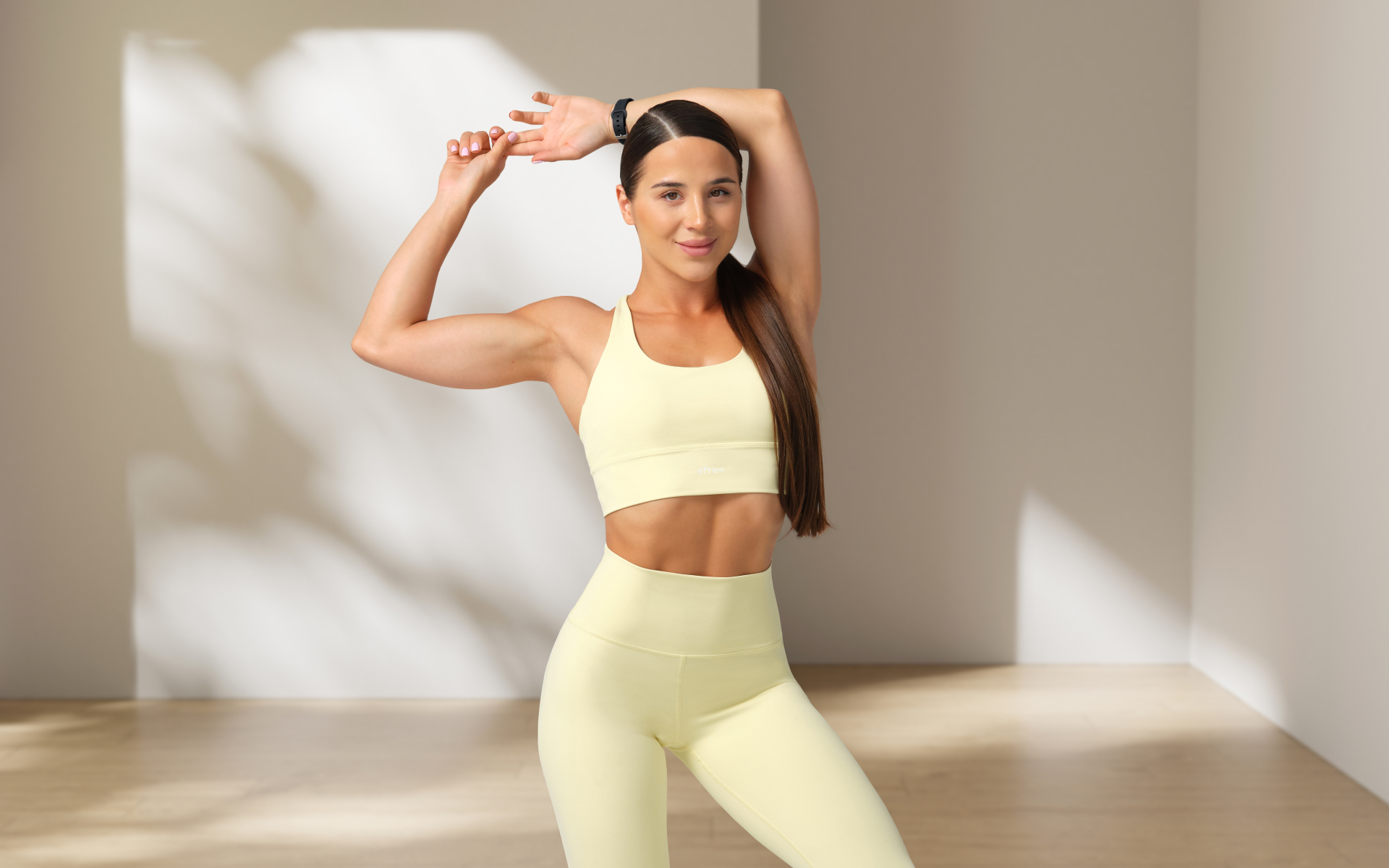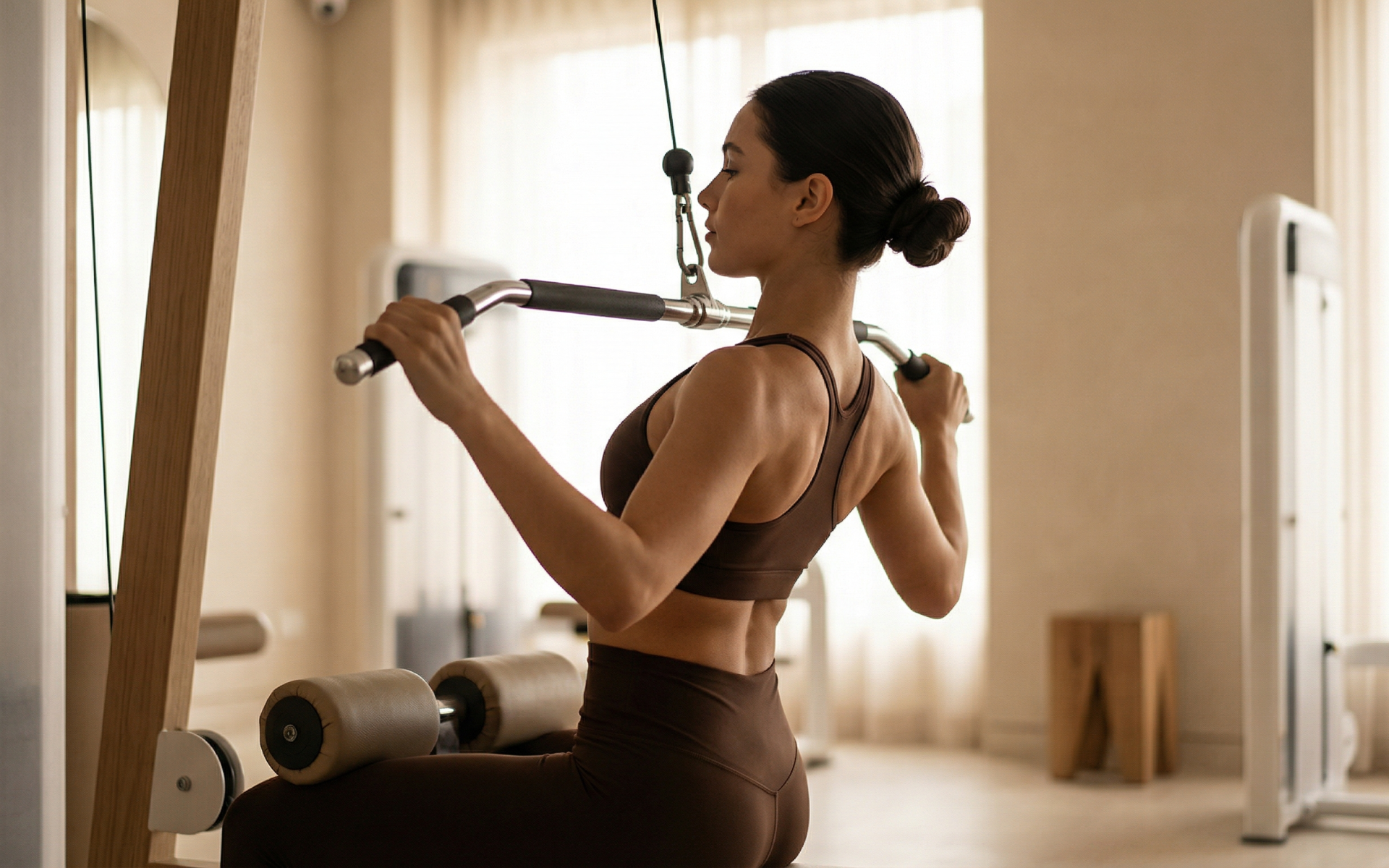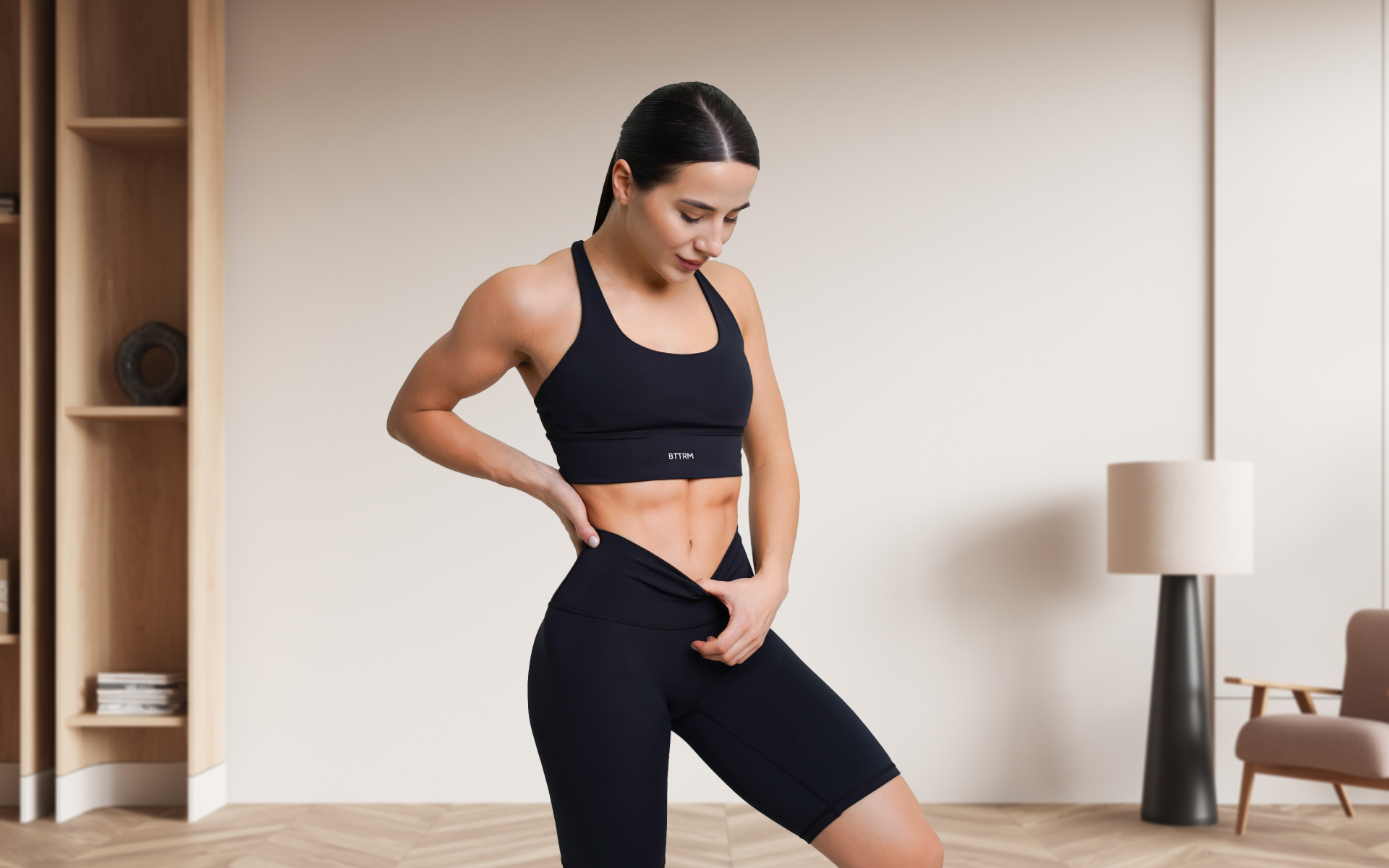
A lean body is one that’s strong, defined, and low in body fat %, while a slim body is typically defined as low in overall body weight.
If you keep replaying those online fitness videos and are wondering how to build a routine that actually works, it’s time to clear up a few misconceptions. A lean body for females comes from following the right strategy, not copying random tips that pop up on your feed.
Plenty of influencers share advice, but not all of it is accurate or sustainable. Real results come from proven methods and reliable information, which is exactly what you’ll find ahead in this article.
This guide is built on research-backed insights and practical strategies to help you move in the right direction. If your goal is to build functional strength or finally learn how to fuel your body without second-guessing every meal, you’ve come to the right place. Let’s simplify the process and focus on what truly works.
This article is for informational purposes only and is not intended as medical, nutrition, fitness, or weight-loss advice. Results can vary based on age, body composition, health status, hormones, lifestyle, and consistency. Before starting any new exercise program or making significant dietary changes, you should consult a qualified healthcare professional, registered dietitian, or certified trainer to determine what is appropriate for your individual needs.
What Is a Lean Body Female Physique and How Is It Built?
In the fitness world, the term lean is used frequently. It sounds trendy, but it has a clear, specific meaning.
A lean physique is about improving your body composition. This means increasing muscle tissue and reducing excess body fat (1). The real focus is the balance between muscle and fat, not just overall weight on the scale.
Defining the Lean Physique
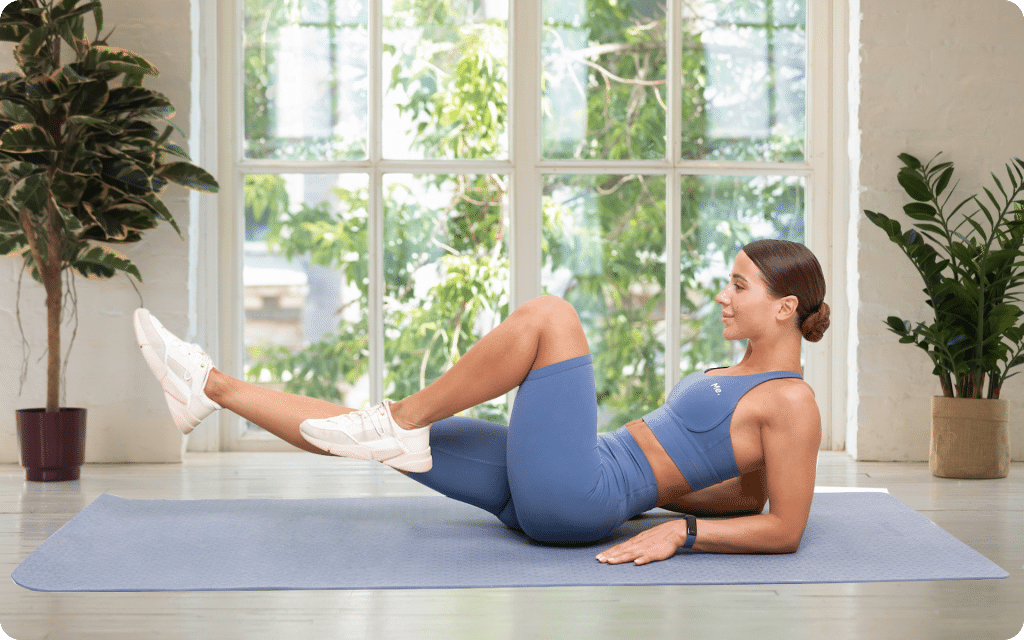
A lean physique means having a higher proportion of lean body mass (LBM) compared to fat mass (1).
Lean body mass (LBM) includes everything in your body that isn’t fat. This includes skeletal muscle, bones, organs, and water.
Research often describes LBM as the body’s metabolic engine (2). The more skeletal muscle mass you have, the higher your resting metabolic rate (BMR), which means that you can burn more calories at rest.
If you’re wondering what the differences between male and female lean body requirements are, this table might give you some perspective (3):
| Category | Men | Women |
|---|---|---|
| Body fat percentage (BFP) trend | Lower than women at all ages | Higher than men at all ages |
| Age-related pattern | Peak BFP occurs earlier | Peak BFP occurs 8 years later than in men |
| WHO obesity threshold | 25% BFP | 35% BFP |
| Study cut-off difference | 6.2 percentage points higher than the WHO recommendation | 0.9 percentage points lower than the WHO recommendation |
| Essential body fat requirement | Lower essential fat requirement | Must maintain essential fats for hormonal balance and reproductive health |
| Hormonal impact with age | Gradual metabolic changes | Health issues after menopause due to hormonal decline |
How to Build a Lean Physique
Building a lean physique happens through a process that’s called body recomposition. This means increasing muscle mass while reducing fat mass (4).
Pillar I: Progressive Resistance Training (PRT)
Resistance training can be one of the most effective ways to increase lean body mass.
A meta-analysis found that resistance training increases muscle fiber cross-sectional area and fat-free mass. In simple terms, it helps muscles grow stronger and bigger (5).
When performing resistance training exercises, you should focus on compound movements such as squats, deadlifts, and presses. These exercises work multiple muscle groups at once. They can recruit more muscle fibers and elicit a stronger anabolic response than isolation exercises alone (6).
BetterMe: Health Coaching app helps you achieve your body goals with ease and efficiency by helping to choose proper meal plans and effective workouts. Start using our app and you will see good results in a short time.
Pillar II: Protein Optimization
Muscle growth depends on maintaining a positive nitrogen balance. This occurs when muscle protein synthesis (MPS) exceeds muscle protein breakdown (MPB) (7).
One study found that protein evenness improves muscle retention, which means consuming 25-30g of protein across 4-5 meals throughout the day is generally more effective than eating most of your protein at dinner or any singular meal (8).
Pillar III: Caloric Control
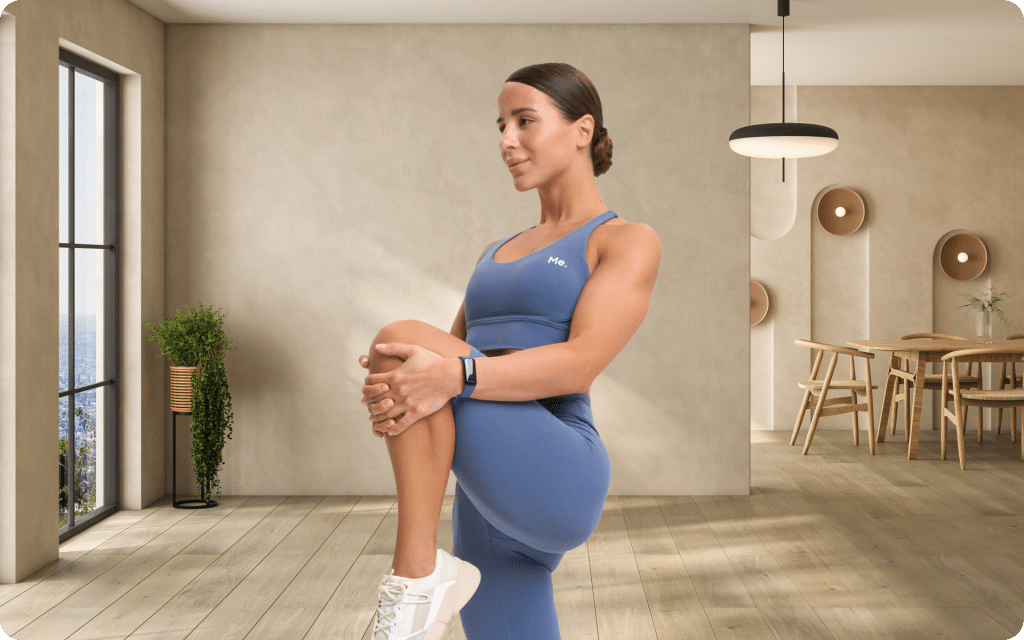
A lean physique requires enough calories to support training and a small calorie deficit to reduce fat.
On the other hand, severe calorie restriction can lead to loss of lean body mass, which slows down metabolism (9). Research has suggested that combining resistance training with weight loss helps protect fat-free mass. This helps ensure that most of the weight lost comes from fat and not muscle (10).
Now that we’ve covered the basic information on what a lean body for females means and how to achieve it, we can now explain how to figure out a plan to build one.
Read more:Resistance Band Workouts for Women to Tone Your Body
Is Lean the Same as Slim?
As previously mentioned, lean and slim aren’t the same, even though people often conflate them. In everyday conversations, the two words are often confused.
In reality, they describe very different conditions inside the body. The real difference comes down to body composition, which simply means the ratio of muscle to fat. A slim body is typically associated with lower body weight (11). A lean body is characterized by more muscle and less body fat, regardless of the scale.
Composition vs. Dimensions
Being slim usually describes how someone looks on the outside. It refers to smaller body measurements or lower body weight. It doesn’t tell you what that weight is made of. Someone can look thin, but that doesn’t automatically mean they have strong muscles or a healthy body composition.
Being lean is about what’s happening inside the body. A lean person has a lower body fat percentage and a higher-than-average skeletal muscle mass. When comparing a slim body with a muscular body, the focus should be on muscle development and fat levels, not just the number on the scale.
The Skinny Fat Phenomenon
There’s also the skinny-fat effect. In clinical research, this is called MONW, which stands for medically obese normal weight. It describes people who fall within a normal body mass index (BMI) range, but have higher visceral fat and low muscle mass (12).
Harvard Health reported that someone may appear slim based on BMI yet still have unhealthy fat levels (13). This can lead to metabolic risks similar to those seen in people who are clinically obese. This is why focusing solely on weight or size doesn’t provide a full picture of health or fitness.
Metabolic Efficiency
One of the biggest scientific differences between slim and lean body types comes down to how they use energy. This also plays an important role in the discussion of a toned body vs a muscular body.
- Slim (Low Muscle)
Muscle is a metabolically active tissue. This means that it can burn calories even when you are resting. A slim person with low muscle mass typically has a lower resting metabolic rate (RMR). In simple terms, their bodies burn fewer calories at rest due to their limited muscle mass (14). This means they need fewer calories to maintain their weight, but it also makes them more likely to gain fat if their eating habits change or become inconsistent.
- Lean (High Muscle)
Muscle tissue is active and energy-demanding. Research has explained that muscle mass plays a key role in glucose clearance and insulin sensitivity (15). A lean body works like an efficient engine. It can burn more calories at rest compared to a slim body of the same weight.
This is why muscle mass isn’t just about appearance in the conversation about toned body vs muscular body. It directly affects metabolism, energy use, and overall health.
This means that two women can both weigh 140 lbs and even wear the same clothing size, but look completely different. One may appear firmer and more defined because she has more muscle, while the other may look softer due to higher body fat.
This is an important reminder for anyone who is working toward toned body goals for females. The number on the scale doesn’t tell the full story. Body composition matters far more than weight alone. In addition, we all have unique bodies and genetics play a large role in your appearance.
| Feature | Slim (low muscle) | Lean (high muscle) |
|---|---|---|
| Muscle definition | Soft, minimal tone | Visible separation and firmness |
| Metabolic rate | Lower RMR | Higher RMR |
| Bone density | Potentially lower in addition to somewhat of a risk when attempting heavy load-bearing activities | Higher (due to resistance training) (16) |
| Physical strength | Likely below average | Enhanced functional capacity due to frequent consistent training |
How to Get Really Lean as a Woman
Achieving a very lean look without adding bulk is a goal that some women may aim for. If you’ve been lifting heavy or pushing through HIIT and feel puffy or bulky, there’s a smarter way to approach it. This method focuses on lean-body female exercises and helps you achieve a toned look without overdoing it. If you’re curious about how to get toned body, check out our earlier article.
Master the Lean Cardio (Walking)
You don’t need to sprint – walking can do the trick.
Hit at least 10,000 steps a day. Walking is a form of low-intensity steady-state (LISS) cardio that can burn calories while remaining low impact (17). It’s easy, sustainable, and fits well into lean-body female exercise sequences.
Prioritize Consistency Over Intensity
Going too hard, too fast, leads to burnout.
Focus on 8-week cycles. Expect to notice fit changes in weeks or months. Aim for 4-5 short workouts (15-30 minutes) per week instead of exhausting two-hour sessions.
Focus on Body Recomposition
It’s now clear that getting lean is about losing fat while keeping just enough muscle to stay firm.
Don’t just trust the scale. Track measurements such as waist or thigh circumference and take progress photos. You might be losing fat and toning your muscles even if your weight doesn’t change.
The key to a lean, toned body for women is to stay active frequently throughout the week, not just killing yourself at the gym once or twice a week!
What Is an Effective Lean Body Female Workout?
The question of how to achieve a lean body at home for females is among the most frequently asked in fitness circles. If you often wonder the same, the sample routine below might help you create one for yourself.
Daily Movement
- Walking (LISS Cardio): 30-60 minutes daily, or aim for 10,000 steps. This can burn fat and keep muscles lean without bulking.
Strength Training (3-4x per week)
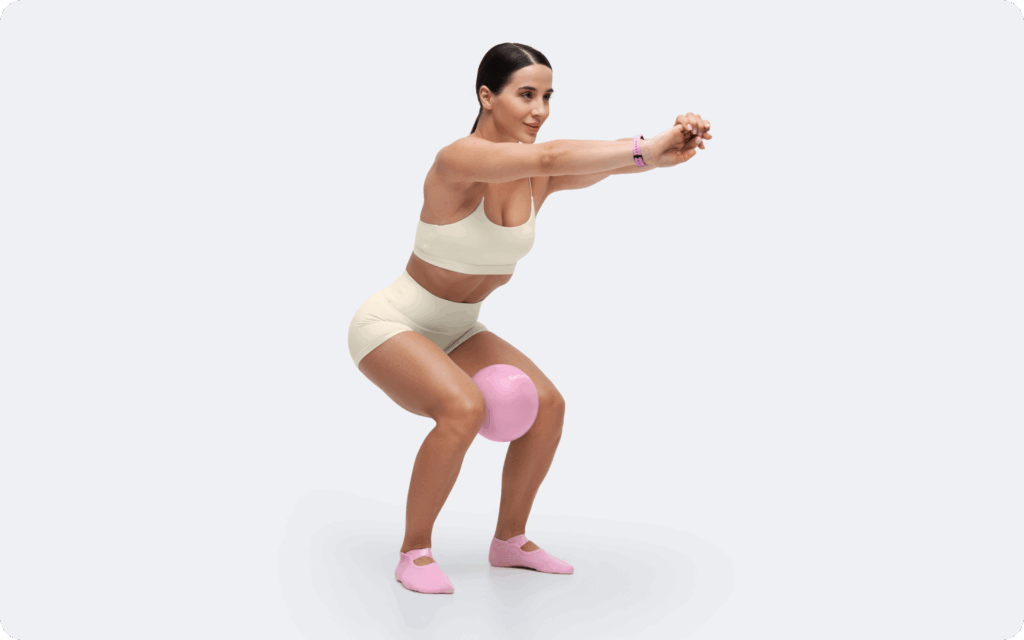
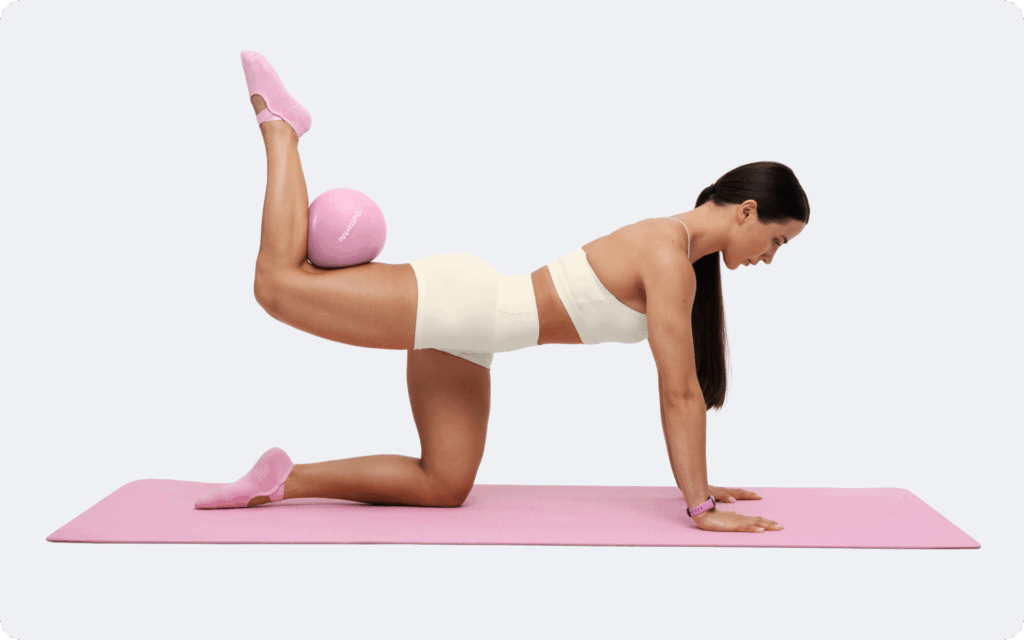
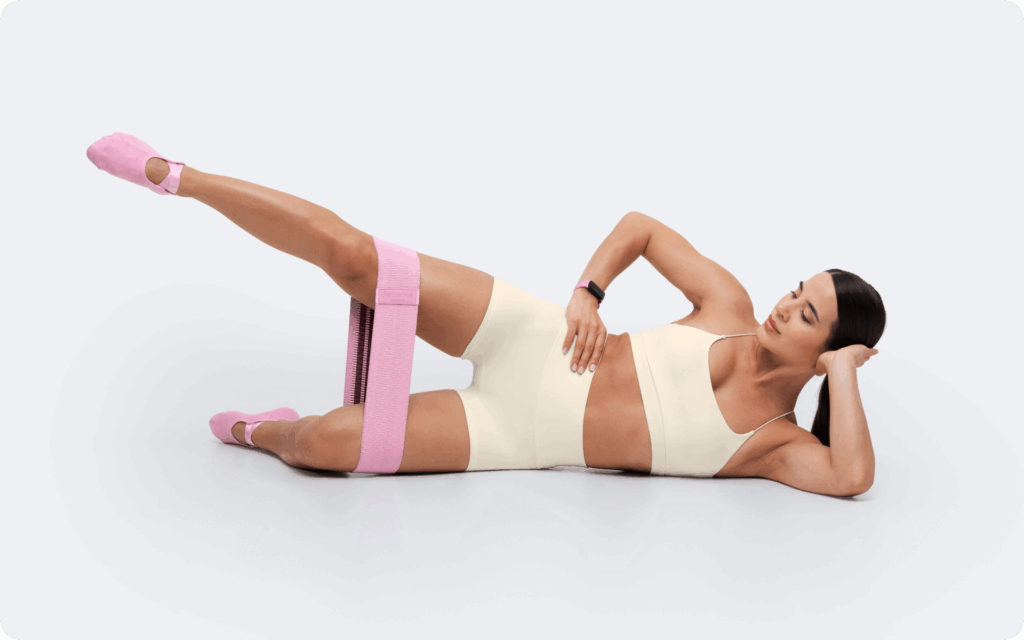
- Lower Body: Squats, lunges, glute bridges – 3 sets of 8-15 reps
- Upper Body: Push-ups, resistance band rows, dumbbell presses – 3 sets of 8-15 reps
- Core and Stability: Planks, carries, anti-rotation movements – 3 sets of 30-45 seconds each
Interval Training (1-2x per week)
- Short bursts of moderate-intensity cardio (e.g. cycling, jogging, or jump rope) for 20-25 minutes
- 30 seconds work, 1-minute active recovery
Flexibility and Mobility Work (daily, if possible)
- Stretching, mobility work, or yoga for 10-15 minutes – remember that these small sessions add up quickly.
Body Recomposition Focus
- Track progress with measurements, not just the scale
- Prioritize protein intake and balanced meals
Reasons why BetterMe is a safe bet: a wide range of calorie-blasting workouts, finger-licking recipes, 24/7 support, challenges that’ll keep you on your best game, and that just scratches the surface! Start using our app and watch the magic happen.
Weekly Example
- Monday: Strength – lower body + 10,000 steps
- Tuesday: LISS walking + core
- Wednesday: Strength – upper body + 10,000 steps
- Thursday: Active recovery – stretching/yoga + walking
- Friday: Strength – full body + core
- Saturday: Interval cardio + walking
- Sunday: Rest or light walking
Achieving a lean body for women is no longer unrealistic. If you have the right workout routine that progressively challenges you and you’re eating healthy foods to adhere to your fitness goals, you can see results sooner than you’d think. Changing your habits is challenging and will take time, but consistency can help. Consider seeking professional guidance from a certified trainer or registered dietician – they can help create a plan that works for your individual body.
How Long Does It Take to Lean out as a Female?
When you’re trying to lean out, the number on the scale isn’t the best way to track progress. As we’ve discussed, a lean body is strong, defined, and low in body fat %. Retaining your strength will be important as you lose body fat.
A safe and sustainable weight-loss pace is believed to be about 1 to 2 pounds per week (18). For most women, reducing 4-8lbs each month is realistic.
Most clinical body recomposition studies use a 12-16-week timeframe because it takes that long for structural changes to become visible.
| Phase | Timeline | What’s happening in your body? |
|---|---|---|
| The neural phase | Weeks 1-3 | You feel stronger and tighter as your nervous system adapts. Early weight changes are primarily due to water and glycogen (19). |
| The metabolic phase | Weeks 4-8 | Real fat burning begins. Muscle protein synthesis exceeds breakdown, leading to visible definition (20). |
| The visual phase | Weeks 8-12+ | Fat loss becomes noticeable. Muscles might show more clearly, and clothes fit better. |
You’re not imagining it – women often seem to lean out more slowly than men at the start.
One study found that men lost about 16% more weight than women over an 8-week period. Both groups followed the same calorie deficit (21).
However, over time, consistency pays off. Women can achieve similar results with sustained effort and tailored strategies.
What Kind of Diet Is Best for a Lean Body?
If your goal is a lean body, the best diet isn’t extreme or trendy – it’s balanced and catered to you personally. Here’s what a female diet for a lean body could revolve around:
- High protein intake (1.4-2.2 g/kg body weight) (22)
- Small, sustainable calorie deficit
- Balanced carbs to fuel workouts
- Healthy fats for hormonal support
- Whole, minimally processed foods
- Even protein distribution across meals
- Adequate hydration
- No crash dieting or extreme restrictions
A lean body is built in the kitchen just as much as it is at the gym. The right diet doesn’t starve you or cut out entire food groups – it includes dietary options that will support your muscle growth, not just help you lose weight.
You’ll know you’re getting lean when your body starts to look more defined and firm, particularly in areas such as your arms and legs. Pay attention to how your clothes fit – you might maintain your weight but still go down a size or two. If you prefer numbers, a lean body fat range for women is typically 14%-24%. What’s better really depends on your goals. Both a lean and a bulkier physique can be healthy. A lean body (meaning more muscle and less fat) is often seen as ideal as it keeps your body efficient without putting extra pressure on your joints. If you want to feel light, quick, and strong, then going lean may be the best option. If your goal is maximum size and power, then building a bigger, more muscular frame makes more sense. Most of the time, it comes down to a variety of factors, such as metabolic adaptation, water retention, food digestion, and the specific time of day you weigh in. If you eat too few calories for too long, your body slows down your metabolism to conserve energy (23), so you’re probably not gaining fat overnight. Your body is likely just functioning as it normally should. Generally, to stay lean, you should limit empty calories such as sugary drinks, refined carbs, and ultra-processed snacks. These foods are typically not nutritious and make overconsuming easier. Sleep is like a natural performance booster. Without enough rest, your body cranks up ghrelin (hunger hormone), lowers leptin (fullness hormone), and raises cortisol, which can make you store belly fat. As a consequence, your body may burn muscle instead of fat for energy (24)(25).Frequently Asked Questions
How can you tell if you’re lean?
Is it better to be bulky or lean?
Why am I putting on weight when I’m eating less?
Which food isn’t good for a lean body?
How does sleep affect weight loss?
The Bottom Line
Don’t think that getting lean is a crazy 30-day dash to a lower number on the scale. It’s when you’re levelling your body over time. So, you shouldn’t obsess about shrinking yourself, and you should start building instead.
Skip extreme calorie cuts and focus on getting plenty of good protein. Instead of endless cardio, do smart, intentional moves like daily walks, resistance training, and exercises that really work your muscles.
Note that your body needs time (approximately 12 weeks) to show real changes. Don’t stress over the scale. Focus more on how you feel each day and try your best to remain consistent.
DISCLAIMER:
This article is intended for general informational purposes only and does not serve to address individual circumstances. It is not a substitute for professional advice or help and should not be relied on for making any kind of decision-making. Any action taken as a direct or indirect result of the information in this article is entirely at your own risk and is your sole responsibility.
BetterMe, its content staff, and its medical advisors accept no responsibility for inaccuracies, errors, misstatements, inconsistencies, or omissions and specifically disclaim any liability, loss or risk, personal, professional or otherwise, which may be incurred as a consequence, directly or indirectly, of the use and/or application of any content.
You should always seek the advice of your physician or other qualified health provider with any questions you may have regarding a medical condition or your specific situation. Never disregard professional medical advice or delay seeking it because of BetterMe content. If you suspect or think you may have a medical emergency, call your doctor.
SOURCES:
- The effect of body composition on strength and power in male and female students (2021, link.springer.com)
- Lean Body Mass (n.d., sciencedirect.com)
- A study on the construction of body fat percentage percentile curve for adults aged 20–79 in China (2025, frontiersin.org)
- Body Recomposition: Can Trained Individuals Build Muscle and Lose Fat at the Same Time? (2020, journals.lww.com)
- The effects of exercise training on body composition in postmenopausal women: a systematic review and meta-analysis (2023, frontiersin.org)
- Low-Load High Volume Resistance Exercise Stimulates Muscle Protein Synthesis More Than High-Load Low Volume Resistance Exercise in Young Men (2010, researchgate.net)
- Evenness of Dietary Protein Intake Is Positively Associated with Lean Mass and Strength in Healthy Women (2022, journals.sagepub.com)
- Impact of calorie restriction on energy metabolism in humans (2020, sciencedirect.com)
- Effect of resistance exercise on body composition, muscle strength and cardiometabolic health during dietary weight loss in people living with overweight or obesity: a systematic review and meta-analysis (2025, bmjopensem.bmj.com)
- Who wants a slimmer body? The relationship between body weight status, education level and body shape dissatisfaction among young adults in Hong Kong (2011, link.springer.com)
- Metabolic Obesity in People with Normal Body Weight (MONW)—Review of Diagnostic Criteria (2022, mdpi.com)
- How well does body mass index correlate with excess fat? (2025, health.harvard.edu)
- The relationship between resting metabolic rate and quality of life is moderated by age and body composition in women: a cross-sectional study (2024, link.springer.com)
- Role of Skeletal Muscle in Insulin Resistance and Glucose Uptake (2020, onlinelibrary.wiley.com)
- Effect of High and Low intensity training on body fat in Young individual, comparative study (2018, researchgate.net)
- Effects of Resistance Exercise on Bone Health (2018, pmc.ncbi.nlm.nih.gov)
- Loading Recommendations for Muscle Strength, Hypertrophy, and Local Endurance: A Re-Examination of the Repetition Continuum (2021, mdpi.com)
- Steps for Losing Weight (2023, restoredcdc.org)
- Neuromuscular adaptations to resistance training in elite versus recreational athletes (2025, frontiersin.org)
- Flipping the Metabolic Switch: Understanding and Applying the Health Benefits of Fasting (2017, onlinelibrary.wiley.com)
- Men and women respond differently to rapid weight loss: Metabolic outcomes of a multi-centre intervention study after a low-energy diet in 2500 overweight, individuals with pre-diabetes (PREVIEW) (2018, dom-pubs.pericles-prod.literatumonline.com)
- International Society of Sports Nutrition position stand: protein and exercise (2022, tandfonline.com)
- Impact of calorie restriction on energy metabolism in humans (2022, pmc.ncbi.nlm.nih.gov)
- The Role of Sleep Curtailment on Leptin Levels in Obesity and Diabetes Mellitus (2021, karger.com)
- The Impact of Sleep Deprivation on Hunger-Related Hormones: A Meta-Analysis and Systematic Review (2025, mdpi.com)

 Reviewed by
 Reviewed by