HIRT uses heavy resistance exercises with short pauses within a set. One small trial compared a HIRT session with traditional lifting in 17 trained men. The sample below is for experienced lifters who can maintain their form as they tire. New to lifting? Start with our full-body strength training routine.
Check with a doctor before starting if you have a heart condition, high blood pressure, joint problems, or recent surgery.
Key takeaways
HIRT is a time-efficient way to lift hard, suited to experienced lifters.
- In 17 trained men, resting energy use 22 hours after HIRT was higher than after traditional training (1).
- In that trial, HIRT used 3 exercises and 7 sets, while traditional training used 32 sets (1).
- In a meta-analysis, lighter and heavier loads produced similar muscle growth when all sets reached momentary muscular failure (2).
- A 2019 resistance-training review found no meaningful muscle-growth difference between higher and lower training frequencies when total training volume was matched (3).
- Progressing load over time can help strength keep improving (4).
What is HIRT?
HIRT stands for high-intensity interval resistance training. It combines heavy lifting with short rest breaks inside each set.
In the trial protocol, a set began with 6 reps at a heavy load (1). You rested 20 seconds and did 2 to 3 more reps (1). Then you rested 20 seconds again and did 2 to 3 final reps (1). Sets were separated by 2 minutes and 30 seconds of rest (1).
How is HIRT different from traditional strength training?
HIRT packs heavy work into fewer, longer sets. Traditional training uses more sets with longer rests.
|
Feature |
HIRT (trial protocol) |
Traditional training (trial protocol) |
|---|---|---|
|
Exercises |
3 |
8 |
|
Total sets |
7 |
32 |
|
Reps per set |
6, then 2 to 3, then 2 to 3 |
8 to 12 |
|
Rest inside sets |
20 seconds |
None |
|
Rest between sets |
2 minutes 30 seconds |
1 to 2 minutes |
The table above is based on the trial protocol (1).
How is HIRT different from HIIT?
HIIT can use short bursts of running or cycling with recovery breaks. HIRT organizes resistance exercises into intervals.
Both aim to save time.
What does research show about HIRT?
Research on HIRT is limited. The main trial tested 17 trained men in 2 sessions (1).
Resting energy use measured 22 hours after HIRT was higher than after traditional training (1). The respiratory ratio was also lower after HIRT (1).
These are short-term lab measures. The trial did not test changes over weeks or months. More research in women, beginners, and older adults is needed.
What are the possible benefits of HIRT?
Possible benefits come from the trial and from general strength training research.
- Shorter sessions with fewer total sets (1)
- Higher resting energy use the next day in one trial (1)
- Heavy loads that train strength (4)
- A new challenge for experienced lifters
Read more: 4-day gym split for women: upper/lower training
What are the drawbacks?
HIRT is hard and not for everyone. Consider these points before you try it.
- Heavy loads need good technique and often a spotter.
- Short rests make each set very tiring.
- It is not designed for beginners.
- Research is limited to a small group of trained men.
Who is HIRT for?
HIRT suits people with lifting experience who want shorter sessions.
- Lifters with at least 6 months of regular training
- People who know their working weights for main lifts
- People with access to a spotter or rack pins
What exercises work with HIRT?
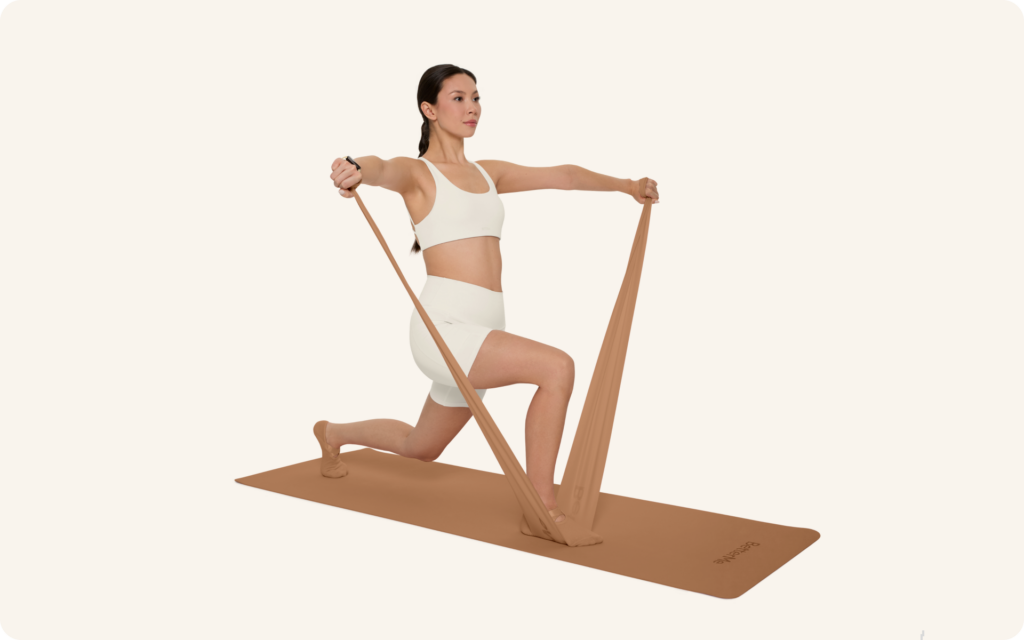
Use stable compound exercises that you can control under fatigue.
|
Exercise |
Main muscles |
|---|---|
|
Leg press or goblet squat |
Thighs, glutes |
|
Bench press or dumbbell press |
Chest, shoulders, triceps |
|
Seated cable row or machine row |
Upper back, biceps |
|
Lat pulldown |
Back, biceps |
|
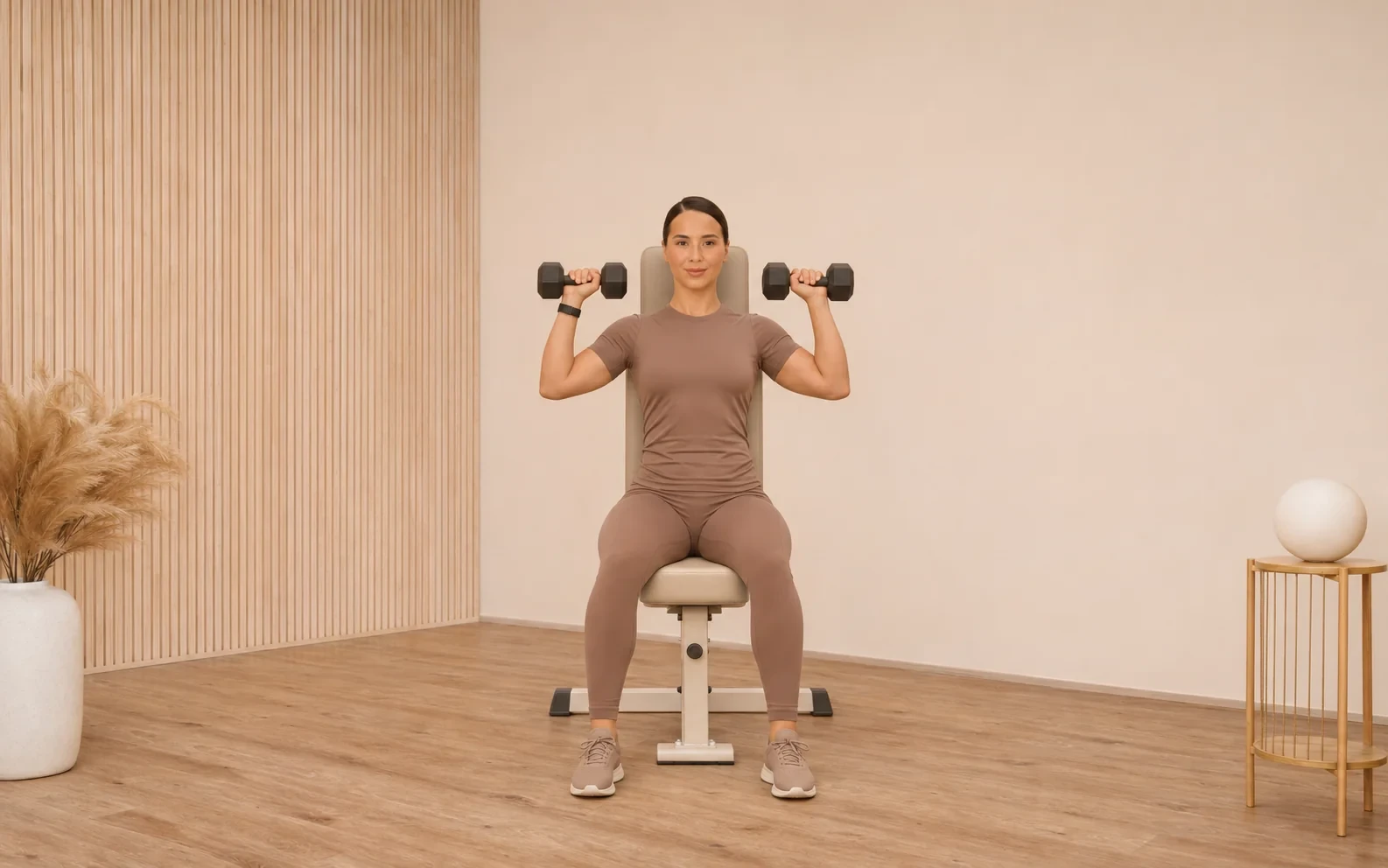
Machine shoulder press |
Shoulders, triceps |
Machines and dumbbells are easier to control than barbells when you are tired.
What does a sample HIRT session look like?
The session below is an example based on the trial structure (1).
|
Part |
Exercise |
Sets and structure |
|---|---|---|
|
Warm-up |
Light cardio and 2 light sets of each lift |
8 to 10 minutes |
|
Main |
Leg press |
2 HIRT sets |
|
Main |
Dumbbell bench press |
3 HIRT sets |
|
Main |
Seated row |
2 HIRT sets |
|
Cool-down |
Easy walking and stretching |
5 minutes |
Each HIRT set is 6 reps, then 20 seconds of rest and 2 to 3 reps, repeated twice.
How do you choose the right weight?
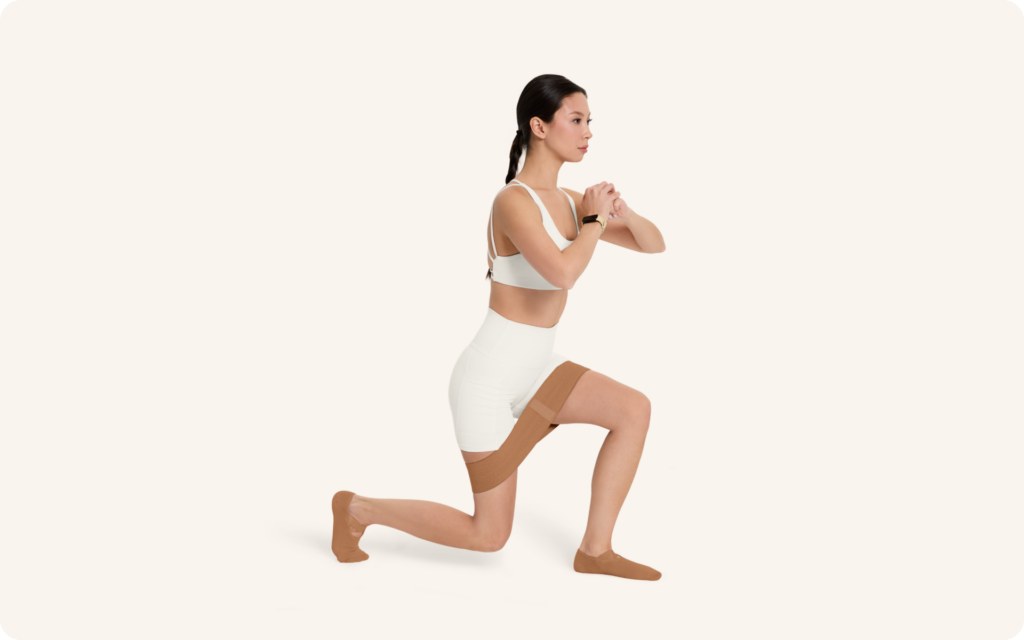
Choose a weight you can lift for about six controlled repetitions. Start lighter while learning how the short rests feel, and end the set when your form changes.
If you cannot reach 2 reps after the rests, the weight is too heavy. If all mini-sets feel easy, increase the weight slightly next time (4). For help fitting a lifting session around other training, see how to make a workout plan.
BetterMe offers a variety of workouts, recipes, challenges, and support tools to help you stay more consistent with your wellness routine. Explore the app to find features that fit your goals, preferences, and schedule.
How do you warm up for HIRT?
Warm-ups improved performance in most measures in a review (6).
- Do 5 minutes of light cardio.
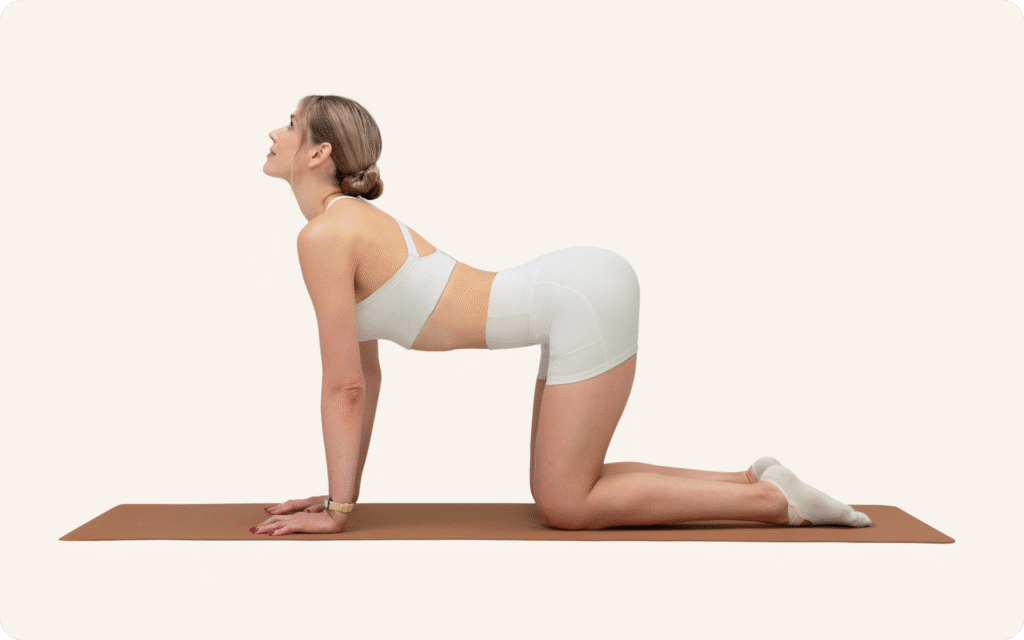
- Do dynamic moves, such as arm circles and leg swings.
- Do 1 light set of 10 reps for each lift.
- Do 1 moderate set of 5 reps for each lift.
What does a 6-week plan look like?
Build up to HIRT from traditional training. The plan below is a sample schedule.
|
Weeks |
Plan |
|---|---|
|
1 to 2 |
Traditional training, 3 sets of 8 to 10 reps, 2 days a week |
|
3 to 4 |
One HIRT set per exercise, then traditional sets |
|
5 to 6 |
Full HIRT sessions, 2 days a week |
How should you breathe and brace?
Heavy sets need steady breathing and a firm trunk.
- Take a breath and brace your core before each rep, without holding your breath for long.
- Breathe out as you push or pull the weight.
- Use the 20-second rests to breathe slowly and reset.
- Stop the set if you feel dizzy or lose form. Stop training and see a doctor if you have chest pain, feel faint, or become unusually short of breath.
How do you track progress with HIRT?
A simple log shows whether the method works for you.
- Write down the weight and reps for each mini-set.
- Note when you complete all 3 mini-sets with good form.
- Increase the weight by a small step after that (4).
- Track session length, energy, and rest days.
- Compare your main lifts every 4 weeks.
How do you cool down after HIRT?
A short cool-down helps your heart rate settle after dense sets.
- Walk slowly for 3 to 5 minutes.
- Stretch your chest, thighs, and back for 20 to 30 seconds each.
- Breathe slowly for 1 minute before you leave.
Read more: 2 full-body workouts a week: plan, exercises, and progression
How often should you do HIRT?
One to 2 HIRT sessions a week are a common starting point for experienced lifters. Leave at least 48 hours between hard sessions for the same muscles.
In resistance-training studies with matched total training volume, higher frequency did not produce meaningfully greater muscle growth (3). You can organize HIRT and traditional sessions around your weekly workload.
How does HIRT fit into a weekly routine?
The plan below is a sample schedule.
|
Day |
Plan |
|---|---|
|
Monday |
HIRT session |
|
Tuesday |
Brisk walk or easy cycling |
|
Wednesday |
Traditional strength session |
|
Thursday |
Rest |
|
Friday |
HIRT session |
|
Saturday |
Longer walk or hike |
|
Sunday |
Rest |
Adults are advised to get 150 to 300 minutes of moderate aerobic activity a week (7).
How do you rest between sessions?
Rest days matter with heavy, dense training.
- Sleep 7 to 9 hours a night.
- Eat enough protein through the day.
- Take easy days between hard sessions.
- Cut volume for a week if your lifts stall.
How does HIRT compare with other time-saving methods?
Several methods aim to shorten strength sessions. The table below is a comparison of the training formats.
|
Method |
How it works |
Good fit for |
|---|---|---|
|
HIRT |
Heavy sets with 20-second rests inside each set |
Experienced lifters |
|
Supersets |
Two exercises back to back with no rest |
Many lifters |
|
Circuits |
Several exercises in a row, then rest |
Beginners and general fitness |
|
Full-body training |
All muscle groups in each session |
Beginners and busy people |
Which mistakes should you avoid?
Avoid these common mistakes.
- Starting HIRT without lifting experience
- Using barbells without a spotter or rack pins
- Choosing a weight that is too heavy
- Skipping the warm-up
- Doing HIRT on back-to-back days
Who should be careful?
Get advice before trying HIRT if you have:
- Heart disease or high blood pressure
- Joint or back problems
- Recent surgery
- Pregnancy
Frequently Asked Questions
Is HIRT good for beginners?
Not usually. Beginners often build form and strength with traditional training first.
How long is a HIRT session?
The trial session used only 7 sets (1). With the sample warm-up and cool-down, a session often lasts about 35 to 45 minutes.
How should you fit HIRT into an existing lifting schedule?
Try replacing one demanding lifting session with the sample. Leave room for recovery before your next hard session, and adjust the workload if your technique changes.
What does the HIRT trial tell women who lift?
The trial included 17 trained men (1). It gives no direct result for women. A qualified coach can help an experienced lifter decide whether the format fits their training.
Can you combine HIRT with cardio?
Yes. Add walking or cycling on other days (7).
Do you need a gym?
Machines make HIRT easier to control. Dumbbells at home can work for some exercises.
The bottom line
HIRT is a time-saving lifting method with heavy sets and short rests inside each set. One small trial in trained men found higher resting energy use the next day. It suits experienced lifters, not beginners. Build a strength base first with our beginner full-body workout plan.
DISCLAIMER:
This article is intended for general informational purposes only and does not serve to address individual circumstances. It is not a substitute for professional advice or help and should not be relied on for making any kind of decision-making. Any action taken as a direct or indirect result of the information in this article is entirely at your own risk and is your sole responsibility.
BetterMe, its content staff, and its medical advisors accept no responsibility for inaccuracies, errors, misstatements, inconsistencies, or omissions and specifically disclaim any liability, loss or risk, personal, professional or otherwise, which may be incurred as a consequence, directly or indirectly, of the use and/or application of any content.
You should always seek the advice of your physician or other qualified health provider with any questions you may have regarding a medical condition or your specific situation. Never disregard professional medical advice or delay seeking it because of BetterMe content. If you suspect or think you may have a medical emergency, call your doctor.
SOURCES:
- High-Intensity Interval Resistance Training (HIRT) influences resting energy expenditure and respiratory ratio in non-dieting individuals (2012, doi.org)
- Strength and hypertrophy adaptations between low- vs. high-load resistance training: a systematic review and meta-analysis (2017, doi.org)
- How many times per week should a muscle be trained to maximize muscle hypertrophy? A systematic review and meta-analysis of studies examining the effects of resistance training frequency (2019, doi.org)
- American College of Sports Medicine position stand: progression models in resistance training for healthy adults (2009, doi.org)
- The effects of high-intensity interval training vs. moderate-intensity continuous training on body composition in overweight and obese adults: a systematic review and meta-analysis (2017, doi.org)
- Effects of warming-up on physical performance: a systematic review with meta-analysis (2010, doi.org)
- Physical activity fact sheet (2026, who.int)
 Reviewed by

 Reviewed by