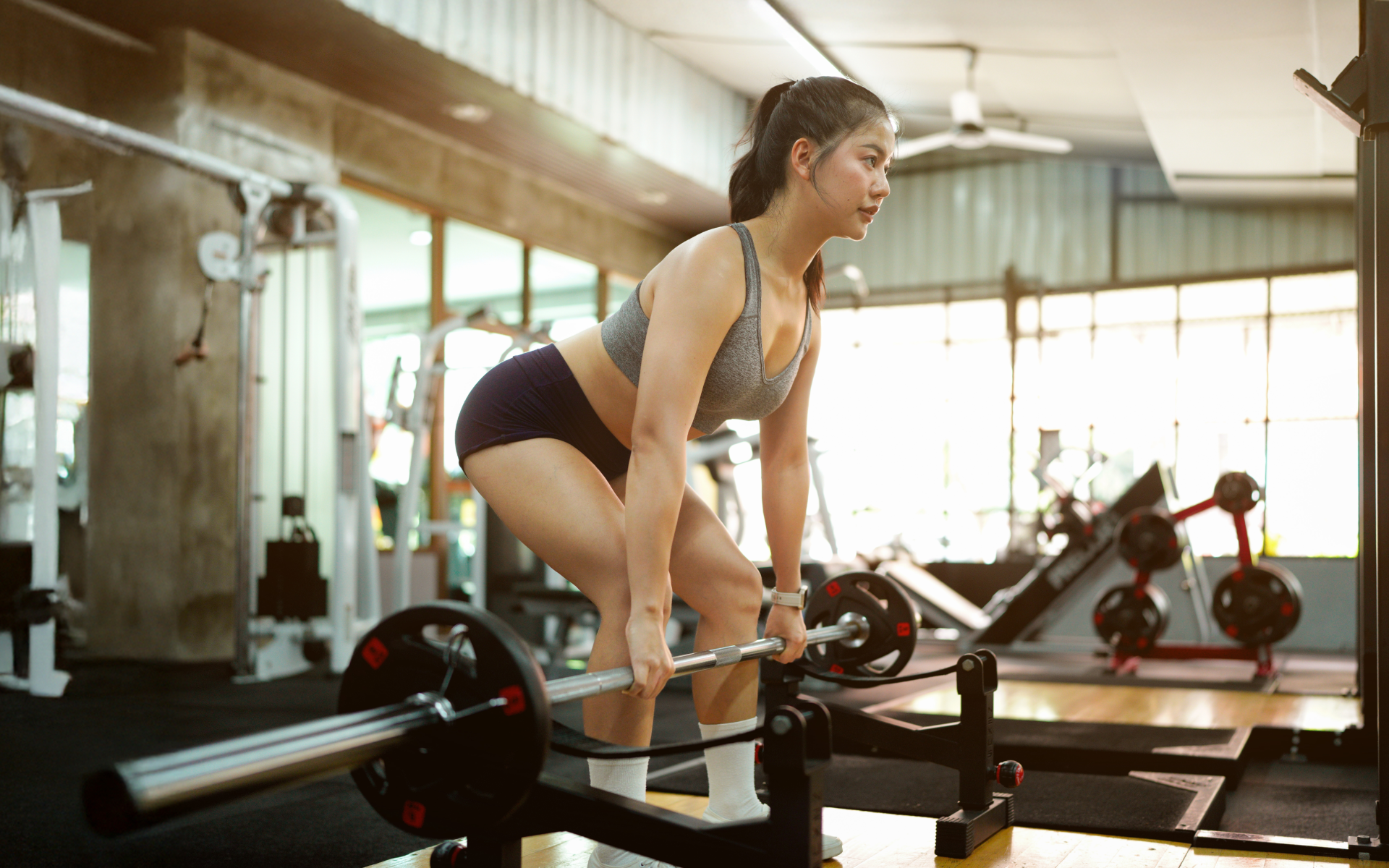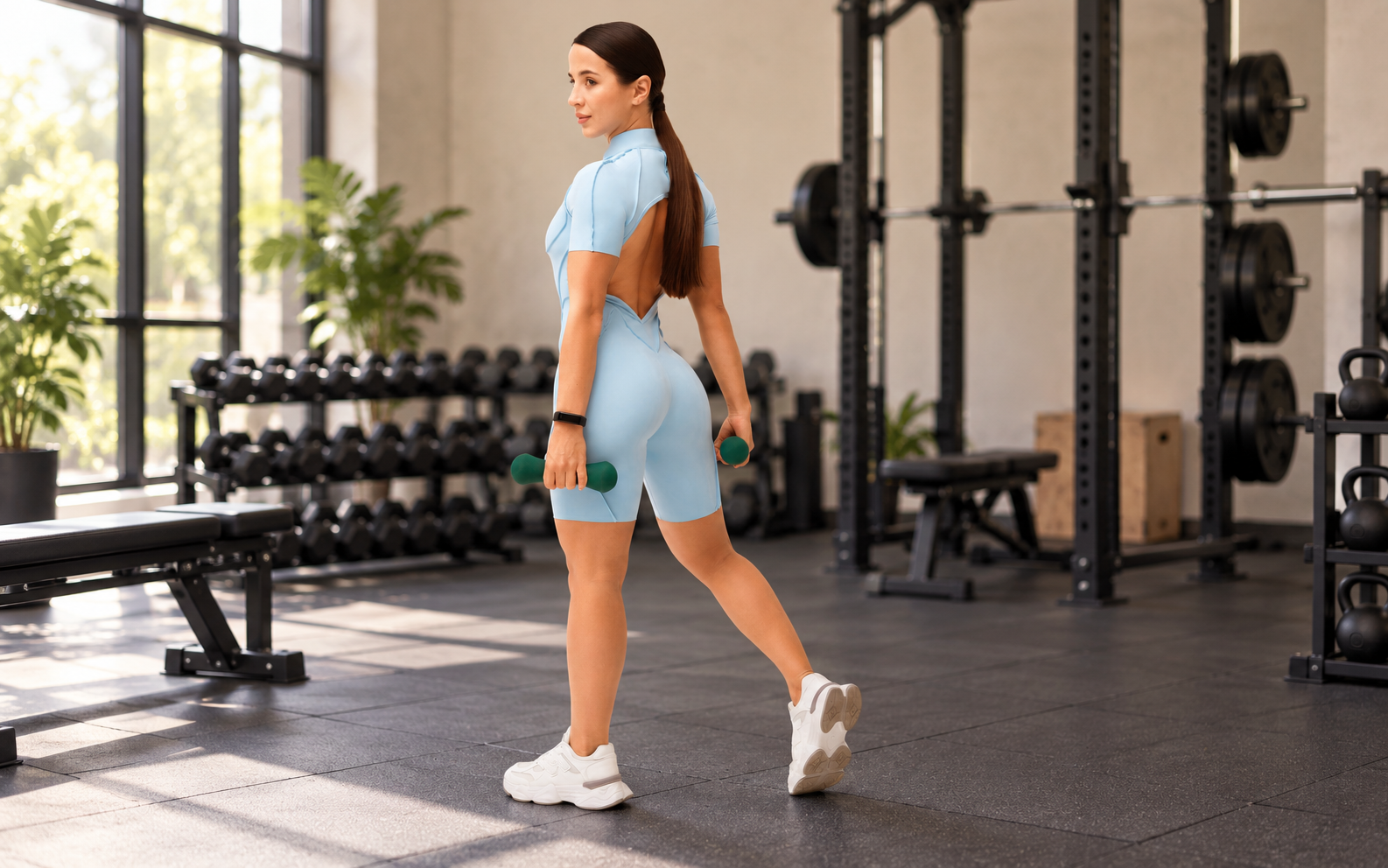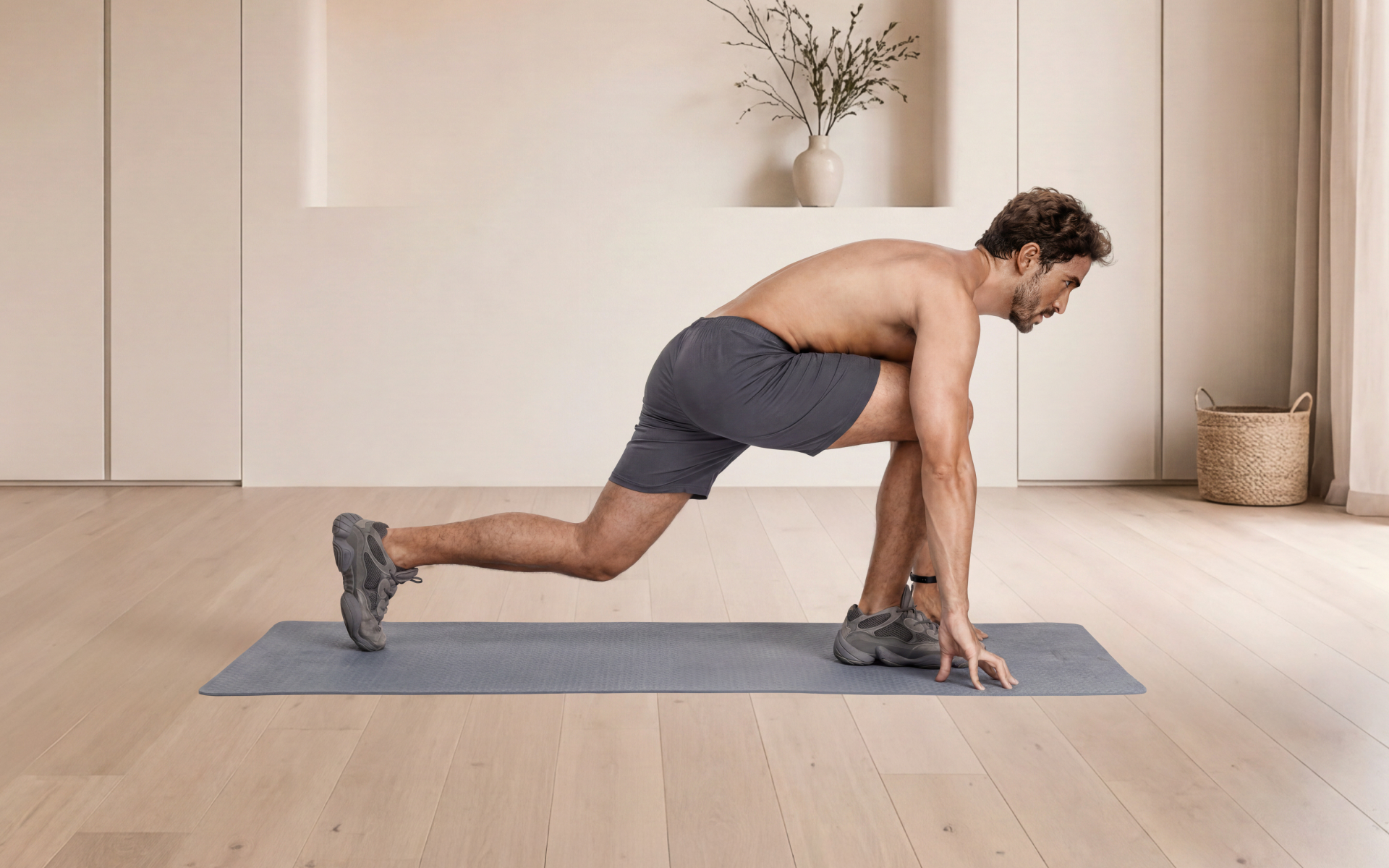

A gym weekly workout plan can start with two full-body strength sessions on separated days, plus manageable cardio and rest. If shorter visits suit you, spread the same exercises across a four-day upper/lower split. Match the workload to your fitness level, record each session, and increase it when ready.
Our home gym workout plan offers ideas for training with different equipment.
Following exercise and diet plans is the key in your fitness journey and greatly impacts results. In 4 weeks users can typically expect to lose not more than 1-2 lbs per week. Individual results may vary.
Key takeaways
The two sample schedules, sets, rest, and progress tracking below are summarized in these points.
- Resistance training can improve strength and muscle size. Training to failure is not required for every set (1).
- Adult activity guidance includes muscle strengthening on two days and at least 150 moderate aerobic minutes each week (2).
- Split and full-body routines produced similar average results when weekly training volume was matched in a meta-analysis (3).
- Recovery needs vary with the session and the person; a fixed waiting period does not establish readiness (4).
- The routines below are illustrative schedules. Start with fewer sets or shorter sessions when needed.
- Record repetitions, load, and how the session felt before deciding whether to increase the workload.
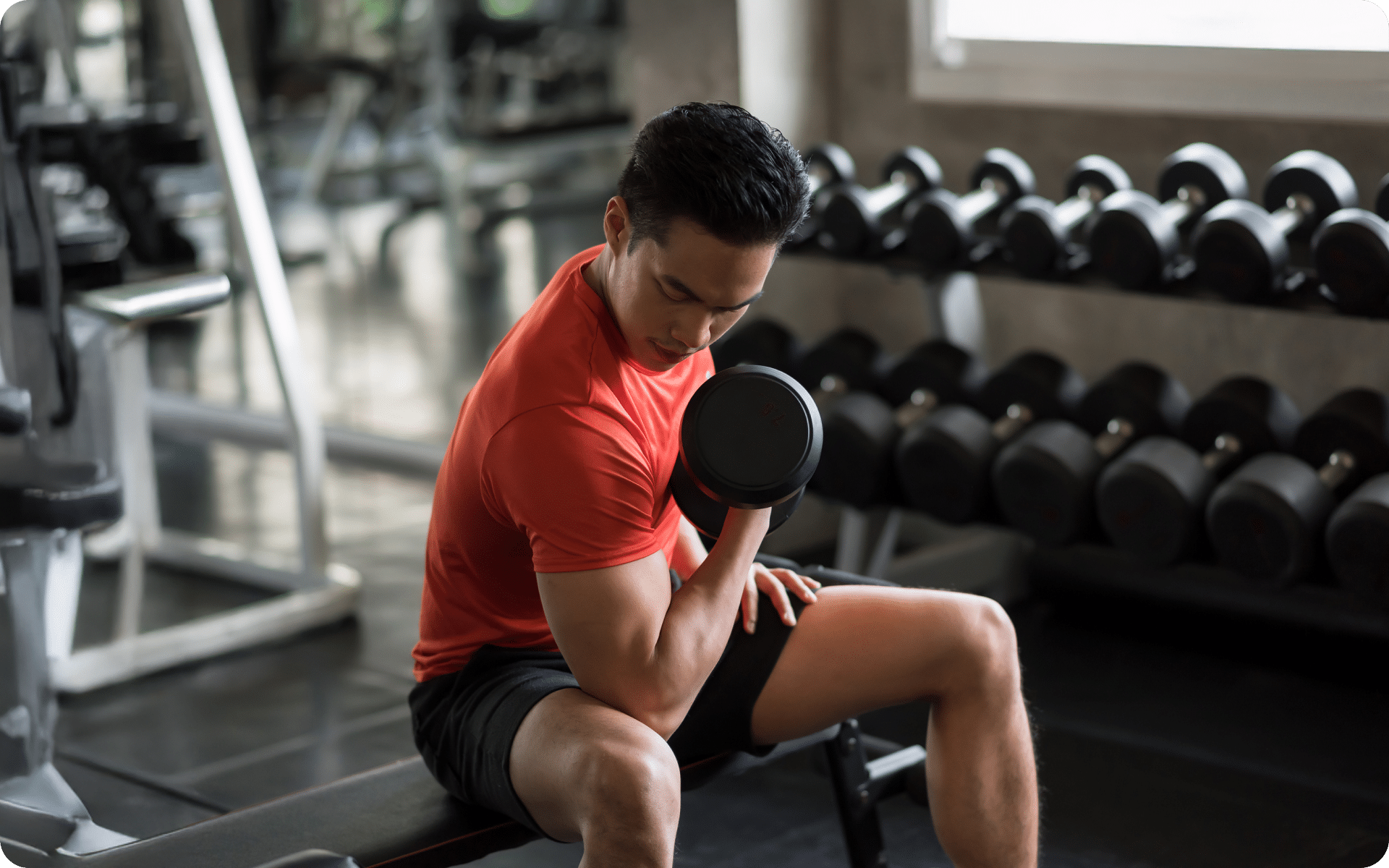
How should you structure a weekly gym workout plan?
A workable schedule leaves time to learn movements and recover between demanding sessions. Two full-body days can be a starting arrangement. Someone who prefers shorter visits may divide the same exercises across four days.
A 2024 meta-analysis included 14 studies and 392 participants. Split and full-body routines produced similar strength and muscle-growth outcomes when volume was matched (3).
Pick one of the following examples for each week. The set counts are planning choices rather than universal minimum doses.
Option 1: a two-day full body workout routine
- Monday: Full-body session.
- Tuesday: Optional walking or another manageable aerobic activity.
- Wednesday: Rest or easier activity.
- Thursday: Full-body session.
- Friday: Optional manageable aerobic activity.
- Saturday: Optional activity according to recovery and available time.
- Sunday: Rest.
Each full-body strength session uses the six exercises below. Two sets per exercise gives 12 working sets per session. Two workouts per week gives four sets per exercise weekly. Exercises overlap, so this is not four direct sets for each muscle group.
Read more: How to make a workout plan in 7 practical steps
Option 2: a four-day workout split for upper and lower body
- Monday: Upper body, with dumbbell bench press, supported row, and plank.
- Tuesday: Lower body, with goblet squat, dumbbell Romanian deadlift, and supported calf raise.
- Wednesday: Rest or easier activity.
- Thursday: Repeat the upper-body session.
- Friday: Repeat the lower-body session.
- Saturday: Optional manageable aerobic activity.
- Sunday: Rest.
Two sets per exercise gives six working sets per visit. Each exercise still receives four weekly sets across the week. This upper/lower split differs from a body part split that assigns a visit to one area. Extra visits may be less practical when travel takes time.
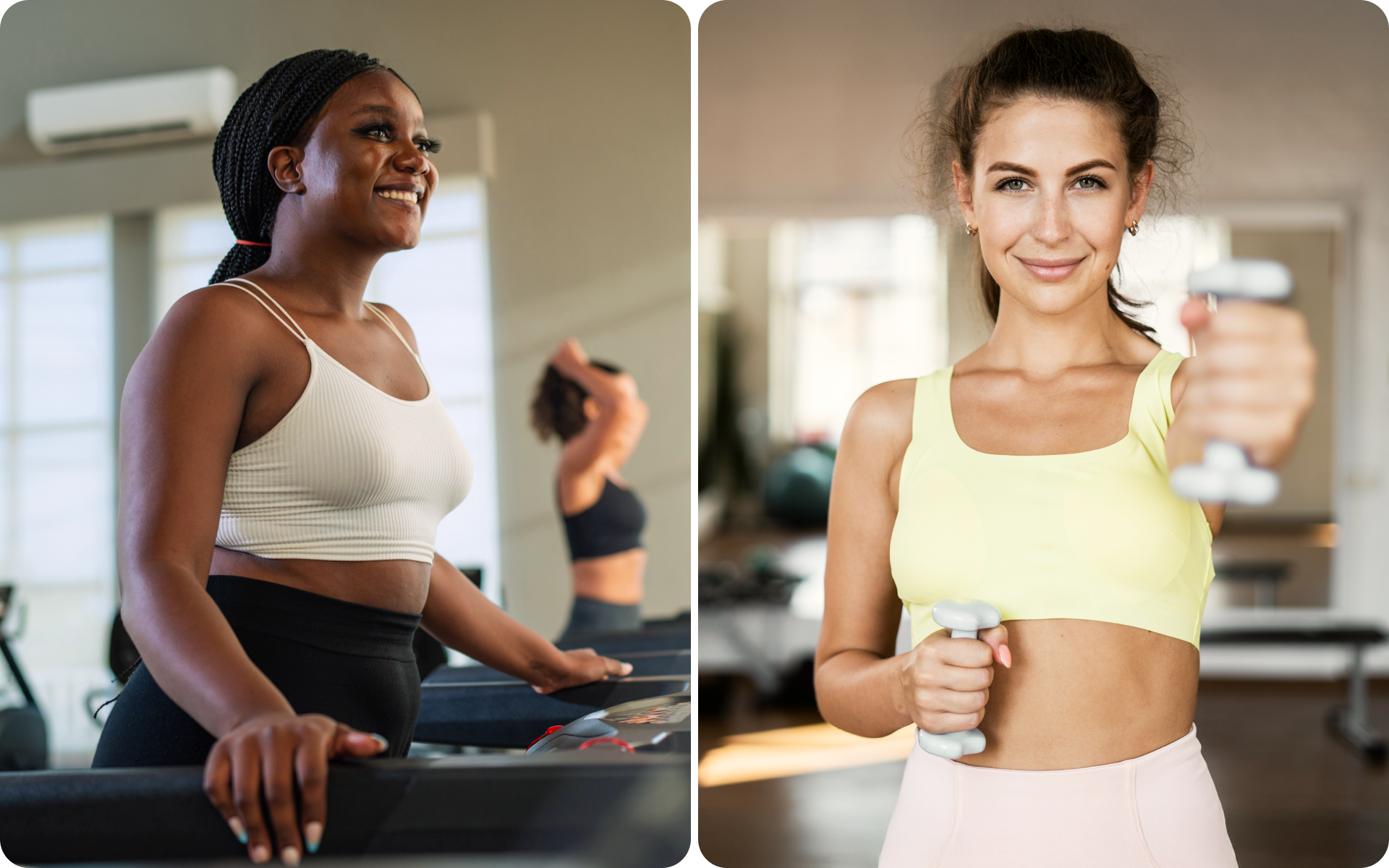
How many days a week should you work out and rest?
Start with two days of strength training in the sample, or divide the work across 4 days per week. Include rest days according to the demands and your response. Visiting every day of the week is optional; an easy walk has different demands from a hard lifting session.
A review of resistance-training recovery found that readiness depends on factors such as training volume, effort, and exercise characteristics (4). A universal 24- or 48-hour rule cannot determine whether you have recovered.
Choose a rest day if fatigue disrupts movement control. Active recovery means easier activity, such as a comfortable walk, rather than another hard workout. Reduce the workload or rest when your usual load feels unusually difficult. Ongoing discomfort is worth checking with a qualified professional.
A seven-day lifting plan is not needed to use this guide. Our discussion of a 6-day gym workout schedule discusses the demands of higher-frequency training. More visits should serve a clear purpose in your wider schedule.
How do you create a workout plan?
Begin with your available time, fitness goals, and a manageable exercise list. A workout plan for the gym should show the training days, reps, sets, and rest. Decide how you will record each training session before changing the workload.
1. Define the goal
Choose a main training goal, such as learning to use free weights, getting stronger, or trying to build muscle. A scale-weight goal requires considering more than the gym session. Avoid judging a strength routine only by sweat or exhaustion.
2. Establish a starting point
Record what you currently do. If you are new, start with equipment instruction and light practice. If you already train, review recent sessions before adding work. Another person’s weekly set count is not a required starting dose.
3. Choose a workout split for your goals and fitness level
Choose the two-day full-body or four-day split workout according to your schedule and fitness goals. A third full-body day is another option after reassessing volume. Use Monday, Wednesday, and Friday rather than placing a hard session beside an existing one.
4. Select exercises and movement patterns
The sample combines a squat, hip hinge, push, pull, calf raise, and trunk exercise. These movement patterns train different areas of the body. Ask a qualified trainer to check unfamiliar movements and suggest substitutes when equipment, comfort, or ability makes a lift unsuitable.
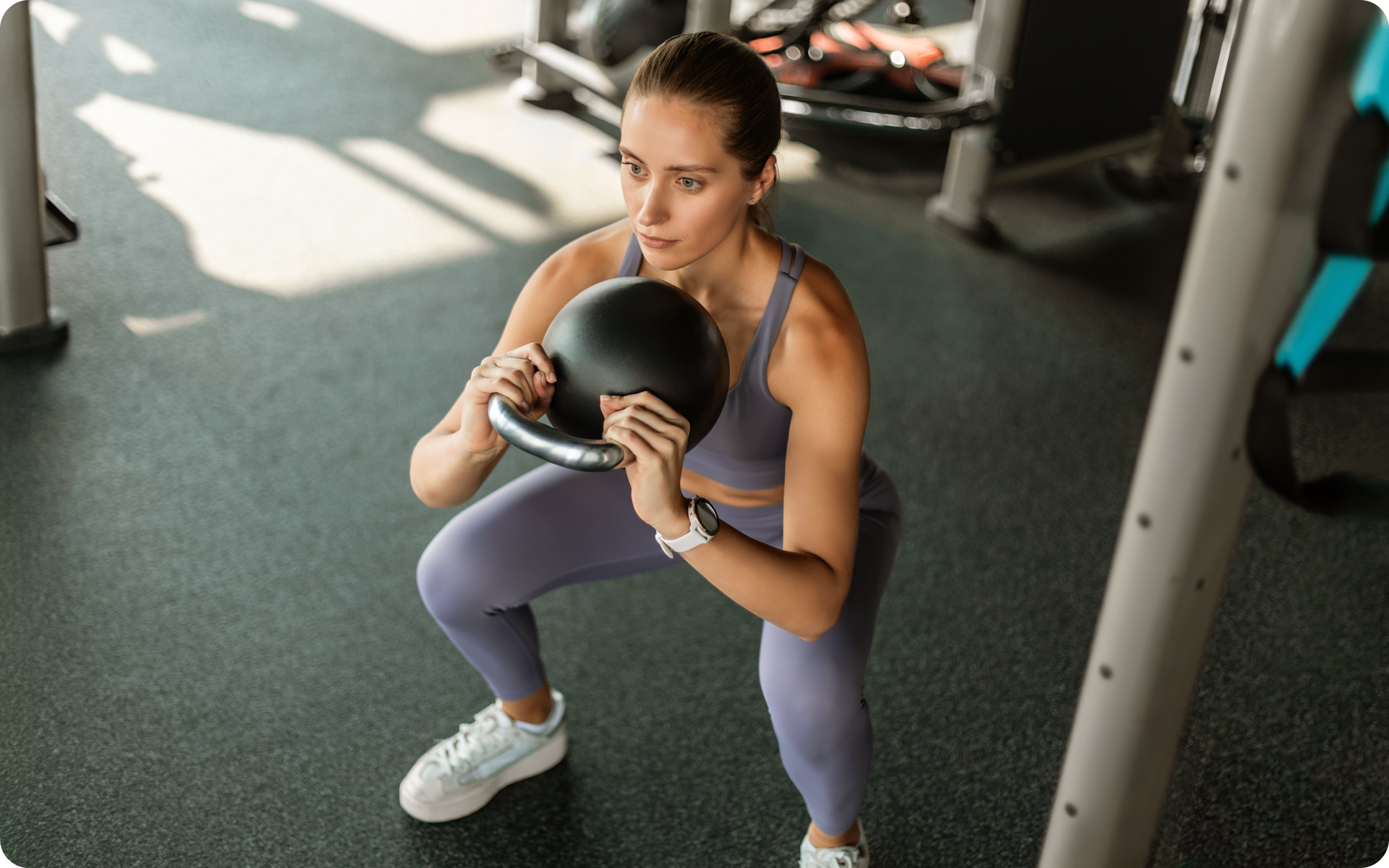
5. Set a manageable volume
Begin with one or two working sets per exercise. Warm-up practice is additional. Add sets only when there is a reason and you can manage the resulting workload. Experience alone does not call for 18 or more sets per muscle.
6. Choose repetitions and effort
For the sample, use 8 to 12 repetitions for the main lifts and 10 to 15 for calf raises. Stop with approximately two or three controlled repetitions still possible. These are example targets, not a requirement to test your maximum.
A 2021 review found that heavier loads generally favored maximal-strength gains, while muscle growth could occur across different loads (5). A repetition range cannot be converted into an exact percentage of maximum for every person.
An overview of reviews found that reaching muscular failure was not consistently necessary for favorable training outcomes (1). Beginners can focus on learning the movement instead of testing the last possible repetition.
7. Allow enough rest
Try about two minutes between working sets in this sample. Take longer if breathing or fatigue would disrupt the next set. Avoid shortening rest just to make a workout feel harder.
8. Use progressive overload and keep a consistent workout log
A ten-week study of 39 untrained young adults compared increasing repetitions with increasing load in lower-body training. Both approaches improved strength and muscle size (6).
Progressive overload means increasing the training challenge as your capacity develops. When the upper end of the repetition range feels controlled, consider adding weight using the smallest available increment. Return toward the lower end of the range. Repeat the current workload when needed.
Workouts, weight management tools, and recipe ideas come together in the BetterMe: Health Coaching app, giving you practical support for building a more consistent wellness routine.

What is a good daily gym routine for a beginner?
On each training day in the two-day schedule, use the six movements below. Begin with one or two sets at a manageable load. This beginner workout uses dumbbells and body weight; seek instruction before substituting a barbell or unfamiliar machine.
How should you warm up, cool down, and recover?
Warm up with comfortable movement and rehearse each lift with lighter resistance before the working sets. Finish with easier movement if comfortable, then record the session. Proper form, a controlled range of motion, and enough recovery matter more than rushing through the list. Stop for pain, dizziness, or concerning symptoms.
Goblet squat
Sample dose: One or two sets of 8 to 12 repetitions.
- Stand with feet in a comfortable stance and hold a light dumbbell close to your chest.
- Bend your hips and knees to lower within a controlled, comfortable range.
- Press through your feet to return to standing without forcing the depth.
Dumbbell bench press
Sample dose: One or two sets of 8 to 12 repetitions.
- Lie on a stable bench with feet supported and dumbbells held near your chest.
- Press the weights upward with wrists over your forearms.
- Lower with control to a comfortable depth, keeping the weights away from your face.
Supported dumbbell row
Sample dose: One or two sets of 8 to 12 repetitions per side.
- Support one hand on a stable bench and hold a light dumbbell in the other hand.
- Pull the weight toward your side without twisting your trunk.
- Lower with control, then complete the other side.
Dumbbell Romanian deadlift
Sample dose: One or two sets of 8 to 12 repetitions.
- Stand with light dumbbells in front of your thighs and knees slightly bent.
- Move your hips backward while keeping the weights close to your legs.
- Stop at a comfortable range, then return to standing without leaning backward.
Supported calf raise
Sample dose: One or two sets of 10 to 15 repetitions.
- Stand near a stable support with both feet on the floor.
- Lift your heels within a comfortable range while using the support for balance.
- Lower your heels slowly to the floor.
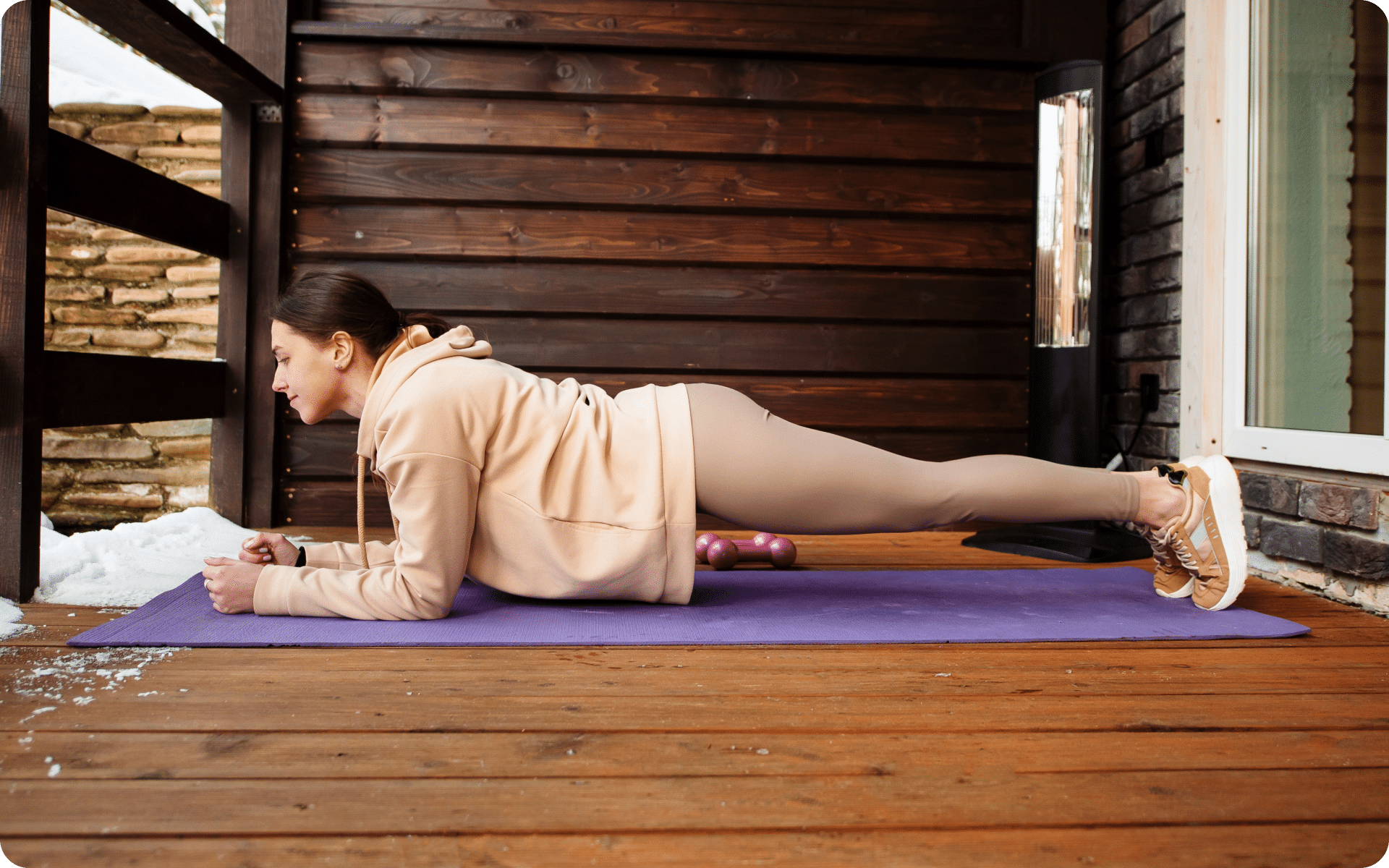
Plank
Sample dose: One or two holds of about 10 to 20 seconds, shortened as needed.
- Place your forearms on a stable surface with elbows below shoulders.
- Support yourself from your knees or toes, choosing a manageable position.
- Breathe normally and end the hold before you lose control of your trunk.
Our guide to women’s gym workouts for beginners includes more exercise examples. Choose movements by your experience and needs, rather than assuming that a title defines who may use an exercise.
How can you progress and stay consistent over four weeks?
Use four weeks as a review period for your workout program. In week one, learn the setup and record your starting loads. One working set may be enough for an initial gym session. Note any movement that needs coaching.
In week two, repeat familiar movements in your new routine. Add a second set only if the initial workload was manageable. There is no need to introduce a new exercise just to make the week different.
In week three, review reps and control. Add a rep where appropriate, or repeat the previous dose. If you increase the weight, avoid increasing repetitions and sets at the same time.
In week four, compare your log with the starting week. Continue, reduce, or adjust the routine based on what you can manage. Four weeks is a review point, not a deadline for visible muscle growth.
Read more: Workout challenges: 6 ways to organize your training
What workout plan supports weight management?
No gym schedule guarantees the greatest fat loss. Weight management involves eating patterns, activity, and individual circumstances (7). A demanding workout does not establish your overall energy balance.
Use strength training to train the major muscle groups and add cardio at a manageable level. The sample schedules do not automatically meet the weekly aerobic target (2). Plan the duration and effort separately from your lifting visits.
For example, five separate 30-minute moderate walks would total 150 moderate minutes. Begin with less if necessary and increase gradually. Easy warm-ups may not count toward that total.
Maximum-effort intervals are not required in this beginner plan. Neither a fixed calorie deficit nor a universal daily step target is prescribed here. Seek individual nutrition advice when you need a weight-management plan.
What time of day should you work out?
Choose a time that fits your commitments and lets you train without rushing. Consider travel, meals, equipment availability, and sleep. This guide does not prescribe a universal morning or evening window.
Try a consistent time for several sessions and record how it works. A missed morning session does not require an exhausting evening replacement. Adjust the week when commitments change.
Should you work out on an empty stomach?
You do not need to train fasted to follow this routine. Eating and drinking around exercise should suit the session and your tolerance. Carbohydrates provide exercise fuel, while protein supports tissue repair (8).
If you prefer morning training, consider food timing that feels manageable rather than forcing a large meal or skipping food. Follow medical advice if a condition or medication affects blood glucose. Stop if you feel unwell.
Is going to the gym four times a week enough?
Four visits can be enough to organize a strength routine. The four-day example gives each exercise two sessions weekly. Research found similar average strength and muscle growth with split and full-body routines when weekly volume was matched (3). More visits do not automatically add useful work.
Choose a weekly plan you can repeat. If you want to build strength, compare the same lifts and record progress. Muscle gain also depends on the wider program and recovery; attendance alone cannot predict results.
Whether you’re just starting your fitness journey or looking to add more structure to your routine, BetterMe offers tools that can support different wellness goals. Explore the app and see how its workout, nutrition, and habit-building features can fit into your lifestyle.
FAQs
What if I miss one workout?
Resume at the next suitable session. You can move the missed session while preserving recovery, or continue the following week. Avoid combining two full sessions solely to catch up.
How do I know whether I am getting stronger?
Compare similar sessions: the same movement, range, load, and rest. More controlled repetitions or a heavier manageable load can indicate progress.
How much protein do I need?
Needs vary with body size, activity, and health. Protein helps repair and build tissues (8), but this routine does not establish your personal intake. A dietitian can help when you need a specific nutrition plan.
Does muscle soreness mean the workout worked?
Soreness is not the goal of a session. Review performance and recovery together (4). Persistent pain, marked weakness, or symptoms that affect normal activities deserve assessment rather than another harder workout.
The bottom line
Choose a gym weekly workout plan you can perform with controlled technique and enough recovery. Start with a manageable dose, record each session, and change one element when appropriate. Keep the wider week in view, including aerobic activity, food, and rest.
DISCLAIMER:
This article is intended for general informational purposes only and does not serve to address individual circumstances. It is not a substitute for professional advice or help and should not be relied on for making any kind of decision-making. Any action taken as a direct or indirect result of the information in this article is entirely at your own risk and is your sole responsibility.
BetterMe, its content staff, and its medical advisors accept no responsibility for inaccuracies, errors, misstatements, inconsistencies, or omissions and specifically disclaim any liability, loss or risk, personal, professional or otherwise, which may be incurred as a consequence, directly or indirectly, of the use and/or application of any content.
You should always seek the advice of your physician or other qualified health provider with any questions you may have regarding a medical condition or your specific situation. Never disregard professional medical advice or delay seeking it because of BetterMe content. If you suspect or think you may have a medical emergency, call your doctor.
SOURCES:
The list covers resistance training reviews, a split versus full-body meta-analysis, a progression trial, and activity and nutrition guidance.
- American College of Sports Medicine Position Stand. Resistance Training Prescription for Muscle Function, Hypertrophy, and Physical Performance in Healthy Adults: An Overview of Reviews (2026, pmc.ncbi.nlm.nih.gov)
- Adult Activity: An Overview (2023, cdc.gov)
- Efficacy of Split Versus Full-Body Resistance Training on Strength and Muscle Growth: A Systematic Review With Meta-Analysis (2024, pubmed.ncbi.nlm.nih.gov)
- The Importance of Recovery in Resistance Training Microcycle Construction (2024, pmc.ncbi.nlm.nih.gov)
- Influence of resistance training load on measures of skeletal muscle hypertrophy and improvements in maximal strength and neuromuscular task performance: A systematic review and meta-analysis (2021, pubmed.ncbi.nlm.nih.gov)
- Effects of Resistance Training Overload Progression Protocols on Strength and Muscle Mass (2024, pubmed.ncbi.nlm.nih.gov)
- Keep Active & Eat Healthy to Improve Well-being & Feel Great (2018, niddk.nih.gov)
- Nutrition and athletic performance (2026, medlineplus.gov)

 Reviewed by

 Reviewed by