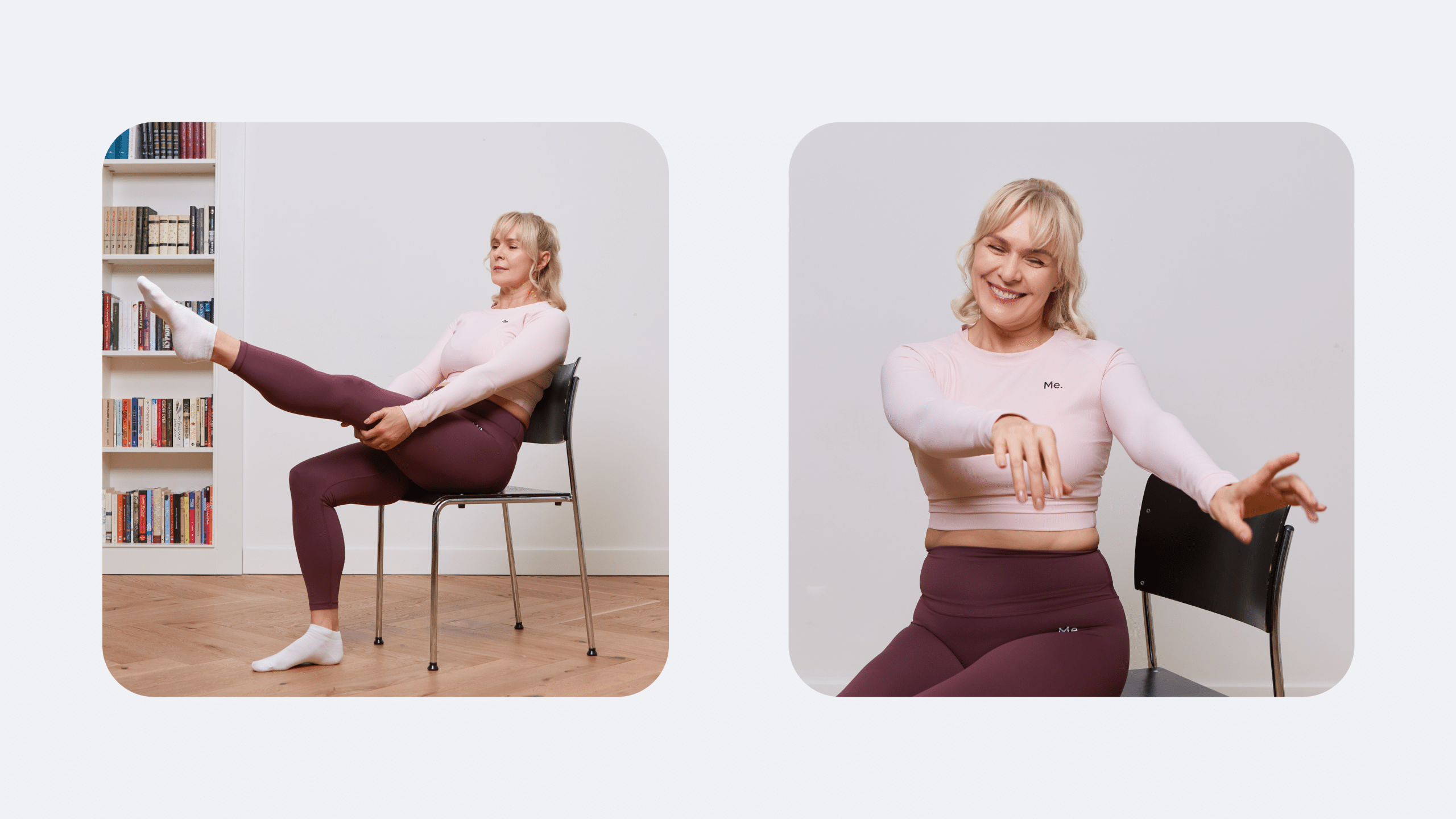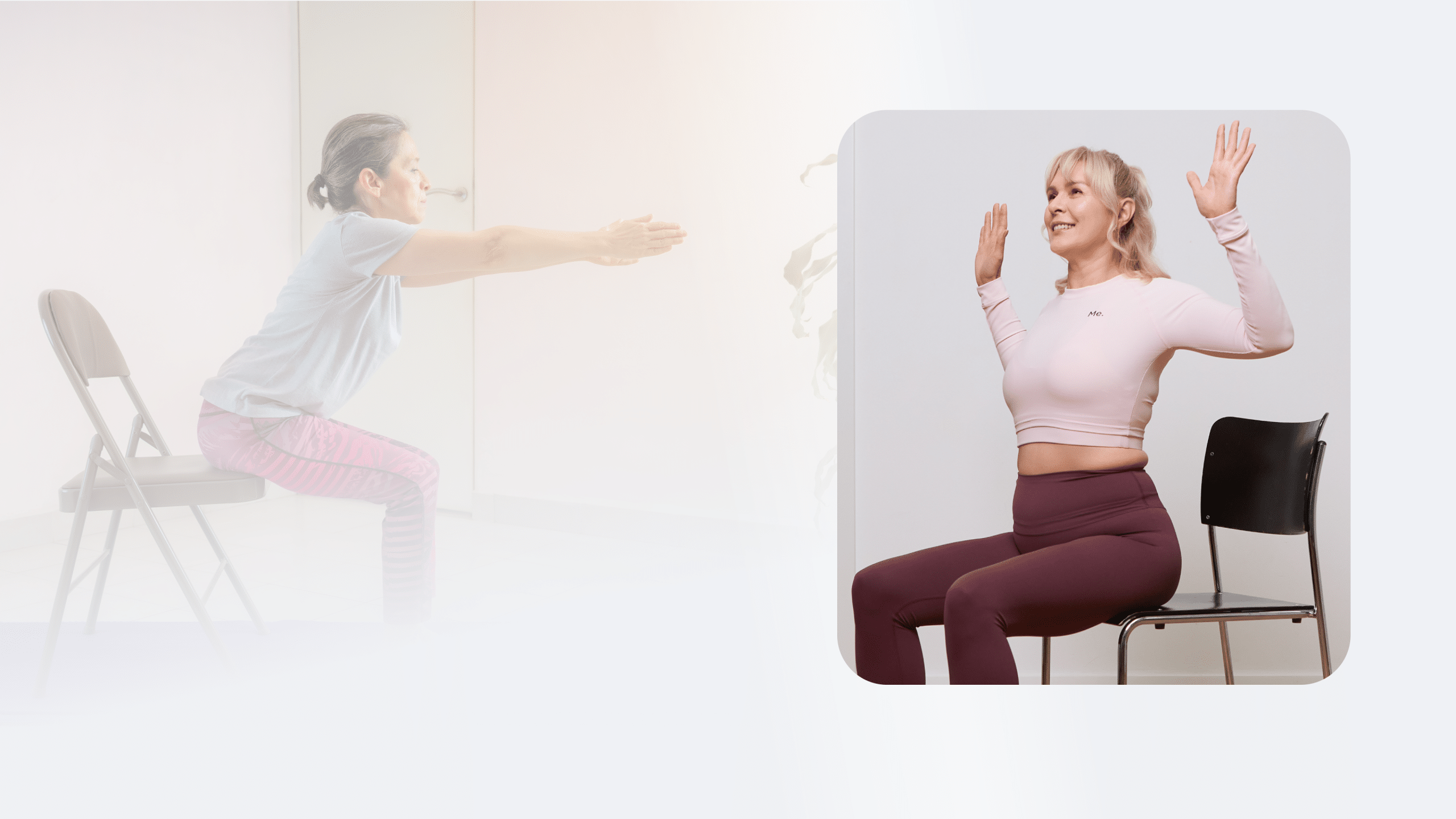
Chair pilates for seniors is a low-impact, seated form of movement that supports core strength, balance, and everyday mobility for older adults. It adapts traditional Pilates exercises to a chair, making it a practical option for those managing age-related stiffness, reduced flexibility, or limited range of motion. A consistent routine may help improve posture, build stability, and support physical comfort — no floor work required. Chair pilates for seniors and beginners is especially well-suited for those who want to move more without overexerting their joints.
Disclaimer: If you have joint, muscle, or spine-related concerns, please consult your physician before starting this workout.
Chair pilates for seniors offers a way to stay active that meets you exactly where you are. Whether you’re returning to movement after a long break or simply looking for sitting exercises for seniors that feel manageable, a chair-based Pilates routine gives you a structured, low-effort entry point that doesn’t demand flexibility you haven’t built yet.
As you get older, your body changes — muscles tighten, joints stiffen, and balance can feel less reliable. That’s completely normal. What matters is finding movement that works with your body, not against it. Pilates chair exercises for seniors are designed to do just that: build strength gradually, improve coordination, and help you feel more capable in your daily life.
This article walks you through everything you need to get started — from what chair pilates actually is, to a full list of chair exercises for seniors, a structured weekly program, and answers to the questions most people ask first. You’ll also find guidance on who should check with a doctor before beginning, so you can move forward with confidence.
Understanding Physical Discomfort in Older Adults
If you’ve noticed that your body feels stiffer, tighter, or more uncomfortable than it used to, you’re not imagining it. Physical discomfort is a common experience for older adults (1), and it can show up in many different ways.
Common factors associated with physical discomfort in older adults include (2):
- General joint stiffness, particularly in the knees, hips, and lower back
- Reduced muscle flexibility from decreased activity or prolonged sitting
- Temporary tension that builds up in the neck, shoulders, and upper back
- Reduced core strength, which can affect posture and put extra strain on the back
- Decreased balance and coordination, which can make movement feel less confident
These changes tend to build gradually, and many older adults find that everyday activities — getting up from a chair, reaching overhead, walking up stairs — start to feel more effortful over time.
The good news is that movement can help. Gentle, consistent activity supports muscle function, joint mobility, and physical confidence (3). You don’t need to do a high-intensity workout to see a difference. In fact, for many older adults, low-impact seated movement is one of the most practical ways to stay active (4).
Sitting exercises for seniors, like chair pilates, are designed with these exact experiences in mind. They work within the range of motion most older adults already have while gradually helping to expand it. The goal isn’t to push through discomfort — it’s to move in a way that feels manageable today and more comfortable over time.
Read more: The Ultimate Guide To Gentle Chair Yoga For Beginners And Seniors
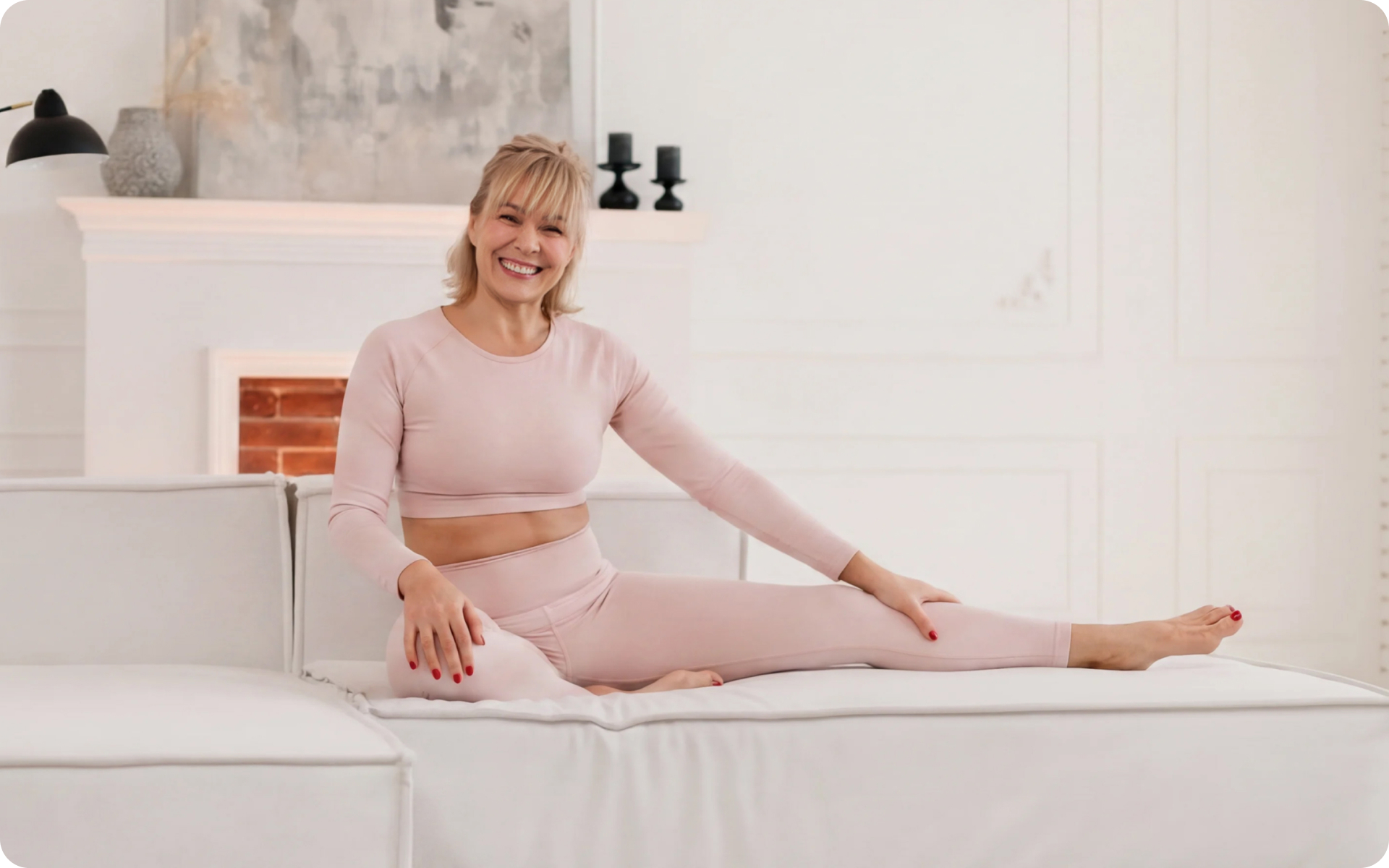
What Is Chair Pilates?
Chair pilates is a modified version of traditional Pilates adapted for people who benefit from seated or supported movement. Instead of floor-based exercises or standing sequences, all movements are performed using a sturdy chair for support — either seated or standing behind it.
The practice draws from the same core principles as traditional Pilates: controlled breathing, deliberate movement, postural awareness, and engagement of the body’s central muscle groups (5). What makes it suitable for older adults is the reduced demand on joints and the ability to adjust each exercise to your current level.
Key features of chair pilates include:
- Low-impact movements that are easy on joints and muscles
- A focus on core strength, flexibility, balance, and posture
- Adaptable exercises for varying fitness levels and physical limitations
- Minimal equipment — typically just a sturdy, armless chair and comfortable clothing
- Suitable for home use or a group fitness setting
Chair pilates for beginners is particularly approachable because there’s no complicated choreography and no need to get down on the floor. You can start slowly, learn the movements at your own pace, and adjust the intensity as your strength builds. It’s one of the most beginner-friendly forms of movement available for older adults.
BetterMe can help you add more structure to your daily wellness routine with workouts, meal planning tools, and habit-building features. Explore the app and take a practical step toward a routine that feels more manageable for you.
Potential Benefits of Seated Pilates for Older Adults
A regular seated Pilates practice can support your body in several meaningful ways (6). These benefits tend to build over time, especially when you stick to a consistent routine.
Support for Everyday Physical Comfort
By focusing on low-impact movements that strengthen muscles and promote flexibility, chair pilates may help manage everyday discomfort while supporting daily physical functioning. Gentle movement encourages circulation, reduces the stiffness that comes from prolonged sitting, and helps target the tension that tends to build in the neck, back, and hips.
Improved Core Strength and Posture
The core muscles — including the deep abdominal muscles, obliques, and lower back — are central to almost every movement you make (7). Strengthening these muscles through pilates chair exercises for seniors can improve your posture and reduce the strain that poor alignment places on your joints and back (8).
Better Balance and Stability
One of the most practical benefits of chair exercises for balance for seniors is improved coordination, balance and body awareness (9). Stronger core and hip muscles give you a more stable foundation for standing, walking, and performing daily tasks. This type of training may also support your confidence in movement.
Greater Flexibility and Range of Motion
Chair stretches and mobility exercises help lengthen muscles that tighten from inactivity or repetitive postures. Over time, greater flexibility may make it easier to reach, bend, rotate, and move through your day without restriction.
Mental and Emotional Benefits
There’s also something to be said for the focused, mindful nature of Pilates. The combination of deliberate movement and conscious breathing can help reduce mental tension and support a sense of calm and accomplishment (10).
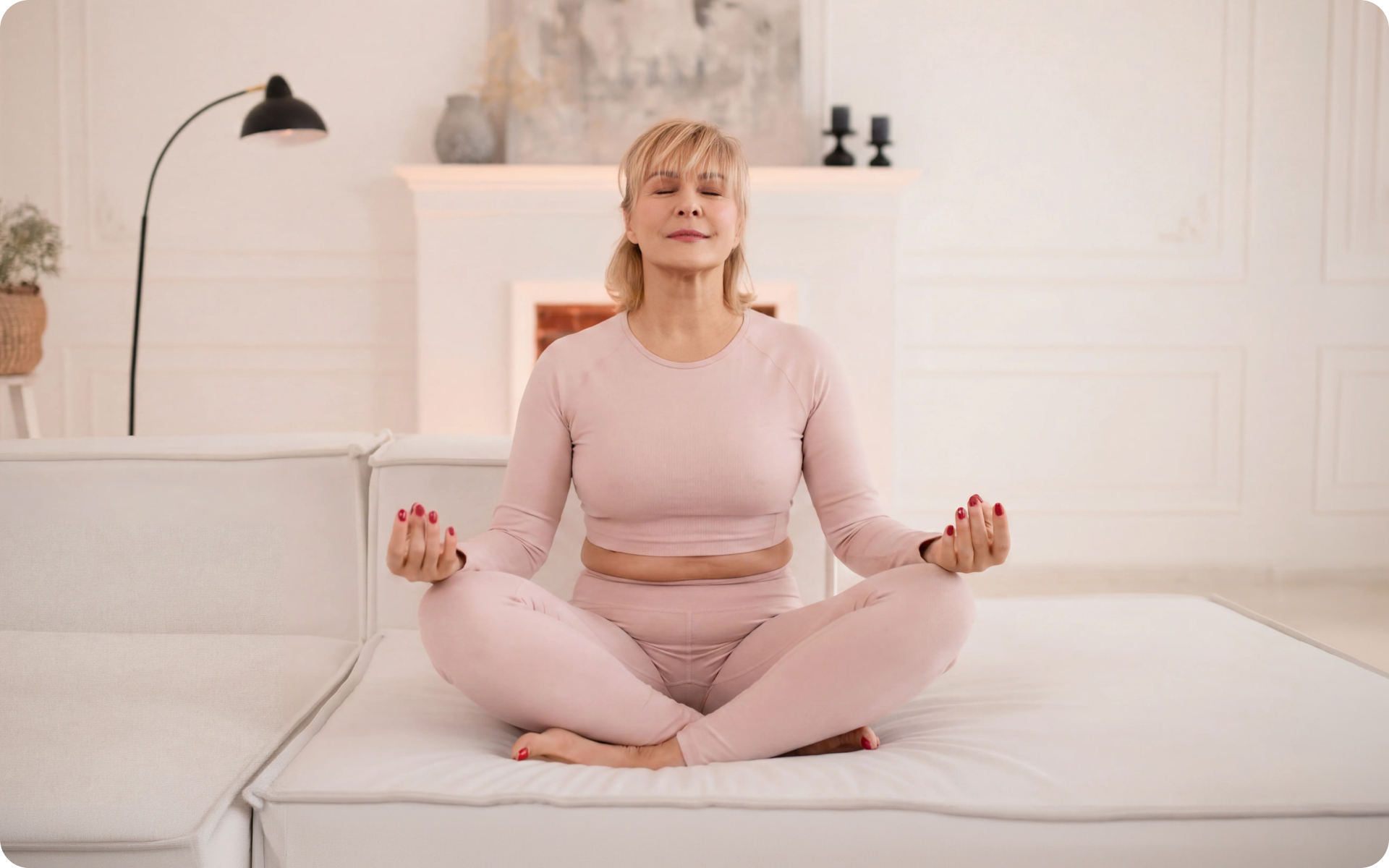
A Full List of Chair Exercises for Seniors
This comprehensive list of chair exercises for seniors covers six categories: warm-up, upper body, lower body, core, balance, and flexibility. Aim for smooth, controlled movements throughout, and rest when needed.
Warm-Up Movements
Starting with a warm-up prepares your joints and muscles for the work ahead. These movements gradually increase circulation and loosen areas that may feel tight at rest (11).
- Seated Marches
Purpose: Warms up the body and activates core muscles.
- Sit tall on the edge of your chair, feet hip-width apart and flat on the floor.
- Engage your core and lift one knee toward your chest, keeping your spine upright.
- Lower that foot back down and repeat with the other leg.
- Continue alternating legs for 30–60 seconds.
- Seated Cat-Cow
Purpose: Mobilizes the spine and releases tension in the back.
- Sit tall with hands resting on your knees.
- Inhale, arch your back, lift your chest, and gaze slightly upward.
- Exhale, round your spine, tuck your chin, and draw your navel inward.
- Repeat for 5–8 slow, controlled breaths.
- Neck and Shoulder Rolls
Purpose: Releases tension in the neck and upper back.
- Sit tall with hands resting gently on your thighs.
- Slowly roll your head in a circle — 3–5 rotations clockwise, then counterclockwise.
- Then roll your shoulders forward 5–8 times, then backward 5–8 times.
Upper Body Exercises
Add a bit of an intro
- Seated Chest Expansion
Purpose: Strengthens the upper back and opens the chest.
- Sit tall, feet flat on the floor. Hold a resistance band or towel with both hands at chest height.
- Inhale and pull the band apart, drawing your shoulder blades together.
- Exhale and slowly return to the starting position.
- Repeat for 8–12 repetitions.
- Seated Bicep Curls
Purpose: Strengthens the biceps and supports arm mobility.
- Sit tall, holding light weights or a resistance band in each hand, palms facing forward.
- With elbows close to your sides, bend your arms and lift toward your shoulders.
- Slowly lower back to the starting position.
- Repeat for 8–12 repetitions.
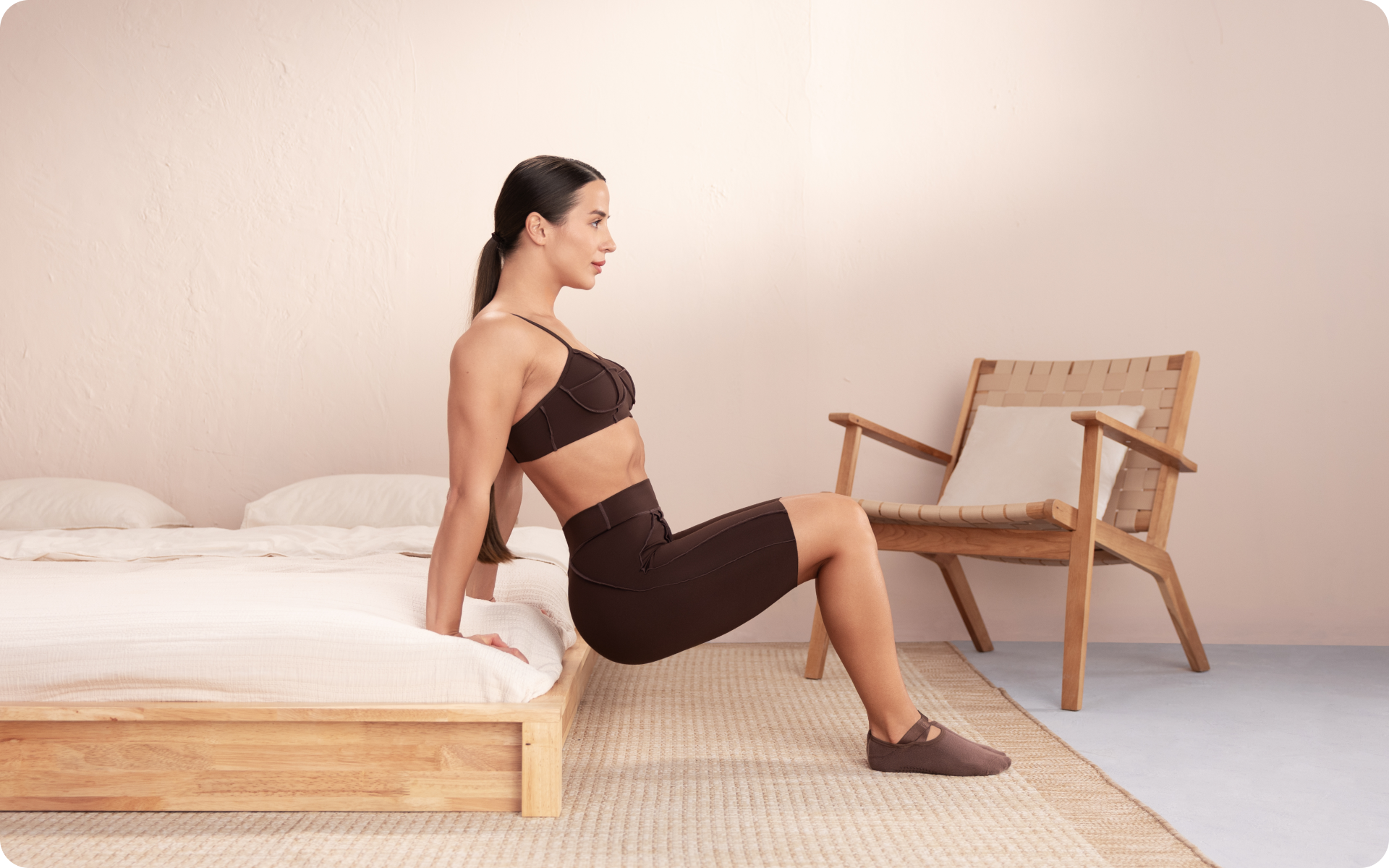
- Seated Tricep Dips
Purpose: Strengthens the triceps and improves arm stability.
- Sit on the edge of the chair, hands placed on either side of your hips, fingers pointing forward.
- Shift forward slightly and lower your hips toward the floor, bending elbows to roughly 90 degrees.
- Press through your palms to return to the starting position.
- Repeat for 8–12 repetitions.
Lower Body Exercises
The lower body muscles — sometimes referred to as the body’s “powerhouse” — provide the foundation for stability and everyday movement (12).
- Seated Leg Lifts
Purpose: Strengthens the quadriceps and supports hip mobility.
- Sit tall, holding the sides of the chair for support.
- Engage your core and extend one leg straight out, foot flexed.
- Hold briefly, then slowly lower back down.
- Repeat for 8–12 repetitions on each leg.
- Seated Hamstring Curls
Purpose: Strengthens the hamstrings and supports knee joint function.
- Sit tall with a resistance band looped around your ankles.
- Keeping your thighs on the chair, bend one knee and lift your heel toward your seat.
- Slowly return to the starting position.
- Repeat for 8–12 repetitions on each leg.
- Seated Ankle Pumps
Purpose: Improves ankle mobility and supports circulation in the lower legs.
- Sit tall with feet flat on the floor.
- Lift your heels while keeping the balls of your feet down, then lower.
- Then lift your toes while keeping your heels grounded, then lower.
- Alternate for 30–60 seconds.
Core Strengthening Exercises
A strong core supports posture, reduces back tension, and makes everyday movement easier (13).
- Seated Bicycle Crunches
Purpose: Strengthens the abdominal muscles and improves core stability.
- Sit tall on the edge of the chair, feet flat, hands gently behind your head.
- Engage your core and lift one knee while rotating the opposite elbow toward it.
- Return to the center and repeat on the other side.
- Continue for 8–12 repetitions per side.
- Seated Russian Twists
Purpose: Strengthens the obliques and supports trunk rotation.
- Sit tall on the edge of the chair, feet flat, hands clasped at chest height.
- Lean back slightly, keeping your spine long and core engaged.
- Rotate your upper body to one side, then the other.
- Repeat for 8–12 repetitions per side.
- Seated Pilates Roll-Down
Purpose: Strengthens the deep abdominal muscles and promotes spinal articulation.
- Sit tall with legs extended, feet hip-width apart, hands on your thighs.
- Inhale to prepare, then exhale as you slowly roll down through your spine, one vertebra at a time.
- Inhale at the bottom, then exhale as you roll back up, leading with your head and chest.
- Repeat for 5–8 repetitions.
Read more: 28-Day Chair Yoga For Seniors: Regain Flexibility And Build Strength With Guided
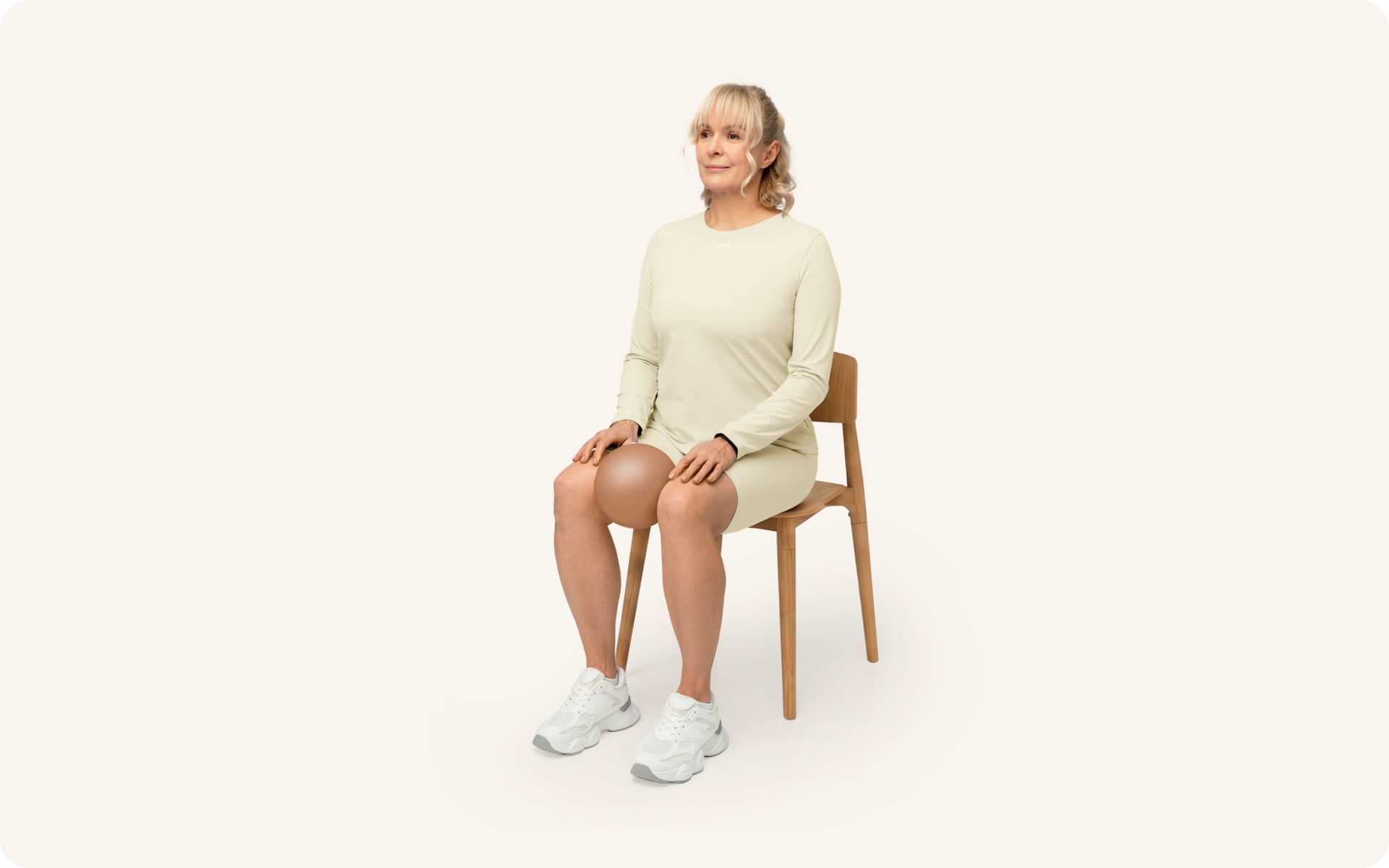
Balance and Stability Exercises
These chair exercises for balance for seniors strengthen the muscles that support steady, confident movement.
- Seated Toe Taps
Purpose: Improves coordination and strengthens the lower abdominals.
- Sit tall on the edge of the chair, hands on your hips or holding the sides for support.
- Engage your core and lift one foot, tapping your toes lightly on the floor in front of you.
- Lower and repeat on the other side.
- Alternate for 30–60 seconds.
- Seated Single-Leg Balance
Purpose: Challenges balance and strengthens hip stabilizers.
- Sit tall, feet flat, hands lightly holding the sides of the chair.
- Engage your core and lift one foot off the floor, extending the leg or keeping the knee bent.
- Hold for 5–10 seconds, then lower.
- Repeat on the other side for 3–5 repetitions per leg.
- Seated Heel Raises
Purpose: Strengthens the calf muscles and improves ankle stability.
- Sit tall, feet flat on the floor.
- Lift both heels off the ground, balancing on the balls of your feet.
- Lower slowly back to the floor.
- Repeat for 8–12 repetitions.
Flexibility and Stretching Exercises
Chair stretches support range of motion, ease residual tension, and are a satisfying way to close a session (14).
- Seated Figure-Four Stretch
Purpose: Stretches the hips and glutes.
- Sit tall, feet flat on the floor.
- Cross one ankle over the opposite knee, forming a figure-four shape.
- Gently press down on the raised knee or hinge slightly forward from the hips.
- Hold for 20–30 seconds, then switch sides.
- Seated Hamstring Stretch
Purpose: Stretches the hamstrings and supports lower back flexibility.
- Sit on the edge of the chair, extend one leg forward with the heel on the floor and toes pointing up.
- Keep the other foot flat. Place hands on your hips for support.
- Hinge gently forward from your hips, keeping your back straight and chest lifted.
- Hold for 20–30 seconds, then switch sides.
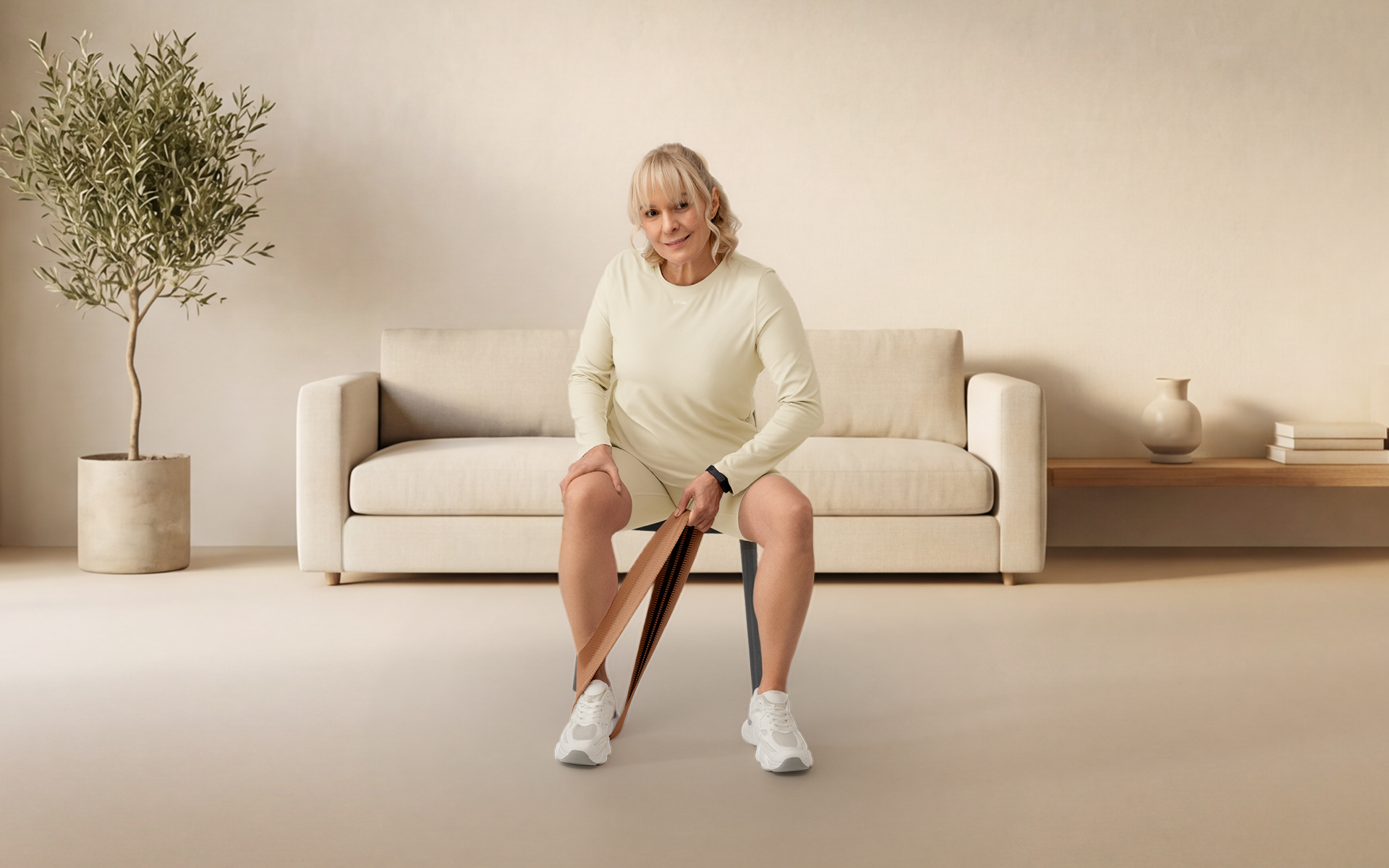
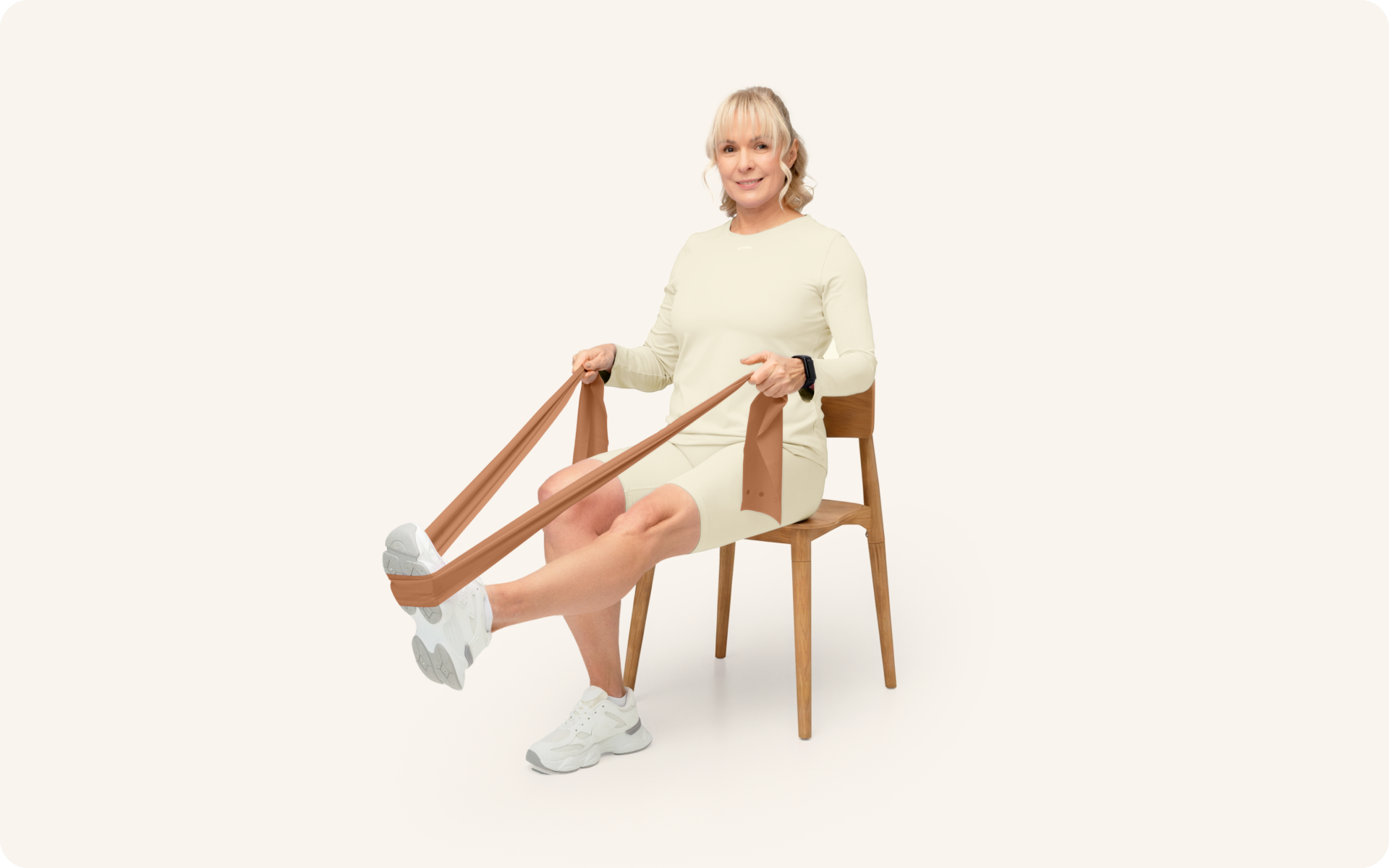
- Seated Calf Stretch
Purpose: Stretches the calf muscles and supports ankle mobility.
- Sit on the edge of the chair, one leg extended in front of you with the heel on the floor.
- Loop a towel or resistance band around the ball of that foot.
- Gently pull the band toward you, flexing the foot while keeping your leg straight.
- Hold for 20–30 seconds, then switch sides.
Structured Weekly Chair Pilates Program
Follow a weekly chair Pilates program by training your whole body from the start, then adding a few more movements each week. This 4-week table shows exactly what to do, so every session stays balanced and beginner-friendly.
Each week, you pick a set number of movements from the six groups we discussed earlier: warm-up, upper body, lower body, core, balance, and flexibility. Keep your reps to 8–10 per exercise, or 30–45 seconds for timed moves, and rest 30–60 seconds between movements as needed.
| Week | Goal | Frequency | Sets | Session Length | Session Structure |
|---|---|---|---|---|---|
| Week 1 | Learn the moves and build a routine you can keep | 2–3 sessions | 1 set | 10–15 minutes | 2 warm-up, 1 upper body, 1 lower body, 1 core, 1 flexibility (6 moves) |
| Week 2 | Add variety and start working every area | 3 sessions | 1–2 sets | 10–15 minutes | 2 warm-up, 1 upper body, 2 lower body, 1 core, 1 balance, 1 flexibility (8 moves) |
| Week 3 | Improve coordination and add more balance work | 3–4 sessions | 1–2 sets | 15–20 minutes | 2 warm-up, 2 upper body, 2 lower body, 2 core, 2 balance, 1 flexibility (11 moves) |
| Week 4 | Settle into a steady, full-body practice | 4 sessions | 1–2 sets | 15–20 minutes | 2 warm-up, 2 upper body, 2 lower body, 2 core, 2 balance, 2 flexibility (12 moves) |
Note: Move at a slow, controlled pace with steady breathing. Rest whenever you need to.
BetterMe Well-Being Coach app can help you build a more structured approach to your wellness routine with meal plans, workouts, and habit-tracking tools. Start using the app to explore options that may support your personal fitness and nutrition goals.
How to Use This Program
- Start at Week 1, whatever your current activity level. This gives your body time to adjust.
- Rest at least one day between sessions, especially in the first two weeks.
- Stick to particular movements from each group. Once you choose your exercises in each category, stick with them for 6-12 weeks, master them, before replacing them with others.
- Ease off if something feels uncomfortable. Reduce the range, do fewer reps, or skip that move.
- Progress when you’re ready by adding a second set, a few more reps, or one more session per week.
- Stop and check with your doctor if you notice sharp discomfort, dizziness, or shortness of breath.
Before starting this or any new movement routine, please confirm with your physician that it suits your current physical condition.
Who Should Avoid Chair Pilates?
Chair pilates for the elderly is designed to be gentle and adaptable, but it isn’t appropriate for everyone without medical guidance. There are certain situations where you should speak with your physician before beginning — or stop your session immediately if they arise.
Speak with your doctor first if you:
- Have recently had joint, back, or spinal surgery
- Experience severe or acute joint discomfort that is new or worsening
- Have been advised against physical activity by a healthcare provider
- Have significant balance challenges that affect your ability to sit unsupported
- Are recovering from a recent fall or physical strain
- Experience dizziness, shortness of breath, or chest tightness during light activity
Stop your session and seek medical advice if you notice:
- Sudden, sharp, or shooting discomfort during any movement
- Numbness or tingling in the arms, legs, or hands
- Dizziness, lightheadedness, or difficulty breathing
- Unusual fatigue or feelings of pressure in the chest
Chair exercises for the elderly can be modified in many ways, but some modifications require professional input. A physiotherapist or certified Pilates instructor experienced in working with older adults can help you adapt exercises to your specific needs.
FAQs
Is chair pilates suitable for older adults?
Chair pilates is designed to be a gentle, low-impact practice that can be adapted to individual comfort levels and physical needs. It is structured around seated movement, which removes many of the challenges associated with floor-based or standing routines, making it a practical option for a wide range of older adults — including those new to exercise or returning after time away.
What muscles does chair pilates work?
Chair pilates targets multiple muscle groups throughout the body, including the core (deep abdominal muscles, obliques, and lower back), upper body (shoulders, chest, upper back, biceps, and triceps), and lower body (quadriceps, hamstrings, glutes, and calves) (15). In addition to strengthening these muscles, the practice incorporates chair stretches and mobility exercises to support flexibility and joint function.
What safety guidelines should seniors follow for chair pilates?
Older adults should consult their physician before beginning any new movement routine, particularly if they have existing joint, muscle, or spine concerns. During sessions, focus on controlled movement rather than speed or range, breathe steadily throughout each exercise, and stop immediately if you experience sharp discomfort, dizziness, or shortness of breath. Starting with a shorter session — such as 10 minute chair pilates for seniors — is a practical way to ease in before building to a full routine.
Which seated exercises support stability in older adults?
Seated exercises that tend to support stability most effectively are those targeting the core and hip stabilizers, including Seated Bicycle Crunches, Seated Russian Twists, Seated Single-Leg Balance, and Seated Toe Taps. These movements build the muscle engagement needed for confident, stable movement in everyday life. Chair exercises for balance for seniors work best when practiced consistently as part of a structured routine.
Can I do a 10-minute chair pilates session and still see results?
A 10 minute chair pilates for seniors session is a genuinely useful option, especially when you’re just starting out or on days when time or energy is limited. A short session focused on warm-up movements, one or two core exercises, and a brief stretch can still support mobility and consistency. Over time, building gradually from shorter sessions to a fuller routine is one of the most practical approaches to long-term progress.
The Bottom Line
Chair pilates seniors can use regularly offers a realistic, low-pressure path to greater strength, stability, and physical comfort. The seated chair exercises for seniors covered in this article — from warm-up movements and core work to chair stretches and balance training — are designed to be manageable, practical, and progressively challenging as your capacity grows.
The key is consistency. You don’t need a full hour to benefit from this type of movement. Start with a few exercises, follow the 4-week program at a pace that suits you, and build from there.
DISCLAIMER:
This article is intended for general informational purposes only and does not serve to address individual circumstances. It is not a substitute for professional advice or help and should not be relied on for making any kind of decision-making. Any action taken as a direct or indirect result of the information in this article is entirely at your own risk and is your sole responsibility.
BetterMe, its content staff, and its medical advisors accept no responsibility for inaccuracies, errors, misstatements, inconsistencies, or omissions and specifically disclaim any liability, loss or risk, personal, professional or otherwise, which may be incurred as a consequence, directly or indirectly, of the use and/or application of any content.
You should always seek the advice of your physician or other qualified health provider with any questions you may have regarding a medical condition or your specific situation. Never disregard professional medical advice or delay seeking it because of BetterMe content. If you suspect or think you may have a medical emergency, call your doctor.
SOURCES:
- Chronic Pain in the Elderly: Mechanisms and Perspectives (2022, frontiersin.org)
- Musculoskeletal Aging in the Twenty-First Century: From Conservative Care to Surgical Solutions (2026, intechopen.com)
- Movement and Aging (2023, intechopen.com)
- The Effect of Chair-Based Exercise on Physical Function in Older Adults: A Systematic Review and Meta-Analysis (2021, mdpi.com)
- Full article: Six Basic Principles and Steps for Teaching Pilates Exercises in Physical Education (2026, tandfonline.com)
- Benefits of Pilates in the Elderly Population: A Systematic Review and Meta-Analysis (2022, mdpi.com)
- The Multi-Component Structure of Core Strength (2024, pmc.ncbi.nlm.nih.gov)
- Core muscle activation during Pilates exercises on the Wunda chair (2021, pubmed.ncbi.nlm.nih.gov)
- The effect of chair-based exercise on physical functioning in postmenopausal women: a meta-analysis (2025, link.springer.com)
- Effects of Pilates Training on Physiological and Psychological Health Parameters in Healthy Older Adults and in Older Adults With Clinical Conditions Over 55 Years: A Meta-Analytical Review (2021, frontiersin.org)
- Dynamic Warm-ups Play Pivotal Role in Athletic Performance and Injury Prevention (2024, pmc.ncbi.nlm.nih.gov)
- Pilates and the “powerhouse”—I (2004, sciencedirect.com)
- Exploring the role of the core in sports performance: a systematic review of the effects of core muscle training (2025, frontiersin.org)
- Stretching: Focus on flexibility (2023, mayoclinic.org)
- Effects of reformer pilates on body composition, strength, and psychosomatic factors in overweight and obese women A randomized controlled trial (2022, nature.com)
 Reviewed by
 Reviewed by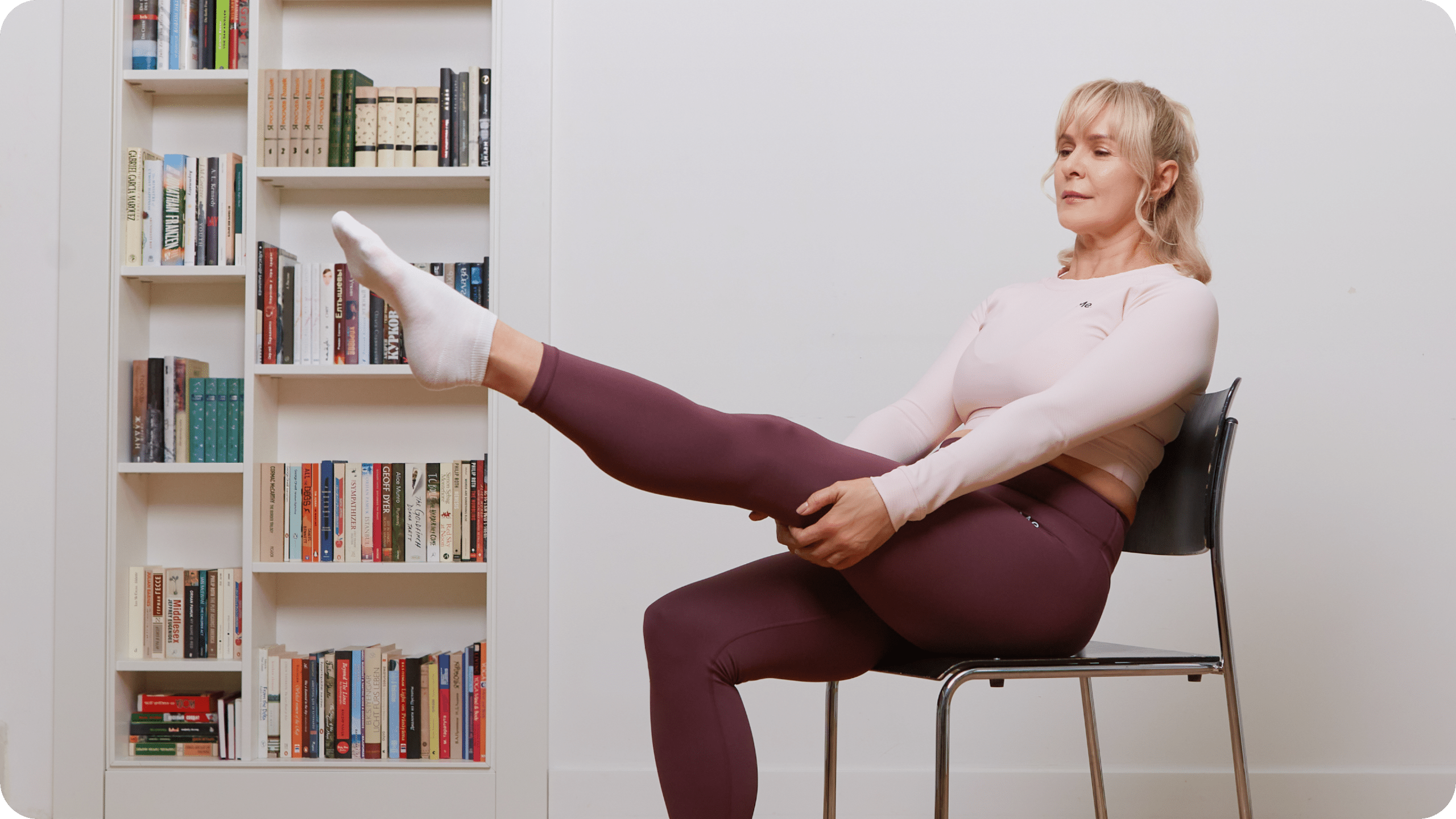
 Reviewed by