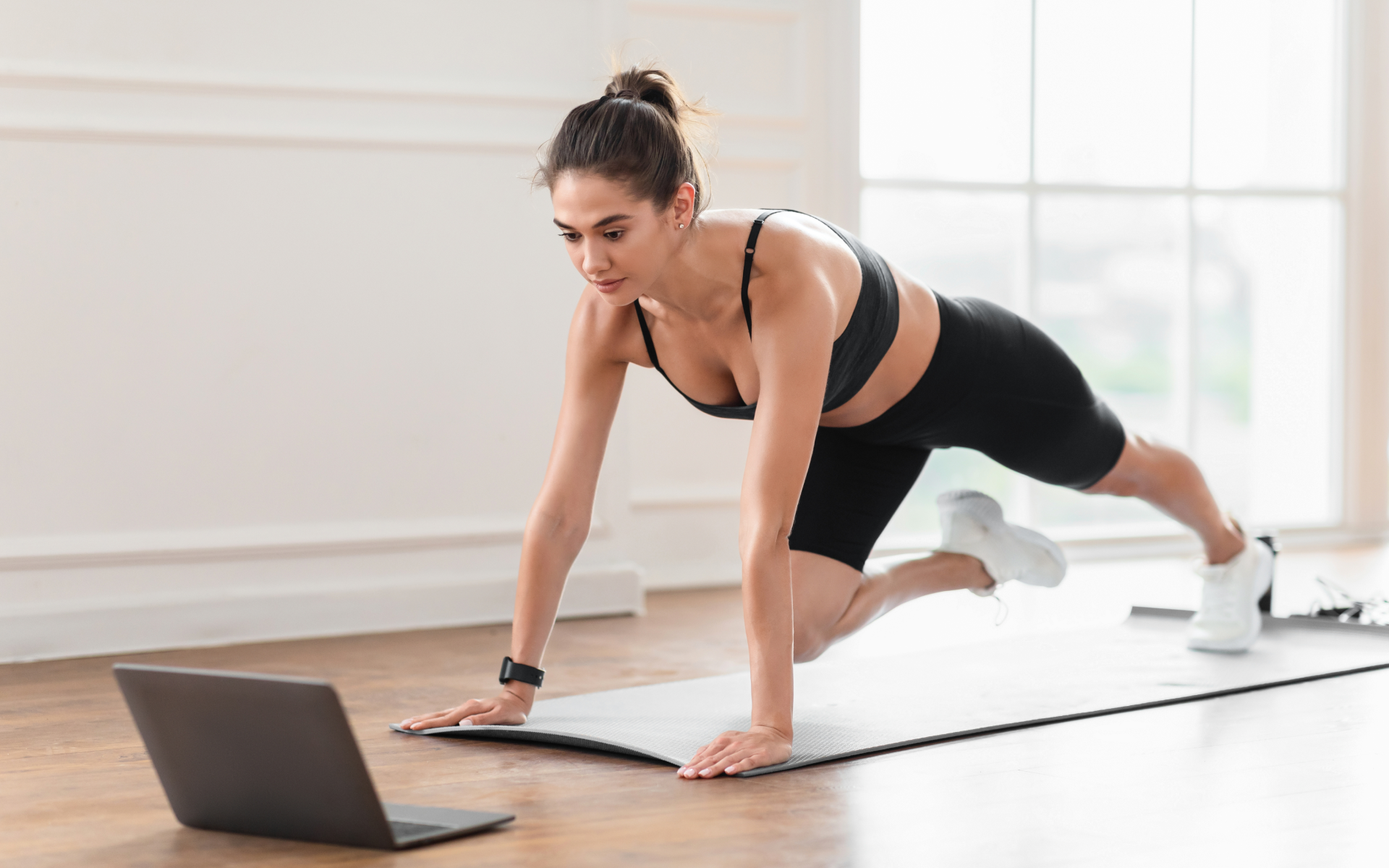

Embarking on a fitness journey can feel overwhelming. With endless information available, it’s difficult to know where to start. The key to long-term success isn’t starting with the most complex program, but with a sustainable, evidence-based plan that builds momentum.
This guide is designed to cut through the noise. We’ll break down the science of getting in shape and show you how to start effectively without spending hours in the gym. You’ll get a structured, beginner-friendly workout plan you can follow 2-3 days per week – plus a “minimum” fallback approach for busy weeks – so you can build momentum and stay consistent.
How to Get in Shape as a Beginner
Getting in shape is a process of applying a consistent stimulus to your body and allowing it to adapt. For beginners, this process is remarkably efficient. Your body is highly responsive to new challenges, which means you can achieve significant results with a surprisingly minimal approach.
The foundation of getting in shape rests on four pillars:
- Resistance training
- Cardiovascular conditioning
- Recovery
- Nutrition
Each of these pillars plays a distinct role in transforming your physique, improving your health, and building sustainable habits.
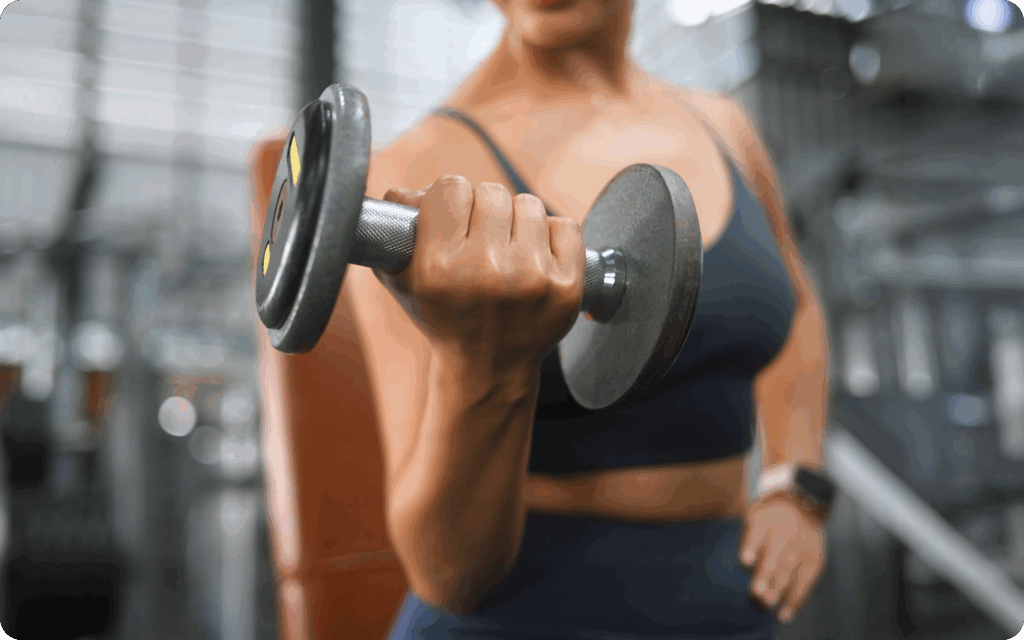
Here’s how you can approach each pillar to lay a strong foundation:
1. Lifting Weights: The Foundation of Strength and Muscle
Resistance training – lifting weights or using resistance bands – provides the stimulus your muscles need to grow stronger and more resilient (1). For beginners, the initial gains are largely increased strength from neurological improvements. Your brain becomes more efficient at recruiting muscle fibers and coordinating movements (2). This is why you get stronger so quickly when you first start lifting, even before you start to see significant muscle growth.
Focus on steady, controlled form and progressive overload: gradually increasing weight, reps, or sets as you get stronger (3).
Recent research has confirmed that two full-body resistance sessions per week can drive significant improvements in muscle growth (4).
2. Cardiovascular Conditioning: Supporting Heart and Lung Health
Cardio training improves the efficiency of your heart and lungs, helps manage body fat, and boosts overall endurance (5). Incorporate moderate activities such as brisk walking, cycling, or short HIIT intervals (8-12 minutes, 1-2 times per week) into your routine.
These shorter, quality-focused sessions can increase cardiovascular health without overwhelming your schedule, which makes them ideal for busy beginners.
BetterMe: Health Coaching app helps you achieve your body goals with ease and efficiency by helping to choose proper meal plans and effective workouts. Start using our app and you will see good results in a short time.
3. Recovery: The Unsung Hero of Progress
Progress doesn’t happen in the gym, it happens while you recover. Prioritize 7-9 hours of sleep each night to support muscle repair, hormone function, and mental clarity (6). Schedule at least 48 hours between tough resistance workouts for the same muscle groups. Light activity, such as walking or mobility routines, on “off” days can encourage blood flow and speed up recovery without adding fatigue (7).
Remember, consistency and rest go hand-in-hand for sustainable progress.
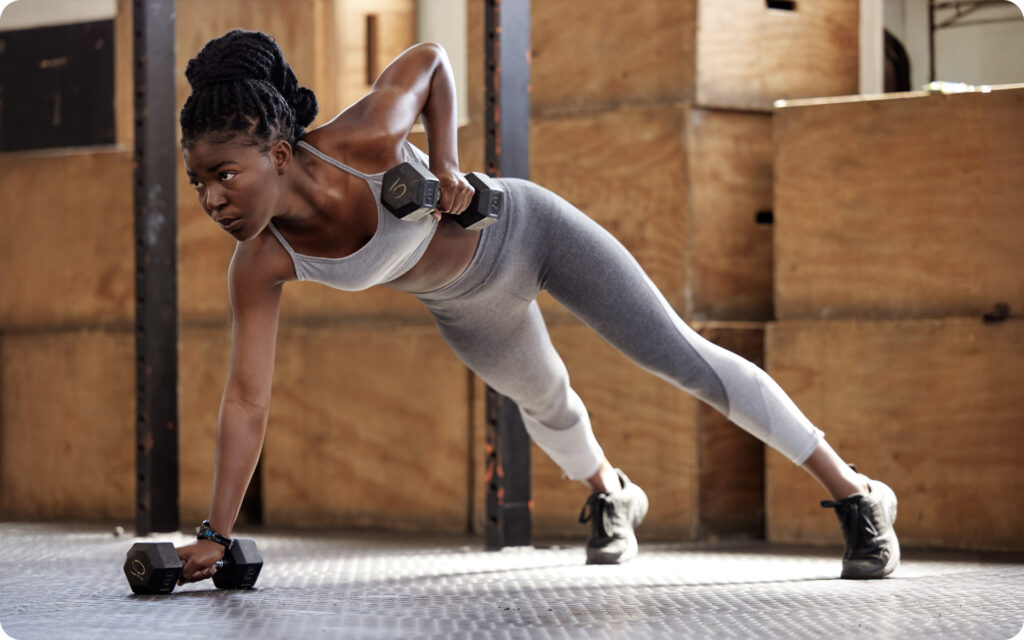
4. Nutrition: Fueling Growth and Repair
What you eat directly impacts your results. Aim for a balanced diet that is rich in whole foods – lean proteins, vegetables, fruits, whole grains, and healthy fats.
Protein is particularly important – target 0.7-1.0 grams per pound of your goal body weight per day (8), spread over 3-4 meals to enhance muscle repair and growth. Adequate hydration and nutrient timing (such as a protein-rich meal post-workout) can further support your fitness journey (9, 10)
The Role of Consistency over Intensity
The most important factor for a beginner isn’t how hard you train, but how consistently you show up. Establishing the habit of regular exercise creates the foundation upon which all future progress is built.
Research supports a “minimum effective dose” approach as a fallback when time or energy is limited. A 2023 review in Sports Medicine found that even one resistance training session per week can improve strength in untrained individuals (11).
That being said, most beginners will progress faster and feel better overall with 2-3 sessions per week, as it provides more practice, more total stimulus, and steadier habit-building. The focus should still be on quality execution, not exhausting yourself.
Read more: Good Full-Body Workout: A Complete Guide with a Simple Plan
How Should a Beginner Start Working Out?
Starting a workout routine should be a gradual process. Your goal is to introduce new stresses to your body without causing excessive soreness or burnout, which can derail your efforts. The key is to start with a manageable plan and slowly increase the difficulty as you get stronger.
The Minimum Effective Dose
The concept of a “minimum effective dose” (MED) is useful for beginners, but it’s important to frame it correctly: MED is a baseline (a floor), not the ideal recommendation if you have the time and energy to train more. Think of MED as the smallest amount of training that still produces measurable progress – particularly helpful if your schedule is tight, you’re returning after a break, or you’re building the habit first. If you can train more consistently (e.g. 2-3 days per week), you’ll typically make faster progress.
A comprehensive 2024 review on minimal dose strategies confirmed that reduced weekly volumes – fewer sets and reps than traditional guidelines – are effective for increasing strength (12).
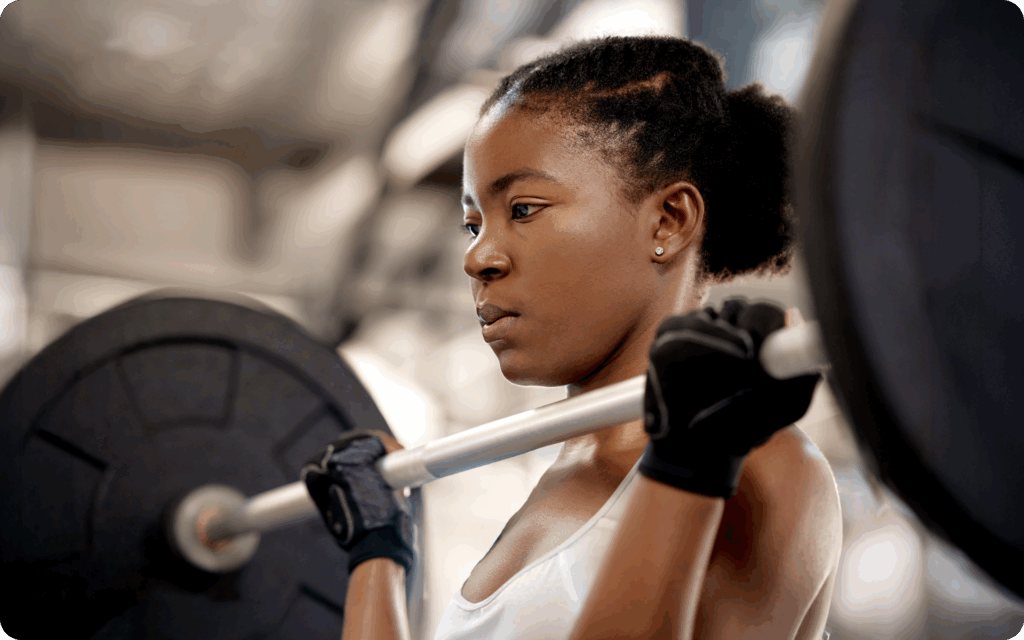
Here’s what that looks like in practical, quantified terms:
- Frequency: Aim for 2-3 resistance training sessions per week if possible. If you can only manage 1 session, that can still work as a short-term “minimum” approach. This provides enough stimulus, particularly for those who are pressed for time or who need to conserve energy (13).
- Volume: Start with at least four hard sets per muscle group per week as a baseline. Most beginners will progress well with 6-10 weekly sets per muscle group as they build consistency (13).
- Intensity: You don’t need extremely heavy weights. Lighter loads (e.g. 10-20 reps) can build muscle effectively as long as you take sets close to failure. A good starting point is a weight you can lift for 6-15 repetitions while keeping 1-3 reps in reserve (RIR) (14).
Although MED can drive initial results, more traditional training approaches (such as higher frequency or increased volume) are likely to yield greater improvements in both physical and mental health over time.
For example, 4 weekly sets per muscle can build muscle, but 10 weekly sets per muscle group is proven to maximise increases in muscle (13).
Another example – people who exercise more than 1 day per week are further protected from mortality than those who exercise only once (12).
Use the MED as your baseline for building consistency, knowing that you can always scale up as your body adapts and your goals evolve.
Defining Effort: Reps in Reserve (RIR)
Instead of guessing how hard to work, you can use a simple and effective metric called reps in reserve, or RIR. RIR is the number of repetitions you believe you have left in the tank at the end of a set (15). For example, if you finish a set and feel you could have done two more reps with perfect form, that’s a 2 RIR.
For beginners, aiming for a 2-3 RIR on your working sets is ideal. This ensures that the set is challenging enough to stimulate growth but safe enough to maintain good form and manage recovery. This method of “auto-regulation” allows you to adjust the workout based on how you feel on any given day.
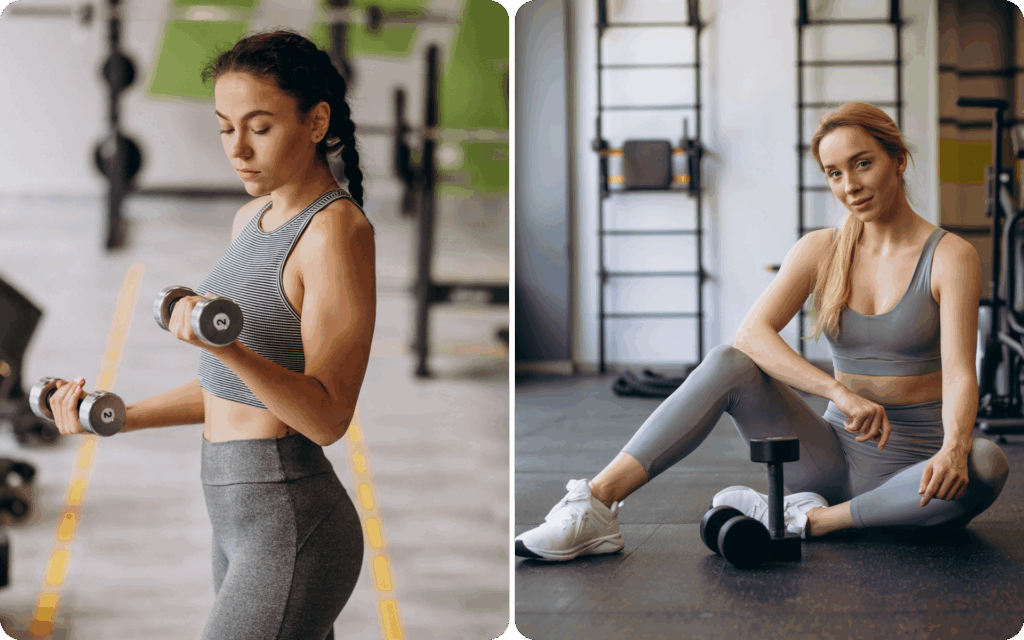
The Importance of a Proper Warm-Up
A warm-up prepares your body for the work to come, increasing blood flow to muscles and mobilizing your joints (16). However, it doesn’t need to be a workout in itself. A minimal-dose warm-up is highly effective.
- General Warm-Up (3-5 minutes): Perform light cardiovascular activity such as jogging, cycling, or using a rowing machine to raise your core body temperature.
- Specific Warm-Up (1-2 sets): Before your first main exercise, perform one or two lighter “ramp-up” sets. Use about 50-70% of your planned working weight to groove the movement pattern and prepare the specific muscles you’re about to train.
Are you ready to learn more about starting your fitness journey? Find out more about the best workout routines for beginners. Read more in our recommended beginner gym workout guide.
Progression: The Key to Long-Term Gains
Your body will adapt to the workout plan. To continue making progress, you must progressively increase the challenge. This doesn’t always mean adding more weight (17, 18).
- Increase Reps: First, try to add one or two more reps to each set while using the same weight.
- Increase Weight: Once you can comfortably complete all your sets at the top of the prescribed rep range (e.g. 12 reps), increase the weight by a small amount (2-5%) and start back at the lower end of the rep range (e.g. 6-8 reps).
- Increase Sets: After several weeks of consistent training, you can consider adding one additional set to each exercise. This is a powerful way to increase total training volume, but it should be done gradually to manage recovery.
Weight lifting can be empowering and is a cornerstone of building a strong, resilient body.
Discover how to get started with this guide to weightlifting for beginners female.
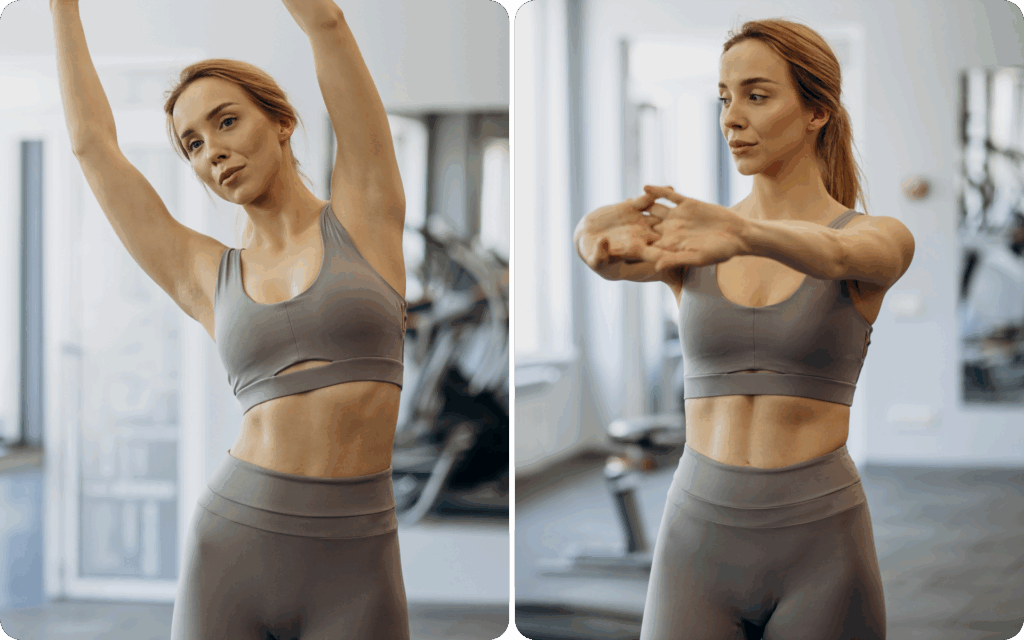
What Is a Basic Gym Workout Plan for Beginners?
A basic gym workout plan should be simple, efficient, and focused on compound movements. Compound exercises work multiple muscle groups simultaneously, which gives you the most bang for your buck in terms of time and effort (19). This full-body approach is ideal for beginners (20).
The following plan is designed to be performed 2-3 times per week (with a 1-day option if your schedule is very limited). It uses two full-body workouts – A and B – so you can keep things simple, repeat key movement patterns, and progress consistently. Choose the schedule that matches your week:
- 1 day/week (minimum): Alternate Workout A and Workout B each week.
- 2 days/week: Do Workout A and Workout B with at least one rest day between.
- 3 days/week (often best for beginners): Week 1 = A / B / A. Week 2 = B / A / B (always rest for at least 24-48 hours between sessions).
How many sets should you do?
Match your sets to your weekly frequency so the volume stays appropriate:
- 3 days/week: perform 2 sets of each exercise
- 2 days/week: perform 3 sets of each exercise
- 1 day/week: perform 3 sets of each exercise (keep effort moderate and form strict)

Workout A: Full Body
This session focuses on foundational pushing and pulling movements, together with a primary squat pattern.
- Goblet Squat: 2-3 sets of 6-12 reps @ 1-2 RIR
- Setup: Stand with your feet slightly wider than shoulder-width apart, your toes pointed slightly out. Hold a single dumbbell vertically against your chest with both hands.
- Movement: Keeping your chest up and your back straight, lower your hips down and back as if sitting in a chair. Descend until your thighs are at least parallel to the floor. Drive through your heels to return to the starting position.
- Cue: Imagine spreading the floor apart with your feet to engage your glutes.
- Machine Chest Press: 2-3 sets of 6-12 reps @ 1-2 RIR
- Setup: Adjust the seat so the handles are at mid-chest level. Sit with your back flat against the pad and grasp the handles.
- Movement: Press the handles forward until your arms are fully extended, but not locked. Pause briefly, then slowly return to the starting position, controlling the weight on its way back.
- Cue: Keep your shoulder blades pulled back and down throughout the movement.
- Seated Cable Row: 2-3 sets of 8-15 reps @ 1-2 RIR
- Setup: Sit at a seated row station with your feet on the platform and your knees slightly bent. Grasp the handle with a neutral (your palms facing each other) grip.
- Movement: Keeping your torso upright, pull the handle toward your stomach by squeezing your shoulder blades together. Pause at the peak contraction, then slowly extend your arms back to the start.
- Cue: Initiate the pull with your back muscles, not by yanking with your arms.
- Romanian Deadlift (RDL): 2-3 sets of 8-12 reps @ 1-2 RIR
- Setup: Stand with feet hip-width apart, holding a barbell or two dumbbells in front of your thighs. Maintain a slight bend in your knees.
- Movement: Hinge at your hips, pushing them backward while keeping your back straight. Lower the weight along the front of your legs until you feel a deep stretch in your hamstrings. Drive your hips forward to return to the start.
- Cue: Think of closing a car door with your hips. The movement is a hinge, not a squat.
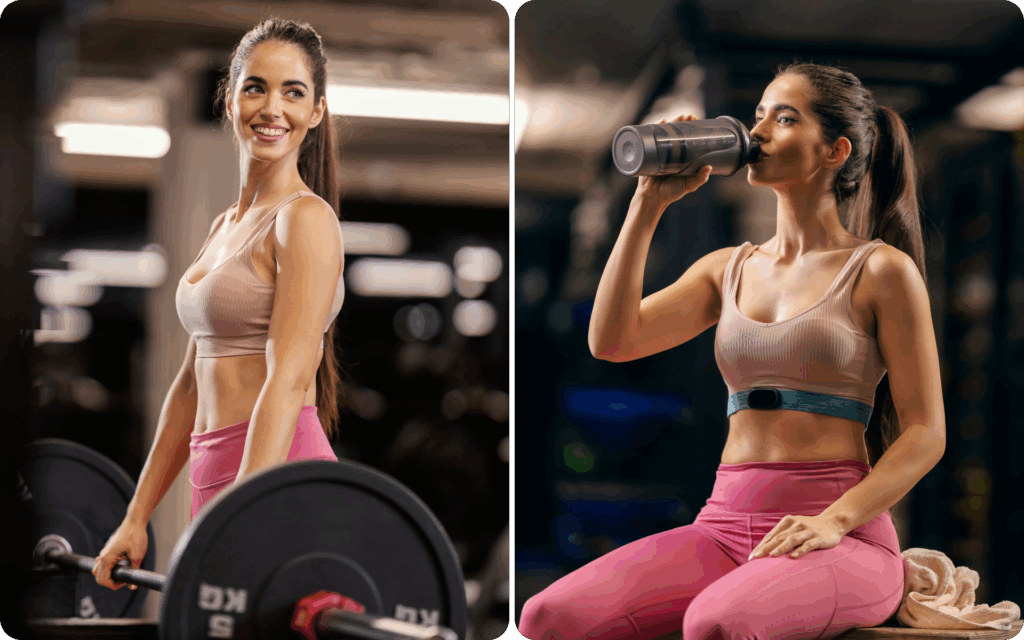
Workout B: Full Body
This session complements Workout A by focusing on a hip hinge pattern, vertical pushing and pulling, and single-leg stability. This is a great gym workout plan for both male and female beginners.
- Dumbbell Split Squat: 2-3 sets of 8-12 reps per leg @ 1-2 RIR
- Setup: Stand in a staggered stance with one foot forward and the other back. Hold dumbbells in each hand.
- Movement: Lower your body straight down until your front thigh is parallel to the floor and your back knee almost touches the ground. Push through your front foot to return to the starting position.
- Cue: Keep your torso upright and your front knee aligned over your front foot.
- Lat Pulldown: 2-3 sets of 8-15 reps @ 1-2 RIR
- Setup: Grasp the bar with an overhand grip, your hands slightly wider than shoulder-width apart. Sit with your knees secured under the pads.
- Movement: Pull the bar down to your upper chest by driving your elbows down and back. Squeeze your lats at the bottom, then slowly control the bar back up.
- Cue: Imagine pulling your elbows into your back pockets.
- Dumbbell Shoulder Press: 2-3 sets of 6-12 reps @ 1-2 RIR
- Setup: Sit on a bench with back support. Hold a dumbbell in each hand at shoulder height, your palms facing forward.
- Movement: Press the dumbbells overhead until your arms are fully extended. Slowly lower them back to the starting position.
- Cue: Keep your core braced and avoid arching your lower back.
- Plank: 2-3 sets of 30-60 second holds
- Setup: Position yourself on your forearms and toes with your body in a straight line from your head to your heels.
- Movement: Hold this position, keeping your core and glutes engaged.
- Cue: Don’t allow your hips to sag or rise too high. Imagine pulling your belly button toward your spine.
This type of program is one of the best workout routines as it can also be adapted for home use. For a basic gym workout plan at home, you can substitute exercises:
- Goblet squats can be done with any heavy object
- Machine chest press can become push-ups
- Seated rows can be replaced with dumbbell rows

What’s a Good Gym Schedule for Beginners?
For a beginner, the best gym schedule is the one you can follow consistently. For most people, 2-3 days per week is the sweet spot: frequent enough to progress quickly, but not so frequent that soreness or fatigue derails you.
Choose the option that fits your week:
- 3 days/week (often best for beginners): Use the A/B workouts in an A / B / A pattern one week and B / A / B the next week (always leave 24-48 hours between sessions).
- 2 days/week: Do Workout A and Workout B with at least one rest day between.
- 1 day/week (minimum option): One full-body session can still build strength and preserve the habit during busy periods. Alternate between Workout A and Workout B each week, then scale back up when you can.
Whether you’re a workout beast or just a beginner making your first foray into the world of fitness and dieting – BetterMe has a lot to offer to both newbies and experts! Install the app and experience the versatility first-hand!
The Importance of Rest Days
Rest isn’t optional, it’s when your body repairs and rebuilds itself stronger. A common mistake for enthusiastic beginners is to do too much, too soon. Your muscles need at least 48 hours to recover after a challenging resistance training session (21).
Sleep is the most powerful recovery tool. Aim for 7-9 hours of quality sleep per night. Research has consistently shown that inadequate sleep impairs muscle recovery, protein synthesis, and strength gains (22).
Are you looking for a plan that’s tailored to you? Check out this gym workout plan for beginners female.
Is 3 Times a Week Gym Enough for Beginners?
Yes, working out three times a week is enough and often optimal for a beginner. A three-day full-body routine allows you to stimulate muscle growth frequently while still providing 24-48 hours of recovery time between sessions. This frequency strikes a perfect balance between stimulus and recovery.
As you become more advanced, your training needs may change. However, for the first 6-12 months of training, a three-day-a-week plan can produce outstanding results in both strength and muscle gain.
Using the workouts shared above, you can perform them in a Monday – Workout A/ Wednesday – Workout B/ Friday – Workout A format with at least 24 hours of rest between workouts.
Read more: Advanced Full-Body Workouts for Maximum Growth and Strength
Can I Lose Noticeable Fat in 3 Weeks?
While it’s possible to lose a few pounds and feel better in three weeks, it’s important to set realistic expectations. Noticeable, sustainable fat loss is a longer-term process. Aggressive, rapid weight loss often involves losing water weight and muscle mass (23), which is counterproductive to your goal of getting stronger and healthier.
A safe and sustainable rate of fat loss is approximately 0.5-1% of your body weight per week (24). For a 150-pound person, this equates to 0.75-1.5 pounds per week. Over three weeks, this could result in a loss of 2-4.5 pounds of fat, which may be noticeable.
The Role of Nutrition
You can’t out-train a poor diet. Fat loss is primarily driven by a caloric deficit, which means you consume fewer calories than your body expends (25). Resistance training helps preserve muscle mass while you’re in this deficit, which ensures the weight you lose is primarily fat (26).
Focus on a diet that’s rich in whole foods and adequate protein. A simple and effective protein target for active individuals is 0.7-1.0 grams of protein per pound of your goal body weight (8). Spreading this intake across 3-4 meals helps maximize muscle protein synthesis, the process of building new muscle.
You should also eat complex carbohydrates and healthy fats. Hydration goes a long way to complementing your fat loss diet. How many calories you should eat depends on several factors, and using a calorie or weight loss calculator may help you figure this out.
Adding Conditioning for Fat Loss
To supplement your efforts, you can add short bursts of conditioning. You don’t need to spend hours on a treadmill. Minimal-dose high-intensity interval training (HIIT) is very effective (27).
Try this twice a week on your non-lifting days:
- Choose a cardio machine (bike, rower, elliptical).
- Warm up for 3 minutes.
- Perform 6-8 rounds of: 30 seconds of high-intensity effort followed by 60-90 seconds of easy recovery.
- Cool down for 2 minutes.
This entire session takes only 15-20 minutes and can significantly boost your cardiovascular health and caloric expenditure.
Yes, 10-minute workouts can be effective, particularly for beginners or those with very limited time. A short, high-intensity session can improve cardiovascular health and stimulate muscles. The key is to maximize effort within that short window, which makes it a valuable tool for maintaining consistency when a full workout isn’t possible. This depends on personal preference and workout intensity. For a light or moderate workout, exercising in a fasted state is generally fine. For a longer or more intense session, a small, easily digestible carbohydrate-rich snack (such as a banana or toast) 30-60 minutes before you work out can provide energy and improve performance (28). If you’re a beginner, make sure you eat a light snack when you first start training to assess how your body reacts. Absolutely. Any physical activity is better than being sedentary. A light workout can improve blood flow, reduce stress, maintain mobility, and burn calories. On days when you lack energy for an intense session, a light workout helps maintain the habit of exercise and contributes to your overall health (29). You can make significant progress in three weeks, such as feeling stronger, having more energy, and noticing improvements in your endurance. However, achieving a high level of “fitness” is a long-term journey. Use the first three weeks to build a consistent habit and celebrate the initial improvements as the start of a sustainable lifestyle change.Frequently Asked Questions
Do 10-minute workouts really work?
Should I eat before a morning workout?
Is a light workout better than nothing?
Can I get fit in 3 weeks?
The Bottom Line
Laying a foundation of strength and fitness doesn’t require an all-or-nothing approach. For most beginners, 2-3 focused workouts per week is the most effective and sustainable starting point. The minimum effective dose (MED) is best used as a fallback during busy weeks – enough to keep momentum and continue progressing, even if more training would produce faster results. Consistency is your greatest ally. Start with a schedule you can maintain, focus on quality execution, and scale your training as your body adapts and your goals evolve.
DISCLAIMER:
This article is intended for general informational purposes only and does not serve to address individual circumstances. It is not a substitute for professional advice or help and should not be relied on for making any kind of decision-making. Any action taken as a direct or indirect result of the information in this article is entirely at your own risk and is your sole responsibility.
BetterMe, its content staff, and its medical advisors accept no responsibility for inaccuracies, errors, misstatements, inconsistencies, or omissions and specifically disclaim any liability, loss or risk, personal, professional or otherwise, which may be incurred as a consequence, directly or indirectly, of the use and/or application of any content.
You should always seek the advice of your physician or other qualified health provider with any questions you may have regarding a medical condition or your specific situation. Never disregard professional medical advice or delay seeking it because of BetterMe content. If you suspect or think you may have a medical emergency, call your doctor.
SOURCES:
- Evidence-Based Resistance Training Recommendations (2011, researchgate.net)
- An examination of the time course of training-induced skeletal muscle hypertrophy (2011, link.springer.com)
- Progressive Overload Explained: Grow Muscle & Strength Today (n.d., blog.nasm.org)
- Effects of Resistance Training Frequency on Measures of Muscle Hypertrophy: A Systematic Review and Meta-Analysis (2016, link.springer.com)
- Endurance Training (2024, ebsco.com)
- Sleep and muscle recovery: endocrinological and molecular basis for a new and promising hypothesis (2011, pubmed.ncbi.nlm.nih.gov)
- Active Recovery: Reduce Fatigue and Enhance Performance (2020, issaonline.com)
- International Society of Sports Nutrition Position Stand: protein and exercise (2017, jissn.biomedcentral.com)
- Practical Hydration Solutions for Sports (2019, pmc.ncbi.nlm.nih.gov)
- International society of sports nutrition position stand: nutrient timing (2017, tandfonline.com)
- Minimalist Training: Is Lower Dosage or Intensity Resistance Training Effective to Improve Physical Fitness? A Narrative Review (2024, link.springer.com)
- Resistance Exercise Minimal Dose Strategies for Increasing Muscle Strength in the General Population: an Overview (2024, link.springer.com)
- Dose-response relationship between weekly resistance training volume and increases in muscle mass: A systematic review and meta-analysis (2017, pubmed.ncbi.nlm.nih.gov)
- Resistance Training Load Effects on Muscle Hypertrophy and Strength Gain: Systematic Review and Network Meta-analysis (2021, journals.lww.com)
- Reps in Reserve (RIR): What You Need to Know (n.d., blog.nasm.org)
- Revisiting the ‘Whys’ and ‘Hows’ of the Warm-Up: Are We Asking the Right Questions? (2024, link.springer.com)
- Exercise progression and regression (n.d., us.humankinetics.com)
- Complexity: A Novel Load Progression Strategy in Strength Training (2019, frontiersin.org)
- Compound Exercises (n.d., physio-pedia.com)
- Progression Models in Resistance Training for Healthy Adults (2009, journals.lww.com)
- Why Rest Days Are Important for Muscle Building (n.d., blog.nasm.org)
- Sleep and muscle recovery: endocrinological and molecular basis for a new and promising hypothesis (2011, pubmed.ncbi.nlm.nih.gov)
- Risks Associated With Excessive Weight Loss (2014, ncbi.nlm.nih.gov)
- Steps for Losing Weight (2025, cdc.gov)
- Calories in, calories out” and macronutrient intake: the hope, hype, and science of calories (2017, journals.physiology.org)
- Preserving Healthy Muscle during Weight Loss (2017, sciencedirect.com)
- Evidence-Based Effects of High-Intensity Interval Training on Exercise Capacity and Health: A Review with Historical Perspective (2021, pmc.ncbi.nlm.nih.gov)
- What Should I Eat before Exercise? Pre-Exercise Nutrition and the Response to Endurance Exercise: Current Prospective and Future Directions (2020, pmc.ncbi.nlm.nih.gov)
- Exercise sustains the hallmarks of health (2023, sciencedirect.com)
 Reviewed by

 Reviewed by