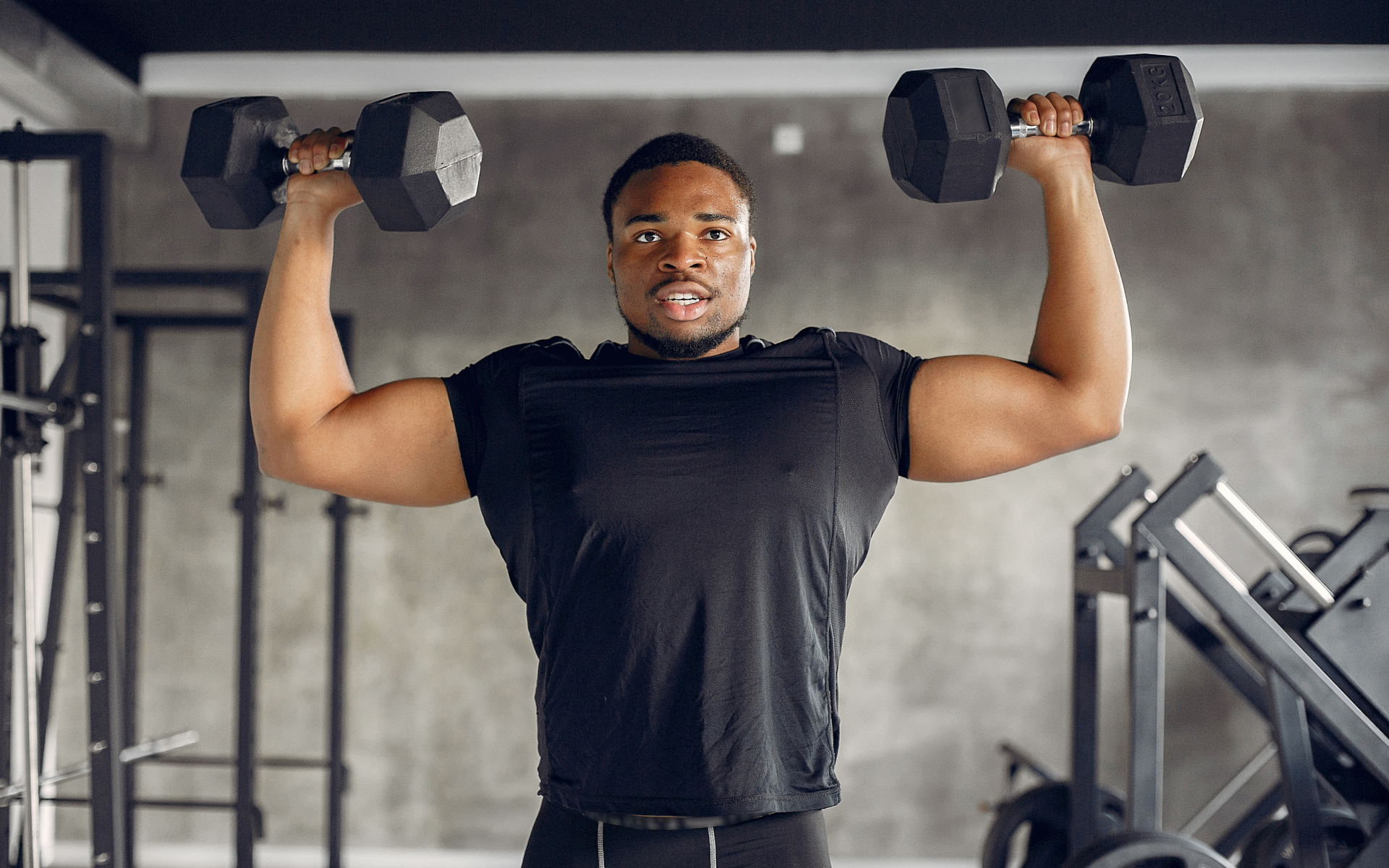

Strength training for seniors can support muscle strength and everyday function (1). Start with exercises and resistance suited to your ability, and allow time for recovery. This guide covers training frequency, equipment, and food considerations. Our guide to strength exercises for older adults offers additional movement examples to discuss with a qualified professional.
If you have joint, muscle, or spine-related concerns, please consult your physician before starting this workout.
Following exercise and diet plans is key in your fitness journey and greatly impacts results. In 4 weeks users can typically expect to lose not more than 1-2 lbs per week. Individual results may vary.
Key takeaways
- Training 2 or 3 times per week is generally effective for older adults (2).
- Resistance training can help increase muscle mass as we age (1).
- Strength training can help build both muscle and bone (3).
- Exercise guidelines for adults 65 and older recommend strength training at least two days a week (4).
- Elastic resistance bands can help improve muscle strength in older adults (5).
- Allow recovery between demanding sessions and adjust training when fatigue or discomfort persists.
- Start with light weights, focus on proper form, and stop if an exercise feels wrong.

How can seniors start strength training gently?
Choose a starting level that reflects your current strength, balance, health, and exercise experience.
Strength training uses resistance from body weight, bands, machines, or weights. A program should be adapted to the individual rather than assuming the same starting point for everyone of a particular age.
It doesn’t matter if you’re using your body weight or actual weights, you should adhere to some core principles, which are:
- Get medical clearance: Talk to a healthcare provider. This is essential if you have a pre-existing health condition.
- Start slow and progress gradually: Start with light resistance, fewer repetitions, and focus on mastering proper form. Over time, resistance and intensity can both be increased based on ability and comfort level.
- Find a clear, open space: Find a spot to exercise comfortably. Ensure there’s enough room to stretch your arms and move without bumping into furniture or walls. Take away any small rugs that could slip or make you trip.
- Allow recovery time: Use a manageable schedule and adjust it to your response (2).
- Don’t exceed your capabilities: Remember to stay within your comfort zone. There’s no need to push yourself too hard when you’re just starting out. It’s normal to feel your muscles working and to be a bit challenged, but you shouldn’t feel any sharp discomfort.
These are a couple of rules you should keep in mind when strength training for seniors at home and the gym. Go at your own pace and stop if an exercise feels wrong.
Read more: HIIT for seniors: how to increase intensity gradually

Can muscle strength be regained after age 70?
Older adults can gain muscle and strength through resistance training (1). The degree of change varies with health, training, nutrition, and other factors.
If you’re still confused about whether you or those over 70 should do strength training, the following perks may convince you!
Muscle and everyday function
Resistance-training research describes improvements in strength and body composition, although outcomes vary by program and participant (6).
Choose progress measures relevant to you, such as completing a controlled chair rise or carrying a manageable load.
Enhances bone density
Resistance exercise can support bone health as well as muscle strength (3). Adapt the movements and load to your health and experience, particularly if you have osteoporosis or a history of fractures.
Increases self-esteem
Building strength may make some daily tasks more manageable. Ask for help with heavy or awkward loads when needed; independence does not mean doing every task alone.
For equipment-free options, explore bodyweight exercises for seniors.

How often should a 70-year-old do strength training?
General older-adult guidance includes strength work at least twice weekly (4). The appropriate workload and schedule depend on the individual.
Exercise guidelines for adults 65 and older recommend strength training at least two days a week (4). These workouts should include exercises that work all the major muscle groups, such as the legs, arms, back, chest, and core, to help maintain strength, balance, and overall health.
Whether you want to refresh your fitness routine, explore lower-calorie recipe ideas, or bring more structure to your wellness habits, BetterMe: Health Coaching app offers tools that can support your next step. Explore the app and find an approach that works for your lifestyle.
How do you build muscle after 70?
Different exercise forms and nutritional considerations can help you build muscles after 70. Once you get a green signal from your doctor, you can focus on the following tips:
Increase your protein intake
Include adequate protein along with a varied diet. Food intake and resistance training both matter for maintaining muscle as you age.
Guidance recommends about 1.0-1.2 grams of protein per kilogram of body weight daily for healthy older adults. Needs may be higher with illness or malnutrition, and kidney disease can require different advice (7).
Use resistance bands
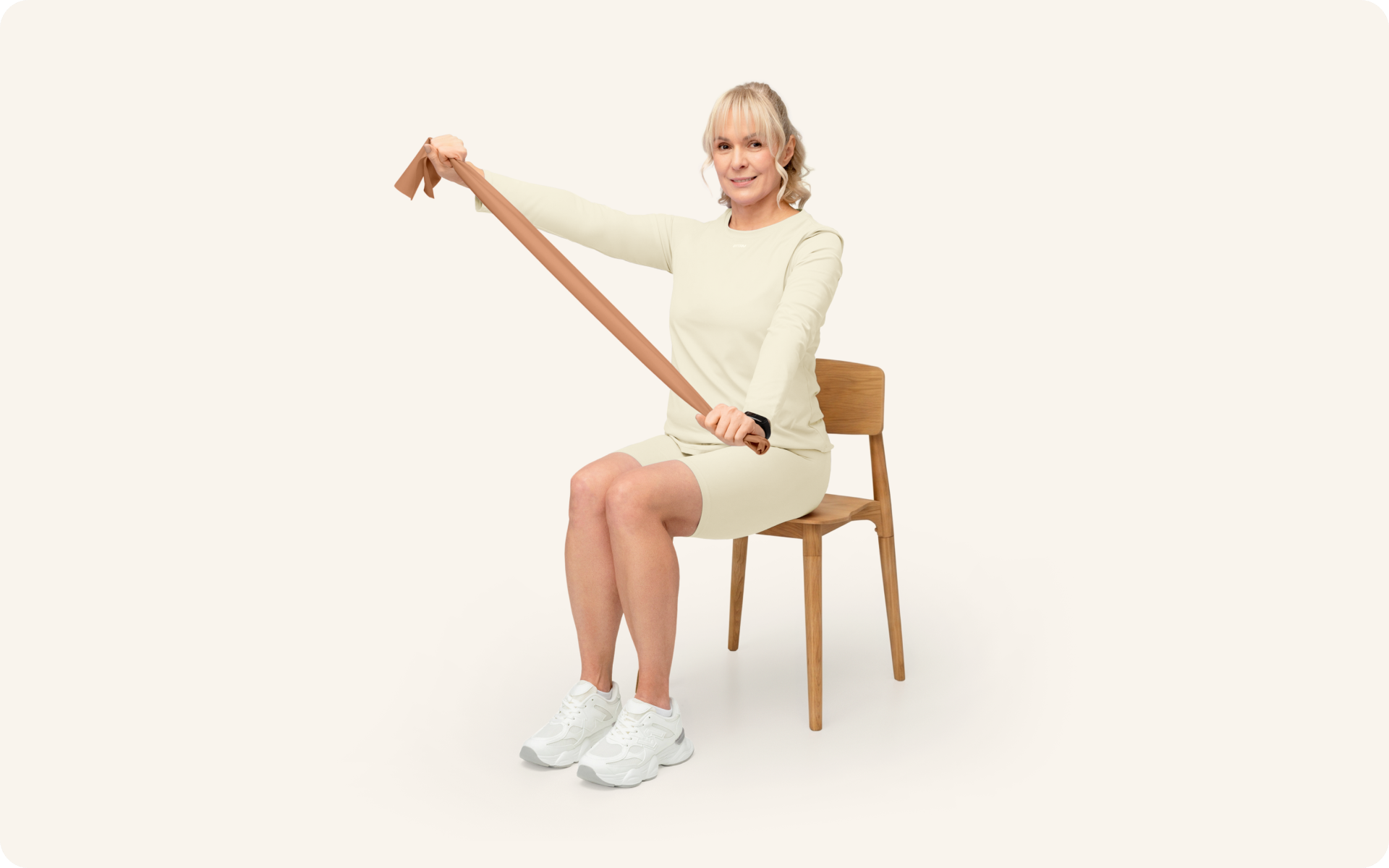
Resistance bands are an easy and effective way to add strength training to your routine. Older adults can start with simple lower-body exercises that require no equipment. They can then add a resistance band to make the workout more challenging.
A systematic review found improved strength with elastic resistance training in older adults (5). Choose a suitable band, inspect it for damage, and follow the equipment instructions.
Lift light to moderate weights
Start with resistance you can control and allow recovery between demanding sessions. Light weights are one option, but the right load depends on your current ability.
In a 26-week study, high-functioning adults aged 60-86 trained twice weekly using relatively heavy resistance. Strength improved, but this was not a trial of light-weight exercise for all older adults (8).
Get enough rest and sleep
Allow recovery between demanding workouts. Reduce the workload when fatigue prevents controlled movement.
Sleep research discusses possible links with age-related muscle changes, but it does not establish that a fixed number of rest days prevents injury (9).
Adapt your routine as your needs change. A qualified exercise professional can help you choose and progress movements.
Read more: Indoor walking for seniors: a flexible starter plan
Which core exercise suits seniors?
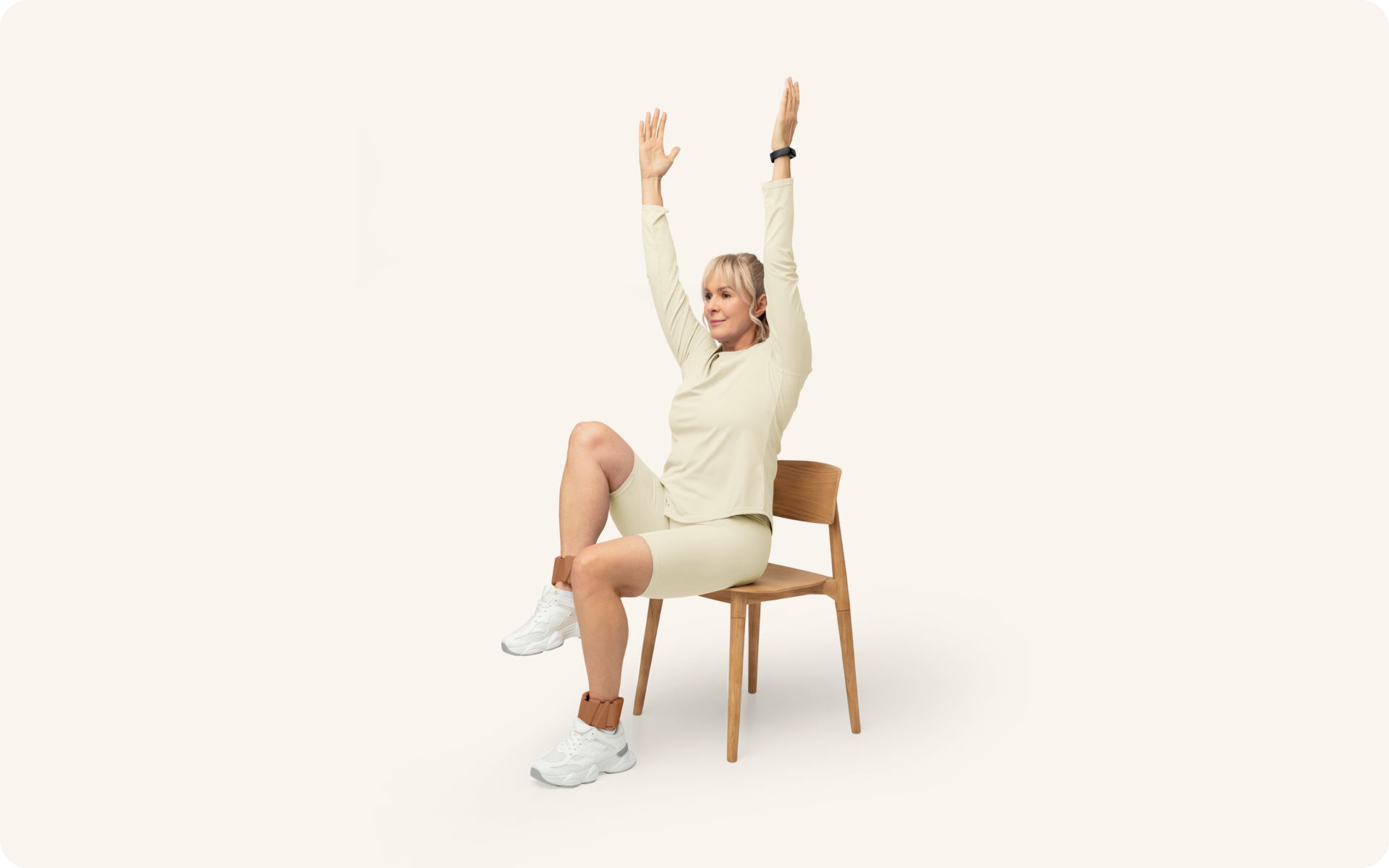
A seated knee lift is one option for someone who can sit and move comfortably. It avoids getting down to the floor, but it is not suitable for every condition.
The steps to do it are:
- Sit tall in a sturdy chair with your feet flat on the floor.
- Hold the sides of the chair for support.
- Slowly lift one knee toward your chest while keeping your back straight.
- Lower it gently and switch sides.
- As an adjustable example, begin with a few controlled repetitions on each side and stop before your technique changes.
Keep the chair stable and use a comfortable range. Stop for pain, dizziness, or unusual symptoms. Seek individual advice if you have back, hip, or balance concerns.
What does balanced strength training for seniors over 70 look like?
A broader activity routine includes strength, aerobic activity, balance, and flexibility (10). Exercise choices should reflect your needs and available support.
In this regard, a balanced routine that could help you should consist of:
- Upper body exercises: such as wall push-ups or bicep curls with light weights.
- Lower body exercises: such as chair squats or seated leg extensions, to support walking and balance.
- Core strengthening: with moves such as seated knee lifts or pelvic tilts to improve your posture and stability.
- Balance training: standing on one leg or heel-to-toe walking helps reduce fall risk.
- Flexibility stretches: gentle stretches for your arms, legs, and back keep your joints moving freely.
Discuss a manageable routine with your trainer. Our guide to functional exercises for seniors offers examples organized around daily tasks.
How much protein does a 70-year-old need to build muscle?
A review of observational studies linked lower protein intake with frailty, but association does not prove that protein alone prevents it (11). In one 18-month trial, a whey supplement increased trunk lean mass, rather than establishing a general whole-body muscle benefit (12).
For healthy older adults, guidance suggests about 1.0-1.2 grams per kilogram daily. Higher intake may be appropriate during illness or malnutrition. People with kidney disease need individual advice (7).
Therefore, you must have a thorough discussion with a certified nutritionist in this regard. Talk about your current fitness and medical conditions. Together, you can figure out a protein amount that nourishes your body well.
Whether you’re just starting your fitness journey or looking to add more structure to your routine, BetterMe offers tools that can support different wellness goals. Explore the app and see how its workout, nutrition, and habit-building features can fit into your lifestyle.

Frequently asked questions
Which nutrients matter for muscle as you age?
Adequate energy, protein, and micronutrients all matter. A supplement does not replace food and training, and needs vary. Discuss suspected deficiencies or supplements with a healthcare professional.
At what age should I stop lifting heavy weights?
There is no single age at which everyone must stop lifting. Choose the load according to your health, experience, technique, and recovery. Ask a qualified professional for help adapting demanding exercises.
Is walking 5 miles a day good for a 70-year-old?
Five miles may suit an already active older adult, but it is not a universal daily target. Start from your current capacity, build gradually, and reduce the distance if symptoms or fatigue interfere. Walking can be combined with strength and balance activity (4).
What weight of dumbbells should seniors use?
Choose a weight you can lift with control through a comfortable range. Start with fewer repetitions or lighter resistance when needed, then progress according to your response. A trainer can help select a starting load.
The bottom line
Strength training can help older adults build strength and support daily function. Choose manageable movements, include recovery, and adapt the plan to your health and goals. Progress can take many forms; a useful routine is one you can continue with appropriate support.
DISCLAIMER:
This article is intended for general informational purposes only and does not serve to address individual circumstances. It is not a substitute for professional advice or help and should not be relied on for making any kind of decision-making. Any action taken as a direct or indirect result of the information in this article is entirely at your own risk and is your sole responsibility.
BetterMe, its content staff, and its medical advisors accept no responsibility for inaccuracies, errors, misstatements, inconsistencies, or omissions and specifically disclaim any liability, loss or risk, personal, professional or otherwise, which may be incurred as a consequence, directly or indirectly, of the use and/or application of any content.
You should always seek the advice of your physician or other qualified health provider with any questions you may have regarding a medical condition or your specific situation. Never disregard professional medical advice or delay seeking it because of BetterMe content. If you suspect or think you may have a medical emergency, call your doctor.
SOURCES:
- How can strength training build healthier bodies as we age? (2022, nia.nih.gov)
- Exercise interventions for older adults: A systematic review of meta-analyses (2020, pmc.ncbi.nlm.nih.gov)
- Strength training builds more than muscles (2024, health.harvard.edu)
- Physical Activity Guidelines (n.d., acsm.org)
- Elastic resistance training to increase muscle strength in elderly: a systematic review with meta-analysis (2013, pubmed.ncbi.nlm.nih.gov)
- Resistance training is medicine: effects of strength training on health (2012, pubmed.ncbi.nlm.nih.gov)
- Evidence-based recommendations for optimal dietary protein intake in older people: a position paper from the PROT-AGE Study Group (2013, pubmed.ncbi.nlm.nih.gov)
- Effects of free weights and machine training on muscular strength in high-functioning older adults (2019, pubmed.ncbi.nlm.nih.gov)
- The impact of sleep on age-related sarcopenia: Possible connections and clinical implications (2015, pubmed.ncbi.nlm.nih.gov)
- The 4 most important types of exercise (2023, health.harvard.edu)
- Low Protein Intake Is Associated with Frailty in Older Adults: A Systematic Review and Meta-Analysis of Observational Studies (2018, mdpi.com)
- The Effect of a Whey Protein Supplement on Bone Mass in Older Caucasian Adults (2015, pubmed.ncbi.nlm.nih.gov)

 Reviewed by