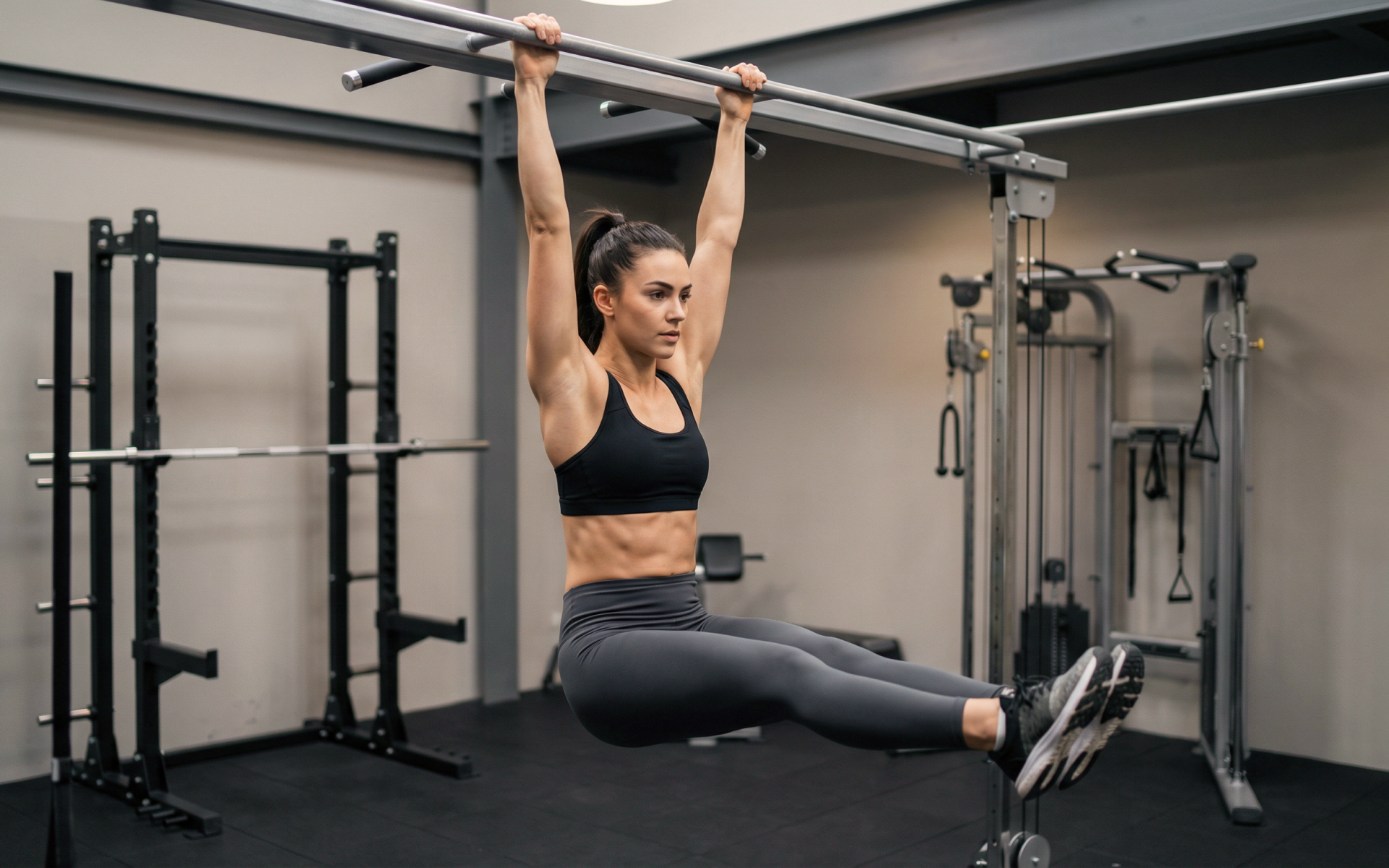

This 20-day abs challenge is a flexible, no-equipment core routine with 16 short workouts and 4 planned rest days. It adds time, reps, or a more demanding variation only when your current version feels controlled.
Choose an easier option whenever it helps you maintain a calm, repeatable position.
What Is the 20-Day Abs Challenge?
You may call it a 20-day ab workout challenge, abs workout challenge, or at-home ab challenge. Each active day uses three movements that keep the torso steady as your arms or legs move.
The plan uses front-support, side-support, and lying or hands-and-knees positions. It’s a full core workout that takes approximately 10-18 minutes. Unlike a daily ab workout with fixed reps, it gradually adds a round, pause, or progression.
What Does the 20-Day Abs Challenge Schedule Look Like?
The schedule has four workout blocks and rest days on Days 5, 10, 15, and 20. Do the listed reps on each side. Rest for 20-40 seconds between exercises and 45-60 seconds between rounds.
| Day | Focus | Plan |
|---|---|---|
| 1 | Learn the positions | 2 rounds: heel taps 6/side, bent-knee plank 15 secs, bird dog 6/side |
| 2 | Repeat with control | 2 rounds: dead bug 6/side, side plank from knees 12 secs/side, glute bridge march 6/side |
| 3 | Steady tempo | Repeat Day 1, use slower reps instead of adding volume |
| 4 | Combine basics | 2 rounds: heel taps 6/side, bird dog 6/side, side plank from knees 12 secs/side |
| 5 | Rest day | No circuit—notice which movements felt easiest to control |
| 6 | Add a little volume | 2 rounds: dead bug 8/side, bent-knee plank 20 secs, glute bridge march 8/side |
| 7 | Lateral control | 2 rounds: side plank from knees 15 secs/side, heel taps 8/side, bird dog 8/side |
| 8 | Controlled holds | 3 rounds: bent-knee plank 20 secs, dead bug 6/side, side plank from knees 15 secs/side |
| 9 | Review block 2 | Repeat Day 6, choose an easier version if form fades |
| 10 | Rest day | No circuit—a brief walk or gentle mobility is optional |
| 11 | Longer circuit | 3 rounds: heel taps 8/side, full or bent-knee plank 20 secs, bird dog with a 2-sec pause 6/side |
| 12 | Slow leg movement | 3 rounds: dead bug 8/side, glute bridge march 8/side, side plank from knees 20 secs/side |
| 13 | Add a pause | 3 rounds: heel taps with a 2-sec pause 6/side, plank 20 secs, bird dog 8/side |
| 14 | Choose your version | 3 rounds: dead bug 8/side, side plank 15-20 secs/side, glute bridge march 8/side |
| 15 | Rest day | No circuit—check whether you feel ready for the next block |
| 16 | Longer holds | 3 rounds: heel taps 10/side, full or bent-knee plank 25 secs, bird dog with a 2-sec pause 8/side |
| 17 | More side work | 3 rounds: side plank from knees or full side plank 20 secs/side, dead bug 8/side, bridge march 10/side |
| 18 | Full circuit | 3 rounds: heel taps 10/side, plank 25 secs, bird dog 8/side, side plank 20 secs/side |
| 19 | Your controlled finish | Repeat Day 18, or repeat Day 16 if it better matches your level |
| 20 | Rest day | No circuit—decide which movements you want to carry into your usual routine |
Which Core Muscles Does This Challenge Work?
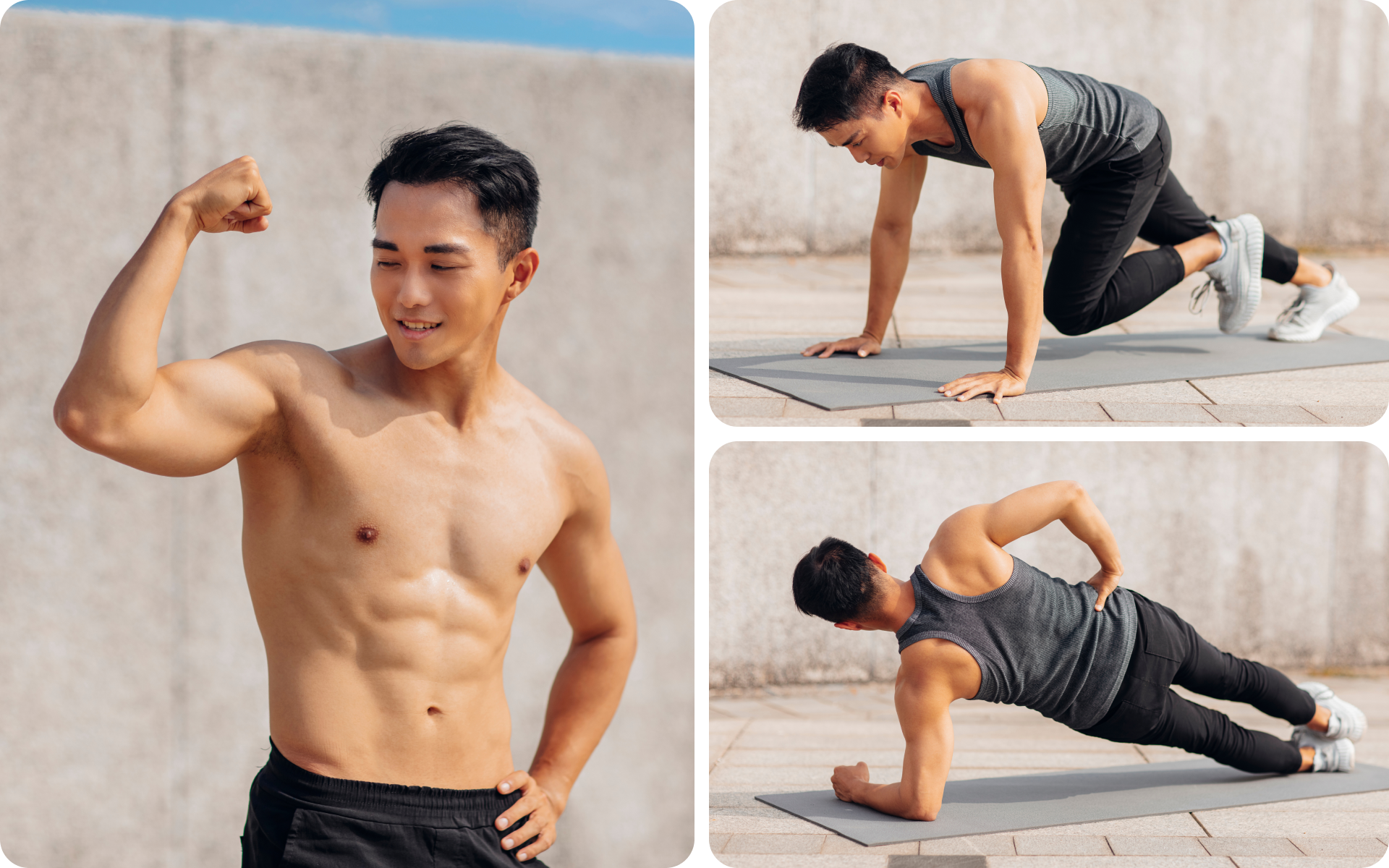
This core workout challenge uses the front and sides of the abdomen and deeper torso muscles. It also uses the hips and shoulders that support planks, bridges, and bird dogs.
Front-support positions resist dropping or rotating, while side-support positions resist leaning. The lower ab exercises are part of a full core workout, so the aim is coordinated control. Small changes in bracing or position can change trunk-muscle activity. (1)
What Do You Need Before You Start?
You need a clear floor space, a mat or folded towel, and an optional timer. Before each session, try a few unhurried heel taps, a short plank, and a bird dog on each side.
Keep a note of the variation you used and whether it felt controlled. This makes the 20-day workout plan more useful than following numbers alone.
BetterMe Well-Being Coach app can help you build a more structured approach to your wellness routine with meal plans, workouts, and habit-tracking tools. Start using the app to explore options that may support your personal fitness and nutrition goals.
How Do You Perform the Exercises with Controlled Form?
Controlled form means moving within a range you can repeat without losing your position.
Use these cues for the no-equipment ab workout:
- Set up first. Place your hands, knees, feet, or forearms before the rep.
- Exhale during effort. Breathe out as the arm or leg moves away.
- Move one part at a time. Make the range smaller if you start twisting or rocking.
- End the set early. A shorter, controlled set is a useful choice.
A small study found that bracing cues changed trunk-muscle activity and pelvic movement during one Pilates exercise. That reinforces the value of moving deliberately, not a single universal cue. (1)
How Does the Routine Progress Across the 20 Days?
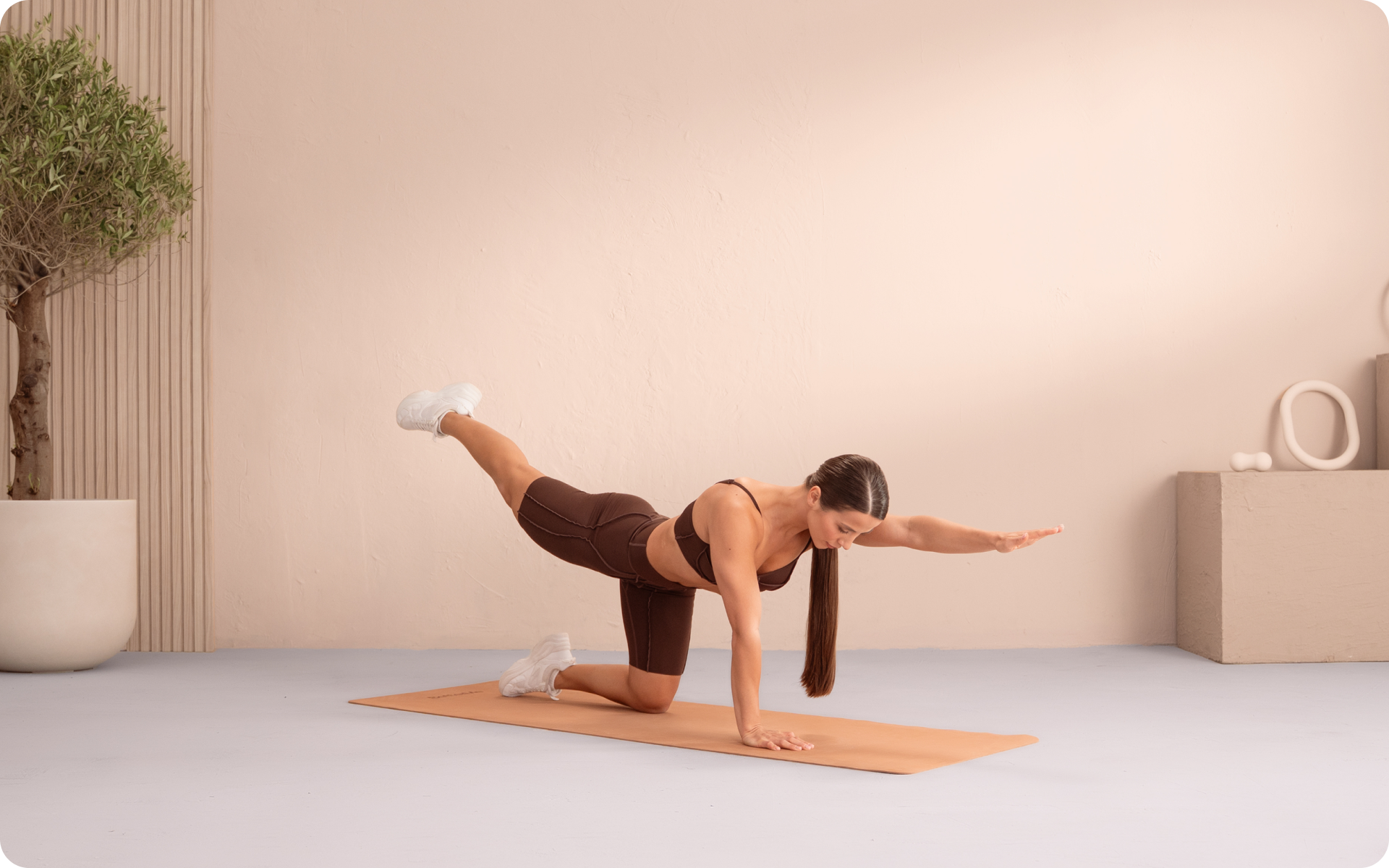
This progressive core workout has four small steps. Days 1-4 establish the pattern, Days 6-9 add reps or a round, Days 11-14 add pauses, and Days 16-19 offer longer holds or optional full-plank versions.
Change one variable at a time: add 2 reps, 5 seconds, a pause, or a harder position. Only advance when you’ve perfected your form
Read more: Are Planks Good For Abs? The Truth About This Popular Workout
How Can You Adjust Each Exercise to Your Current Level?
Start with the regression if you’re new to ab exercises at home or having a lower-energy day. A progression is optional.
| Exercise | Regression | Base version | Progression |
|---|---|---|---|
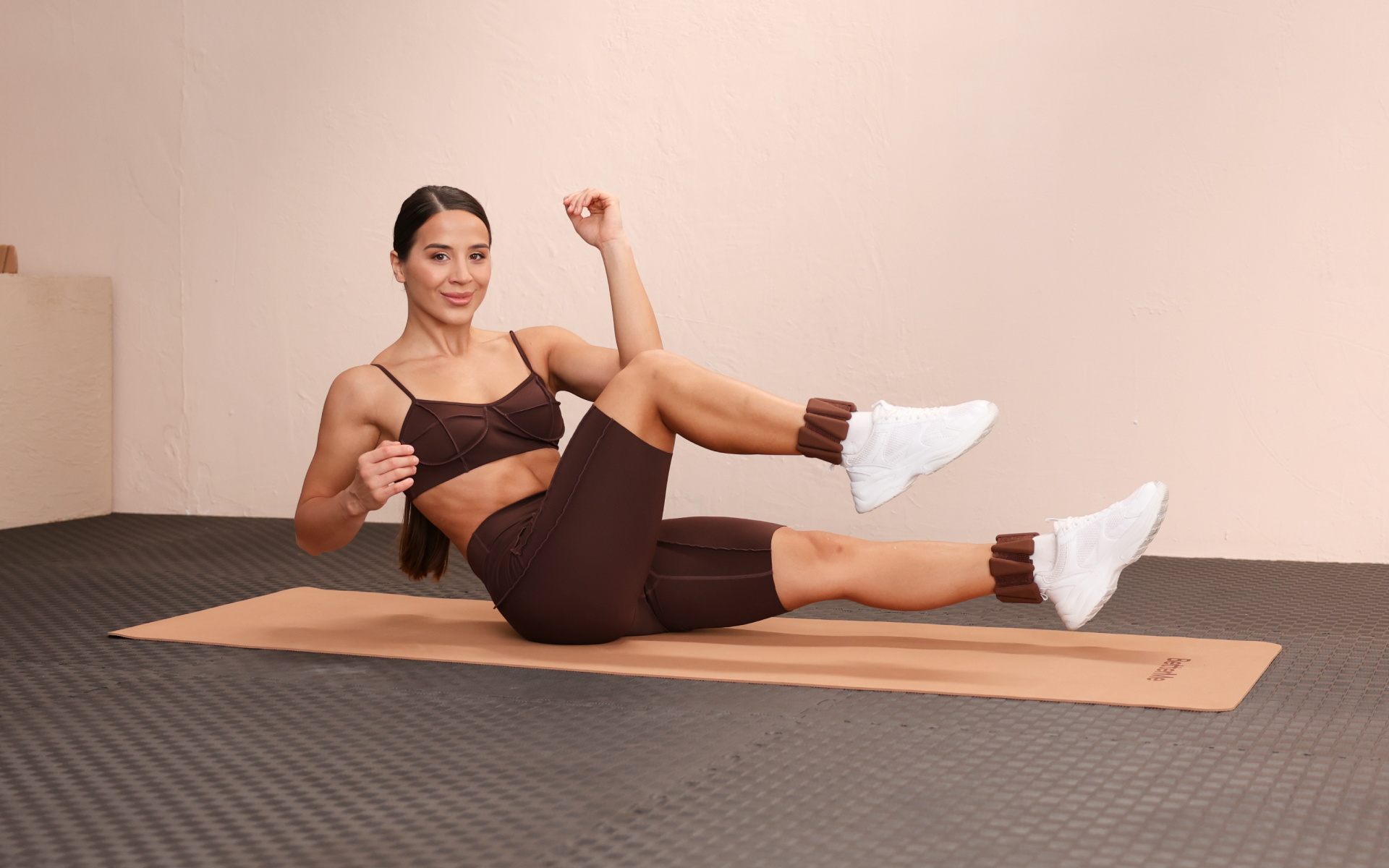
| Heel tap | The closer your heels are to your glutes, the easier it will be | Alternate heel taps with your heels at a moderate distance from your glutes | Reach your heel farther away or add a 2-sec pause |
| Forearm plank | Use your knees on the floor, a high plank, or shorten the hold duration | Traditional forearm plank | Add 5 seconds while keeping the same position |
| Side plank | Support from your knees | Stack your feet with a short hold | Add 5 seconds or raise your top arm |
| Bird dog | Move only an arm or only a leg | Opposite arm and leg together | Add a 2-sec pause at full reach |
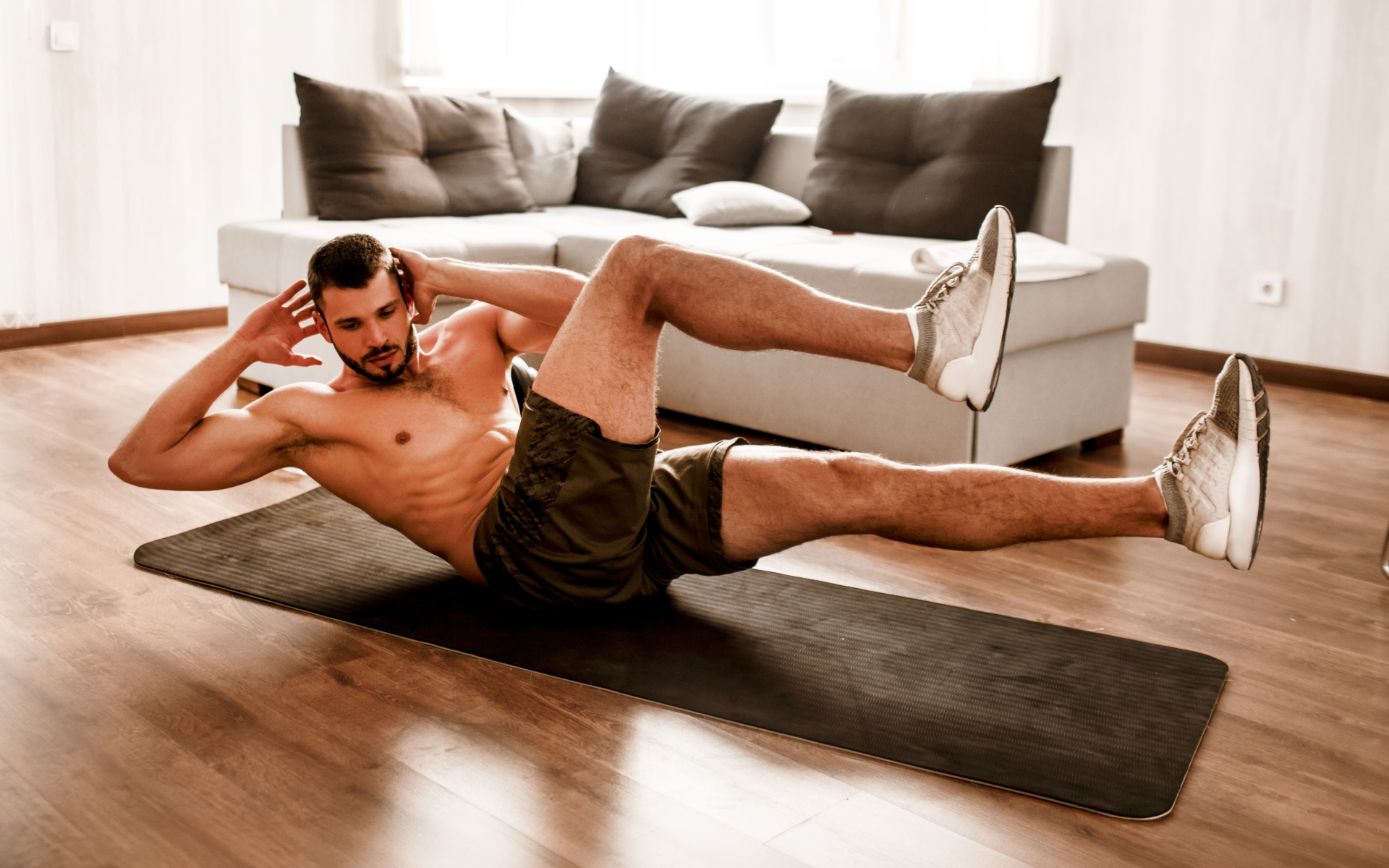
| Dead bug | Move only your legs or only the arms | Opposite arm and leg together | Extend the moving limb farther, slowly |
| Glute bridge march | Hold a bridge without marching | Alternate small marches | Lengthen the pause before switching sides |
For a beginner ab challenge, repeat a stable version instead of forcing the next step. You can also mix levels within one session.
Why Are Rest Days Included in This Core Challenge?
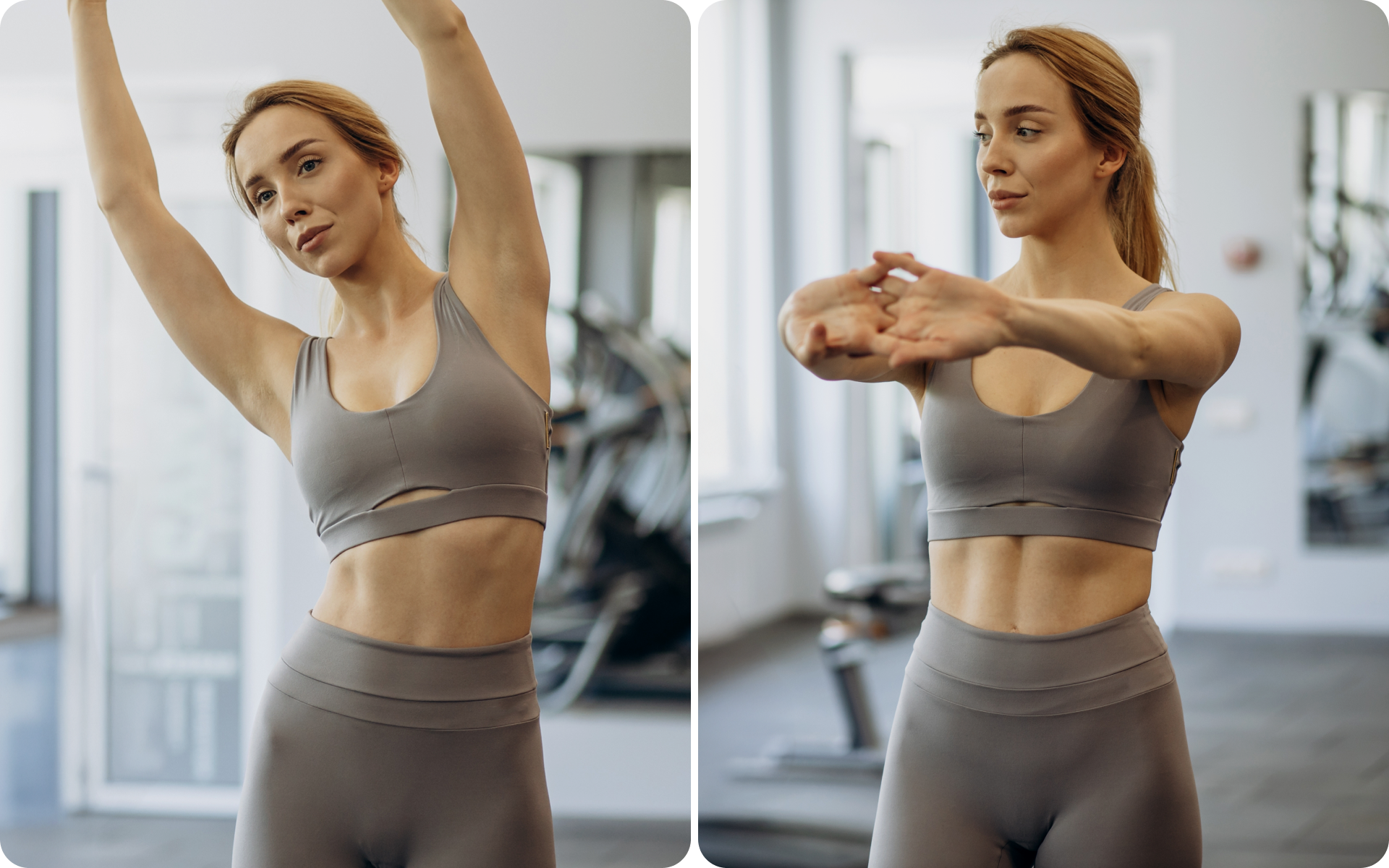
Rest days help you return to the 20-day core challenge with attention. On Day 5, 10, 15, or 20, skip the circuit completely and opt for either active recovery (walking, light stretching, leisurely bike ride) or passive rest.
If your week shifts a workout, move it forward by a day or repeat the previous day. Don’t feel as if you need to stack two circuits together.
What Signs Suggest You May Need an Extra Rest Day?
Take an extra rest day when your usual version no longer feels controlled.
Signs of Overload
- You repeatedly hold your breath or rush through reps to finish the set
- Your position changes early in the hold, such as rocking, twisting, or dropping your hips
- Movement feels uncoordinated even after you shorten the set or use the regression
- You feel unusually worn out before you start
- You notice sharp, sudden, or increasing discomfort during a movement
Pause the circuit, then return with a shorter hold, fewer reps, or an easier version. If a movement feels concerning or discomfort continues, seek individualized guidance before returning to it.
How Can You Fit This Challenge into Your Weekly Routine?
Treat the core circuit as one part of your weekly movement. Place it after a walk, before a strength workout, or on a separate day.
If you train with weights, use the shorter circuit after an upper- or lower-body session, or on a lighter day. Keep the scheduled rest days free from the circuit.
For broader weekly activity, public guidance encourages adults to include aerobic movement and muscle-strengthening activity. This challenge can complement that pattern, but it doesn’t replace every type of movement. (2)
What Can You Do After Completing the 20 Days?
After Day 20, keep two or three movements you could perform with steady form. Add them to two or three weekly workouts.
You can repeat the challenge with one deliberate change. Use 5-second longer holds, two more reps, or the same schedule at the same level.
BetterMe offers a variety of workouts, recipes, challenges, and support tools to help you stay more consistent with your wellness routine. Explore the app to find features that fit your goals, preferences, and schedule.
FAQs
Can beginners try a 20-day abs challenge?
Yes. Start with the regression column and the shortest holds or lowest rep range. Repeat stable versions before trying progressions.
Do I need equipment for this abs challenge?
No. This is a no-equipment ab workout, although a mat or folded towel can make floor positions more comfortable. A timer is optional for the planks and pauses.
How long should each daily core workout take?
Most active days take about 10-18 minutes, depending on rest periods and variation.
How often should I take rest days during the challenge?
The schedule includes rest days on Days 5, 10, 15, and 20. Take another rest day if an easier option or shorter set doesn’t restore control.
Can I combine this challenge with other workouts?
Yes. You can add the circuit to a walk, strength session, or another routine. Keep the scheduled challenge rest days. Avoid back-to-back same-day make-up workouts after a missed session.
Can I repeat the challenge after 20 days?
Yes. Choose one change, such as a longer hold or a slightly fuller range, or repeat the same version.
The Bottom Line
This 20-day abs challenge gives you a structured way to practice core exercises at home over 20 days. Follow the planned rest days, choose the version you can control, and let steady form guide every progression.
DISCLAIMER:
This article is intended for general informational purposes only and does not serve to address individual circumstances. It is not a substitute for professional advice or help and should not be relied on for making any kind of decision-making. Any action taken as a direct or indirect result of the information in this article is entirely at your own risk and is your sole responsibility.
BetterMe, its content staff, and its medical advisors accept no responsibility for inaccuracies, errors, misstatements, inconsistencies, or omissions and specifically disclaim any liability, loss or risk, personal, professional or otherwise, which may be incurred as a consequence, directly or indirectly, of the use and/or application of any content.
You should always seek the advice of your physician or other qualified health provider with any questions you may have regarding a medical condition or your specific situation. Never disregard professional medical advice or delay seeking it because of BetterMe content. If you suspect or think you may have a medical emergency, call your doctor.
 Reviewed by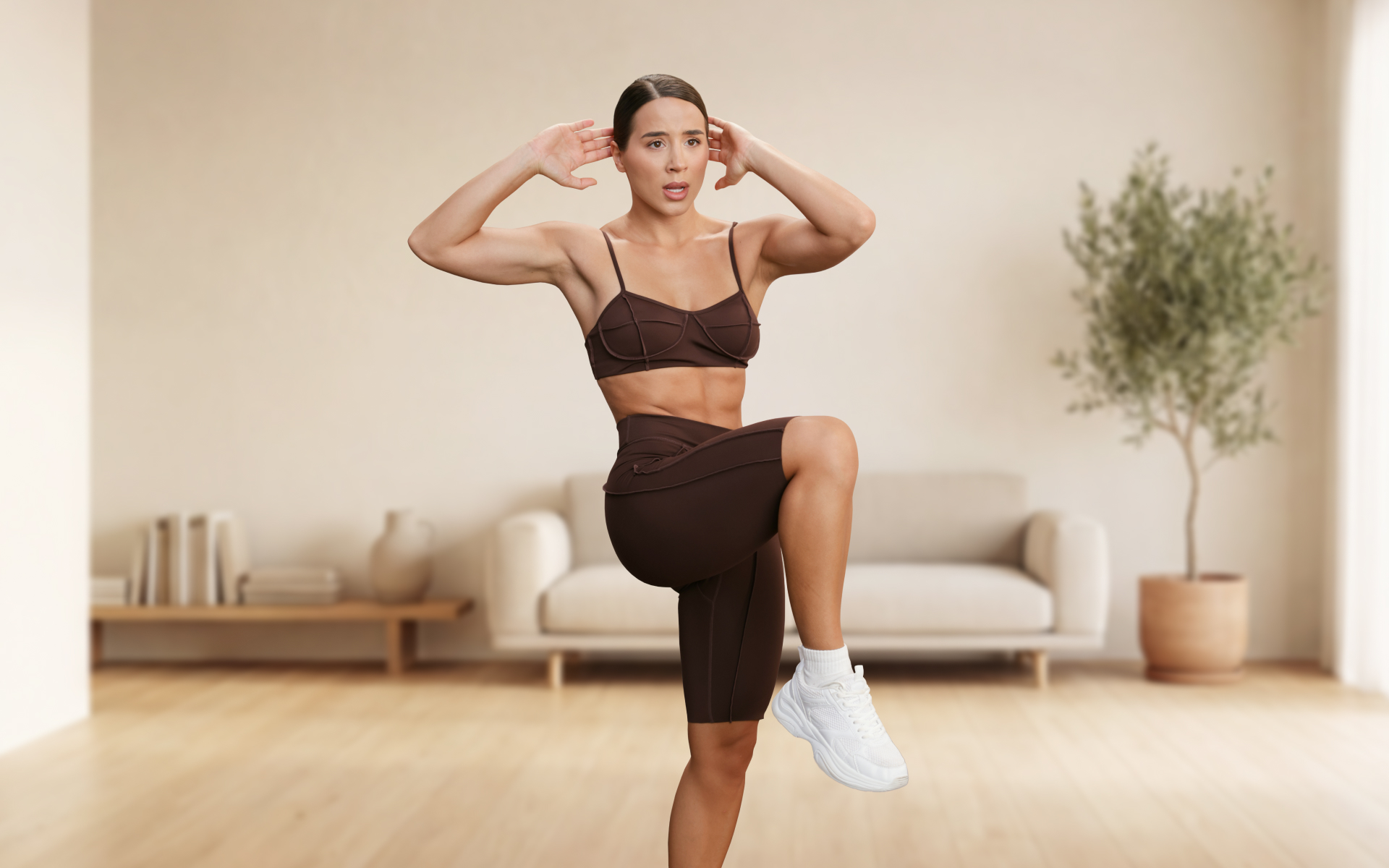
 Reviewed by