Learning Pilates at home doesn’t have to feel overwhelming. Joseph Pilates designed his original Contrology method to be accessible, effective, and transformative, qualities that make it perfect for anyone starting their fitness journey.
This comprehensive guide walks you through the essential basics:
- Why Pilates works so well for beginners
- What makes an exercise beginner-friendly
- Step-by-step instructions for the 10 fundamental movements from Joseph Pilates’ original work.
Is Pilates Good For Beginners?
Pilates is suitable for beginners. Joseph Pilates created his Contrology system with specific principles that make it exceptionally well-suited for people just starting their fitness journey.
It Encourages Complete Coordination of Body, Mind, and Spirit
Contrology emphasizes the complete coordination of body, mind, and spirit, helping you develop purposeful control over your movements (1). For beginners, this integrated approach means you’re not just mindlessly repeating exercises, but you’re learning to move with intention and awareness. This mind-body connection helps prevent injuries and ensures every movement serves a purpose in your development.
Aids Uniform Body Development and Posture Correction
Unlike workout routines that focus on isolated muscle groups, Pilates develops the body as a whole while building resilience through the back and core. Beginners often come to Pilates with muscular imbalances from sedentary lifestyles or previous injuries.
This systematic approach can address these imbalances gradually (2), making it ideal for those who need to rebuild their foundation safely.
Builds Natural Grace and Functional Movement
The method develops suppleness, natural grace, and skill that translates into everyday activities, such as how you walk, work, and play.
Beginners benefit enormously from this functional approach because they’re not just getting stronger in the studio; they’re improving their quality of life outside of it.
Reasons why BetterMe is a safe bet: a wide range of calorie-blasting workouts, finger-licking recipes, 24/7 support, challenges that’ll keep you on your best game, and that just scratches the surface! Start using our app and watch the magic happen.
Encourages Mind Mastery Over Body Control
One of Pilates’ primary goals is to gain mastery of your mind over your body (3).
For beginners, this mental component is crucial. Instead of relying purely on physical strength or endurance, you learn to use focused attention and precise control, making the exercises accessible regardless of your current fitness level.
It is a Non-Fatiguing and Engaging Practice
Contrology is specifically designed not to be a “fatiguing system of dull, boring, abhorred exercises repeated daily.” This principle makes it perfect for beginners who might be intimidated by intense workout routines. The exercises remain engaging and challenging without being overwhelming or exhausting.
Is an Accessible Home Practice
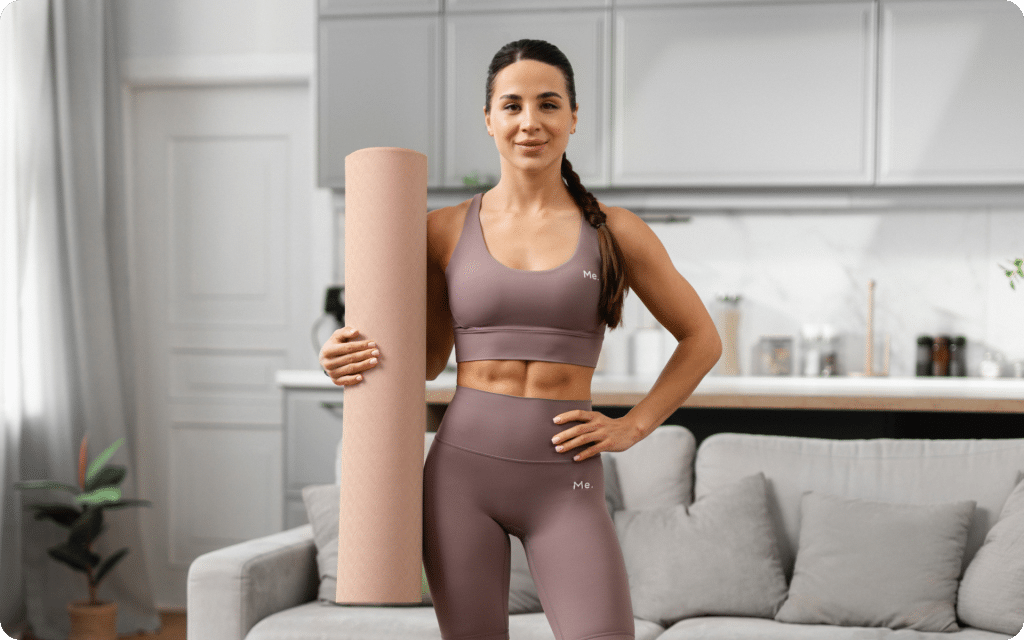
The system doesn’t require expensive gym memberships or apparatus. You can derive all Pilates benefits from home. For beginners, this accessibility removes typical barriers to starting and maintaining a consistent practice. You can learn at your own pace in a comfortable environment.
Improves Circulation and Complete Body Conditioning
Contrology aims to exercise many muscle groups, which can often improve blood circulation, ensuring better nourishment reaches throughout many areas of the body. This comprehensive approach means beginners don’t need to worry about missing important muscle groups or creating imbalances because the system naturally addresses the whole body.
If you’re specifically interested in how this method adapts for mature beginners, consider exploring more about Pilates for beginners over 60.
Read more: Pilates 2 Times a Week: The Optimal Frequency for Results
What Are Pilates Exercises For Beginners?
Beginner exercises establish basic movement patterns that serve as building blocks for more advanced work. Each movement teaches essential skills like spinal articulation, core control, and coordinated breathing that transfer to more complex exercises later.
The requirement to “concentrate on the correct movements each time you exercise” develops the mental focus that’s central to Pilates practice.
This concentration helps beginners develop body awareness while preventing injury through mindful movement.
The exercises are designed with careful attention to detail, “follow instructions exactly as indicated down to the very smallest detail. There is a reason!”
This systematic approach ensures beginners build proper technique from the foundation up.
Joseph Pilates acknowledged that “at first you probably will not be able to carry out instructions as illustrated in poses, which proves why these exercises will benefit you (6).”
This realistic expectation removes performance pressure while encouraging consistent practice toward improvement.
For those interested in practicing without getting down on the floor, consider exploring standing Pilates exercises as an alternative approach.
What Are The Best 10 Basic Pilates Exercises To Do As A Beginner?
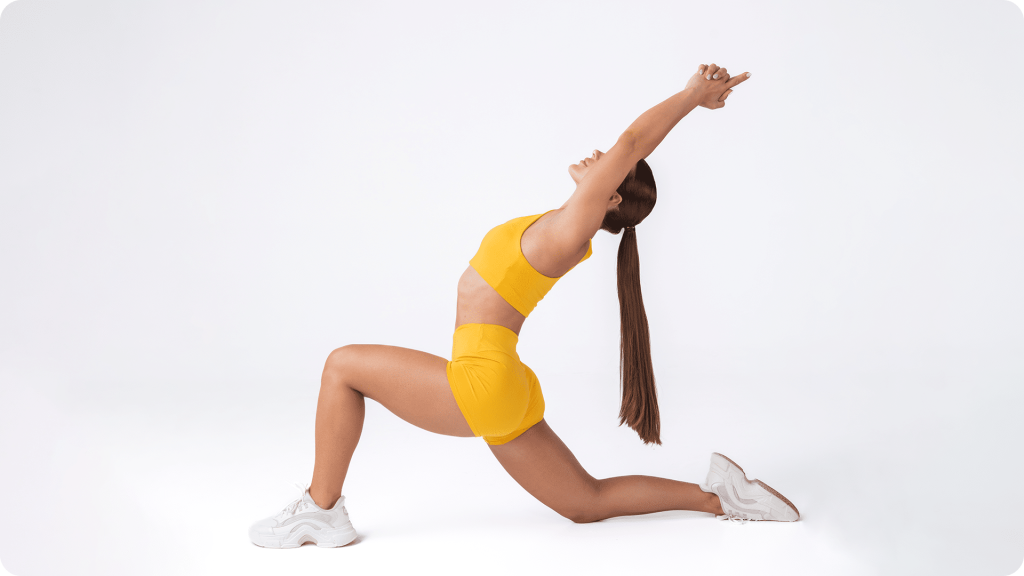
What are 10 basic Pilates exercises for beginners? These 10 exercises form the foundation of Joseph Pilates’ original system.
Each movement builds on the previous one, creating a comprehensive workout that systematically develops strength, flexibility, and control.
The Hundred
This exercise serves as both a warm-up and a cardiovascular challenge while strengthening your core.
Instructions:
- Lie flat on your back, stretching your arms forward alongside your body.
- Lift your feet 2 inches above the floor, keeping legs straight.
- Raise your head, looking toward your toes.
- Pulse your arms vigorously up and down in small movements.
- Breathe in for 5 pulses, breathe out for 5 pulses.
- Complete 100 total pulses (10 breath cycles)
Key Points: Keep your arms straight and your core engaged throughout. If lifting your head is too challenging initially, keep it down until you build strength.
The Roll Up
This exercise teaches spinal articulation while strengthening your abdominals and stretching your spine.
Instructions:
- Lie flat with arms stretched backward above your head.
- Inhale and bring your arms forward toward the ceiling.
- Bend your head forward, chin to chest.
- Roll up vertebra by vertebra until you’re sitting tall.
- Reach forward toward your toes.
- Reverse the movement, rolling down slowly.
- Return the arms to the starting position overhead.
Caution: Your entire spine must be in contact with the mat during the roll-down. Keep your body tense without bending arms or legs.

The Roll-Over
This advanced movement develops core strength and spinal mobility.
Instructions:
- Lie flat with arms by your sides for stability
- Raise both legs straight up toward the ceiling.
- Continue lifting legs overhead until toes touch the floor behind your head.
- Spread your legs apart while maintaining the position.
- Roll down slowly, one vertebra at a time.
- Lower legs to starting position
Caution: Keep legs tensed with knees locked throughout. Move slowly and with control, especially during the roll-down phase.
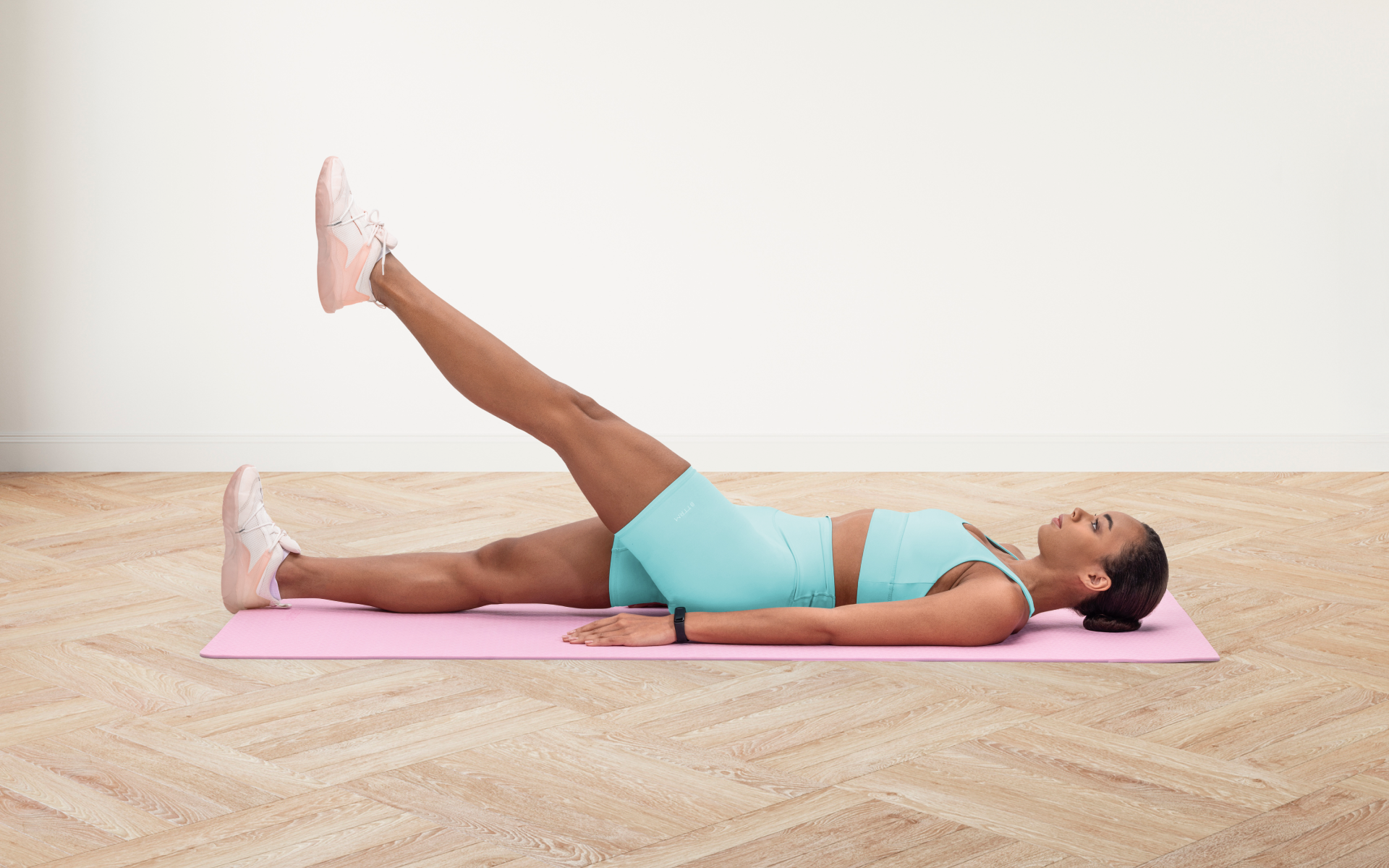
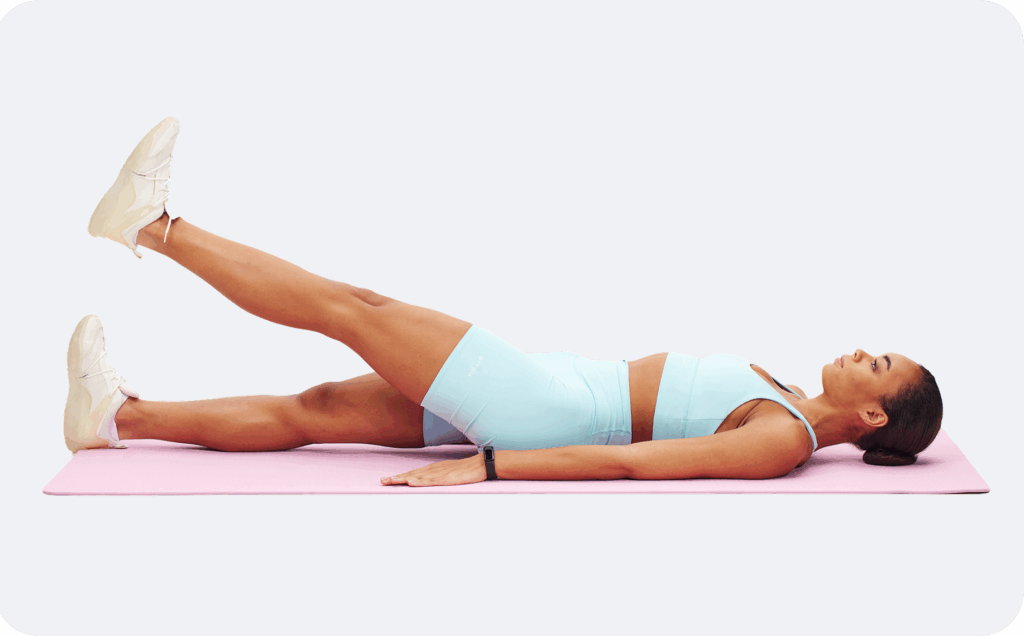
The One Leg Circle
This exercise improves hip mobility while challenging core stability.
Instructions:
- Lie flat on your back
- Bring your right leg to an upright position, pointing toes.
- Make complete circles with your right leg, keeping it straight.
- Perform circles in both directions.
- Repeat with the left leg.
- Keep the stationary leg pressed firmly to the floor.
Caution: Point toes forward and downward with the knee locked on the circling leg. Keep the supporting leg flat with toes pulled upward and backward.
Rolling Back
This exercise massages the spine while developing core control and balance.
Instructions:
- Sit with knees bent, grasping your legs tightly
- Bend your head forward toward your chest.
- Rock backward onto your shoulders.
- Rock forward, returning to the starting balance position.
- Keep feet off the floor throughout the movement.
- Maintain the rounded spine position.
Caution: Press your chest in and round your back. Keep your head down and feet elevated throughout the exercise.
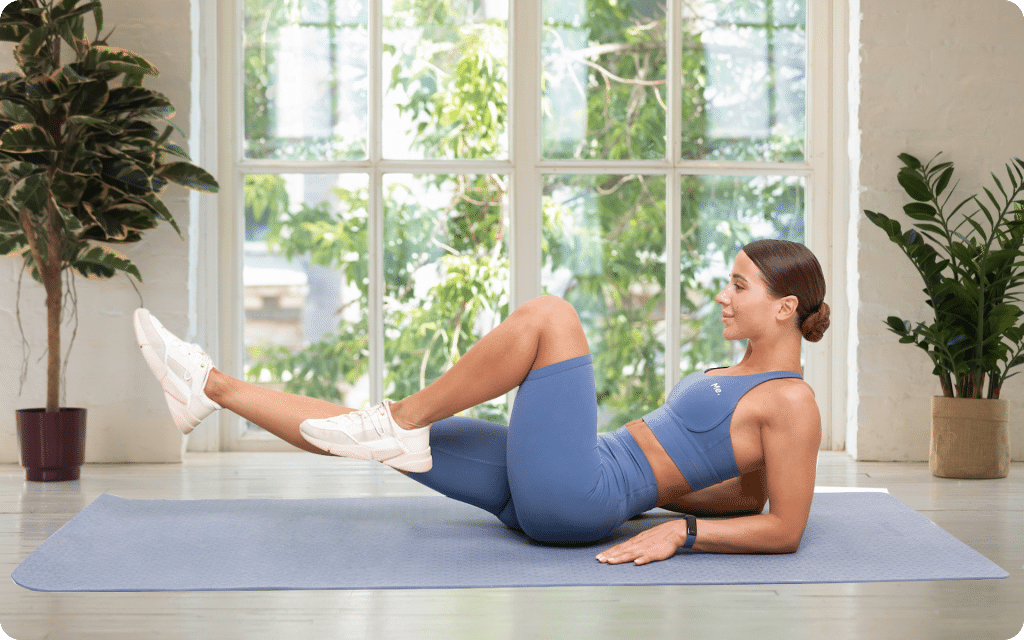
The One Leg Stretch
This exercise builds core endurance while improving coordination.
Instructions:
- Lie flat and lift your head, looking at your toes
- Pull your right leg toward your chest.
- Extend your left leg forward, raised about 2 inches off the floor.
- Switch legs in a controlled, alternating pattern.
- Keep both hands on the bent knee.
- Maintain steady breathing throughout
Caution: Your chin must touch your chest, and you must see your toes. Keep the extended leg’s heel raised about 2 inches off the floor.
The Double Leg Stretch
This challenging exercise tests core strength while improving coordination between arms and legs.
Instructions:
- Lie flat and lift your head toward your chest
- Draw both knees toward your chest and hug them close.
- Inhale and simultaneously extend arms overhead and legs forward.
- Circle arms around and return to the starting position while exhaling.
- Keep your head pressed firmly against your chest throughout.
- Maintain abdominal engagement
Caution: Keep your head pressed firmly against your chest with your abdomen drawn in. Heels should remain about 2 inches off the floor when the legs are extended.
The Spine Stretch
This exercise improves spinal flexibility and teaches proper breathing coordination.
Instructions:
- Sit with legs spread apart
- Rest your palms on the floor in front of you.
- Reach forward with sliding movements, vertebra by vertebra.
- Continue exhaling slowly while stretching forward.
- Return to upright position with control.
- Keep legs straight and active throughout.
Caution: Continue exhaling slowly with abdomen drawn in. Press your chin firmly against your chest during the forward stretch.
BetterMe will shake off your mental funk, rid you of your energy-zapping habits, and help you sculpt the body of your dreams. Intrigued? Hurry up and change your life for the better!
Rocker With Open Legs
This advanced balance challenge develops core strength and spinal mobility.
Instructions:
- Balance on your tailbone, grasping your ankles
- Spread legs upward and outward in a V-shape
- Rock backward toward your shoulders.
- Rock forward, pressing head against chest.
- Try to balance in the forward position.
- Keep arms and legs rigid throughout
Caution: Keep arms and legs rigid with elbows and knees locked. Pivot on the base of your spine, maintaining control throughout the rocking motion.
The Cork-Screw
This challenging exercise develops core strength while improving spinal rotation.
Instructions:
- Lie flat with arms by your sides for stability
- Raise both legs straight up toward the ceiling.
- Lower legs to one side, creating a circular pattern
- Continue the circle by bringing the legs across to the other side.
- Complete the circle back to the center.
- Reverse direction for the next repetition
Caution: Keep both shoulders pressed to the floor throughout the movement. Arms should remain straight and pressed down for stability.
To expand your practice beyond these foundational movements, explore more basic Pilates moves that build upon these principles.
Read more: Pilates Push Ups – The Complete Guide To Form And Technique
How Many Times A Week Should A Beginner Do Pilates?
Joseph Pilates provided specific guidance about practice frequency that remains relevant for modern practitioners.
According to his foundational work, “If you will faithfully perform your Contrology exercises regularly only 4 times a week for just 3 months, you will find your body development approaching the ideal, accompanied by renewed mental vigor and spiritual enhancement (4).”
This recommendation aligns perfectly with current understanding in exercise science.
4 exercise sessions per week allow adequate recovery time between workouts while maintaining the consistency necessary for adaptation and improvement.
Be sure to intersperse the rest days throughout the week for adequate recovery.
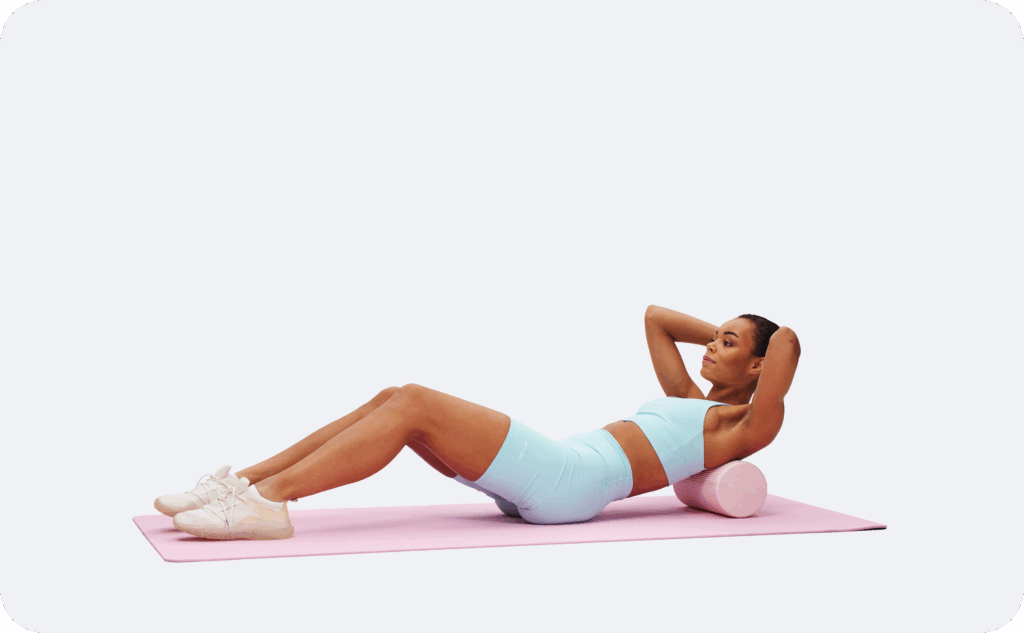
For beginners, this frequency prevents overuse injuries while building the habit of regular practice.
The 3-month timeframe Pilates mentioned reflects the time needed for significant neuromuscular adaptations. During this period, you’ll develop the mind-body connection essential to the practice while building the strength and flexibility that make more advanced exercises accessible.
Modern practitioners often find that starting with 3 sessions per week works well initially, progressing to 4 sessions as their bodies adapt. The key is consistency rather than intensity; regular, mindful practice yields better results than sporadic, intense sessions.
Remember Pilates’ instruction: “Make up your mind that you will perform your Contrology exercise 10 minutes without fail.” Even short, consistent sessions are more valuable than longer, irregular practices (4).
- What I Wish I Knew Before Pilates
Many individuals begin Pilates with certain misconceptions, but real-world experience soon provides insights that transform not only the body but also one’s relationship with movement and overall well-being.
- The Mind-Body Connection Is Real and Immediate
Before starting Pilates, some believe the mind-body connection is simply wellness jargon. However, through practicing “complete coordination of body, mind, and spirit” as emphasized in Contrology, it becomes clear that this integration is tangible and happens quickly. Each exercise requires mental focus, and this concentrated attention produces a meditative quality that often extends far beyond the Pilates session itself.
- Precision Matters More Than Intensity
Joseph Pilates’ emphasis on following instructions “exactly as indicated down to the very smallest detail” may initially seem excessive. Still, practitioners soon learn these precise details are not perfectionist preferences; they are the key difference between effective movement and simply exercising. The transformative power of Pilates relies on the quality of focus brought to each movement.
- Progress Is Subtle but Profound
The promise that these exercises “develop muscular power with corresponding endurance” often manifests gradually.
Unlike intense workouts that produce immediate fatigue, Pilates builds lasting strength that becomes noticeable in everyday life, such as climbing stairs more easily, naturally improved posture, and the fading of chronic aches, all without dramatic effort.
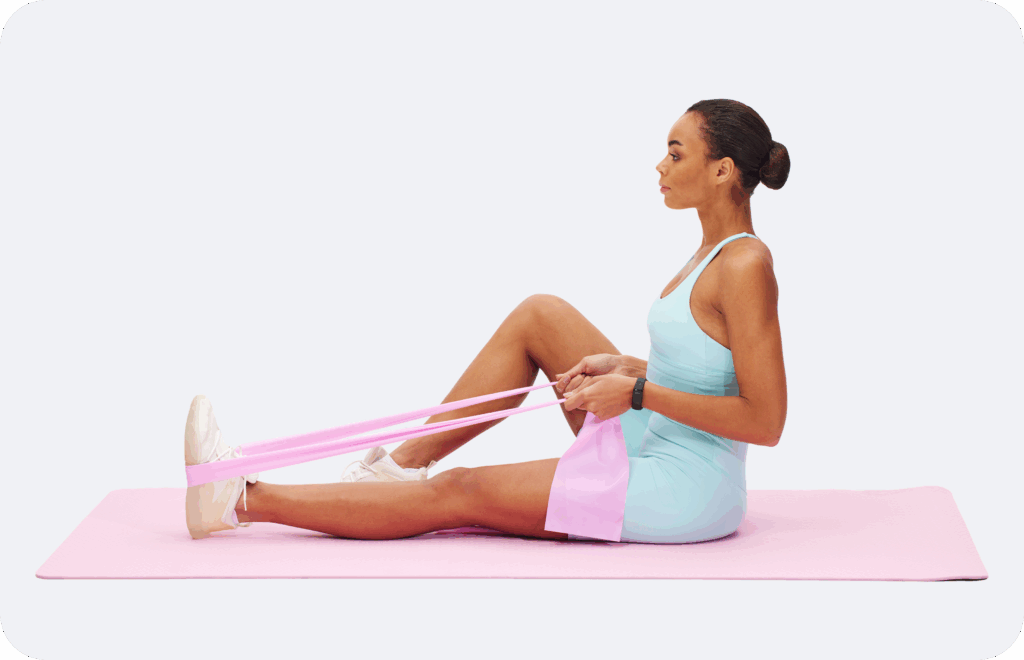
- Home Practice Can Be Genuinely Effective
Pilates’ claim that “you may derive all the benefits of Contrology in your own home” proves accurate time and again.
With no need for expensive equipment or gym memberships, these fundamental exercises provide comprehensive conditioning. Many find that the convenience of home practice removes typical barriers to consistency. The 10 basic Pilates exercises at home, which we shared above, are perfect for this benefit.
- The Mental Benefits Equal the Physical Ones
Statements about Contrology, such as “reawakening thousands of dormant brain cells,” may sound like exaggeration, but consistent practice often leads to enhanced mental clarity, improved concentration, and better stress management. Pilates exercises engage the nervous system just as intentionally as the muscles.
- Boredom Isn’t An Issue When Done Correctly
Despite the simplicity of many movements, Pilates remains engaging because it “is not a fatiguing system of dull, boring, abhorred exercises.” The mental focus required, paired with the subtle progressions, keeps practitioners interested and challenged, regardless of experience level.
- Recovery and Restoration Are Built In
Unlike some forms of exercise that leave people drained, proper Pilates practice “restores physical vitality, invigorates the mind, and elevates the spirit.” Sessions leave practitioners feeling recharged, supporting long-term sustainability.
- The Method Adapts to Individual Needs
Joseph Pilates acknowledged that beginners “probably will not be able to carry out instructions as illustrated,” which reduces performance pressure.
The exercises meet individuals where they are, offering clear progression paths for those recovering from injury, seeking athletic enhancement, or simply aiming to maintain general fitness.
While Pilates isn’t for spot reduction, the method’s emphasis on core strengthening and improved posture can create the appearance of a flatter stomach. The deep abdominal work in exercises like The Hundred and The Double Leg Stretch strengthens the muscles that support your spine and internal organs, often resulting in better abdominal tone and improved posture that makes you appear taller and leaner. Absolutely. Joseph Pilates designed his method to be adaptable for all ages and fitness levels. The low-impact nature, emphasis on controlled movement, and focus on improving balance and flexibility make it particularly beneficial for older adults. We shared 10 basic pilates exercises for seniors and pilates for beginners over 60 moves above! Modify exercises to accommodate any physical limitations while still providing significant benefits for strength, mobility, and mental acuity. Yes, 20 minutes of focused Pilates practice can be highly effective, especially for beginners. Joseph Pilates himself emphasized that even 10 minutes of consistent practice was valuable (6). The key is quality over quantity; 20 minutes of concentrated, precise movement following proper form can provide comprehensive conditioning for your entire body. Pilates and yoga present different challenges, making a direct comparison difficult. Pilates tends to be more physically demanding in terms of core strength and muscular endurance (5), while yoga may challenge flexibility and balance more extensively (6). Pilates’ emphasis on precise, controlled movement and constant core engagement can make it feel more intense; we can modify both practices to suit different fitness levels.Frequently Asked Questions
Can Pilates flatten the belly?
Is Pilates good for over 60s?
Is 20 minutes of Pilates a day enough?
Is Pilates harder than yoga?
The Bottom Line
These 10 fundamental Pilates exercises provide a solid foundation for lifelong practice.
Joseph Pilates created a system that grows with you, movements that seem simple initially reveal new layers of complexity and benefit as your awareness and control develop.
Start with just 10-20 minutes, 4 times per week, focusing on quality over quantity.
Follow the instructions precisely, concentrate fully on each movement, and trust the process. As thousands of practitioners have discovered over nearly a century, this method delivers precisely what it promises: improved strength, flexibility, and vitality that extends far beyond your exercise time.
DISCLAIMER:
This article is intended for general informational purposes only and does not serve to address individual circumstances. It is not a substitute for professional advice or help and should not be relied on for making any kind of decision-making. Any action taken as a direct or indirect result of the information in this article is entirely at your own risk and is your sole responsibility.
BetterMe, its content staff, and its medical advisors accept no responsibility for inaccuracies, errors, misstatements, inconsistencies, or omissions and specifically disclaim any liability, loss or risk, personal, professional or otherwise, which may be incurred as a consequence, directly or indirectly, of the use and/or application of any content.
You should always seek the advice of your physician or other qualified health provider with any questions you may have regarding a medical condition or your specific situation. Never disregard professional medical advice or delay seeking it because of BetterMe content. If you suspect or think you may have a medical emergency, call your doctor.
SOURCES:
- The Pilates method: history and philosophy (2001, academia.edu)
- Pilates Based Exercise in Muscle Disbalances Prevention and Treatment of Sports Injuries (2012, researchgate.net)
- Pilates and the “powerhouse”—I (2004, sciencedirect.com)
- PILATES’ – Return to Life Through – Contrology (1945, books.out.csli.me)
- Pilates: how does it work and who needs it? (2011, pmc.ncbi.nlm.nih.gov)
- Exploring the therapeutic effects of yoga and its ability to increase quality of life (2011, pmc.ncbi.nlm.nih.gov)
 Reviewed by
 Reviewed by
 Reviewed by