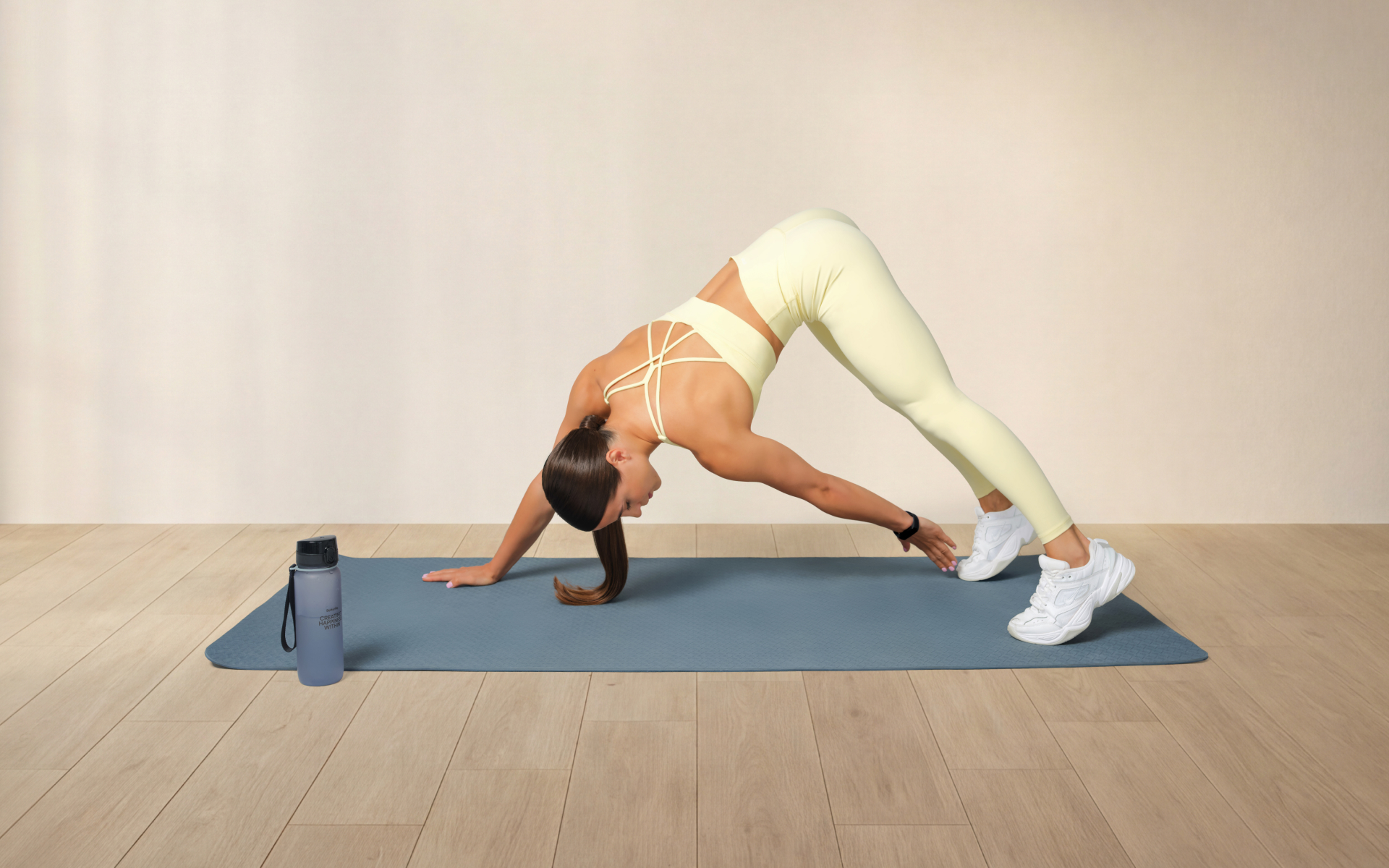
Calisthenics has taken over the fitness world. It’s a great way to build strength and flexibility without the need for expensive gym equipment. It’s a form of exercise where you use your own body weight to move, so it’s beginner-friendly and can be done anywhere and at any time.
However, if you’re new to calisthenics, you may not know where to start.
Here, we’ll break down the benefits of calisthenics, guide you through a one-month workout plan, and give you tips to optimize your progress. Whether you’re a beginner or looking to improve your skills, this plan can help you build structure around your workouts.
What Is the Best 1-Month Calisthenics Workout Plan?
The best calisthenics one-month workout program will depend on your goals, needs, and current fitness levels.
For example, when creating a 1-month calisthenics workout plan for beginners, the focus should be on building a foundation. However, if you have more advanced practice, you may want to focus on improving your strength and doing more challenging exercises as time progresses.
Before you start any new exercise program, please make sure you speak with a healthcare professional, particularly if you have any pre-existing medical conditions or concerns. This calisthenics plan provides a general structure, but individual fitness levels and needs can vary greatly.
Personal guidance from a healthcare or fitness professional can help tailor any workout plan to your specific situation and ensure you have steady and suitable progress.
What Is Calisthenics?
Calisthenics is a range of exercises that requires minimal equipment. Think push-ups, pull-ups, and squats. The beauty of calisthenics is its simplicity—you can do it almost anywhere. This makes it a great option for people who are constantly traveling, cannot go to a gym, or don’t have a lot of space to work out.
If you’re just starting calisthenics, it’s important to first understand the basics. Focus on proper form for each exercise to avoid injuries. Once you’ve mastered the foundational exercises, you’ll be ready for more advanced movements as you progress.
Benefits of a 1-Month Calisthenics Workout Plan
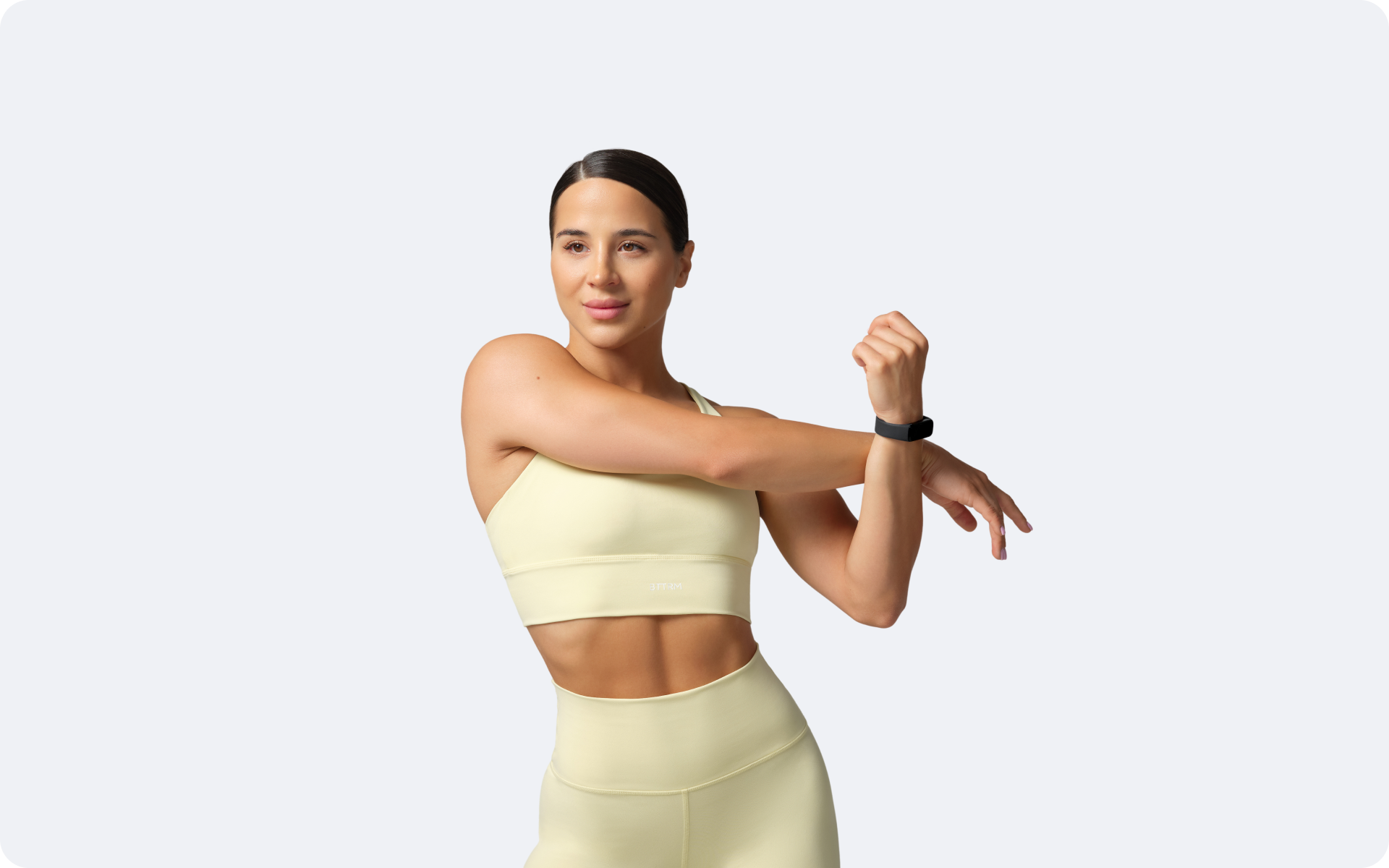
A 1-month calisthenics workout plan can offer many benefits for physical fitness and overall well-being. Calisthenics increases strength and muscle endurance as it repeats movement patterns and uses body weight resistance (1).
Another benefit is flexibility and mobility (3). Regular practice of calisthenics exercises such as lunges, planks, and push-ups can increase flexibility and range of motion, reduce the risk of injuries, and improve your posture.
Plus, one of the biggest benefits of calisthenics is its versatility and adaptability. As previously mentioned, you can do workouts anywhere, anytime, without any special equipment, so it’s a great option for people with different schedules and environments.
Finally, you may experience other benefits, such as improved cardiovascular fitness (2), better mobility (4), and a reduction in your stress levels. Ultimately, calisthenics provides a complete workout that can improve overall fitness.
BetterMe will keep you laser-focused on your weight loss journey! Nutrient-packed meal plans, fat-blasting workouts, galvanizing challenges and much more. Try using the app and see for yourself!
Does a 1-Month Calisthenics Workout Plan Work?
A 1-month calisthenics workout plan may lead to noticeable changes in physical and mental wellness for some people. However, you should keep in mind that these changes will vary depending on your commitment and fitness level.
If you stay consistent in your routine and make adequate lifestyle changes (nutrition, sleep, stress, and hydration), you may notice progress after a month of calisthenics.
For those who are looking to get more out of their calisthenics workout program, you may want to do it along with our 1-month meal plan.
1-Month Calisthenics Workout Plan
Here is a calisthenics workout plan for you to follow. Remember, you can modify it based on your current fitness level and make any adjustments if you feel any discomfort.
We always recommend you get approval from your doctor before you start a new program, and it’s always best to get a plan tailored to your goals and needs.
For those looking for a 1-month workout plan to get ripped, read one of our earlier posts.
Week 1: Foundation Building
Exercises:
- Jumping jacks: 3 sets of 20 reps for warm-up.
- Inclined push-ups: 3 sets of 10-12 reps.
- Squats: 3 sets of 15 reps.
- Planks: 30-40 seconds, 3 times.
- Lunges: 3 sets of 10 reps per leg.
Tips for Week 1:
Start slow and let your body adjust. Focus on mastering each movement with proper form. Prioritize your breathing—inhaling on the eccentric phase and exhaling on the concentric phase. Try to work out at least three times this week.
Week 2: Building Endurance
Exercises:
- Push-ups: 3 sets of 12-15 reps.
- Squat jumps: 3 sets of 10 reps.
- Side planks: 20-30 seconds on each side.
- Glute bridges: 3 sets of 15 reps.
- High knees: 3 sets of 30 seconds.
Tips for Week 2:
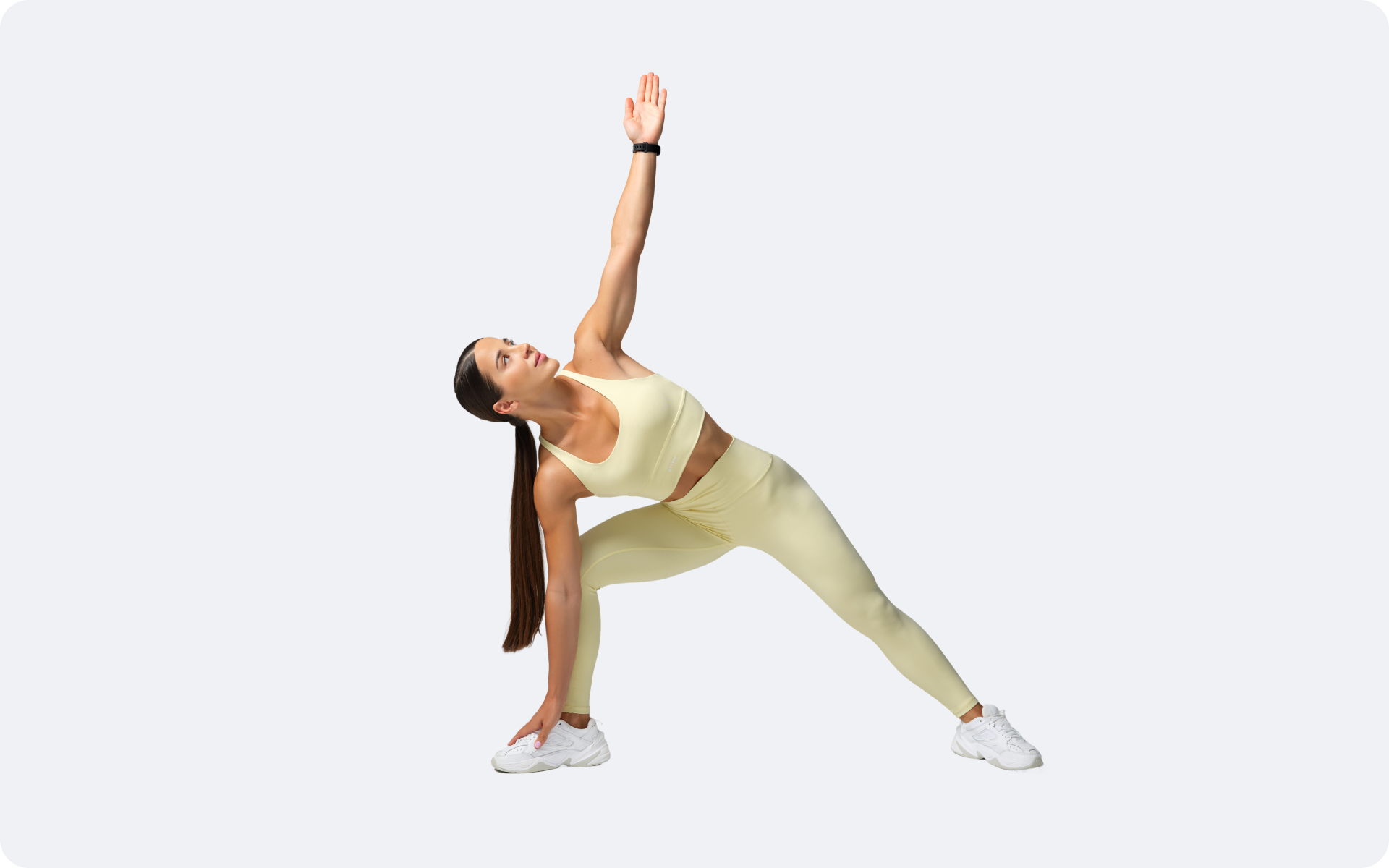
Increase your intensity slightly. Add a fourth workout day if you can. Pay attention to hydration and nutrition to support your increased activity level. Stretch before and after your workouts to prevent soreness.
Week 3: Increasing Complexity
Exercises:
- Decline push-ups: 3 sets of 8-10 reps.
- Pistol squats (assisted): 3 sets of 5-8 reps per leg.
- Russian twists: 3 sets of 15 reps.
- Pull-ups (assisted if needed): 3 sets of 6-8 reps.
- Burpees: 3 sets of 8 reps.
Tips for Week 3:
Introduce more complex variations to challenge your muscles. Listen to your body and adjust the exercises if needed. Maintain a consistent schedule and focus on rest and recovery.
Week 4: Consolidation and Challenge
Exercises:
- Diamond push-ups: 3 sets of 10 reps.
- Single-leg squats: 3 sets of 5-7 reps per leg.
- Plank rotations: 3 sets of 10 reps per side.
- Superman exercise: 3 sets of 15 reps.
- Mountain climbers: 3 sets of 40 seconds.
Tips for Week 4:
Reflect on your strength, endurance, and form improvements. Adjust your workouts around the areas that still need work. Think about what you enjoyed most about the workout and how you can incorporate those into a long-term routine.
Read more: Key Calisthenics Positions to Master: Try These Basic 12 Moves
Can You Transform Your Body in 1 Month?
While one month may seem like a short time to transform your body, it’s possible to notice significant results with dedication and consistency.
It’s important to keep in mind that the key is to set realistic and achievable goals that focus on different aspects of physical fitness, strength, endurance, and flexibility. As calisthenics can increase muscle mass, it’s good not to rely solely on the scale but to have other progress indicators such as photos, clothing, or measurements.
Remember that everyone’s body is different and responds differently to exercise; genetics, diet, and lifestyle play a big role.
If you wish to free yourself from all the extra pounds that have been weighing you down for way too long, start using the BetterMe: Health Coaching app and overhaul your entire life!
Can I Do Calisthenics Every Day?
Yes, but it depends on your current fitness level and lifestyle. If you’re just starting, it’s a good idea to start with 3-4 times a week and give your body rest days in between to allow your muscles to repair and get stronger.
However, as you become more proficient, you may work up to doing calisthenics daily. In this case, it’s important to do different exercises to target different muscle groups on different days to minimize the risk of overuse injuries.
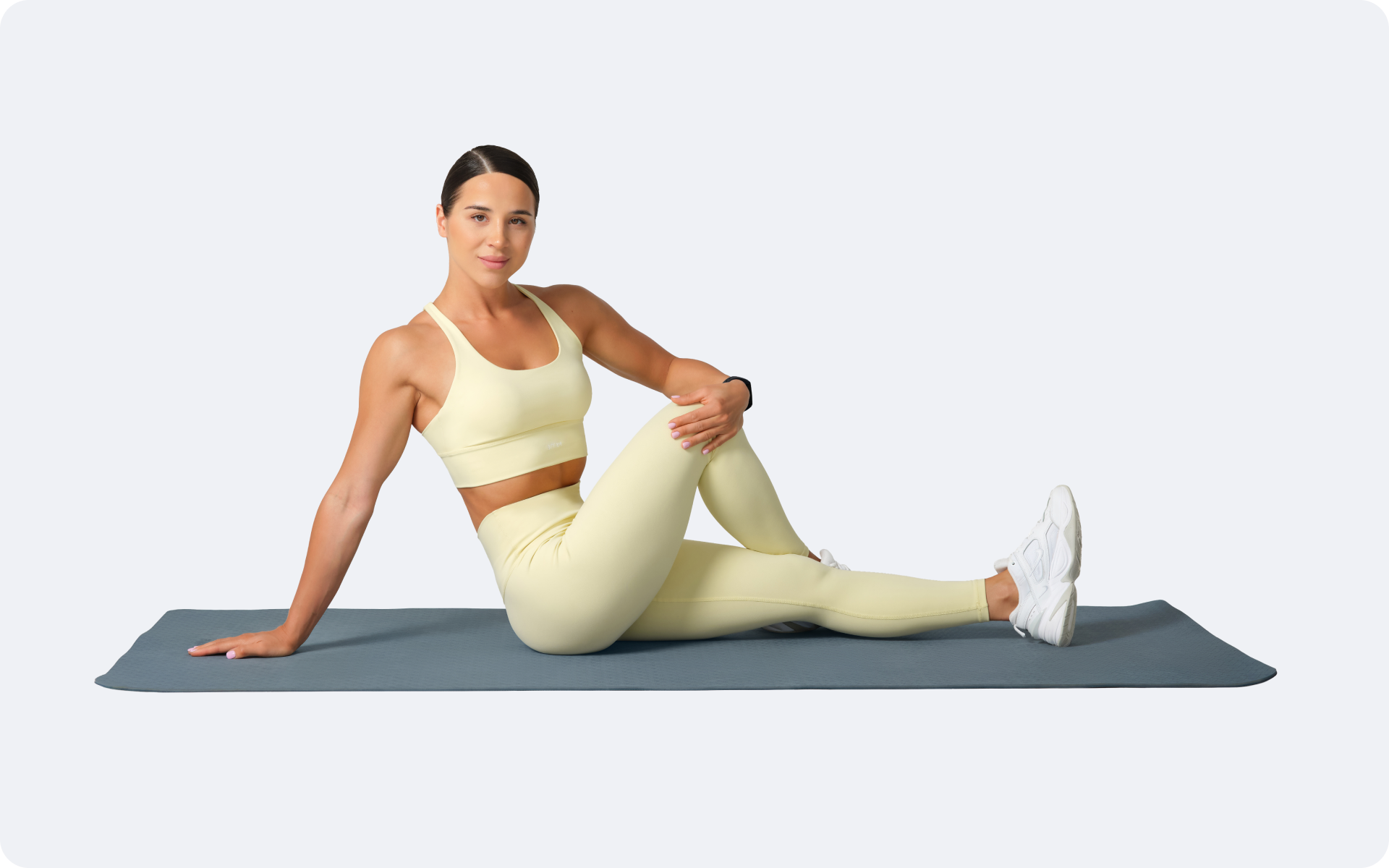
Even if you’re a pro, it’s good to have a couple of rest days. You can even include active rest days with gentle activities such as stretching or yoga to help with flexibility and muscle recovery while still following a daily workout schedule.
Ultimately, the decision to do daily calisthenics should be based on listening to your body. Signs of fatigue, persistent muscle soreness, or decreased performance can be an indicator that you need more rest or a change of routine. If in doubt, consult a fitness professional to get customized guidance on how to progress while reducing injury risk.
If you’re looking to challenge yourself, check out our 30-day calisthenics challenge.
Nutrition and Recovery: A Whole Body Approach to Your Goals
To get the most out of your fitness program, you need to take a whole-body approach that combines nutrition and recovery.
Proper nutrition fuels your workouts and helps repair and grow your muscles. Focus on a balanced diet with lean proteins, complex carbs, and healthy fats to give your body the energy and nutrients it needs. Include a variety of fruits and vegetables to get the essential vitamins and minerals that play a significant role in muscle function and overall fitness.
Hydration is another critical component of exercise performance and rest habits. Drink enough water throughout the day, especially before, during, and after workouts, to maintain fluid balance and prevent dehydration.
Recovery practices are as important as nutrition to get to your fitness goals efficiently and sustainably. Prioritize a good night’s sleep as this is when the body repairs and rebuilds muscle tissues and consolidates the energy used during exercise. Strive for 7-9 hours of high-quality sleep each night.
Include stretching and foam rolling in your routine to improve flexibility and reduce muscle tension. Both can increase your range of motion and reduce injury risk. In addition, mindfulness exercises such as meditation or deep breathing can complement your physical routine to reduce stress, relax, and clarify your mind.
Progress and Adjustments
Track your progress to stay motivated and find areas to improve. Use a journal or mobile app to log your workouts, reps, sets, and challenges. Reviewing your progress will allow you to make adjustments to your plan to continue growth.
Celebrate small wins. Whether it’s learning a new move or increasing reps, acknowledging your achievements will boost your confidence and keep you motivated.
Read more: Lessie Fitness Beginner Full Body Calisthenics Workout
Frequently Asked Questions
Is calisthenics harder than the gym?
Calisthenics and gym workouts have their own challenges. Calisthenics requires mastering bodyweight exercises, which can be more complicated than lifting weights. However, both are forms of training and can complement each other.
Why don’t bodybuilders do calisthenics?
Bodybuilders focus on hypertrophy with weights to maximize muscle growth. However, including calisthenics can improve functional strength, flexibility, and overall fitness.
Why are calisthenics guys so lean?
Calisthenics involves high-rep full-body exercises, which can help you burn calories and build lean muscle. However, it’s important to keep in mind that the results seen depend on consistency and other lifestyle habits (nutrition, sleep, stress, and hydration).
Can I bulk if I only do calisthenics?
You can bulk while doing calisthenics. To bulk, you need to increase your caloric intake and protein consumption. However, a healthcare professional can provide you with clearer guidance based on your current workout routine and lifestyle habits.
The Bottom Line
Calisthenics is a holistic approach to fitness that focuses on functional strength, flexibility, and body control. By following this form of exercise, you’ll get benefits beyond physical appearance. As you start your calisthenics journey, remember that patience and consistency are key.
Most importantly, listen to your body and don’t rush into advanced moves without proper foundation. Taking the time to master the basics will give you a solid foundation to build upon, which will reduce the risk of injury and improve your overall performance.
Discipline yourself, focus on your goals, and celebrate those small wins.
DISCLAIMER:
This article is intended for general informational purposes only and does not serve to address individual circumstances. It is not a substitute for professional advice or help and should not be relied on for making any kind of decision-making. Any action taken as a direct or indirect result of the information in this article is entirely at your own risk and is your sole responsibility.
BetterMe, its content staff, and its medical advisors accept no responsibility for inaccuracies, errors, misstatements, inconsistencies, or omissions and specifically disclaim any liability, loss or risk, personal, professional or otherwise, which may be incurred as a consequence, directly or indirectly, of the use and/or application of any content.
You should always seek the advice of your physician or other qualified health provider with any questions you may have regarding a medical condition or your specific situation. Never disregard professional medical advice or delay seeking it because of BetterMe content. If you suspect or think you may have a medical emergency, call your doctor.
SOURCES:
- Effect of Progressive Calisthenic Push-up Training on Muscle Strength and Thickness (2018, pubmed.ncbi.nlm.nih.gov)
- Energy expenditure and heart rate response to breaking up sedentary time with three different physical activity interventions (2015, pubmed.ncbi.nlm.nih.gov)
- Flexibility of the elderly after one-year practice of yoga and calisthenics (2014, pubmed.ncbi.nlm.nih.gov)
- Psychological effects of calisthenic exercises on neuroinflammatory and rheumatic diseases (2015, pubmed.ncbi.nlm.nih.gov)

 Reviewed by
 Reviewed by