
Normally, when we think about diets and meal plans, the word “lose weight” tends to echo in our heads, right? But what if we want the opposite? What if we’re looking to gain weight?
Many women want to increase their muscle mass or simply reach a healthy weight that makes them feel good and energetic. Maybe you’ve realized you need to gain a few pounds to feel stronger, have more energy throughout the day, or simply look and feel better in your body.
And if you’re here, it’s because you’re interested in doing it the right way.
In this article, we’re going to talk about how to gain weight in a healthy, safe way while feeling comfortable in the process. We’ll discuss foods that will nourish you, strategies to help you reach your goals, and how to build a meal plan that works for you.
What Are Healthy Ways To Gain Weight?
Do you feel like you look a bit too slim in the mirror, and you’re looking for a way to gain weight? Probably what you really want is to build muscle and look stronger and healthier. Remember, whether you’re aiming to lose or gain weight, the key is a balanced, nutritious diet.
It’s not about stuffing yourself with calories from any source; the key is fueling your body so it runs well and helps you hit your goals.
Before we talk numbers, keep in mind that nutrition and a healthy lifestyle should be the foundation: nutritious foods, regular exercise, and avoiding excessive ultra-processed foods.
The main difference between a weight-loss diet and a weight-gain plan lies in how much you eat and how often, as well as how you prepare your meals.
Here are some tips:
- Increase meal frequency: Instead of 3 huge meals, try 5–6 smaller meals spread throughout the day. It makes digestion easier and helps you gradually absorb more calories.
- Boost calorie density: Add calorie- and nutrient-dense ingredients. We’ll dive into those foods soon!
- Don’t forget complex carbs: They’re your main energy source.
- Stay hydrated: Drink enough water throughout the day to support digestion.
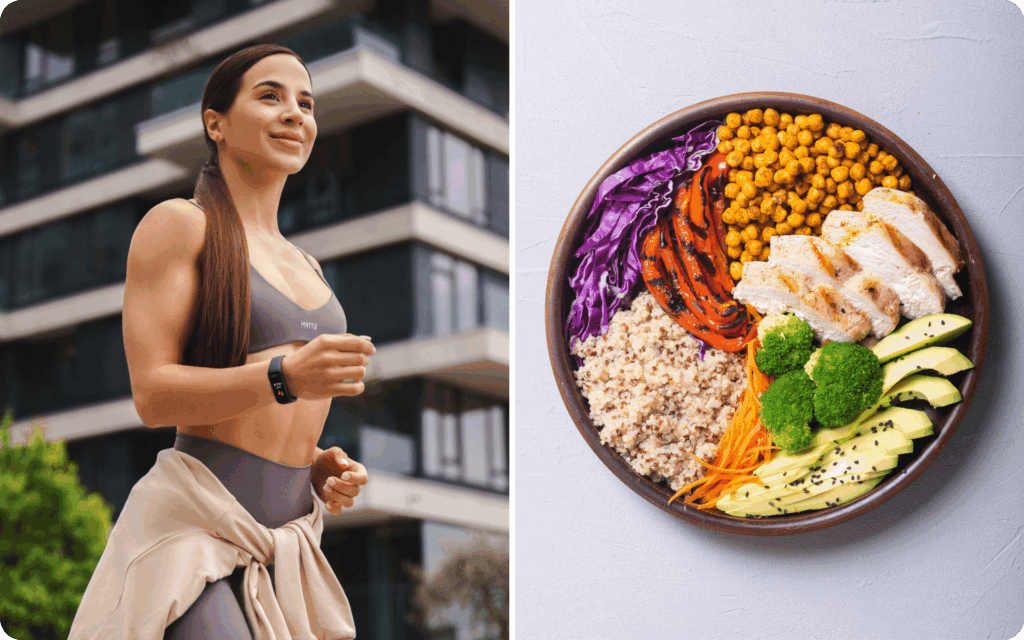
- Exercise matters: Gaining weight healthily mostly means gaining muscle. Strength training is essential to stimulate muscle growth (1).
How you prepare matters! Pick methods that require less chewing or are easy to digest to help you consume more calories.
Quick meal-prep ideas to gain weight:
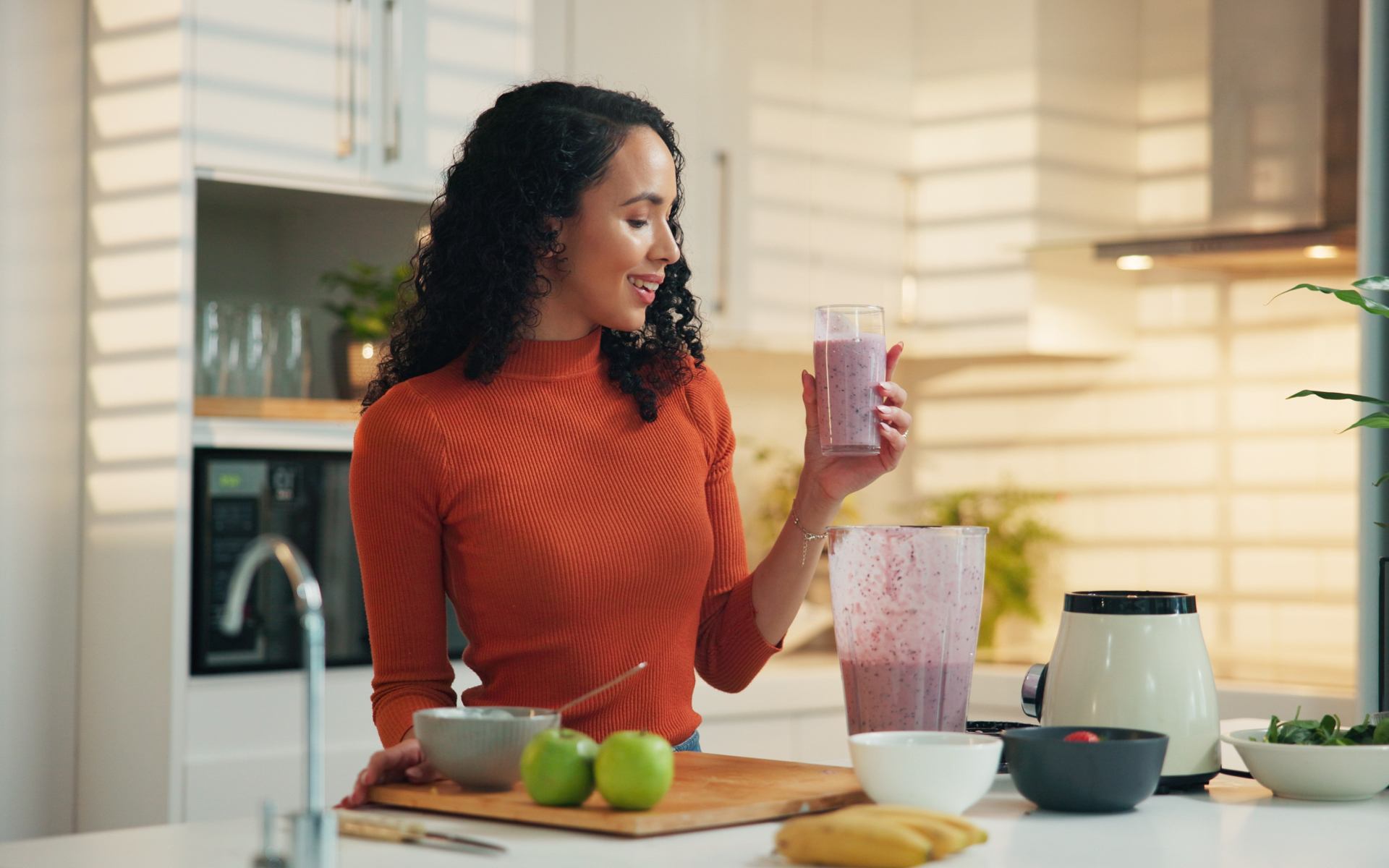
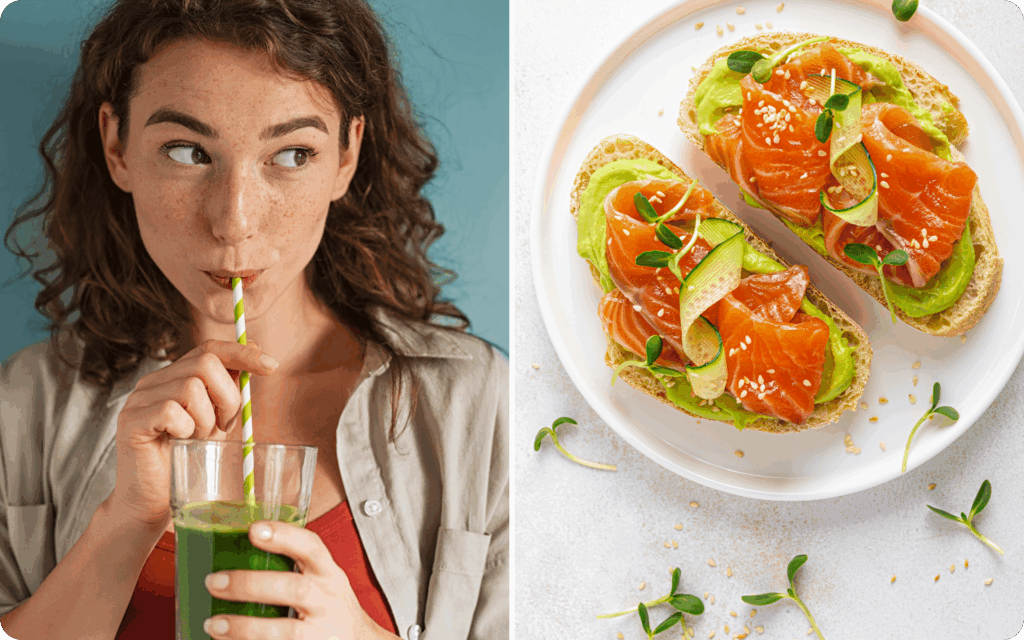
- Shakes: Great for boosting calories and nutrients. Blend fruit, greens, protein powder, nut butter, and milk or yogurt to make a homemade protein shake for weight gain.
- Smooth purées and creams: Creamy soups and veggie purées are easy to digest and could pack in nutrients. Add shredded meat or fish to boost protein, and rice or chickpeas to boost the calories.
- Soft-chewing foods: If you fill up fast, choose softer options like yogurt, scrambled eggs, cooked oats, or ready-to-heat meals.
- Smart snacks: Keep nuts, seeds, Greek yogurt, or hard-boiled eggs handy for between meals.
- Gentle-cooked foods: Slow-cooked methods make foods tender and easier to chew–stews, casseroles, and shredded meats are excellent.
Read more: Workout Plan for Fat Loss and Muscle Gain: A Beginner’s Guide
Which Foods Helps Gain Weight Healthily?
The key to healthily gaining weight lies in consuming foods with high calorie density, meaning they provide a lot of calories in small portions, and that are also rich in essential nutrients.
It’s about choosing foods that provide energy, protein, healthy fats, vitamins, and minerals.
When it comes to weight loss, progress is made by inches, not miles, so it’s much harder to track and a lot easier to give up. The BetterMe: Health Coaching app is your personal trainer, nutritionist, and support system all in one. Start using our app to stay on track and hold yourself accountable!
Strategic Foods To Gain Weight Healthily:
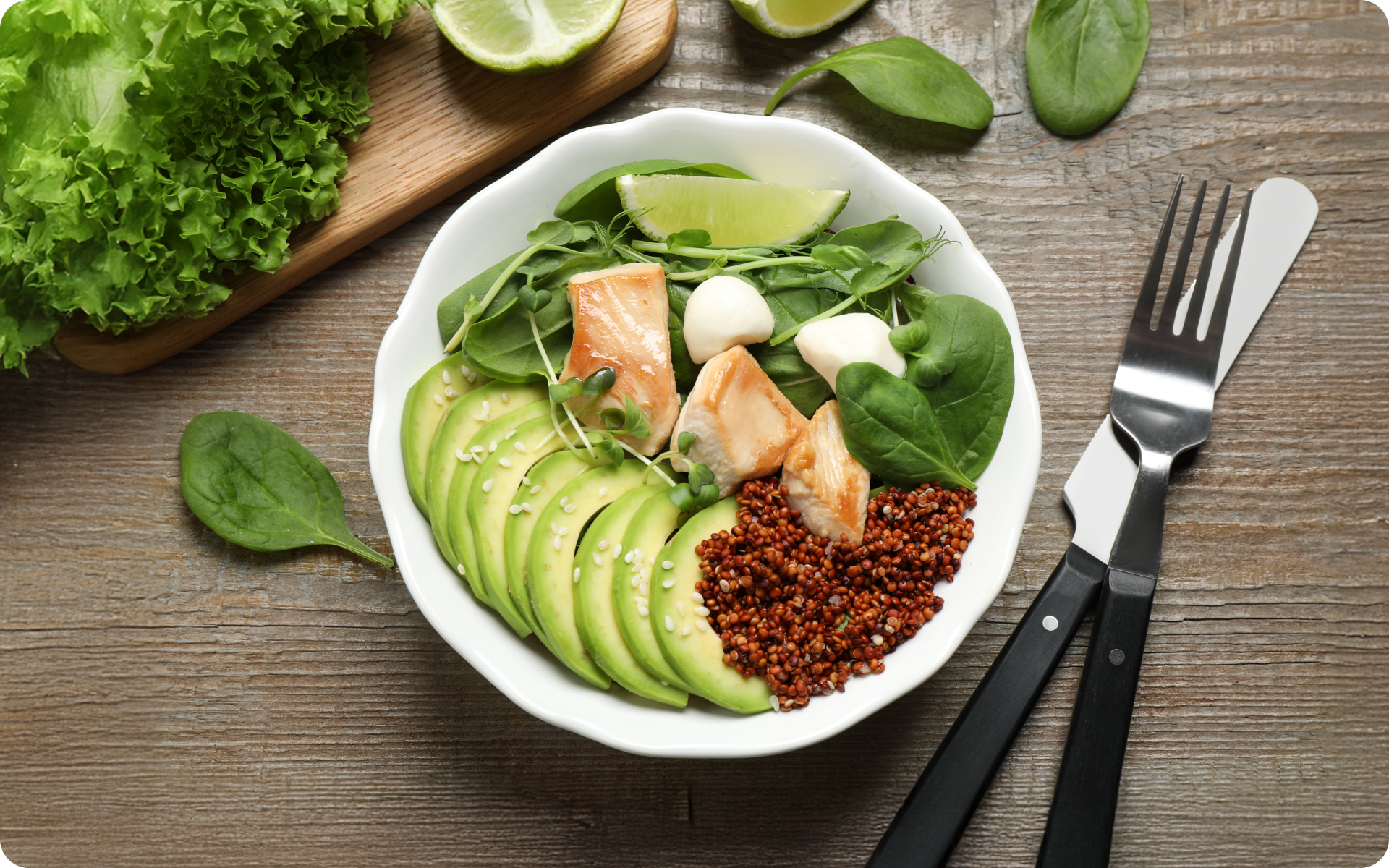
- Nuts and Seeds: Almonds, walnuts, hazelnuts, chia seeds, flaxseed, and sunflower seeds are excellent sources of calories, healthy fats, protein, and fiber. You can add them to salads, yogurt, or eat them as a snack (2).
- Avocado: Rich in monounsaturated fats, fiber, vitamins, and minerals, avocado is a versatile and delicious food. It can be incorporated into toast, salads, or smoothies.
- Olive Oil: Using high-quality olive oil in meal preparation is an easy way to increase caloric intake and obtain heart-healthy fats (3).
- Whole grains: Brown rice, quinoa, oats, and whole grain bread are sources of complex carbohydrates that provide sustained energy. Opt for these options instead of refined grains. Also, starchy vegetables like potatoes, sweet potatoes, and corn are good sources of complex carbohydrates to add to your meals (4).
- Legumes: Lentils, beans, chickpeas, soy products. Legumes are an excellent source of plant-based protein, fiber, and complex carbohydrates. They’re ideal to add to soups, stews, or salads.
- Lean Meats: Chicken, turkey, lean beef, and fish (especially oily fish like salmon) are important sources of high-quality protein.
- Eggs: A complete and affordable food, rich in protein and essential nutrients. Eat them: scrambled, fried, boiled, in omelets.
- Dairy Products: Whole milk, full-fat Greek yogurt, and cheese are sources of protein, calcium, and fats.
- Dried Fruits: Raisins, dates, dried figs, and apricots are high in calories, vitamins, minerals, and natural sugars. They’re a practical option for carrying as a snack and for providing quick energy (5).
- Homemade Shakes: As mentioned, shakes are an easy and quick way to consume a large amount of calories and nutrients. Combine fruits, vegetables, protein powder, nut butter, milk, and yogurt (6).
- Fruits and Vegetables: Although their direct caloric contribution may not be the main factor in weight gain, they are essential. Include a variety of colors in your diet to obtain a wide range of nutrients.
In addition to the foods you eat, the physical activity you undertake significantly influences your caloric and nutrient needs, as do some health conditions and medications. Therefore, we recommend that you consult your healthcare provider and/or a registered dietitian to receive personalized guidance (7).
What Is A Healthy Weight Gain Meal Plan For Females?
For healthy weight gain, as we mentioned earlier, it’s not just about eating more; it’s about eating better.
Below, you’ll find example meal ideas for a weight-gain plan for females.
These are suggestions to get you started. Think of these ideas as inspiration rather than a strict prescription.
A quick reminder: portion sizes and calorie needs vary a lot from person to person.
To make sure you’re hitting your individual caloric and nutritional goals, remember it’s important to consult a registered dietitian or another healthcare professional to develop a safe and effective weight gain plan tailored to you.
Now, let’s look at some meal ideas you could include in the following plans:
- Diet plan for weight gain for beginners
- Meal prep ideas for weight gain
- Meal prep for weight gain
Healthy breakfast for weight gain:
- Option 1: Oatmeal cooked with whole milk, one tablespoon of almond butter, berries, and a handful of walnuts.
- Option 2: Protein shake made with whole milk, 1 scoop of protein powder (whey, casein, or vegan), 1 banana, 1 tablespoon of peanut butter, and a handful of spinach.
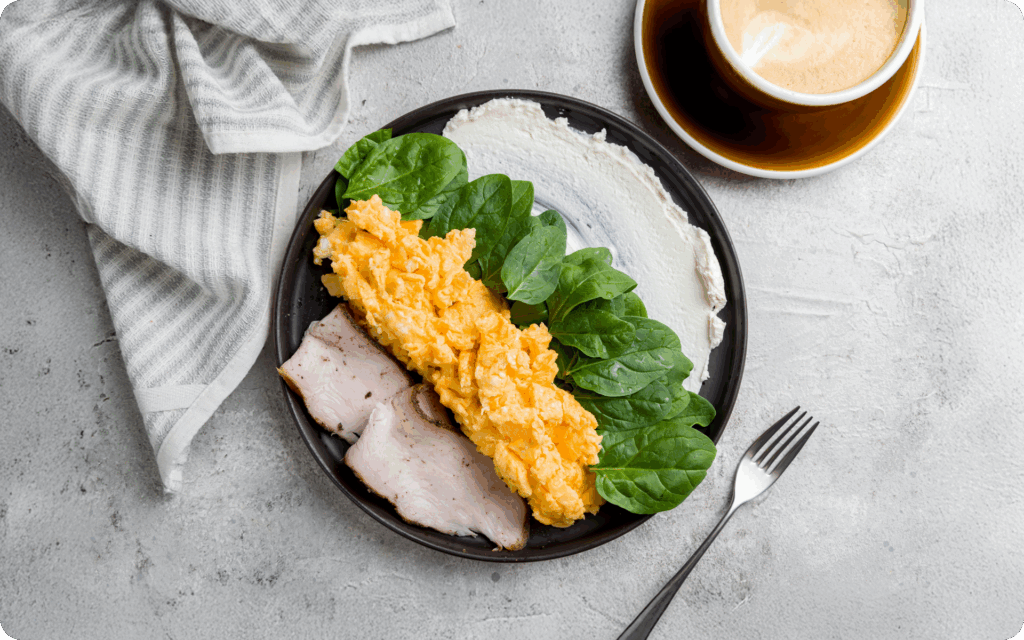
- Option 3: 2 scrambled eggs with shredded cheese and sauteed vegetables, accompanied by 2 slices of whole-wheat toast with lunch meat and avocado.
Mid-Morning Snack:
- Option 1: Greek yogurt with granola and fresh fruit.
- Option 2: A handful of mixed nuts and an apple.
- Option 3: Homemade protein bar (with oats, nut butter, protein powder, and dried fruit).
If you’re curious about the high-calorie recipes for weight gain, check out our earlier article.
Lunch:
- Option 1: Chickpea and chicken stew with vegetables and quinoa.
- Option 2: Turkey sandwich on whole-wheat bread with avocado, lettuce, tomato, and mayonnaise. Accompanied by lentil soup.
- Option 3: Whole-wheat pasta with homemade Bolognese sauce (made with lean ground meat) and grated Parmesan cheese.
Mid-Afternoon Snack:
- Option 1: Hummus with vegetables.
- Option 2: Cottage cheese with fruit.
- Option 3: Whole-grain crackers with cheese and jam.
Dinner:
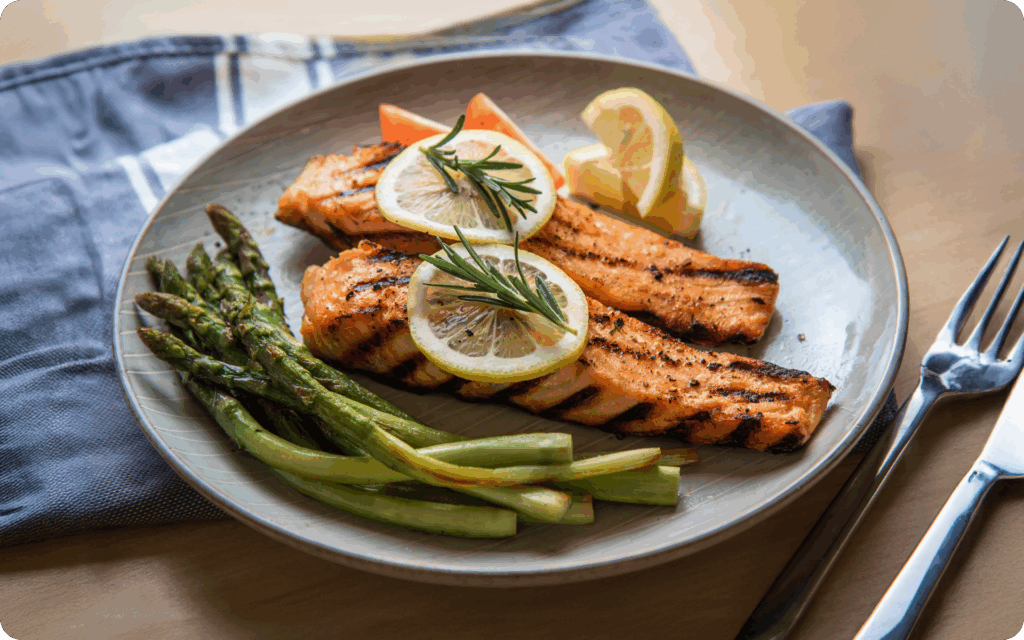
- Option 1: Baked salmon with roasted sweet potatoes and steamed broccoli.
- Option 2: Chicken curry with brown rice and stir-fried vegetables.
- Option 3: Stewed lentils with whole-wheat bread.
Can A Skinny Woman Gain Weight Fast?
Who hasn’t wanted “quick” results at least once?
In the world of fitness, the word “fast” is often a synonym for “unhealthy” or “unsustainable.” And gaining weight isn’t an exception. Lots of people are looking up the following topics:
Diet chart for weight gain for female in 1 month.
While it’s possible to gain weight quickly by bingeing on unhealthy food (pizza, burgers, sugary sodas), that’s not the best or healthiest way. The results also won’t look like what you probably want: a more toned body with curves.
The good news is that it’s indeed possible to gain weight healthily even if you’re naturally thin. The key is to understand how your body works and to create a plan that fits your needs. Do healthily and sustainably.
And as we mentioned earlier, that means creating a moderate caloric surplus (that is, consuming more calories than you burn) with nutritious foods, incorporating strength training, and being patient (8).
Don’t compare yourself to others; each body is different and has its own pace.
Remember that what’s important is feeling good about yourself, both physically and mentally.
Can I Gain Weight In 7 Days As A Girl?
The short answer is: yes, it’s possible to see an increase on the scale within a week.
However, the type of weight you gain and the way you achieve it are crucial for health. It’s important to understand that weight fluctuates daily due to various factors, many of which aren’t directly related to body fat or muscle mass (9).
The BetterMe: Health Coaching app will provide you with a host of fat-frying fitness routines that’ll scare the extra pounds away and turn your body into a masterpiece! Get your life moving in the right direction with BetterMe!
Some of the primary contributors to short‑term weight gain include:
- Content in the Digestive Tract: The amount of food and liquids in your stomach and intestines can significantly affect your weight. A large or high‑fiber meal can make you weigh more temporarily (10).
- Hormonal Cycle: Hormonal fluctuations throughout the menstrual cycle can cause fluid retention, leading to temporary weight gain (11).
- Fluid Retention: In addition to the menstrual cycle, other factors such as high sodium intake, dehydration, and certain medications can cause fluid retention, which can impact weight but not body fat or muscle mass (12).
If your goal is to gain weight sustainably, especially by increasing muscle mass, keep in mind that this process takes time.
Building muscle requires consistent strength training, adequate protein and other nutritious foods, and a gradual caloric surplus. Remember that patience and consistency are key to achieving lasting goals.
Read more: What Is A Lean 7-Day Meal Plan For Muscle Gain?
Why Do I Not Gain Weight Even If I Eat?
As we have been discussing throughout this article, gaining weight isn’t as simple as eating a large amount of food; it involves a range of factors that, together, determine whether our body stores or burns the calories we consume.
Basal metabolic rate: Basal metabolic rate is the amount of energy our body needs to function at rest (breathing, maintaining body temperature, etc.).
- Each person has a different basal metabolic rate, influenced by factors such as age, sex, muscle mass, and genetics.
- If your basal metabolic rate is naturally high, you could burn more calories at rest, which means you need to consume more calories to gain weight (13).
Physical activity level: Daily physical activity is just as important as going to the gym.
- Do you have an active job?
- Do you walk or ride a bike to get around?
- A person with an active lifestyle needs to consume more calories to compensate for energy expenditure (14).
Body composition: A person with high muscle mass, even if they “eat a lot,” might not be consuming enough calories to offset their energy expenditure and gain weight (15).
- This calorie need is because muscle tissue takes more energy to maintain than fat tissue.
- Those with a lot of muscle mass may also find it takes more effort to build additional muscle than someone who is starting with less.
Type of foods consumed: Quality vs. quantity.
- As mentioned, prioritizing protein, healthy fats, and complex carbohydrates is crucial for gaining muscle mass.
Subjective perception of intake:
- The perception of how much we eat can differ from reality.
- Keeping a detailed record of caloric intake for a few days could help identify whether we are actually consuming as many calories as we think.
- A registered dietitian can help you assess your current intake, identify areas for improvement, and develop a personalized eating plan tailored to your needs and goals (16).

The best snacks for gaining weight are high in calories and nutrients, especially protein. Think combinations like: trail mix (nuts: walnuts, almonds, peanuts) with dried fruit (dates, raisins), whole Greek yogurt with granola and honey, homemade protein shakes with whole milk and fruit, or even whole-grain toast with avocado and egg. The best breakfast for weight gain should provide lasting energy. Some excellent options could be: cooked oats with whole milk, nuts, seeds, and fruit; scrambled eggs or omelets with vegetables and cheese with whole-grain toast; protein shakes with oats, peanut butter, and banana; or even a whole-grain sandwich with lean meat, avocado, and cheese. The best liquid for weight gain depends on your preferences and needs. First, hydration with water is fundamental. Then, as we mentioned, homemade protein shakes made with milk, fruit, peanut butter, protein powder, or even oats are excellent options. 100% natural fruit juice (no added sugars) can also be helpful. However, avoid relying solely on sugary liquids and remember to drink water! Sleep plays an important role in weight gain, as lack of sleep could alter key hormones that regulate appetite. This risk means you might feel more cravings and eat more than you need, including unhealthy foods, when you’re sleep deprived. Additionally, sleep deprivation reduces your energy, which could lower your physical activity. If you’re aiming to gain weight healthily, prioritize good rest, a balanced diet, and exercise.Frequently Asked Questions
What are the best snacks for weight gain?
What is the best breakfast for weight gain?
Which liquid is best for weight gain?
How does sleep affect weight gain?
The Bottom Line
Healthily gaining weight isn’t about simply boosting the numbers on the scale; it’s about feeding your body real food and crafting a plan you can sustain.
The goal is to build muscle and energy, so every advance improves your training and your daily life.
In practice, consistency is key.
Eat smaller, more frequent meals to keep a steady stream of fuel without feeling weighed down. Choose nutrient-dense, quality foods: lean proteins, healthy fats, and complex carbohydrates.
Strength training is the engine of this process: the extra calories turn into muscle when you train the muscles properly. It’s not just about eating more, but about aligning your diet with your workouts to improve body composition.
Eat well, eat regularly, and train with intensity so that gaining weight means muscle, energy, and health, not just numbers on the scale.
DISCLAIMER:
This article is intended for general informational purposes only and does not serve to address individual circumstances. It is not a substitute for professional advice or help and should not be relied on for making any kind of decision-making. Any action taken as a direct or indirect result of the information in this article is entirely at your own risk and is your sole responsibility.
BetterMe, its content staff, and its medical advisors accept no responsibility for inaccuracies, errors, misstatements, inconsistencies, or omissions and specifically disclaim any liability, loss or risk, personal, professional or otherwise, which may be incurred as a consequence, directly or indirectly, of the use and/or application of any content.
You should always seek the advice of your physician or other qualified health provider with any questions you may have regarding a medical condition or your specific situation. Never disregard professional medical advice or delay seeking it because of BetterMe content. If you suspect or think you may have a medical emergency, call your doctor.
SOURCES:
- Weight gain attempts and diet modification efforts among adults in five countries: a cross-sectional study (2022, pubmed.ncbi.nlm.nih.gov)
- Consumption of Nuts and Seeds and Health Outcomes Including Cardiovascular Disease, Diabetes and Metabolic Disease, Cancer, and Mortality: An Umbrella Review (2022, pubmed.ncbi.nlm.nih.gov)
- Exploring the Benefits of Extra Virgin Olive Oil on Cardiovascular Health Enhancement and Disease Prevention: A Systematic Review (2025, pubmed.ncbi.nlm.nih.gov)
- What is a Complex Carbohydrate Diet? (sutterhealth.org)
- Consumption of Dried Fruits Is Associated with Greater Intakes of Underconsumed Nutrients, Higher Total Energy Intakes, and Better Diet Quality in US Adults: A Cross-Sectional Analysis of the National Health and Nutrition Examination Survey, 2007-2016 (2021, pubmed.ncbi.nlm.nih.gov)
- High Calorie, High Protein Drink Recipes (2024, patient.uwhealth.org)
- How to gain healthy weight (2019, news.sanfordhealth.org)
- Nutrition Recommendations for Bodybuilders in the Off-Season: A Narrative Review (2019, pmc.ncbi.nlm.nih.gov)
- 7 Possible Reasons Why Your Weight Fluctuates (2024, health.clevelandclinic.org)
- Short-Term Effect of Additional Daily Dietary Fibre Intake on Appetite, Satiety, Gastrointestinal Comfort, Acceptability, and Feasibility (2022, pmc.ncbi.nlm.nih.gov)
- Is It Normal to Gain Weight During Your Period? (2023, healthline.com)
- Can Salt Make You Gain Weight? (2021, healthline.com)
- What determines the basal rate of metabolism? (2019, pubmed.ncbi.nlm.nih.gov)
- Nutrition and athletic performance (2025, medlineplus.gov)
- Weight Loss Strategies and the Risk of Skeletal Muscle Mass Loss (2021, pmc.ncbi.nlm.nih.gov)
- Consumer misperceptions of diet quality (2001, pubmed.ncbi.nlm.nih.gov)

 Reviewed by