Scandinavia is a region in Northern Europe comprising Denmark, Norway, and Sweden, 3 countries with strong cultural, historical, and linguistic ties (1).
Depending on the definition, the term can also extend to Finland (based on geography and economy) and to Iceland or the Faroe Islands due to linguistic connections. When all of these countries combine, many refer to the broader region as the Nordic countries (1).
In this article, we’ll primarily focus on Sweden, where I spent a few months in July 2025.
With Swedish heritage, it was significant to immerse myself in the country beyond a typical tourist lens. Spending an extended period there allowed me to understand the rhythm of daily life–the unspoken social guidelines, the cultural norms, and the subtle behaviours that create such a high quality of life.
And personal bias aside, it quickly becomes evident that Sweden (and Scandinavia more broadly) does an exceptional job at upholding systems and societal practices designed to benefit people on a deep, structural level.
There’s an unspoken standard most people follow. Swedes would never call them “rules”–more like gentle guidelines–but collectively, they create a culture rooted in respect, intention, and well-being (2).
So what makes Scandinavian life feel so different from Western culture? What exactly are they doing over there–and is it really just all about cinnamon buns and the concept of fika?
Let’s break it down.
Continue reading to learn more.
What Is Scandinavian Lifestyle Like?
If I had to give a short overview, the Scandinavian people could have built their lifestyle on intentional, practical, and sustainable living.
Scandinavian lifestyle and culture thrive on equality among individuals and on an unspoken, agreed-upon respect for nature and the environment (2, 3, 4).
What Is Life Like In Scandinavia?
In the summertime, life is vibrant. It feels like the cities come alive; everyone wants to be out enjoying the sunshine, soaking it all up, and making the most of the long days after a long, dark winter.
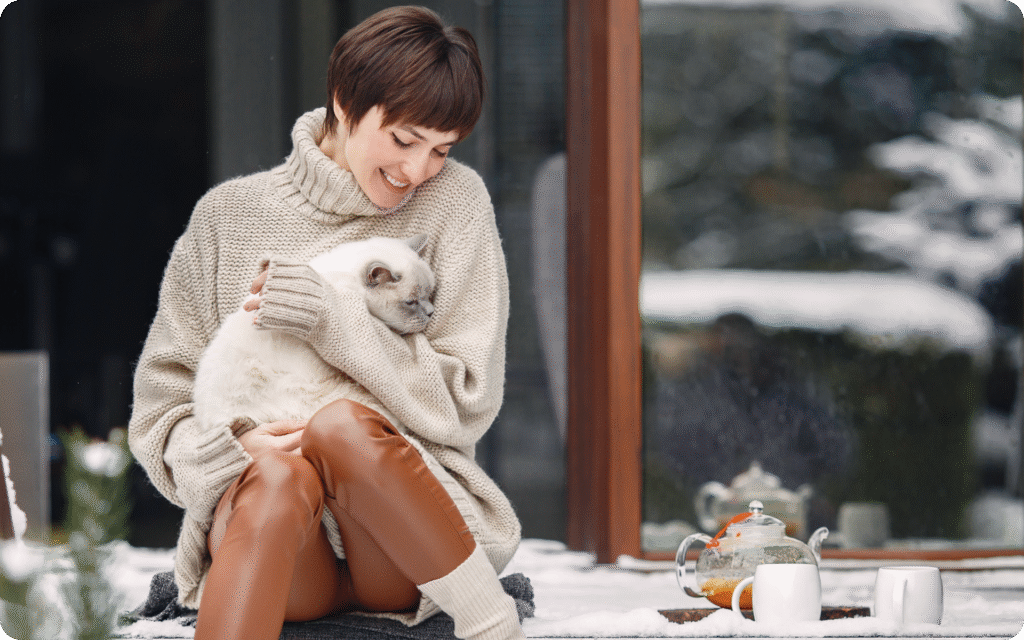
In the wintertime, the days are short, and the weather is cold. While it can be quiet, it doesn’t stop some Swedes from getting out and about and enjoying nature; making the most of each season is embedded in this culture. It’s a nice way to welcome each new season, with each season having a different activity or meaning attached. In winter, of course, that’s the time to get cozy.
It’s time to cultivate indoor activities, spend more quality time with family and friends, and come together to slow down and enjoy the simple things.
A conversation around a fire, a warm cup of tea or coffee (of course, speaking of coffee; fika is common throughout any season of the year in Sweden).
In July, when summer strikes, most Swedes take the whole month off to enjoy the weather outdoors. Life can be well organized, efficient, and just.
There is a high quality of life in countries like Sweden, which we could attribute to their healthcare and education systems, as well as the many reasonable and just systems that underpin their society (2,3).
Summer
In summertime, the region feels alive. Cities buzz with people outdoors soaking up every minute of sunshine after the long, dark winter. Parks, waterways, walking paths, and beaches are full. There’s a vibrancy that you can feel–almost a collective celebration of light.
Winter
Winter is cold, dark, and quiet–but not stagnant. Swedes still get outside, still engage with nature, and still find ways to honour the season. Winter becomes a time to turn inward:
- Cozy evenings
- Warm drinks
- Firelight
- Quality time at home
- Slow, intentional routines
Each season is embraced for what it offers, rather than avoided.
BetterMe: Health Coaching app helps you achieve your body goals with ease and efficiency by helping to choose proper meal plans and effective workouts. Start using our app and you will see good results in a short time.
Organization and Daily Living
Life is well-organized, efficient, and fair.
Sweden’s high quality of life is supported by:
- Public systems that work
- Strong healthcare system
- Accessible education
- High social trust
- Low inequality
You feel the difference immediately as the atmosphere supports anyone wondering how to start a healthy lifestyle.
Read more: The Power And Practice Of Outdoor Living
What Are The Scandinavian Concepts Of Life?
Scandinavian culture is guided by several core concepts–subtle, influential philosophies that influence everything from daily routines to mental well-being. Together, they create a culture that feels grounded, steady, and deeply intentional.
- Fika: The Art of Pausing
Fika is a Swedish rite of passage. Yes, it involves coffee (lots of it) and something sweet, but it’s not really about the food (5).
Fika is the pause.
It’s the moment where productivity softens, and presence takes over.
It’s a connection with yourself or with others.
It’s a cultural reminder that life isn’t meant to be rushed.
At home, fika is slow and cozy.
At work, fika is respected and built into the day.
The philosophy is simple:
Pause often. Enjoy small pleasures. Connect intentionally.

- Allemansrätten: The Right to Nature
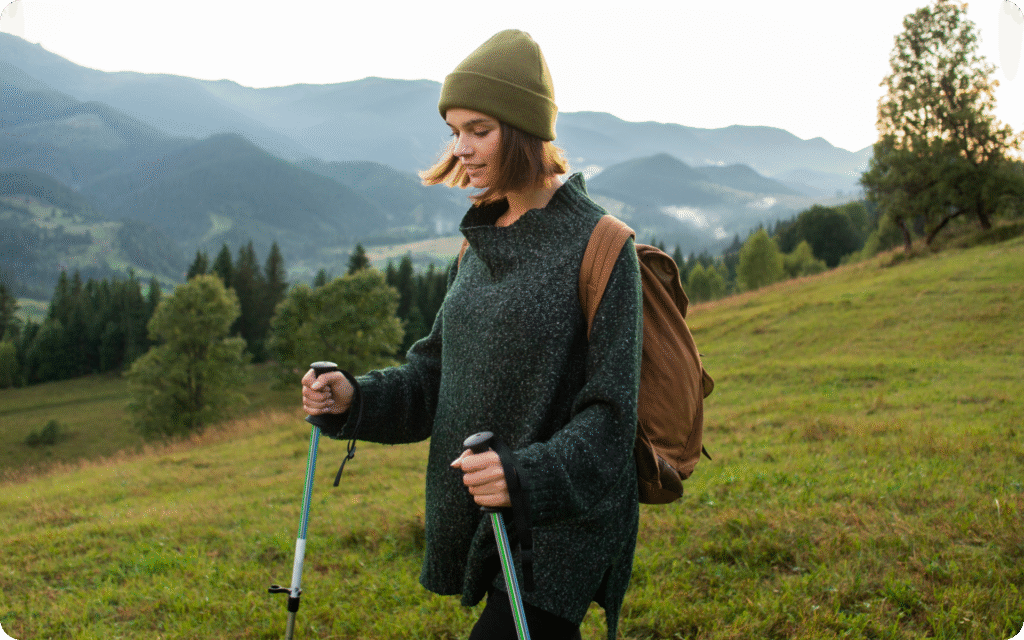
In Sweden, the law grants everyone the right to access nature–forests, fields, lakes, and trails. This accessibility is Allemansrätten, and it’s one of the most defining features of Scandinavian life (6).
With this right comes responsibility.
People treat the land as if it were their own–because, in many ways, it is.
This privilege creates a culture where:
- Nature is accessible
- Outdoor activity is regular.
- Environmental respect is expected.
- Well-being involves the landscape.
Nature becomes a shared sanctuary, not a luxury.
- Lagom: “Not Too Much, Not Too Little.”
Lagom is a way of living that embraces balance (7).
It influences:
- Spending
- Work habits
- Consumption
- Home design
- Daily pace and living
- Eating habits and food choices
Lagom encourages people to find the sweet spot–the middle ground where life feels steady, sustainable, and enough.
It’s the quiet antidote to excess.
- Jantelagen: Humility and Collective Good
Jantelagen, or the Law of Jante, is a cultural principle that discourages showing off or putting oneself above others (8). It’s not about suppressing individuality–it’s about fostering humility, equality, and social cohesion.
The message is subtle: We rise together, not alone.
This focus creates a society that feels grounded, calm, and ego-free.
Reasons why BetterMe is a safe bet: a wide range of calorie-blasting workouts, finger-licking recipes, 24/7 support, challenges that’ll keep you on your best game, and that just scratches the surface! Start using our app and watch the magic happen.
- Hygge: Warmth, Comfort, and Togetherness
While hygge is Danish in origin, the feeling stretches across the region (9).
Hygge is:
- Blankets
- Warm drinks
- Slow dinners
- Soft lighting
- Cozy evenings indoors
- Candles glowing in winter
- Lamps on the windowsill
It softens the darkness of winter and elevates the beauty of everyday life.

- Sisu: Inner Strength and Resilience
Originating in Finland, sisu refers to quiet inner strength–the kind that carries you through challenge with dignity and determination (10).
Its spirit is present across the Nordics: calm, steady, resilient.
Together, these concepts create a lifestyle that supports wellbeing in every season–physically, emotionally, socially, and environmentally.
Together, These Concepts Shape Scandinavian Life
When you combine:
- The pause (fika)
- The connection to nature (allemansrätten)
- The balance (lagom)
- The humility (jantelagen)
- The coziness (hygge)
- The inner resilience (sisu)
Essentially, these focus points result in a culture where wellbeing is not a hobby or a trend, but the rhythm of everyday life.
Scandinavian lifestyle characteristics and concepts create:
- Strong mental health foundations
- A slower, more intentional pace
- Deep respect for nature
- A sense of belonging
- Social cohesion
- Predictable routines
- Balanced consumption
- Reduced stress
They are the quiet forces behind why Scandinavian countries consistently rank among the happiest and healthiest in the world.
Is The Scandinavian Lifestyle Healthy?
Overall, yes – on multiple levels.
- The diet is balanced, seasonal, and often plant-forward.
- Social connection and community are built into daily life.
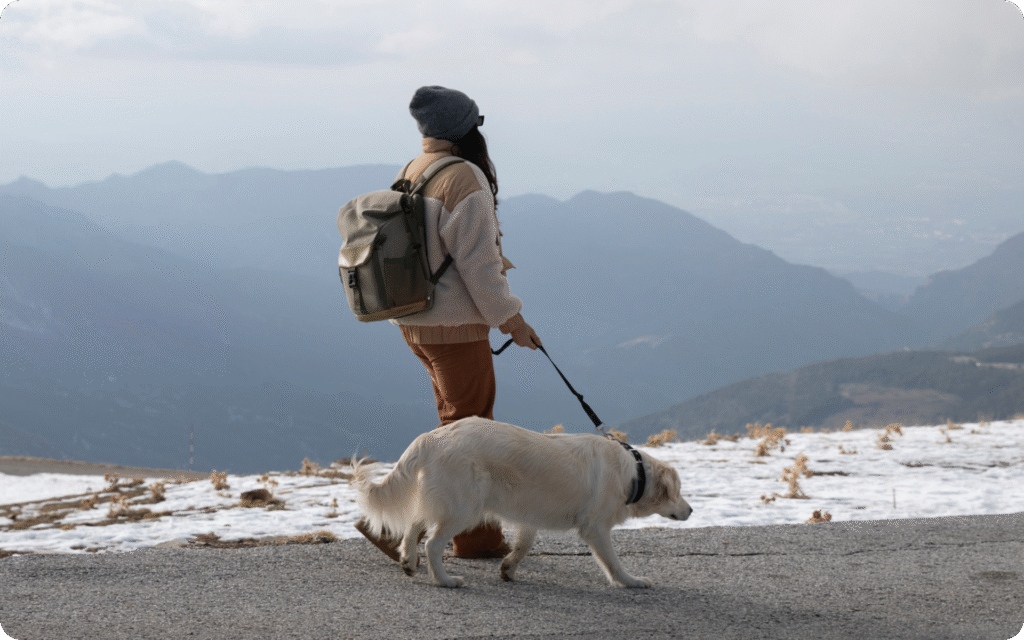
- People are active year-round.
- Nature exposure is abundant.
- Stress is lower thanks to strong social systems and work–life balance.
There will always be exceptions, but collectively, Scandinavians live in ways that support long-term health, as well as immediate health and well-being. For more details about clean eating for beginners, take a look at our prior publication.
Read more: Friluftsliv: The Open-Air Concept Way Of Life
What Are Some Scandinavian Lifestyle Rules?
Swedes don’t love the idea of “rules,” but there are definitely shared cultural guidelines and Scandinavian lifestyle traits that everyone seems to follow and embody (2).
Here are a few:
- Don’t be loud
Public spaces are calm. People speak softly. Respecting others’ peace is seen as basic courtesy.
- Value personal space
Scandinavians are warm, but not intrusive. Boundaries are respected without needing explanation.
- Take your shoes off indoors
A universal rule–part respect, part hygiene, part tradition.
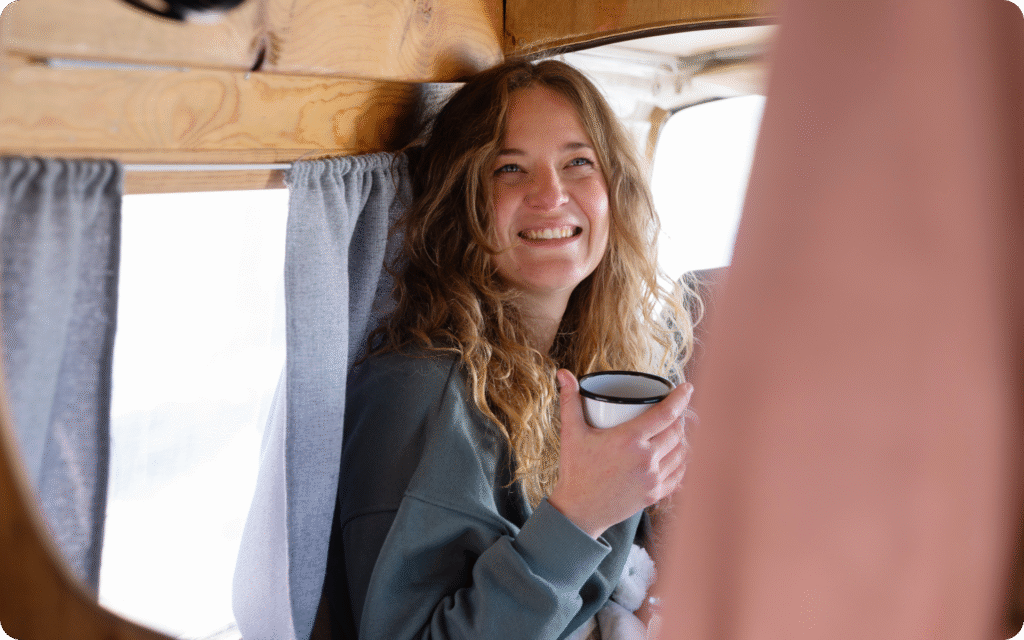
- Punctuality matters
Being on time = being respectful. You will notice this everywhere.
- Trust the system
Whether it’s public transport, healthcare, education, recycling, or taxes–there is mutual trust between citizens and institutions.
- Don’t show off
Jantelagen–the Law of Jante–is a cultural idea discouraging excessive ego, boasting, or superiority. People stay humble and grounded in who they are.
- Nature is for everyone
Allemansrätten (the Right to Nature) means you treat shared land with respect, as if it were your own.
These guidelines shape daily life in subtle but meaningful ways.
What Are The Benefits Of A Scandinavian Lifestyle?
The benefits of a Scandinavian lifestyle facts are far-reaching, touching everything from physical wellbeing to emotional steadiness and social connection. At its core, Scandinavian living promotes a steady, intentional life–one that values balance, community, and simplicity over chaos and excess.
- A Shared Respect for Each Other and the Environment
One of the first things you notice in Scandinavia is the collective respect people have for one another, for shared spaces, and for the environment. Public areas are tidy, noise levels are low, and the majority treats nature as something to protect, not exploit. This mutual respect contributes to a sense of safety, trust, and calm that’s often missing in most fast-paced Western cultures.
- Deep Connection to Nature, Year-Round
Because of Allemansrätten–the Right to Nature–people grow up with a strong connection to the outdoors. Daily walks, forest swims, hiking, cycling, mushroom picking, berry foraging… nature isn’t an escape. It’s part of everyday life.
This ongoing outdoor connection naturally supports mental health, lowers stress, increases physical activity, and creates a sense of belonging.

- A Circular, Low-Waste Mindset
Swedes love a Saturday yard sale–known locally as a loppis (11).
Loppis culture is essentially a celebration of reusing, repurposing, repairing, and giving new life to old things. It’s community-oriented, budget-friendly, and deeply aligned with Scandinavian values of sustainability.
In many ways, this mindset edges close to a circular economy–where items are cycled through many hands instead of being discarded. This reduces waste, encourages mindful consumption, and fosters a culture where people buy intentionally rather than impulsively.
- Predictable Systems That Reduce Stress
Life is organized. Public systems work. People trust the processes in place. This reduces cognitive load and frees up mental energy that, in other countries, many must spend navigating inefficient systems.
- Emotional Stability Through Ritual and Pace
Whether it’s fika, hygge, slow dinners, seasonal rhythms, or the quiet nature of Scandinavian communication, the lifestyle naturally supports emotional steadiness.
Life is rarely rushed. There is space–emotionally and physically–to slow down and breathe.
- Strong Community and Social Cohesion
Between lagom, Jantelagen, and the collective approach to living, people feel part of something bigger than themselves. There is less comparison, less pressure to “keep up,” and more focus on contributing to the group (12).
- Higher Overall Wellbeing and Longevity
When you combine all these factors–the food, the nature, the pace, the social trust, the balance–you get populations that consistently rank among the healthiest and happiest in the world. Life expectancy is high, mental health outcomes are strong, and overall life satisfaction is remarkably steady (13,14).

A typical Scandinavian diet is built on the healthy foods to eat everyday, including whole foods, local produce, cold-water fish, dairy, potatoes, legumes, and high-fibre grains. Meals are simple, balanced, and not overly processed. Some indicators of a high standard of living in Scandinavia include: long life expectancy, low inequality, accessible healthcare, strong education systems, clean, safe public spaces, efficient public transport, high trust in government, strong work–life balance, and high environmental standards. Genetics may play a role, but more significantly, lifestyle factors: a balanced diet, regular time outdoors, low UV exposure due to long winters, good skincare habits, and low stress–all contribute to healthier skin and slower visible aging over time. Scandinavians live significantly longer than the global average, with life expectancy generally in the early-to-mid 80s for women and around 80 for men, though Denmark, Finland, and especially Greenland sit slightly lower than their Nordic neighbours.Frequently Asked Questions
What is the average Scandinavian diet?
What are signs of a high standard of living in Scandinavia?
Why do Scandinavians look younger?
How long do Scandinavians live?
The Bottom Line
The Scandinavian lifestyle isn’t about perfection or performance.
It’s about living well–on purpose. It prioritizes time over rush, nature over noise, and balance over burnout. You see it in how people eat, move, rest, connect, and contribute.
Daily life supports wellbeing, for individuals, and the collective–through systems that work, spaces that are shared, and values that are lived.
It’s calm, steady, and considered. And that’s the point.
You don’t need to move to Sweden to adopt it. You just need to start where you are.
Slow down. Eat well. Be present. Go outside. Respect others. Honour the seasons. Live like it matters–because it does. And in that, maybe you’ll find your own version of Scandinavian balance.
DISCLAIMER:
This article is intended for general informational purposes only and does not serve to address individual circumstances. It is not a substitute for professional advice or help and should not be relied on for making any kind of decision-making. Any action taken as a direct or indirect result of the information in this article is entirely at your own risk and is your sole responsibility.
BetterMe, its content staff, and its medical advisors accept no responsibility for inaccuracies, errors, misstatements, inconsistencies, or omissions and specifically disclaim any liability, loss or risk, personal, professional or otherwise, which may be incurred as a consequence, directly or indirectly, of the use and/or application of any content.
You should always seek the advice of your physician or other qualified health provider with any questions you may have regarding a medical condition or your specific situation. Never disregard professional medical advice or delay seeking it because of BetterMe content. If you suspect or think you may have a medical emergency, call your doctor.
SOURCES:
- https://www.britannica.com/place/Scandinavia
- Country Facts and Unwritten Rules (nd,witeno.de)
- Active Scandinavia: examining physical activity levels across Norway, Sweden, and Denmark: a systematic review (2025, pmc.ncbi.nlm.nih.gov)
- Nordic research on health inequalities: A scoping review of empirical studies published in Scandinavian Journal of Public Health 2000–2021 (2022, nih.gov)
- Fika like a Swede (2025, visitsweden.se)
- The Right of Public Access – Swedish freedom to roam (2025, visitsweden.com)
- Lagom: the Swedish secret to balanced living (2025, visitsweden.se)
- Jantelagen (2019, bbc.com)
- Hygge (2025, denmark.dk)
- Sisu: The Finnish Secret of Inner Strength and Resilience (2023, psychologytoday.com)
- The Swedish Loppis (2022, kth.se)
- Nordic Conversations Are Different (2014, virtualwayfarer.com/)
- Life expectancy and disease burden in the Nordic countries: results from the Global Burden of Diseases, Injuries, and Risk Factors Study 2017 (2017, healthdata.org)
- Towards the characterisation of sustainable diet’s gut microbiota composition and functions: A narrative review (2023, nih.gov)
 Reviewed by
 Reviewed by