

Running for 20 minutes a day means completing a short, time-based run most days of the week. For many people, this length can support cardiovascular wellness, mood, and a steady habit. Beginners often mix jogging with walking at first. You can adjust the pace, format, and rest days to match your fitness level.
A 20-minute run sounds simple, but the details often trip people up. How fast should you go? Should you run every day? What if you cannot jog the whole time? Running 20 minutes a day is a manageable starting point for busy people who want a repeatable routine without long time commitments. This guide breaks it down into plain steps you can follow today. You’ll find sample schedules, pacing options, run-walk ideas, rest-day guidance, and gear tips. Read on to learn how to build a routine that fits your week.
What Does Running 20 Minutes a Day Involve?
Running 20 minutes a day involves a short run performed most days, usually as easy jogging, run-walk, or a mix. The focus stays on time, not distance.
A 20-minute run refers to the main running portion of your session. It does not always mean 20 minutes door-to-door.
A full session often takes 30-40 minutes once you add:
- A 5-10-minute warm-up
- The 20-minute run itself
- A 5-10-minute cool-down
For many people, a daily running routine at this length can support (1, 2):
- Cardiovascular wellness
- Mood and stress management
- A consistent movement habit
- Beginner’s endurance over several weeks
Your fitness, effort, and consistency all shape the outcome. Individual outcomes vary, and there’s no single timeline that suits everyone. Results vary from person to person.
Read more: Tips On Running A Mile: How To Run Fast Without Feeling Winded Or Stopping?
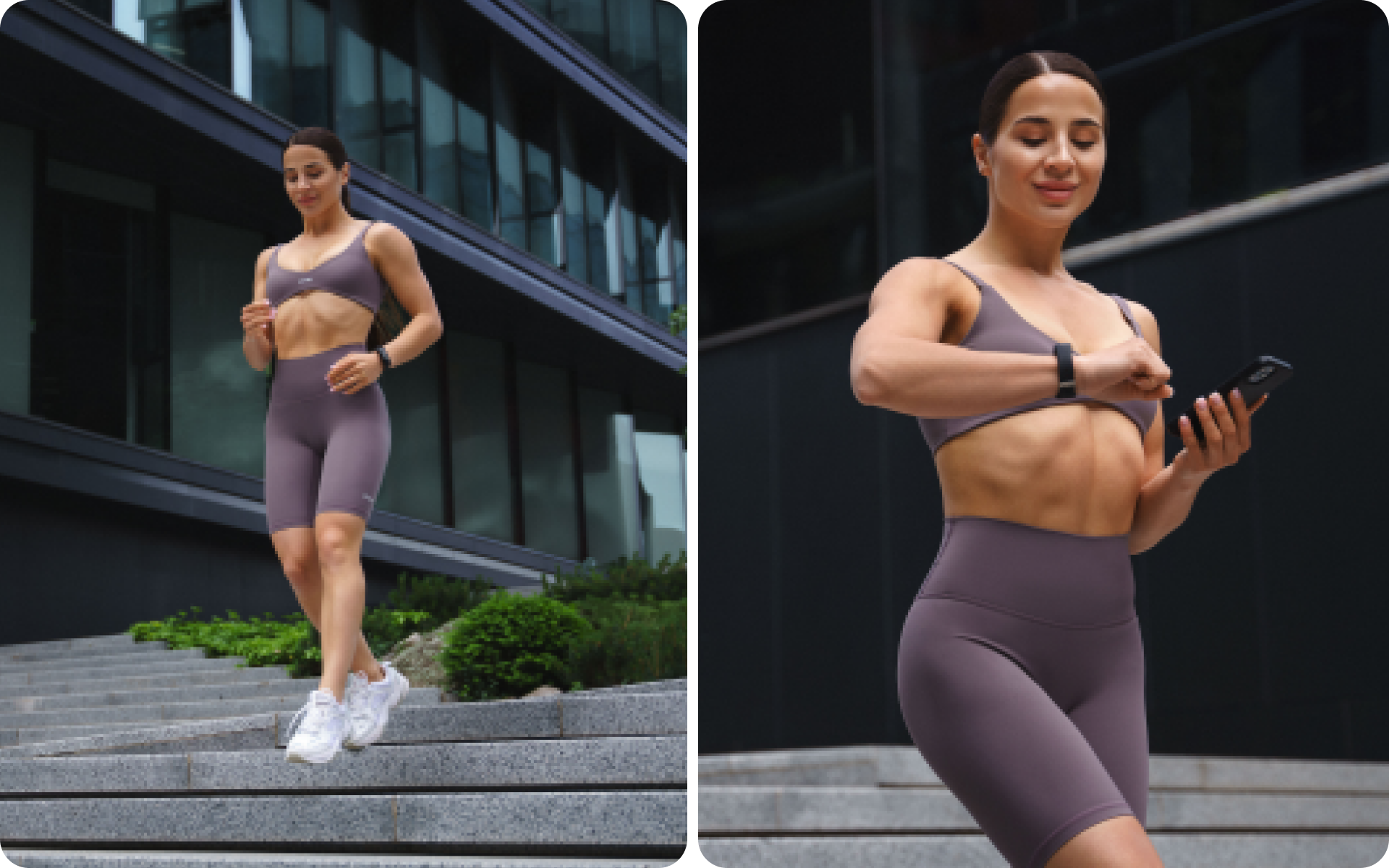
How Can Beginners Start Running for 20 Minutes a Day?
Beginners can start running 20 minutes a day by using run-walk intervals rather than forcing 20 minutes of nonstop jogging. This approach tends to feel more manageable.
A beginners’ 20-minute running plan builds up gradually over about four weeks. The table below compares one gentle progression. Individual results vary, so adjust as needed.
| Week | Run/walk pattern | Rounds | Total running time |
|---|---|---|---|
| Week 1 | 1 min running/2 mins walking | 6-7 | ~6-7 mins |
| Week 2 | 2 mins running/2 mins walking | 5 | ~10 mins |
| Week 3 | 3 mins running/1-2 mins walking | 5 | ~15 mins |
| Week 4 | 10 mins running/1 min walking/ 8-10 mins running | 1 | ~18-20 mins |
Week 1: Short Run Bursts
- Start with a 5-minute brisk walk.
- Jog easy for 1 minute, then walk for 2 minutes.
- Repeat this cycle 6-7 times.
- Finish with a 3-5-minute walk.
Week 2: Longer Run Segments
- Warm up with a 5-minute walk.
- Jog for 2 minutes, then walk for 2 minutes.
- Repeat 5 times.
- Cool down with an easy walk.
Week 3: Building Endurance
- Begin with a 5-minute walk.
- Jog for 3 minutes, then walk for 1-2 minutes.
- Repeat 5 times.
- Wind down with a short walk.
Week 4: Toward Continuous Running
- Warm up with a 5-minute walk.
- Jog easy for 10 minutes.
- Walk for 1 minute to reset.
- Jog for another 8-10 minutes, then cool down.
Many beginners find that 3-5 run days per week works better than daily running at first. If you want a fuller structure later, you might want to explore our running workout plan for more ideas.

How Can You Use Time Rather Than Distance to Plan Your Runs?
You can use time rather than distance to plan your runs by tracking minutes instead of miles. This is called a time-based running workout.
Running by time instead of distance removes pace pressure (3). You simply run for a set number of minutes at a comfortable effort.
This approach tends to help because it:
- Adjusts easily for heat, hills, or tired legs
- Works across different fitness levels
- Encourages effort-based running over chasing numbers
- Fits neatly into a busy schedule
Here are simple time-based categories to plan around:
- Short run: 15-25 minutes
- Moderate run: 25-40 minutes
- Long run: 40-75 minutes, depending on level
- Intervals: for example, 10 rounds of 1 minute faster with 1 minute easy
For a 20-minute jog, you might jog the full 20 minutes easy. On another day, you could add a few faster segments. The clock guides you, not the map.
If you enjoy longer efforts later, you can compare this style with running 3 miles a day to see how time and distance goals differ.
Whether you want to refresh your fitness routine, explore lower-calorie recipe ideas, or bring more structure to your wellness habits, BetterMe Well-Being Coach app offers tools that can support your next step. Explore the app and find an approach that works for your lifestyle.

What Pace Can You Use for a 20-Minute Run?
The pace you use for a 20-minute run is usually an easy, conversational one. Your running pace should feel comfortable, not exhausting.
Easy pace means that you can speak in short sentences while running. You breathe harder than walking, but you are not gasping.
You can gauge effort in three practical ways:
- Talk test: You can talk but not sing comfortably (4).
- RPE scale: Rate of perceived exertion runs from 1-10 (5). Easy running sits around 3-4 out of 10.
- Feel: You finish feeling like you could have done a little more.
A helpful guideline for a short running plan:
- Keep about 80-90% of your runs easy
- Include harder efforts only 1-2 times per week
For example, if you run five days a week, four of those runs stay easy. One might include short faster bursts. Turning every run into a test tends to raise fatigue quickly.
Read more: How Many Miles Should I Run A Day? Tips For Developing And Sustaining A Running Habit
How Can Run-Walk Intervals Fit Into Your Routine?
Run-walk intervals fit into your routine as planned cycles of jogging and walking within one session. They suit beginners, returning runners, and older trainees well.
Run-walk intervals simply alternate short jogging segments with short walking breaks. This can reduce impact buildup and make consistency feel more doable.
Here are sample patterns for a 20-minute session:
- 1 minute running/1 minute walking, repeated 10 times
- 2 minutes running/1 minute walking, repeated 6-7 times
- 3 minutes running/1 minute walking, repeated 5 times
- 5 minutes running/1 minute walking, repeated 3 times
These still count as real running. For many people, run-walk is the most sustainable path toward jogging continuously. You can shift the ratios as your endurance grows.
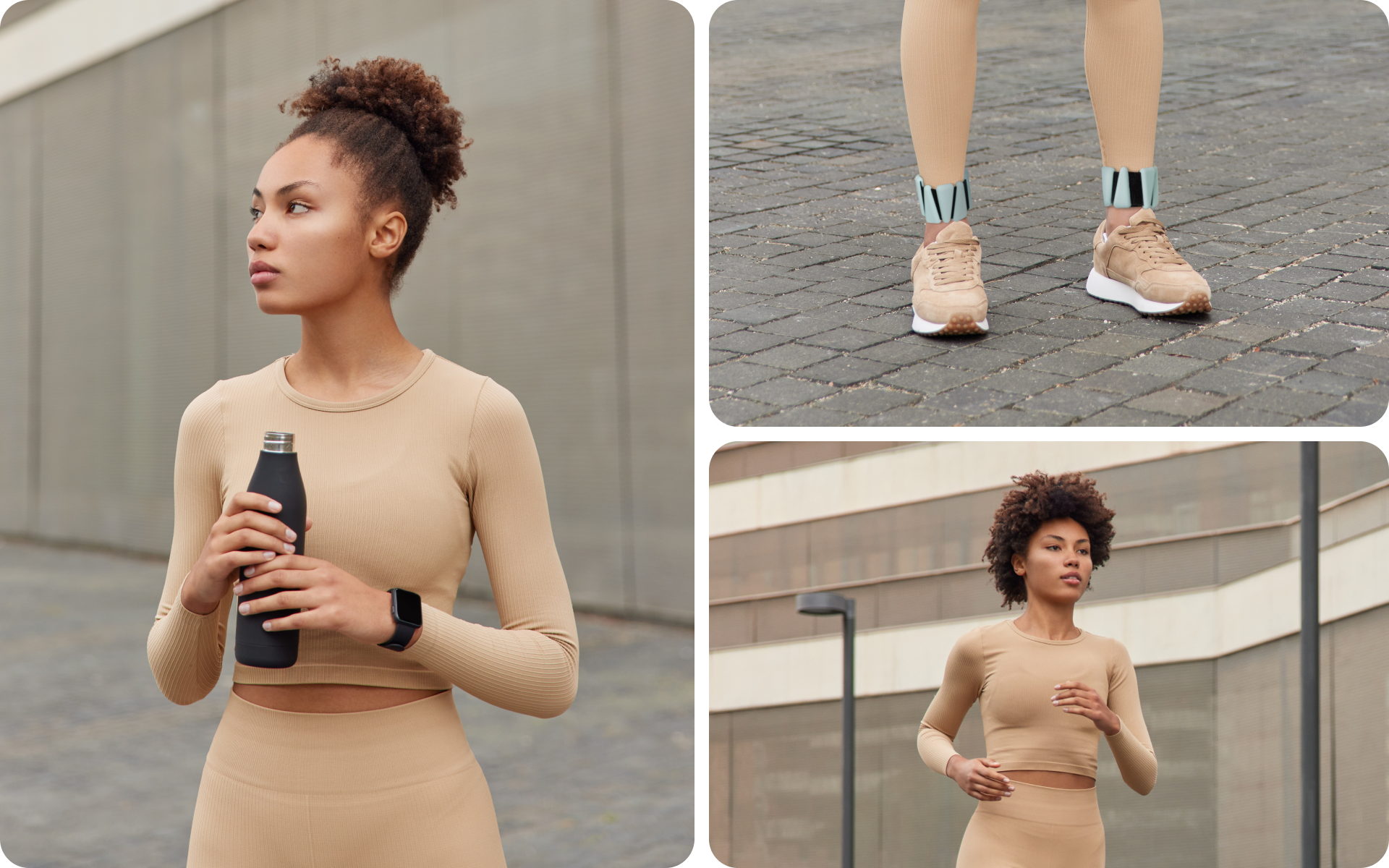
What Could a Weekly 20-Minute Running Schedule Look Like?
A weekly 20-minute running schedule can look different for beginners, returners, and established runners. The table below compares three options side by side.
| Day | Beginner | Returner | Established runner |
|---|---|---|---|
| Monday | 20 mins run-walk | 20 mins easy | 20 mins easy rest |
| Tuesday | Rest or walk | Rest or strength | 20 mins with 6 × 1 min faster |
| Wednesday | 20 mins run-walk | 20 mins easy | Rest or cross-train |
| Thursday | Strength or mobility | 20 mins run-walk | 20 mins easy |
| Friday | 20 mins run-walk | Rest | Strength |
| Saturday | Rest or walk | 20 mins steady | 20 mins steady |
| Sunday | 20-25 mins run-walk | 25-30 mins easy | 30-45 mins easy |
Beginners’ Schedule
- Run on 3-4 days using run-walk intervals
- Keep 2-3 days for rest, walking, or light mobility
- Add one slightly longer session on Sunday
- Focus on habit before speed
Returners’ Schedule
- Run easy on most days at a conversational effort
- Add one steady run on Saturday
- Include a longer easy run on Sunday
- Keep at least one full rest day
Established Runners’ Schedule
- Run easy on rest days to stay fresh
- Add one faster session with short surges
- Keep a steady run midweek to late week
- Finish with a longer easy run on the weekend
This beginners’ running schedule works well for general wellness. For longer-distance goals, one longer weekly run usually helps. Are you curious about bigger targets? You can explore what it takes to run 5 miles a day.

How Should You Plan Rest Days Around Running?
You should plan rest days around running by building in 1-3 rest days each week. Rest supports adaptation, not lost progress (6).
Beginners often benefit from this structure:
- Run 3-4 days per week
- Take 1-3 full rest days
- Add optional walking or gentle mobility on off days
More experienced runners can run more often if effort stays easy and rest feels solid.
Watch for signs that suggest more rest is required, such as:
- Heavy legs that never clear
- Slower pace at the same effort
- Low energy or poor sleep
- One-sided discomfort that lingers
A useful way to think about it: if an extra rest day helps you run better next week, it’s productive. Individual needs vary, so adjust based on how you feel.
BetterMe Well-Being Coach app can help you build a more structured approach to your wellness routine with meal plans, workouts, and habit-tracking tools. Start using the app to explore options that may support your personal fitness and nutrition goals.
How Can You Warm Up Before and Wind Down After a Run?
You can warm up before a run with 5-8 minutes of easy movement and wind down after with 3-10 minutes of gentle activity. Both bookend your run comfortably.
Try this simple warm-up:
- Walk briskly for 3-5 minutes
- Add ankle circles and leg swings
- Do a few marching steps or skips
- Start your run very easy for the first 3-5 minutes
If your run includes faster segments, add 2-4 short strides of 10-15 seconds each.
For your cool-down:
- Walk easy for 3-5 minutes
- Stretch gently if it feels good
- Rehydrate with water
- Let your breathing settle
You don’t need a long routine for an easy 20-minute jog. The goal is a gentle on-ramp and off-ramp.
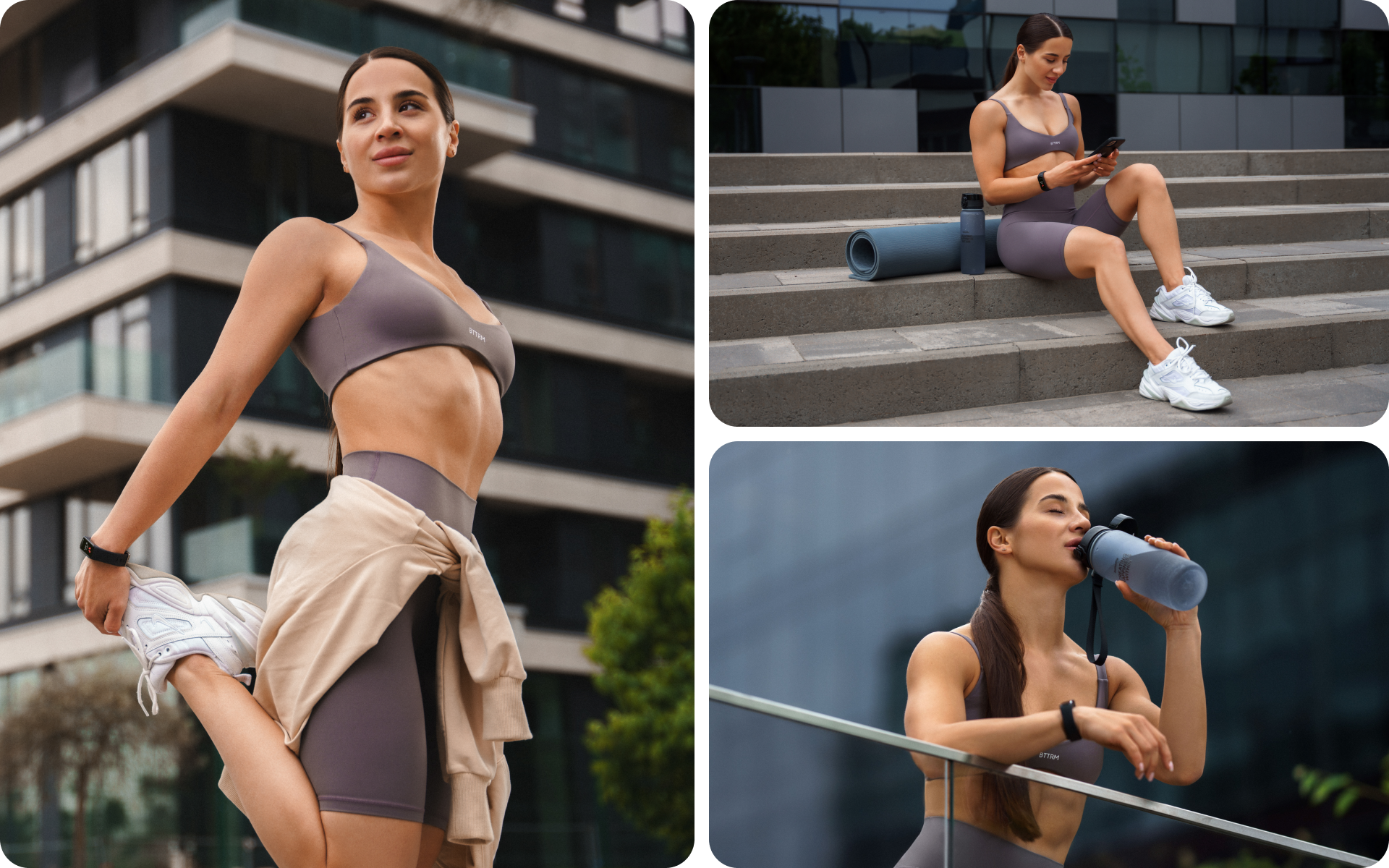
What Shoes and Clothing Can Be Useful for Short Runs?
Shoes and clothing useful for short runs tend to prioritize comfort and fit over hype. You do not need race gear to run 20 minutes every day.
For shoes, look for:
- A comfortable, roomy toe area
- A secure heel and midfoot feel
- No rubbing during a short test run
- A model that suits your comfort and history
For clothing, consider:
- A moisture-wicking shirt
- Shorts or tights that don’t chafe
- A supportive sports bra if needed
- Socks that reduce friction
- Weather-appropriate layers
- Reflective items for early or late runs
The easier your gear feels, the more likely you are to head out the door. Convenience supports consistency more than any single feature.

FAQs
What shoes and clothing can be useful for short runs?
Shoes and clothing that are useful for short runs center on comfort and fit rather than premium features. Choose shoes with a roomy toe box, a secure heel, and no rubbing on a quick test. Pair them with moisture-wicking clothing, friction-reducing socks, and weather-appropriate layers. Reflective items help for early or late outings. Comfortable gear tends to make a daily running routine feel easier and more repeatable.
How far might I run in 20 minutes?
How far you run in 20 minutes will depend on your pace, fitness, and terrain. Many beginners cover roughly 1.5-2.5 miles during an easy 20-minute jog, but this varies widely. Run-walk intervals may shorten that distance, while a faster effort can extend it. Since running by time removes distance pressure, the exact number matters less. Focus on effort and consistency, and let distance follow naturally over time.
Can I split 20 minutes of running into two shorter sessions?
You can split 20 minutes of running into two shorter sessions, such as two 10-minute runs. Some research has suggested that shorter bouts still contribute to overall movement (7). This option suits busy days, warm weather, or tired legs. For example, you might jog 10 minutes in the morning and 10 minutes later. Individual results vary, so choose the format that fits your schedule and comfort best.
Does a 20-minute run need to happen at the same time each day?
A 20-minute run doesn’t need to happen at the same time each day. You can run whenever fits your schedule, whether that’s morning, lunch, or evening. Consistency of the habit tends to matter more than the exact clock time (8). Some people enjoy a fixed slot for routine, while others prefer flexibility. Pick the timing that helps you show up regularly and comfortably.
Can I use a treadmill for a 20-minute running routine?
You can use a treadmill for a 20-minute running routine just as easily as running outdoors. A 20-minute treadmill run offers steady pacing, weather protection, and a cushioned surface. You can adjust speed and incline to match your effort. For example, keep a conversational pace and add a slight incline for variety. Both indoor and outdoor running support a consistent, time-based approach.
What details can I track after each run?
Details you can track after each run include time, effort, and how your body felt. Note your total running minutes, your perceived effort on a 1-10 scale, and your energy afterward. You might also record run-walk ratios, sleep, or mood. For example, jot down “20 minutes, RPE 4, felt strong”. Tracking these simple notes can help you spot patterns and adjust your routine over time.
The Bottom Line
Running for 20 minutes a day gives you a flexible, time-based way to build a movement habit that fits real life. Adjust the pace, run-walk ratios, and rest days to match your body and level, knowing that individual results vary. Lace up when it suits you, stay curious about how your routine feels, and let each short run add to your momentum.
DISCLAIMER:
This article is intended for general informational purposes only and does not serve to address individual circumstances. It is not a substitute for professional advice or help and should not be relied on for making any kind of decision-making. Any action taken as a direct or indirect result of the information in this article is entirely at your own risk and is your sole responsibility.
BetterMe, its content staff, and its medical advisors accept no responsibility for inaccuracies, errors, misstatements, inconsistencies, or omissions and specifically disclaim any liability, loss or risk, personal, professional or otherwise, which may be incurred as a consequence, directly or indirectly, of the use and/or application of any content.
You should always seek the advice of your physician or other qualified health provider with any questions you may have regarding a medical condition or your specific situation. Never disregard professional medical advice or delay seeking it because of BetterMe content. If you suspect or think you may have a medical emergency, call your doctor.
SOURCES:
- Health status of recreational runners over 10-km up to ultra-marathon distance based on data of the NURMI Study Step 2 (2022, nature.com)
- Benefit of human moderate running boosting mood and executive function coinciding with bilateral prefrontal activation (2021, nature.com)
- Quantitative Analysis of 92 12-Week Sub-elite Marathon Training Plans (2024, link.springer.com)
- The talk test as a useful tool to monitor aerobic exercise intensity in healthy population (2023, e-jer.org)
- Rating of perceived exertion in continuous sports: a scoping review with evidence gap map (2025, frontiersin.org)
- Effectiveness of Recovery Strategies After Training and Competition in Endurance Athletes: An Umbrella Review (2024, link.springer.com)
- Short bouts of accumulated exercise: Review and consensus statement on definition, efficacy, feasibility, practical applications, and future directions (2026, sciencedirect.com)
- Time to Form a Habit: A Systematic Review and Meta-Analysis of Health Behaviour Habit Formation and Its Determinants (2024, mdpi.com)

 Reviewed by


 By
By 
 By
By