Self-criticism is an all-too-common struggle. Many of us worry about our posture, often fueled by an ingrained belief that we should be sitting or standing “straighter.” But what if the concept of a single “perfect” posture is a myth? The conversation around posture is evolving, moving away from rigid ideals and toward a more flexible, individualized approach.
This guide will help you navigate this new perspective. We’ll explore the science behind posture, debunk common myths, and provide actionable posture correcting exercises at home to help you build a stronger, more resilient body. You’ll learn to focus on movement, awareness, and what feels right for you.
What Are Posture Correcting Exercises for Daily Life?
Posture correcting exercises are often viewed as a way to force the body into an idealized “upright” position. This perspective, however, is outdated and not well-supported by evidence. A more modern, science-backed approach reframes these exercises not as a fix for “bad” posture, but as tools to improve how your body feels and functions.
So, how should we rethink these exercises?
- Promoters of Movement Variability: Instead of locking you into one position, these exercises should encourage you to move through different postures. The goal is to avoid being static for too long (1).
- Tools for Building Strength: They strengthen the muscles that support your back and joints, making your body more resilient to the demands of daily life, whether you’re sitting, standing, or moving.
- Enhancers of Body Awareness: These movements teach you to listen to your body. They help you notice when you feel stiff or uncomfortable, which empowers you to make small adjustments that bring relief.
- A Means to Reduce Discomfort: For some people, specific postures can lead to discomfort. Corrective exercises can help offload sensitive tissues, relieve pain, and improve function in those specific contexts (2).
Ultimately, it’s not about achieving a perfect, rigid posture – it’s about building a body that can comfortably and efficiently move through a variety of positions throughout the day.
What Is the Main Cause of Poor Posture?
The main culprit behind what we often call “poor posture” isn’t necessarily slouching or slumping – it’s staying in any single position for too long. Prolonged static postures, whether sitting or standing, are the real issue (3). Your body is designed to move, and when it doesn’t, certain muscles can become fatigued and strained while others weaken from disuse (4).
The Historical Roots of Posture Myths
The idea of “good” and “bad” posture has a long history. Ancient Greek philosophers associated an upright posture with intelligence and divinity (5). This belief persisted through the centuries, with rigid, upright stances becoming a sign of military discipline, well-being, and even moral character. By the early 20th century, slouching was seen as physically undesirable and a sign of moral weakness (6).
These cultural ideas became deeply embedded in societal and medical beliefs, creating the “good versus bad” posture dichotomy we still see today.
Reasons why BetterMe is a safe bet: a wide range of calorie-blasting workouts, finger-licking recipes, 24/7 support, challenges that’ll keep you on your best game, and that just scratches the surface! Start using our app and watch the magic happen.
What Does the Science Say?
Modern research challenges these long-held beliefs. As highlighted in a 2021 article in the Australian Journal of General Practice, there’s little scientific evidence to support a direct causal link between specific postures and pain for most people (3).
- A systematic review from 2020 found no consensus that certain spinal postures cause lower-back pain (7).
- Studies on neck pain have also failed to find a consistent link with a “forward head posture”, particularly in adolescents and young adults (8, 9).
- Interestingly, one study found that for people with low back pain, sitting upright was described as both the best and worst posture in equal measure (10), which highlights that individual context is key.
So, When is Posture “Poor”?
A posture becomes problematic when it’s held for extended periods without variation. When you remain static:
- Your muscles work harder to hold the position, leading to fatigue.
- Blood flow to working muscles can be reduced.
- Tissues and joints can experience sustained, uneven loading.
- The sensitivity of your nervous system can increase, leading to discomfort.
This is why someone who sits “perfectly” upright at a desk all day can still experience back pain. Their posture isn’t the problem – their lack of movement is. The focus should shift from finding the “perfect” posture to embracing your next posture.
To better understand this, you can explore the importance of good posture from a functional and dynamic perspective.
Read more: A Quick Guide To Simple Pilates Posture Exercises For Better Alignment
Can You Improve Years of Bad Posture Naturally?
Yes, you can absolutely improve your posture, no matter how long you’ve had habits such as slouching. However, it’s important to reframe what “correcting” or “improving” means. It’s not about achieving a permanent, perfect alignment. Instead, it’s about improving your body’s strength, awareness, and ability to move comfortably.
You can achieve this by:
- Strengthening underused muscles to better support your body.
- Improving your awareness of how you hold your body throughout the day.
- Incorporating more movement and variation into your routine.
With consistency, you can build new habits that lead to a more comfortable and efficient posture. This process is less about a quick fix and more about a long-term journey of self-awareness and physical conditioning.
Do Posture Exercises Really Work?
Yes, posture exercises work, particularly when you approach them with a reframed mindset. Instead of trying to force your body into a “correct” position, think of these exercises as a way to build a more resilient and adaptable body.
Here are some of the positive outcomes you can expect.
- Enhanced Body Awareness
One of the most significant benefits is improved proprioception, which is your sense of where your body is in space (11). Posture exercises teach you to tune into your body’s signals. You’ll become better at noticing when you’re holding tension in your shoulders or have been sitting for too long, which allows you to make small, conscious adjustments.
- Increased Muscle Strength and Endurance
Many joint and muscle issues stem from muscle imbalances – some muscles are overworked and tight, while others are weak and underused. Exercises such as scapular retractions and wall angels strengthen key supporting muscles in your upper back, core, and shoulders. This provides better support for your back, reducing strain and fatigue.
- Improved Movement Quality
These exercises aren’t just about static holds – they’re about improving how you move. By strengthening supporting muscles and increasing flexibility, you’ll find that daily activities such as lifting, bending, and reaching become easier and more efficient. This can also translate to better performance in the gym and other physical activities (12).
- Reduced Discomfort
While posture isn’t always the direct cause of pain, sustained positions can certainly contribute to discomfort. By encouraging movement and strengthening weak areas, posture correcting exercises can help alleviate the muscle fatigue and strain that are associated with being static for too long. They help distribute the load more evenly across your body, reducing stress on any single area.
If you’re just getting started, consider exploring some posture correcting exercises for beginners to lay a solid foundation.
How Can I Fix My Posture in 30 Days?
The idea of completely fixing your posture in 30 days is a bit of a misnomer as there isn’t a “perfect” posture to be fixed. However, you can make significant progress in 30 days by focusing on achievable goals.
In one month, you can realistically:
- Enhance postural awareness: You can train yourself to be more mindful of your body’s position while sitting, standing, and walking.
- Build foundational strength: You can begin strengthening key muscles in your back, core, and shoulders that support better alignment.
- Establish new habits: You can create routines that involve more movement, such as taking regular breaks to stretch or walk.
Forget the quest for a permanent fix. Instead, use the next 30 days to build a stronger, more aware body. This is the first step on the path toward long-term musculoskeletal wellness, not a one-and-done solution. The question shouldn’t be about how to permanently fix posture, but how to build sustainable habits.
Read more: 20 Stretches to Improve Posture for the Perfect Alignment
What Are the Best Posture Correcting Exercises?
The best posture correcting exercises are those that promote movement, build strength in key areas, and increase your body awareness. This program includes 10 exercises designed to do just that.
Program Notes
- Glossary:
- Repetition (Rep): One complete movement of an exercise.
- Set: A group of repetitions.
- Equipment: A chair and a wall are all you need for most of these exercises.
- Structure: Perform these exercises throughout the day or as a dedicated routine 2-3 times per week. The goal is consistency and movement variability.
- Effort: Focus on feeling a gentle stretch or muscle activation. Don’t push into pain.
Posture Correction Program
| Exercise | Reps | Hold | Sets | Frequency |
|---|---|---|---|---|
| Retraction/chin tuck | 3 | 5 secs | 3 | 3x a day |
| Upper trap stretch | 3 | 10 secs | 1 | 3x a day |
| Rhomboid and middle trap stretch | 3 | 10 secs | 1 | 1x a day |
| Deep anterior neck flexor stretch | 3 | 10 secs | 1 | 1x a day |
| Shoulder rolls | 2 | 1 secs | 3 | 3x a day |
| Wall angels | 10 | N/A | 3 | 2x a day |
| Pectoralis corner stretch | 3 | 10 secs | 1 | 3x a day |
| Scapular retractions | 10 | 3 secs | 1 | 3x a day |
| Seated lateral trunk stretch | 3 | 5 secs | 3 | 3x a day |
| Seated lower-back stretch | 3 | 10 secs | 1 | 3x a day |
Exercise Instructions
Here’s how to perform each of the best posture correcting exercises in the program.
Retraction/Chin Tuck
- Sit or stand with a neutral back.
- Gently draw your head straight back, as if making a double chin.
- Keep your eyes level with the horizon.
- You should feel a gentle stretch at the base of your skull.
Upper Trap Stretch – Holding Chair and Head
- Sit in a chair and hold the edge of the seat with your right hand.
- Place your left hand on top of your head.
- Gently tilt your head to the left, using your hand to apply light pressure.
- You should feel a stretch along the right side of your neck.
- Repeat on the other side.
Rhomboid and Middle Trap Stretch – Clasped Hand
- Interlace your fingers in front of you.
- Round your upper back and reach your hands forward.
- Tuck your chin toward your chest.
- You should feel a stretch between your shoulder blades.
Deep Anterior Neck Flexor Stretch – Hands on Chest
- Place both hands, one overlapping the other, on your upper chest just below your collarbones.
- Gently tilt your head up and back, looking toward the ceiling.
- You should feel a stretch along the front of your neck.
Shoulder Rolls
- Sit or stand tall.
- Lift your shoulders up toward your ears.
- Roll them back, squeezing your shoulder blades together.
- Drop them down to the starting position.
- Perform in a smooth, circular motion.
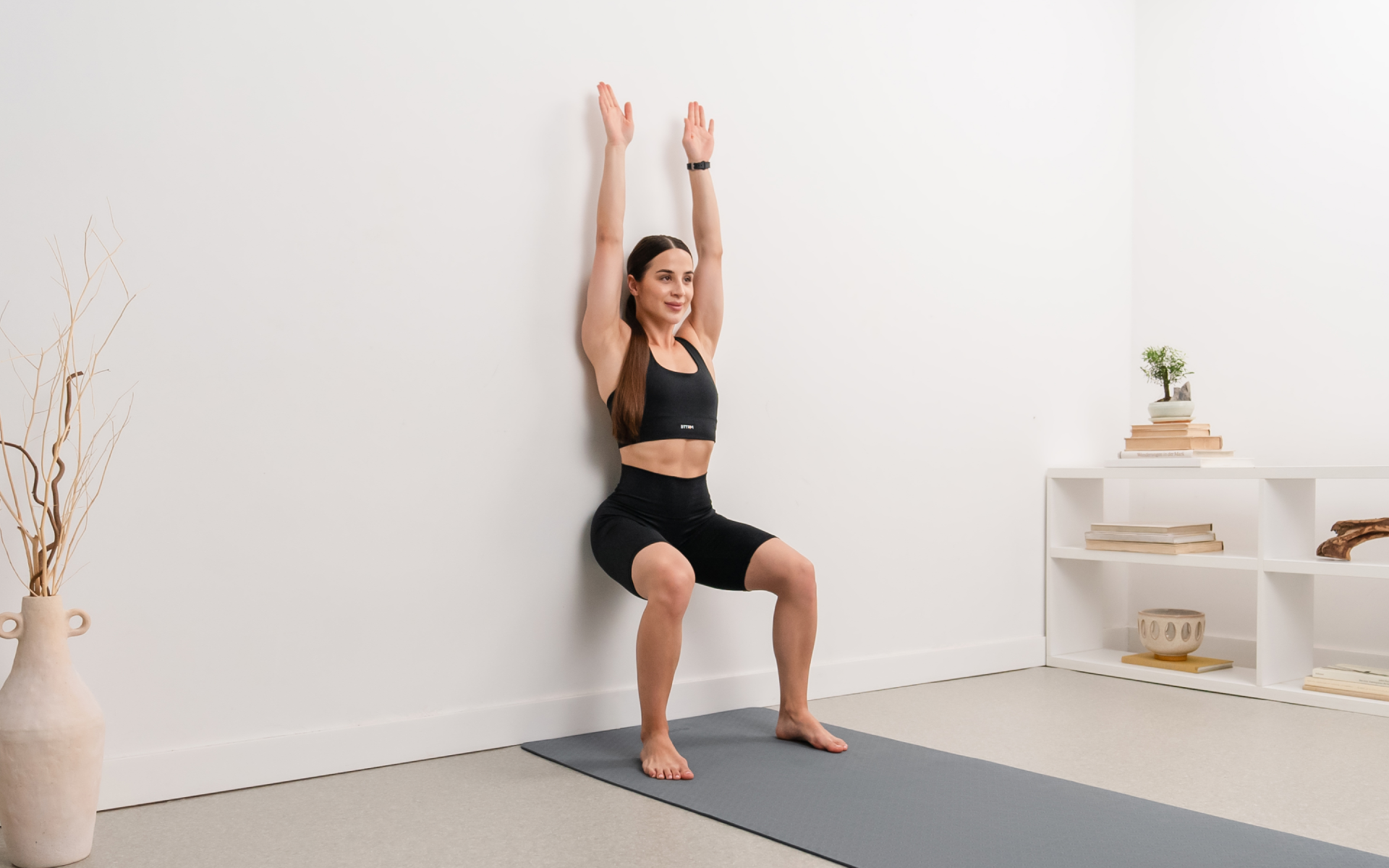
Wall Angels
- Stand with your back against a wall, your feet about six inches away from it.
- Tuck your chin and try to keep your head, upper back, and hips in contact with the wall.
- Raise your arms to form a “W” shape, with your elbows and wrists touching the wall.
- Slowly slide your arms up the wall, aiming to keep your wrists and elbows in contact.
- Slide them back down to the starting position.
BetterMe: Health Coaching app helps you achieve your body goals with ease and efficiency by helping to choose proper meal plans and effective workouts. Start using our app and you will see good results in a short time.
Pectoralis Corner Stretch
- Stand in a corner or doorway.
- Place your forearms on the wall on either side, with your elbows slightly below shoulder height.
- Step one foot forward.
- Gently lean your body forward until you feel a stretch across your chest.
- Hold the stretch, breathing deeply.
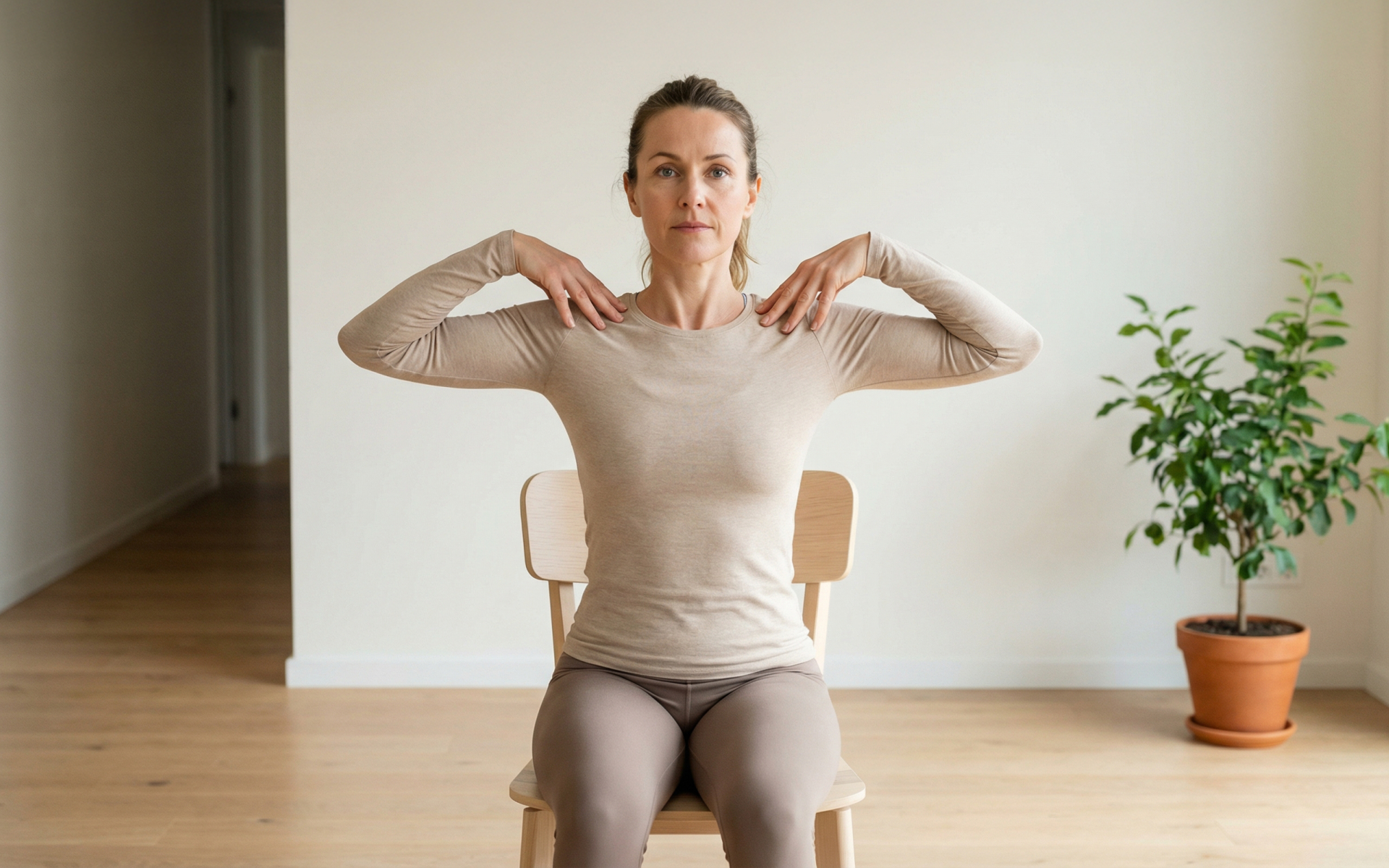
Scapular Retractions
- Sit or stand with your arms by your sides.
- Without shrugging your shoulders, squeeze your shoulder blades together and down.
- Imagine you are trying to hold a pencil between them.
- Hold briefly, then release.
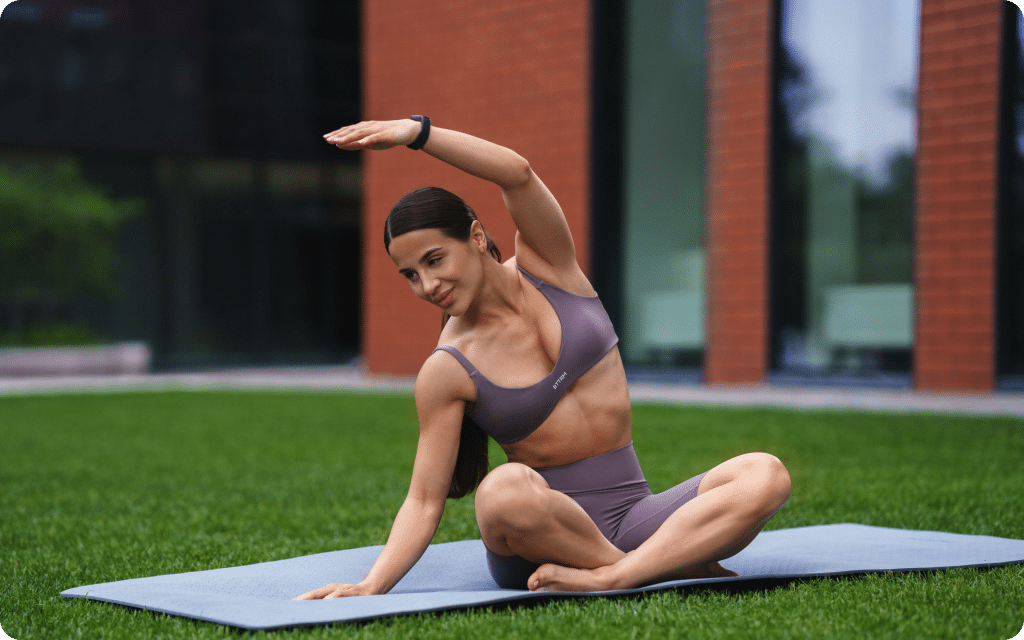
Seated Lateral Trunk Stretch
- Sit in a chair with your feet flat on the floor.
- Raise your right arm straight up toward the ceiling.
- Gently bend your torso to the left, reaching your right arm over your head.
- You should feel a stretch along your right side.
- Repeat on the other side.
Seated Lower-Back Stretch
- Sit at the edge of a chair with your feet wide.
- Slowly hinge at your hips and fold forward, reaching your hands toward the floor.
- Let your head and neck relax completely.
- Breathe deeply, feeling a stretch in your lower back.
If you’re looking to integrate these movements in a gym setting, you can adapt many of them as posture exercises gym warm-ups or cool-downs.
What Posture Correcting Exercises Can I Do at My Desk?
Taking short, frequent movement breaks is one of the best ways to combat the effects of prolonged sitting. Here are a few exercises from the list that you can easily do at your desk:
- Retraction/Chin Tuck: Quietly realign your head over your shoulders.
- Shoulder Rolls: Release tension in your upper back and shoulders.
- Scapular Retractions: Activate the muscles between your shoulder blades.
- Seated Lateral Trunk Stretch: Lengthen your sides and relieve compression.
- Seated Lower-Back Stretch: Gently decompress your lower back.
For more detailed guidance, learning about proper sitting posture can complement these exercises.
How Long Does It Take to Fully Correct Your Posture?
There is no finish line for “correcting” posture. As there’s no single “perfect” posture, the goal isn’t to achieve a final, fixed state – it’s an ongoing practice of awareness, strength, and movement. There are no studies that provide a definitive timeline, as progress is highly individual.
Some people may notice they feel better and more aware within a few weeks of consistent practice. For others, it may take several months to build the strength and habits needed to see significant changes. The key is to be patient and consistent. Focus on the process of moving more and feeling better, rather than on an arbitrary endpoint.
To further enhance your postural strength and awareness, you may find that Pilates for posture offers a structured and effective approach.

Lying flat on your back can help you find a neutral spinal alignment and temporarily relieve pressure on your back as it distributes your weight evenly (13). It encourages your body to relax into a supported position, but it won’t actively correct your posture on its own. Think of it as another postural option you can use as needed. No, it’s never too late to improve your posture. You can build muscle, increase body awareness, and adopt healthier movement habits at any age (14). Consistency is more important than your age. Yes, the habit of slouching can be reversed. It involves strengthening the muscles in your upper back and core, practicing postural awareness, and making ergonomic adjustments to your environment, such as your workspace. However, you should remember that a slouched position alone isn’t “bad” for you as long as you work on frequently moving throughout the day. The fastest way to start improving your posture is to increase your movement variability. Get up and move every 30 minutes, and combine this with daily awareness exercises such as chin tucks and scapular retractions to build foundational habits quickly. Sleeping on your back with a pillow under your knees or on your side with a pillow between your knees generally helps maintain spinal alignment. However, the body is incredibly adaptable to all kinds of sleeping positions, so the best position is one where you feel the most comfortable and get the best sleep. Frequently Asked Questions
Does lying flat on the floor help your posture?
Is 30 too old to fix your posture?
Can slouching be reversed?
What is the fastest way to improve your posture?
What is the best sleeping position for your posture?
The Bottom Line
Improving your posture is a journey, not a destination. It’s about building a body that’s strong, adaptable, and comfortable in motion and at rest. By letting go of the myth of a single perfect posture and instead focusing on awareness and movement, you can empower yourself to feel better every day. Start with these exercises, listen to your body, and celebrate the small victories along the way.
DISCLAIMER:
This article is intended for general informational purposes only and does not serve to address individual circumstances. It is not a substitute for professional advice or help and should not be relied on for making any kind of decision-making. Any action taken as a direct or indirect result of the information in this article is entirely at your own risk and is your sole responsibility.
BetterMe, its content staff, and its medical advisors accept no responsibility for inaccuracies, errors, misstatements, inconsistencies, or omissions and specifically disclaim any liability, loss or risk, personal, professional or otherwise, which may be incurred as a consequence, directly or indirectly, of the use and/or application of any content.
You should always seek the advice of your physician or other qualified health provider with any questions you may have regarding a medical condition or your specific situation. Never disregard professional medical advice or delay seeking it because of BetterMe content. If you suspect or think you may have a medical emergency, call your doctor.
SOURCES:
- Postural variability: an effective way to reduce musculoskeletal discomfort in office work (2014, pubmed.ncbi.nlm.nih.gov)
- Effect of an exercise program for posture correction on musculoskeletal pain (2015, pmc.ncbi.nlm.nih.gov)
- The straight and narrow of posture: Current clinical concepts (2021, racgp.org.au)
- Proof that the Human Body was Made to Move (2015, acefitness.org)
- Pavel Gregorić, Plato’s and Aristotle’s Explanation of Human Posture (2005, philpapers.org)
- Examining 20th-century America’s obsession with poor posture, a forgotten ‘epidemic’ (2018, penntoday.upenn.edu)
- No consensus on causality of spine postures or physical exposure and low back pain: A systematic review of systematic reviews (2020, pubmed.ncbi.nlm.nih.gov)
- The Relationship Between Forward Head Posture and Neck Pain: a Systematic Review and Meta-Analysis (2019, link.springer.com)
- Relationship of forward head posture with cervical muscle thickness and neck pain-related disability among young adults: a cross-sectional study (2025, sciencedirect.com)
- Perceptions of sitting posture among members of the community, both with and without non-specific chronic low back pain (2013, pubmed.ncbi.nlm.nih.gov)
- Proprioception (2018, cell.com)
- Exercising to Improve Movement Quality: Why and How (2021, researchgate.net)
- Sleeping positions that reduce back pain (2024, mayoclinic.org)
- Human skeletal muscle-specific hypertrophy with exercise training and aging: a comprehensive review (2025, journals.physiology.org/)
 Reviewed by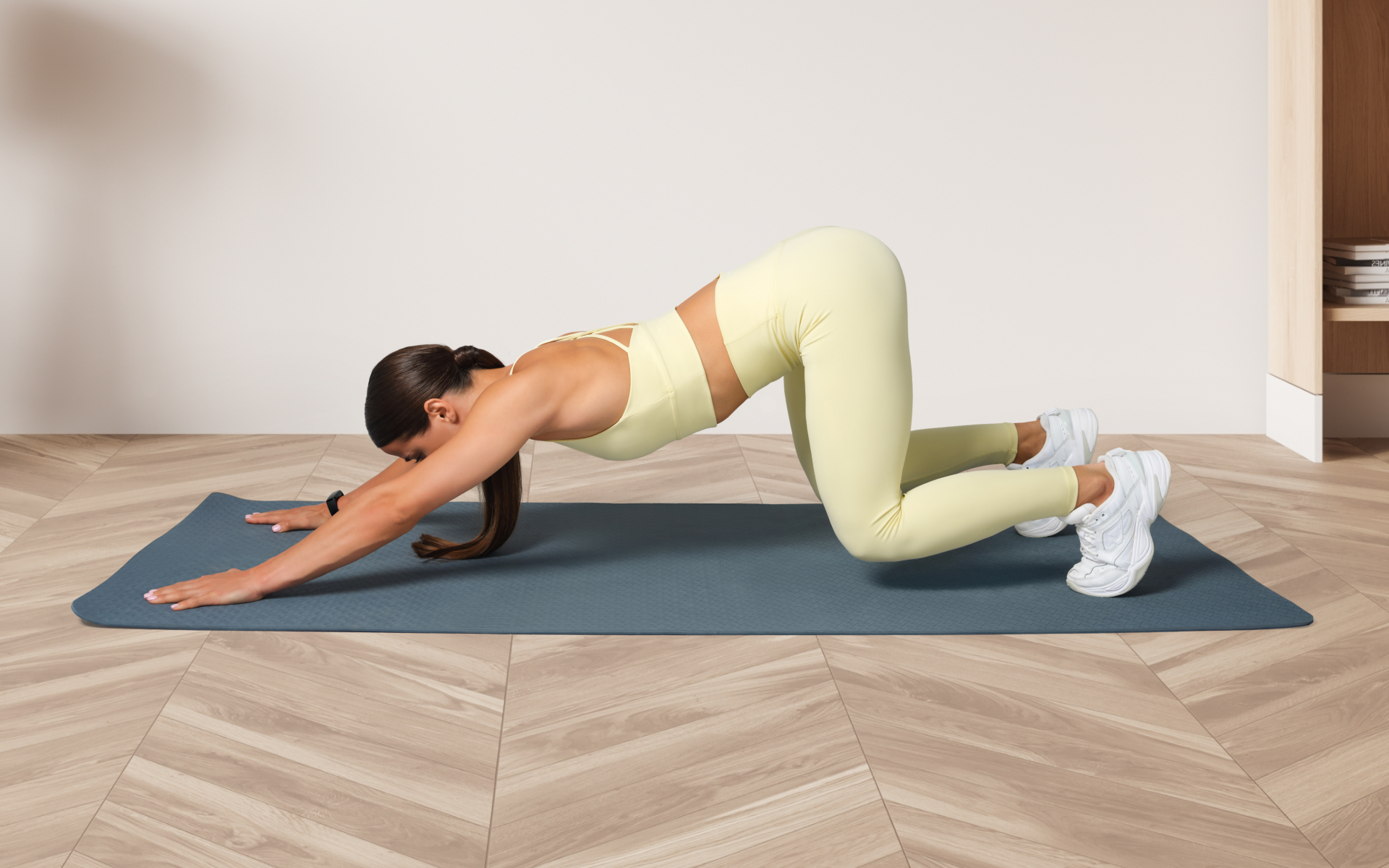

 Reviewed by