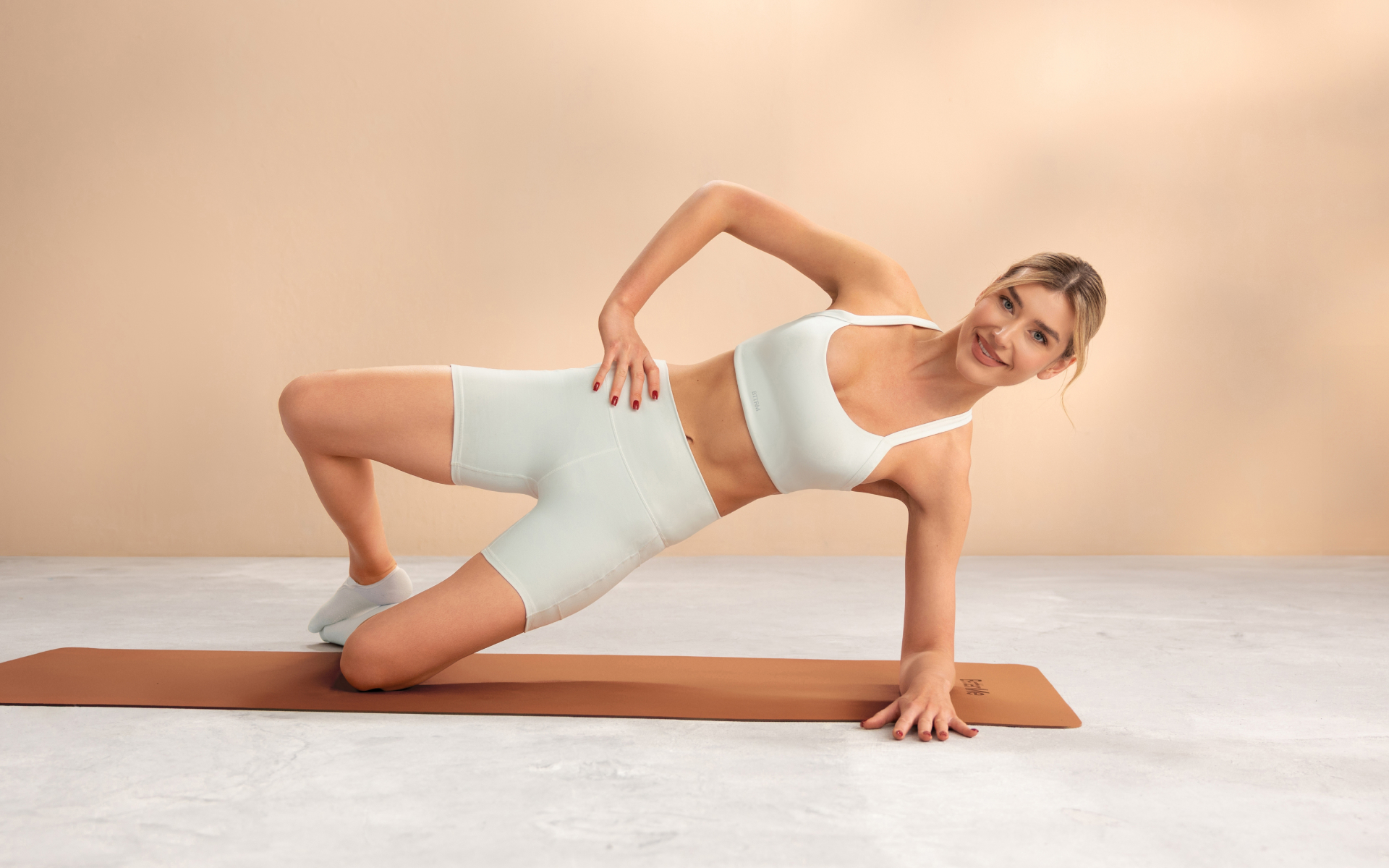
There’s a lot to love about doing Pilates at home. You can move on your own schedule, set up in your own space, and build a routine that fits naturally into your day.
At the same time, building a home Pilates kit can feel a little overwhelming at first. With so many options out there, it’s not always easy to know which pieces are worth starting with and what will suit your space, budget, and experience level.
This guide breaks down what to look for when building a home Pilates kit, from the basic essentials to the extra equipment you may want to add over time.
How Do I Choose Pilates Equipment for Home Use?
Choosing Pilates equipment for home use comes down to a few practical factors: your space, budget, fitness goals, and the quality of the equipment. Keeping these in mind can help you build a setup that supports your routine.
1. Consider Your Space
Start by looking at the space you have at home. Are you working with a dedicated workout room, or just a small corner in your living room or bedroom? Your available space will help determine which types of Pilates equipment make the most sense for you.
If space is limited, compact and multifunctional tools like resistance bands, Pilates balls, and foam rollers can be a practical place to start. They’re lightweight, easy to store, and work well for a variety of exercises. With more room, you may also want to consider larger equipment like a Pilates reformer or stability chair. Some reformers are foldable, which can make storage easier.
2. Stick to Your Budget
Pilates equipment comes in a wide range of price points, so it helps to set a budget before you start shopping. For beginners, a few affordable essentials, such as a mat, resistance bands, and a foam roller, are often enough to get started. From there, you can gradually add more equipment as your routine develops, without stretching your budget too much.
3. Keep Versatility in Mind
If space and budget are limited, it makes sense to choose equipment that can be used in different ways. Resistance bands, for example, come in different tension levels and can support both strength and flexibility work. Foam rollers are also versatile and are often used in mobility-focused routines.
4. Prioritize Quality and Durability
Well-made tools tend to last longer, feel better to use, and hold up more reliably over time. While it may be tempting to choose the cheapest option, investing in durable essentials can be a better long-term choice. A few reliable pieces can go a long way in helping you build a home Pilates routine that feels practical and easy to maintain.
Do You Need a Mat?
In most cases, yes. A mat is often the foundation of a home Pilates setup, as it adds cushioning and grip for floor-based movements. It can also make exercises feel more comfortable and help create a more stable surface for your practice.
When choosing a Pilates mat, here are a few things to keep in mind:
Thickness: A thickness of around 6–8 mm is commonly recommended for Pilates. This range can provide cushioning for floor exercises while still supporting controlled movement.
Material: PVC mats are usually more affordable and durable, but they are less eco-friendly. TPE mats offer a balance of cushioning, grip, and a lighter environmental footprint. Natural rubber mats tend to have a strong grip and can feel more premium, though they are often heavier.
Grip surface: Look for a mat with a textured, non-slip surface. Ideally, it should stay in place on the floor and help your hands and feet feel more secure during movement.
What Should a Home Pilates Kit Include?
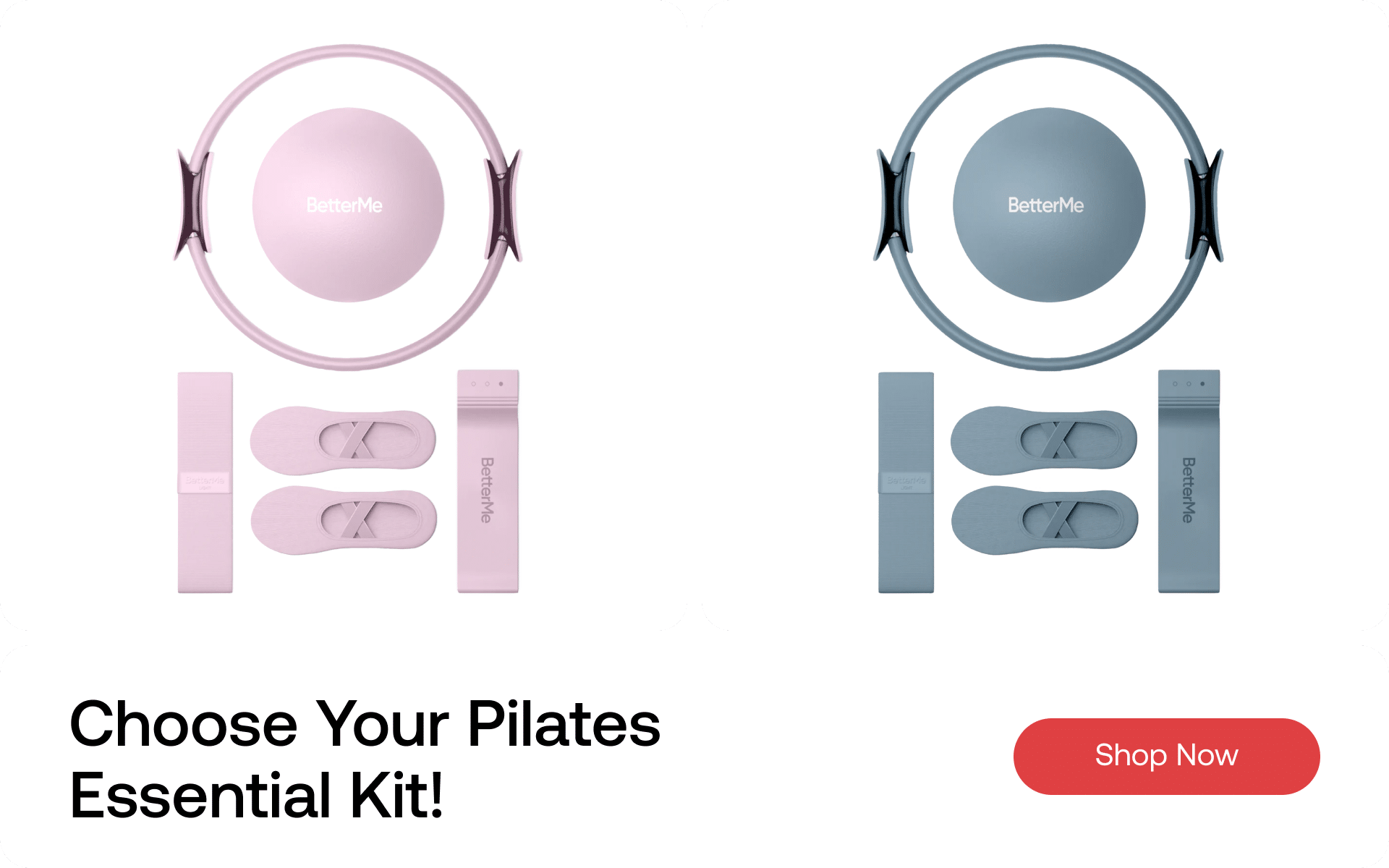
The equipment you need will depend on the kind of workouts you want to do and how simple or varied you want your home setup to be. Still, there are a few core pieces that work well for many Pilates routines:
Resistance Bands
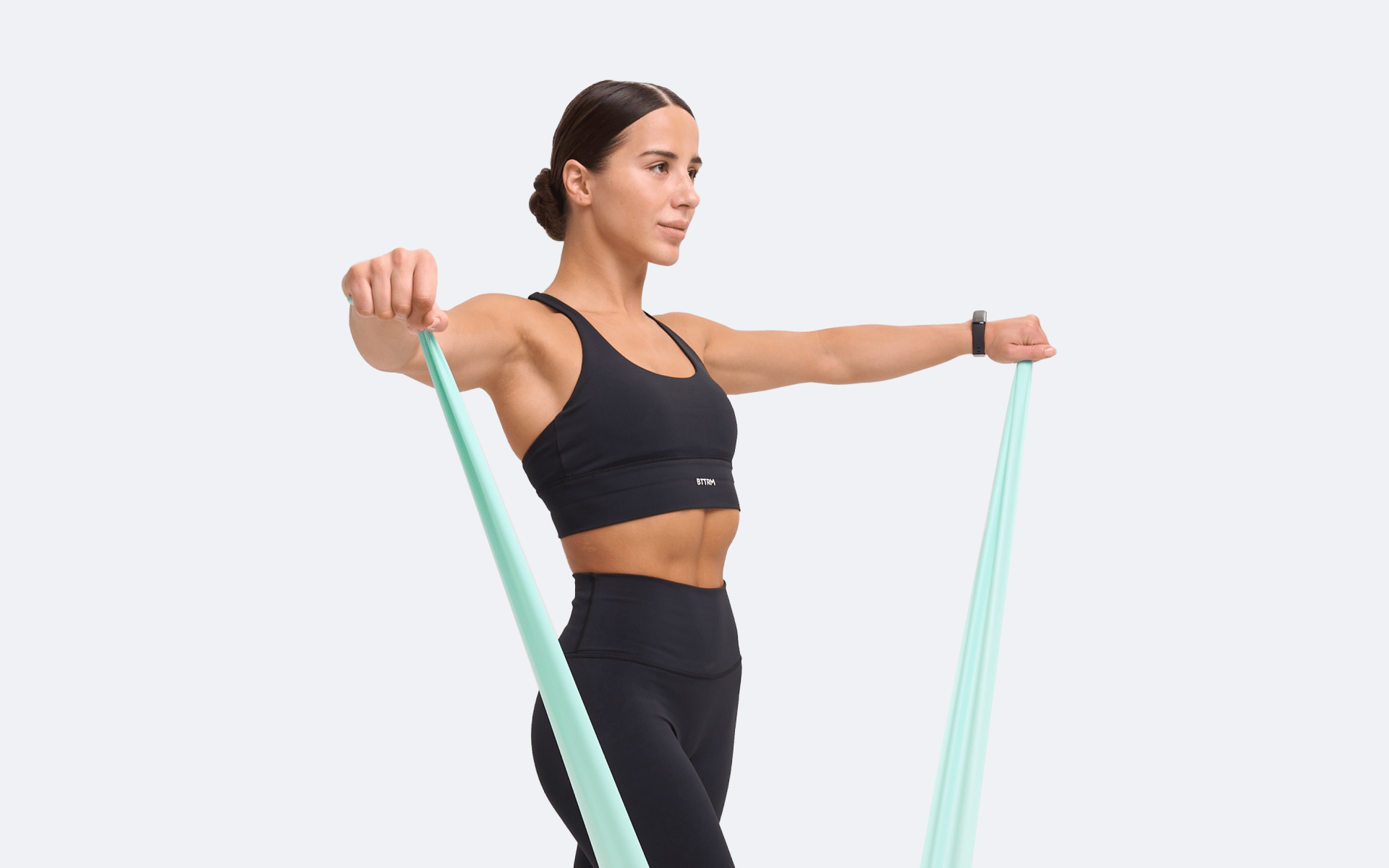
Resistance bands are one of the most practical tools to include in a home Pilates kit. They’re lightweight, easy to store, and useful for adding resistance to a wide range of movements. They can also work well for both strength-focused and mobility-focused exercises.
What to look for:
- Different resistance levels, such as light, medium, and heavy
- High-quality latex or fabric that holds up well with regular use
- Loop bands for convenience or flat bands for more versatility
Pilates Ball
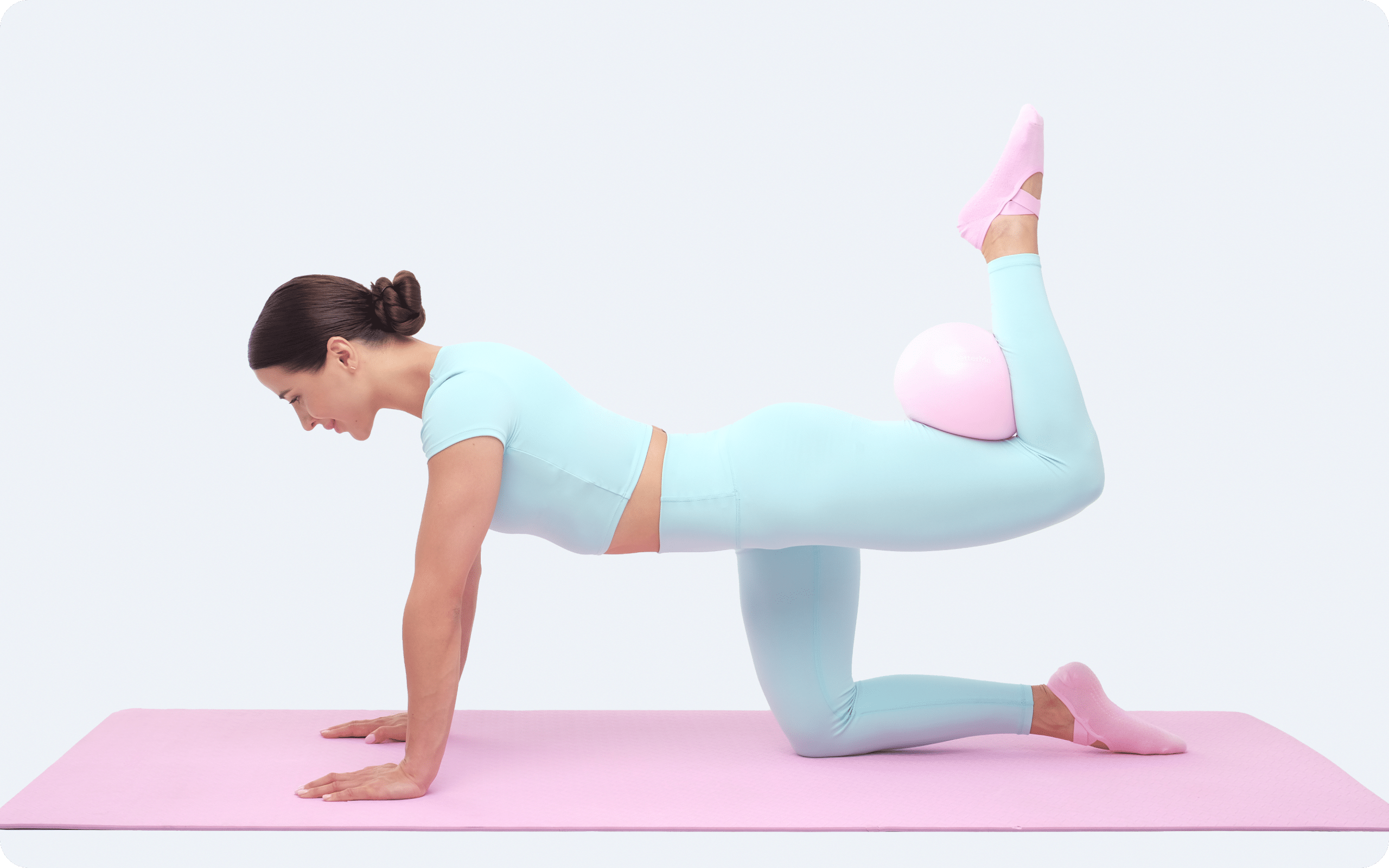
A Pilates ball can bring more variety to your routine and is often used in exercises that involve balance, control, and core engagement. Depending on your preference, you may choose a larger stability ball or a smaller Pilates ball for more targeted movements.
A larger ball can work well for seated exercises, while a mini ball is often used for movements like inner thigh squeezes or for added support in certain floor exercises.
What to look for:
- Anti-burst material
- A size that fits your space and the types of exercises you want to do
- A lightweight, portable design if easy storage matters to you
Magic Circle (Pilates Ring)
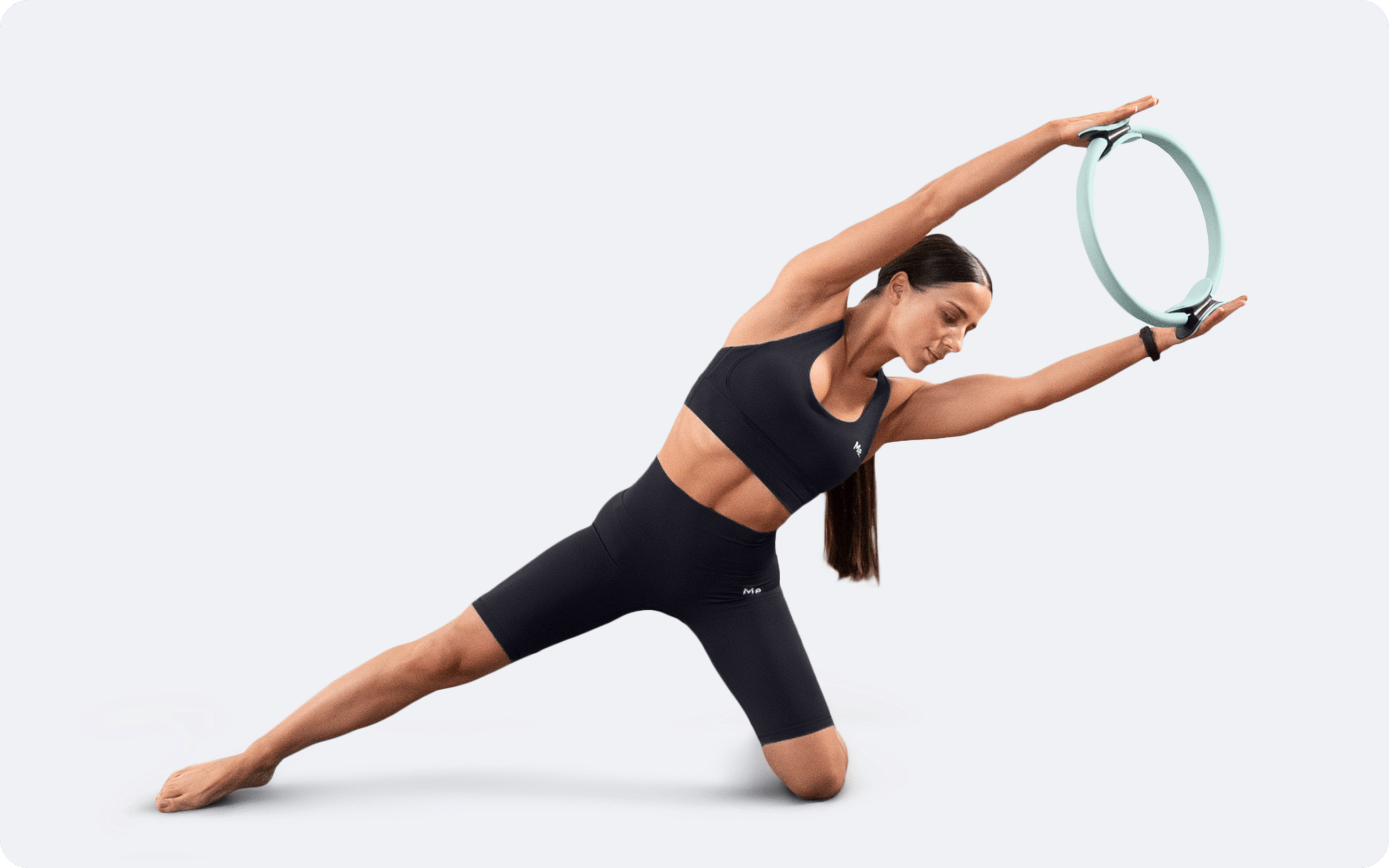
A magic circle adds light resistance to Pilates exercises and is often used for upper-body, lower-body, and core-focused movements. Its compact size also makes it easy to store at home.
What to look for:
- Sturdy but flexible materials, such as fiberglass or metal
- Comfortable, non-slip pads on the inner and outer sides
- A lightweight design that feels easy to handle and store
Sliders (Gliding Discs)
Sliders can add variety to your home Pilates routine by increasing the challenge of balance- and control-based movements. They are small, easy to store, and can be used for a range of full-body exercises.
What to look for:
- Dual-sided design for use on different floor types
- Smooth edges that won’t mark or scratch the floor
- A compact shape that’s easy to store between workouts
Beginner vs. Advanced Kit: What’s the Difference?
The right setup depends on your experience level, the kinds of workouts you want to do, and how much variety you want in your routine.
Beginner kit:
If you’re just starting out, it often makes sense to keep things simple. A mat, a set of light-to-medium resistance bands, and a mini Pilates ball can cover many beginner-friendly exercises. These tools can help you get comfortable with the basics and build confidence in your practice.
Advanced kit:
If you already have experience with Pilates and want more variety, you may want to expand your setup. A magic circle can add light resistance to targeted movements, sliders can increase the challenge of balance- and control-based exercises, and heavier resistance bands can offer more progression options. Some people may also choose to add a Pilates reformer for a wider range of exercises at home.
No matter your level, it usually makes sense to start with what you need now and build from there. If you want to compare different options, you can explore BetterMe’s equipment collection.
Can Beginners Use a Home Pilates Kit Effectively?
Yes, Pilates can be a beginner-friendly way to build a home workout routine, especially when you start with simple, versatile equipment.
A mat and resistance bands are often enough to help you learn the basics and build confidence in your practice. As you become more comfortable, you can gradually add equipment like a Pilates ring or ball for more variety.
What Exercises Can I Perform with a Home Pilates Kit?
A home Pilates kit can support a wide range of exercises, making it easier to build a routine that includes strength, control, flexibility, and core work. The exact movements you do will depend on the equipment you have, but even a few simple tools can add variety to your workouts.
Resistance Band Exercises
Resistance bands can be used in both strength-focused and mobility-focused movements.
Exercise: Seated Row
How to do it:
- Sit on the mat with your legs extended in front of you.
- Wrap the resistance band around the soles of your feet and hold both ends in your hands.
- Sit tall, engage your core, and keep your shoulders relaxed.
- Pull the band toward you, bending your elbows and drawing your shoulder blades back.
- Slowly return to the starting position and repeat for 10–12 reps.
What it works: This exercise targets the upper back and shoulders and can support better posture and upper-body control.
Pilates Ball Exercises
A Pilates ball can be used in exercises that involve balance, control, and lower-body engagement.
Exercise: Squat with Ball Squeeze
How to do it:
- Place the Pilates ball between your knees.
- Squeeze the ball gently to keep it in place as you lower into a squat, keeping your chest lifted and back straight.
- Pause briefly at the bottom, then slowly return to standing.
- Repeat for 12–15 reps.
What it works: This movement engages the glutes, inner thighs, and core while encouraging control through the movement.
Magic Circle Exercises
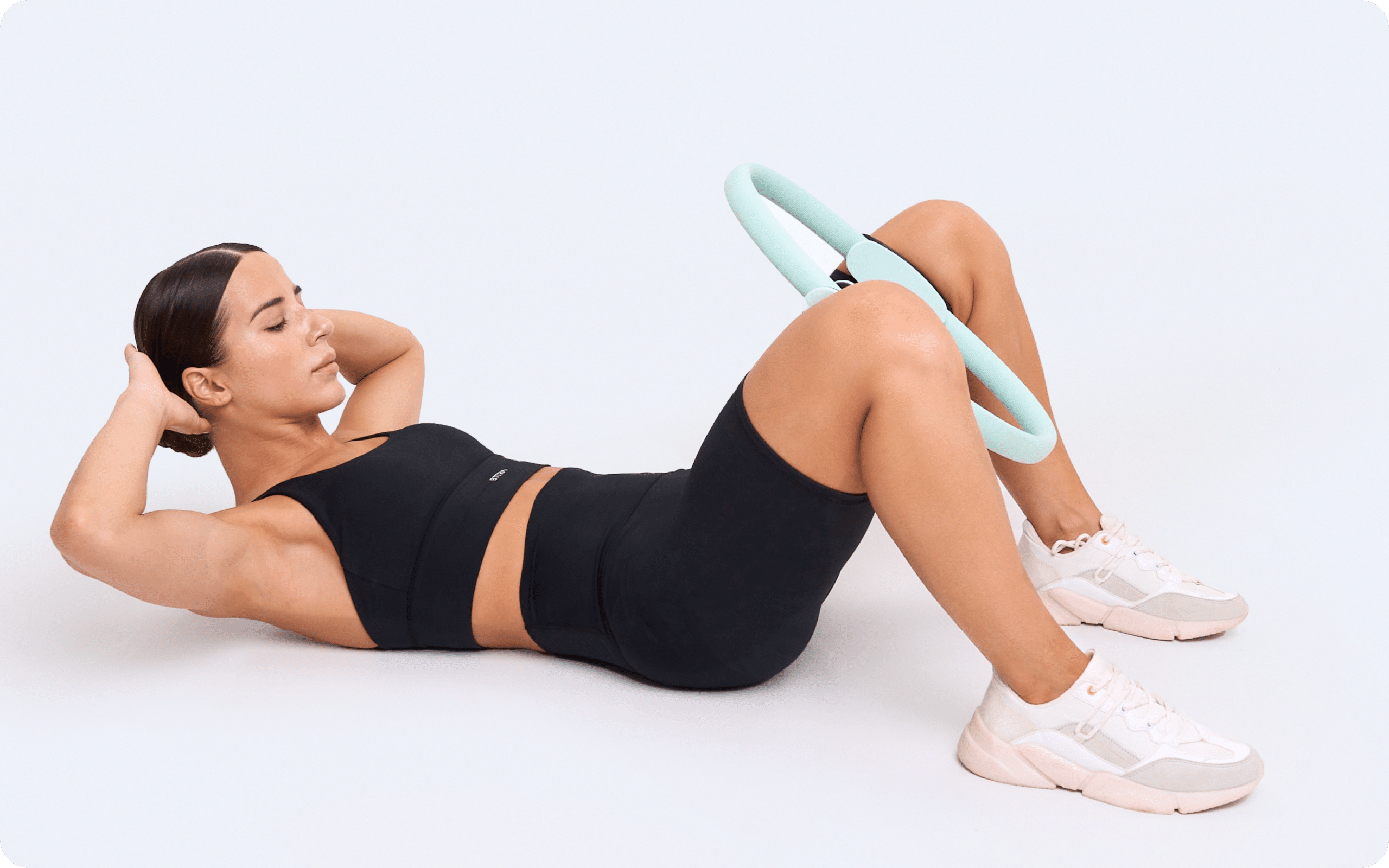
A magic circle adds light resistance and can be used in upper-body and core-focused exercises.
Exercise: Chest Press
How to do it:
- Hold the circle in front of you with your arms extended and your palms facing inward.
- Press into the circle as you extend through the arms.
- Slowly return to the starting position while maintaining light pressure on the ring.
What it works: This exercise engages the chest, arms, and core.
How to Incorporate These Exercises into Your Routine
A simple way to get started is with 20–30 minute sessions, 2–3 times a week. You can combine a few exercises from different equipment categories to create a routine that gives different muscle groups attention throughout the week.
As you build consistency, you can adjust the length of your sessions or add more variety to your workouts. The most important thing is to focus on slow, controlled movement and proper form, rather than rushing through exercises.
Benefits of Building a Home Pilates Kit
A home Pilates kit can make it easier to build a routine that fits into everyday life. You can start with a few essentials, use them across a range of exercises, and gradually add more equipment over time, which helps keep your practice flexible and easier to maintain.
How Much Space Do I Need for a Home Pilates Setup?
In many cases, an area of about 6 ft by 6 ft is enough for a comfortable workout. If you have less room, many Pilates movements can still be adapted to fit a smaller space. With a few compact tools, you may be able to practice in a living room, bedroom, or even a hotel room when traveling.
How to Build an Affordable Home Pilates Kit
If you’re trying to keep costs down, it can help to compare options from different retailers and focus first on the pieces you’re most likely to use regularly. Buying used equipment may also be an option, as long as it is in good condition and shows no signs of damage or heavy wear.
When possible, it can be worth choosing a few durable essentials rather than replacing lower-quality gear too often. If you want to compare a few starter options, you can browse BetterMe’s equipment collection.
Frequently Asked Questions
Can I do Pilates at home without any equipment?
Yes, many Pilates exercises use bodyweight and controlled movement, so you do not need much to get started. A mat is often enough for basic floor exercises. At the same time, adding one or two simple tools, such as a resistance band or a small Pilates ball, can give you more variety in your routine.
Do I need previous experience to start a home Pilates practice?
Not at all. Pilates can be approachable for beginners, especially when you start with simple movements and focus on learning the basics. As you become more comfortable, you can gradually build up to more advanced exercises.
How do I learn to use home Pilates equipment properly?
You can start with beginner-friendly tutorials, guided videos, or app-based workouts that show how each piece of equipment is used. It often helps to begin with simple exercises and build from there as you grow more confident with the movements.
Can I see progress with a home Pilates setup?
Many people find that a consistent home Pilates routine can support strength, flexibility, balance, and control over time. While studios may offer more equipment, a simple home setup can still give you plenty of ways to build a regular practice.
How often should I use my home Pilates kit?
A common starting point is 2–4 sessions per week, with workouts lasting around 20–40 minutes. What matters most is choosing a routine that feels realistic for your schedule and easy to maintain.
The Bottom Line
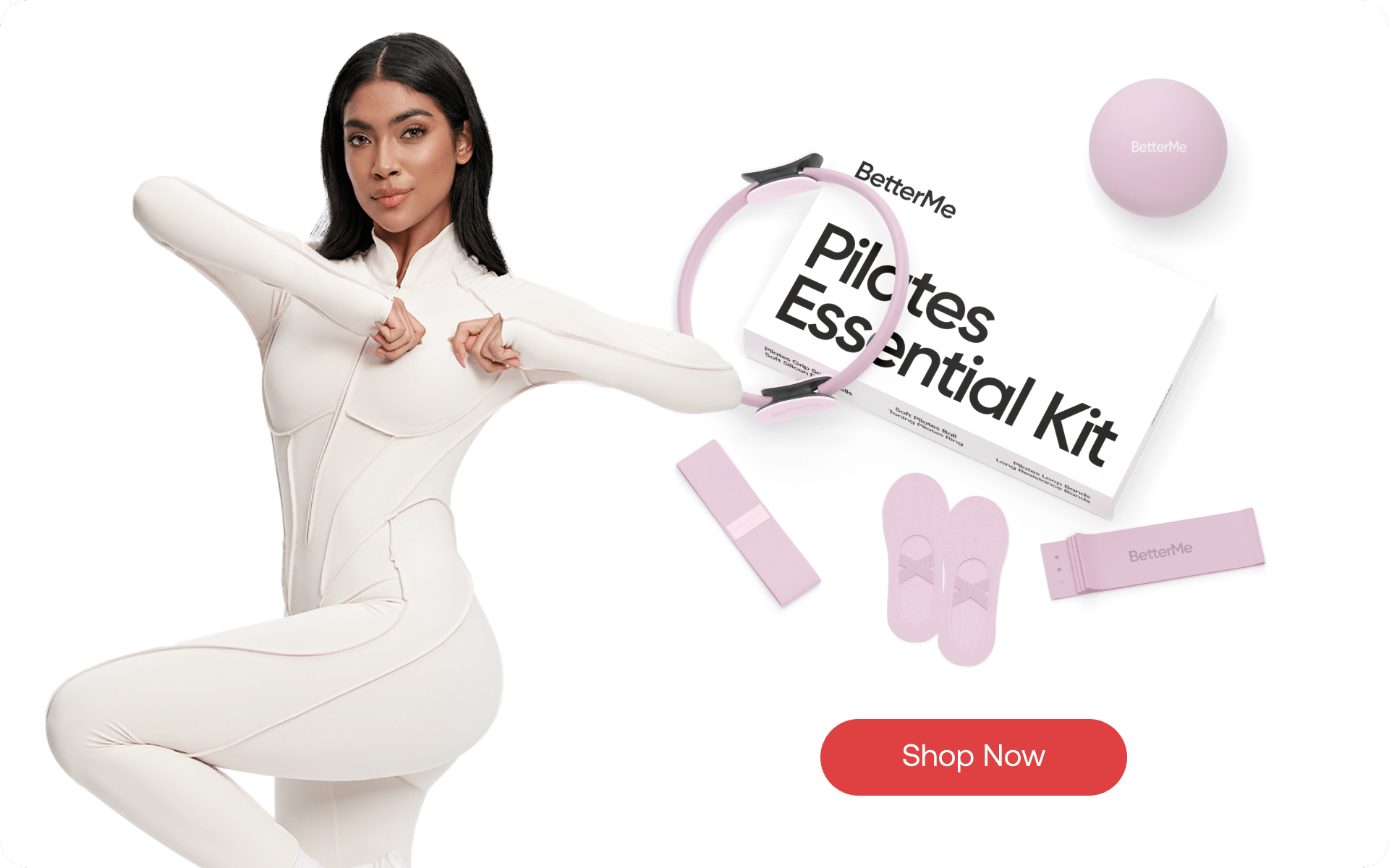
With the BetterMe Home Pilates Kit, excuses don’t stand a chance—only results do. Compact, travel-friendly, and easy on your wallet, this system makes prioritizing your health a breeze.
Ready to take that first step? Dive into your fitness journey today and see just how far portable, professional-grade equipment can take you. The possibilities are endless, and they start now!
DISCLAIMER:
This article is intended for general informational purposes only and does not serve to address individual circumstances. It is not a substitute for professional advice or help and should not be relied on for making any kind of decision-making. Any action taken as a direct or indirect result of the information in this article is entirely at your own risk and is your sole responsibility.
BetterMe, its content staff, and its medical advisors accept no responsibility for inaccuracies, errors, misstatements, inconsistencies, or omissions and specifically disclaim any liability, loss or risk, personal, professional or otherwise, which may be incurred as a consequence, directly or indirectly, of the use and/or application of any content.
You should always seek the advice of your physician or other qualified health provider with any questions you may have regarding a medical condition or your specific situation. Never disregard professional medical advice or delay seeking it because of BetterMe content. If you suspect or think you may have a medical emergency, call your doctor.
SOURCES:
- A Meta-Analysis of the Effects of Foam Rolling on Performance and Recovery (2019, pmc.ncbi.nlm.nih.gov)
- Benefits of Resistance Bands & How to Add Them to a Workout (2022, issaonline.com)
- Pilates: how does it work and who needs it? (2011, ncbi.nlm.nih.gov)
 By
By 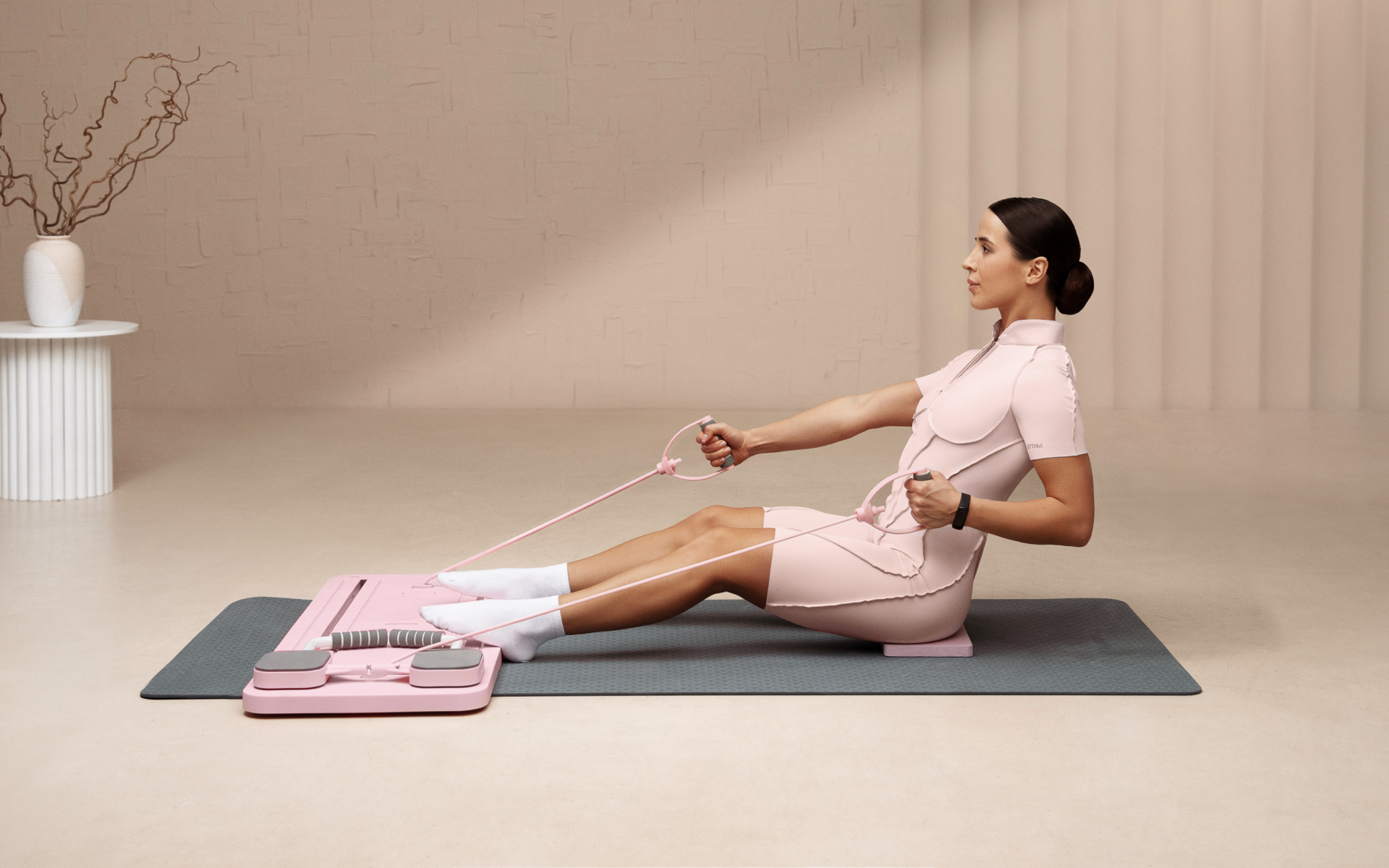
 Reviewed by
 By
By