As you enter your 50s, staying active assumes a new level of importance.
Strength training, in particular, offers powerful benefits for women in this stage of life (1).
Research indicates that as we age, we naturally lose muscle mass, a condition known as sarcopenia. This decline can begin as early as our 30s but accelerates in the decades that follow (2). The good news? Strength training may help support muscle strength and function as you age (3).
If you’re new to the gym and looking for a realistic plan to feel stronger and healthier, you’re in the right place.
Over the next 12 weeks, a well-structured gym workout can help you build strength, improve endurance, and enhance your overall quality of life.
Here’s what you need to know.
Key Takeaways
- Strength training two or more days a week helps counter age-related muscle loss (sarcopenia), which can reduce muscle mass by 3 to 5% per decade after age 30.
- A 12-week upper-lower split of four workouts a week, with progressive overload every 4 weeks, builds strength while keeping joints and recovery time in mind.
- Beginners should start with 1 to 2 sets of 8 to 12 reps per exercise and increase weight or reps gradually as strength improves.
- Aim for at least 150 minutes of moderate-intensity cardio a week alongside strength training to support heart health and bone density.
- Noticeable strength gains often appear within the first few weeks, while visible muscle tone typically takes 8 to 12 weeks of consistent training.
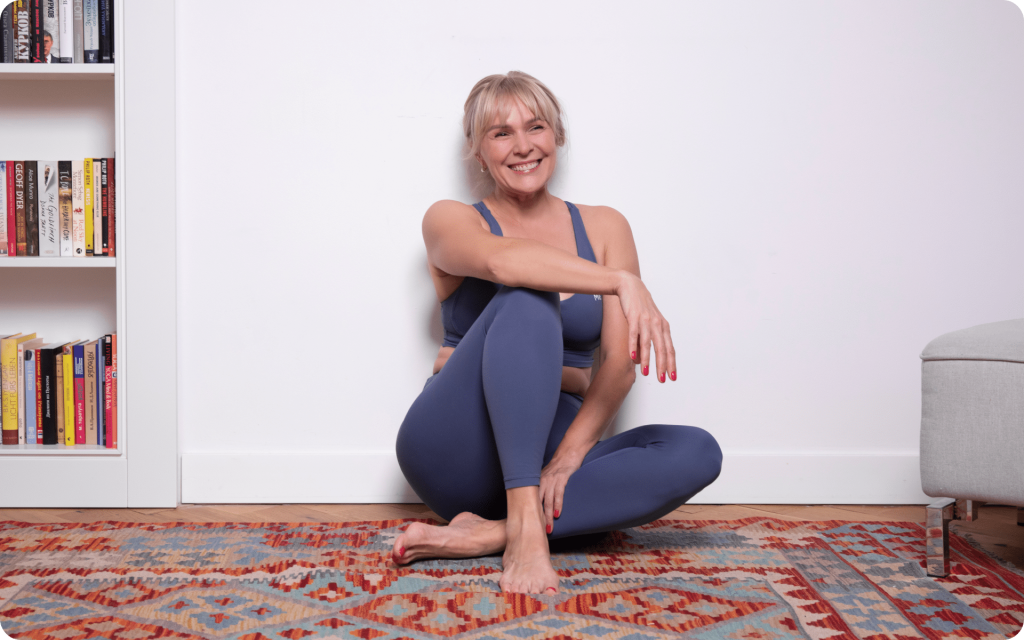
Is The Gym Good For A 50-Year-Old Woman?
Absolutely. A well-rounded weight loss gym routine female-focused can offer significant benefits for women in their 50s. Exercise, especially strength training and machine-based cardio can help address many of the physical changes that naturally occur with age.
Preserving Muscle Mass And Strength
Age-related changes in muscle mass can affect strength and daily movement. Women can lose up to 3-5% of their muscle mass per decade after the age of 30 (4). Strength training may help support muscle strength and function (3). Regular resistance exercises, such as weightlifting, will help your muscles grow and adapt. This resistance and strength training enables you to stay strong and boost your metabolism.
Muscle is metabolically active tissue. The more muscle you maintain, the more calories your body burns, even at rest (5). Additionally, maintaining strong muscles enhances daily life. Tasks like carrying groceries or climbing stairs feel easier, giving you greater independence (6).
Supporting Bone Health
Bone density can change as women age. After menopause, declining estrogen levels can lead to a loss in bone density, increasing fracture risk (7).
Strength training can be one helpful part of an active routine. When we lift weights, it applies stress to the bones, stimulating them to rebuild and strengthen.
Weight-bearing exercises, such as squats, lunges, or deadlifts, are excellent for this purpose. Machines at the gym, such as leg presses or chest presses, can also provide controlled resistance to help improve bone density over time (8).
Boosting Cardiovascular Health
Cardiovascular health often declines with age. Blood vessels can stiffen, and resting blood pressure may rise, which can affect cardiovascular health (9).
Cardio on gym machines, such as treadmills or stationary bikes, combats cardiovascular decline. Aerobic exercise improves heart function, lowers blood pressure, and enhances your body’s ability to use oxygen more efficiently (10).
Even just 20-30 minutes of moderate-intensity cardio a few times a week can support circulation and strengthen your heart. The result? Better endurance for both exercise and daily activities.
Read more: 10 Gentle Abdominal Exercises for Seniors to Do at Home
Enhancing Balance And Stability
Falls are a significant concern for women over 50 as balance and coordination decline with age (11). Strength training, particularly for the lower body, enhances balance by strengthening key muscle groups, including the glutes, quadriceps, and hamstrings (12).
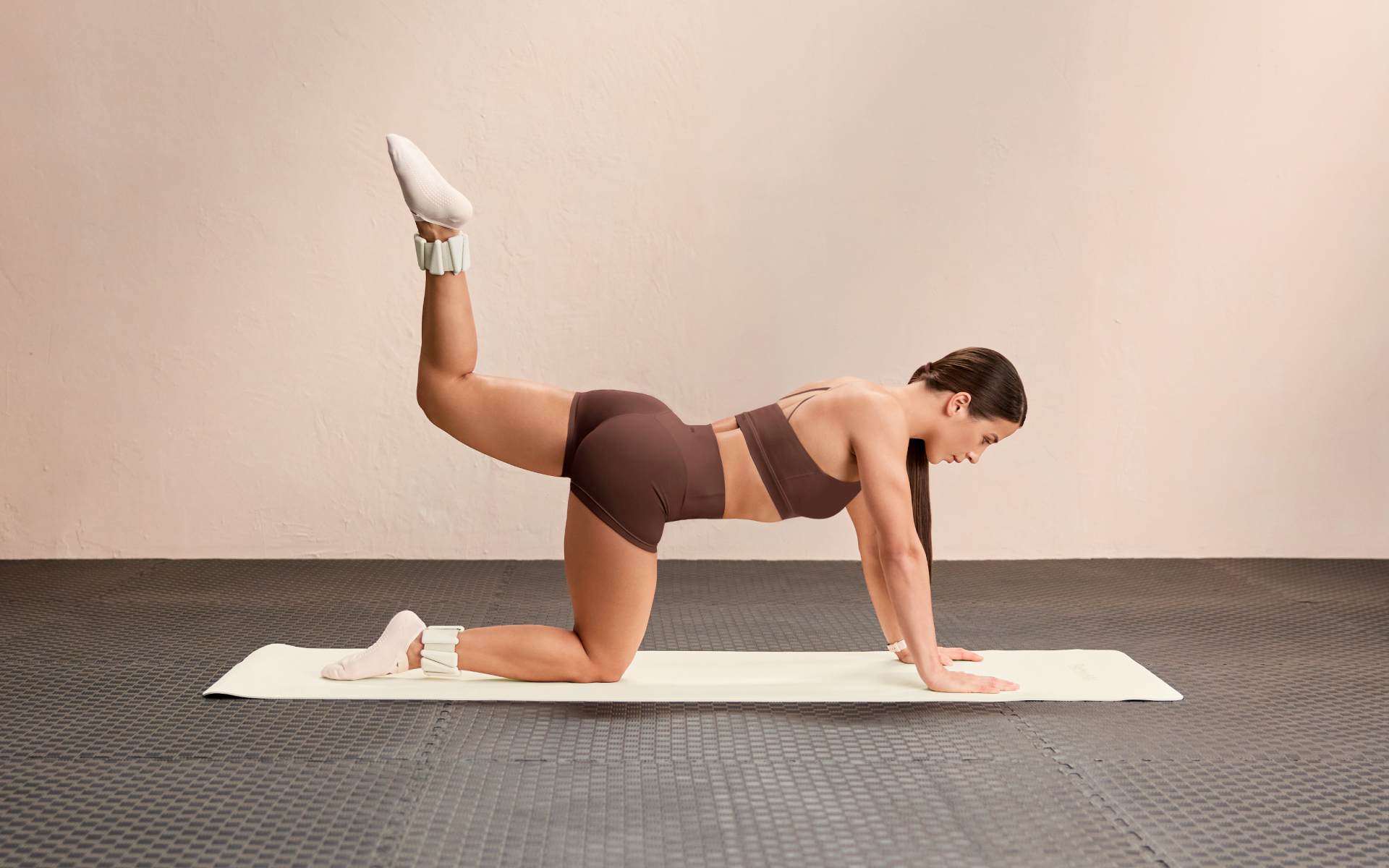
Exercises like leg presses or cable glute kickbacks reinforce stability.
Increasing your stability reduces your risk of falls and enhances confidence in navigating uneven surfaces, such as stairs or outdoor terrain (13).
Supporting Mental Health And Cognitive Function
Exercise doesn’t just benefit the body. It also supports the brain.
Physical activity can reduce stress, improve mood, and enhance sleep quality.
Strength training releases endorphins, known as “feel-good” hormones, that can counteract anxiety and depression (14).
Cardio, on the other hand, has been linked to better memory and cognitive function.
Regular aerobic exercise can promote the growth of new brain cells, supporting mental sharpness (15).
Managing Weight And Body Composition
How to gain muscle after 50 female-specialized, involves strategic planning.
For women in their 50s, hormonal changes can lead to shifts in fat distribution and weight gain (16). Fitness experts suggest that exercises for over 50 who are out of shape or beginners include a combination of cardio and strength training.
This crucial combination is key to maintaining a healthy body composition.
While cardio helps burn calories, strength training builds lean muscle. Together, they create a balanced approach to controlling weight and enhancing overall shape (17).
Improving Joint Health
Contrary to popular belief, exercise benefits joint health rather than wearing it out.
Strengthening the muscles around your joints, such as the knees or hips, reduces the load these joints have to bear (18). For instance, leg curls strengthen the hamstrings, which support the knee joint, while hip abduction machines target muscles that stabilize the hip.
Low-impact exercises, like elliptical sessions or cycling, are great for cardiovascular benefits without adding excess strain to your joints (19), making the gym a joint-friendly space.
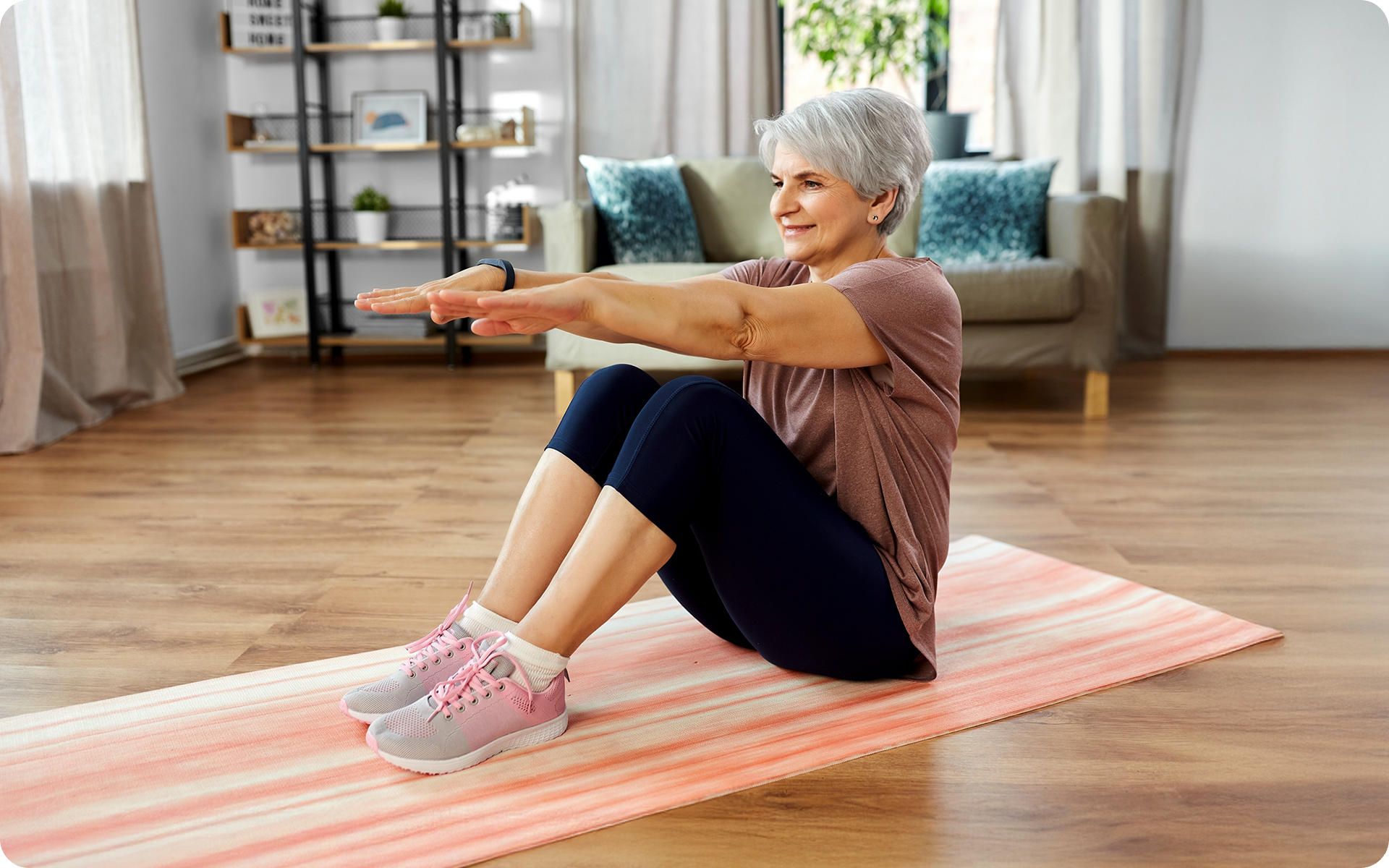
How Much Exercise Should A 50-Year-Old Woman Do?
For general health, aim for at least 150 minutes of moderate-intensity aerobic activity per week or 75 minutes of vigorous activity (20).
You can break this into smaller sessions that fit your week. For example, 30 minutes of moderate cardio, such as brisk walking or cycling, five days a week, is ideal.
What does a tailored gym workout plan for a 50-year-old woman include?
A tailored workout plan for a 50-year-old woman would include strength training at least twice a week. The plan would focus on exercises that work all major muscle groups, including your chest, back, legs, shoulders, and arms.
Start with 1-2 sets of 8–12 repetitions, gradually increasing as you get stronger.
If you’re just starting or returning to exercise, go slow. Begin with shorter sessions and lower weights, and increase your effort gradually over time. Listen to your body and adjust as needed. If you already have an active lifestyle, maintain variety in your workouts to target different muscle groups and prevent plateaus.
Workouts, weight management tools, and recipe ideas come together in the BetterMe: Health Coaching app, giving you practical support for building a more consistent wellness routine.
Which Workouts Can Help Build Muscle After 50?
Strength training is one of the most effective ways to build muscle at any age, including in your 50s. While aging does change how muscles grow, the right approach can still lead to significant improvements.
Muscle growth, or hypertrophy, happens when you challenge your muscles with resistance. Resistance can mean weights, bands, or even bodyweight exercises.
When you push your muscles to work harder than they’re used to, you create small tears in the muscle fibers (21).
These tears might sound harmful, but they are beneficial. During recovery, the body repairs these fibers, making them thicker and stronger. That’s how you build muscle.
To continue building muscle, you need to challenge yourself over time.
This concept of challenge over time is called progressive overload. It means gradually increasing the weight, reps, or intensity of your exercises (22). For example, if you’re lifting eight-pound dumbbells today, aim to lift ten pounds in a few weeks.
Your muscles require a progressive increase in demand to continue growing and developing.
Recovery is where the magic happens. Without proper rest, your muscles won’t repair or grow efficiently (23). Include 1-2 rest days between heavy lifting sessions for the same muscle group.
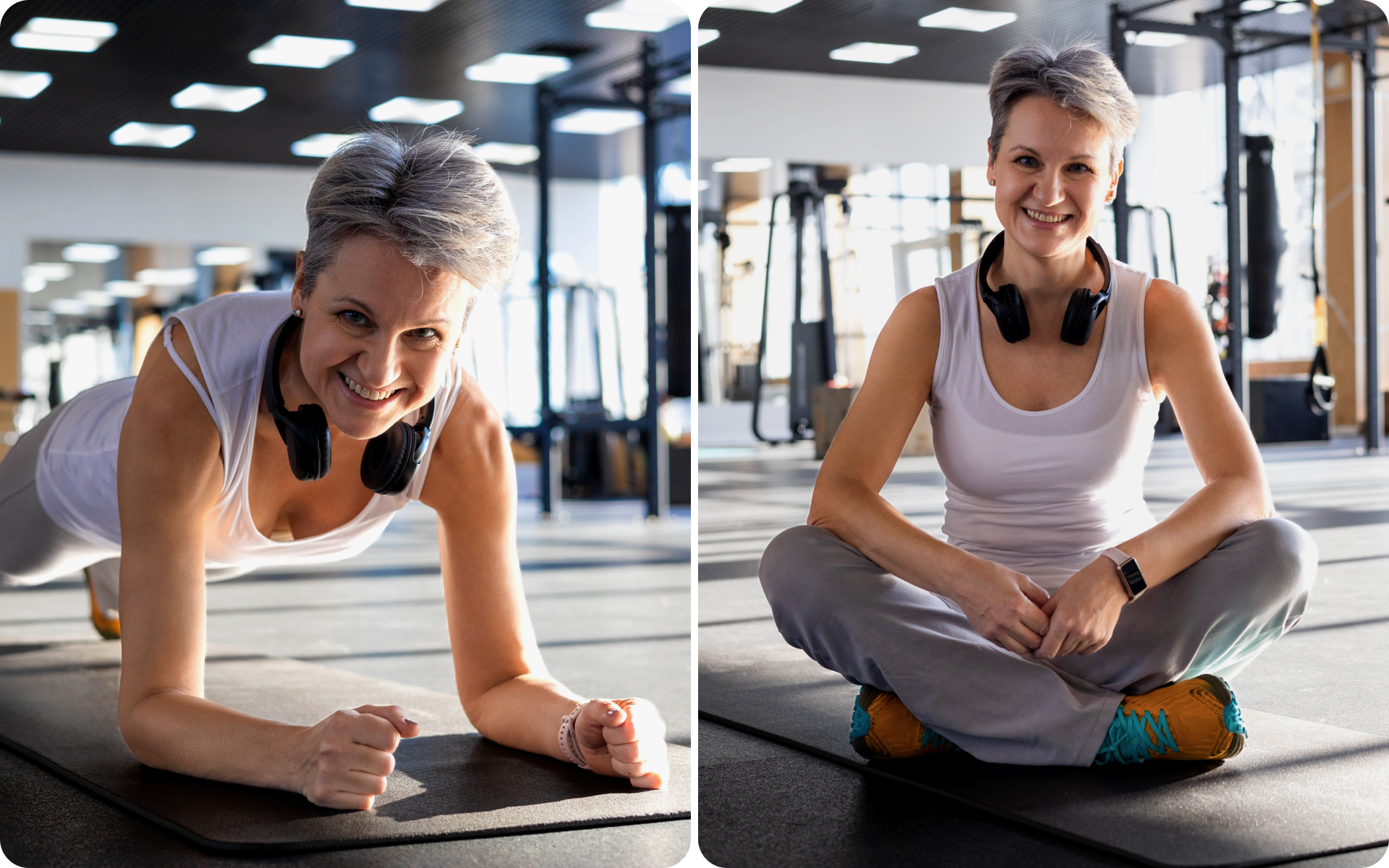
What Is An Empowering Gym Workout Plan For A 50-Year-Old Woman?
We have designed a 12-week plan to build strength, improve mobility, and support healthy aging. It follows an upper-lower split, alternating between upper-body and lower-body workouts.
The plan uses progressive overload, meaning you’ll gradually increase weights, reps, or sets to challenge your muscles and encourage growth.
Each workout includes functional and compound exercises that mimic daily movements, making this plan both practical and effective. With no more than six exercises per session, it strikes a balance between efficiency and safety.
These compound movements provide a practical full-body gym workout plan for 50-year-old woman-focused.
How It Works
- Frequency: Four workouts per week (two upper body, two lower body). For example, train on Mondays, Wednesdays, Fridays, and Saturdays.
- Progression: Increase intensity every 4 weeks by slightly increasing weights, adding 1–2 reps, or including an extra set.
- Recovery: Take at least one rest day between workouts of the same muscle group. Sleep and proper nutrition are essential for muscle recovery.
Weeks 1-4 (Foundation Phase)
Day 1 (Upper Body)
- Dumbbell Bench Press (Chest): 2 sets of 10–12 reps
- Assisted Pull-Up or Lat Pulldown (Back): 2 sets of 10–12 reps
- Dumbbell Shoulder Press (Shoulders): 2 sets of 10–12 reps
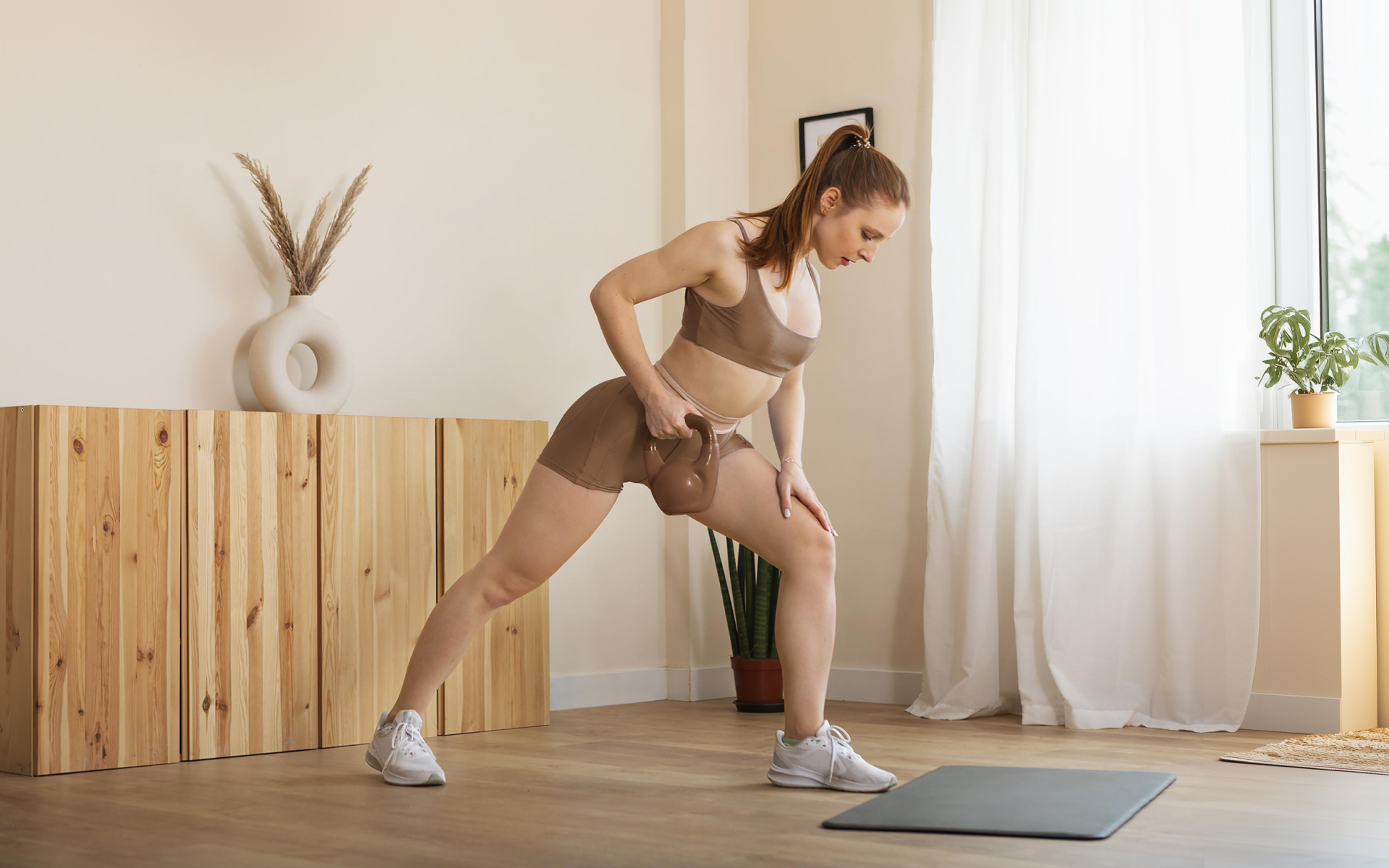
- One-Arm Dumbbell Row (Back): 2 sets of 10–12 reps.
- Bicep Curls (Arms): 2 sets of 12–15 reps
- Tricep Kickbacks (Arms): 2 sets of 12–15 reps
Day 2 (Lower Body)
- Glute Bridge (Glutes): 2 sets of 12–15 reps
- Romanian Deadlifts with Dumbbells (Hamstrings): 2 sets of 10–12 reps
- Step-Ups on Bench with Dumbbells (Quads & Glutes): 2 sets of 12 reps per leg
- Calf Raises (Calves): 2 sets of 15 reps
- Bodyweight Squats (Legs): 2 sets of 10–12 reps
Focus: Start with lighter weights to master form. Take 60 seconds to rest between sets.
Weeks 5-8 (Strength Build-Up)
Day 1 (Upper Body)
- Barbell or Dumbbell Bench Press: 3 sets of 8–10 reps
- Pull-Ups or Lat Pulldown: 3 sets of 8–10 reps
- Dumbbell Shoulder Press: 3 sets of 8–10 reps
- One-Arm Dumbbell Row: 3 sets of 8–10 reps
- Hammer Curls (Biceps): 3 sets of 10–12 reps
- Overhead Dumbbell Extension (Triceps): 3 sets of 10–12 reps
Day 2 (Lower Body)
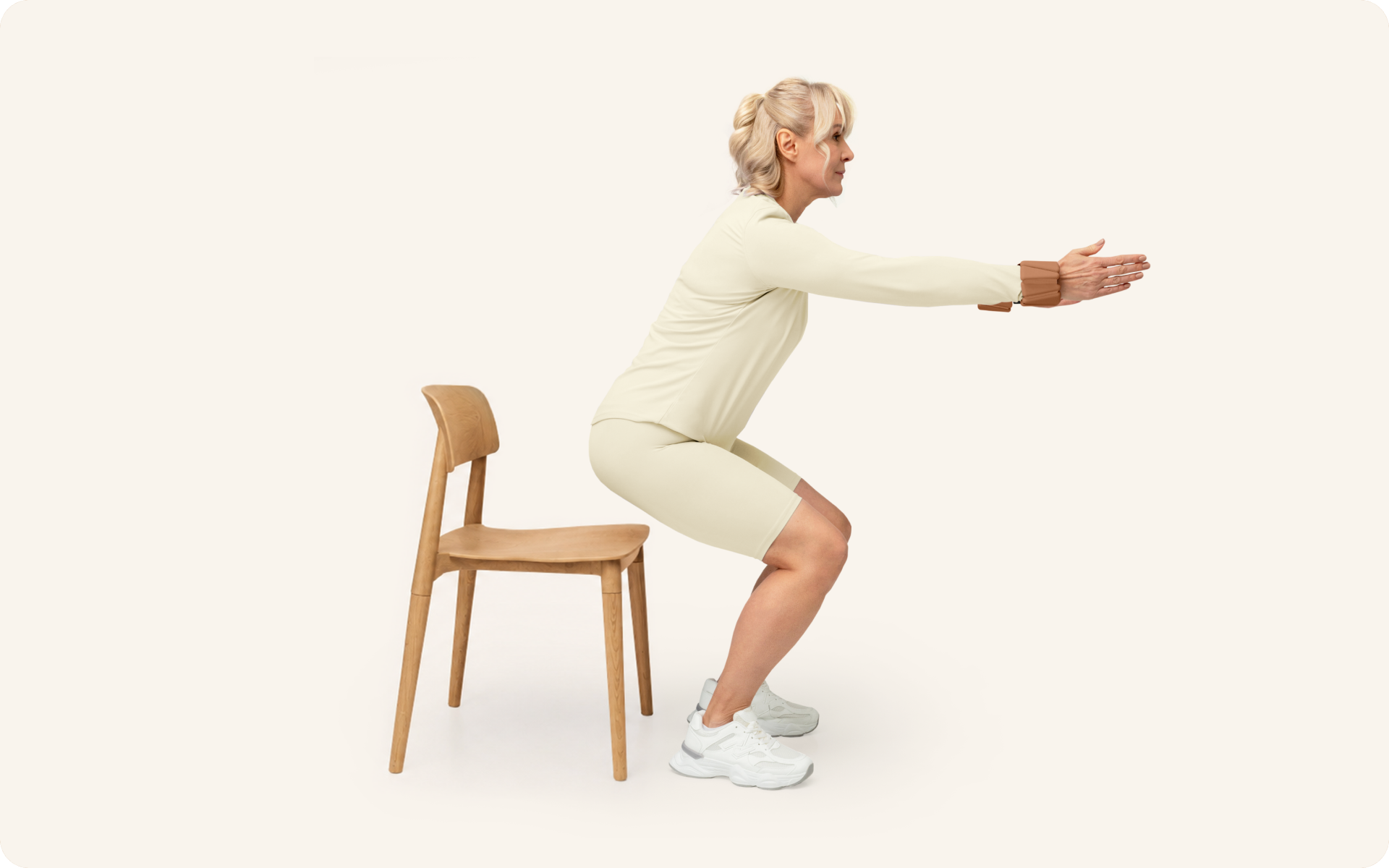
- Goblet Squats (Holding Dumbbell): 3 sets of 8–10 reps
- Romanian Deadlifts: 3 sets of 8–10 reps
- Walking Lunges with Dumbbells: 3 sets of 10 reps per leg
- Seated Calf Raises: 3 sets of 12–15 reps
- Hip Thrusts: 3 sets of 10–12 reps
Progression: Slightly increase weights or reps. Rest 60–90 seconds between sets.
Weeks 9-12 (Peak Phase)
Day 1 (Upper Body)
- Incline Dumbbell Press: 4 sets of 6–8 reps
- Barbell or Dumbbell Row: 4 sets of 6–8 reps
- Arnold Press (Shoulders): 4 sets of 6–8 reps
- Pull-Ups or Lat Pulldown: 4 sets of 6–8 reps
- Alternating Dumbbell Curl: 4 sets of 8 reps per arm
- Cable Tricep Pushdowns: 4 sets of 8–10 reps
Day 2 (Lower Body)
- Barbell Back Squat: 4 sets of 6–8 reps
- Deadlift (Focus on Form): 4 sets of 6–8 reps
- Bulgarian Split Squat (Quads & Glutes): 3 sets of 8 reps per leg
- Standing Calf Raises: 4 sets of 12–15 reps.
- Weighted Glute Bridge or Hip Thrust: 4 sets of 8–10 reps
Goal: Push yourself while maintaining perfect form. Rest 90 seconds between heavier lifts.
Notes:
- Adjust weights as needed to ensure your last 2 reps are challenging but not impossible.
- Warm up for 5–10 minutes before your workout to prepare your muscles and joints.
- Cool down with stretches focusing on the muscles worked.
By Week 12, you’ll likely notice increased strength, better posture, and improved daily function. This plan is empowering because it builds confidence through small, steady wins over time.
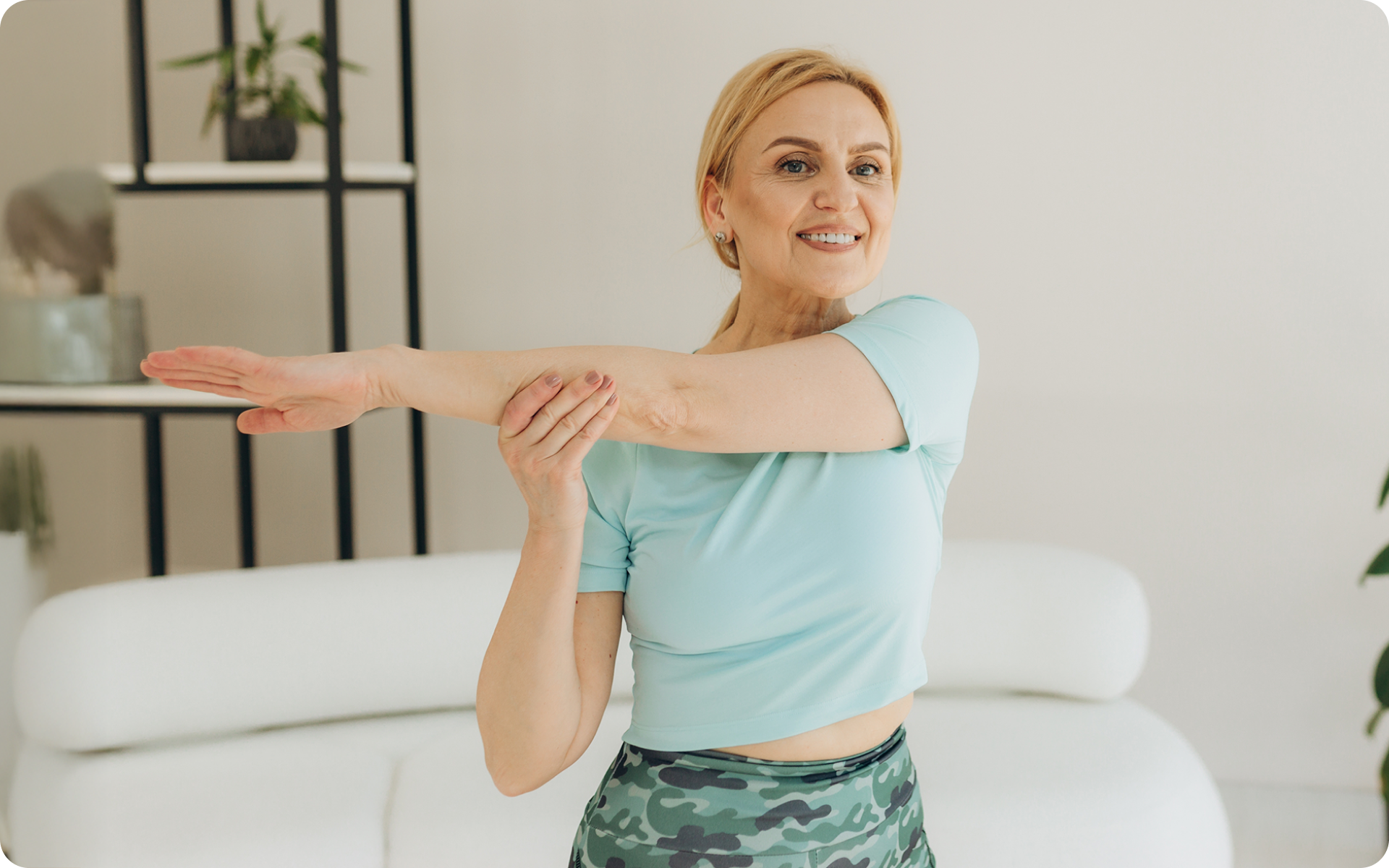
When Might a 50-Year-Old Woman Exercise?
A suitable time to exercise largely depends on your body’s rhythm and daily routine.
While research provides insights into optimal performance windows, what matters most is consistency and how you feel during your workouts.
The Role Of Circadian Rhythms
Your circadian rhythm, or internal clock, controls energy levels throughout the day (24).
For most people, body temperature, muscle function, and hormone levels peak in the late afternoon or early evening. These times may be ideal for strength training or intense workouts.
You might feel physically stronger and perform better when your body is naturally warmed up (25).
Morning sessions, however, also have benefits. Exercising early can help kickstart your metabolism and provide mental clarity for the day (26). For lighter activities like walking or yoga, mornings can feel refreshing and approachable.
Energy Levels And Recovery
Energy levels can fluctuate with age, so choose a time of day that aligns with when you feel most alert and energetic. Many women in their 50s report mid-morning or early afternoon as their sweet spot. Exercising at these times often helps avoid dips in energy, such as those that happen mid-afternoon (27).
Recovery is also essential. Evening workouts, while effective, may disrupt sleep in some individuals due to post-exercise adrenaline spikes (28). If you notice difficulty falling asleep after late exercise, consider rescheduling your sessions for earlier hours.
Practical Considerations
Daily schedules also play a significant role. If you have work commitments or family routines, morning workouts may be easier to fit in without interruption. On the other hand, if evenings are when you can truly focus, that might be your optimal time.
Some women also prefer quieter gym times for focus, which are often early mornings or mid-afternoons.
Personal Preference Rules
Ultimately, a time to work out that you can maintain is the time when you’re most likely to stick with it.
If you’re not a morning person, forcing yourself to exercise at 6 a.m. may lead to burnout. By aligning your workout schedule with your natural preferences and lifestyle, you set yourself up for long-term consistency and success.
How Long Does It Take To Build Noticeable Muscle For Females Over 50?
For women over 50, the process can be slower than in younger years. It may take 8–12 weeks of consistent effort (29).
The timeline depends on starting fitness levels, workout intensity, and genetic factors.
- Weeks 1–4: You may notice improved strength and endurance before visible muscle changes. This change usually happens as your nervous system becomes more efficient at coordinating muscle use.
- Weeks 4–8: Some muscle tone may become visible, especially if paired with proper nutrition and regular workouts. You’ll likely feel more stable and confident in your movements.
- Weeks 8–12: With commitment, muscle definition and firmness become more noticeable. Everyday tasks, like lifting or climbing stairs, often feel easier by this stage.
BetterMe: Health Coaching app can help you build a more structured approach to your wellness routine with meal plans, workouts, and habit-tracking tools. Start using the app to explore options that may support your personal fitness and nutrition goals.
FAQs
Can you get shredded after 50?
Yes, it’s possible to achieve a shredded physique after 50 with the right approach. Achieving a lean, muscular physique requires consistent strength training, a high-protein diet, adequate recovery, and maintaining a calorie deficit to reduce body fat. Remember that body composition goals take time, especially as metabolism slows with age.
How much protein to build muscle after 50?
Women over 50 should aim for 1.2–2.0 grams of protein per kilogram of body weight per day (30). This range helps support muscle repair and growth, particularly when paired with strength training. Include high-quality protein sources such as lean meats, fish, eggs, dairy products, beans, or plant-based options like tofu.
How many reps to build muscle over 50?
For gaining muscle after 50, aim for 8–12 reps per set with a resistance that feels challenging by the last 2–3 reps. Perform 2–4 sets of each exercise (31). This range is commonly used for muscle-building training and may be manageable for many women in their 50s and beyond.
How many times a week should a 50-year-old woman do cardio?
Cardio should ideally be done 3–5 times per week, depending on fitness goals.
For general health, aim for 150 minutes of moderate-intensity aerobic activity or 75 minutes of vigorous-intensity aerobic activity per week. Activities like walking, cycling, or swimming are low-impact and joint-friendly options.
The Bottom Line
The gym offers tools to counteract many of the physical changes that appear with age.
Strength training helps maintain muscle and bone health, while cardio exercises support your heart and boost endurance. Together, they help improve your quality of life, making everyday tasks easier and supporting long-term health.
The takeaway? With the right approach, the gym is a valuable ally for women in their 50s. With the tips in this guide, you can create a customized workout routine that works for you, helping you stay strong, fit, and healthy well into your later years.
DISCLAIMER:
This article is intended for general informational purposes only and does not serve to address individual circumstances. It is not a substitute for professional advice or help and should not be relied on for making any kind of decision-making. Any action taken as a direct or indirect result of the information in this article is entirely at your own risk and is your sole responsibility.
BetterMe, its content staff, and its medical advisors accept no responsibility for inaccuracies, errors, misstatements, inconsistencies, or omissions and specifically disclaim any liability, loss or risk, personal, professional or otherwise, which may be incurred as a consequence, directly or indirectly, of the use and/or application of any content.
You should always seek the advice of your physician or other qualified health provider with any questions you may have regarding a medical condition or your specific situation. Never disregard professional medical advice or delay seeking it because of BetterMe content. If you suspect or think you may have a medical emergency, call your doctor.
SOURCES:
- Benefits of Strength Training for Women Throughout Life (2023, hss.edu)
- Muscle tissue changes with aging (2010, pmc.ncbi.nlm.nih.gov)
- Resistance Exercise to Prevent and Manage Sarcopenia and Dynapenia (2017, pmc.ncbi.nlm.nih.gov)
- Sarcopenia (2025, womenshealth.gov)
- Increasing muscle mass to improve metabolism (2013, pmc.ncbi.nlm.nih.gov)
- Power training provides special benefits for muscles and function (2013, health.harvard.edu)
- A Comprehensive Review on Postmenopausal Osteoporosis in Women (2023, pmc.ncbi.nlm.nih.gov)
- Effects of Resistance Exercise on Bone Health (2018, pmc.ncbi.nlm.nih.gov)
- Aging changes in the heart and blood vessels (2024, medlineplus.gov)
- Aerobic exercise: Top 10 reasons to get physical (2023, mayoclinic.org)
- Falls and Fall Prevention in Older Adults (2023, ncbi.nlm.nih.gov)
- Strength Training Modalities for Lower Body Strength and Power: A Narrative Review (2024, researchgate.net)
- Effectiveness of exercise interventions on fall prevention in ambulatory community-dwelling older adults: a systematic review with narrative synthesis (2023, frontiersin.org)
- The anxiolytic effects of resistance exercise (2014, frontiersin.org)
- Can exercise shape your brain? A review of aerobic exercise effects on cognitive function and neuro-physiological underpinning mechanisms (2022, pmc.ncbi.nlm.nih.gov)
- Adverse Changes in Body Composition During the Menopausal Transition and Relation to Cardiovascular Risk: A Contemporary Review (2022, pmc.ncbi.nlm.nih.gov)
- Effects of aerobic and/or resistance training on body mass and fat mass in overweight or obese adults (2012, journals.physiology.org)
- Exercise and your joints (2009, health.harvard.edu)
- Comparison of elliptical training, stationary cycling, treadmill walking and overground walking (2012, pmc.ncbi.nlm.nih.gov)
- American Heart Association Recommendations for Physical Activity in Adults and Kids (2024, heart.org)
- HYPERTROPHY (2012, nsca.com)
- Effects of Resistance Training Overload Progression Protocols on Strength and Muscle Mass (2024, pubmed.ncbi.nlm.nih.gov)
- Recovery in Training: The Essential Ingredient (n.d., unm.edu)
- Physiology, Circadian Rhythm (2023, ncbi.nlm.nih.gov)
- Time of Day and Muscle Strength: A Circadian Output? (2020, journals.physiology.org)
- Cognitive Benefits of Exercise: Is There a Time-of-Day Effect? (2022, mdpi.com)
- The Impact of Time of Day on Energy Expenditure: Implications for Long-Term Energy Balance (2019, mdpi.com)
- Dose-response relationship between evening exercise and sleep (2025, nature.com)
- Editorial: Metabolic responses and adaptations to exercise (2024, frontiersin.org)
- Protein Consumption and the Elderly: What Is the Optimal Level of Intake? (2016, mdpi.com)
- Loading Recommendations for Muscle Strength, Hypertrophy, and Local Endurance: A Re-Examination of the Repetition Continuum (2021, mdpi.com)
 Reviewed by