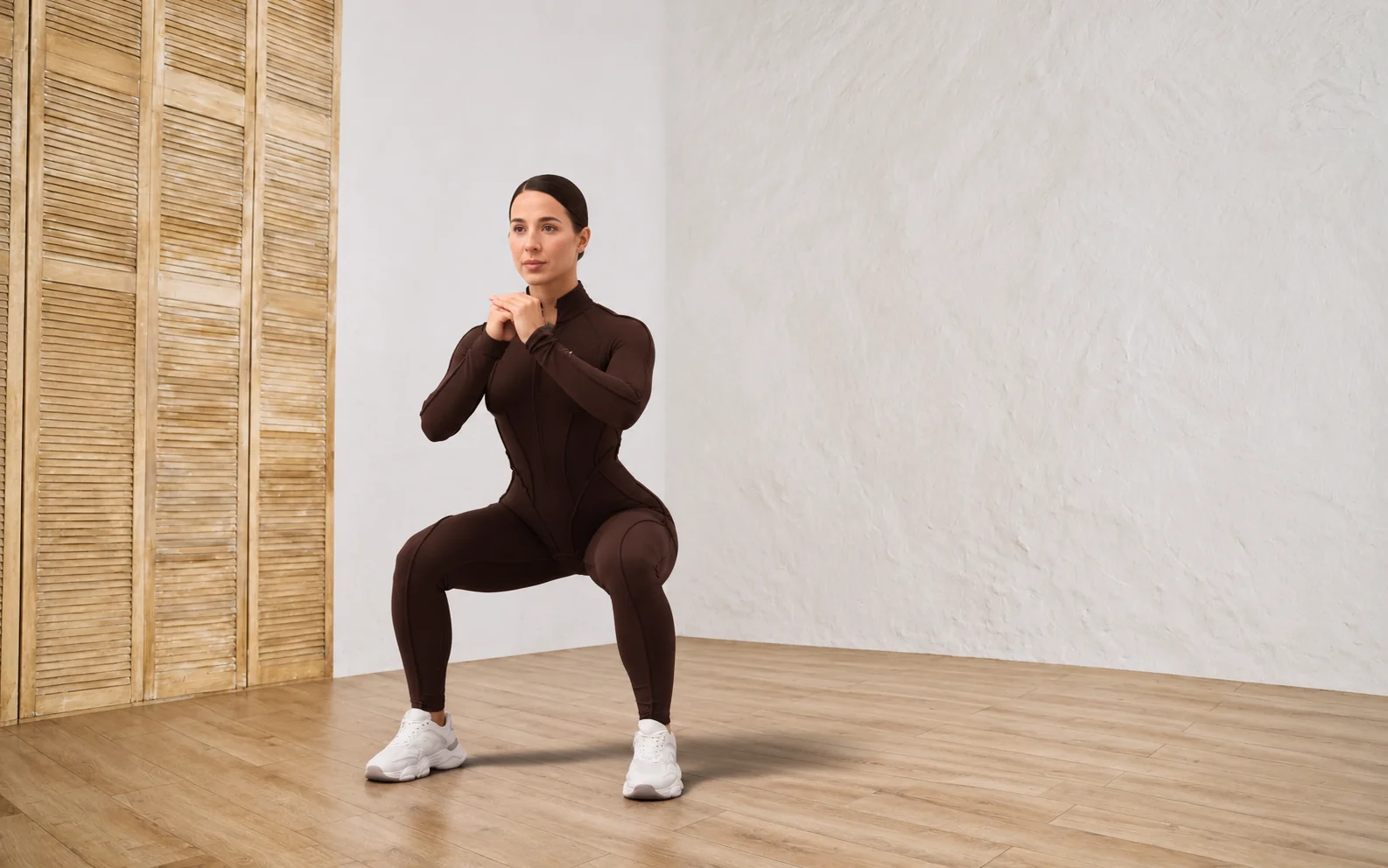
Fun workouts can include dancing, hiking, water exercise, climbing, or movement games, depending on your interests and access. Choose one activity you want to repeat, then adjust the pace to your current ability. Our guide to making a workout plan can help you fit that choice into your week.
Key takeaways
Compare the setting, equipment, and instruction each activity needs before choosing your first session.
- Aerobic activity and muscle-strengthening exercise both belong in an adult fitness routine (1).
- Home workouts and resistance bands can support strength training without a gym membership (2).
- Paddleboarding requires water-safety preparation, including a correctly fitted life jacket suitable for the activity (3).
- Trampoline precautions include using one jumper at a time and avoiding somersaults (4).
- A qualified yoga instructor can offer modifications for demanding positions (5).
- A home dance session needs music and clear floor space. Walking and selected bodyweight exercises can also be done without buying equipment.
How do you choose a workout you will enjoy?
Choose an activity that fits your preferences, available space, budget, and current movement ability. Enjoyment might mean music, outdoor scenery, learning a skill, or spending time with someone else.
Start by identifying what feels stale. You may dislike repeating the same exercises, traveling to a gym, or following a crowded class. Each problem suggests a different change.
A home dance session removes travel. A familiar walking route with a friend changes the social setting. A climbing lesson introduces a skill without requiring you to redesign your entire week.
Use the comparison below to shortlist an activity. The entries describe practical arrangements, rather than measured rankings of effectiveness.
|
Activity |
Setting and equipment |
A manageable first choice |
|---|---|---|
|
Dance cardio |
Clear floor space; music |
Simple steps with no jumping |
|
Paddleboarding |
Board, paddle, life jacket; suitable water |
An introductory lesson |
|
Trampoline exercise |
Maintained equipment; clear surroundings |
Instructor-led basic movements |
|
Aerial yoga |
Professionally installed hammock |
A class offering floor-supported options |
|
Indoor climbing |
Climbing facility and required equipment |
Staff orientation and beginner routes |
|
Hiking |
Suitable route, footwear, water |
A short, familiar trail |
|
Group circuit |
Space and exercise stations |
A class with individual modifications |
|
Virtual fitness games |
Compatible equipment; clear play area |
A low-complexity movement game |
|
Water dance |
Supervised pool |
A shallow-water beginner class |
|
Hula hooping |
Hoop; clear space |
Brief practice with a lightweight hoop |
You can also try partner workout challenges if shared activity appeals to you. Choose a partner who respects breaks and different ability levels.
What are 10 fun workouts worth trying?
These ten options offer different ways to move, practice skills, and change your surroundings. None needs to become your only form of exercise.
Dance cardio
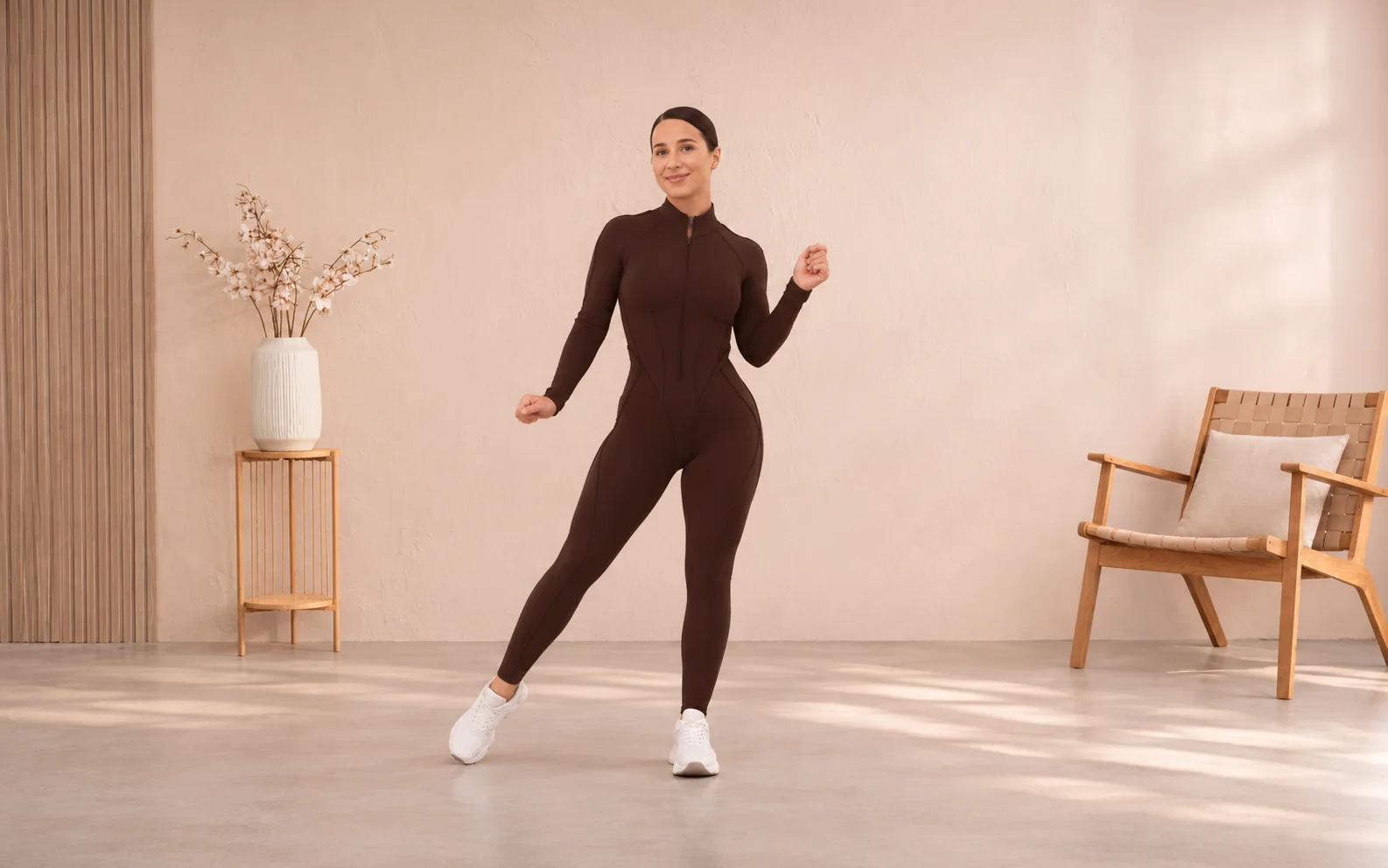
Dance cardio combines repeated steps with music. A home session can be as simple as marching, stepping sideways, and moving your arms.
Choose music you enjoy and begin with movements you can follow without rushing. Keep your floor clear and use footwear appropriate for the surface.
If choreography feels confusing, repeat one basic step until the next instruction becomes clear. You can leave out turns or jumps.
Dancing can contribute to aerobic activity when the effort raises your breathing and heart rate. Moderate effort generally allows talking, though singing becomes difficult (1).
A practical first session could cover a few songs, with pauses whenever needed. That is an example, rather than a minimum effective dose.
Stand-up paddleboarding
Paddleboarding combines movement on water with a balance task. An introductory lesson lets you practice board position, paddling, and returning to shore.
Ask the provider about conditions, swimming requirements, and what happens if you fall. Check the forecast and follow local advice about currents and wind.
Wear a correctly fitted life jacket designed for the activity. A flotation device needs to suit your size and ability, including swimming ability (3).
Follow the instructor’s advice about leash selection and use for the water conditions. Equipment choices for open water and moving water can differ.
You do not have to stand immediately. Practice the position your instructor recommends, and finish before fatigue makes control difficult.
Trampoline exercise
Trampoline exercise uses repeated movement on a springy surface. Some classes use individual rebounders, while larger trampolines require different space and supervision.
Check the equipment instructions, weight limits, and condition before joining. Begin with the instructor’s basic movement rather than copying advanced jumps.
Use one person per trampoline and avoid somersaults. These precautions address established collision and landing hazards (4).
A soft surface does not make jumping suitable for every joint condition or balance difficulty. Ask for an alternative if you cannot control your landing.
You can choose floor-based marching or dance instead. There is no requirement to include jumping in an enjoyable routine.
Aerial yoga
Aerial yoga uses a suspended fabric hammock during selected movements. The setup changes how your weight is supported and introduces equipment-specific skills.
Choose a qualified instructor and a venue with professionally installed equipment. Tell the instructor about relevant health conditions before taking part.
Yoga guidance recommends appropriate instruction and positions within your ability (5). Ask an aerial instructor which floor-supported options are available.
Ask for floor-supported positions and skip inversions if they are unsuitable or uncomfortable. Hanging upside down is optional.
Avoid choosing aerial yoga because of promises to decompress your spine or treat back pain. Such claims require evidence specific to the condition and technique.
Indoor rock climbing
Indoor climbing turns movement into a route-finding task. You decide where to place your hands and feet while following the facility’s rules.
Book a beginner orientation before trying unfamiliar equipment. Staff should explain harness checks, belaying requirements, or bouldering fall zones.
Stay clear of anyone climbing above you. Follow instructions for descending, landing, and keeping mats unobstructed.
Start with a route that leaves room to practice foot placement. Repeatedly attempting the hardest route can shorten your session through fatigue.
Climbing facilities differ in accessibility, supervision, and equipment provision. Ask about these details before paying for a session or membership.
Hiking
Hiking adds terrain and changing scenery to walking. Trail difficulty varies, so distance alone does not describe the effort involved (6).
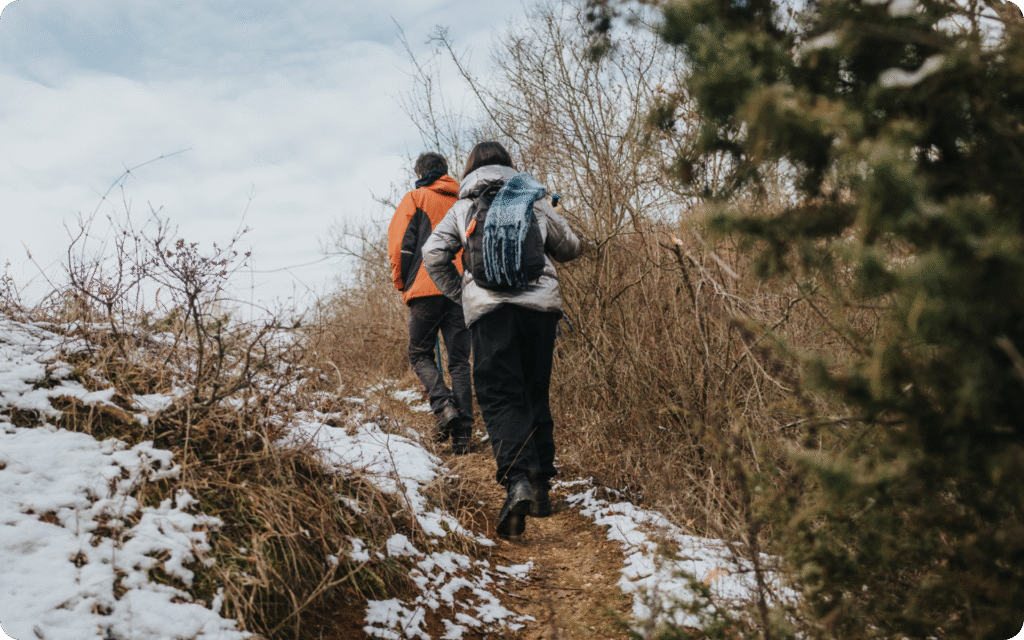
Look at elevation, surface, shade, weather, and how easily you can turn back. A short steep trail may be demanding.
Carry water and suitable supplies for the location. Tell someone your route when heading somewhere unfamiliar or remote.
Choose a pace that allows you to notice obstacles. Pause before looking at scenery or taking photographs on uneven ground.
A local park path can be a useful first outing. You do not need a difficult summit or remote destination.
A group circuit class
A group circuit moves between exercise stations, such as stepping, squatting, pushing, and rowing. The class atmosphere may appeal if you enjoy shared sessions.
Ask whether the instructor offers alternatives and allows independent rest. A fixed timer should not force everyone into the same workload.
Resistance training can use bodyweight, bands, or weights. Current evidence supports several approaches for improving strength in healthy adults (2).
Choose loads you can control and learn each station before increasing speed. Skip any movement whose setup you do not understand.
A class called a bootcamp can vary considerably in intensity. Read the actual description rather than judging the session by its name.
Virtual fitness games
Virtual fitness games combine movement with on-screen tasks. Depending on the game, you might step, reach, dodge, or follow a rhythm.
Clear the play area and follow the equipment’s spacing instructions. Keep pets, children, loose cables, and furniture outside that area.
Start with simple movements while learning the controls. Take off the headset or stop the game if you feel dizzy or disoriented.
Game points and device calorie estimates are different from a clinical fitness assessment. Use them as optional feedback about participation.
A game can be one part of an active week. Check whether your overall routine also includes strength work and other movement (1).
Water dance or aqua aerobics
Water exercise uses pool-based steps and arm movements. Choose a class suited to your swimming ability and confidence in the water.
Ask about pool depth, supervision, entry steps, and accessible exits. Water resistance changes how movements feel, even when the choreography looks familiar.
Start near a stable pool edge if the instructor recommends it. Avoid treating flotation equipment as a substitute for swimming instruction.
Keep water available beside the pool. Fluid needs still vary with activity and environmental conditions (7).
A class without jumps may suit your preferences, but water exercise is not automatically appropriate for every medical condition.
Hula hooping
Hula hooping offers a coordination task that you can practice at home. Begin with a lightweight hoop and enough clearance around your body.
Try brief practice periods, then pause and reset your position. Expect some drops while learning the rhythm.
Choose comfortable movements and stop if the hoop causes pain or bruising. A heavier hoop is not a necessary progression.
You can alternate hoop practice with walking or dance. That keeps the session moving when repeated attempts become frustrating.
Choose hooping for coordination practice or because you enjoy it.
Looking for a plan to follow? Take the BetterMe quiz for a customized workout plan.
How can you add variety without abandoning your routine?
Change one part of your week while keeping familiar sessions that already work. This makes it easier to judge the new activity.
For example, replace one optional cardio session with dance or a short hike. Keep your existing strength days if you recover comfortably.
Adults generally need at least 150 minutes of moderate aerobic activity weekly, plus muscle strengthening on two days. Smaller amounts still count (1).
Those targets describe a broader week, rather than a requirement for your first class. Build from your current activity level.
A sample planning process could look like this:
- Choose one activity from the comparison table.
- Check the location, equipment, access, and beginner requirements.
- Reserve a session you can attend without rushing.
- Decide which existing activity it will replace.
- Record whether you enjoyed the session and recovered comfortably.
- Repeat or change the activity based on that experience.
Our fitness challenges guide offers other ways to organize practice. Avoid starting several demanding challenges together.
How do you know when to modify a workout?
Modify a workout when the setup, pace, or movement exceeds your current ability. You should be able to choose a smaller movement or take a break.
Tell an instructor about an injury or health condition that affects participation. Ask a healthcare professional when you are unsure about a particular activity.
Stop for sharp pain, dizziness, or feeling faint. Chest pain or severe breathing difficulty requires prompt medical attention.
Do not compare your first session with someone else’s practiced performance. A skilled participant may use movements that need months of instruction.
Check practical comfort too. Loud music, heat, crowds, and travel demands can make an otherwise appealing activity difficult to repeat.
Prefer a ready structure for your week? The BetterMe quiz can help you set up a workout routine that fits your schedule.
Frequently Asked Questions
Can I try fun workouts without buying equipment?
Yes. Home dance, walking, and selected bodyweight sessions can use equipment you already have. Borrowing or renting can help you assess equipment-based activities before buying. Check whether a class fee includes the required gear. Avoid using makeshift substitutes for climbing, suspension, or water-safety equipment.
Should every workout feel entertaining?
No. Some sessions may feel ordinary, especially while learning a movement. You can still choose a routine whose overall pace and setting suit you. If repeated sessions feel unpleasant, identify the specific obstacle. Change the activity, instructor, timing, or setting instead of assuming all exercise feels the same.
Can friends do different versions of the same workout?
Yes. Friends can share a class or session while using different movements, loads, or rest periods. Agree beforehand that either person can stop. Shared attendance does not require matching repetitions or competing for effort.
The bottom line
Choose one activity that interests you, check its practical requirements, and try a manageable session. Keep the parts of your existing routine that you enjoy. Repeat the new activity when it fits your schedule and recovery, then decide whether it deserves a regular place.
DISCLAIMER:
This article is intended for general informational purposes only and does not serve to address individual circumstances. It is not a substitute for professional advice or help and should not be relied on for making any kind of decision-making. Any action taken as a direct or indirect result of the information in this article is entirely at your own risk and is your sole responsibility.
BetterMe, its content staff, and its medical advisors accept no responsibility for inaccuracies, errors, misstatements, inconsistencies, or omissions and specifically disclaim any liability, loss or risk, personal, professional or otherwise, which may be incurred as a consequence, directly or indirectly, of the use and/or application of any content.
You should always seek the advice of your physician or other qualified health provider with any questions you may have regarding a medical condition or your specific situation. Never disregard professional medical advice or delay seeking it because of BetterMe content. If you suspect or think you may have a medical emergency, call your doctor.
SOURCES:
- Adult Activity: An Overview (2023, www.cdc.gov)
- American College of Sports Medicine Position Stand. Resistance Training Prescription for Muscle Function, Hypertrophy, and Physical Performance in Healthy Adults: An Overview of Reviews (2026, pubmed.ncbi.nlm.nih.gov)
- Life Jacket Wear / Wearing your Life Jacket (n.d., www.uscgboating.org)
- Trampolines (2000, www.cpsc.gov)
- Yoga: Effectiveness and Safety (2023, www.nccih.nih.gov)
- Benefits of Hiking (2024, www.nps.gov)
- About Water and Healthier Drinks (2026, www.cdc.gov)
 Reviewed by