Fasting while on your period is possible, but many people find it more comfortable to pause and resume once their period ends. Your body is already navigating hormonal shifts and energy changes during menstruation. Adding another stressor may feel like too much for some. Tuning in to your body’s needs tends to be the more supportive choice.
Fasting has been part of human life for thousands of years—for spiritual, cultural, and wellness reasons alike. Today, intermittent fasting is one of the most widely discussed approaches in wellness and nutrition circles. If you menstruate, you might be wondering whether fasting fits into every part of your month, or whether it’s better to adjust your routine around your cycle.
This guide explores what the research currently suggests about fasting while on a period. We’ll look at menstrual discomfort, hormonal considerations, popular fasting methods, and gentle alternatives worth knowing about.
If you have any concerns or underlying conditions, consult a qualified healthcare provider before starting or adjusting a fasting routine. Every fasting experience is personal, and your body composition, menstrual cycle, and overall well-being all influence how fasting may affect you.
Can I Fast During My Period?
You can fast during your period, though many people find it more comfortable to take a break during this time. Your body is already working through a lot during menstruation, so additional strain may not feel supportive for everyone.
During the menstrual phase, hormone levels shift, energy can dip, and cravings often increase. You may also notice low mood or general discomfort. These experiences are common and vary from person to person (1).
Fasting acts as a mild stressor on the body, even on ordinary days (2). Layering that on top of an already demanding phase may leave some people feeling more drained than usual. For many, that trade-off isn’t worth it.
Here are a few reasons some people choose to pause fasting during their period:
- Energy dips. Lower energy during menstruation can make longer fasting windows feel harder to sustain.
- Cravings. Ignoring hunger cues may lead to overeating later during the eating window—the block of time each day when you consume your meals.
- General comfort. Rest and nourishing food often feel more supportive than restriction during this phase.
None of this means fasting during your period is off-limits. Some people fast comfortably throughout their cycle, while others prefer a break of around 3-5 days. There’s no single right answer.
If you choose to continue fasting, a gentler window may feel more manageable. Instead of a 16:8 approach (a 16-hour fasting window with an 8-hour eating window), you might try 14:10—a 14-hour fast with a 10-hour eating window. Aim to drink at least 8 cups of water daily and check in with how you feel throughout. If discomfort feels intense or unusual, speaking with a qualified healthcare provider is a sensible step. Individual experiences differ, so what works for one person may not suit another.

How Fasting May Affect Menstrual Discomfort
Fasting during menstruation has very limited research behind it, and we cannot suggest it eases discomfort with any confidence. The available evidence comes from small studies using strict, closely supervised methods that most people wouldn’t attempt at home.
One small study explored a specific, medically monitored fasting protocol and noted that some participants experienced reduced discomfort. However, the researchers described the results as preliminary and called for further investigation. The fasting method used was far more intense than typical intermittent fasting and all participants were under close supervision throughout (3).
As reliable evidence on fasting during your period remains thin, we wouldn’t suggest it as a strategy for managing menstrual discomfort. Instead, here are some gentler, commonly used options that many people find supportive:
- Move gently. Try 10-15 minutes of yoga, light stretching, or a slow walk. Gentle movement may support blood flow and ease muscular tension (4).
- Apply warmth. A heating pad or warm water bottle wrapped in a towel placed on your lower belly or lower back may help relax tense muscles. Some research has suggested that warmth can reduce muscular tension in this area (5).
- Massage the area. Gently massaging your lower back and belly may release built-up tension and offer some relief (6).
- Take a warm bath. Soaking for 15-20 minutes can feel restful and soothing.
- Consider over-the-counter options. A pharmacist or healthcare provider can guide you on what is appropriate for your individual situation.
These suggestions are general and educational, not medical advice. If discomfort feels severe, ongoing, or different from your usual experience, speak with a healthcare provider. They can help you understand what’s going on and point you toward appropriate support.
Individual outcomes vary widely. What feels supportive for one person may do little for another. The goal is to find a few habits that fit your routine and feel manageable during this part of your cycle.
Read more: Green Tea Intermittent Fasting: Benefits and Side Effects
How Might Intermittent Fasting and Female Hormones Interact?
Intermittent fasting and female hormones may interact differently depending on the type and duration of the fast. Shorter, structured approaches appear to have little effect for many people, while extended fasting may be associated with more noticeable changes.
To set some context: intermittent fasting means cycling between defined periods of eating and not eating. The eating window is the block of time each day when food is consumed, for example, 8 hours in a 16:8 approach (7).
Some researchers have explored associations between intermittent fasting and certain hormone levels in women (8). The findings are mixed, and more evidence is needed. We cannot suggest that fasting balances or corrects hormones—the current research doesn’t support that framing.
Shorter windows, such as a 14-hour or 16-hour fast, may have little effect on reproductive hormones for many people. These approaches still allow for a generous eating period each day, which may make them easier to sustain.
Extended fasting and its effect on female hormones is an understudied area. Only one study explored the effects of prolonged daytime fasting over approximately a month. A notable proportion of participants reported menstrual irregularities during that period compared with before. Those irregularities appeared more frequently among people who fasted for more than 15 consecutive days (9). Drawing conclusions from this study should be done with caution, and more recent research would certainly be helpful.
Some key takeaways from the available research:
- Shorter windows (such as 14:10 or 16:8) may feel gentler and more sustainable for many people.
- Very prolonged fasting that restricts both food and fluids for extended stretches may be associated with more disruption.
- Individual response varies. Age, activity level, overall wellbeing, and nutritional intake all play a role.
Women and intermittent fasting remains an evolving area of research. As bodies differ, a cautious and flexible approach tends to serve people better than a rigid one. If you have any underlying conditions or specific concerns, a conversation with a qualified healthcare provider can help you find what suits your individual situation.
What Types of Intermittent Fasting Methods Exist?
Several intermittent fasting methods exist, and they differ mainly in how long the fasting period lasts and how wide the eating window is (10). Choosing one comes down to your schedule, lifestyle, and personal comfort.
Here is a side-by-side comparison of the most commonly used approaches:
| Method | Fasting hours | Eating window | Notes |
|---|---|---|---|
| 16:8 | 16 hours | 8 hours | A 16-hour fasting window with an 8-hour eating window. One of the most commonly used methods. |
| 14:10 | 14 hours | 10 hours | A gentler option that many people new to fasting find more manageable. |
| 5:2 | 2 lower-intake days per week | Normal eating on 5 days | Eat as usual 5 days a week; reduce intake to around 500-600 kcal on 2 non-consecutive days. |
| 20:4 (Warrior Diet) | 20 hours | 4 hours | A more demanding approach with a short eating window. May be better suited to those with previous fasting experience. |
There’s no single best method. The right fit tends to be the one you can maintain comfortably over time. Intermittent fasting for women often works best when it’s tailored to daily rhythms and energy patterns rather than following a rigid schedule.
To identify the approach that might suit you, consider a few questions:
- When do you first feel hungry in the day? This can help you set a realistic eating window.
- Are your mornings or evenings busier? Some people find it easier to fast through their most active hours.
- When do you exercise? Some people prefer to eat before a workout; others prefer to break their fast afterward.
Intermittent fasting while on your period may feel different from other times of the month. If you choose to fast during menstruation, a shorter window—such as 14:10—may feel more forgiving. You can always adjust as you go—there’s no pressure to begin with the most demanding option.
Individual results vary, so give any approach a couple of weeks before deciding whether it works for you. And if you’re new to fasting during menstrual cycle phases, starting mid-cycle rather than at the beginning of menstruation may feel more comfortable.
Can I Fast on the Last Day of My Period?
You can fast on the last day of your period, and many people find it easier than fasting at the start or middle. By the final day, flow typically eases and general discomfort often reduces.
With fewer symptoms, going longer without food tends to feel more manageable. Energy often begins to lift around this point in the cycle too, which may make returning to a fasting routine feel more natural.
That being said, tune in to how you feel. If you still feel tired or run-down, there’s no harm in waiting another day or two before resuming. Staying well hydrated—aiming for at least 8 cups of water—can help as you ease back into your routine. Everyone’s experience differs, so let your own comfort guide your timing rather than a fixed schedule.
BetterMe can help you add more structure to your daily wellness routine with workouts, meal planning tools, and habit-building features. Explore the app and take a practical step toward a routine that feels more manageable for you.
What Should You Eat After Fasting?
Breaking your fast with light, balanced foods before moving to a fuller meal tends to feel easier on the stomach. Easing in gradually gives your body time to adjust after the fasting window.
Eating a large meal immediately after fasting may leave you feeling uncomfortable or bloated. A gentler start tends to sit better for many people.
Try opening your eating window with options such as these:
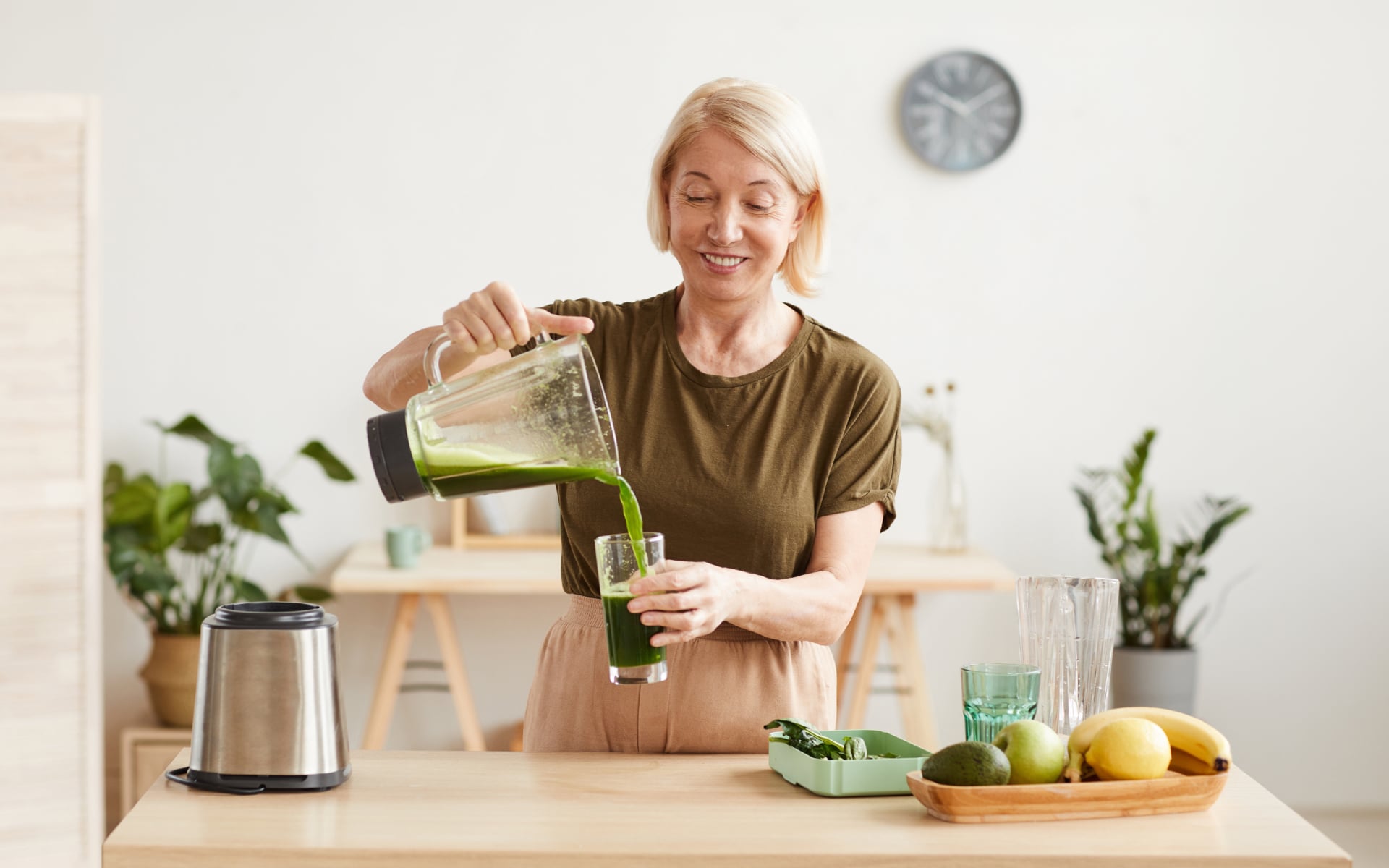
- A nutritious smoothie with fruit, greens, or nut butter
- Fresh or dried fruit
- A bowl of light soup
- Yogurt
- Soft, cooked vegetables
- Eggs or avocado for more satisfying fats
After this lighter start, you can move on to a more filling, balanced meal. Aim for a mix of nourishing whole foods rather than heavily processed or high-sugar choices.
A balanced follow-up meal might include:
- Whole grains such as brown rice, oats, or whole-grain bread
- Vegetables, aiming to fill roughly half your plate
- Lean protein such as chicken, fish, beans, or tofu
- Healthy fats such as nuts, seeds, or olive oil
Fasting women often find that combining fiber, protein, and healthy fats helps them feel more satisfied and steady throughout the eating window (11, 12). That being said, there are no forbidden foods here—the aim is balance, not restriction.
Listen to your appetite, and adjust portion sizes to match your hunger. If you have specific dietary needs or questions, a registered dietitian or healthcare provider can offer guidance tailored to you.
Read more: Intermittent Fasting and Running: What to Know Before You Start
Why Can Weight Fluctuations Happen During Your Period?
Weight fluctuations during your period are common and usually temporary. Many people notice a shift of around 1-3 pounds during menstruation, which tends to resolve within a few days of their period ending (13).
Hormonal changes can lead to water retention and temporary puffiness (14). This isn’t fat gain, even if it feels that way in the moment.
Several factors may nudge the number on the scale or affect how your clothes fit (13):
- Water retention. Hormonal shifts during the menstrual cycle may cause the body to hold onto more fluid than usual.
- Bloating. A heavier, fuller feeling in the belly is common during this time.
- Cravings. Eating a little more than usual during menstruation is normal and expected.
None of this signals a setback. These shifts are a natural part of the menstrual cycle, not a reflection of long-term changes to your body.
Body-neutral thinking can help here. Temporary puffiness tends to ease on its own. Staying hydrated—even when it feels counterintuitive—may actually support your body in releasing excess fluid (15).
If you track your weight, weighing yourself at the same phase of each cycle gives you a more meaningful comparison. Comparing a menstruation day with a non-menstruation day can feel discouraging without adding useful information. As always, individual experiences differ, so give yourself grace during your menstrual cycle.

FAQs
How many hours should a woman fast?
How long a woman fasts depends entirely on the individual and what feels comfortable for them. There is no single number that fits everyone. Some people maintain an 18-20-hour window without difficulty, while others find that 12 hours is plenty. A gentler starting point, such as a 14:10 schedule, gives your body time to adjust before extending the window. Listen to your body, stay hydrated, and ease back if you feel unwell. Individual outcomes vary, so comfort is the most reliable guide.
When should a woman not fast?
Some people may benefit from pausing fasting or speaking with a healthcare provider before starting. This information is general and educational—it isn’t medical advice. Fasting on your period may feel harder for some people, and a short break is a reasonable choice. Individuals who are pregnant or breastfeeding should not fast. A healthy, balanced diet is necessary for the pregnancy to develop. Consider speaking with a qualified healthcare provider before fasting if you’re (16):
- Managing an ongoing condition
- Recovering from illness
- Taking part in intense physical training
- Navigating a difficult relationship with food or eating
A healthcare provider can help you weigh what is appropriate for your individual well-being and nutritional needs.
The Bottom Line
The picture on fasting while you’re on your period is still developing, and the research doesn’t yet offer one clear answer. For many people, pausing during menstruation and returning to a fasting routine once their period ends feels like the most comfortable path, although some manage well with a gentler window throughout. Pay attention to how your body responds, nourish it well, and remember that experiences differ widely from person to person.
If anything feels off or you have underlying conditions, a qualified healthcare provider is the best person to help you find an approach that works for you.
DISCLAIMER:
This article is intended for general informational purposes only and does not serve to address individual circumstances. It is not a substitute for professional advice or help and should not be relied on for making any kind of decision-making. Any action taken as a direct or indirect result of the information in this article is entirely at your own risk and is your sole responsibility.
BetterMe, its content staff, and its medical advisors accept no responsibility for inaccuracies, errors, misstatements, inconsistencies, or omissions and specifically disclaim any liability, loss or risk, personal, professional or otherwise, which may be incurred as a consequence, directly or indirectly, of the use and/or application of any content.
You should always seek the advice of your physician or other qualified health provider with any questions you may have regarding a medical condition or your specific situation. Never disregard professional medical advice or delay seeking it because of BetterMe content. If you suspect or think you may have a medical emergency, call your doctor.
SOURCES:
- Premenstrual Syndrome (2023, ncbi.nlm.nih.gov)
- Nutritional timing and stress biology: intermittent fasting as a hormetic signal for adaptation (2026, fronteirsin.org)
- The Long-Term Impact of Therapeutic Fasting on Primary Dysmenorrhea in Young Female Adults: A Randomized Controlled Trial (2023, pmc.ncbi.nlm.nih.gov)
- The effect of exercise on menstrual symptoms: a randomized controlled trial (2025, link.springer.com)
- Heat therapy for primary dysmenorrhea: a systematic review and meta-analysis (2026, fronteirsin.org)
- Comparison of Connective Tissue Massage and Classic Massage in Women With Primary Dysmenorrhea: A Randomized Clinical Trial (2023, sciencedirect.com)
- Beneficial effects of intermittent fasting: a narrative review (2022, pmc.ncbi.nlm.nih.gov)
- Effect of Intermittent Fasting on Reproductive Hormone Levels in Females and Males: A Review of Human Trials (2023, mdpi.com)
- Does Ramadan fasting has any effects on menstrual cycles? (2013, pmc.ncbi.nlm.nih.gov)
- Intermittent Fasting: Exploring Approaches, Benefits, and Implications for Health and Weight Management (2024, npjournal.org)
- Protein, fiber, and exercise: a narrative review of their roles in weight management and cardiometabolic health (2025, link.springer.com)
- The Lipids and Volume in Satiation and Satiety (LIVES) Hypothesis: A Proposed Alternative Model for the Pathogenesis of Obesity (2023, mdpi.com)
- Premenstrual syndrome (PMS) (2025, womenshealth.gov)
- Are Body Composition Estimates Affected by the Menstrual Cycle in Females With or Without Hormonal Contraception?—A Case-Control Study (2025, onlinelibrary.wiley.com)
- Fluid retention (2024, healthdirect.gov.au)
- Fasting: How to Guide (2021, mdpi.com)
 Reviewed by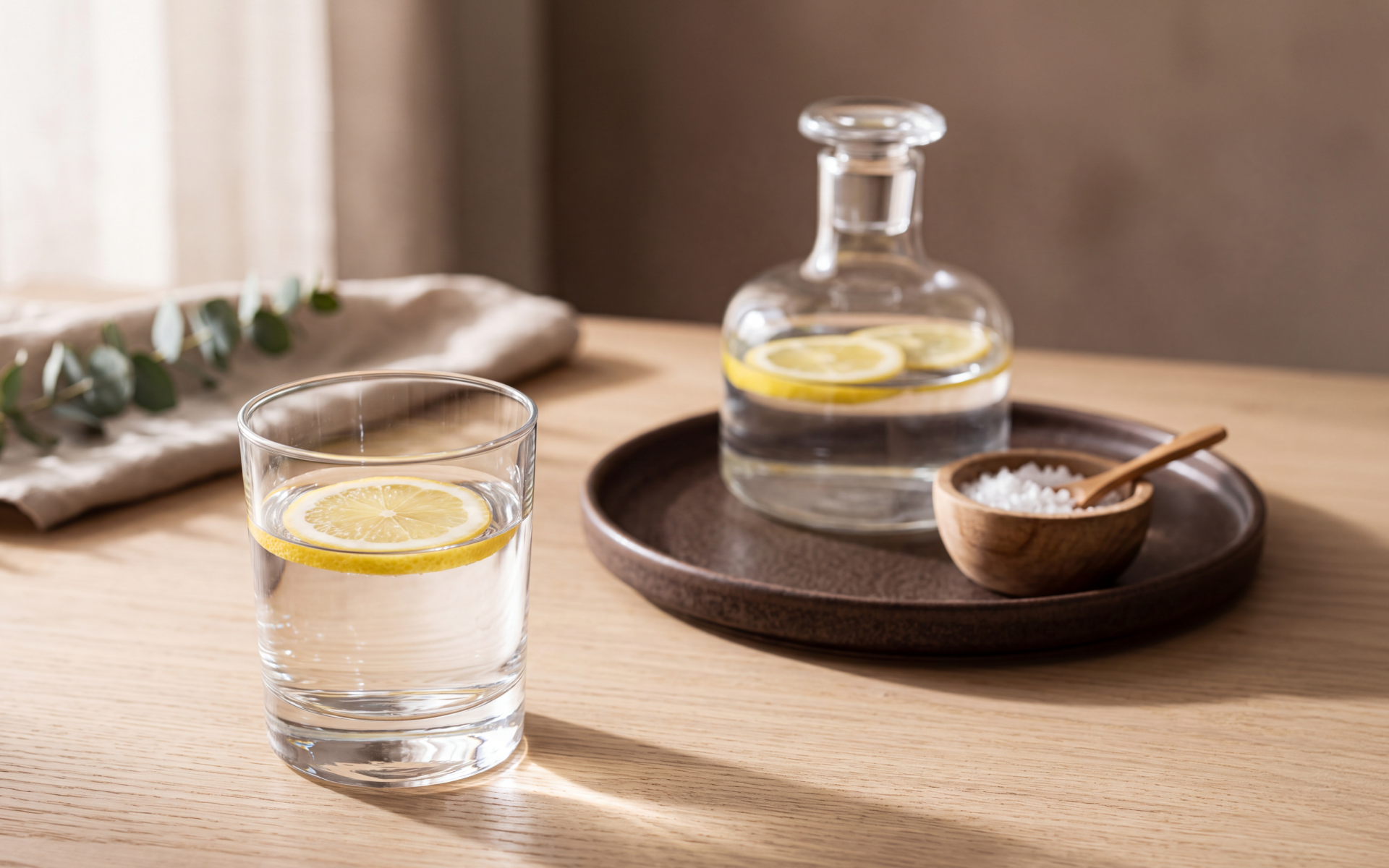
 By
By 
 By
By 
 Reviewed by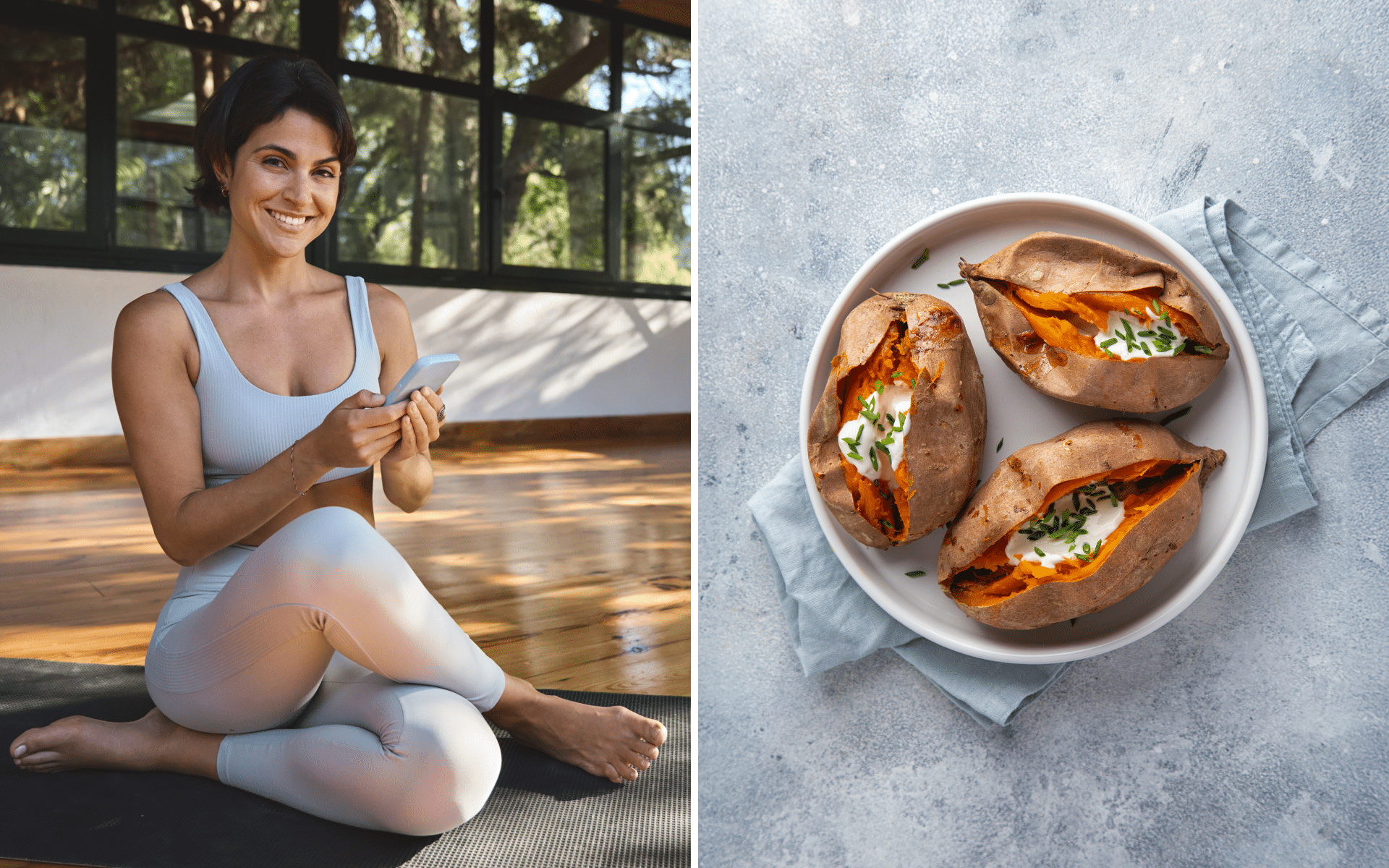
 Reviewed by