An endomorph workout should be built around your training goals and current ability. A body-shape label is not enough to select exercises, loads, or cardio intensity. Start with a manageable strength routine, add aerobic activity, and adjust from your training record. Our guide to endomorph men offers another example of how to organize a week.
Following exercise and diet plans is the key in your fitness journey and greatly impacts results. In 4 weeks users can typically expect to lose not more than 1-2 lbs per week. Individual results may vary.
Key takeaways
These points cover what somatotypes describe and how to set up strength and cardio training.
- Somatotype describes current physique through endomorphy, mesomorphy, and ectomorphy; it is not an exercise prescription (1).
- Resistance training can improve strength and muscle size across several approaches in healthy adults (2).
- Adult activity guidance includes aerobic activity and muscle-strengthening work on at least two days each week (3).
- Both machines and free weights can be used; strength improvements are specific to the movements you train (4).
- Training to failure is not required for strength or muscle gains in the young adults studied in a review (5).
- Increasing repetitions or load both worked in a trial of young adults beginning resistance training (6).
What are the characteristics of an endomorph body type?
An endomorphic body type has a relatively higher endomorphy score, the component describing relative fatness. Somatotypes also include mesomorphy, relative musculoskeletal robustness, and ectomorphy, relative slenderness (1). These describe current physique, including body fat and build.
Those three patterns are (1):
- Endomorphy: Relative fatness
- Mesomorphy: Relative musculoskeletal robustness
- Ectomorphy: Relative slenderness
A somatotype records all three components together. It is not a choice between three mutually exclusive body types (1).
So “endomorph” is a description of shape. It is not a diagnosis. It doesn’t tell you how fast your body works or which exact plan suits you.
How should you choose an endomorph workout plan?
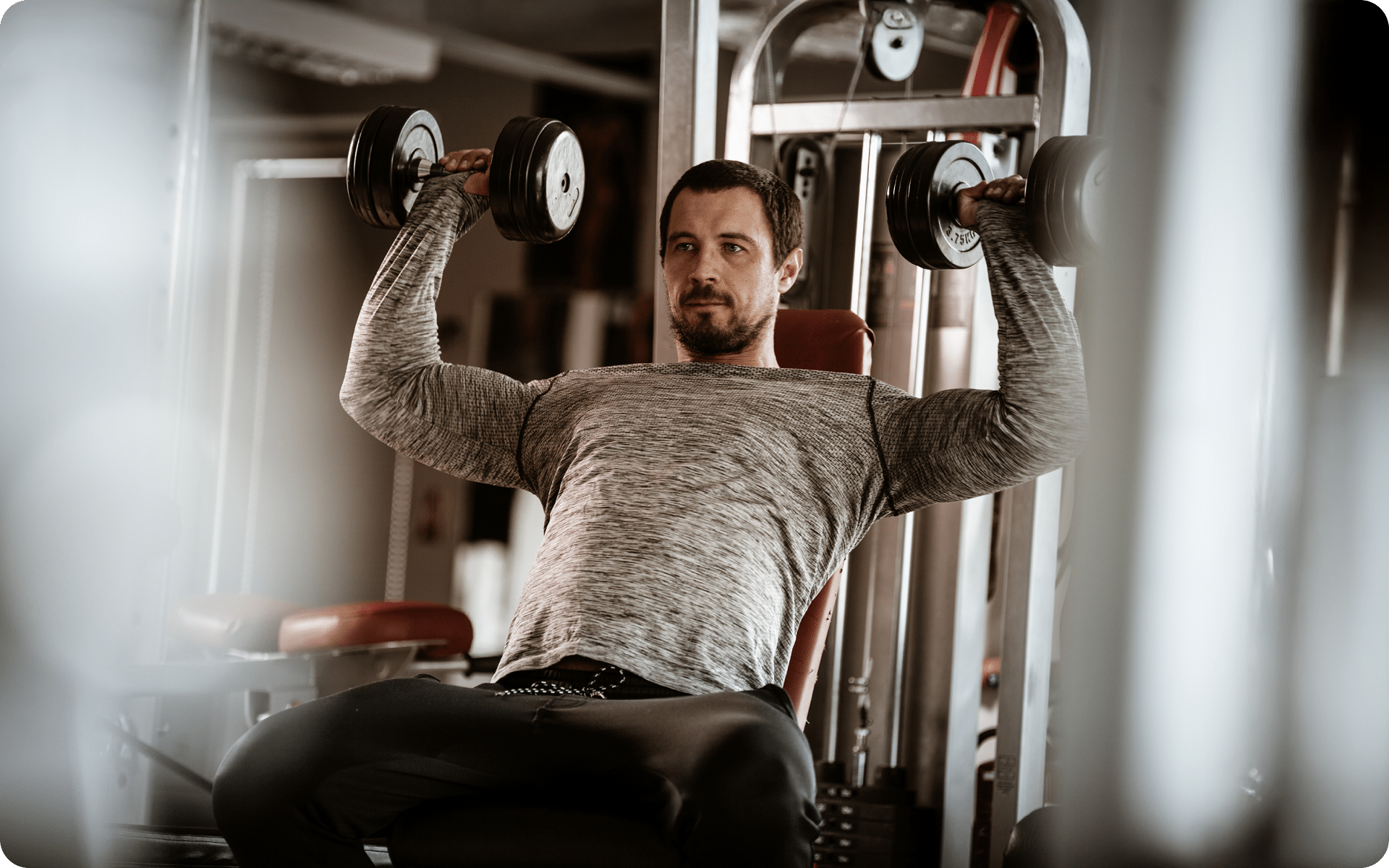
Your body type alone cannot determine an appropriate exercise program. Use your training history, movement ability, goals, and response to exercise to choose a starting point.
A 2026 overview of 137 systematic reviews found that resistance training improved strength and muscle size compared with no exercise in healthy adults. Many training approaches worked, and variables such as equipment type or exercise complexity did not consistently change outcomes (2). When planning, consider:
- Your training goal and current fitness level
- How you manage effort, volume, and steady progress
Read more: Endomorph Meal Plan To Send Your Metabolism Into Full Swing
Why is appearance alone not enough to select a workout?
Appearance alone isn’t enough to select a workout because how you look reveals very little about how you train and recover. Two people can look similar yet respond to exercise in completely different ways.
Body composition describes the makeup of your body; it does not show your movement skill, recent training, or preferred activities. Check those factors before choosing an exercise routine.
For example, choose a squat variation based on the movement you can control and the equipment available. Someone learning the pattern might use a chair squat; someone familiar with it might use a dumbbell goblet squat.
Which personal factors should shape your training program?
The personal factors that should shape your training program are your goals, experience, time, equipment, preferences, and recovery capacity. These give you far more useful direction than any endomorph training label.
Here are the core factors worth prioritizing:
- Primary fitness goals: Fat loss, muscle mass, strength, endurance, or general health and fitness
- Training experience: beginner, intermediate, or advanced
- Available time: 2 days a week differs greatly from 5
- Equipment access: full gym, dumbbells, bands, or bodyweight
- Preferences: a plan you enjoy is easier to repeat
- Recovery capacity: sleep, stress, and daily demands
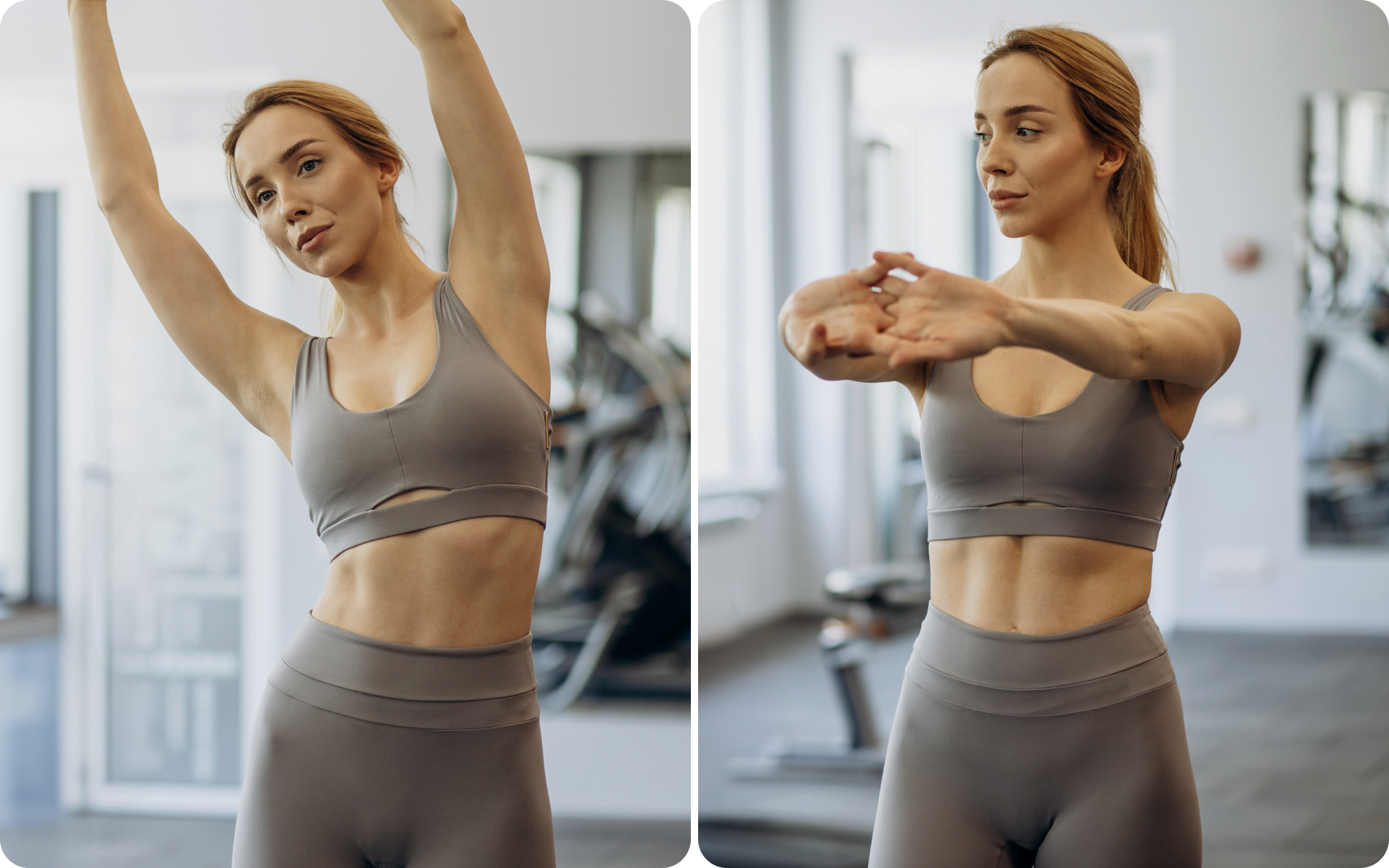
Plan rest or lighter activity between demanding sessions. If soreness changes your movement or performance keeps declining, repeat an easier session or reduce the work before progressing.
How can you train to build muscle or improve strength?
Your primary fitness goal strongly affects exercise selection because different goals call for different loads, volumes, and styles of movement. A goal-based workout plan gives your week a clear purpose.
These are sample weekly structures, not prescriptions tested for an endomorph body type. Choose the lower end initially and adjust to your experience:
| Goal | Main focus | Sample weekly structure |
|---|---|---|
| Fat loss | Keep muscle, raise daily activity | 2 resistance sessions plus manageable cardio and walking |
| Muscle gain | Enough volume, steady overload | 2 to 4 resistance sessions covering major muscle groups |
| Strength | Heavier loads, skill on key lifts | 2 to 3 sessions practicing selected lifts |
| General wellness | Balanced blend of movement | 2 resistance sessions plus aerobic activity |
For general health, adult guidance recommends at least 150 minutes of moderate-intensity aerobic activity, or 75 minutes of vigorous activity, each week, plus muscle-strengthening work on at least two days (3). Build toward these amounts from your current level; the sample beginner schedule below does not yet supply the full aerobic target.
For muscle gain, training volume matters, but a research target is not a minimum every beginner must meet. A review comparing training volumes included young adults with at least a year of lifting experience and suggested 12 to 20 weekly sets for some muscle groups in trained men (7). Do not apply that volume automatically to your first week.
Workouts, weight management tools, and recipe ideas come together in the BetterMe: Health Coaching app, giving you practical support for building a more consistent wellness routine.
How should your training experience influence the routine?
If you are new to strength training, start with movements you can repeat with control. The sample plan here uses:
- Fewer exercises and simpler movement patterns
- Full-body sessions done 2 to 3 times a week
Current resistance-training guidance supports several approaches, including home and elastic-band training (2). Your equipment and schedule can guide the format.
As your experience grows, adjust one variable at a time. Check whether a stalled lift reflects technique, an overly large weight increase, or accumulated fatigue before adding more exercises. A written training record makes those decisions easier.
How can you build a plan around your available time?
You can build a plan around your available time by matching your training split to the number of days you realistically have. Your workout frequency, or number of weekly sessions, shapes the structure.
Use this quick reference to choose a setup.
| Days per week | Suggested structure | May suit |
|---|---|---|
| 2 days | Full-body sessions | Busy schedules, beginners |
| 3 days | Full-body or upper/lower/full | Steady, balanced progress |
| 4 days | Upper/lower split | More focused muscle work |
| 5+ days | Push/pull/legs variations | More volume, specialization |
How should equipment and exercise preferences affect your choices?
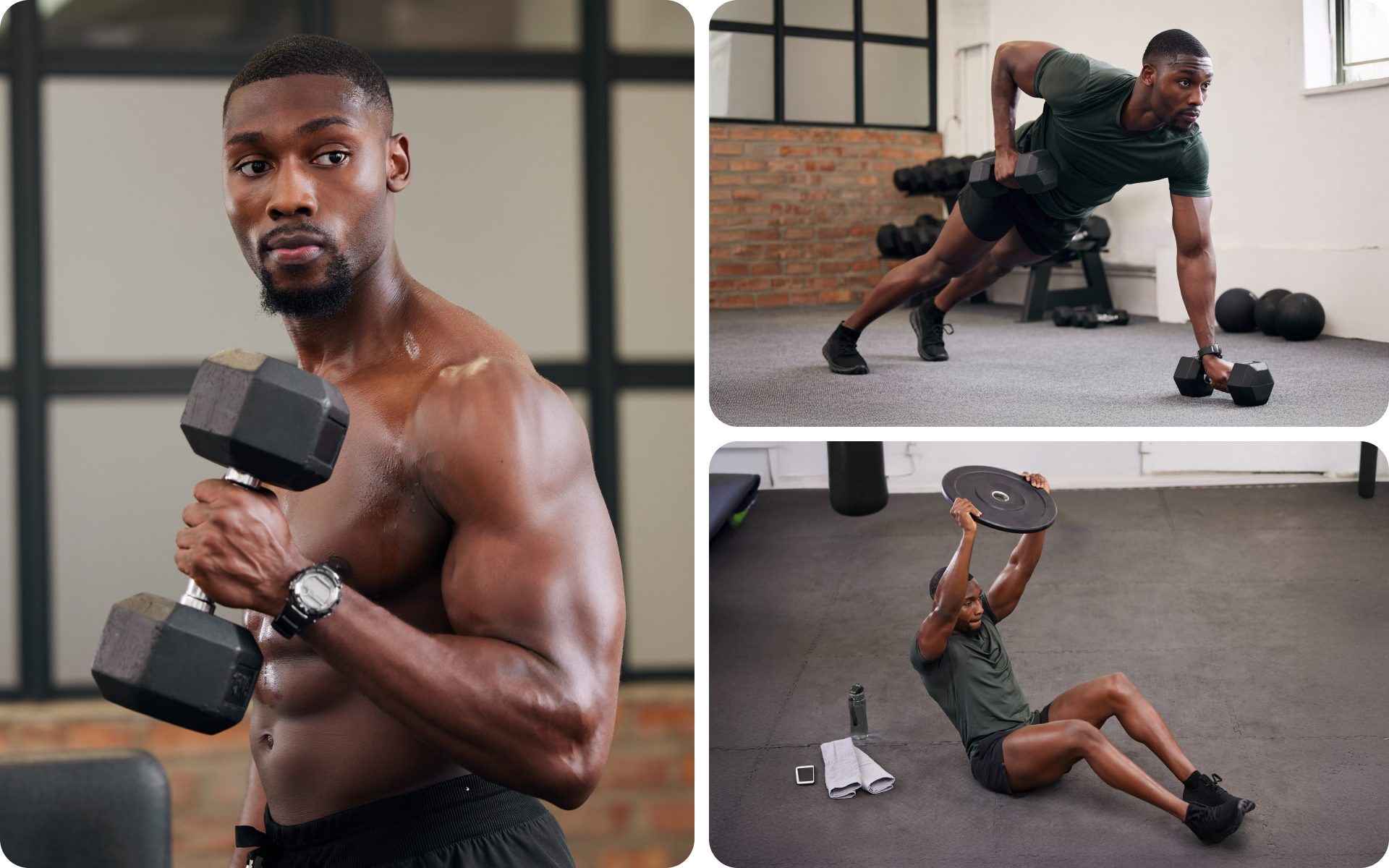
Choose equipment you can use consistently and control through the movement. Machines and free weights are both options; the exercises you practice influence the strength tests you improve on (4).
Different options can serve you well:
- Free weights and machines: A review found no clear overall difference in muscle growth, with strength gains specific to the type of training (4).
- Home setups: dumbbells, bands, bodyweight, or a loaded backpack
For the lower body, a leg press can be an alternative to a barbell squat when it fits your goals and equipment access. Learn the setup and use a comfortable range of motion before increasing resistance.
Read more: HIIT Workouts For Men: Pack A Ton Of Work Into A Short Amount Of Time
What does an endomorph body type workout plan look like?
This sample workout routine combines cardio and weight training. It includes compound exercises, such as squats and presses, that use movement at more than one joint. The session durations and exercise doses are adjustable examples, not an endomorph-specific formula.
| Day | Focus | Details |
|---|---|---|
| Monday | Full-body resistance | Choose 5 to 7 exercises below; start with 1 set each |
| Tuesday | Cardio or walk | 20 to 40 minutes at an easy pace |
| Wednesday | Rest or gentle movement | Stretching or a relaxed stroll |
| Thursday | Full-body resistance | Repeat the session; progress only when ready |
| Friday | Cardio or walk | 20 to 40 minutes, your choice of activity |
| Saturday | Full-body resistance | Optional third session if you feel fresh |
| Sunday | Rest | Rest day |
For this sample full-body session, start with one set of 8 to 12 repetitions for each chosen exercise, counting lunges per leg. Use a load that leaves about 2 to 3 controlled repetitions in reserve. Keep the plank to a manageable hold, up to 20 seconds initially. Rest about 1 to 2 minutes between sets or longer if needed. These are adjustable starting choices.
Goblet squat
- Hold one dumbbell close to your chest with both hands.
- Stand with your feet about shoulder-width apart.
- Bend your knees and hips to lower down.
- Keep your chest tall and your heels down.
- Press through your feet to stand back up.
Dumbbell Romanian deadlift
- Hold a dumbbell in each hand in front of your thighs.
- Keep a slight bend in your knees.
- Push your hips back as you lower the weights.
- Feel a gentle stretch in the back of your legs.
- Drive your hips forward to return upright.
Dumbbell chest press
- Lie on a bench or the floor with a dumbbell in each hand.
- Start with the weights near your chest.
- Press them up until your arms are nearly straight.
- Lower them slowly back to the start.
- Keep your movements smooth and controlled.
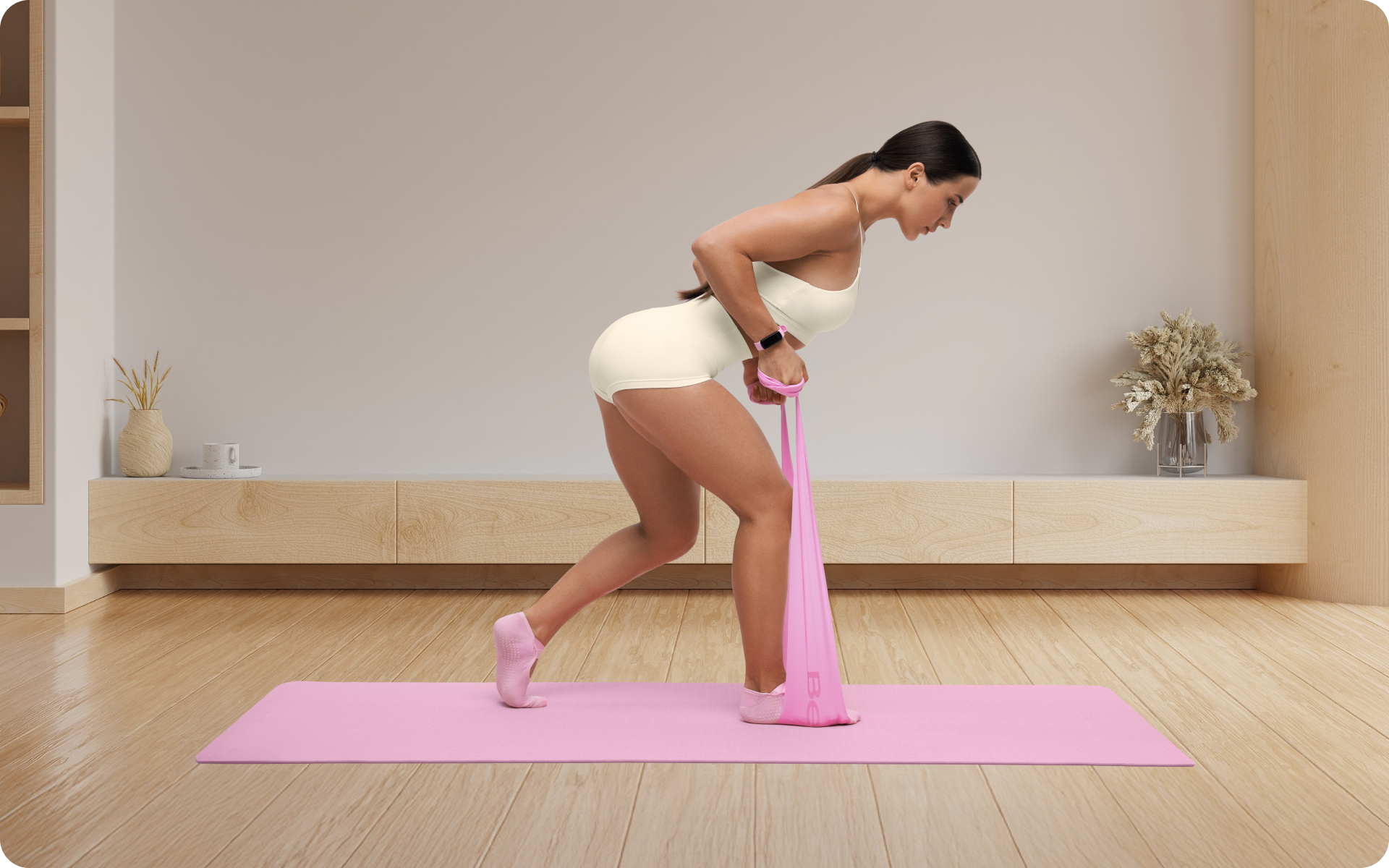
Bent-over dumbbell row
- Hold a dumbbell in each hand.
- Hinge forward at your hips with a flat back.
- Let the weights hang toward the floor.
- Pull them toward your ribs, squeezing your back.
- Lower them slowly and repeat.
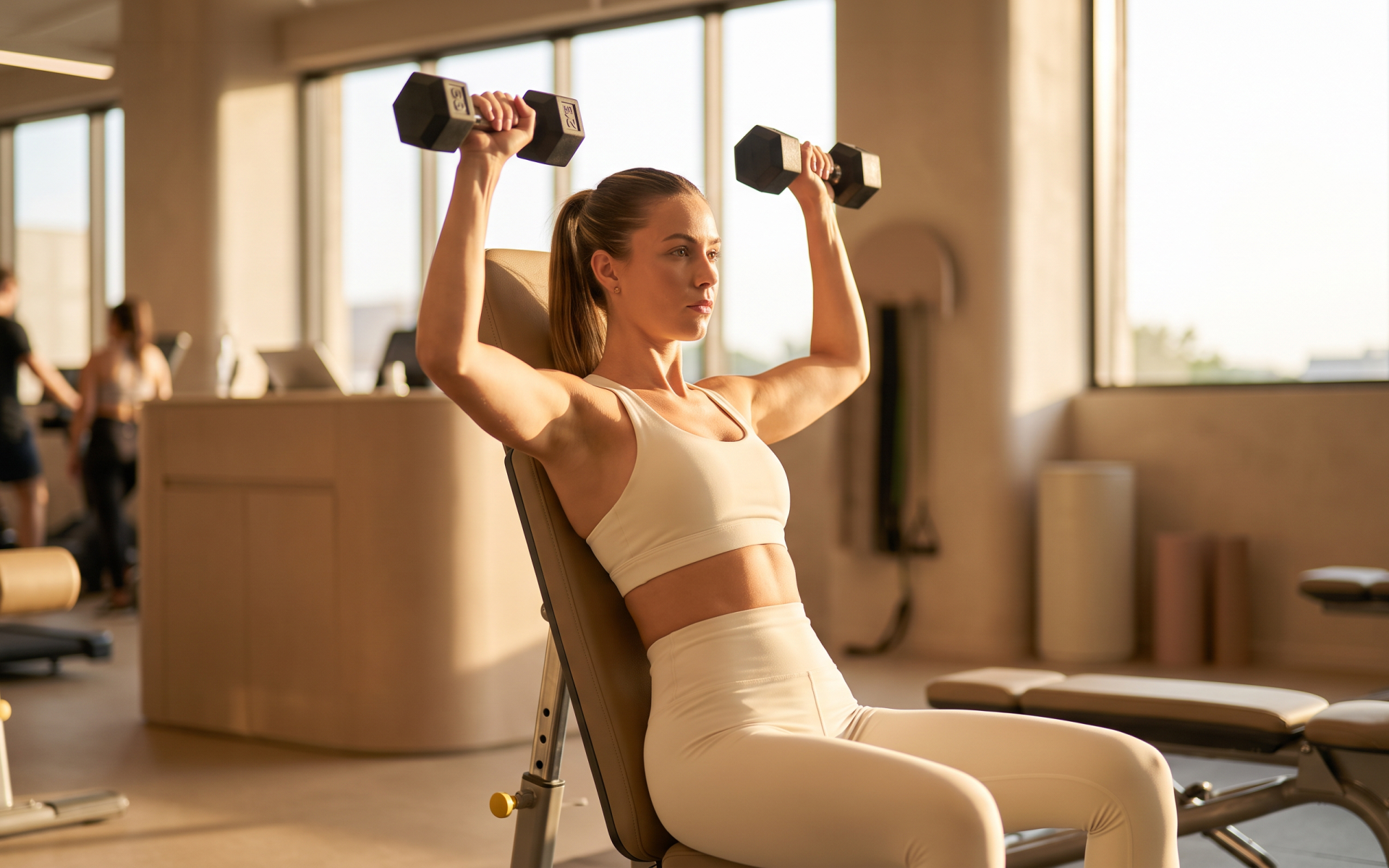
Standing overhead press
- Hold a dumbbell in each hand at shoulder height.
- Stand tall with your feet hip-width apart.
- Press the weights overhead until your arms straighten.
- Pause briefly at the top.
- Lower them back to your shoulders with control.

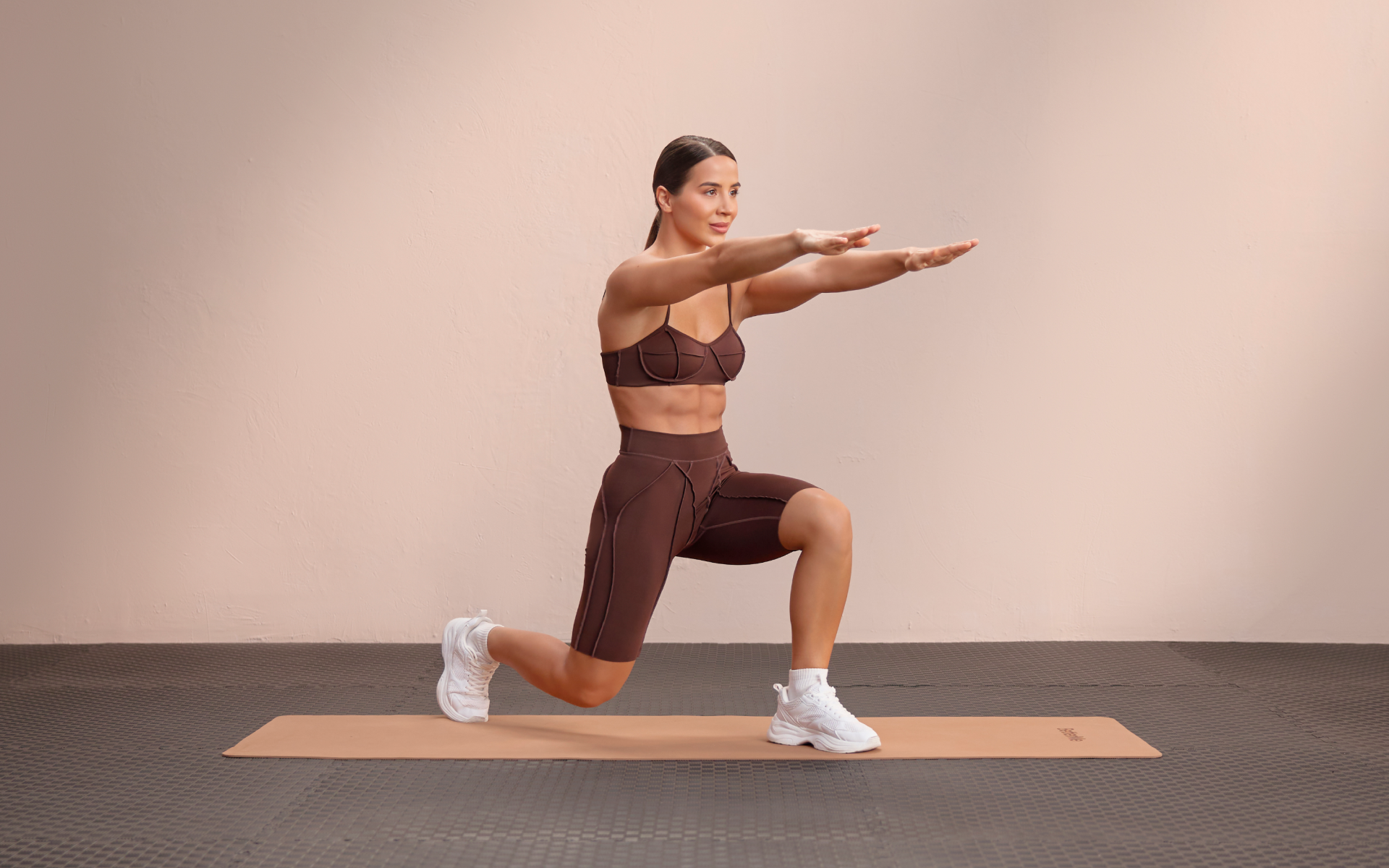
Reverse lunge
- Stand tall with your hands on your hips or holding light weights.
- Step one foot back and lower your knee toward the floor.
- Let your front knee follow the direction of your toes as you lower within a comfortable range.
- Push through your front foot to stand.
- Repeat on the other side.
Plank
- Rest on your forearms and toes.
- Keep your body in a straight line.
- Tighten your core and avoid sagging hips.
- Breathe steadily.
- Hold for up to 20 seconds, ending sooner if your position changes.
How should beginners combine cardio and strength training?
A manageable starting point is two nonconsecutive full-body sessions each week, with light loads while learning the movements. Start with one set per exercise to keep the initial volume low so you can assess how you respond.
Add walking or easy cardio on 1 to 3 other days. This blend supports general wellness without crowding your calendar.
Training to failure is not required for strength or muscle gains. A review of 15 studies in young adults found no clear overall advantage for failure training, although some subgroup results differed (5). Stop a set when you cannot maintain the intended movement.
Before each session, spend a few minutes moving easily and rehearsing the exercises with little or no load. If you want another beginner template, see our workout plan for endomorph female readers.
How should you progress the program over time?
Progressive overload means increasing the training challenge as your ability improves. In a trial involving 39 previously untrained young adults, increasing repetitions or increasing weight during 10 weeks of leg-extension training produced similar gains in strength and muscle size (6). The study supports both options in that setting; it does not prescribe a fixed weekly increase.
You can apply it in a few simple ways:
- Add repetitions: In the sample 8 to 12 range, add a repetition while keeping technique and effort steady.
- Add load: Once all planned sets reach 12 controlled repetitions with some effort in reserve, try the smallest available increase.
If the heavier weight takes you below the chosen repetition range or changes your technique, return to the previous load. You can repeat a session without increasing anything.
Track your sessions in a notebook or app. Compare the same exercise, load, and range of motion before deciding whether to add work.
What should endomorphs do to lose weight?
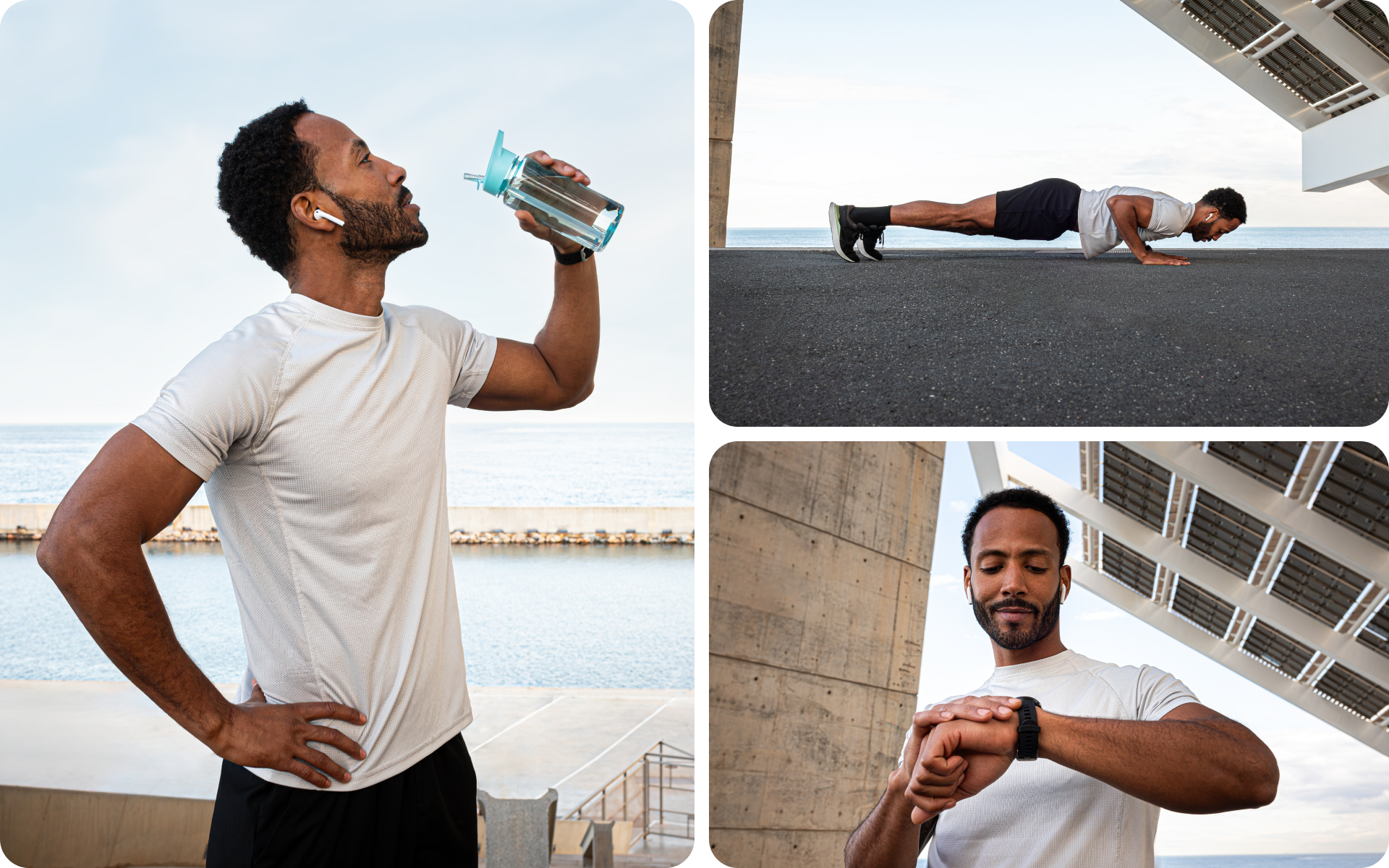
Use a sustainable eating pattern, aerobic activity, and resistance exercise together. These are general weight-management tools, not special fat-loss methods for a body type.
Combine an eating pattern you can maintain with regular physical activity, rather than relying on a special body-type routine. General weight-management guidance brings food choices and movement together (8). Neither a workout label nor an exercise calorie estimate can tell you what change to expect.
Start with a practical change, such as scheduling walks around your strength sessions or planning meals ahead. If a health condition affects how you exercise, ask a health professional about an appropriate starting level (8).
Endomorph diet and exercise: what should you eat?
Choose meals that support your activity, with protein, carbohydrate sources, and healthy fats such as unsaturated oils. Carbohydrates provide exercise fuel, and protein contributes to muscle growth and tissue repair (9). A sample meal could include beans or fish, whole grains, and vegetables.
Use nutritional needs, preferences, and any diagnosed dietary requirements to guide your diet plan. For food and activity planning ideas, see our endomorph diet and workout plan for female readers.
What foods should endomorphs avoid?
A body-shape label alone does not establish a food intolerance or a need to exclude a food group. General healthy-eating guidance emphasizes varied foods and checking portions and added sugars, rather than a somatotype-specific restriction list (8).
BetterMe can help you add more structure to your daily wellness routine with workouts, meal planning tools, and habit-building features. Explore the app and take a practical step toward a routine that feels more manageable for you.

Frequently asked questions
How do I know if I am an endomorph?
A formal anthropometric somatotype uses body measurements and calculations, rather than a quick visual label (1). You do not need a somatotype rating to begin an exercise program.
Can a person’s body type change over time?
A somatotype describes current physique, so it should not be treated as a permanent identity (1). Set goals around activities and abilities you want to develop rather than trying to qualify for another label.
Do endomorphs naturally have a slower metabolism?
A somatotype is a description of physique, not a measurement of metabolic rate (1). A body-shape label alone cannot establish how much energy you use.
Should endomorphs combine cardio and strength training?
Adult activity guidance includes both aerobic activity and muscle-strengthening work (3). High-intensity interval training (HIIT) is not required to meet that guidance; moderate-intensity cardio is an option, too. Choose an activity and pace that fit your current fitness rather than your body-shape label.
Should endomorphs lift heavy weights?
Heavier loads can help develop maximal strength, but choose weight according to your skill and training goal (2). A body-type label is not a reason to attempt maximal lifts; beginners can learn the movements with lighter loads before progressing.
The bottom line
Build an endomorph workout around the exercises you can perform, the time you have, and the goals you want to pursue. Begin with a manageable strength and cardio schedule, record your sessions, and change the plan when your performance and recovery justify it.
DISCLAIMER:
This article is intended for general informational purposes only and does not serve to address individual circumstances. It is not a substitute for professional advice or help and should not be relied on for making any kind of decision-making. Any action taken as a direct or indirect result of the information in this article is entirely at your own risk and is your sole responsibility.
BetterMe, its content staff, and its medical advisors accept no responsibility for inaccuracies, errors, misstatements, inconsistencies, or omissions and specifically disclaim any liability, loss or risk, personal, professional or otherwise, which may be incurred as a consequence, directly or indirectly, of the use and/or application of any content.
You should always seek the advice of your physician or other qualified health provider with any questions you may have regarding a medical condition or your specific situation. Never disregard professional medical advice or delay seeking it because of BetterMe content. If you suspect or think you may have a medical emergency, call your doctor.
SOURCES:
- The Heath-Carter Anthropometric Somatotype: Instruction Manual (2002, phentermineclinics.net)
- American College of Sports Medicine Position Stand. Resistance Training Prescription for Muscle Function, Hypertrophy, and Physical Performance in Healthy Adults: An Overview of Reviews (2026, pmc.ncbi.nlm.nih.gov)
- Adult Activity: An Overview (2023, cdc.gov)
- Effect of free-weight vs. machine-based strength training on maximal strength, hypertrophy and jump performance – a systematic review and meta-analysis (2023, link.springer.com)
- Effects of resistance training performed to repetition failure or non-failure on muscular strength and hypertrophy: A systematic review and meta-analysis (2022, sciencedirect.com)
- Effects of Resistance Training Overload Progression Protocols on Strength and Muscle Mass (2024, pubmed.ncbi.nlm.nih.gov)
- A Systematic Review of The Effects of Different Resistance Training Volumes on Muscle Hypertrophy (2022, jhk.termedia.pl)
- Keep Active & Eat Healthy to Improve Well-being & Feel Great (2018, niddk.nih.gov)
- Nutrition and athletic performance (2026, medlineplus.gov)
 By

 Reviewed by