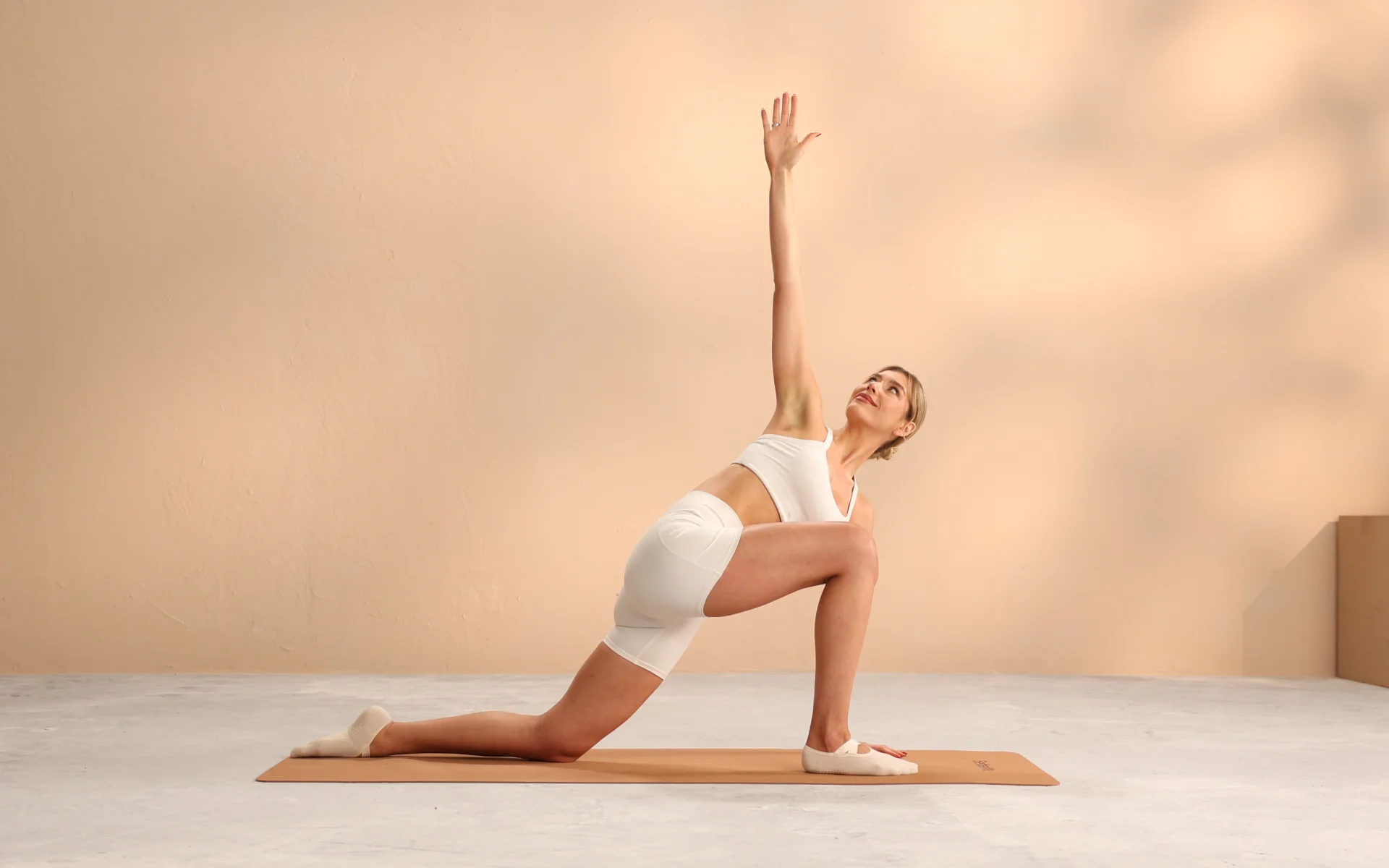
The disadvantages of yoga include injury risk, uneven class quality, and gaps in cardio or strength training. Different types of yoga place different demands on muscles and joints. Choose a yoga class that matches your experience, ask about modifications, and combine yoga practice with other activity when needed.
Our chair yoga guide explains one option for supported practice.
Key takeaways
The main drawbacks of yoga are injury risk, uneven teaching, and gaps in cardio and strength, and each can be planned around.
- A study of emergency-department records found strains and sprains were common among recorded yoga injuries, not among all practitioners (1).
- Published activity estimates differ by yoga style. A class name alone cannot establish your individual aerobic effort (2).
- Adult guidance includes at least 150 minutes of moderate aerobic activity and muscle strengthening on two days weekly (3).
- Hot yoga can cause overheating and dehydration (4).
- Ask about class pace, physical demands, modifications, and the instructor’s experience.
- The weekly schedule below is an illustrative plan, rather than a tested prescription or a requirement to practice daily.
What are 10 disadvantages and side effects of yoga?
Possible adverse effects of yoga include injury or discomfort during practice. Other disadvantages concern teaching quality, training gaps, and personal preferences. The ten considerations below help yoga practitioners assess a session. They are not outcomes everyone will experience.
1. Yoga injuries include strains and sprains
A 2025 study examined 1,615 yoga-related emergency-department records from 2004 to 2023. Strains and sprains represented 32.5% of recorded injuries. Hip injuries formed a larger share among patients aged 45 and older. These records do not establish the injury risk per yoga session (1).
2. Certain yoga poses load joints heavily
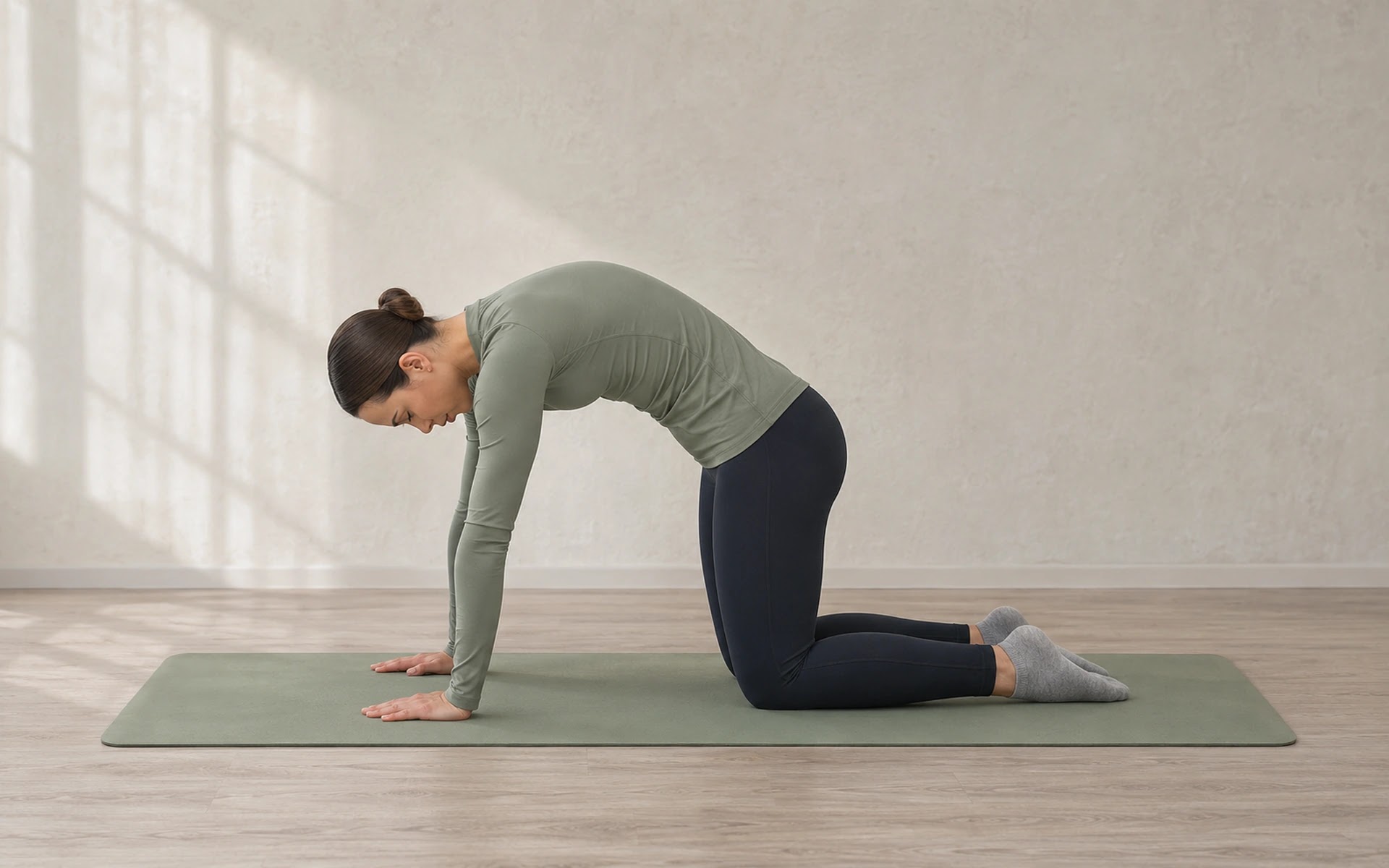
Arm-supported yoga poses place load through the wrists and shoulders. An uncomfortable posture needs modification or omission. Ask a qualified yoga instructor about alternatives before a class built around demanding arm supports or end-range positions.
3. Strength gains may plateau
Repeating an unchanged routine may eventually provide too little challenge for a particular strength goal. There is no universal plateau after a few months. Resistance training allows planned changes to load, sets, or repetitions as your capacity develops (5).
4. The cardio stimulus is often low
Gentle yoga can involve light effort, while some active forms are more demanding. Published energy-cost estimates vary between styles (2). Do not assume every class minute provides moderate aerobic activity.
5. Yoga class quality varies
Ask how the yoga teacher teaches beginners and adapts yoga postures. A shared class label does not tell you how quickly transitions occur or whether there is time for questions.
6. Stretching can outpace stability
Joint hypermobility means having a greater range of motion than expected. It can occur with or without symptoms. If you are very flexible, ask a qualified professional whether strengthening work suits you (6). Seek advice for pain or instability instead of forcing a deeper stretch.
Read more: What To Eat Before Yoga: Foods That’ll Help Your Relax, Reset, And Recenter
7. Long holds may not suit your current tolerance
A long pose hold still creates a physical demand. Keep breathing comfortably; do not hold your breath during yoga to tolerate a difficult posture. Shorten the hold or come out if you cannot remain comfortable and controlled.
8. Home practice lacks feedback
A prerecorded video cannot assess your movement or respond to discomfort. Knee position relative to the toes is not, by itself, a universal error. Ask for movement-specific guidance if a pose is unclear.
9. The session may not match your training goal
A restorative class may suit a quiet practice while offering little challenge for a running or maximal-strength goal. Decide what you want from the session before judging it by exhaustion.
10. Mental and spiritual aspects may not suit your preferences
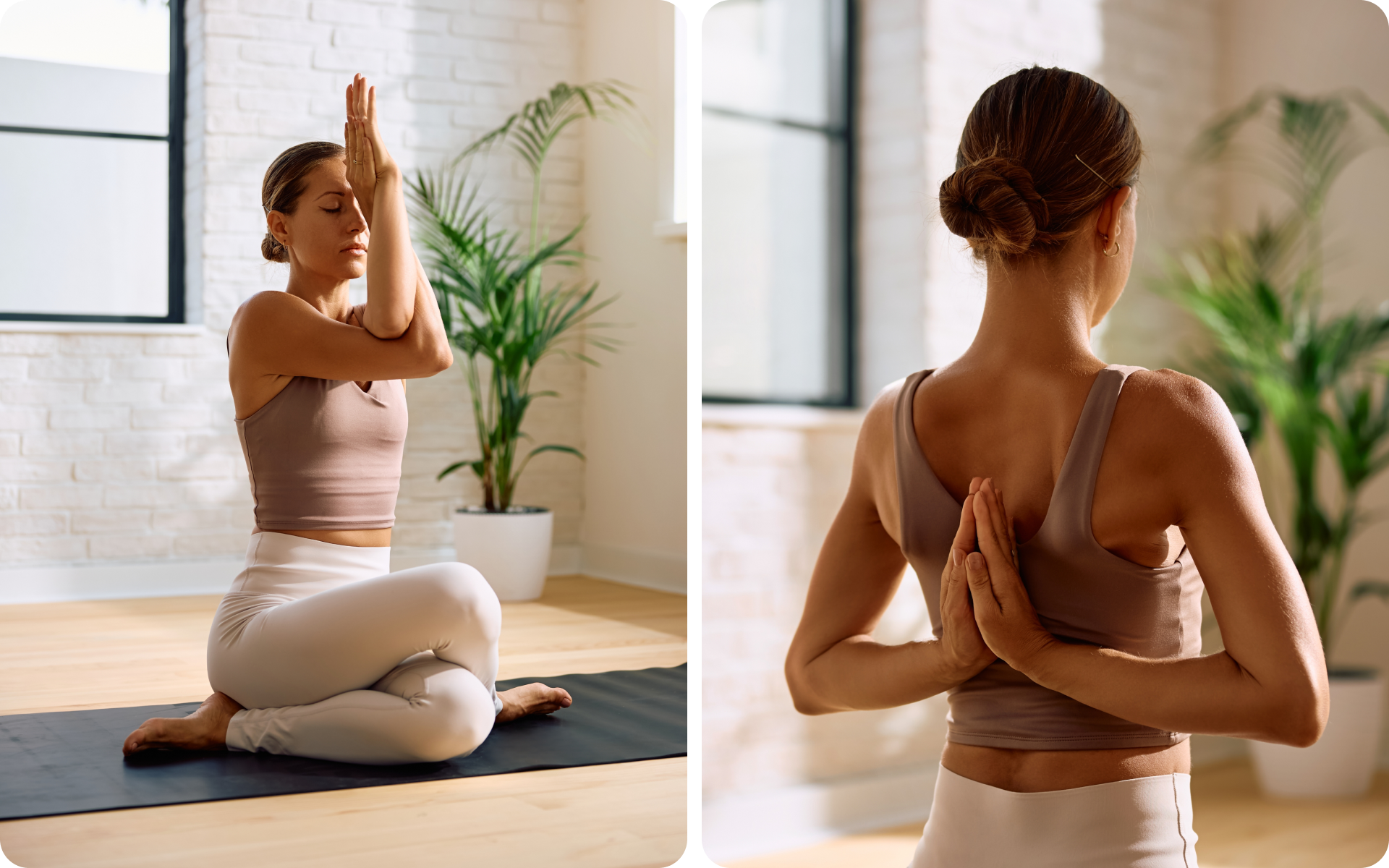
The mental and spiritual aspect of yoga may not fit your preferences. Spiritual language, chanting, or prolonged inward attention can feel uncomfortable. Ask what the class includes. You can decline a practice or choose another setting without needing to justify your beliefs.
If a session causes persistent psychological distress, stop that practice and seek qualified support. Feeling worse is not a necessary sign of progress. Yoga should not delay care for a health concern (4).

Can yoga be too easy for some people?
Yes, a class may provide less challenge than you need for a particular fitness goal. An easy session can still be an intentional choice within a week that includes more demanding training.
For aerobic effort, a 0 to 10 scale places moderate intensity around 5 or 6. During moderate activity, you can generally talk but not sing (7).
Can yoga replace medical treatment or other forms of exercise?
No. Yoga should not replace medical treatment (4). As a form of exercise, its aerobic and strength demands depend on the session. Adult guidance includes at least 150 moderate aerobic minutes and strengthening on two days (3). Review both across your week.
This comparison identifies questions to ask about your actual routine:
| Goal | What yoga may cover | What may need another modality |
|---|---|---|
| Flexibility and mobility | Poses can practice controlled movement through a range | Movement practice suited to your needs |
| Balance | Some standing poses challenge balance | Support or other balance practice when appropriate |
| Muscle strength | Some poses provide resistance | Progressive training covering major muscle groups |
| Cardio fitness | Some active sessions provide moderate effort | Enough aerobic activity to reach your weekly target |
| Bone loading | Some positions are weight-bearing | A plan matched to your bone health and abilities |
| Stress and mind-body focus | Quiet attention and breathing practice | Additional support if distress persists |
A 2023 meta-analysis included 64 randomized trials with 16,797 participants. It reported average changes in several cardiovascular risk markers. These findings do not prove that yoga replaces aerobic training or medical treatment (8).
| Marker | Pooled average difference reported |
|---|---|
| Systolic blood pressure (top number) | 4.56 mmHg lower |
| Diastolic blood pressure (bottom number) | 3.39 mmHg lower |
| BMI (body mass index, a weight-to-height ratio) | 0.57 kg/m² lower |
| LDL cholesterol (a blood fat) | 7.59 mg/dL lower |
| Long-term blood sugar marker | Small difference |
These are pooled average differences, not predictions for an individual. Programs and comparison groups varied. Changes in these markers do not establish equivalence to a particular walking or cycling program (8).
How does yoga compare with strength training?
Resistance training makes changes in external load easy to measure. Yoga can also challenge strength, depending on the poses and their progression. Choose the approach that matches the outcome you want to train.
A 2021 systematic review of yoga included 12 studies in older adults. The benefits of yoga included improvements in strength, balance, mobility, and lower-body flexibility. It found no significant effect on cardiorespiratory endurance. These findings should not be generalized to every style of yoga or age group (9).
| Feature | Yoga | Strength training |
|---|---|---|
| How challenge increases | Longer holds, harder variations | Add weight, reps, or sets |
| Example step up | Plank from 30 to 45 seconds | A smaller available weight increment |
| Muscle-building stimulus | Depends on poses and progression | Depends on load and programming |
| Flexibility focus | Varies by style | Depends on exercise and range |
| Equipment needed | Mat, optional blocks | Weights, bands, or machines |
Our guide to chair yoga and weightlifting discusses combining the two.
Can hot yoga cause dehydration or other risks?
Yes. Hot yoga can cause overheating and dehydration (4). The estimates below compare activities.
| Style | What it involves | Published estimate (2) |
|---|---|---|
| Hatha yoga | Slow pace, held poses, plenty of rest | 2.3 METs for hatha |
| Vinyasa flow | Poses linked to breath in a continuous sequence | 2.7 METs for vinyasa |
| Power yoga | Fast, strength-focused flow | 4.0 METs for power yoga |
| Sun salutations | A linked sequence of poses | 3.5 METs for Surya Namaskar |
| Hot yoga | Yoga practiced in a heated room | 3.0 METs for hot yoga |
These standardized estimates do not measure your class. A MET expresses energy use relative to rest. Values from 3 to 5.9 METs represent moderate absolute intensity (7). Your own relative effort may differ.
Stop if you become dizzy or unwell rather than pushing through.
BetterMe can help you add more structure to your daily wellness routine with workouts, meal planning tools, and habit-building features. Explore the app and take a practical step toward a routine that feels more manageable for you.
How often should you practice yoga?
Choose frequency according to session demands, recovery, and other activity. These examples show possible arrangements to adapt.
| Goal | Sample sessions | Sample duration |
|---|---|---|
| Getting started | 1 to 2 | 10 to 20 minutes |
| Comfortable movement practice | 2 | 15 to 20 minutes |
| A quieter session | 1 to 2 | 10 to 15 minutes |
| More demanding practice | 1, then reassess | As tolerated, with breaks |
| Add-on to strength or cardio | 1 to 2 | 10 to 20 minutes |
Reduce or stop an activity that causes pain or changes your movement. Persistent symptoms deserve assessment rather than a fixed waiting period.
Can doing too much yoga harm your health?
Yes. Repeating a demanding practice despite pain or fatigue can be inappropriate. Practicing yoga regularly does not require a daily streak. Studies in older adults found some physical benefits (9), but they do not show that more frequent practice always gives better results.
Read more: Hot Yoga Weight Loss: Become The Fittest, Leanest, And Strongest Version Of Yourself
Which yoga styles can beginners consider?
Slower yoga classes with clear instruction give beginners time to learn yoga asanas, meaning poses. Ask how the teacher adapts each posture.
Styles that beginner yoga students commonly start with include:
- Gentle hatha: ask about pace, rest, and instruction
- Prop-supported classes: ask how blocks or straps are used
- Slower flow: vinyasa at a relaxed pace with clear cues
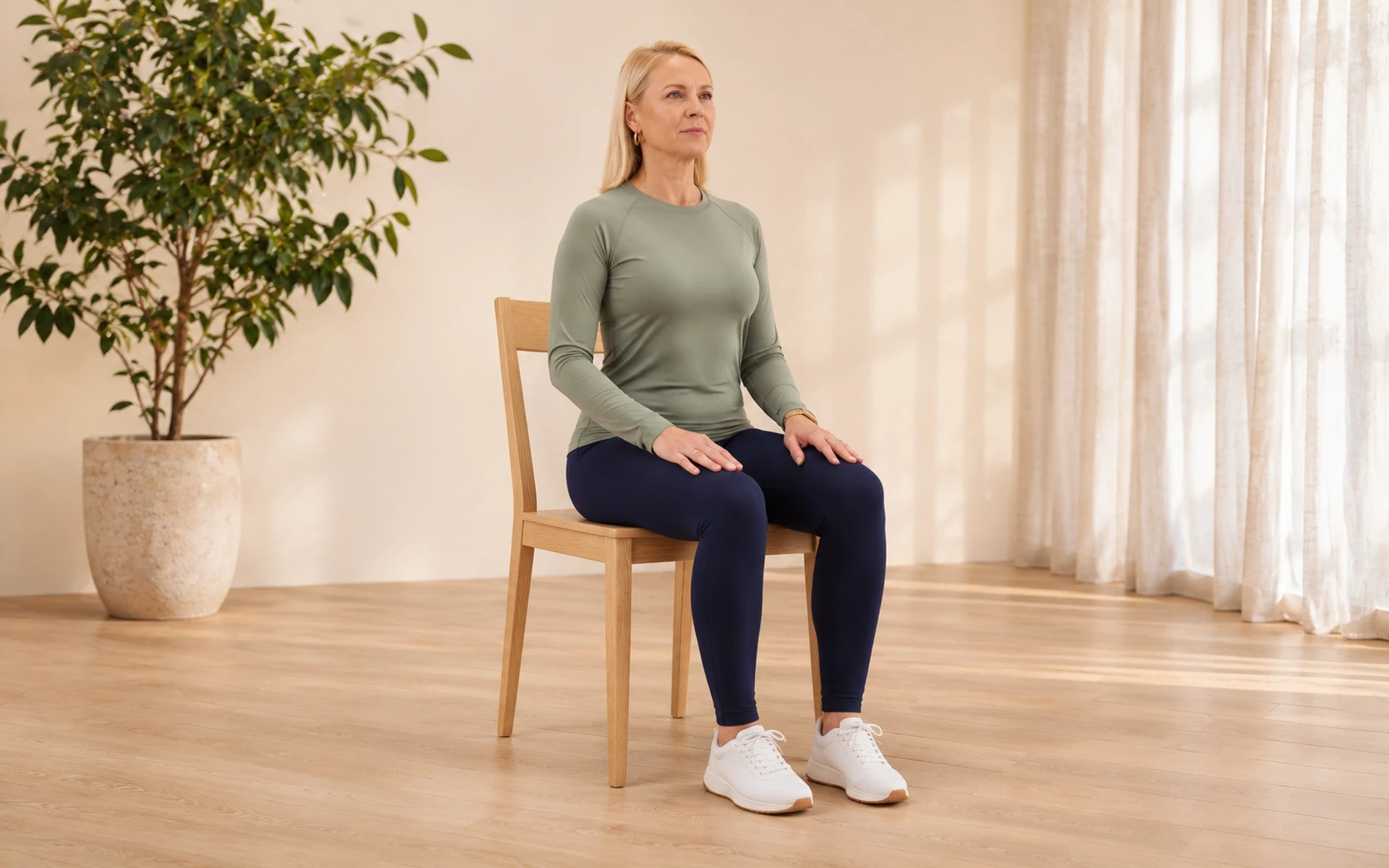
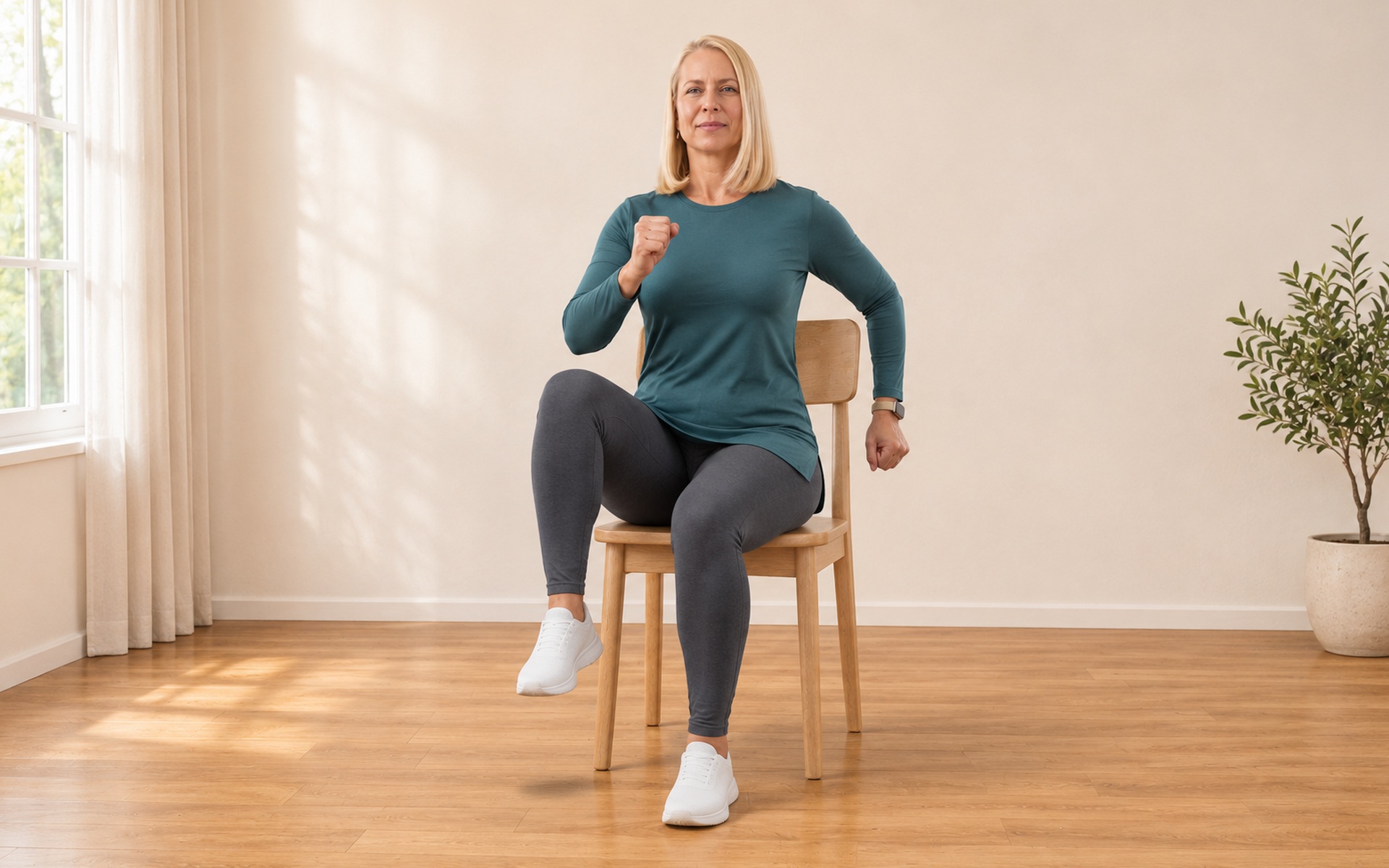
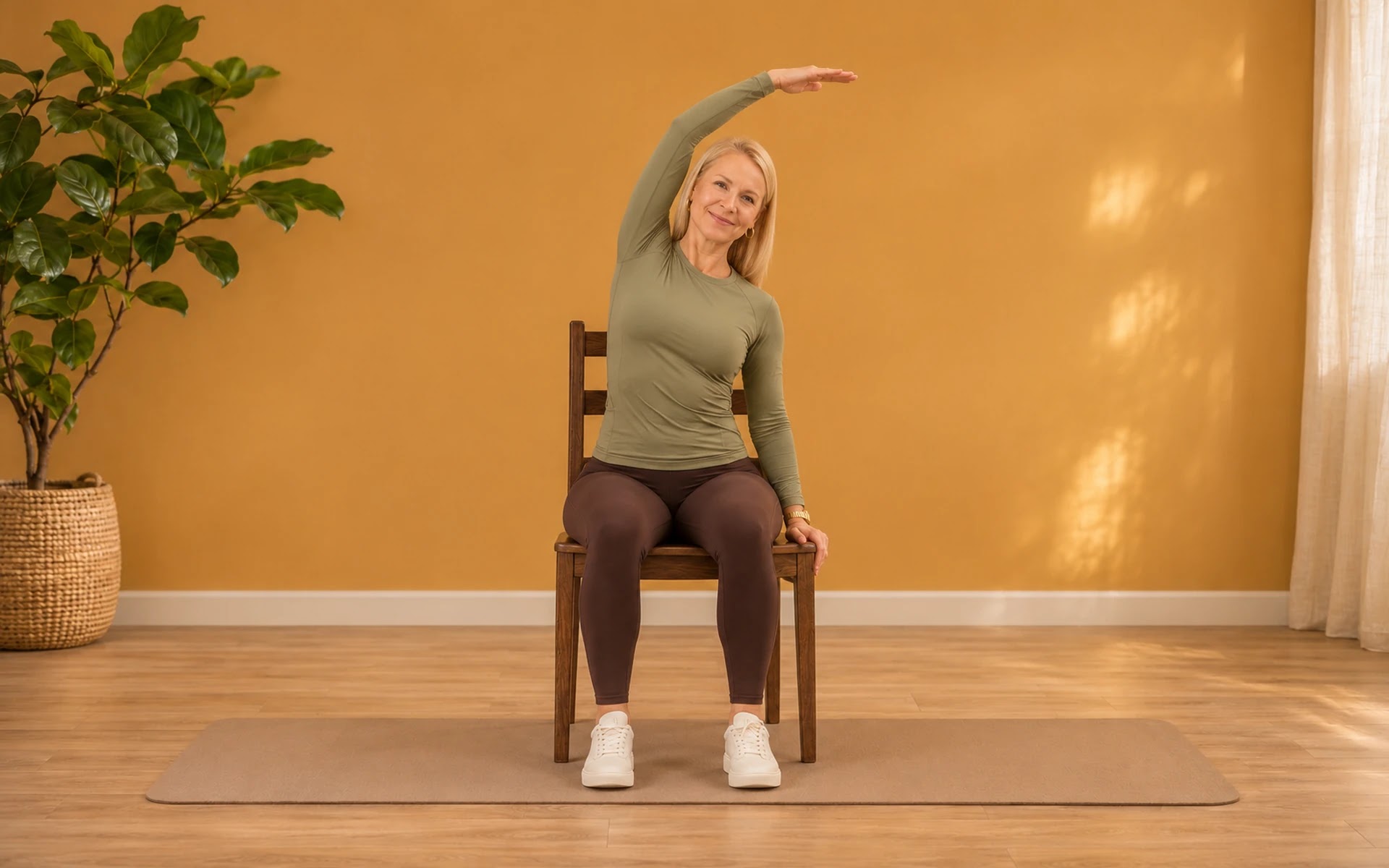
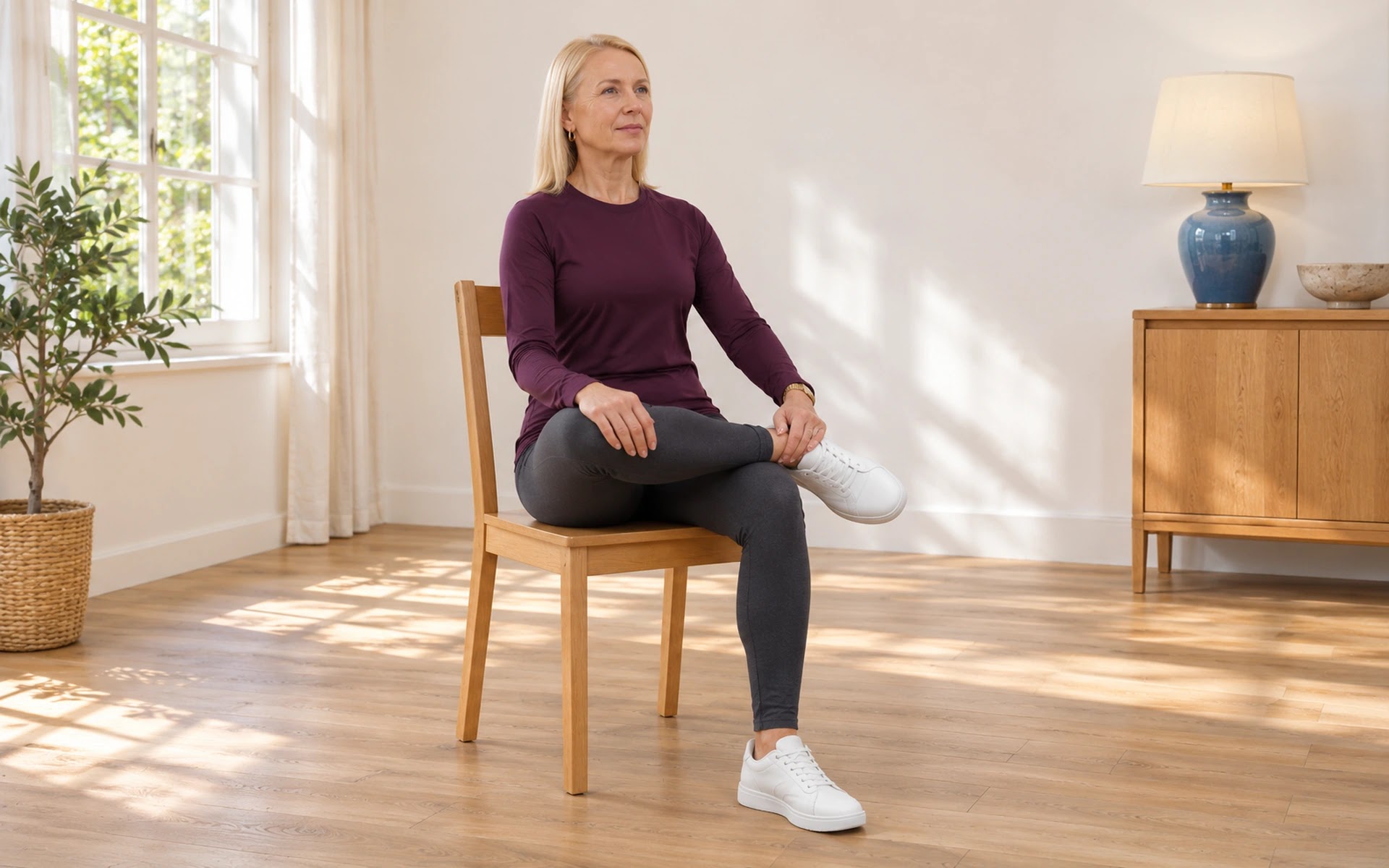
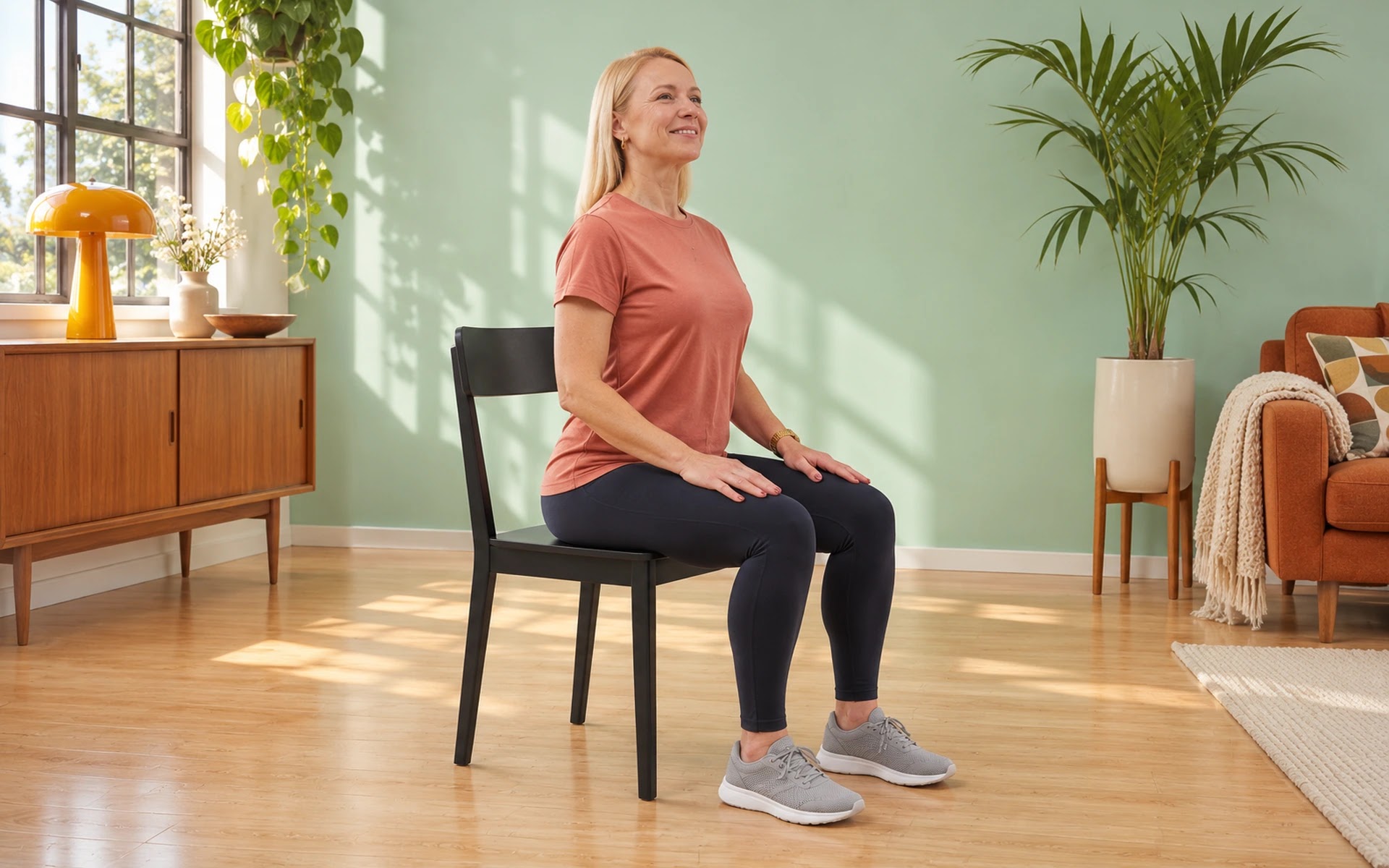
- Chair yoga: ask about seated and supported options
Choose a class that allows questions without pressure to imitate a deeper pose. Our chair yoga guide explains examples of seated practice.
How can you reduce the risk of injury when practicing yoga at home?
Choose suitable yoga techniques, clear the practice area, and arrange feedback when a movement is unclear. These steps cannot eliminate the risk of injury.
For supported practice ideas, see our yoga for seniors at home guide. Choose examples according to ability and guidance, rather than age alone.
Who should avoid yoga or ask for modifications?
People with injuries, certain health conditions, or pregnancy may need to modify or avoid yoga practices (4). Ask your healthcare professional about your circumstances and tell the yoga instructor about relevant limits. A class label alone cannot establish suitability.
Which yoga poses should you avoid during pregnancy?
Pregnancy guidance commonly advises skipping hot yoga and long periods of stillness or lying on your back. Discuss adjustments with your healthcare professional (4).
How can you combine yoga with other workouts?
This example combines two strength days with five 30-minute moderate walks, totaling 150 aerobic minutes. Yoga is optional additional activity. Start below this schedule if needed and build gradually (3).
| Day | Sample plan | Approximate time |
|---|---|---|
| Monday | Strength + moderate walk | Strength as planned + 30-minute walk |
| Tuesday | Moderate walk | 30 minutes |
| Wednesday | Moderate walk + optional gentle yoga | 30-minute walk + 10-minute yoga |
| Thursday | Strength + moderate walk | Strength as planned + 30-minute walk |
| Friday | Moderate walk | 30 minutes |
| Saturday | Optional gentle yoga or rest | Up to 15 minutes |
| Sunday | Rest | No scheduled exercise |
The aerobic total counts only the five moderate walks. Easy warm-up or cooldown time is additional. Do not count optional gentle yoga automatically toward those minutes.
Whether you’re just starting your fitness journey or looking to add more structure to your routine, BetterMe offers tools that can support different wellness goals. Explore the app and see how its workout, nutrition, and habit-building features can fit into your lifestyle.
FAQs
Is yoga enough exercise?
It depends on what your sessions cover. Review weekly aerobic effort and major-muscle strengthening, not just class attendance (3). A gentle session does not automatically count as moderate cardio.
The bottom line
Choose yoga by its actual demands, your goals, and the guidance available. Ask about adaptations before starting. Add aerobic or resistance work where needed. If a class causes symptoms or persistent distress, stop and seek appropriate support.
DISCLAIMER:
This article is intended for general informational purposes only and does not serve to address individual circumstances. It is not a substitute for professional advice or help and should not be relied on for making any kind of decision-making. Any action taken as a direct or indirect result of the information in this article is entirely at your own risk and is your sole responsibility.
BetterMe, its content staff, and its medical advisors accept no responsibility for inaccuracies, errors, misstatements, inconsistencies, or omissions and specifically disclaim any liability, loss or risk, personal, professional or otherwise, which may be incurred as a consequence, directly or indirectly, of the use and/or application of any content.
You should always seek the advice of your physician or other qualified health provider with any questions you may have regarding a medical condition or your specific situation. Never disregard professional medical advice or delay seeking it because of BetterMe content. If you suspect or think you may have a medical emergency, call your doctor.
SOURCES:
The list covers an injury records study, activity energy estimates, adult activity guidance, yoga safety guidance, and reviews on strength, hypermobility, and fitness in older adults.
- Patients Older Than 45 Years Who Practice Yoga Are at an Increased Risk of Hip Injuries: A 20-Year Epidemiological Study of Emergency Room Visits (2025, pubmed.ncbi.nlm.nih.gov)
- Conditioning Exercise (2024, pacompendium.com)
- Adult Activity: An Overview (2023, cdc.gov)
- Yoga: Effectiveness and Safety (2023, nccih.nih.gov)
- American College of Sports Medicine Position Stand. Resistance Training Prescription for Muscle Function, Hypertrophy, and Physical Performance in Healthy Adults: An Overview of Reviews (2026, pmc.ncbi.nlm.nih.gov)
- Hypermobility spectrum disorders: A review (2023, pmc.ncbi.nlm.nih.gov)
- How to Measure Physical Activity Intensity (2025, cdc.gov)
- The Effect of Yoga on Cardiovascular Disease Risk Factors: A Meta-Analysis (2023, pubmed.ncbi.nlm.nih.gov)
- Meta-Analysis of the Effect of Yoga Practice on Physical Fitness in the Elderly (2021, pubmed.ncbi.nlm.nih.gov)
 Reviewed by
 Reviewed by