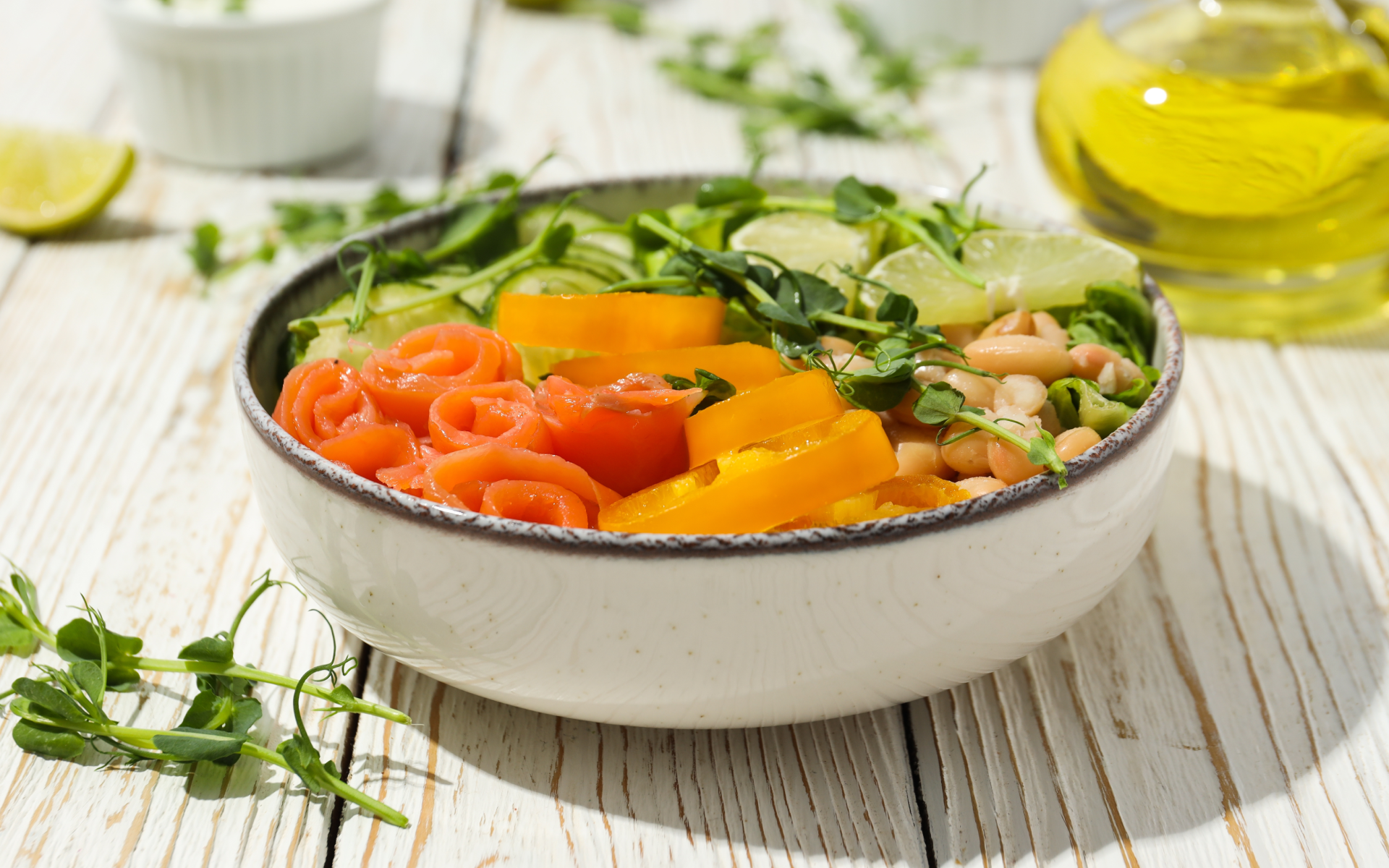
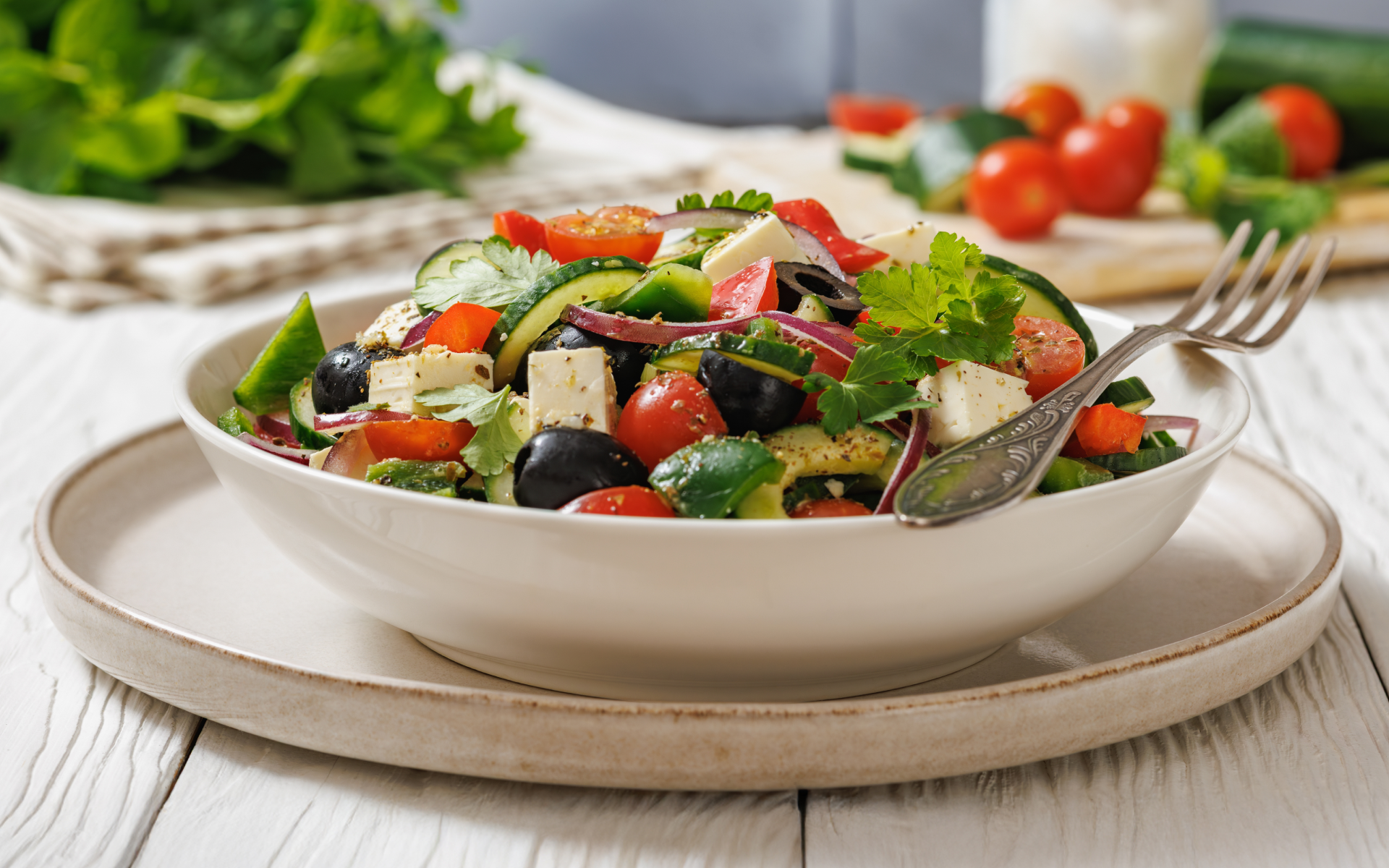
You’re already familiar with the concept of “clean eating”. It generally refers to consuming foods that are as close as possible to their natural state (1).
A great example is choosing a whole grain instead of a refined grain product like white pasta or white bread.
Natural eating reduces the intake of heavily processed foods, made with synthetic ingredients and packed with unhealthy fats, added sugar, sodium, and other preservatives.
Think of French fries, burgers, cookies, or pizza (perhaps your favorites); they all fall under the category of highly processed foods.
Fueling your body with plentiful nutrients is not out of reach, though; there are lots of nourishing products for proper body functioning. If you want to learn what a clean eating food list for beginners is, keep reading this review.
Here we’ve rounded up the top foods to jazz up your eating routine: a lighter and healthier fare to feel happier and energized.
How To Eat Clean For Beginners?
If you’re up for starting your clean eating challenge, think of the main reasons: perhaps you desire to shed some pounds, tackle your diet, or simply fill your body with more nutrient-dense meals more often.
Before jumping right to the clean eating food list for a week, explore this step-by-step instructions list for wholesome eating, especially if you’re a diet newbie:
- Say “Nope” to ultra-processed and highly refined foods
- Cut back on added sugar and refined grains
- Say “Yes” to whole foods
- Drink enough water
- Read nutrition labels
- Cook more at home
- Strive for balance, not perfection
Say “Nope” To Ultra-Processed And Highly Refined Foods
Reduce consumption of packaged snacks, fast food, sugary beverages, and items with a lot of added sugar, unhealthy fats, and/or sodium.
Research has linked high ultra-processed food consumption to increased risk of mortality, Type 2 Diabetes, obesity, and other health conditions (2).
Excluding processed foods entirely from your diet is a real challenge, and you don’t have to do it perfectly. Yet, decreasing the portions of highly processed ingredients or meals and focusing more on nutrient-dense, minimally processed foods can help you create a perfect balance.
A no-processed-food diet menu does not necessarily require fancy, expensive products. Nutrient-dense, minimally processed foods can be dried, frozen, or even canned.
Choose options without added sauces and flavorings that involve added sugars, excessive sodium, or unhealthy fats.
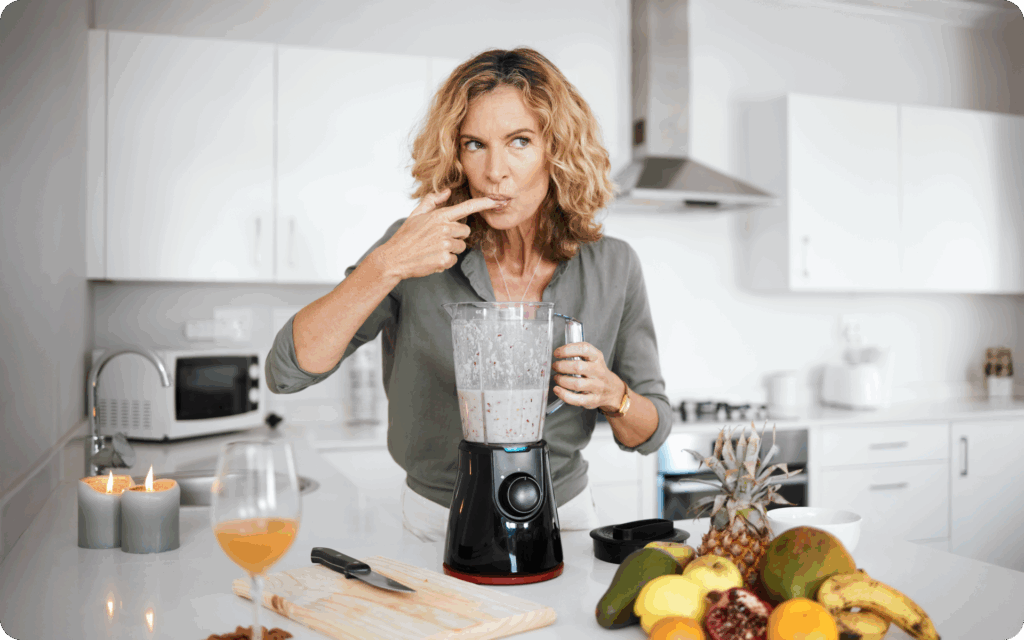
Cut Back On Added Sugar And Refined Grains
Next time, when you’re at the movie theater or a restaurant, pick sparkling unsweetened water instead of soda; cook whole-grain pasta instead of white.
Have fruit for dessert or to curb a sweet craving.
Limiting added sugars offers numerous benefits, such as:
- Healthier teeth
- Sustained healthy weight
- Lower odds of diabetes, heart disease, and high blood pressure (3).
Say “Yes” To Whole Foods
Whole foods are fruits and veggies, whole grains, lean protein, and healthy fats.
These nutrient-dense foods contain high amounts of fiber, protein, vitamins, and minerals that help your body thrive (4).
BetterMe: Health Coaching app helps you achieve your body goals with ease and efficiency by helping to choose proper meal plans and effective workouts. Start using our app and you will see good results in a short time.
Drink Enough Water
Hydration is key to many things: improved energy, better digestion, and well-lubricated joints (5).
Aiming for 8 glasses a day is very generalized advice: some people need more water or less, so the amount of water will depend on each individual.
However, sticking to a water-drinking habit is necessary. Use apps or a journal to remind yourself to refill your water bottle or cup.
A good rule of thumb: Anytime you are thirsty, drink water first!
Read Nutrition Labels
When purchasing processed foods at the store, be mindful of hidden sugars and sodium content. Plus, pay attention to the ingredient list. Look for simple, recognizable words and minimal artificial additives (colors, flavors, or preservatives).
Cook More At Home
Homemade meals take time, money, and patience. They are rewarding, though, as you’ll be in charge of the ingredients to mix in your meals.
- Start with simple recipes, like overnight oats, sandwiches with avocados, and eggs: anything that doesn’t increase your anxiety or put you under pressure.

Strive For Balance, Not Perfection
Don’t be too hard on yourself. Compassion is your real pal during a clean eating journey. You deserve a vacay vibe once in a while by eating pizza, chocolate cake, or popcorn with soda at the movies.
Fixating constantly on the organic products will eventually derail your diet.
Allow yourself some rest without feeling guilty, because everyone deserves a weekly or daily treat meal. Balance is the key!
Read more: The Scandinavian Diet: Simple, Seasonal, And Deeply Nourishing
What Do I Eat In A Day Clean Eating?
Rubbing your head over what to eat in a day of clean eating?
This short example meal plan will cover you. Before starting a 30-day clean eating meal plan, start small by eating clean for one day. Splurge on hearty ingredients and cook them more healthily.
- Breakfast
A meal sample: Overnight oats with rolled oats, chia seeds, almond milk, and fresh berries
Optional: A drizzle of honey or a sprinkle of nuts.
- Snack
A snack sample: a handful of berries, nuts, or a piece of fruit.
- Lunch
A meal sample:
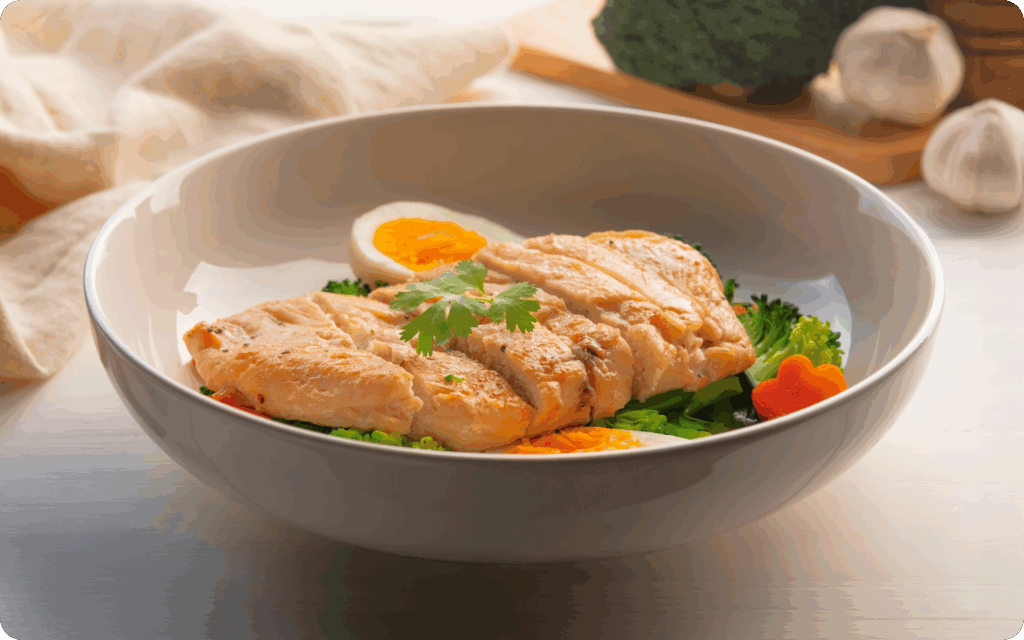
- Grilled chicken with brown rice and veggie salad.
- Dressing: olive oil and lemon juice.
- Or, baked salmon with herbs and lemon + roasted zucchini, broccoli, and sweet potatoes.
- Snack
A snack sample:
- Carrot or celery sticks with hummus
- Small Greek yogurt with berries.
When it comes to weight loss, progress is made by inches, not miles, so it’s much harder to track and a lot easier to give up. The BetterMe: Health Coaching app is your personal trainer, nutritionist, and support system all in one. Start using our app to stay on track and hold yourself accountable!
- Dinner
A meal sample:
- Baked salmon, roasted veggies, and bulgur or quinoa on the side.
- Or, cooked quinoa, grilled chickpeas, and steamed veggies.
You will devour these meals with pleasure; they have loads of nutrients and delicious flavor. You don’t have to be a gourmet chef to cook these dishes because they’re simple, approachable, and ideal for beginners.
Use flavors and seasonings that you enjoy to tailor them to your tastes.
What Is The Cleanest Meal To Eat?
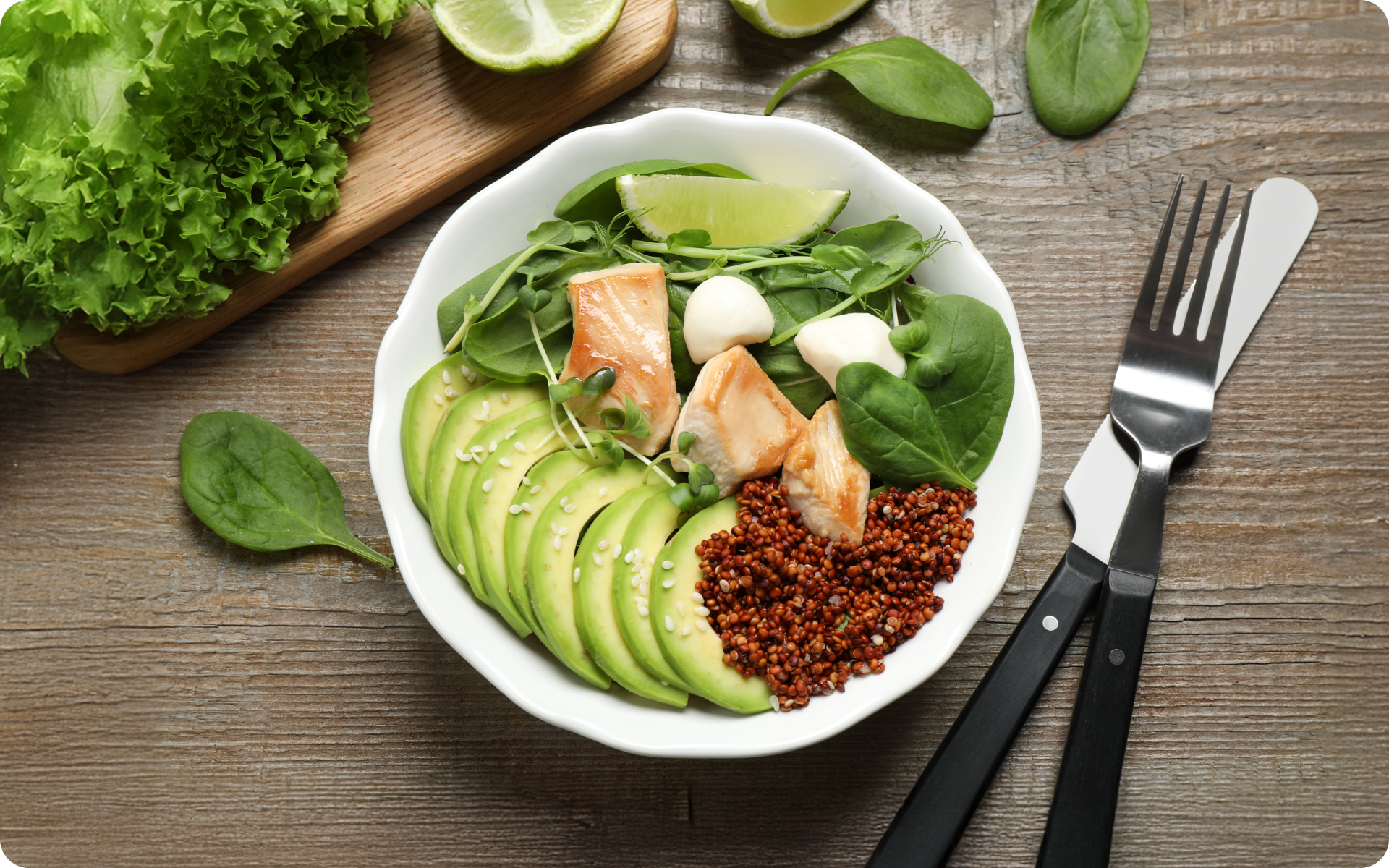
Your plate with the cleanest meal should include:
- Vegetables and/or fruit – about ½ your plate.
- Lean protein (such as chicken, fish, eggs, or tofu) – about ¼ of your plate.
- Whole grains or complex carbs (oats, quinoa, whole wheat products, or sweet potatoes) – about ¼ of your plate.
- Add a small amount of healthy fats (avocado, nuts, or olive oil) – this can be your cooking oil or in a sauce, dressing, or marinade.
- You add natural flavouring (garlic, herbs, spices, lemon juice).
- For dessert, you either eat berries, plain yogurt, fruits, or nuts. Dark chocolate from natural beans is also allowed.
Overall, the cleanest meals are versatile: one day you enjoy fish with broccoli and berries, the other you try chicken with farro and veggie salad.
What Is A Balanced Clean Eating Food List For Beginners?
Below, we compiled a balanced, clean-eating food list for beginners. It’s easy to follow and practical for your favorite daily meals.
It’s categorized in the table below; you can print it out, stick it on your fridge, and use it for your grocery lists. The table suits a 30-day clean eating food list, mix and match to make your favorite combinations.
| Vegetables | Fruits | Whole Grains | Lean Proteins | Healthy Fats | Beverages | Dairy | Herbs and Spices |
|---|---|---|---|---|---|---|---|
| Leafy dark and bright greens: spinach, kale, romaine, arugula, cabbage Colorful veggies: bell peppers, carrots, zucchini, tomatoes, cucumbers Alliums: onions, garlic, leeks Cruciferous: broccoli, cauliflower, Brussels sprouts | Berries: blueberries, strawberries, raspberries Citrus: oranges, lemons, limes Rosaceae/Musaceae: Apples, pears, bananas Fruits with stones: peaches, plums, avocados | Quinoa, brown rice, bulgur, farro, barley Rolled oats, steel-cut oats Whole-grain bread or pasta | Lean meat: chicken, turkey, lean beef Fish: salmon, sardines, mackerel, tuna Plant-based proteins: lentils, tofu, chickpeas, beans, tempeh Nuts & seeds (almonds, walnuts, pumpkin seeds, chia, flax) Eggs | Avocado Olive oil, canola, and other vegetable oils Nuts and seeds Fatty fish | Herbal teas Sparkling water (unsweetened) Water Black coffee (unsweetened) | Unsweetened yogurt (Greek or plant-based) Cheese Quark Milk or milk alternatives (almond, oat, soy) | Fresh or dried herbs: basil, rosemary, parsley, cilantro Spices: turmeric, cumin, garlic, paprika, cinnamon Lemon/lime juice, vinegar |
What Can You Not Eat When Clean Eating?
There are numerous foods you can eat on a clean diet, but what about the prohibited foods?
In fact, you might suspect that the clean-eating foods to avoid are usually the most desirable, first-thought foods that can easily trick your brain into craving their robust taste.
Foods to limit and avoid:
- Ultra-processed foods: chips, cookies, candy bars; frozen dinners; instant noodles; junk food.
- Added sugars/sweeteners: soda, energy drinks; candies, pastries, desserts with refined sugar; artificial sweeteners.
- Refined grains: white bread, white pasta, and different pastries.
- Processed meats: hot dogs, smoked or cured sausages, cured bacon, deli meats
- Sugary dairies: yogurts with added sugar, ice cream, sweetened plant-based milk.
- Alcoholic drinks: contain empty calories and often lots of sugar, especially cocktails.
If you have a sweet tooth or are an avid fast-food admirer, learn to balance your pleasures and nutritious meals.
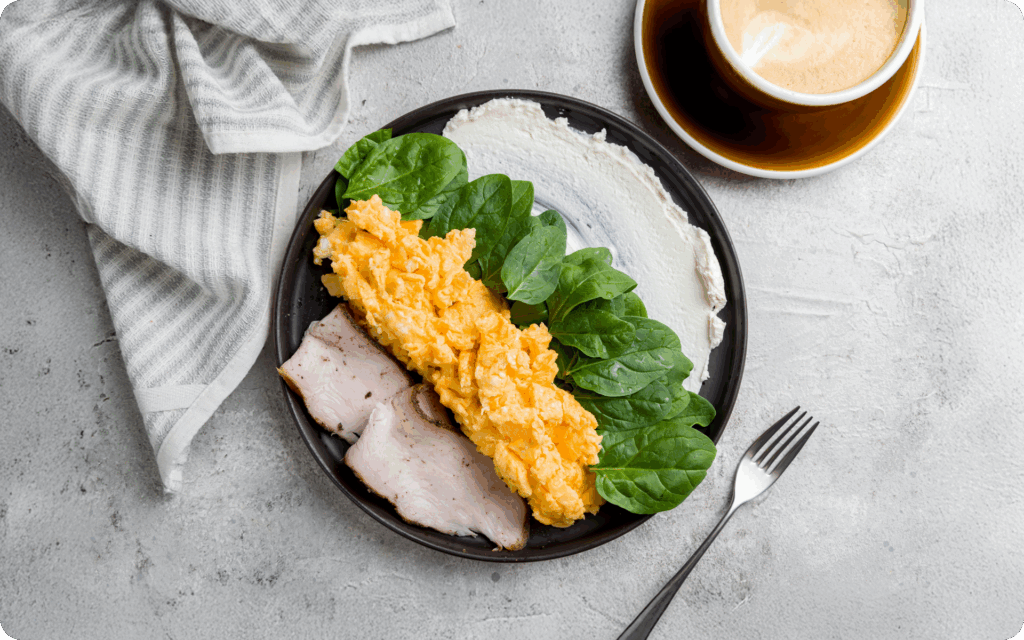
For example, these are some easy swaps:
- Eat dessert after a clean meal
- Order a salad instead of fries with your burger at the fast food restaurant.
- Swap milk chocolate for dark chocolate on occasion.
Hydrating on Aperol, beer, or any other alcoholic beverage is not a crime if you’re sincerely enjoying them. But turning it into more than an occasional habit might be harmful for you, and we’re not referring only to weight gain.
Alcohol’s effects on your body strike on various levels; it impacts your entire body, and the more you indulge, the more dangerous it gets (6).
A clean eating food list for weight loss can be beneficial in more ways than weight loss; it can also help you build healthier lifestyle habits and coping mechanisms.
Read more: Sugar Free Meals: No Sugar Diet Plan
What Are The Disadvantages Of Clean Eating?
It looks like clean eating has no flaws: you consume nutritious foods, feel better, and may even improve your well-being.
But sometimes, when you overly fixate and micro-manage on the “pure food” eating, the situation can get out of control.
This situation invites the term orthorexia nervosa, which refers to a full-blown concentration on healthy eating. A physician named Steven Bratman first documented this disorder in 1997. Orthorexia nervosa (ON) refers to an extreme preoccupation with healthy eating, but it may lead to stress, anxiety, and compulsiveness.
Some criteria of ON include:
- Extreme focus on healthy eating
- Feeling anxious or upset if not eating healthily
- Problems in daily life: weight loss, malnutrition, and social issues (7).
That is why the point mentioned at the top of this article, where we suggested allowing yourself your favorite meals from time to time, can be a wise and enjoyable choice.
Another study in 2017 suggests that the more users scroll on Instagram, the higher their chances of demonstrating orthorexia nervosa symptoms (8). Often bloggers and lifestyle gurus showcase their pure-eating routine, leaving no space for real photos and actual foods they ingest when the cameras are off.
Be aware of ideal images and clean meals in the videos, because they don’t always match reality. It’s vital and healthy to incorporate balance and leave room for flexibility, remembering that social media is not always what it appears to be.
Clean eating refers to consuming only whole, minimally processed foods: fruits, veggies, whole grains, dairy, healthy fats, and lean proteins. While clean eating, people should abstain from added sugar, refined grains, artificial ingredients, and highly processed ingredients. Yes, you can eat rice while eating clean, but choose the minimally processed varieties: brown rice, red rice, wild rice, or black rice. Pair rice with veggies, lean protein, and healthy fats to spruce up your clean-eating meal. Absolutely, eggs are significant components of your clean-eating diet. Packed with protein, healthy fats, and vitamins, you can prepare eggs in various ways and use them in many recipes. Avoid processed egg products like egg patties, powdered eggs, or pre-packaged omelet mixes. Yes, Greek yogurt is allowed on a clean-eating diet. Greek yogurt is an excellent source of protein and calcium; it’s perfect for breakfast or as a snack paired with berries and nuts. Ensure you select plain, unsweetened Greek yogurt with no added sugar or artificial sweeteners. You can add your own flavorings. Limit dessert-style yogurts or flavoured versions, as they often contain a high amount of added sugar.Frequently Asked Questions
What is 100% clean eating?
Can you eat rice when eating clean?
Are eggs clean eating?
Is Greek yogurt clean eating?
The Bottom Line
So, what is a clean eating food list for beginners?
This review unleashed some of the best products to garnish your plate. They’re nourishing, fulfilling, and affordable. Next time, when shopping at the store or food market, grab some chicken, veggies, fruits, and whole grains.
Prepare the meals on your own, if you have time and desire; cooking at home is the best way to avoid any additives or other unhealthy components. Use simple recipe ideas at the beginning of this review today.
Remember to enjoy a variety of clean foods in different colors – each one brings unique nutrients that help your body function nicely.
And have fun cooking your meals.
DISCLAIMER:
This article is intended for general informational purposes only and does not serve to address individual circumstances. It is not a substitute for professional advice or help and should not be relied on for making any kind of decision-making. Any action taken as a direct or indirect result of the information in this article is entirely at your own risk and is your sole responsibility.
BetterMe, its content staff, and its medical advisors accept no responsibility for inaccuracies, errors, misstatements, inconsistencies, or omissions and specifically disclaim any liability, loss or risk, personal, professional or otherwise, which may be incurred as a consequence, directly or indirectly, of the use and/or application of any content.
You should always seek the advice of your physician or other qualified health provider with any questions you may have regarding a medical condition or your specific situation. Never disregard professional medical advice or delay seeking it because of BetterMe content. If you suspect or think you may have a medical emergency, call your doctor.
SOURCES:
- Clean eating: What does that mean? (2019, mayoclinichealthsystem.org)
- Ultra-processed food exposure and adverse health outcomes: umbrella review of epidemiological meta-analyses (2024, bmj.com)
- What Happens When You Cut Out Added Sugar? (2025, www.webmd.com)
- Nutrition Benefits and Considerations for Whole Foods Plant-Based Eating Patterns (2022, pmc.ncbi.nlm.nih.gov)
- Water: How much should you drink every day? (2022, mayoclinic.org)
- Alcohol’s Effects on Health (2025, niaaa.nih.gov)
- Definition and diagnostic criteria for orthorexia nervosa: a narrative review of the literature (2018, link.springer.com)
- Instagram use is linked to increased symptoms of orthorexia nervosa (2017, link.springer.com)
 Reviewed by