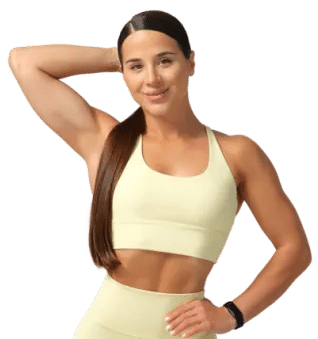

Starting your beginner gym routine can feel both exciting and intimidating, particularly if it’s your first time stepping into the gym. With so many machines, weights, and workout styles, knowing where to start is often the biggest hurdle.
However, this doesn’t have to be the case. In this article, we’ll guide you through a practical and confidence-boosting gym routine for beginners to help you build a strong foundation, avoid common mistakes, and create lifelong habits to support your fitness journey long term.
What Is a Practical Beginner Workout Plan for the Gym?
A practical beginner workout plan for beginners is a simple yet well-structured routine that helps someone new to fitness learn how to exercise and use gym equipment to build strength and reach their fitness goals safely.
Such a routine focuses on different types of exercises, from balance to strength training and cardio, while keeping the overall program manageable for newbies. The main goal of such a gym workout for beginners is to ensure that whoever follows it feels confident in their movement and also understands the basics of proper workout form.
This will help gradually increase their stamina and strength as they become more comfortable with the gym environment and fitness as a whole.
Which Type of Gym Is Best for Beginners?
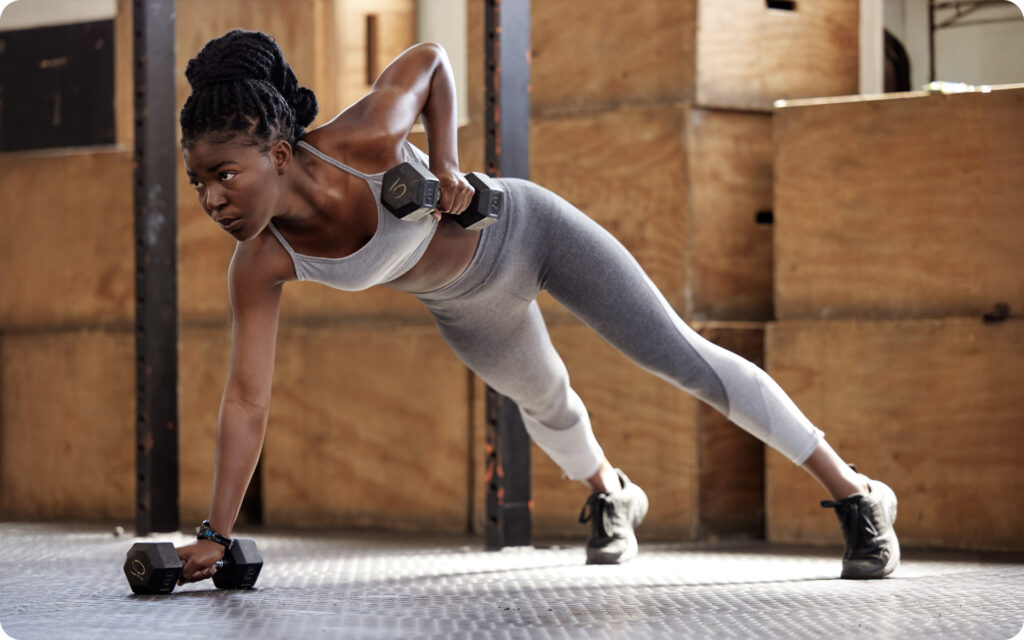
The best type of gym for beginners is one that has:
- A variety of (at least) basic equipment: A good beginner gym doesn’t need to have fancy equipment. As long as it has enough free weights and some simple basic cardio machines such as treadmills and stationary bikes, you’re good to go.
- Trained, polite, and helpful staff: It should have knowledgeable trainers who can help you out with your form, machinery operations, and train you through a whole routine if need be.
- Good standard for cleanliness: It’s very easy to catch both respiratory and skin infections at the gym. When checking out a gym, ensure that you choose one that’s well-cleaned and maintained to lower the risk of such infections.
- Easily accessible: As a beginner, opt for a gym that’s conveniently located near your home or work. This increases the likelihood of sticking with your membership and routine, which helps with consistency and success.
BetterMe: Health Coaching app helps you achieve your body goals with ease and efficiency by helping to choose proper meal plans and effective workouts. Start using our app and you will see good results in a short time.
How Should a Beginner Start a Gym Routine?
When considering this question, most people wonder what to do on the first day at the gym. While this is good information to have, most people often ignore some basic, yet important steps to follow before they set foot into such a facility and start their workout.
Here are some things you need to know and do before kicking off your beginner gym workout.
- Visit Your Physician
Before starting any fitness program, whether it’s a workout routine for beginners at home or the gym, it’s advisable to speak to a doctor. Getting a physical exam allows you to assess your current physical condition. This is particularly important for:
- Anyone who may have existing health conditions, e.g. heart problems
- Those with ongoing health conditions, e.g. diabetes
- Anyone who’s undergone major surgery in the last 12 months
- Anyone with previous or existing injuries
A physical exam may seem like a hassle, but it helps keep you safe, as it can help identify existing or previously unidentified risks that could be aggravated by the wrong exercise.
- Explore the Gyms Around You
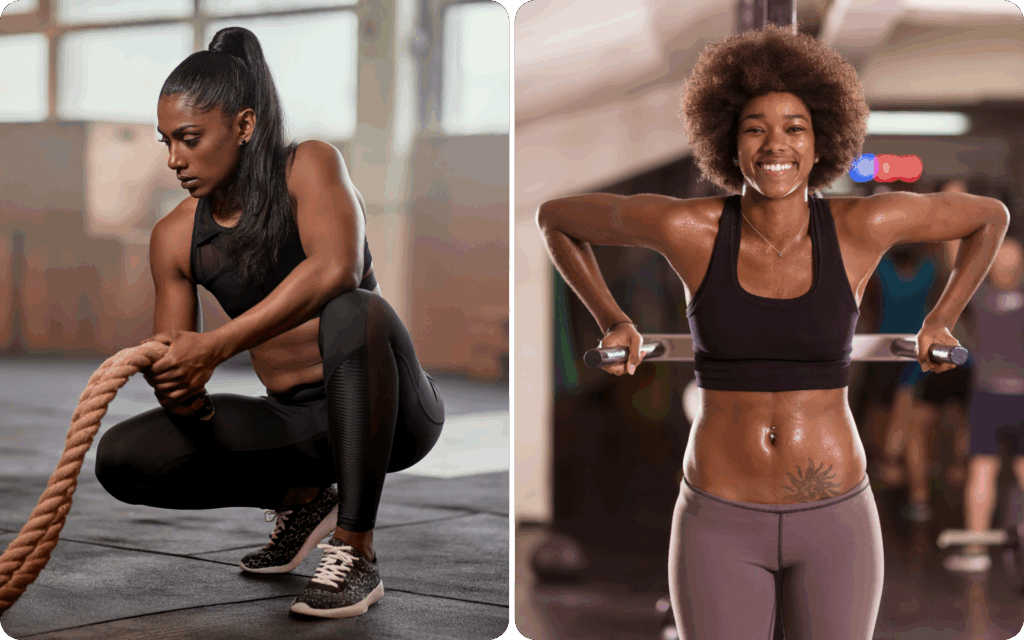
Not all facilities are the same. They have different equipment, etiquette, safety procedures, working hours, subscription prices, and much more. Taking the time to visit each one will allow you to carefully weigh up each one so you can choose the one that best suits your needs and budget. If you plan on using a trainer, you can use such a visit to gauge the staff and see if their vibe matches what you need.
- Know Your ‘Why’
Why are you working out? To stick to any workout program, you need a strong understanding of why you’re putting yourself through it all.
An often overlooked truth about fitness is that it’s hard. Being consistent with a routine amongst life’s busy routines is difficult, as is sticking to a healthy diet, waiting for results, and pushing through the muscle pain that comes from working out.
Without a strong understanding of your why, you’re likely to quit before you reach your goals. So instead of simply saying:
- “I want to lose weight and tone”, say something like “I’m looking for a gym routine for weight loss and toning for females to help me feel more confident in my outfits and pictures.”
- “I want to be healthy”, say “I want to engage in a gym workout plan for female beginners to help me reach a healthy weight so I can play easily with my kids without getting tired quickly.”
A clearly defined ‘why’ works great as a motivator to help you stick to your plan despite any hurdles and challenges you may experience during this journey.
Are you looking to lose some extra fat? Check out this article to get tips for a weight loss gym routine for females.
- Have S.M.A.R.T. Goals
Your goals should be
- Specific – As explained in the point above
- Measurable – i.e. how much weight would you like to lose or muscle do you want to gain by the end of the challenge? How many sets and reps would you like to manage to complete by the end of all this? How many times do you want to be exercising weekly?
- Achievable – Don’t set unrealistic goals, as they will simply demotivate you. If the goal is weight loss, remember the CDC recommends a gradual, steady weight loss pace of around 1 to 2 pounds a week (1). Therefore, if your goal is to lose 30 pounds, then an achievable goal would be to lose this weight in 15 to 30 weeks
- Relevant – Everything you do in the gym should be tailored to directly and positively influence your long-term fitness goals and healthy lifestyle.
- Time-Limited – You should have a clear deadline for your goal. This helps keep you accountable and consistent, and allows you to clearly assess your progress.
What Do I Do on My First Day at the Gym?
You’ve done your health checks, specified your goals, picked the best gym for you, and now you’re heading in for your first workout. But what exactly should you do once you’re in there? Here are the steps you should follow on the first day of a beginner gym workout plan for men or women:
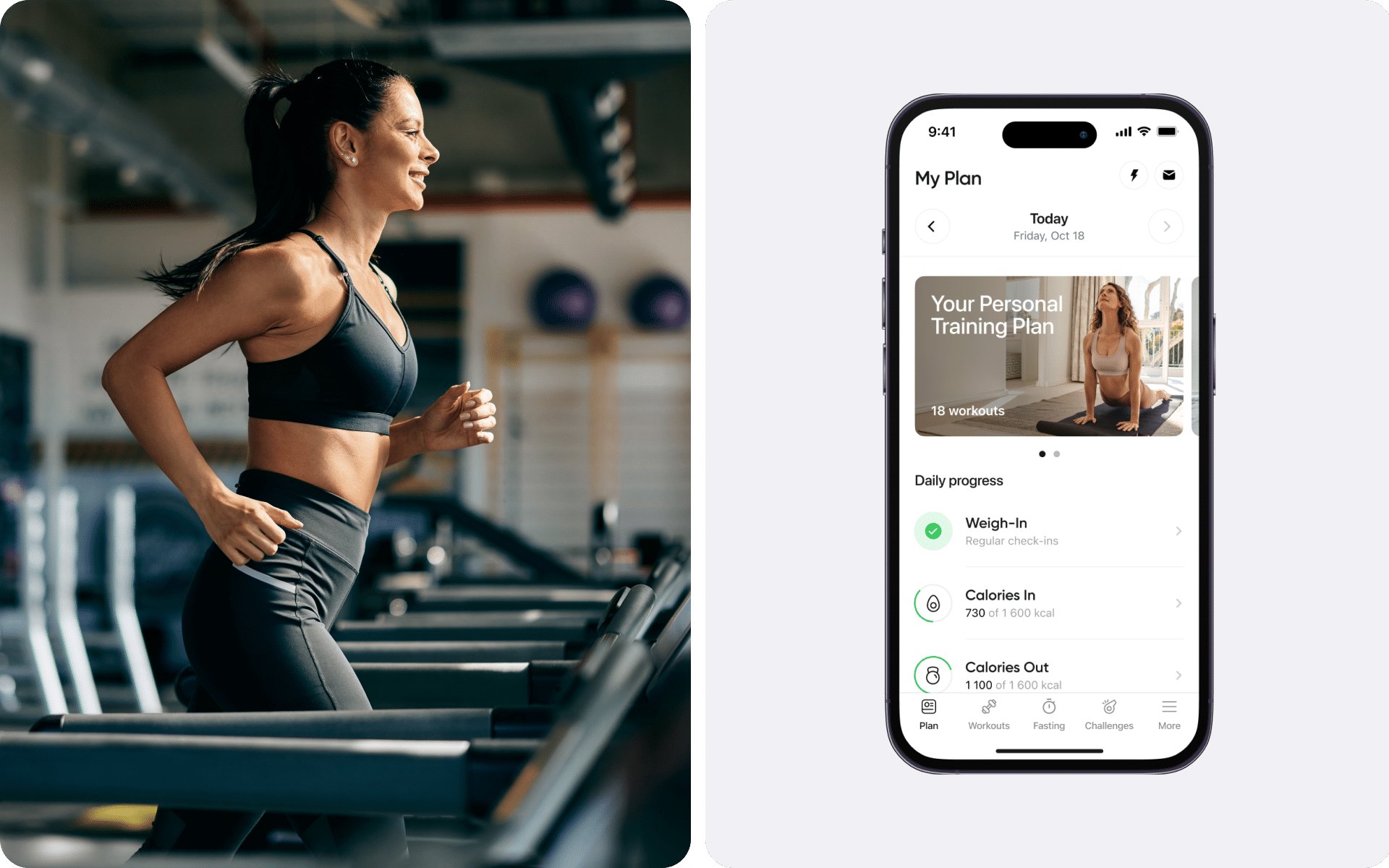
5 to 10 Minutes Warm-Up
A warm-up is a must for every workout routine as it helps get both your mind and body ready for the workout ahead. It can also help reduce the risk of injury during the main exercise session (3). Options for a light warm-up routine include:
- Walking or jogging on the treadmill
- Stationary bike cycling
- Jumping jacks or jumping rope
- Dynamic stretches, e.g. arm circles, arm and leg swings, hip and ankle circles, butt kicks, lunges, high kicks, matching in place
Full-Body Workout
For the main session of the workout, it’s best to do a full-body routine as a beginner. Such a routine targets all the major muscle groups in one workout session. This is unlike a split routine, which targets specific muscle groups on different workout days.
Note that while research shows that full-body and split routines offer the same benefits in muscle gains and fat loss, particularly when volume is equated (3, 4, 5), full-body workouts offer more schedule flexibility than split routines.
While there are many full-body workout routines for beginners at home or the gym, the following is a simple program that can be followed by anyone, regardless of their fitness experience.
Upper Body
- Wall push-ups: 2 sets of 8-10 reps
- Pull-ups: 2 sets of 8-10 reps
- Light dumbbell lateral raises: 2 sets of 8 reps
- Dumbbell overhead press: 2 sets of 10 reps
Lower Body
- Bodyweight squats: 2 sets of 10-12 reps
- Reverse lunges: 2 sets of 10 reps per leg
- Deadlifts: 2 sets of 10-12 reps
- Wall sit: Hold for up to 30 seconds per set – do 2 sets total
Core
- Elbow planks: Hold position for up to 30 seconds
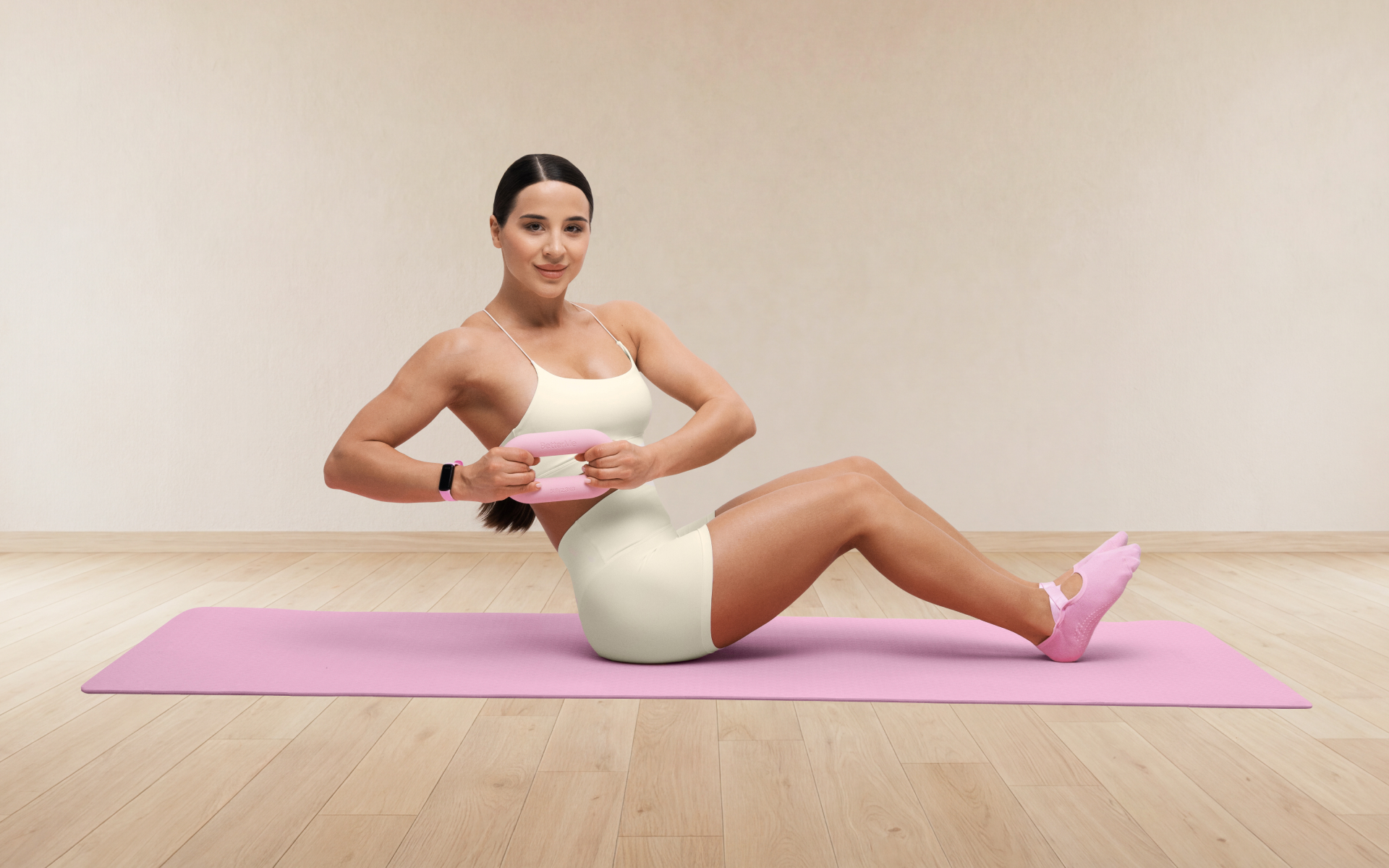
- Torso twists: 2 sets of 12 reps per side
- Dead bug: 2 sets of 12 reps
- Kneeling woodchop with dumbbell: 2 sets of 8-12 reps per side
5 to 10 Minutes Cool-Down Session
Research and experts state that doing some light stretches after a workout session may help prevent soreness and fainting and improve flexibility (6, 7). Unlike a warm-up session that’s best done using dynamic exercises, cool-down sessions are best done using static stretches.
Read more: Great Full-Body Workouts: The Ultimate Guide for Beginners
What Is a Good Example of a Beginner Gym Workout Plan?
The above ‘first day routine’ is a great example of what a beginner gym workout plan should look like. Not only does it include the essential warm-up and cool-down sessions, but the main exercise section also has full-body exercises.
All exercises listed are foundational exercises that you can gradually and progressively work on and improve upon over time. These workouts are also easy to do with light weights or even using body weight or with the help of resistance bands.
Whether you’re a workout beast or just a beginner making your first foray into the world of fitness and dieting – BetterMe has a lot to offer to both newbies and experts! Install the app and experience the versatility first-hand!
Should a Beginner Go to the Gym Every Day?
No, they should not. Tempting as it may be to go to the gym daily, chances are that this could lead to overtraining. Overtraining is a condition that occurs when an individual exercises excessively without enough rest. Studies have shown that this condition can lead to many side effects that include (8):
- Unexplained fatigue, in addition to heavy, sore, and stiff muscles
- Depression and anxiety
- Loss of motivation
- Irrational mood swings, such as agitation and irritation
- Insomnia and lack of concentration
Instead of attempting to exercise daily, beginners should start with a 2-to 3-times-a-week gym workout schedule. This allows you to slowly incorporate gym sessions into your lifestyle and gives your body enough time to rest after exercise.
You can slowly, over several months, increase this schedule to 4-5 workout days a week. You need at least 24-48 full hours of rest per week. Note that a 6-day workout schedule is also not the best for beginners. Such a routine is best for advanced practitioners.
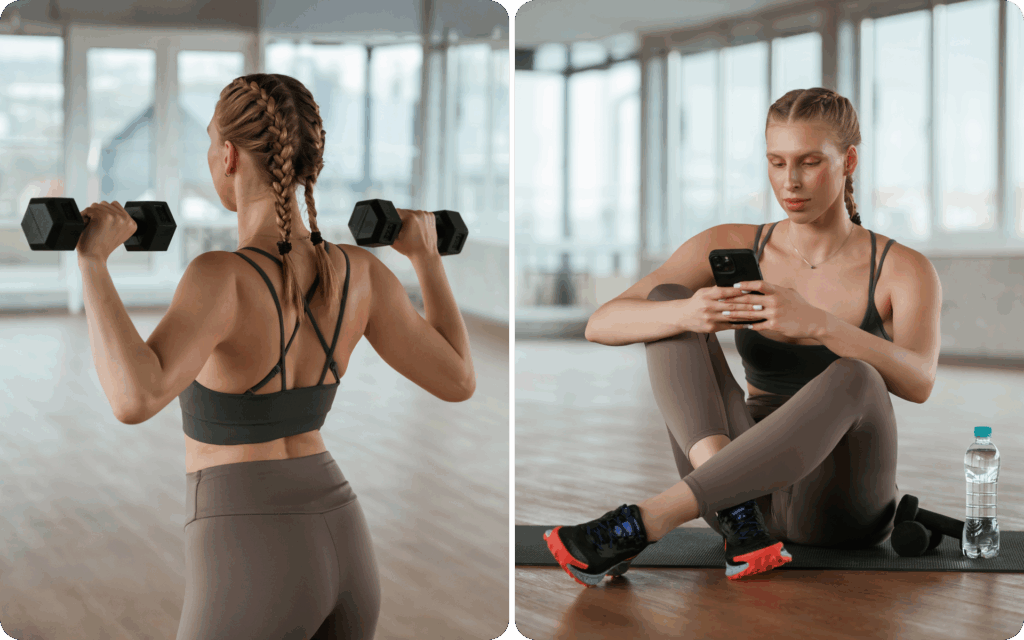
How to Create a Balanced Workout Plan for Your Goals
To make a balanced routine that meets your goals, you should:
- Start By Defining Your Main Goal
Are you looking to lose weight, gain muscle, become more flexible, or improve your overall fitness? Regardless of what the goal is, be clear about it. This helps you choose the right type of training routine and remain focused.
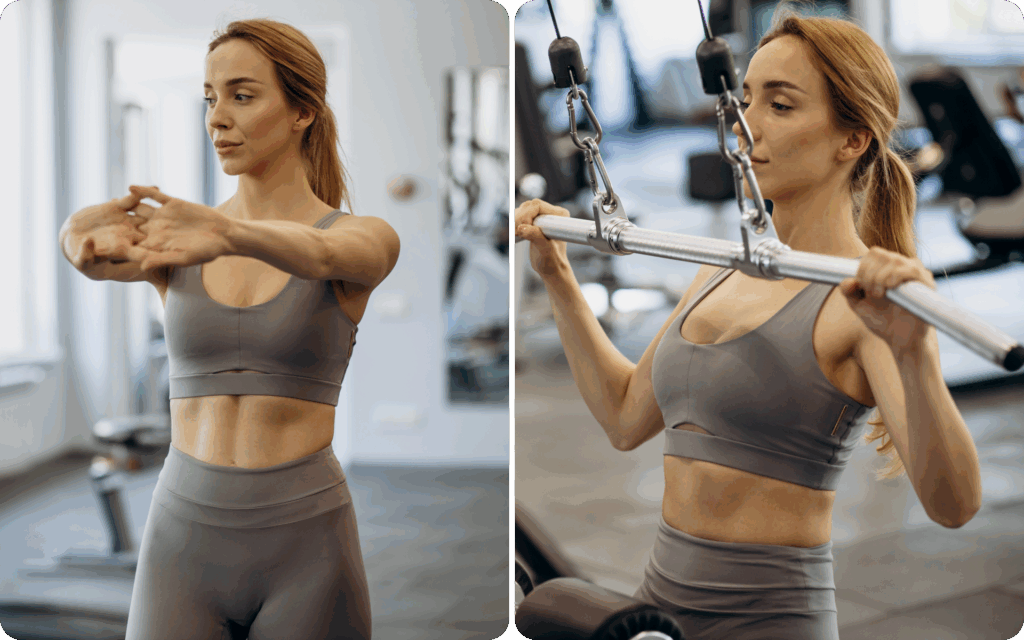
- Do a Combination Of Cardio, Strength Training, and Flexibility Workouts
A plan with all three types of exercises is the most balanced and well-rounded of all. Flexibility helps with balance and range of motion, cardio boosts your endurance and cardiovascular health, and strength training helps with muscle growth and strength. All three help burn calories, which helps with fat loss.
- Choose a Schedule You Can Stick to
A successful plan is one that fits the user’s lifestyle. Regardless of what other people are doing, you need to pick a plan that works best for you. The number of times you exercise per week, the time of day you exercise, and the types of exercise you do should match your lifestyle and preferences. This is the only way you’ll be consistent with your routine.
- Progressive Overload
Progressive overload is less about balancing a workout program and more about constant progress through a balanced workout routine. This is the practice of gradually increasing the intensity of your workouts.
It’s done by increasing the time spent per exercise, the intensity of the workout, the number of sets or repetitions per workout, or the load used in the workout.
Remember that our bodies are great at adapting to circumstances. This means that over time, a workout that once felt difficult will start to feel easier. If you don’t constantly but gradually challenge yourself, your body will adapt, and you’ll fall into a plateau where you no longer lose weight or gain muscle.

According to an older review published in the Clinics in Sports Medicine journal, it’s recommended to drink 150-300 ml (5-10 ounces) of water every 15 to 20 minutes of exercise, depending on how much you’re sweating (9). Yes, it is. The basic recommendation for exercise is 30 minutes a day, 5 times a week, which makes a 30-minute routine enough for beginners. However, you should aim to gradually increase this time limit to 45 minutes to 1 hour, if your schedule allows. Yes, it is. Exercising three times a week gives your body ample time to rest, which as previously mentioned, can help prevent overtraining. Neither is better as a combination of both beats choosing either option. As previously mentioned, cardio helps boost cardiovascular health and endurance, while strength training helps with muscle growth and strength. Both options also help with fat loss. Therefore, doing both cardio and weight training is best for beginners.Frequently Asked Questions
How much water should I drink at the gym?
Is 30 minutes in the gym enough for beginners?
Is 3 times a week enough for beginners?
Is cardio or weights better for beginners?
The Bottom Line
If you’re considering a beginner gym workout plan, then you’re already on the journey to improving your fitness, health, and life. We hope that the above tips help you create a balanced routine that suits your lifestyle and goals. Remember that no gym routine can overcome a bad diet – make sure that you also eat healthily and within your recommended calorie intake to see the best and most sustainable results.
DISCLAIMER:
This article is intended for general informational purposes only and does not serve to address individual circumstances. It is not a substitute for professional advice or help and should not be relied on for making any kind of decision-making. Any action taken as a direct or indirect result of the information in this article is entirely at your own risk and is your sole responsibility.
BetterMe, its content staff, and its medical advisors accept no responsibility for inaccuracies, errors, misstatements, inconsistencies, or omissions and specifically disclaim any liability, loss or risk, personal, professional or otherwise, which may be incurred as a consequence, directly or indirectly, of the use and/or application of any content.
You should always seek the advice of your physician or other qualified health provider with any questions you may have regarding a medical condition or your specific situation. Never disregard professional medical advice or delay seeking it because of BetterMe content. If you suspect or think you may have a medical emergency, call your doctor.
SOURCES:
- Steps for Losing Weight (2025, cdc.gov)
- Dynamic Warm-ups Play Pivotal Role in Athletic Performance and Injury Prevention (2025, sciencedirect.com)
- Split or full-body workout routine: which is best to increase muscle strength and hypertrophy? (2021, pmc.ncbi.nlm.nih.gov)
- Split versus full-body strength training workouts in untrained people. A randomised study (2019, archivosdemedicinadeldeporte.com)
- Efficacy of Split Versus Full-Body Resistance Training on Strength and Muscle Growth: A Systematic Review With Meta-Analysis (2024, pubmed.ncbi.nlm.nih.gov)
- The Effectiveness of Post-exercise Stretching in Short-Term and Delayed Recovery of Strength, Range of Motion and Delayed Onset Muscle Soreness: A Systematic Review and Meta-Analysis of Randomized Controlled Trials (2021, frontiersin.org)
- Warm Up, Cool Down (2024, heart.org)
- Overtraining Syndrome (2012, pmc.ncbi.nlm.nih.gov)
- Water and electrolyte requirements for exercise (1999, pubmed.ncbi.nlm.nih.gov)

 Reviewed by
 Reviewed by