
Many people believe that building an impressive physique requires expensive gym memberships and heavy weights.
While traditional weightlifting is effective, it’s not the only path to building muscle and strength. Your body is one of the most advanced fitness machines you have access to, and learning how to use it can unlock significant gains.
A structured 3-day calisthenics workout is an efficient and accessible way to achieve your fitness goals.
This guide will break down the science and practical application of a 3-day-a-week calisthenics program.
You will learn:
- How to structure your training for muscle growth
- What common mistakes to avoid
- How to perform key exercises with proper form.
- We will also provide a complete 3-day full-body calisthenics workout plan that you can start today.
What Is A 3-Day Calisthenics Workout?
A 3-day calisthenics workout is a training schedule that involves performing full-body, bodyweight exercises 3 times per week on non-consecutive days.
This structure, often following a Monday-Wednesday-Friday or Tuesday-Thursday-Saturday schedule, provides 48 hours of rest between sessions.
This rest period is crucial for muscle repair, recovery, and growth (1).
The core principle of this workout is to stimulate all major muscle groups in a single session. This stimulation occurs when selecting compound exercises that work multiple joints and muscles simultaneously (2). A well-designed routine will balance pushing movements (like push-ups), pulling movements (like pull-ups), leg exercises (like squats), and core work.
Can I Get In Shape In 3 Days?
Getting “in shape” is a gradual process, but you can make significant progress by training effectively for 3 days a week. The idea isn’t to transform your body in 3 literal days, but to use a 3-day weekly routine as a sustainable framework for long-term change. Consistency is the most critical factor in any fitness journey.
Physiological adaptations begin within the first few weeks.
- You may notice improvements in your ability to perform the exercises–such as increased reps or better form–within 2-3 workouts.
- Noticeable changes in your physique typically take longer, often becoming apparent to you after 4-6 weeks and to others after about 12 weeks (3), assuming your nutrition supports your training goals.
BetterMe: Health Coaching app helps you achieve your body goals with ease and efficiency by helping to choose proper meal plans and effective workouts. Start using our app and you will see good results in a short time.
Is Working Out 3 Days A Week Enough To Build Muscle?
Yes, working out 3 days a week is highly effective for building muscle, especially for beginner and intermediate trainees.
Research has consistently shown that training a muscle group twice or more per week is superior for hypertrophy (muscle growth) compared to once a week (4).
A 3-day full-body routine naturally hits this optimal frequency for every major muscle group.
Mechanical tension drives muscle growth, which is the force placed on your muscles during an exercise (5). To trigger growth, you need to challenge your muscles progressively.
This increased challenge results in progressive overload.
In calisthenics, you can achieve this by (6):
- Increasing Repetitions: Performing more reps in each set.
- Increasing Sets: Adding more sets of an exercise.
- Decreasing Rest Time: Reducing the rest period between sets to increase workout intensity.
- Improving Form: Increasing the range of motion or perfecting your technique.
- Advancing the Progression: Moving to a more difficult variation of an exercise (e.g., from incline push-ups to regular push-ups).
The key is to apply sufficient effort. Taking your sets close to muscular failure–the point where you can’t perform another repetition with good form–is a powerful stimulus for growth (7), regardless of the specific rep range.
A 3-day calisthenics workout plan for beginners provides enough stimulus for growth while allowing ample time for recovery.
Read more: Resistance Bands Calisthenics: The Simple, Powerful Way To Build Strength Anywhere
How Often Should You Do Calisthenics In A Week?
For most individuals, 3–4 times per week is optimal for calisthenics.
This schedule provides a great balance between training stimulus and recovery (8).
Training signals your muscles to grow, but the actual growth occurs during rest. Without adequate recovery, you risk overtraining and hindering your progress (1).
A 3-day-a-week calisthenics workout is an excellent starting point.
As you become more advanced, consider a 4-day split, such as an upper/lower body routine, to allow for more volume and focus on specific muscle groups.
However, for building a solid foundation of strength and muscle, 3 full-body sessions are more than sufficient.
If you are new to bodyweight training, this guide explains how to get started with calisthenics.
What Happens If I Do Calisthenics Every Day?
Performing an intense daily calisthenics workout routine won’t help muscle growth.
Your muscles need time to recover and adapt.
Continuously breaking down muscle tissue without allowing it to rebuild can lead to overtraining, which manifests as persistent fatigue, decreased performance, and an increased risk of injury (9).
However, this doesn’t mean you must be completely sedentary on your “off” days. \
Low-intensity activities can be beneficial. These are often called “skill days” and can be used for:
- Mobility Work: Performing dynamic stretches and joint mobility exercises to improve flexibility and range of motion (10).
- Skill Practice: Practicing the form for more technical movements like handstands or L-sits without pushing to fatigue.
- Active Recovery: Engaging in light cardio like walking or cycling to promote blood flow and aid recovery (11).
Listening to your body is crucial. If you feel tired, sore, or unmotivated, taking a full rest day is more productive than forcing yourself to work out.
A 3-Day Calisthenics Workout Plan
This program is a 3-day full-body calisthenics workout. Perform it 3 times per week on non-consecutive days (e.g., Monday, Wednesday, Friday). The exercises are in pairs and a triplet.
- For pairs, you perform a set of the first exercise, rest for 90 seconds, perform a set of the second exercise, and rest for another 90 seconds. Repeat this until you have completed all sets for the pair.
- For the core triplet, rest for 60 seconds between exercises.
Program Notes
Glossary:
- Progression: A variation of an exercise. Choose a progression that allows you to complete the target rep range with good form.
- Tempo (10X0): This refers to the speed of each repetition. ‘1’ is a 1-second eccentric (lowering) phase, ‘0’ is no pause at the bottom, ‘X’ means an explosive concentric (lifting) phase, and ‘0’ is no pause at the top. The intent to move explosively is what matters, even if the movement itself is slow.
- Reps in Reserve (RIR): Aim to finish each set with 1-2 RIR, meaning you could have done 1-2 more reps before failure. This reserve maximizes volume and effort without causing excessive fatigue that hinders subsequent sets.
- Equipment: A pull-up bar (or a sturdy tree branch or playground equipment) and a wall. Optional: a backpack for adding weight.
- Progression: Once you can comfortably perform 3 sets of 8 reps of an exercise, move to the next harder progression.
The Workout
| Group | Exercise | Sets x Reps | Rest |
|---|---|---|---|
| Warm-up | Dynamic Stretches (e.g., arm circles, leg swings, torso twists) | 5-10 minutes | - |
| Pair 1 | 1. Pull-up Progression 2. Squat Progression | 3 x 5-8 3 x 5-8 | 90 seconds |
| Pair 2 | 1. Dip Progression 2. Hinge Progression | 3 x 5-8 3 x 5-8 | 90 seconds |
| Pair 3 | 1. Row Progression 2. Push-up Progression | 3 x 5-8 3 x 5-8 | 90 seconds |
| Core Triplet | 1. Anti-Extension Progression 2. Anti-Rotation Progression 3. Extension Progression | 3 x 8-12 3 x 8-12 3 x 8-12 | 60 seconds |
| Cool-down | Static Stretches (e.g., holding stretches for 30-60 seconds) | 5-10 minutes | - |
This program is an excellent 3-day home calisthenics workout that requires minimal equipment.
Exercise Instructions and Progressions
Pull-up Progression (Vertical Pull)
- Beginner: Negative Pull-ups. Jump or use a chair to get your chin over the bar. Slowly lower yourself down over 3-5 seconds.
- Intermediate: Standard Pull-ups. Grasp the bar with an overhand grip, hands slightly wider than shoulder-width. Pull your chest towards the bar, then lower yourself under control.
- Advanced: Weighted Pull-ups. Add weight using a dip belt or a backpack.
Squat Progression (Anterior Chain Legs)
- Beginner: Bodyweight Squats. Stand with feet shoulder-width apart. Lower your hips as if you were sitting in a chair, keeping your chest up and your back straight. Descend until your thighs are at least parallel to the floor.
- Intermediate: Pistol Squat Negatives. Balance on one leg, then slowly lower yourself into a single-leg squat. Use your other leg to help you stand back up.
- Advanced: Pistol Squats. Perform a full single-leg squat, descending and ascending on one leg while keeping the other extended in front of you.
Dip Progression (Vertical Push)
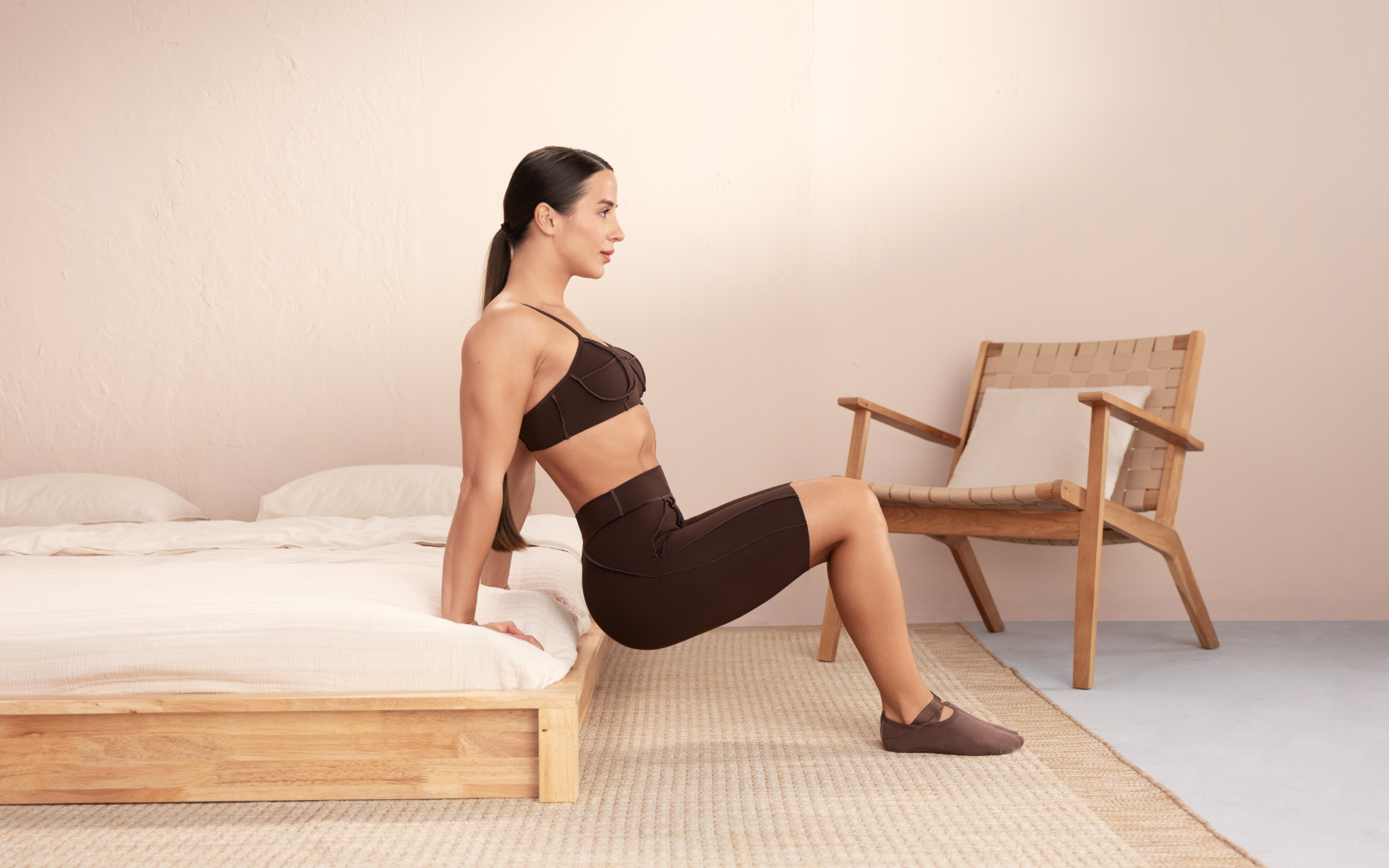
- Beginner: Chair Dips. Place your hands on the edge of a sturdy chair or bench, with your legs extended in front of you. Lower your body until your upper arms are parallel to the floor, then press back up.
- Intermediate: Parallel Bar Dips. Using parallel bars, lower your body until your shoulders are below your elbows. Push back up to the starting position.
- Advanced: Weighted Dips. Add weight using a dip belt or a backpack.
Hinge Progression (Posterior Chain Legs)
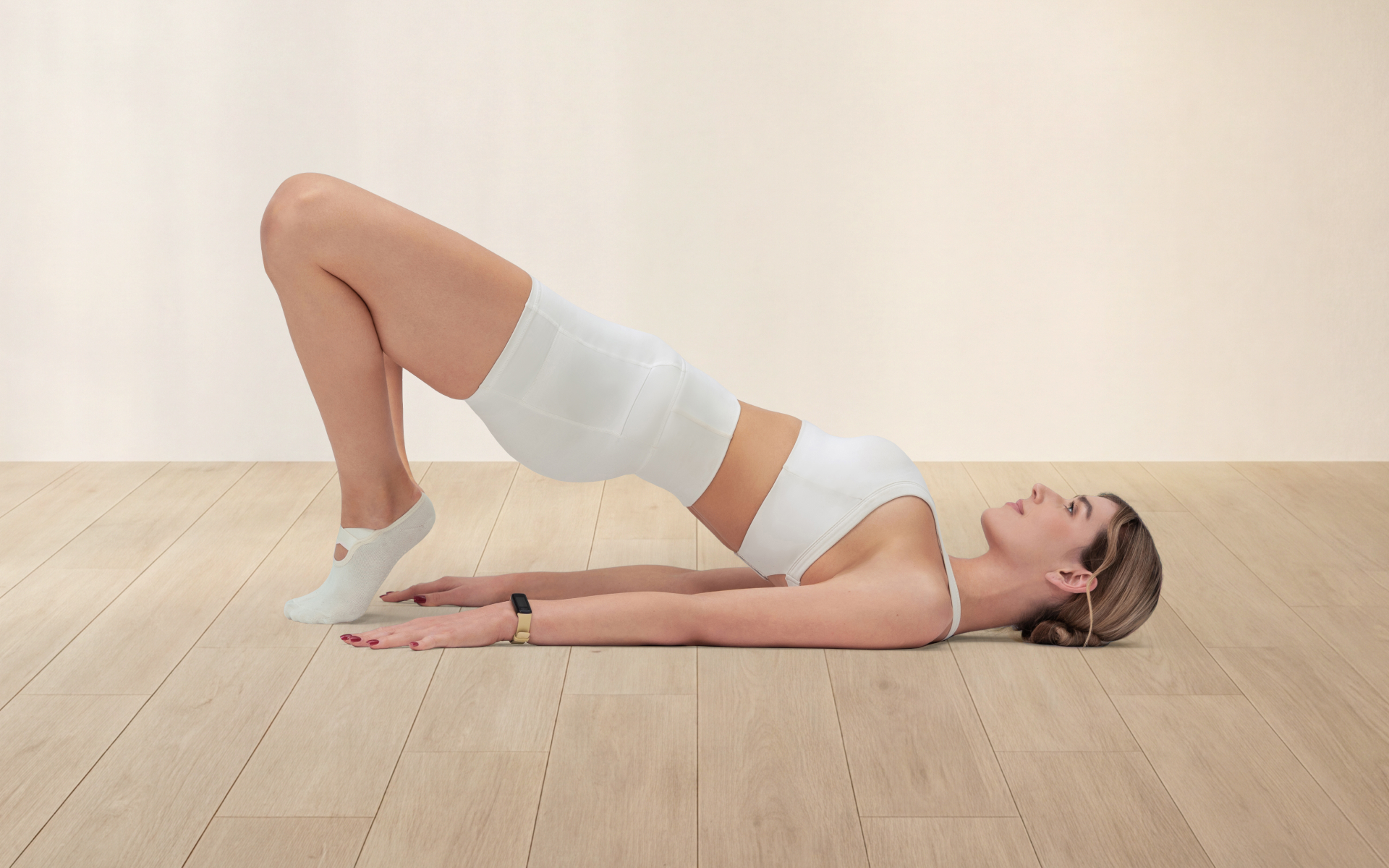
- Beginner: Glute Bridges. Lie on your back with your knees bent and feet flat on the floor. Raise your hips until your body forms a straight line from your shoulders to your knees. Squeeze your glutes at the top.
- Intermediate: Single-Leg Glute Bridges. Perform a glute bridge on one leg while keeping the other leg extended.
- Advanced: Nordic Hamstring Curl Negatives. Kneel on a padded surface and have a partner hold your ankles, or anchor them under something sturdy. Slowly lower your torso towards the floor, resisting with your hamstrings for as long as possible.
Row Progression (Horizontal Pull)
- Beginner: Inverted Rows (Let-me-ins). Lie under a sturdy table or low bar. Grab the edge with an overhand grip and pull your chest towards it, keeping your body in a straight line. The more vertical your body, the easier the exercise.
- Intermediate: Tuck Front Lever Rows. Get into a tuck front lever position (body horizontal, knees tucked to chest) and perform a rowing motion.
- Advanced: Weighted Inverted Rows. Place a weight plate or backpack on your chest.
Push-up Progression (Horizontal Push)
- Beginner: Incline Push-ups. Place your hands on an elevated surface, such as a wall or bench. The higher the surface, the easier the exercise. Maintain a straight line from your head to your heels.
- Intermediate: Standard Push-ups. Perform push-ups on the floor, lowering your chest to just above the ground.
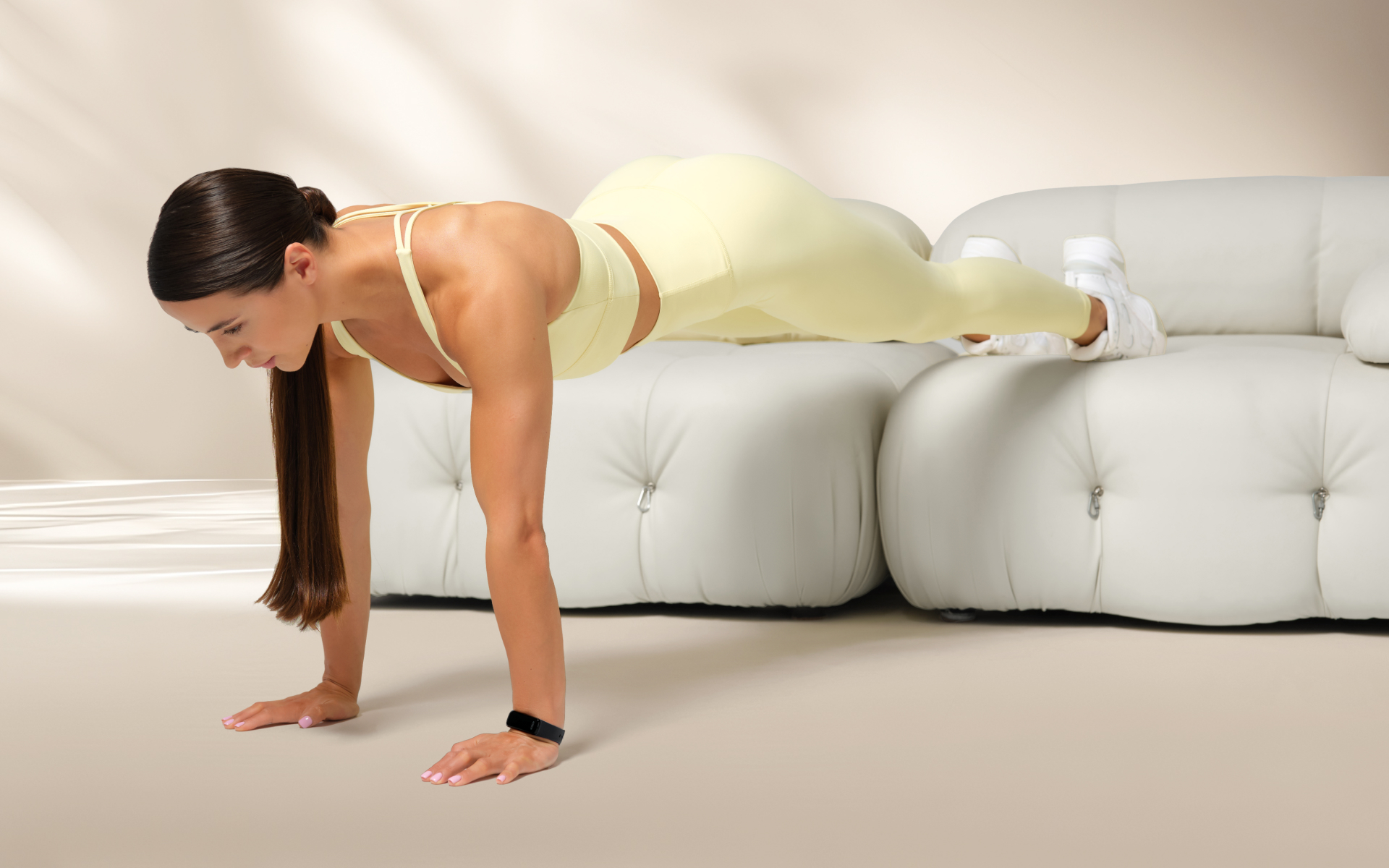
- Advanced: Decline Push-ups. Place your feet on an elevated surface to increase the difficulty.
Anti-Extension Progression (Core)
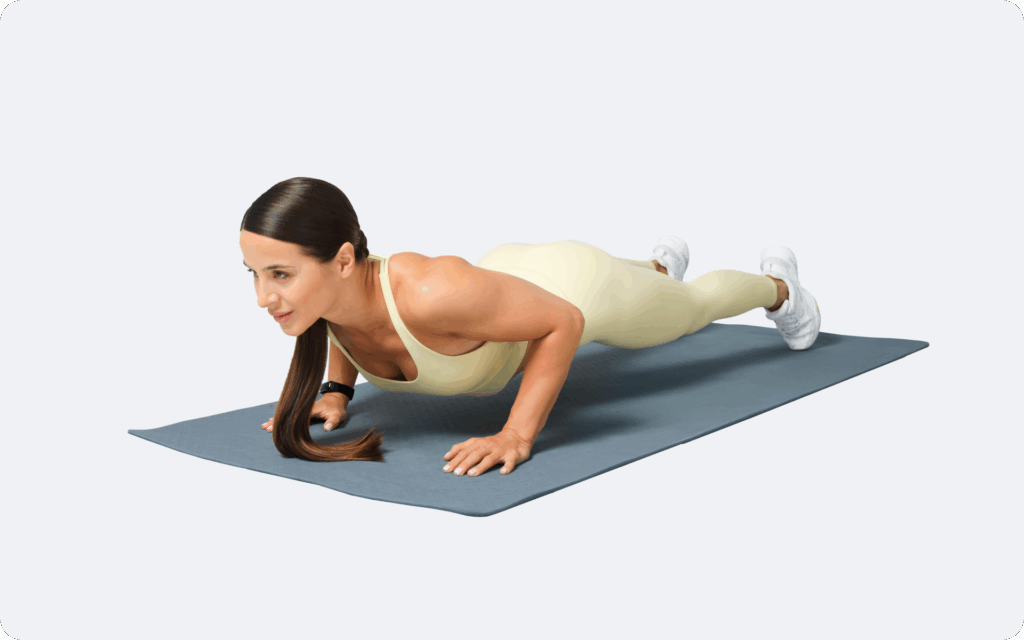
- Beginner: Plank. Hold a push-up position, either on your hands or forearms, keeping your body in a straight line. Engage your core and glutes. Aim for holds of 30-60 seconds.
- Intermediate: Bodyweight Rollouts. From a kneeling position, move your hands forward as far as you can without arching your lower back, then bring them back.
- Advanced: Ab Wheel Rollouts. Use an ab wheel for a greater range of motion and challenge.
Anti-Rotation Progression (Core)
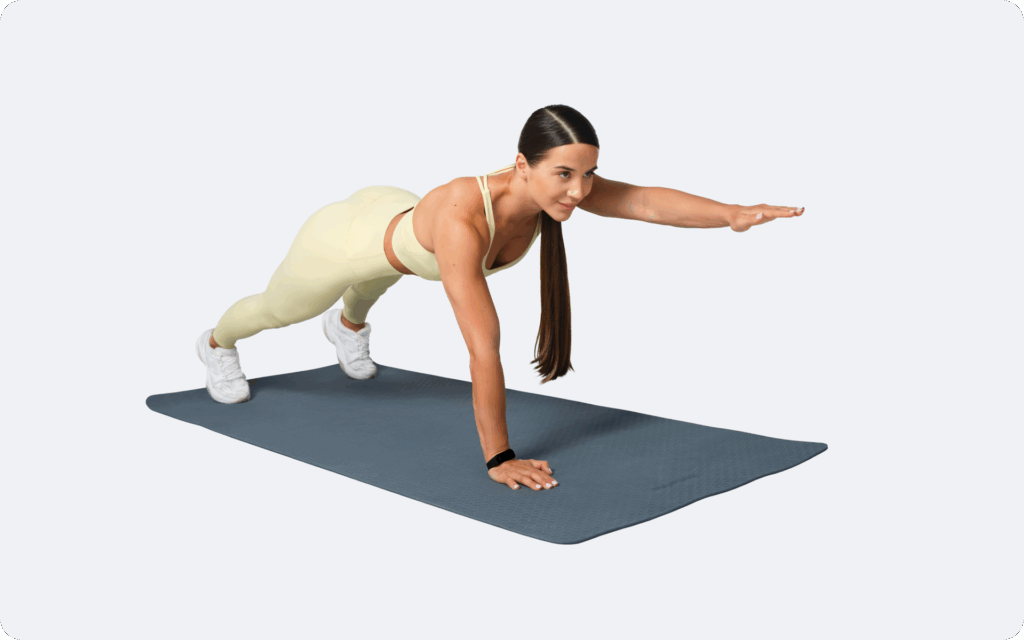
- Beginner: Bird-Dog. Start on all fours. Extend your right arm and left leg simultaneously, keeping your core tight and hips level. Return to the start and alternate sides.
- Intermediate: Plank Drags. From a plank position, place an object (like a shoe or small weight) to one side. Reach under your body with the opposite arm to drag it to the other side, resisting rotation in your torso.
- Advanced: Renegade Rows. From a push-up position with hands on dumbbells or kettlebells, perform a row with one arm while stabilizing with the other, keeping your hips square to the floor.
Extension Progression (Core)
- Beginner: Supermans. Lie face down with your arms extended. Simultaneously lift your arms, chest, and legs off the floor, squeezing your lower back and glutes.
- Intermediate: Reverse Hyperextensions on a Bench. Lie face down on a bench with your hips at the edge. Hold onto the bench and lift your legs until they are parallel to the floor, using your glutes and lower back.
- Advanced: Back Lever Progressions. This highly advanced static hold requires significant back and core strength.
You can learn about additional exercises in this comprehensive calisthenics workout routine guide.
Whether you’re a workout beast or just a beginner making your first foray into the world of fitness and dieting – BetterMe has a lot to offer to both newbies and experts! Install the app and experience the versatility first-hand!
What Are Common Mistakes In Calisthenics?
Avoiding common pitfalls can accelerate your progress and prevent injuries.
Here are some of the most frequent mistakes:
- Neglecting Pulling Exercises: Many people focus heavily on “mirror muscles” like the chest and abs, creating an imbalance between pushing and pulling. This can cause poor posture (rounded shoulders) and increase the risk of shoulder injuries (12). Ensure your routine has an equal volume of horizontal and vertical pulling and pushing exercises.
- Skipping Leg Day: A common joke in the fitness world has a basis in truth. Training your legs is essential for building a balanced, athletic physique and boosting your metabolism. Your legs contain the largest muscles in your body (13).
- Using Poor Form: Ego-lifting–sacrificing form to do more reps or a harder progression–is a fast track to injury (14). Each repetition should be performed through a full range of motion with control. It is better to do fewer perfect reps than many sloppy ones.
- Inconsistent Training: Missing workouts frequently will sabotage your progress. The body adapts to the demands placed upon it, but only if those demands are consistent. A 3-day bodyweight workout is effective, but only if you stick to it.
- Ignoring Progressive Overload: Doing the same exercises for the same number of reps and sets every week will lead to a plateau. Your body needs a reason to adapt and grow stronger. You must consistently challenge yourself by making your workouts harder over time (6).
For those just starting their fitness journey, this overview of calisthenics for beginners at home can help you avoid these common errors from the outset.
What Is The Hardest Calisthenics Exercise?
Defining the “hardest” exercise is subjective, as it depends on an individual’s strengths and leverages. However, a few movements are widely considered to be pinnacles of bodyweight strength and skill.
The Manna is often cited as one of the most difficult skills. It involves supporting your entire body weight on your hands with your legs straight and lifted high in front of your torso, requiring an extraordinary combination of shoulder, core, and hip flexor strength, as well as wrist flexibility and balance. Other contenders for the title include the one-arm handstand push-up and the full planche.
Read more: Your Calisthenics 3-Month Transformation Guide
What Muscle Is Hardest To Grow?
Genetics play a significant role in how easily certain muscles grow (15). Some individuals may find their chest develops quickly while their back lags, or vice versa.
However, a few muscle groups are notoriously stubborn for many people.
The calves (gastrocnemius and soleus) are often considered the most difficult to develop. This is partly because they are composed of a high percentage of slow-twitch muscle fibers, which are more resistant to growth than fast-twitch fibers (16).
They are also used constantly in daily activities like walking, meaning they are already accustomed to a high volume of low-intensity work. To stimulate calf growth, they often require very high training volume, heavy loads, and a full range of motion (17, 18).
No, you will not lose muscle gains from taking 3 days off. Muscle atrophy (loss) is a much slower process. It typically takes at least 1-3 weeks of complete inactivity for noticeable muscle loss to begin (19, 20). Short breaks can actually be beneficial for recovery (21). Neither method is inherently “faster” for building muscle. Progress depends on the quality of your training program, effort, consistency, and nutrition. Both weightlifting and calisthenics can produce excellent results. The best method is the one you can stick with consistently. The easiest calisthenics varies from one person to the other. What you may find easy may seem more challenging to the next person. For some, the L-sit is one of the more accessible “skill” movements to learn. While it requires significant core and hip flexor strength, the progression to a full L-sit is relatively straightforward, starting with a tuck L-sit on the floor or parallel bars. The number of calories burned depends on several factors, including your body weight, the intensity of the workout, and the specific exercises performed. On average, a 155-pound person might burn approximately 130-200 calories during 20 minutes of moderate-to-vigorous calisthenics (22). Signs of overtraining a specific muscle or the entire body includes a persistent decrease in performance (unable to lift as much or do as many reps), chronic fatigue that isn’t relieved by rest, prolonged muscle soreness, mood disturbances, and an increased susceptibility to illness.Frequently Asked Questions
Will I lose my gains if I take 3 days off?
Which is faster, gym or calisthenics?
What’s the easiest calisthenics skill?
How many calories do 20 minutes of calisthenics burn?
How to tell if muscle is overtrained?
The Bottom Line
A structured and consistent approach is your key to unlocking new levels of strength and fitness. This 3-day calisthenics program provides a balanced and effective template, but remember that it is a starting point.
Listen to your body, prioritize proper form, and consistently challenge yourself with progressive overload. By embracing the process, you can build a powerful, functional, and impressive physique using the most accessible tool you own: your body.
DISCLAIMER:
This article is intended for general informational purposes only and does not serve to address individual circumstances. It is not a substitute for professional advice or help and should not be relied on for making any kind of decision-making. Any action taken as a direct or indirect result of the information in this article is entirely at your own risk and is your sole responsibility.
BetterMe, its content staff, and its medical advisors accept no responsibility for inaccuracies, errors, misstatements, inconsistencies, or omissions and specifically disclaim any liability, loss or risk, personal, professional or otherwise, which may be incurred as a consequence, directly or indirectly, of the use and/or application of any content.
You should always seek the advice of your physician or other qualified health provider with any questions you may have regarding a medical condition or your specific situation. Never disregard professional medical advice or delay seeking it because of BetterMe content. If you suspect or think you may have a medical emergency, call your doctor.
SOURCES:
- WHY REST DAYS ARE IMPORTANT FOR MUSCLE BUILDING (2024, nasm.org)
- WHAT ARE COMPOUND EXERCISES? (2024, fitnesseducation.edu.au)
- Load-induced human skeletal muscle hypertrophy: Mechanisms, myths, and misconceptions (2025, sciencedirect.com)
- The Effectiveness of Frequency-Based Resistance Training Protocols on Muscular Performance and Hypertrophy in Trained Males: A Critically Appraised Topic (2020, journals.humankinetics.com)
- The six best strength training techniques to increase mechanisms of muscle hypertrophy (2023, us.humankinetics.com)
- Effects of Resistance Training Overload Progression Protocols on Strength and Muscle Mass (2024, pubmed.ncbi.nlm.nih.gov)
- FOR BIGGER MUSCLES PUSH CLOSE TO FAILURE, FOR STRENGTH, MAYBE NOT (2024, fau.edu)
- Effects of Resistance Training Frequency on Measures of Muscle Hypertrophy: A Systematic Review and Meta-Analysis (2016, pubmed.ncbi.nlm.nih.gov)
- Beyond physical exhaustion: Understanding overtraining syndrome through the lens of molecular mechanisms and clinical manifestation (2025, sciencedirect.com)
- The Surprising Benefits of Performing Daily Mobility Exercises (2023, acefitness.org)
- A Systematic Review on the Effectiveness of Active Recovery Interventions on Athletic Performance of Professional-, Collegiate-, and Competitive-Level Adult Athletes (2019, pubmed.ncbi.nlm.nih.gov)
- Pulling Exercises for Strength Training and Rehabilitation: Movements and Loading Conditions (2017, mdpi.com)
- Building stronger legs (2025, health.harvard.edu)
- The Danger of Poor Exercise Technique (2020, healthlinksgippsland.com.au)
- Integrative Review of Genetic and Non-Genetic Factors Influencing Human Skeletal Muscle Hypertrophy (2025, researchgate.net)
- Triceps surae muscle hypertrophy is greater after standing versus seated calf-raise training (2023, pubmed.ncbi.nlm.nih.gov)
- Bigger Calves from Doing Higher Resistance Training Volume? (2024, researchgate.net)
- Greater Gastrocnemius Muscle Hypertrophy After Partial Range of Motion Training Performed at Long Muscle Lengths (2023, pubmed.ncbi.nlm.nih.gov)
- Human skeletal muscle disuse atrophy has profound and negative effects on the muscle metabolome and lipidome (2025, pubmed.ncbi.nlm.nih.gov)
- Substantial skeletal muscle loss occurs during only 5 days of disuse (2014, pubmed.ncbi.nlm.nih.gov)
- Should you take a break from exercise? (2024, health.osu.edu)
- Calories burned in 30 minutes for people of three different weights (2021, health.harvard.edu)
 Reviewed by