
Companies have long known how to respond to absenteeism, but some of the biggest losses are hiding in plain sight through presenteeism. In global research, presenteeism is often estimated to cost businesses more than direct sick leave costs (1). This is why workplace wellness initiatives aren’t just “rest breaks” – they’re a strategy for restoring focus, mental clarity, and usable workday energy.
Presenteeism doesn’t always look dramatic. It shows up as quiet mental fog, low-grade exhaustion, and people who seem busy but feel stuck. Another coffee might help for an hour, but it won’t fix the deeper problem: employees who are running on empty day after day.
This is where workplace wellness initiatives matter most – not as a box to tick, but as a practical, human system of support that helps people recover, reset, and show up with real energy, and not just physical presence. This article explores what effective wellness looks like in action and how it can reduce presenteeism by rebuilding focus and sustainable performance throughout the workday.
What Is Presenteeism and Why Does It Impact Productivity?
Presenteeism is one of those things that’s hard to spot, but deeply felt. It’s when someone shows up to work not because they feel good or ready but because they feel like they have to (2). Maybe they’re sick but worried about falling behind. Maybe their mind is foggy from poor sleep, emotional stress or pain that won’t go away. Maybe they’re just completely out of energy, but don’t want anyone to notice.
The result? They’re present, but not fully there. Tasks take longer, creativity disappears, focus becomes shaky, and even though they’re checking the boxes, they’re barely getting by.

Here’s how presenteeism tends to show up in the workplace (3, 4, 5):
- Mental fog or difficulty focusing
People stare at screens for minutes before they even start a task. Small decisions feel big. Their minds wander easily. - Exhaustion masked as productivity
They’re pushing through but they’re drained. That drive to stay busy may look impressive, but it’s fueled by pressure not purpose. - Frequent mistakes or missed details
When someone’s attention is split or energy is low, the quality of work quietly slips. - Low motivation or emotional distance
Even simple tasks feel heavy. People stop engaging in meetings, avoid collaboration, or pull back socially. - Physical presence, emotional absence
They’re showing up on time, responding to messages, even attending calls, but their heart’s not in it. Over time, this wears them down.
Unlike absenteeism, which is clear and measurable, presenteeism is subtle and often invisible. However, it can cost companies just as much, if not more. And it costs people something deeper: their well-being, their spark, and their sense of purpose.
This is where workplace wellness initiatives come in – not just as a perk, but as a quiet lifeline that says, “You don’t have to suffer in silence. There’s support here. And it’s okay to feel how you feel.”
BetterMe provides members with tailored plans that are based on their unique physical, psychological, and lifestyle needs and health goals. Start using BetterMe corporate wellness solutions to transform your team and business!
What Types of Wellness Programs Most Effectively Boost Focus and Energy?
Energy and focus don’t come from pushing harder – they come from balance and from small, consistent acts of care that help people feel human again in the middle of their workday. Traditional solutions such as yoga classes or gym discounts are still helpful, but many companies are now exploring deeper, more creative approaches to support energy in a lasting way.
One example is short naps or rest breaks. Instead of asking tired employees to “power through,” some companies have introduced nap rooms or quiet recharge spaces. In a controlled workplace trial published in the Journal of Sleep Research, employees who took a brief 15-minute nap during their post-lunch break showed higher afternoon alertness and better performance than those who didn’t (6). It’s a small change, but it proves that rest can sometimes do what another cup of coffee can’t, i.e. bring focus back to life.

Another unexpected area that’s gaining traction in corporate wellness initiatives is environmental design. Things such as natural lighting, better airflow, calming color schemes, or sound-dampening panels can help reduce fatigue and improve focus. Some research has suggested that when workspaces are designed with attention to these factors – what many people call a sensory-conscious environment – employees and meeting participants report better concentration, higher perceived productivity, and less mental fatigue. For example, a study found that meetings held in rooms with better environmental conditions had a 25% higher chance of being rated as productive than less pleasant rooms (7).
Then there’s mindfulness and breathwork. These programs are no longer seen as fluffy or fringe. Reviews and studies of workplace mindfulness-based interventions have found consistent reductions in stress, anxiety, and emotional exhaustion, together with improvements in mental clarity, relaxation, and overall well-being (8).
If a company wants to address presenteeism at scale, the most effective approach is usually an ecosystem instead of a single perk—supported by an employee wellbeing program that employees can access in short, repeatable moments throughout the workday. A simple way to structure this is through four complementary directions that map well to the BetterMe approach:
- Mental Wellness
-
- Short mental pauses, guided meditation, breathing breaks, and quick “mental reset” tracks help lower stress and restore cognitive attention.
-
- Suggested metric: minutes of mental content used per employee per week.
- Physical Wellness
-
- Movement acts as an energy regulator. Micro-mobility sessions, mini stretching blocks, and short movement challenges can improve circulation, reduce fatigue, and sharpen concentration.
-
- Suggested metric: % of employees who moved ≥10 minutes during the workday.
- Engagement Activities
-
- Short team well-being challenges and shared accountability add social energy and reduce emotional depletion. People often sustain habits better when the team rhythm supports them.
-
- Suggested metric: wellness chat activity + group challenge completion rates.
- Recognition and Gifting
-
- Small rewards, shout-outs, and wellness gifting reinforce consistency and create a positive “dopamine anchor”, which makes healthy behaviors feel meaningful and worth repeating.
-
- Suggested metric: number of participants receiving recognition or rewards per cycle.
Read more: What Are the Best Corporate Wellness Programs? Types, Benefits, and How to Choose
Additional Ideas to Keep Employees Energized Throughout the Day
Here are more wellness programs for companies that help employees stay energized throughout the day:
- Stretch breaks and movement reminders
Gentle stretching or posture resets every hour can loosen physical tension and refresh the mind. It’s particularly helpful for those working long hours in front of screens. - Smart break tools and micro-break flexibility
Some workplaces now provide optional “micro-break” timers or flexible daily schedules that allow employees to recharge as needed. These simple changes support the importance of work-life balance without disrupting team productivity. - Nutrition-first wellness
Offering access to healthy snacks or even running mini workshops on brain-friendly nutrition can prevent afternoon crashes. These small efforts support wellness program benefits that go beyond exercise – they directly support cognitive performance. - Coaching to manage mental clutter
A unique angle is helping employees manage their mental load. Time management coaching, workload triaging, or even structured focus sessions give people tools to cut through the fog of overwhelm. For employees who are facing a lack of motivation, this kind of support can be life-changing. - Designated quiet zones or digital detox corners
Particularly in open office settings, focus is constantly hijacked by noise and notifications. Creating intentional spaces for calm, screen-free thinking can restore emotional presence and help people work with more intention.
While not every company can implement every idea, even one or two changes can change the atmosphere. The key with wellness programs in the workplace isn’t perfection, it’s creating space for people to breathe, refocus, and feel cared for.
Ultimately, the benefits of wellness programs aren’t just about fewer sick days or ticked-off goals. They show up in brighter mornings, steadier afternoons, and teams that feel more human, more present, and more alive.

What Role Does Flexibility and Personalized Programs Play in Reducing Presenteeism?
When it comes to reducing presenteeism, one-size-fits-all programs often miss the mark. Every person’s energy, motivation, and emotional rhythm are different, and so are their needs. That’s why flexibility isn’t just a perk anymore; it’s the heartbeat of health and wellness initiatives in the workplace.
For some, flexibility looks like working from home two days a week to handle school pickups or caregiving duties. For others, it’s being able to start later in the morning after a restless night. When employees have permission to shape their schedules around real life, they show up more fully and not half-present and drained.
Why Flexibility Matters
- Restores trust. When people feel trusted to manage their own time, it builds respect both ways. They no longer feel watched, they feel valued (8).
- Prevents mental overload. Flexible hours and manageable workloads give people breathing space to reset, which helps them think clearly and stay motivated (8).
- Encourages real rest. With adaptable routines, employees can take micro-breaks, stretch, breathe, or even step outside for ten minutes without guilt (9).
Several studies have suggested that flexible work arrangements such as working from home or hybrid schedules are linked with higher job satisfaction and lower risk of mental distress (10). This increased autonomy and sense of control can help employees feel more valued and less emotionally drained, which may reduce the impulse to ‘show up sick’ under pressure. True flexibility isn’t just a perk, it’s part of the importance of work-life balance.

The Power of Personalization
Even within the same team, what fuels one person might drain another. Personalized wellness initiatives for employees can range from:
- Allowing staff to choose between guided meditation sessions or quick workout breaks.
- Offering both social activities (such as group walks) and solitary ones (such as journaling or creative breaks).
- Providing multiple ways to access mental-health support such as chat-based, phone-based, or face-to-face so people can pick what feels safe for them.
When these options are offered, participation rises. People aren’t forced into wellness, they’re invited into it. This shift makes all the difference.
However, personalization doesn’t just mean giving people options, it also means listening better. Too many programs launch with excitement and then fade away because no one checked if they were actually helping. Feedback loops such as pulse surveys, open comments, and small team talks help leaders understand what’s working and what’s not. Without this, wellness turns into noise, and nobody needs more of that!
Now here’s where it sometimes gets messy: companies try to personalize everything all at once, and it ends up confusing everyone. There’s a fine line between giving choice and giving chaos. You can’t fix exhaustion by adding more decisions to make.
Real-World Impact
Research has shown that wellness programs work best when they’re personal. When people can choose what fits them, such as a fitness challenge, a mindfulness session, or something social, they’re more likely to stay involved and feel the benefits (11). Tailored, flexible workplace wellness initiatives don’t just make employees happier, they help everyone feel healthier, more focused, and less weighed down by stress.

What Best Practices Ensure Employees Actively Engage with Wellness Initiatives?
When well-being improves, focus tends to stabilize, in addition to performance. Some internal and industry datasets frequently show a meaningful pattern: teams with stronger well-being can see substantially fewer cognitive errors and a noticeable lift in idea generation.
In your framing, this can be expressed simply: high-well-being teams may have around 55% fewer cognitive mistakes and generate about 31% more innovative ideas.
The takeaway is strategic: wellness is an energy-and-focus strategy, not just a benefits checkbox.
Even the most creative workplace wellness initiatives fall flat if no one actually takes part in them. Engagement is where ideas turn into real change and yet, it’s also where many organizations stumble. People may start strong, join the first session, and even fill out the survey. But after a few weeks? Participation fades, and enthusiasm trails off.
So, how do companies make wellness initiatives stick, not as one-time campaigns, but as lasting habits?
1. Start With Listening, Not Launching
Before rolling out anything new, the best organizations ask employees what they actually need.
- What drains their energy most?
- What helps them reset?
- What feels possible within their daily schedules?
When people feel heard, they’re far more likely to engage. In its 2023 workforce well-being report, Deloitte highlighted that many employees struggle to use organizational well-being resources as the programs are often time-consuming, confusing, or hard to access (12). This suggests that giving employees real control over both how they work and how they engage with wellness offerings might matter more for long-term engagement than the simple presence of perks.

2. Keep It Simple and Accessible
Sometimes, wellness gets buried under complicated sign-ups or corporate jargon. The truth is, the easier it is to join, the more people will show up. Programs that take just 10-15 minutes a day or are built into the regular workday tend to see higher participation. Think:
- Morning stretch breaks on video calls
- “Mindful Mondays” prompts in internal chats
- A quiet room anyone can step into for five minutes
3. Recognize Effort, Not Just Results
You know what makes people quietly back away from wellness programs? When it turns into another competition. The “who ran the most miles” or “who meditated longest” thing… it’s exhausting. Not everyone wants to race to relax.
Instead, start noticing the trying. The person who shows up even when they’re tired. The one who doesn’t finish first but keeps going anyway. A thank-you note, a quick mention in a team chat, or a day off just for taking care of yourself: it all says, “hey, this matters”.
Because wellness isn’t about trophies – it’s about trying to be okay, a little more every day.
4. Leadership Has to Walk the Talk
It’s hard to believe in wellness if your boss never leaves their desk. When leaders talk about self-care but skip lunch three days in a row, this sends the wrong message.
However, when they actually join in, things shift. When a manager takes a walking meeting or shows up for a breathing session, people start to see that it’s not fluff, it’s real.
A top-down example isn’t fancy leadership theory, it’s just being human enough to say, “I need this too”. This is what makes wellness part of the culture, not a line in a handbook.

- Make Progress Visible
We all love proof that our effort is doing something. Seeing small wins such as less stress, more smiles, more energy reminds people that it’s worth it.
And yes, it doesn’t have to be high-tech or complicated. A shared tracker, a simple update board, or even just someone saying, “hey, I’ve been sleeping better since we started this” – that can be enough.
When people see change, they start believing in it. It keeps the spark alive, even on the rough days when motivation’s low and the week feels too long.
Why It Matters
Real engagement isn’t forced. It grows from trust, simplicity, and a feeling that someone actually gives a damn.
When employees connect with these wellness initiatives, they don’t just join them – they start to live them. And that’s when everything changes: clearer heads, better energy, and workplaces that finally feel alive again.
Read more: What Are Employee Wellness Programs? Key Benefits and How Top Companies Use Them
How HR Can Start Measuring It
It’s easy to ask whether employees “like” a wellness program. What’s harder and far more valuable is to measure whether it changes energy, focus, and behavior.
Here are simple ways to start:
- Pulse surveys focused on “energy & focus”
Keep them short and consistent (e.g. 3-5 questions weekly or biweekly). - Weekly check-ins on concentration
Ask teams to note when focus feels strongest or weakest across the week. - Pre-/post-comparisons with performance signals.
Look for changes in error rates, task completion times, meeting effectiveness, or engagement scores before and after wellness adoption.
The key principle: don’t only measure satisfaction. Measure behavior change and usable energy across the workday.

How Can Wellness Initiatives Create Long-Term Improvements in Focus and Performance?
Anyone can start a wellness initiative, but sustaining its impact is the true test. The real win isn’t a month of yoga sessions or a week-long mindfulness challenge. It’s when those small daily actions start changing how people feel, think, and work.
1. Consistency Over Intensity
Wellness only works when it becomes routine. Big, one-time campaigns look impressive on a company newsletter, but the real transformation happens in the everyday.
- Micro habits – a five-minute stretch, a breathing break before meetings, or a quick gratitude note – keep focus alive.
- Regular check-ins help track progress and show that wellness isn’t a temporary project, but a long-term value.
One study found that when employees practiced short, daily mindfulness sessions, improvements in focus and emotional stability lasted up to three months, even after the formal program ended (13).
BetterMe: Health Coaching app helps you achieve your body goals with ease and efficiency by helping to choose proper meal plans and effective workouts. Start using our app and you will see good results in a short time.
2. Data Meets Humanity
Tracking progress isn’t about micromanaging, it’s about seeing what works and what doesn’t. Surveys, short reflections, or digital wellness dashboards can help organizations learn which programs genuinely help people focus or feel energized.
But numbers mean little without context. Data should be used with empathy to fine-tune initiatives, not to measure people. The best wellness programs strike a balance between structure and care.
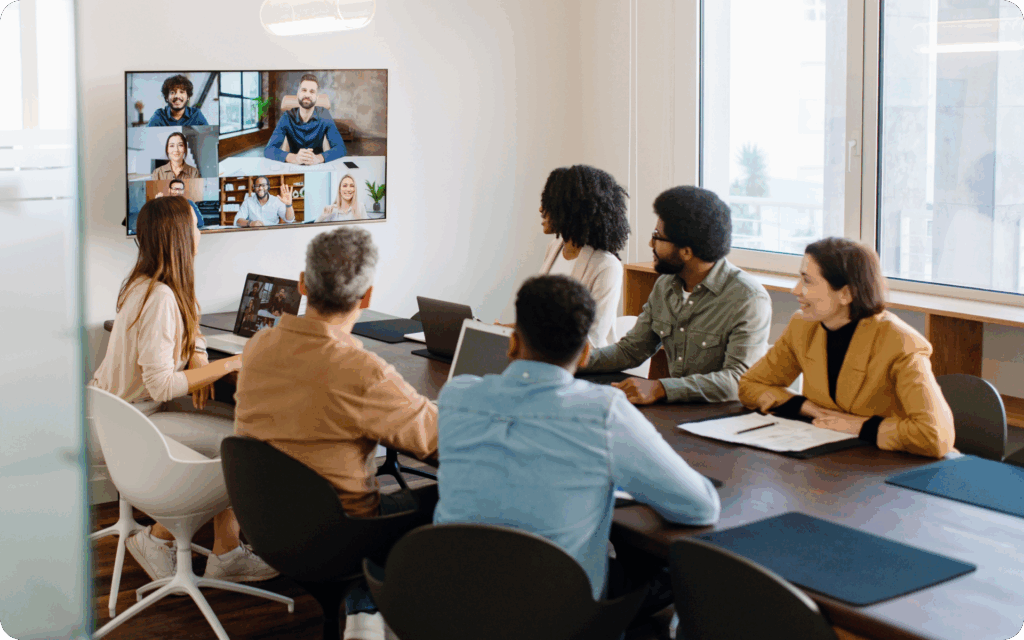
3. Culture Is the Real Program
This is where many companies miss the point. You can’t “add” wellness to a toxic culture and expect miracles. Long-term impact happens when well-being is built into the rhythm of work:
- Managers respect boundaries and time off.
- Meetings start with breathing or brief grounding moments.
- Success isn’t measured only by output, but by sustainability.
When people feel safe to rest, reset, and recover, they give more when they’re on. This is the secret ingredient: balance creates energy.
4. Keep the Human at the Center
Even the smartest workplace wellness programs mean little if they forget the human behind the employee badge. Encouraging open conversations about stress, motivation, and energy can make a world of difference. People want to feel seen, not managed.
Because at its heart, wellness isn’t about productivity hacks or checklists, it’s about creating an environment in which people can bring their best selves to work without burning out in the process.
The Bottom Line
At the end of the day, workplace wellness initiatives aren’t about ticking boxes or rolling out short-lived perks – they’re about building the conditions where people can do good work without burning through their energy just to get to the end of the day. Presenteeism isn’t the absence of people – it’s the absence of energy, clarity, and real engagement.
A structured wellness ecosystem can help employees rebuild focus, reset stress levels, and regain momentum during the workday. When support spans mental wellness, movement, connection, and recognition, it becomes easier for people to sustain healthy habits and recover in small but meaningful ways. The result isn’t just a better “wellness experience,” but more consistent, higher-quality performance. And in 2026, companies that invest in well-being may see the biggest returns not from having more people “online”, but from improving the quality of their presence and the impact of their work.
Download the free PDF “Wellness & Focus Impact Framework” – a 1-page guide with metrics, activity examples, and simple ways to measure the real effect of workplace wellness initiatives.
DISCLAIMER:
This article is intended for general informational purposes only and does not serve to address individual circumstances. It is not a substitute for professional advice or help and should not be relied on for making any kind of decision-making. Any action taken as a direct or indirect result of the information in this article is entirely at your own risk and is your sole responsibility.
BetterMe, its content staff, and its medical advisors accept no responsibility for inaccuracies, errors, misstatements, inconsistencies, or omissions and specifically disclaim any liability, loss or risk, personal, professional or otherwise, which may be incurred as a consequence, directly or indirectly, of the use and/or application of any content.
You should always seek the advice of your physician or other qualified health provider with any questions you may have regarding a medical condition or your specific situation. Never disregard professional medical advice or delay seeking it because of BetterMe content. If you suspect or think you may have a medical emergency, call your doctor.
SOURCES:
- Presenteeism: An overview (2023, oshwiki.osha.europa.eu)
- Presenteeism: A Public Health Hazard (2010, pmc.ncbi.nlm.nih.gov)
- Subjective cognitive impairment and presenteeism mediate the associations of rumination with subjective well-being and ill-being in Japanese adult workers from the community (2021, link.springer.com)
- Exhaustion and Impaired Work Performance in the Workplace: Associations With Presenteeism and Absenteeism (2019, pubmed.ncbi.nlm.nih.gov)
- Analysis of presenteeism using a science mapping approach (2025, link.springer.com)
- Post-lunch nap as a worksite intervention to promote alertness on the job (2004, pubmed.ncbi.nlm.nih.gov)
- ComFeel: Productivity is a Matter of the Senses Too (2021, arxiv.org)
- Effects of Mindfulness-Based Stress Reduction on employees’ mental health: A systematic review (2018, pubmed.ncbi.nlm.nih.gov)
- The Effect of Employee-Oriented Flexible Work on Mental Health: A Systematic Review (2022, mdpi.com)
- Employee Experiences and Productivity in Flexible Work Arrangements: A Job Demands–Resources Model Analysis from New Zealand (2025, mdpi.com)
- Does Working from Home Increase Job Satisfaction and Retention? (2022, hbs.edu)
- Effectiveness of worksite wellness programs based on physical activity to improve workers’ health and productivity: a systematic review (2023, link.springer.com)
- The workforce well-being imperative (2024, deloitte.com)
- Mindfulness training improves employee well-being: A randomized controlled trial (2018, pubmed.ncbi.nlm.nih.gov)