The hips sit at the center of almost every motion we make—walking, bending, reaching, even maintaining our posture. When the muscles around them become tight, the body often compensates in ways that can create discomfort in nearby areas like the lower back.
Research even shows that limited hip mobility can influence the way we walk and movement patterns, while targeted stretching may support overall mobility over time (1).
That’s why standing hip stretches have become such a practical starting point in many fitness and wellness routines. They’re gentle enough for beginners and elders, yet still useful for those who train regularly. You can do them in a small space—next to your desk, in the living room, or as part of a warm-up before your main exercise routine
Another major advantage is their versatility. For some people, these stretches act as a warm-up before back mobility exercises or dynamic stretches for back routines. For others, they become part of a calm daily stretching routine that keeps the body moving freely throughout the day.
In short, standing hip stretches are less about intensity and more about consistency. When done regularly and with care, they can help keep the body agile, balanced, and ready for whatever movement comes next!
In our article, we dive into the ABC of standing hip stretches. From which stretches to include to the benefits they provide.
What Are Some of the Simple Standing Hip Stretches?
Simple movements often carry the most long-term value. You don’t need complicated equipment or a long warm-up to begin loosening the hips. A few well-chosen standing hip stretches can activate the muscles around the pelvis. They can even improve range of motion, and prepare the body for more demanding movement later in the day (2).
The beauty of stretching while standing is very much the practicality. You can do it between meetings, after a walk, or before starting a workout. Many people even combine these movements with standing back exercises or light upper back stretches to create a short mobility break.
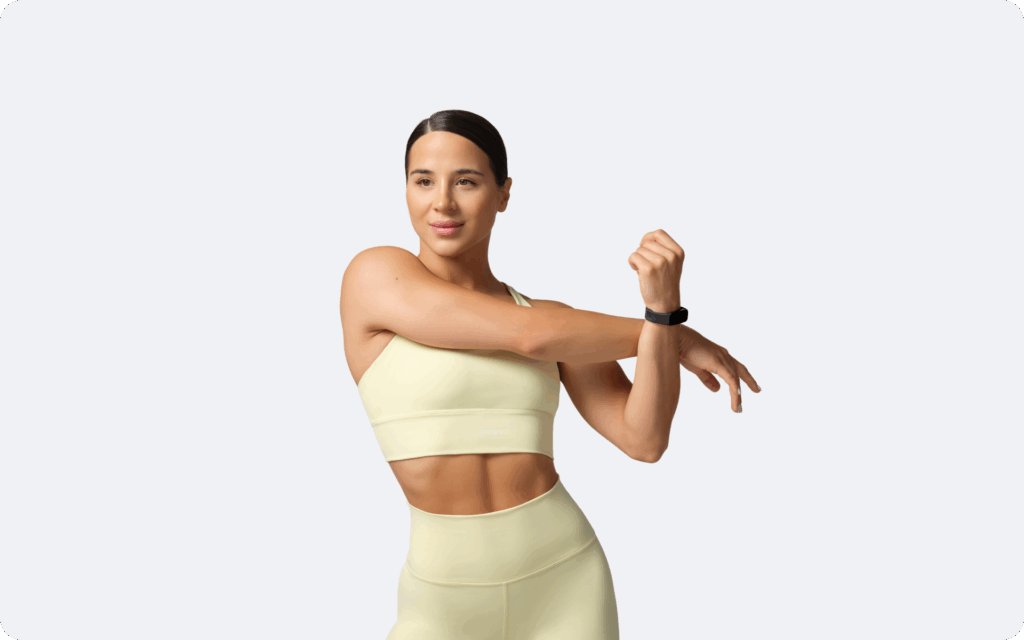
- Standing Hip Flexor Stretch
This stretch targets the muscles at the front of the hips, which often become tight after long periods of sitting.
How to do it:
- Stand upright with your feet hip-width apart.
- Step one foot slightly forward.
- Bend the front knee gently while keeping the back leg straight.
- Tilt your pelvis slightly forward and engage your core.
- You should feel a mild stretch in the front of the back hip.
- Hold for about 15–25 seconds, then switch sides.
This movement works well as a starting point before dynamic stretches for the back or light walking. The key is subtlety. No forcing, no bouncing.
- Standing Figure-Four Stretch
The figure-four position helps open the outer hip and glute muscles.
Steps:
- Stand tall near a wall or chair for balance.
- Lift your right ankle and place it across the left thigh, just above the knee.
- Slowly bend your standing leg, as if sitting back slightly.
- Keep your chest upright.
- Hold the stretch for 20 seconds, then change sides.
This stretch is often recommended in mobility routines because it targets muscles that support both hip and back movement i.e. the gluteal and deep hip muscles. Research suggests that limited hip function can influence lower-back movement patterns, which is why hip mobility exercises are often included in broader stretching routines (3, 4).
BetterMe: Health Coaching app helps you achieve your body goals with ease and efficiency by helping to choose proper meal plans and effective workouts. Start using our app and you will see good results in a short time.
- Standing Hip Circles
Sometimes the goal isn’t just stretching; it’s gentle movement. Hip circles help the joints move through their natural range (5).
How to do it:
- Stand with your feet slightly apart.
- Shift your weight onto one leg.
- Lift the other knee to hip height.
- Slowly draw a circle with the lifted knee.
- Complete 5–8 circles in each direction before switching legs.
The motion should feel controlled and fluid. No rushing.
Hip circles are commonly used in warm-ups before lower back exercises in the gym because they help activate surrounding muscles without putting pressure on the back.
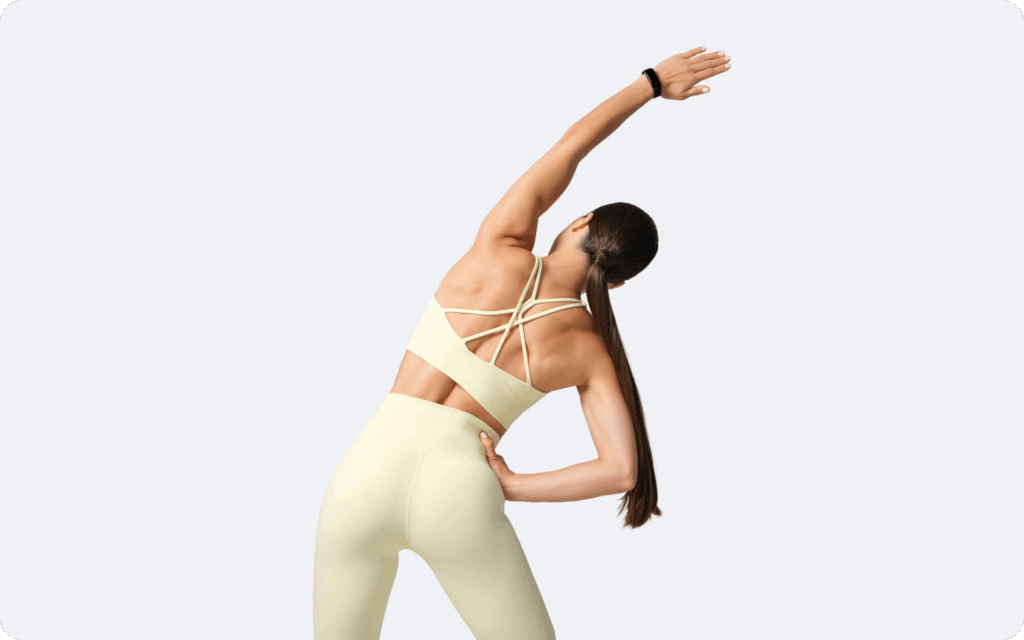
- Standing Side Hip Stretch
The outer hip muscles help stabilize the body during walking and standing. When they tighten, movement can feel restricted.
Steps:
- Stand with feet slightly wider than hip width.
- Shift your weight onto one leg.
- Let the opposite hip drop outward slightly.
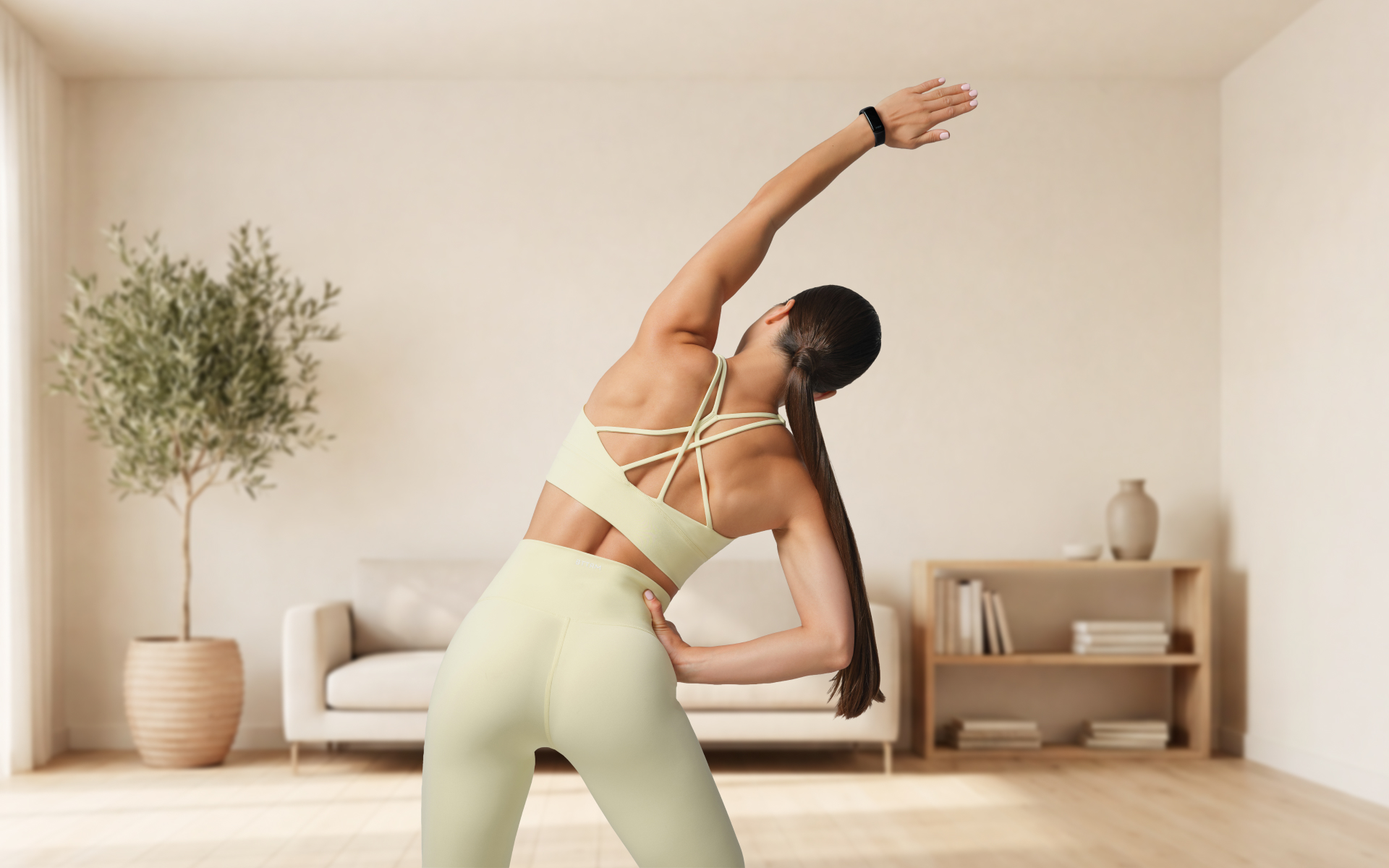
- Raise the same-side arm overhead and lean gently toward the opposite side.
- Hold for about 15–20 seconds.
This stretch can also relieve stiffness that builds after long periods on your feet. Some people combine it with lower back stretches at work to reduce tension during long desk days.
- Standing Leg Swing Stretch
This movement combines stretching with light mobility.
How to perform it:
- Stand beside a wall or sturdy object for support.
- Swing one leg forward and backward in a controlled motion.
- Keep the movement relaxed and rhythmic.
- Perform 10–15 swings before switching sides.
Leg swings are often used before walking, running, or strength workouts. They prepare the hips and lower back for motion while keeping the body upright and balanced.
Read more: 13 Full-Body Warm-Up Exercises to Boost Your Workout Performance
Why Do These Stretches Matter?
The hips connect the upper with the lower body. When the surrounding muscles lose flexibility, adjoining areas—especially the lower back—are most likely to take on extra stress.
Regular standing hip stretches can support better movement patterns by:
- Improving joint mobility (6)
- Helping muscles lengthen gradually (7)
- Supporting posture and balance (8)
- Preparing the body for activity (9)
They also fit easily into everyday life. A few minutes in the morning, a short break during the workday, or a gentle warm-up before exercise. Each time you do it, it adds up.
Over time, these simple movements can become the foundation of a broader mobility practice. Many people pair them with standing lower back stretches, sitting lower back stretches. Be it lower back stretches for men and lower back stretches for women,these exercises fit into any lifestyle, depending on their routines and comfort levels.
Small steps. Consistent movement. That’s usually where lasting mobility begins!
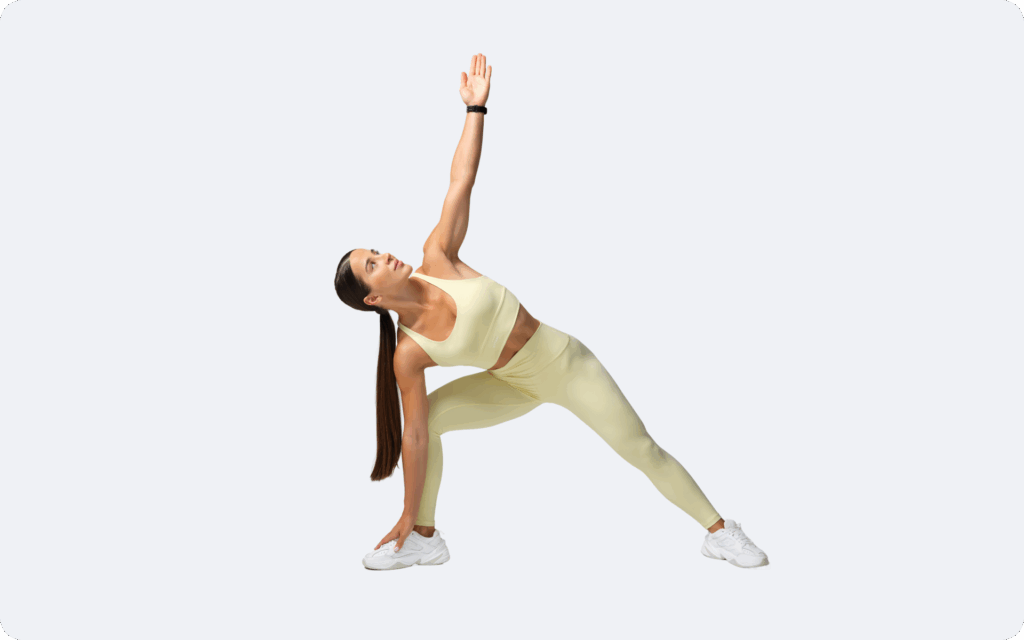
Can Standing Cause Tight Hips?
At first thought, standing seems like the healthier alternative to sitting. Many people switch to standing desks or spend long hours on their feet believing it’s automatically better. And in many ways, standing can be beneficial. It encourages gentle muscle activity and reduces the prolonged hip flexion that happens while sitting.
But here’s the nuance: standing for long periods without movement can also lead to hip tightness (10).
The body is designed for motion, not stillness. When you remain in the same upright position for hours—whether working, cooking, or standing at a job that requires it—the muscles around the hips and pelvis may stay in a semi-contracted state. Over time, that constant tension can create stiffness.
Researchers studying posture and musculoskeletal health have noted that prolonged static positions, including standing, can increase strain on muscles that support the hips and lower back. Without occasional movement or stretching, these muscles can begin to feel tight or fatigued (10).
Why Prolonged Standing Can Affect the Hips
Several factors contribute to this stiffness.
- Limited joint movement
When you stand still, the hip joints don’t move through their full range very often. Instead, they remain in a relatively fixed position.
Over time, this can cause surrounding muscles, particularly the hip flexors and gluteal muscles, to feel stiff. Gentle standing hip stretches can help reintroduce movement and encourage the joints to move more freely again.
- Muscle fatigue from constant stabilization
Standing requires subtle but continuous effort from the hips, legs, and lower back to keep the body upright.
These stabilizing muscles rarely get a true break. When they’re engaged for long periods, the fatigue can build. That tiredness sometimes shows up as tightness or reduced mobility.
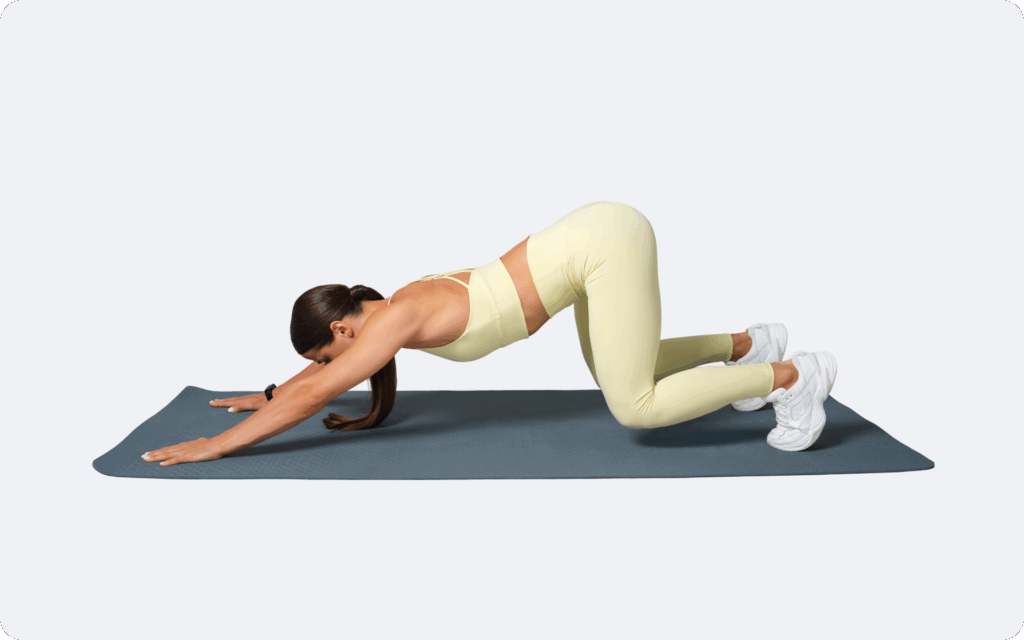
- Postural compensation
If the body’s alignment shifts while standing, maybe due to leaning on one leg or arching the lower back, certain muscles may take on extra work.
Over time, that uneven load can contribute to stiffness in the hips and nearby areas. This is why mobility routines often combine standing hip stretches with standing lower back stretches or gentle upper back stretches to support overall posture (10, 11).
Signs Your Hips May Be Tight from Standing
The body tends to give small signals before the stiffness becomes more noticeable. Some common signs include (10, 12):
- A dull feeling of tightness in the front or sides of the hips
- Stiffness when beginning to walk after standing still
- Mild lower-back tension after long hours on your feet
- A reduced sense of fluid movement when bending or twisting
These sensations don’t necessarily mean something is wrong. Most often, they simply indicate that the muscles need some movement and circulation.
Reasons why BetterMe is a safe bet: a wide range of calorie-blasting workouts, finger-licking recipes, 24/7 support, challenges that’ll keep you on your best game, and that just scratches the surface! Start using our app and watch the magic happen.
Movement Is the Missing Piece
The key is not necessarily standing less, but standing differently.
Short movement breaks can make a big difference. Even small adjustments like shifting weight between the legs, walking for a bit, or adding a few standing back exercises,can help the hips avoid prolonged stiffness (10, 13, 14).
A few minutes of standing hip stretches throughout the day may also help restore mobility. Many people combine them with lower back stretches at work or light back mobility exercises to create a quick reset for the body
It doesn’t have to be complicated. In real life, the simplest of movements most often work the best. A stretch here, a step there. Slowly, the hips begin to move the way they were meant to—freely, comfortably, and without any unnecessary tension!

How To Relieve Hip Tightness from Standing All Day?
The solution isn’t complicated. In many cases, short movement breaks and gentle stretching can help restore comfort.
A few practical strategies can make a noticeable difference. These would include:
- Add brief stretching breaks
Incorporating standing hip stretches throughout the day encourages the joints to move again after long periods of stillness. Even a short stretch break can help muscles relax and improve your mobility.
- Change your posture regularly
Try not to stay perfectly still while standing. Small adjustments can help distribute muscular effort more evenly.
Examples include:
- shifting weight between feet
- bending and straightening the knees occasionally
- adjusting foot placement
- Reminding yourself to activate your core and keep your chest upright
These little changes reduce putting continuous strain on the same muscle groups and can even help you stand more “efficiently” with proper form.
- Walking for a minute or two
Walking introduces natural movement to the hips and pelvis. A brief walk can loosen stiff muscles and restore circulation after prolonged standing. Some people combine this with lower back stretches at work or light standing lower back stretches for a quick mobility reset.
- Include simple mobility exercises
Pairing hip stretches with gentle back mobility exercises or standing back exercises can help support overall movement and posture. The goal is simple: keep the body moving often enough that stiffness never has time to settle in.
Read more: Pilates Warm-Up: Why You Should Be Doing It and Simple Exercises to Try
How To Loosen Hips While Standing?
Loosening the hips does not always require getting down on a mat or committing to a long workout. In fact, some of the most practical mobility exercises can be done while standing. These movements are simple, gentle, and easy to fit into daily life- whether you’re at home, at work, or just warming up before exercise.
The key idea is to introduce controlled movement into joints that may have stayed in the same position for too long. Here are a few simple ways to loosen the hips while standing.
- Gentle hip circles
Hip circles guide the joint through several directions of movement. Stand upright, shift your weight onto one leg, and slowly circle the other knee outward and around. Keep the motion smooth rather than rushed.
- Standing leg swings
Holding onto a wall or chair for balance, swing one leg forward and backward in a relaxed rhythm. This type of movement is often used as part of dynamic stretches for back and hip warm-ups before any more strenuous physical activity.
- Side-to-side weight shifts
Stand with your feet slightly wider than hip width and gently shift your weight from one leg to the other. This encourages the hips to move naturally and can reduce stiffness that builds during long periods of standing.
The goal is not intensity but regular motion. When the hips move often, even in small ways, they tend to stay more flexible and comfortable throughout the day.
What Are Some Soft Standing Hip Stretches?
Not every stretch needs to feel intense to be effective. In fact, gentle movements are often the most sustainable, especially for people who are just beginning a mobility routine or returning to exercise after a long break. When it comes to soft standing hip stretches, the idea is to focus on slow, controlled motion that encourages flexibility without putting any unnecessary strain on your joints.
These stretches are particularly helpful for older adults, beginners, or anyone who feels stiffness after long hours of sitting or standing.
Here are a few examples:
Standing side hip stretch
Stand with your feet slightly wider than hip width. Shift your weight onto one leg and gently lean your torso toward the opposite side while raising the arm overhead. You may feel a mild stretch along the outer hip and side of the body.
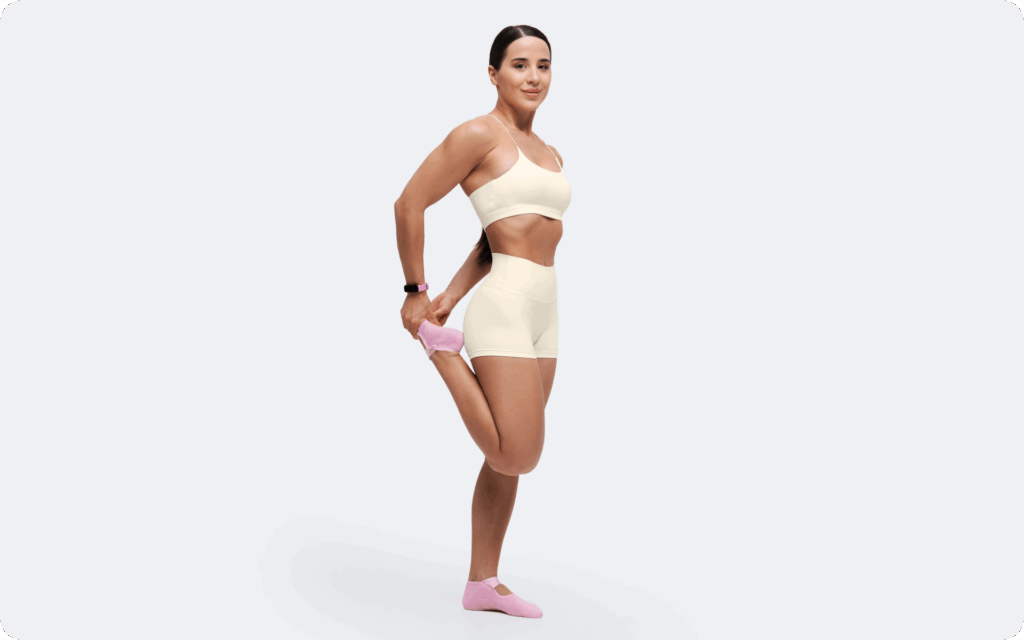
Standing quad and hip flexor stretch
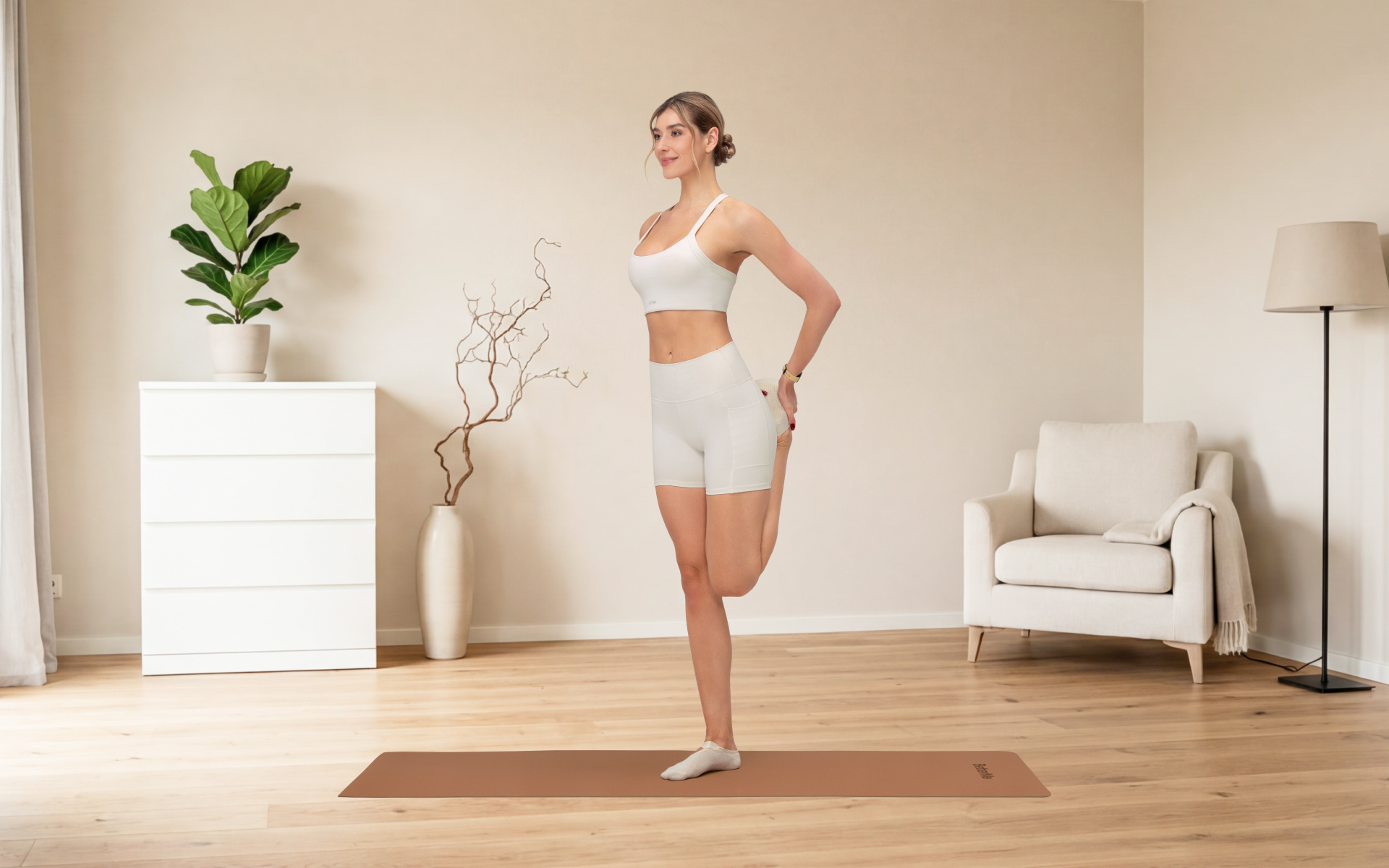
Hold onto a wall or chair for balance. Bend one knee and bring your heel toward your glutes, holding the ankle if comfortable. Keep your knees close together and your torso upright to feel a gentle stretch at the front of the hip.
Standing cross-leg hip stretch
Place one foot slightly across the other and bend forward just a little at the hips. This can create a soft stretch along the outer hip and upper leg.
The key is to move slowly, breathe naturally, and avoid pushing the stretch beyond a comfortable state. Over time, consistent and relaxed stretching often helps the hips feel looser and more responsive.
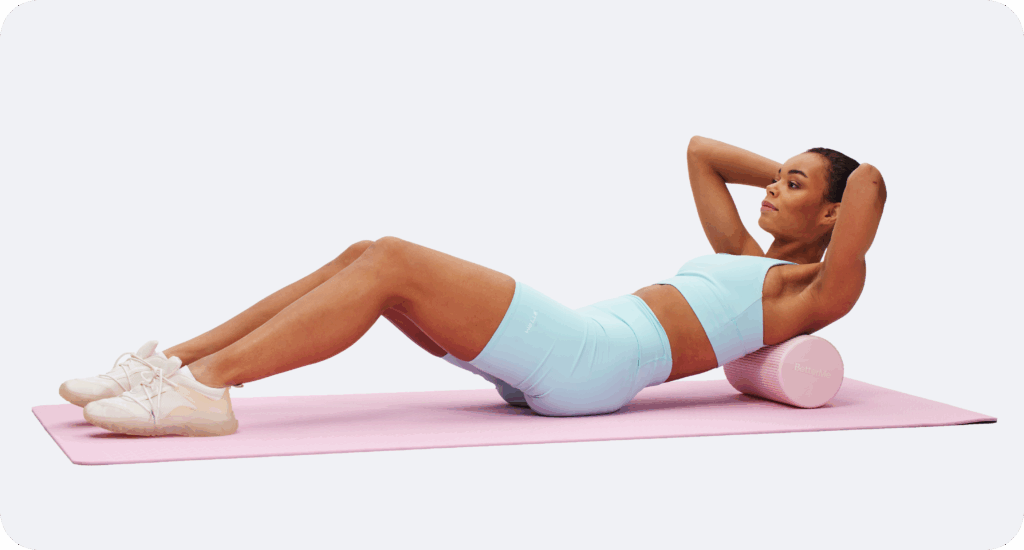
Should I Do Massage to Loosen My Tight Hips?
Massage is often suggested when muscles feel tight, and in many cases it can provide temporary relief. When applied gently, a massage may help reduce muscle tension and encourage circulation in the surrounding tissues. For people who experience stiffness in the hips after long periods of standing or sitting, this can sometimes create a sense of relaxation for the time being.
That being said, massage usually works best as a supportive method rather than the main solution. Tightness in the hips often develops because muscles remain in the same position for long stretches of time. Without regular movement, the stiffness may return even after a massage session.
This is why many mobility routines combine massage with light movement or gentle mobility exercises. Stretching helps the joints move through their range again, while massage may help the muscles feel less tense.
Some people use simple self-massaging techniques, such as applying light pressure to the glute and hip area with their hands or a massage ball. When done carefully, this can help relax the surrounding muscles before stretching.
Ultimately, massage can be a complement to stretching and movement, but maintaining regular mobility habits often plays the biggest role in keeping the hips comfortable over time.
What Position Relaxes Hip Flexors the Best?
Hip flexors are the muscles located at the front of the hips. They help lift the knee, support walking, and stabilize the pelvis during everyday movement. Because these muscles work frequently especially when sitting or standing for long periods, they can sometimes feel tight or fatigued (15).
One of the most effective ways to help the hip flexors relax is to place the hips in a slightly extended position, where the front of the hip is gently lengthened. This position allows the muscles to release some of the tension that may build during daily activities (16, 17).
A commonly recommended posture is the upright standing hip flexor stretch (18).
To try this position:
- Stand with your feet about hip-width apart.
- Step one foot forward and bend the front knee slightly.
- Keep the back leg straight and your torso upright.
- Gently shift your hips forward until you feel a mild stretch at the front of the back hip.
Ultimately, the most effective position for relaxing the hip flexors is the one that lengthens the front of the hip while keeping the body stable and relaxed. Slow, controlled stretching is always going to be more beneficial than pushing the muscles too far or too quickly.
Yes, walking moves the hips through its natural range of motion, which can help reduce stiffness and encourage circulation in the surrounding muscles. Light walking can help ease stiffness in the lower back by promoting gentle movement and improving blood flow to the muscles that support the back. Touching your toes primarily stretches the hamstrings. But it can also create a mild stretch in the lower back when performed slowly and within a comfortable range. The popping sensation often comes from small joints in the back called facet joints, where changes in pressure can release tiny gas bubbles during movement (19). It’s generally best to avoid sudden twisting, heavy lifting, or forcing deep stretches. These movements can place additional strain on the lower back. But it is best to consult with a medical professional if you do have back discomfort. There are specialists who can help create a recovery plan for you and we would not advise exercising through injury.Frequently Asked Questions
Is walking good to loosen tight hips?
Is walking good for a stiff lower back?
Does touching your toes help to stretch lower back?
What part of my lower back pops when I stretch?
What not to do with lower back pain?
The Bottom Line
Standing hip stretches offer a simple and practical way to keep the body moving well throughout the day. Because the hips play such a central role in posture, walking, and balance, gentle stretching can help maintain mobility and ease any stiffness that develops from long periods of standing or sitting.
Small habits, such as taking short movement breaks, shifting your posture, or adding light mobility exercises, can make a noticeable difference over time. Standing stretches are accessible for people of different ages and fitness levels, and they can easily fit into a daily stretching routine. When practiced consistently and with care, they allow you to have comfortable movements and overall flexibility.
DISCLAIMER:
This article is intended for general informational purposes only and does not serve to address individual circumstances. It is not a substitute for professional advice or help and should not be relied on for making any kind of decision-making. Any action taken as a direct or indirect result of the information in this article is entirely at your own risk and is your sole responsibility.
BetterMe, its content staff, and its medical advisors accept no responsibility for inaccuracies, errors, misstatements, inconsistencies, or omissions and specifically disclaim any liability, loss or risk, personal, professional or otherwise, which may be incurred as a consequence, directly or indirectly, of the use and/or application of any content.
You should always seek the advice of your physician or other qualified health provider with any questions you may have regarding a medical condition or your specific situation. Never disregard professional medical advice or delay seeking it because of BetterMe content. If you suspect or think you may have a medical emergency, call your doctor.
SOURCES:
- The Influence of Stretching the Hip Flexor Muscles on Performance Parameters. A Systematic Review with Meta-Analysis (2021, International Journal of Environmental Research and Public Health)
- The effect of static stretching exercises on hip range of motion, pain, and disability in patients with non-specific low back pain (2021, Journal of Experimental Orthopaedics)
- The association of hip range of movement, and its side-to-side asymmetries, and non-specific lower back pain in adults aged 40 years and older (2025, North American Spine Society Journal)
- A flexible way to stretch (2019, Harvard Health)
- The Role of Aerobics in Hip Movement and Injury Prevention among Older Women (2023, Genesis Publications)
- Effects of Dynamic Stretching with Different Loads on Hip Joint Range of Motion in the Elderly (2019, Journal of Sports Science and Medicine)
- Effects of an integrative warm-up method on the range of motion, core stability, and quality of squat performance of young adults (2024, Frontiers in Sports and Active Living)
- Effects of stretching and warm-up routines on stability and balance during weight-lifting: a pilot investigation (2014, BMC Research Notes)
- The effect of 8-week warm-ups, static and dynamic stretching of hip flexors on flexibility, agility, and dynamic balance in junior field hockey players: a randomized controlled trial (2023, Bulletin of Faculty of Physical Therapy)
- Evidence of Health Risks Associated with Prolonged Standing at Work and Intervention Effectiveness (2015, Rehabilitation Nursing)
- The impact of different standing positions on gluteus medius activation and lumbar lordosis in LBP-developers during prolonged standing (2025, PLOS One)
- Changes in muscle activation patterns and subjective low back pain ratings during prolonged standing in response to an exercise intervention (2010, Kinesiological Electromyography)
- The impact of a sloped surface on low back pain during prolonged standing work: a biomechanical analysis (2010, Applied Ergonomics)
- Breaking up prolonged sitting reduces postprandial glucose and insulin responses (2012, Diabetes Care)
- Hip Flexors (2011, Acupuncture for Sports and Trauma Rehabilitation)
- The Influence of Stretching the Hip Flexor Muscles on Performance Parameters. A Systematic Review with Meta-Analysis (2021, International Journal of Environmental Research and Public Health)
- Improved Hip Flexibility and Gluteal Function Following a Daily Lunge-and-Reach Stretching Intervention (2025, International Journal of Sports Physical Therapy)
- Hip Conditioning Program (n.d., American Academy of Orthopaedic Surgeons)
- Facet Joint Disease (2025, National Institutes of Health)

 Reviewed by