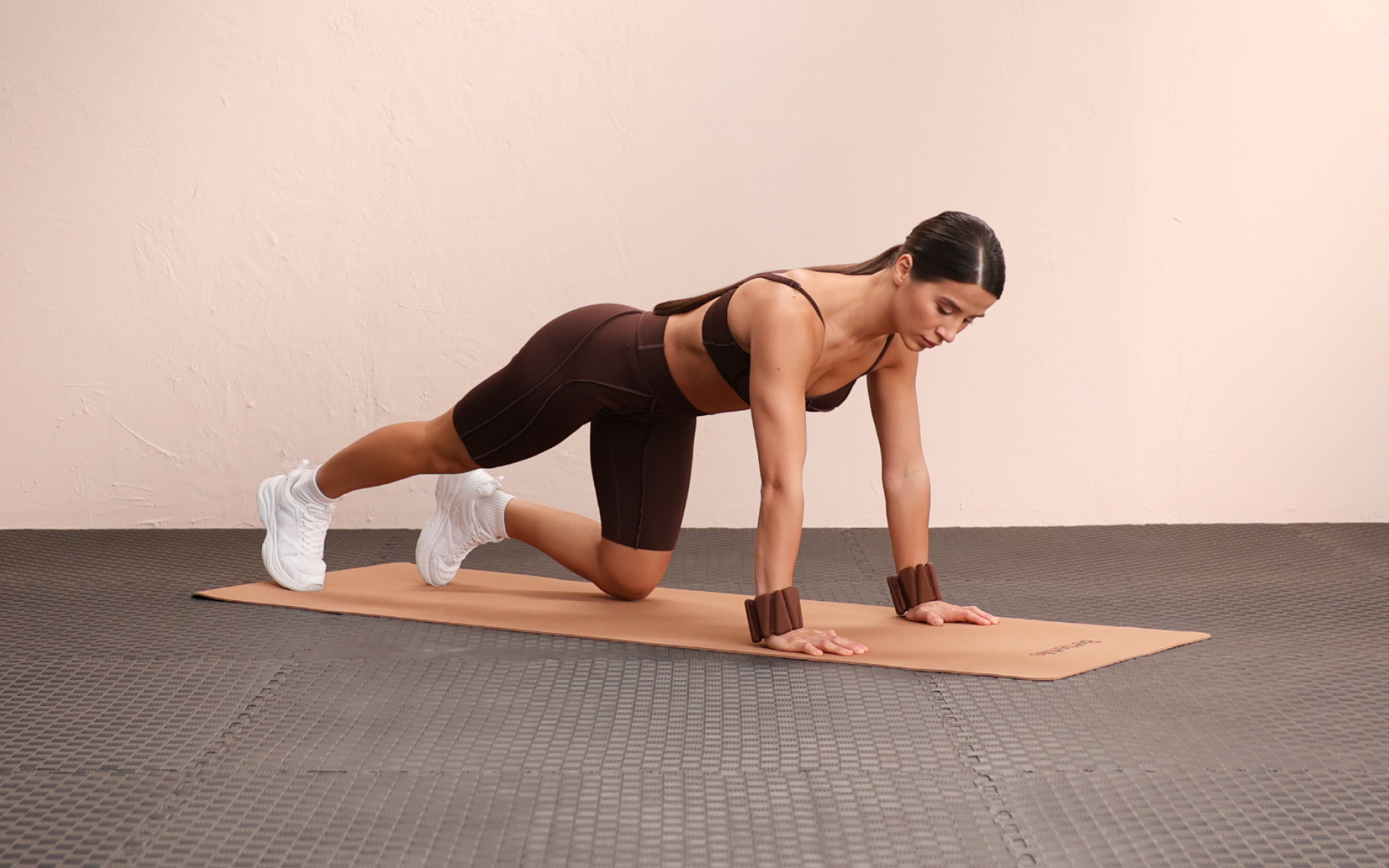
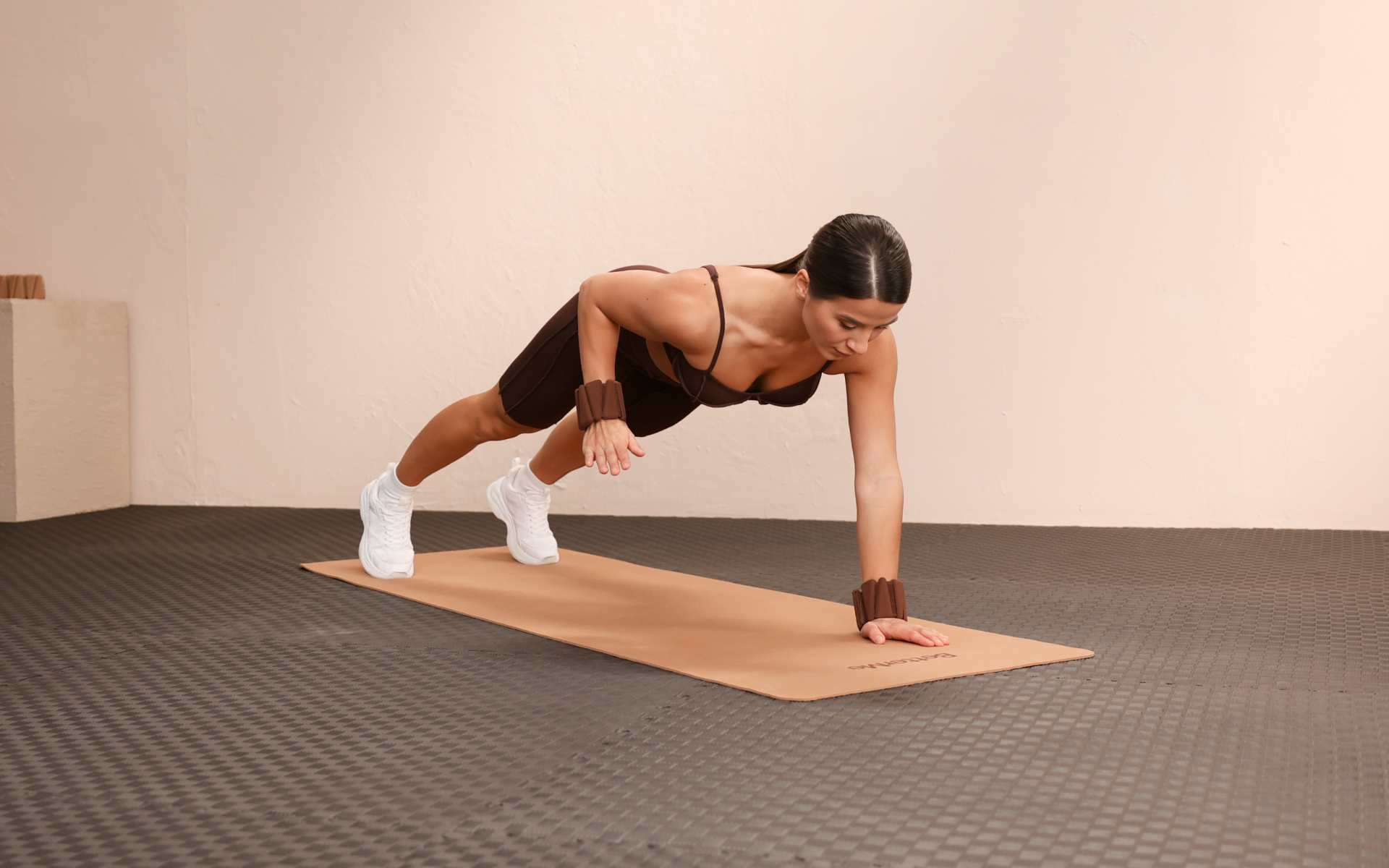
Planking for weight loss can help a little, but it works best as a supporting move, not a main strategy. A plank is an isometric exercise, meaning you hold one position without moving. It builds core strength and burns some calories. For most people, weight loss depends more on overall movement, full-body training, and eating habits than on planks alone.
Planks are a popular core move where you hold your body steady, often on your forearms and toes. Your core includes the muscles around your midsection, back, and hips.
This guide is for anyone who is curious about planking for weight loss, from total beginners to people who already train. You’ll learn what planks can and can’t do, how to hold them, and how to build them into a smart routine.
Please note: In 4 weeks users can typically expect to lose not more than 1-2 lbs per week. Individual results may vary.
Can Planking Help With Weight Loss?
Planking can support weight loss in a small way, but it isn’t a standalone solution. Every movement you do uses energy, and a plank exercise is no exception.
Holding a plank challenges your muscles and raises your effort level. That contributes a modest amount to your daily calorie burn (1).
For many people, though, the effect is gentle. Weight change tends to come from your overall energy balance across the whole week (2).
Think of planks as one helpful piece of a bigger picture. Cardio, full-body strength, and daily habits usually carry more weight. Curious for more detail? You can read our take on Does Planking Burn Fat?
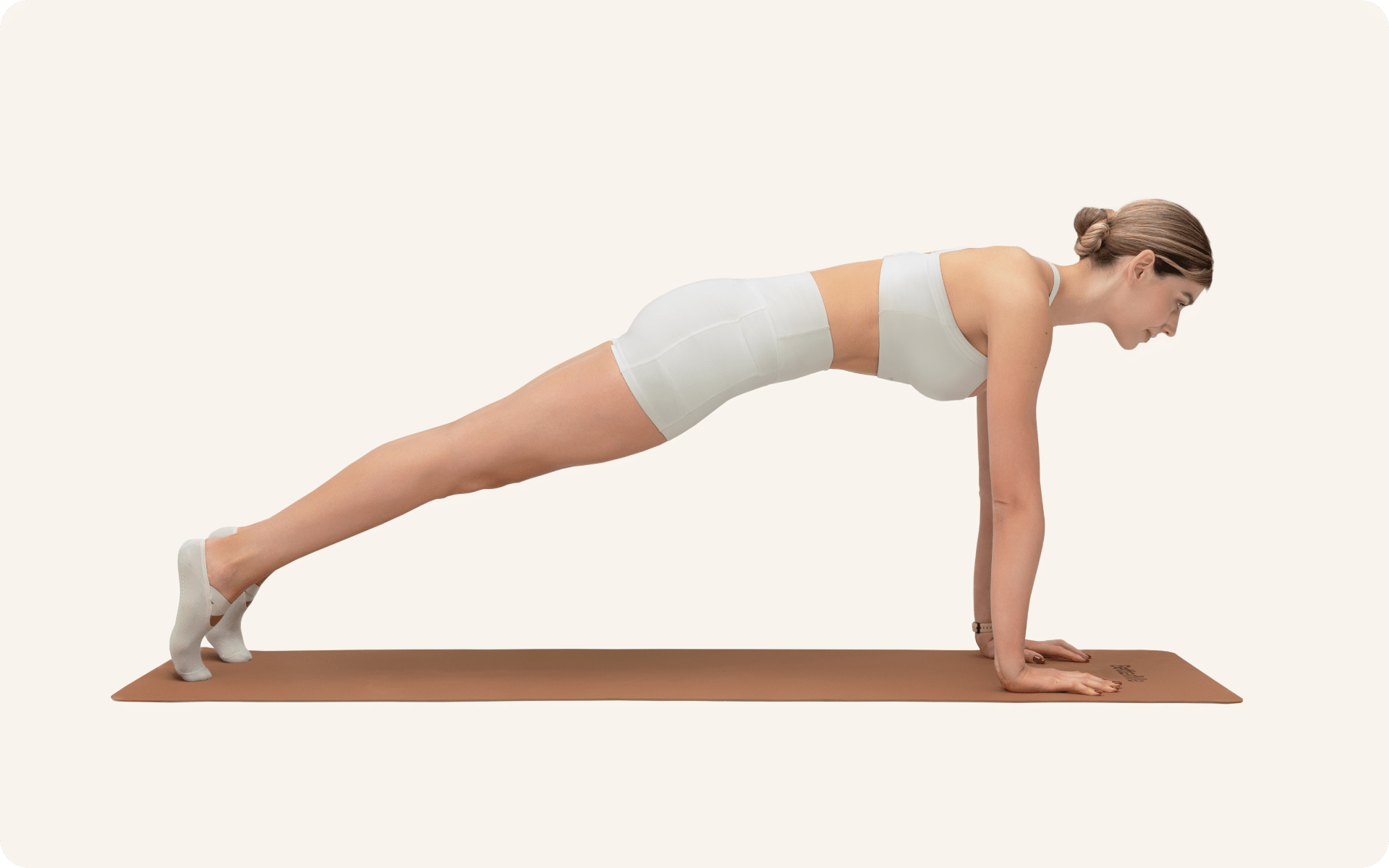
Why Planks Alone Aren’t a Weight-Loss Strategy
Planks alone aren’t a reliable weight-loss strategy as they burn relatively few calories and don’t target fat in one spot. Here’s why leaning only on planks tends to fall short:
- Lower calorie burn: One recent study found the plank used less energy than more dynamic moves such as squats or burpees (3).
- They’re isometric: Holding still creates less whole-body demand than active, moving exercises (4).
- Energy balance rules: Fat loss usually depends on a consistent calorie deficit across your week (2).
- No spot reduction: You can build strong abs under a soft layer, as you can’t target fat in one area (5).
So planks belong in your routine as support, not as the whole plan.
Read more: 500-Calorie Deficit: The Perfect Plan To Aid Your Weight Loss
What Muscles Do Planks Target?
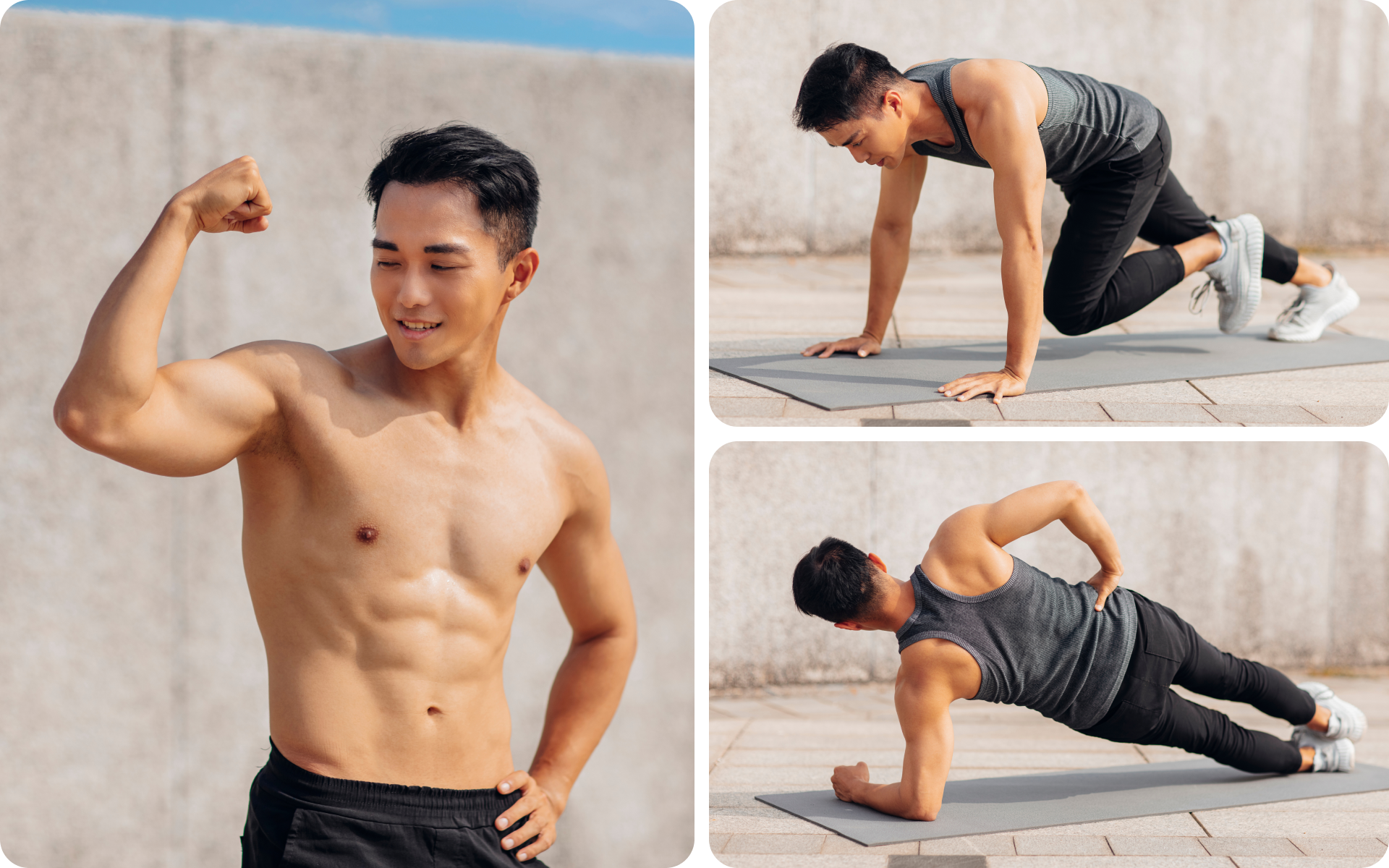
Planks target your core, which includes the muscles around your midsection, back, hips, and shoulders (6). This is what makes plank exercises for core strength so popular.
A standard plank tends to work several muscle groups at once (6):
- Deep abdominal muscles
- Front abs (the “six-pack” muscles)
- Side abs, or obliques
- Lower back muscles
- Glutes
- Shoulder stabilizers
Some research using muscle-activity sensors suggests harder plank setups increase abdominal activation (7). This is useful when you want more challenge over time.
How Many Calories Does Planking Use?
Planking uses a modest number of calories, and the exact amount depends on your body and effort. There’s no single figure that suits everyone.
One recent study measured plank calories burned in short trials with healthy young adults. It found the plank had the lowest energy cost among several bodyweight moves tested (3).
Your own plank calories burned can shift based on (3, 8):
- Body size and muscle mass
- Effort and form
- How long you hold
As it was a small study, treat these numbers as a rough guide. Individual outcomes vary.
How Long Should You Hold a Plank?
You should hold a plank for 15-60 seconds, adjusting the time to your current level and form. There’s no magic number, so quality matters more than chasing a record.
Here’s a simple way to think about how long to hold a plank:
- Beginners: 15-20 seconds with clean form
- Intermediate: 20-45 seconds
- Advanced: 45-60 seconds, then switch to a harder variation
Once a hold feels steady and controlled, progressing the challenge often beats simply holding longer. Stop the set when your hips drop or your form slips.
Which Plank Variations Can Make Your Routine More Challenging?
Several plank variations can raise the challenge by changing your leverage, stability, or base of support. This keeps your plank routine fresh as you get stronger.
| Variation | Skill level | Main focus | Suggested hold time |
|---|---|---|---|
| Forearm plank | Beginner | Core stability | 15-20 seconds |
| High plank | Beginner | Shoulders and core | 15-20 seconds |
| Side plank | Intermediate | Obliques and side stability | 20-45 seconds |
| Plank shoulder taps | Intermediate | Anti-rotation | 20-45 seconds |
| Plank leg lift | Intermediate | Glutes and core | 20-45 seconds |
| Long-lever plank | Advanced | Deep core demand | 45-60 seconds |
Change one variable at a time, so the jump never feels overwhelming. If your side plank needs a gentler option, see our Side Plank Alternative.
What Is a 10-Minute Plank Workout to Add to Your Training Routine?
A 10-minute plank workout is a short circuit of plank-focused moves you can add to any training day. This full-body plank workout mixes stability, side work, and rotation.
Work for 30 seconds, rest for 15 seconds, then repeat the circuit twice.
| Exercise | Work time | Rest time | Notes |
|---|---|---|---|
| Forearm plank | 30 seconds | 15 seconds | Keep your hips level |
| Side plank (left) | 30 seconds | 15 seconds | Stack your shoulders |
| Side plank (right) | 30 seconds | 15 seconds | Stack your shoulders |
| High plank | 30 seconds | 15 seconds | Keep your wrists under your shoulders |
| Plank shoulder taps | 30 seconds | 15 seconds | Move slowly |
| Glute bridge hold | 30 seconds | 15 seconds | Squeeze your glutes |
| Plank with leg lift | 30 seconds | 15 seconds | Alternate legs |
| Dead bug hold | 30 seconds | 15 seconds | Press your lower back down |
This works well as a beginners’ plank routine too—just shorten the work time to 15-20 seconds if needed.
BetterMe offers a variety of workouts, recipes, challenges, and support tools to help you stay more consistent with your wellness routine. Explore the app to find features that fit your goals, preferences, and schedule.

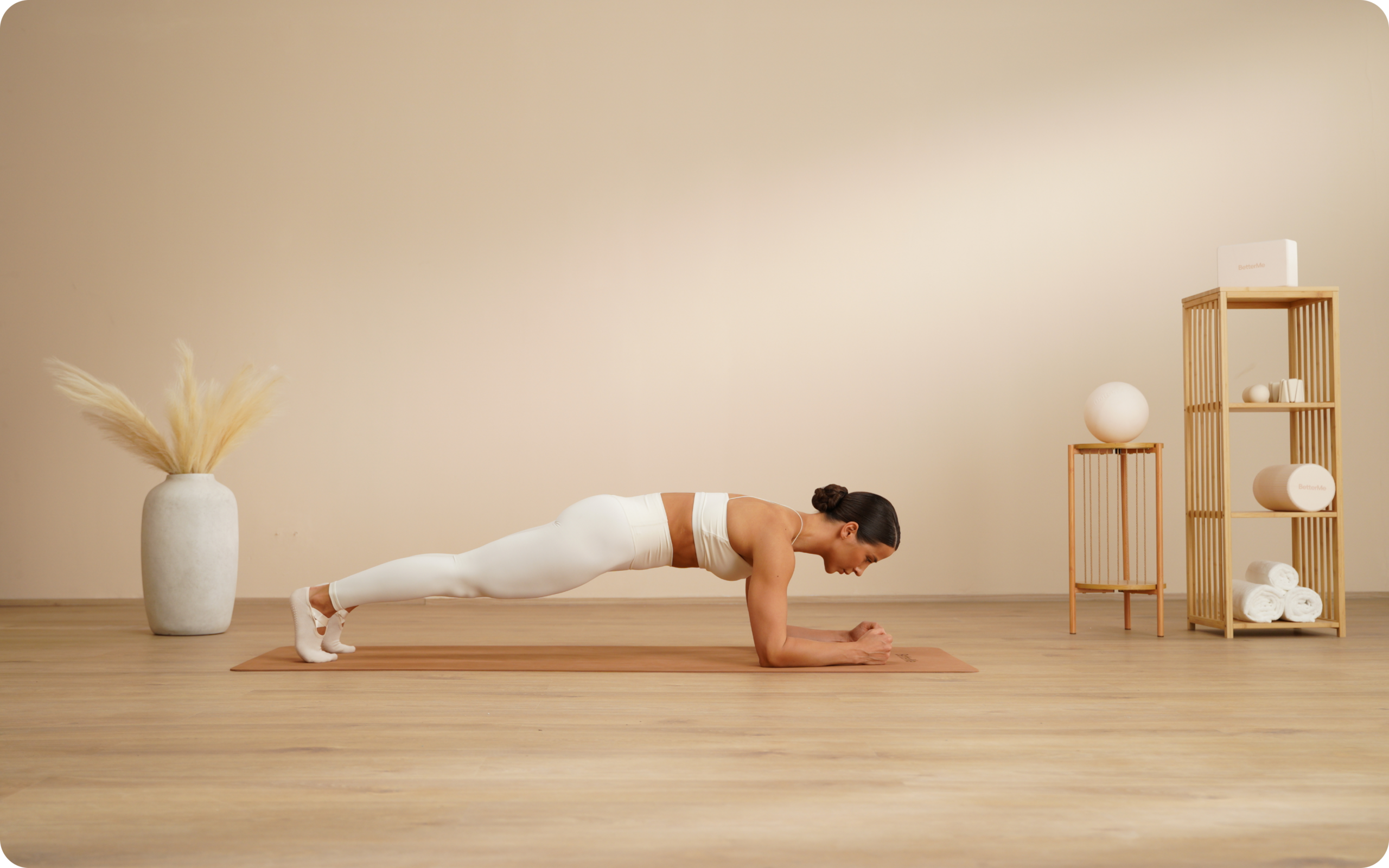
Forearm plank
- Rest on your forearms and toes.
- Line up your head, hips, and heels.
- Tighten your abs and glutes.
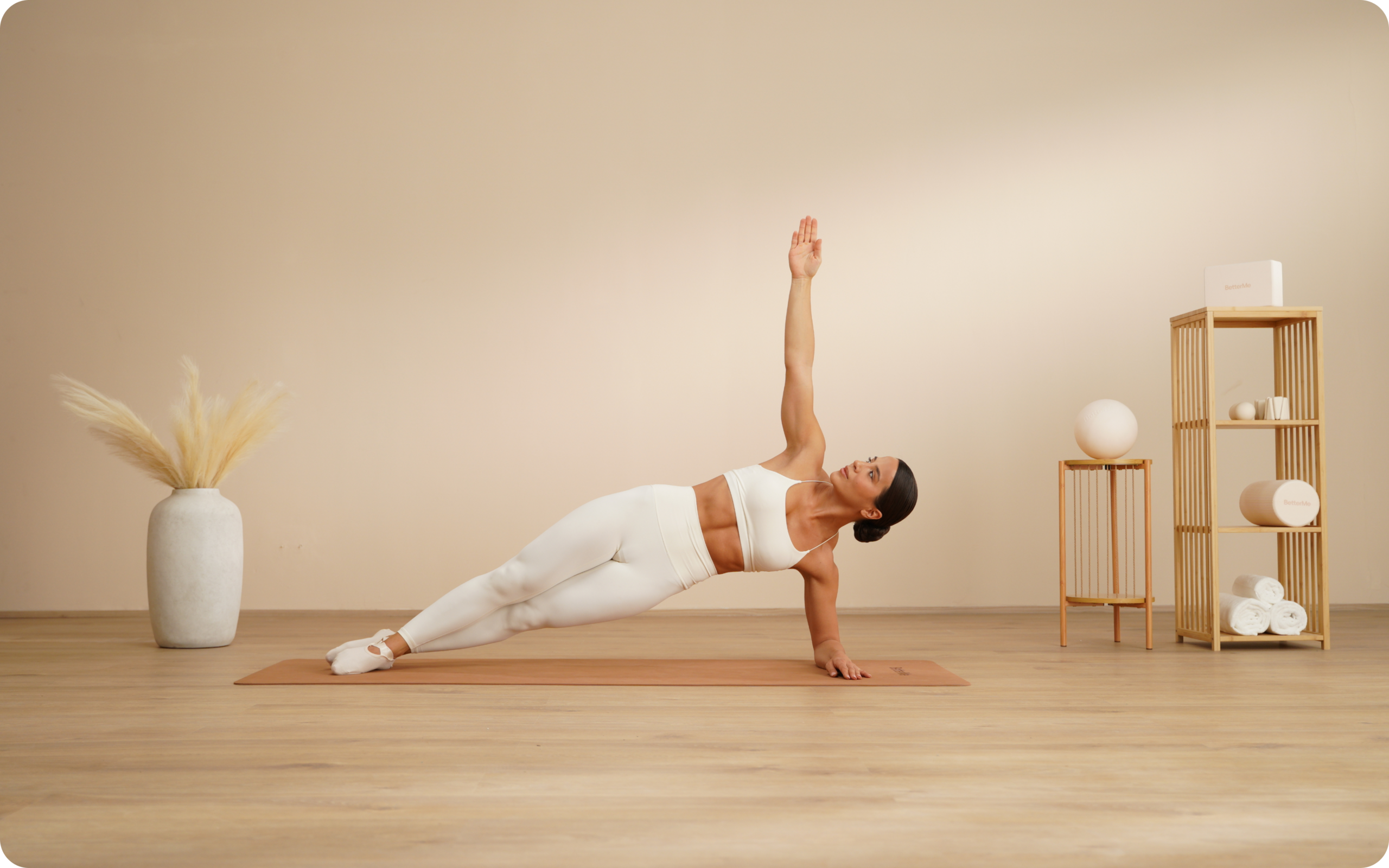
Side plank
- Lie on one side, propped on your forearm.
- Stack your shoulder over your elbow.
- Lift your hips into a straight line.
High plank
- Start on your hands and toes.
- Place your wrists under your shoulders.
- Keep your body in one line.
Plank shoulder taps
- Hold a high plank with a wide stance.
- Tap one hand to the opposite shoulder.
- Move slowly to limit hip sway.
Glute bridge hold
- Lie on your back with your knees bent.
- Lift your hips until they line up with your knees.
- Squeeze your glutes and hold.
Plank with leg lift
- Hold a forearm plank.
- Lift one leg a few inches.
- Lower it, then switch sides.
Dead bug hold
- Lie on your back with your arms toward the ceiling.
- Lift your knees to a 90-degree angle.
- Press your low back gently into the floor.
Read more: 30-Day Plank Challenge For Beginners: Build Your Core And Fix Your Posture With These Simple Moves
How Can You Combine Planks With Cardio and Full-Body Exercise?
You can combine planks with cardio and full-body exercise by focusing on planks as a short add-on to bigger sessions. This is where a core workout for weight loss really shines.
| Workout format | Example structure | Session length | Who it may suit |
|---|---|---|---|
| Strength + core finisher | Full-body strength, then 5-10 minutes of planks | 40-50 minutes | People who enjoy resistance training |
| Cardio + core finisher | Brisk cardio, then a short plank set | 30-40 minutes | People who prefer cardio |
| Circuit style | Rotate squats, rows, lunges, and a plank | 20-30 minutes | Busy people short on time |
A balanced week might include 150-300 minutes of moderate cardio, or 75-150 minutes of vigorous cardio. For a wall-based twist, try our 5 Plank Wall Exercise.
How Often Can You Include Planks in Your Weekly Routine?
You can include planks in your weekly routine 2-4 times per week in short, focused doses. For most people, that’s plenty to build steady core strength (9).
Keep each core session to about 5-10 minutes. This fits neatly onto the end of a walk, run, or strength day.
As planks are low-impact, you can do lighter versions more often. Just watch for these signs to ease back:
- Form slipping across sets
- Back or shoulder discomfort building
- Feeling worn out rather than worked
What Plank Form Mistakes Should You Avoid?
The main plank form mistakes to avoid involve breaking your straight-line position or holding too long past fatigue. Clean form beats a long, sagging hold every time.
Watch out for these common slips:
- Letting your low back sag
- Piking your hips too high
- Craning your neck up
- Shrugging your shoulders
- Holding your breath
- Pushing well past your form limit
Try these gentle cues instead:
- Draw your ribs down
- Squeeze your glutes and quads
- Keep your head, hips, and heels in line
- Breathe steadily
How Can You Tell When It’s Time to Progress Your Planks?
You can tell it’s time for plank progression when your current hold feels steady, controlled, and no longer challenging. Progression simply means making an exercise gradually harder over time (10).
Signs that you may be ready:
- You hold with clean form for 45-60 seconds
- Your breathing stays calm
- The shaking has mostly stopped
- You finish multiple sets without form breakdown
Progress by changing one thing at a time, such as:
- Adding 5-10 seconds
- Trying a less stable setup
- Extending your lever
- Adding gentle movement
Some research suggests harder setups can raise muscle activation (7), which supports a step-by-step approach. Go at a pace that feels manageable for you.
Workouts, weight management tools, and recipe ideas come together in the BetterMe Well-Being Coach app, giving you practical support for building a more consistent wellness routine.
FAQs
Can planking reduce belly fat?
Planking can strengthen the muscles under your belly (1), but it doesn’t directly reduce belly fat. Your body doesn’t lose fat from one specific spot just because you train it (5).
For many people, reducing overall body fat comes from a consistent calorie deficit (2), regular cardio, and full-body movement. Planks for belly fat work best as a strengthening add-on, not a targeted fat solution.
Can you lose weight by doing planks every day?
Doing planks every day alone is unlikely to drive noticeable weight loss for most people. Planks burn relatively few calories compared with dynamic exercise (3). Daily planking can build core strength and endurance, which is a real benefit (1).
Still, weight change tends to depend on your overall routine and eating habits. Pair planks with cardio and strength for better results. Individual outcomes vary.
Is a 1-minute plank enough?
A 1-minute plank can be plenty if you hold it in a clean, controlled form with proper breathing. Once you reach that point comfortably, adding a harder variation often helps more than simply extending the time.
For beginners, even 15-20 seconds is a solid start. Focus on quality over duration, and stop the set when your hips drop or your form starts to slip. Controlling your breathing while planking is something that beginners tend to find especially challenging. Progress at your own pace and try to breathe steadily as you hold.
Are planks better than crunches?
Planks and crunches simply train your core in different ways, so neither is automatically better. A plank exercise builds stability by resisting movement. Crunches create movement through your abs instead.
For many people, a mix of both offers well-rounded core work. Choose what feels comfortable for your body, and prioritize good form over the number of reps or seconds.
Should you plank before or after cardio?
Planking after cardio tends to work well for most people, as your core stays fresher for your main session. Using planks as a short finisher lets you focus energy on cardio first.
That being said, a light plank in a warm-up can help you engage your core. Either order can work, so pick the setup that fits your routine and feels best.
The Bottom Line
Planking for weight loss can add a little calorie burn and real core strength, but it shines brightest as one part of a balanced plan with cardio, full-body training, and steady habits. Focus on your plank as a reliable sidekick, mix in variations you enjoy, and let your whole routine carry the load. Pick one plank move today and make it your own.
DISCLAIMER:
This article is intended for general informational purposes only and does not serve to address individual circumstances. It is not a substitute for professional advice or help and should not be relied on for making any kind of decision-making. Any action taken as a direct or indirect result of the information in this article is entirely at your own risk and is your sole responsibility.
BetterMe, its content staff, and its medical advisors accept no responsibility for inaccuracies, errors, misstatements, inconsistencies, or omissions and specifically disclaim any liability, loss or risk, personal, professional or otherwise, which may be incurred as a consequence, directly or indirectly, of the use and/or application of any content.
You should always seek the advice of your physician or other qualified health provider with any questions you may have regarding a medical condition or your specific situation. Never disregard professional medical advice or delay seeking it because of BetterMe content. If you suspect or think you may have a medical emergency, call your doctor.
SOURCES:
- Effects of High Intensity Plank Exercise on Physical Fitness and Immunocyte Function in a Middle-Aged Man: A Case Report (2021, mdpi.com)
- Impact of calorie restriction on energy metabolism in humans (2022, pmc.ncbi.nlm.nih.gov)
- The Energy Expenditure Associated With Body-Weight Resistance Exercises of Various Movement Patterns Performed at Different Durations (2024, pubmed.ncbi.nlm.nih.gov)
- Comparing the effects of dynamic and holding isometric contractions on cardiovascular, perceptual, and near-infrared spectroscopy parameters: A pilot study (2023, pmc.ncbi.nlm.nih.gov)
- Spot reduction: why targeting weight loss to a specific area is a myth (2023, sydney.edu.au)
- Electromyographic analysis of core muscle activity during variations of abdominal exercises (2025, efsupit.ro)
- Effects of Surface Stability on Muscle Activation during Plank Exercise (20255, pmc.ncbi.nlm.nih.gov)
- Understanding the variation in exercise responses to guide personalized physical activity prescriptions (2024, cell.com)
- Core training and performance: a systematic review with meta-analysis (2023, pmc.ncbi.nlm.nih.gov)
- Effects of Resistance Training Overload Progression Protocols on Strength and Muscle Mass (2024, pubmed.ncbi.nlm.nih.gov)
 Reviewed by
 Reviewed by