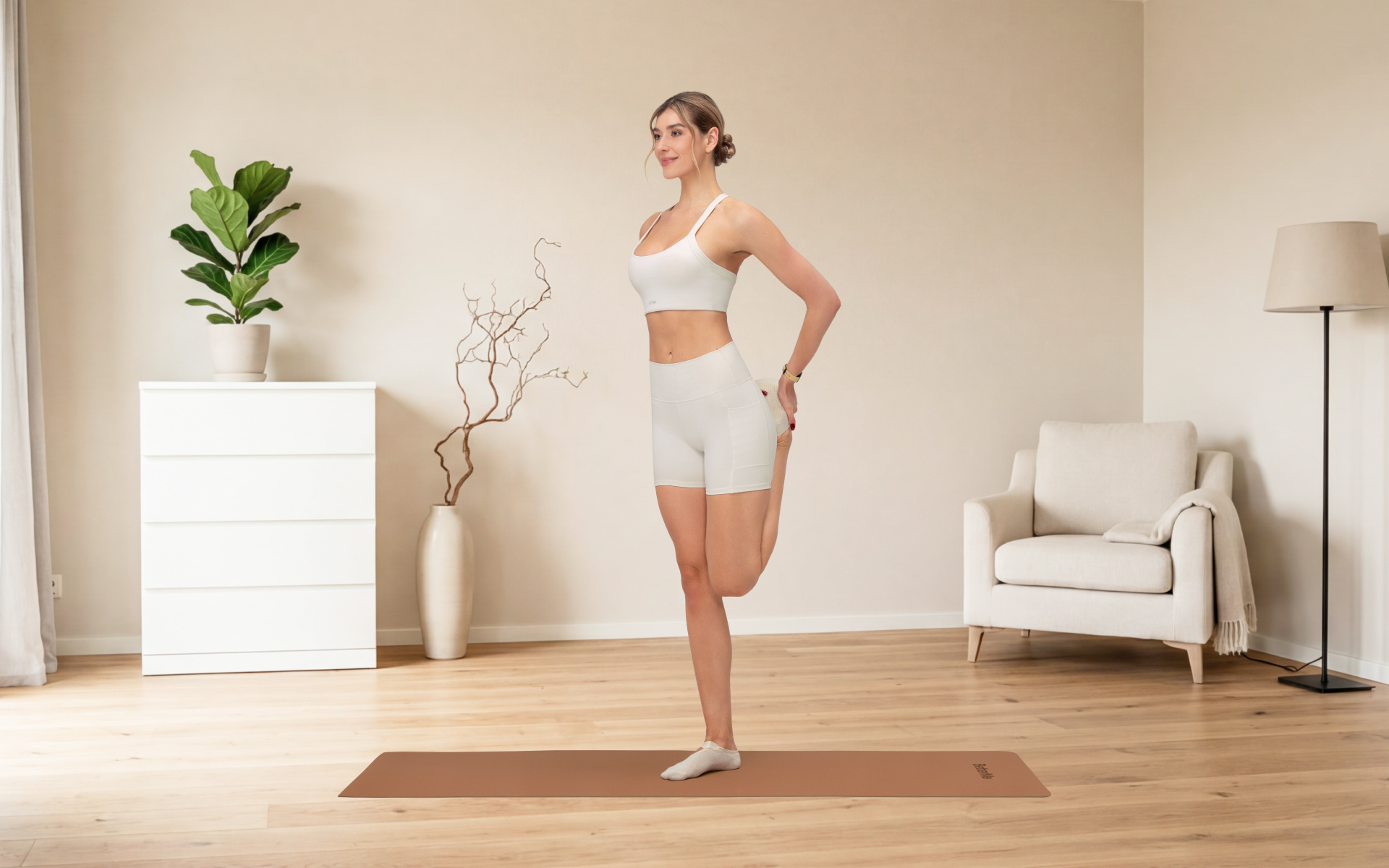
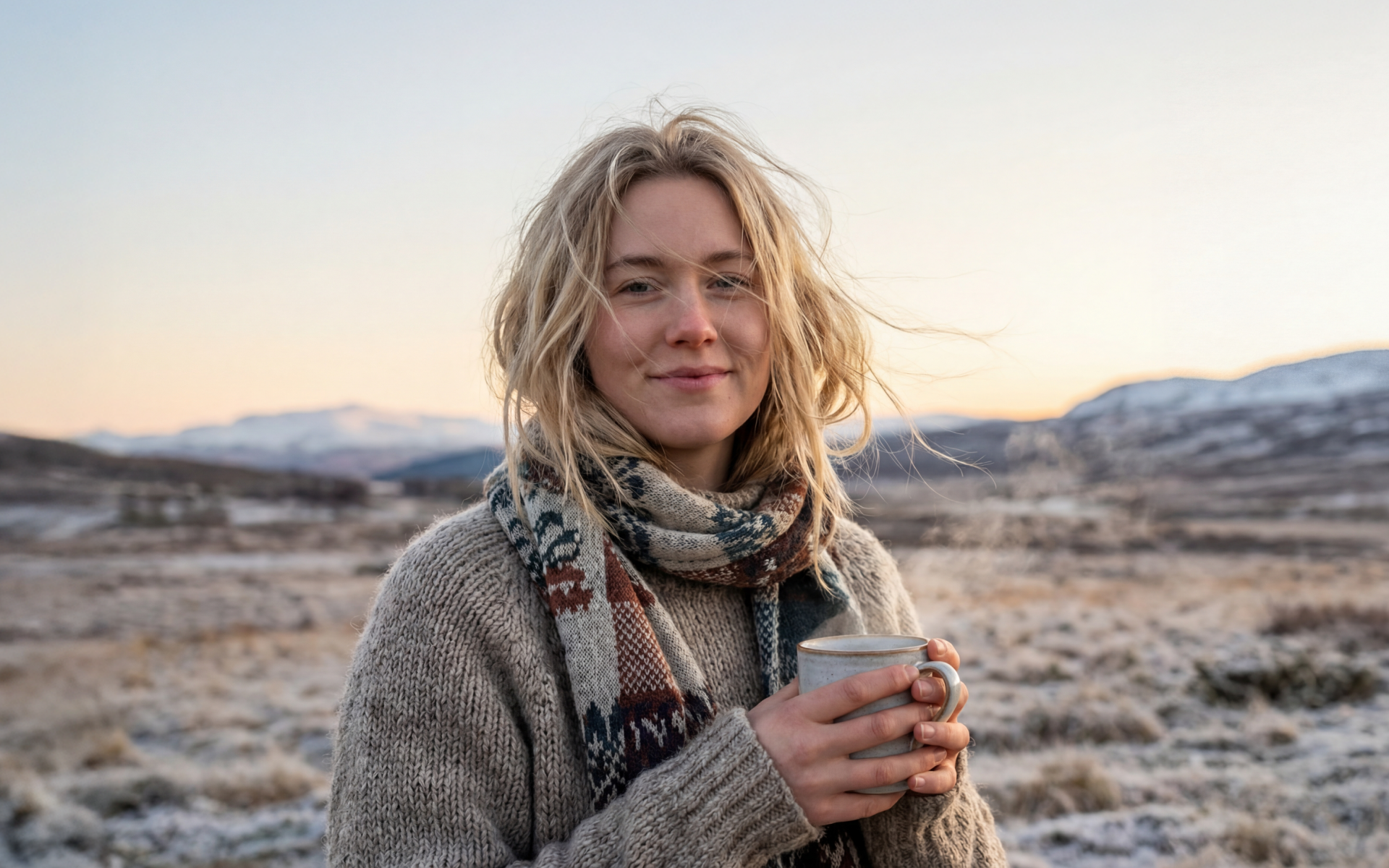
“Outdoor living” refers to more than just spending time outside; it means shifting part of your daily life into open‑air spaces. It’s about using patios, gardens, terraces, balconies, or even parks and green spaces as extensions of your home and routine.
It’s working, relaxing, and socializing outside. It’s the idea that life doesn’t stop at the walls of your house.
When done well, outdoor living blends comfort, nature, and functionality–seating and dining zones, greenery, fresh air, natural light, and openness.
Increasingly, research shows that exposure to natural environments and “green spaces” has measurable benefits for mental and physical health. For example, living near urban green space is associated with better mood, increased physical activity, lower heart rate, and reduced mortality [1][2][3][4].
What Is The Concept Of Outdoor Living?
In short, outdoor living is about consciously integrating your outdoor space into your daily life–making your outdoor zone as usable and meaningful as your indoor zone.
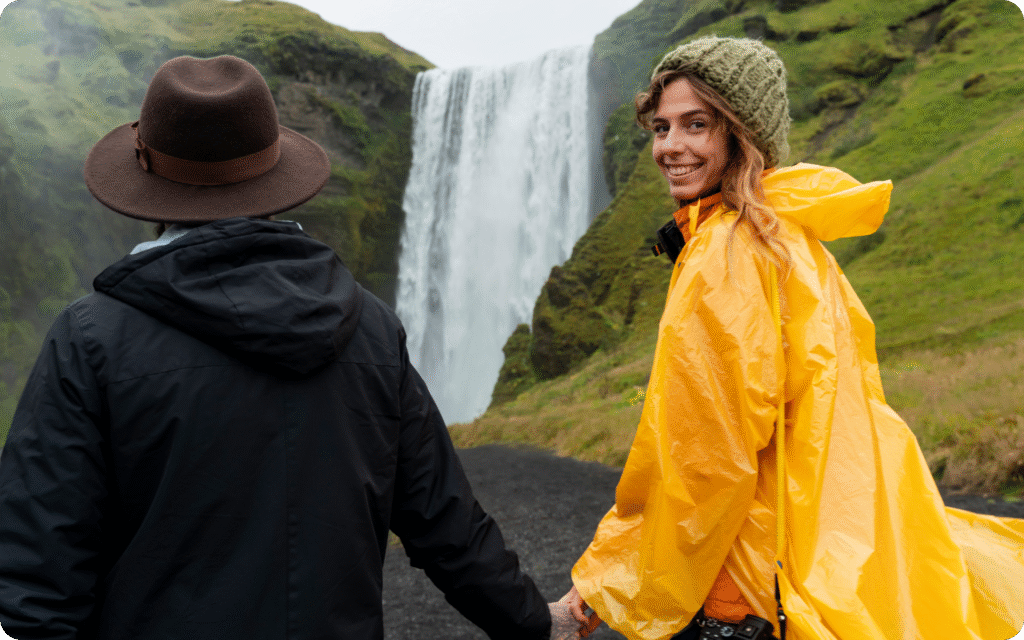
How Long Should You Stay Outside Daily?
There’s no single magic number that applies to everyone, but research offers several helpful benchmarks to work from.
One of the most cited studies, conducted in the UK in 2019, found that spending at least 120 minutes per week in nature—whether accumulated in short bursts or longer stretches—was consistently associated with higher self-reported health and well-being [7].
This time frame equates to roughly 20–30 minutes a day, most days of the week.
Other studies have shown that even as little as 20 minutes in a green environment can help lower cortisol, a primary stress hormone.
Additional research links regular outdoor time to improved sleep, mood stabilization, enhanced focus, and even immune support, driven by increased exposure to natural microbial diversity.
The evidence supports a simple conclusion–the key isn’t just the amount of time outdoors–it’s the consistency.
Short daily exposures, especially those that involve active or mindful engagement with nature, can deliver real and sustained benefits.
Practical Suggestions
- Start your morning with coffee outside or a short walk.
- Take lunch breaks in a garden, park, or on a balcony.
- Use outdoor spaces for reading, stretching, park workouts, outside workouts, or other outdoor exercises, and take your calls under a tree to break up your indoor time.
Outdoor time doesn’t need to be grand or complicated. Regular, small doses of nature exposure are enough to create positive change.
Read more: Body Awareness Activities to Understand and Practice Mindful Connection with Your Body
Is Sleeping Outside Good For You?
Under the right circumstances, sleeping outdoors can be incredibly restorative. One of the main benefits is that it helps reset your circadian rhythm.
A study published in Current Biology found that even a weekend camping trip–free from artificial light–can lead to earlier bedtimes, stronger melatonin cycles, and improved sleep quality [5].
Natural light cues, cooler night temperatures, and exposure to fresh air also contribute to deeper, more restful sleep. Being immersed in natural soundscapes, away from devices and screens, may lower stress and help calm the mind–especially for people with anxiety or sensory fatigue [6].
However, nature’s benefits are not universal and depend on key factors –
- Safety–Always choose a secure, protected area.
- Comfort–Invest in proper insulation, bedding, and shelter to ensure you stay warm and dry.
- Environmental conditions–Weather, insects, and noise can affect sleep quality if not managed.
Sleeping outside should be seen as a helpful tool–an occasional reset or experiment, not a necessity or replacement for a safe indoor sleeping space.
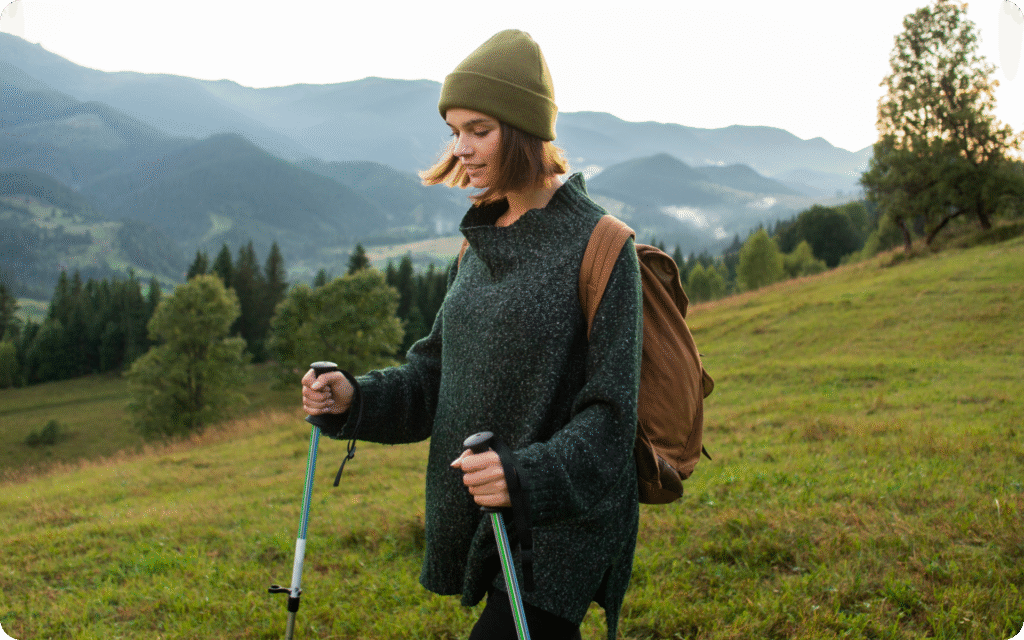
Is It Healthy To Live Outdoors?
The short answer–yes–with context.
Spending significant time outside leads to stronger health and well-being, but it’s most effective when paired with comfort, access, and choice.
Proven Benefits
- Mental Health–Nature contact links to reduced anxiety, lower rates of depression, and enhanced focus [1][3][13].
- Physical Health–Green space access is associated with lower blood pressure, reduced risk of heart disease, and higher physical activity levels [2][4].
- Immune Function–Exposure to natural environments strengthens the immune system by increasing microbial diversity [4][9].
- Community Health–Urban green space can mitigate heat, improve air quality, and build social cohesion [2][11].
However, “living outdoors” doesn’t mean exposure without shelter. Exposure to cold, heat, or pollutants without adequate protection can be harmful.
Also, many studies are observational rather than experimental, so while outdoor time is linked to better health, there are several reasons people might ask this question [4][10].
In summary, outdoor living is healthy when it’s intentional, safe, and adaptable–not extreme or unmanaged.
What Is The Nordic Outdoor Living Concept?
In the Nordic countries, outdoor living is not seasonal–it’s cultural.
Known as Friluftsliv, which translates to “open-air life,” this philosophy promotes regular engagement with nature, regardless of weather, age, or fitness level.
Here we refer to the Scandinavian lifestyle idea of Friluftsliv (a Norwegian term).
Key Aspects
- Literally “open‑air life”–spending meaningful time outdoors, no matter the weather.
- It’s not necessarily about intense adventure–it could be a simple walk, a picnic, or time under the sky.
- The term emphasizes connecting with nature–disconnecting from stress, and being present.
- Cultural norm–in Norway, many children attend outdoor kindergartens; nature is integral to life.
Benefits
- Mental Health–Time in nature is linked with reduced anxiety, lower levels of depression, and improved attention span.
- Physical Health–Green space exposure correlates with lower blood pressure, reduced cardiovascular risk, and greater levels of physical activity.
- Immune Function–Contact with natural environments can boost immune system resilience by exposing it to diverse microorganisms.
- Community & Urban Health–In cities, access to outdoor areas can regulate urban heat, improve air quality, and foster social connection.
Importantly, “living outdoors” doesn’t mean abandoning shelter or structure. The healthiest forms of outdoor living still include protection from extreme elements, access to hygiene and rest, and choice in exposure.
Much of the existing research is observational rather than experimental, meaning we know that outdoor time correlates with better health—but causality remains to be explored.
What’s clear is this: outdoor living supports health best when it’s intentional, moderate, and sustainable.
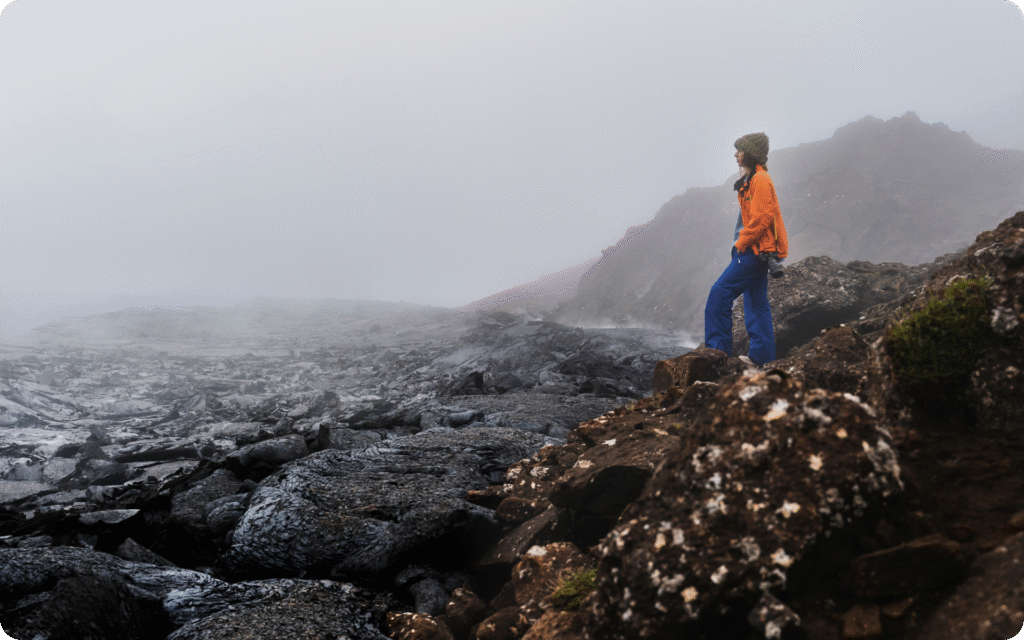
How this translates into outdoor living
- Use your outdoor space year‑round (not just when the sun shines).
- Make outdoor time a habitual part of your lifestyle–not an extra.
- Embrace nature in all its forms–trees, fresh air, seasons, light.
- Design your outdoor living space (or routine) to reflect this: comfortable outdoor seating, weather‑appropriate gear, outdoor meals, and connecting with nature rather than passive use.
So the “Nordic outdoor living concept” is both philosophy + practical lifestyle–blending mindful outdoor time with design and routine.
Read more: Meditative Movement: How Mindfulness and Exercise Work Together
What Are The Disadvantages Of Living Outdoors?
While outdoor living offers wide-ranging benefits, it’s also important to acknowledge its challenges and limitations.
Potential Drawbacks:
- Weather and environment–Cold, heat, insects, and rain can make outdoor spaces uncomfortable or even unsafe if poorly managed [3].
- Safety and privacy–Noise, lack of privacy, and unsafe neighbourhoods may reduce time spent outdoors [12].
- Maintenance–Outdoor areas require regular upkeep; furniture, plants, surfaces, and lighting can deteriorate quickly [11].
- Inequity of access–Not everyone has a high-quality outdoor space. People in urban or disadvantaged areas often face reduced access, which correlates with worse health outcomes [12].
- Over-reliance–attempting to live entirely outdoors—without proper shelter or infrastructure—can lead to sleep problems, discomfort, and even health risks.
Finally, many health studies on outdoor time are correlational, meaning they show relationships rather than cause-and-effect. Experts caution against over-claiming without further evidence [4][10].

The takeaway?
Outdoor living works best when it’s well-designed, balanced, and used to complement indoor spaces–not replace home life entirely.
In the Nordic region, outdoor living isn’t just seasonal–it’s cultural.
Known as Friluftsliv (Norwegian for “open-air life”), the Scandinavian philosophy embraces daily engagement with nature, in all weather, as a key to well-being [8].
BetterMe: Health Coaching app helps you achieve your body goals with ease and efficiency by helping to choose proper meal plans and effective workouts. Start using our app and you will see good results in a short time.
Core Features:
- Simple, consistent time outside: a walk, a meal, or a moment under the sky.
- Emphasis on connection to nature over activity or performance.
- A mindset that says: “There’s no bad weather, only bad clothing.”
In countries like Norway and Sweden, this idea is embedded in public life. Many children attend outdoor kindergartens, and cities are designed to keep nature accessible year-round [8].
How to apply it:
- Use your outdoor space year-round, not just in summer.
- Make nature part of your rhythm, not a special event.
- Design outdoor areas for comfort and continuity–covered seating, heating, layered clothing, and nature-friendly routines.
Friluftsliv is both a philosophy and a habit–and a powerful example of how humans can seamlessly weave outdoor living into everyday life.
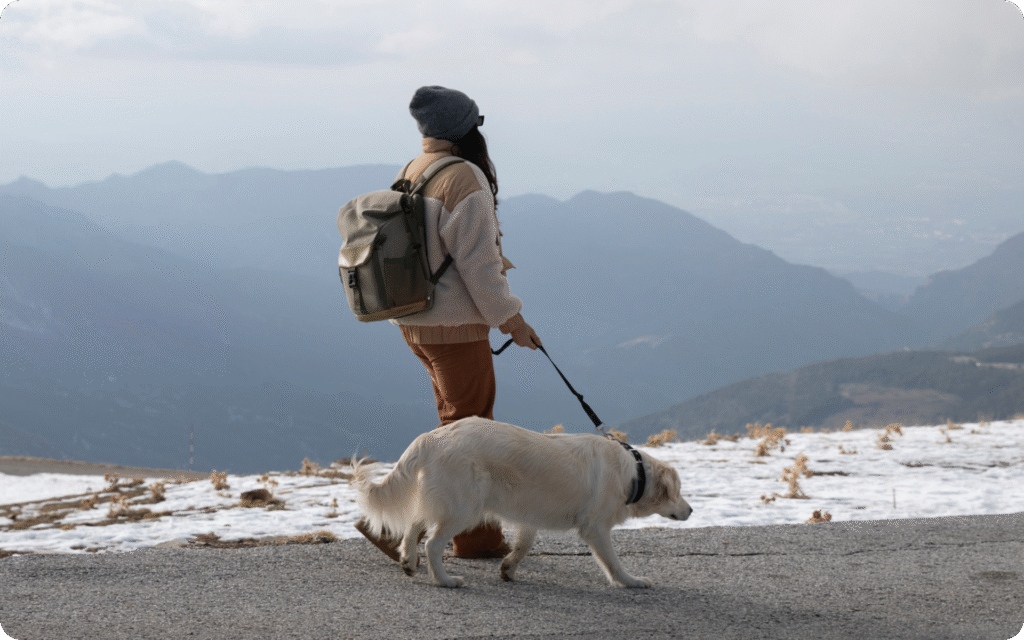
Yes–it’s both normal and recommended. Even short daily outdoor time can benefit mood, sleep, and stress. If you have access to safe green space, making it part of your routine is a healthy and positive habit. Spending all your time indoors can negatively affect your mood, sleep, and well-being. Lack of sunlight, movement, and exposure to nature are linked to poorer health. Even brief, regular time outdoors helps balance your body and mind. Total avoidance isn’t ideal. Outdoor time increases exposure to sun, wind, light, sounds, and movement–stimulating your senses and body. Natural light also affects your circadian rhythm. If you skip breaks or rest, fatigue builds. It’s natural to feel tired after full-body outdoor engagement.Frequently Asked Questions
Is it normal to go outside every day?
Is it unhealthy to never go outside?
Why does being outside all day make you tired?
The Bottom Line
Outdoor living is more than a design trend–it’s a lifestyle shift with real, evidence-backed benefits. Whether it’s dining on a balcony, walking through a park, or simply reading under a tree, regular time outdoors supports your mental and physical health. Even brief exposure–20 to 30 minutes a day–can improve mood, lower stress, aid sleep, and help you reconnect with your natural rhythm.
But outdoor living works best when it’s intentional, safe, and sustainable. That means designing comfortable, accessible spaces; maintaining a balance with indoor comforts; and integrating outdoor time into your routine, not just reserving it for special occasions.
Philosophies like Friluftsliv offer a helpful reminder: nature isn’t a luxury–it’s a daily need.
In the end, outdoor living isn’t about escaping life indoors. It’s about expanding it–making your outdoor spaces just as meaningful, usable, and life-enhancing as the ones inside your home.
DISCLAIMER:
This article is intended for general informational purposes only and does not serve to address individual circumstances. It is not a substitute for professional advice or help and should not be relied on for making any kind of decision-making. Any action taken as a direct or indirect result of the information in this article is entirely at your own risk and is your sole responsibility.
BetterMe, its content staff, and its medical advisors accept no responsibility for inaccuracies, errors, misstatements, inconsistencies, or omissions and specifically disclaim any liability, loss or risk, personal, professional or otherwise, which may be incurred as a consequence, directly or indirectly, of the use and/or application of any content.
You should always seek the advice of your physician or other qualified health provider with any questions you may have regarding a medical condition or your specific situation. Never disregard professional medical advice or delay seeking it because of BetterMe content. If you suspect or think you may have a medical emergency, call your doctor.
SOURCES:
- Green Space Quality and Health: A Systematic Review (2021, nih.gov)
- The health benefits of urban green spaces: a review of the evidence (2011, nih.gov)
- Urban green spaces and health (2016, who.int)
- Urban Green Space and Its Impact on Human Health (2018, https://www.mdpi.com)
- Time spent outdoors and sleep normality: A preliminary investigation (2021, nih.gov)
- Time Spent Outdoors and Associations with Sleep, Optimism, Happiness and Health before and during the COVID-19 Pandemic in Austria (2021, nih.gov)
- Spending at least 120 minutes a week in nature is associated with good health and wellbeing (2019, nature.com)
- FRILUFTSLIV: the Norwegian love for the outdoors (nd., visitnorway.com)
- The Connections among Interacting with Nature, Nature Relatedness and Dietary Choices: A Pilot Mixed Methods Study (2024, nih.gov)
- The Effects of Outdoor versus Indoor Exercise on Psychological Health, Physical Health, and Physical Activity Behaviour: A Systematic Review of Longitudinal Trials (2023, nih.gov)
- If You Build It Will They Come? Park Upgrades, Park Use and Park-Based Physical Activity in Urban Cape Town, South Africa—The SUN Study (2023. nih.gov)
- Assessment of barriers for people with disability to enjoy national parks (2023, nih.gov)
- Associations between green/blue spaces and mental health across 18 countries (2021, nih.gov)

 Reviewed by
 Reviewed by