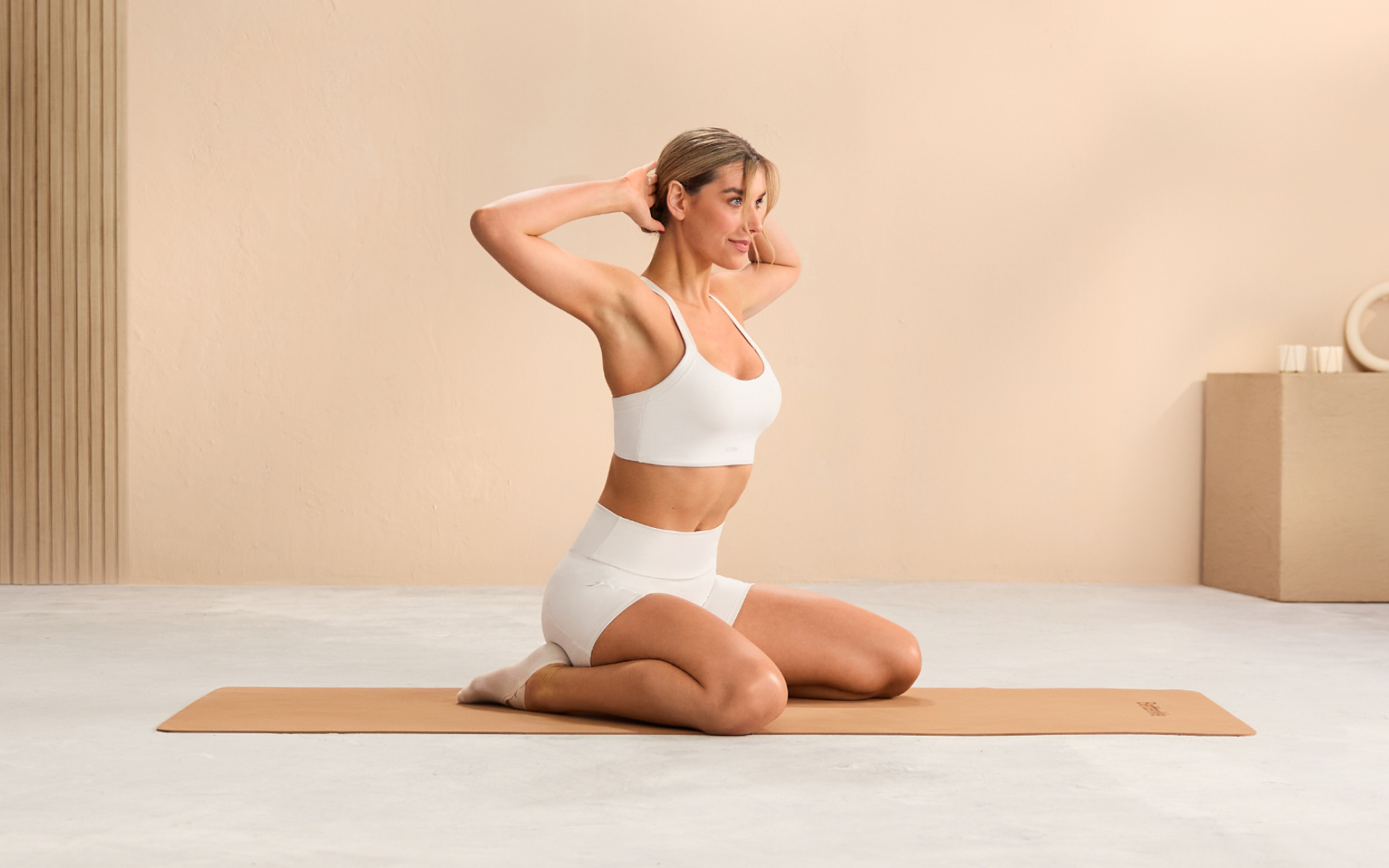
Neck posture exercises are simple movements that train head and neck alignment while strengthening the supporting muscles. They focus on the deep neck muscles, upper back, and shoulder positioning to support how you hold your head during daily activities. The exercises can help you build awareness while maintaining better alignment over time. Some common movements include chin tucks, wall chin tucks, and scapular retractions. When done consistently, they can support posture habits and may help you feel more comfortable after long periods of sitting or screen use.
What Are Neck Posture Exercises?
Neck posture exercises help align your head over your shoulders while strengthening the muscles that support that position. The movements often include gentle stretching and strengthening to support the natural position. Neck posture exercises focus on the neck, shoulders, and upper-back muscles.
These movements can help build posture awareness during daily activities. When someone sits at a desk, uses a phone, or drives, they’re more likely to have poor posture. Neck posture exercises aren’t intense, and they focus on control, position, and consistency.
What Are Some Signs of Poor Neck Posture?
Poor neck posture often develops gradually and becomes a habit over time (1). Many people start to notice subtle changes before they realize what is happening.
Common Signs of Poor Neck Posture
Some common signs of poor neck posture include:
- Your head sits forward instead of directly over your shoulders
- Slouched upper back or rounded shoulders
- Feeling stiff when waking or after sitting
- Frequent urge to stretch your neck throughout the day
- Looking down at screens for long periods of time
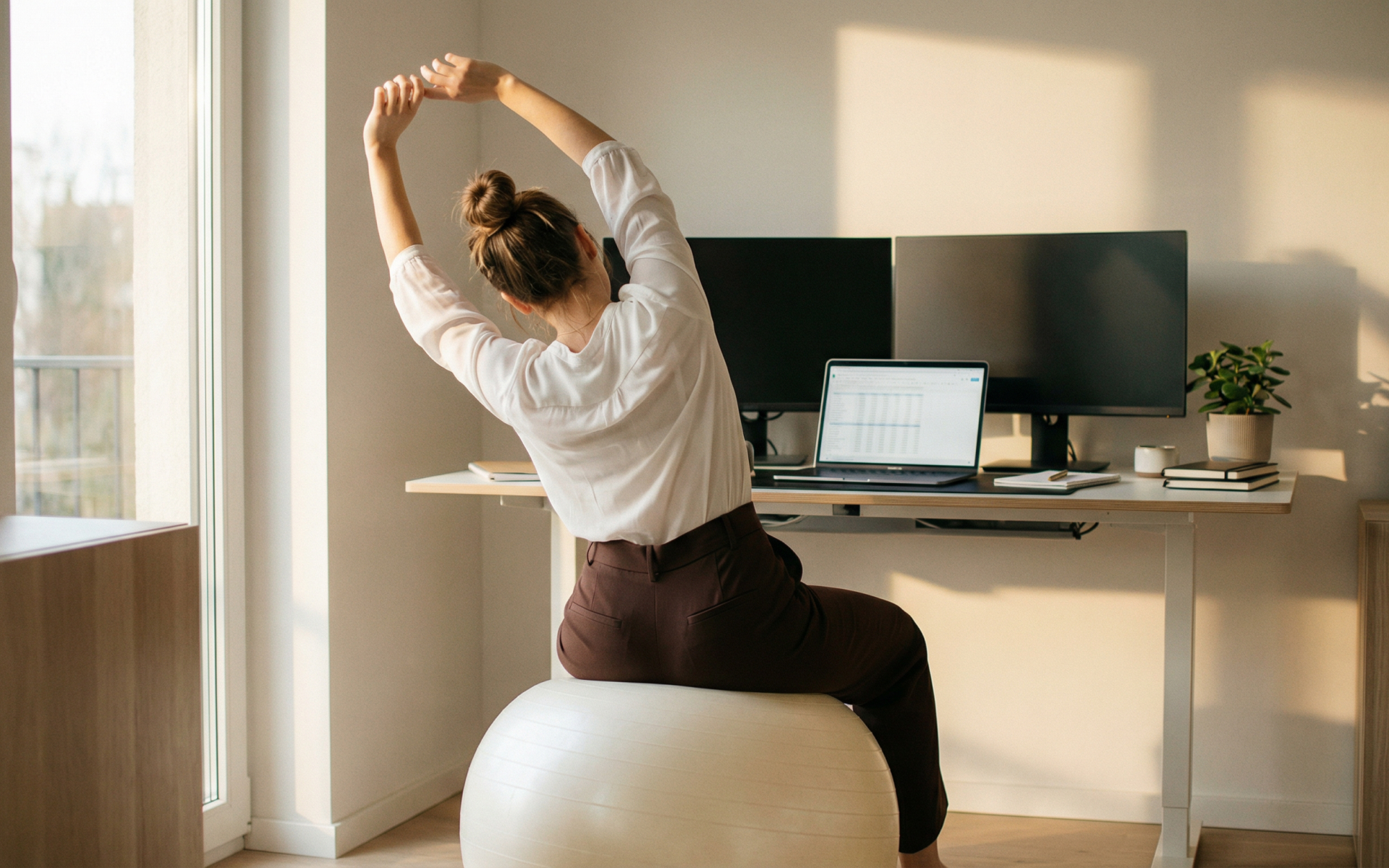
These patterns tend to worsen during everyday routines. Looking down at your phone, working on your laptop without proper setup, or sitting for prolonged periods of time can all gradually change your alignment over time. These habits cause your head to lean forward instead of remaining centered over your shoulders.
The shift places more demand on the muscles in your neck and upper back. As a result, some muscles may feel tight, while others may feel weak or underused. Paying attention to the patterns is a great first step in improving your posture awareness.
Holding a forward head posture is one of the most common patterns. The head shifts in front of the body’s center line. The position can place extra demand on the muscles that support your neck and upper back.
Good posture is important. It can support how your body feels during daily routines.
Read more: Lessie Fitness Beginner Full Body Calisthenics Workout
How Do I Stop My Neck from Hunching?
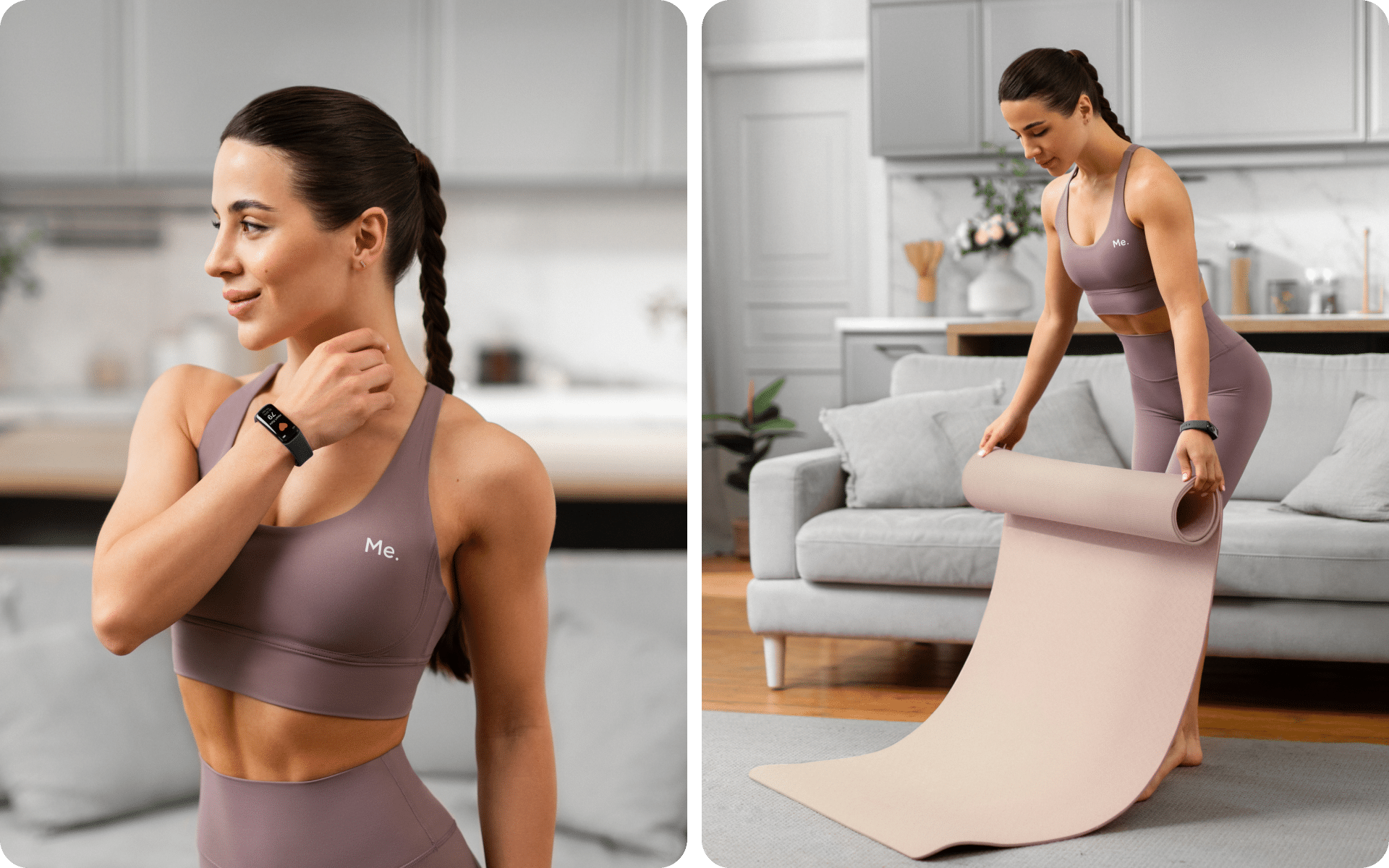
Improving your awareness and making small adjustments throughout the day can help keep you from hunching your neck.
Start with these steps:
- Keep your screen at eye level
- Sit with your feet flat on the floor and your back supported
- Keep your shoulders relaxed instead of lifted
- Bring your head back in line with your shoulders
Taking breaks is also helpful. Make time to stand up and move around to reset your posture every hour or so.
Consistency is key when working on how to improve neck posture. Small corrections done routinely may feel easier to maintain over time.
Daily Posture Reset Routine
Trying a simple posture reset might make it easier to apply throughout the day. Set a timer or use natural breaks, such as finishing a task, as a reminder. Reset by sitting or standing tall while gently bringing your chin back. Then relax your shoulders. Finally, take a few slow breaths while holding the position. Calming music or essential oils may help you relax.
You don’t need long sessions. Instead, only 30-60 seconds at a time helps reinforce better positioning. Over time, the small resets can help your body recognize and return to a more balanced posture naturally.
Reasons why BetterMe is a safe bet: a wide range of calorie-blasting workouts, finger-licking recipes, 24/7 support, challenges that’ll keep you on your best game, and that just scratches the surface! Start using our app and watch the magic happen.
What Are Some Helpful Neck Posture Exercises?
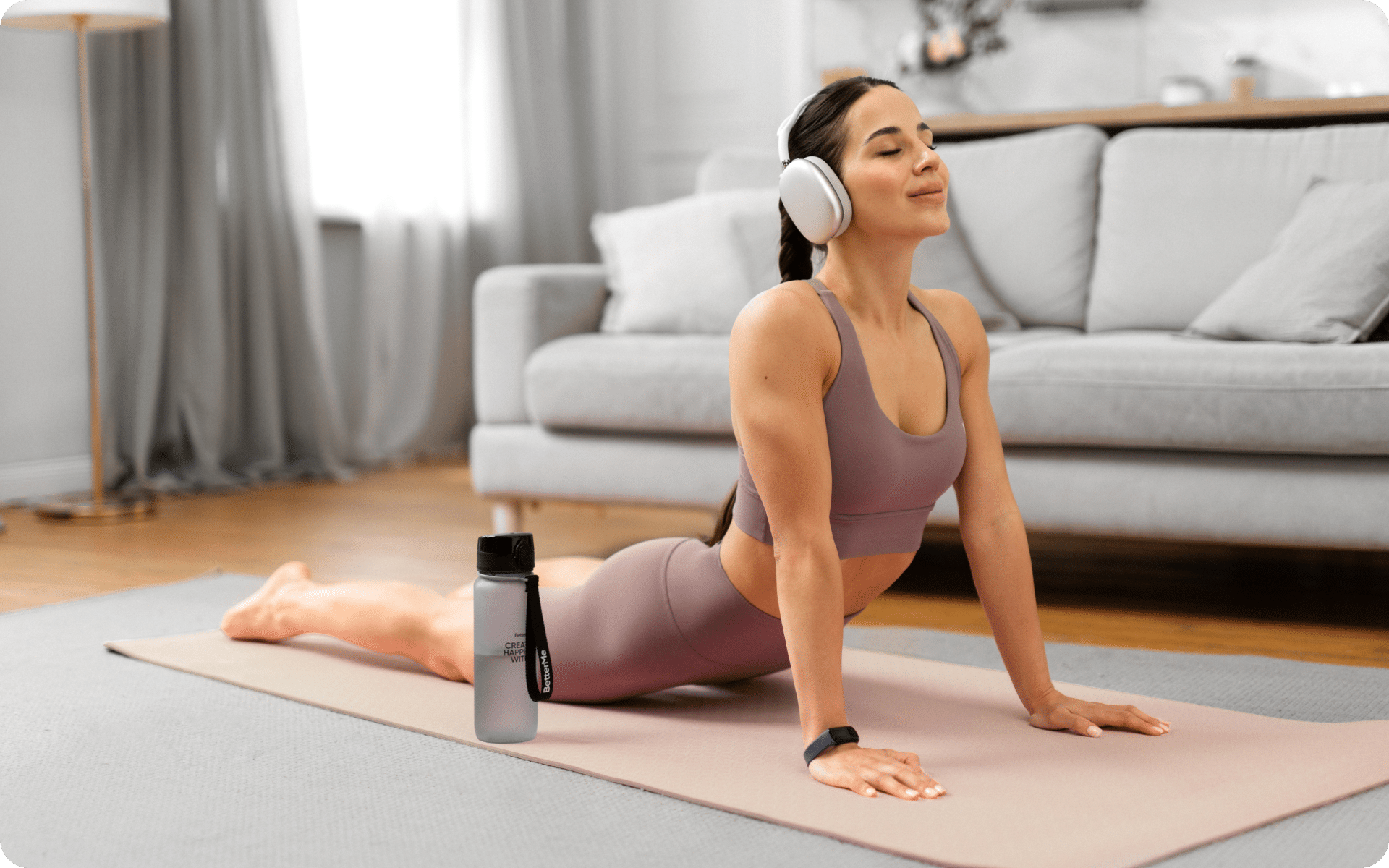
Helpful neck posture exercises focus on alignment, control, and muscle balance. The movements should be simple with no equipment needed.
Chin Tucks
Chin tucks are a common forward head posture exercise. Follow these steps (2):
- Sit or stand tall
- Gently pull your chin straight back
- Keep your eyes level
- Hold for 5 seconds
- Relax
- Repeat 8-10 times
The action helps activate the muscles that support your neck. Make sure not to arch your back or hunch your shoulders.
Wall Chin Tucks
Wall chin tucks are a simple neck posture exercise (3):
- Stand with your back against a wall
- Keep your head, shoulders, and hips touching the wall
- Gently tuck your chin back
- Hold for 5 seconds
- Relax
- Repeat 8-10 times
Using the wall for support may help you feel proper alignment more clearly.
Scapular Retractions
Another simple neck posture exercise is scapular retractions. This movement supports shoulder positioning and upper back strength. The steps are (4):
- Sit or stand upright
- Pull your shoulder blades back and down
- Don’t shrug your shoulders
- Hold for a few seconds
- Repeat 8-10 times
Upper-back engagement can support posture awareness throughout the day.
Neck Stretch
Neck stretches to improve posture are usually most helpful when they feel gentle and controlled. A simple and gentle neck stretch can help you feel looser and move more comfortably (5).
- Tilt your head slowly to one side
- Hold for 10-15 seconds
- Repeat on the other side
The movements should feel comfortable and controlled while you practice posture awareness.
Shoulder Rolls
Shoulder rolls can feel relieving after sitting for long periods (6).
- Relax your shoulders
- Roll your shoulders backward in a slow and controlled motion
- Repeat 8-10 times
Shoulder rolls support better upper body positioning.
Neck Posture Exercises for Seniors
Neck posture exercises can be a gentle option for seniors. They should focus on gentle and controlled movements. Some other helpful tips include:
- Perform chin tucks while seated
- Use wall support when needed
- Keep movements slow and steady
All of the above neck posture exercises are easily adaptable for seniors to fit their comfort level and mobility needs.
How Often Should You Do Neck Posture Exercises?
You may start with neck posture exercises 3-5 days weekly. Each session can be short, around 5-10 minutes. Focus on slow but controlled movements so you don’t rush through repetitions.
Take it slow at first. Start with 1-2 sets of each exercise with 8-10 repetitions. If you’re comfortable, gradually increase the number of sets or hold each position a little longer.
Consistency matters more than intensity. So, practicing a few exercises regularly can help you build awareness and maintain better alignment during daily activities.
Read more: Key Calisthenics Positions to Master: Try These Basic 12 Moves
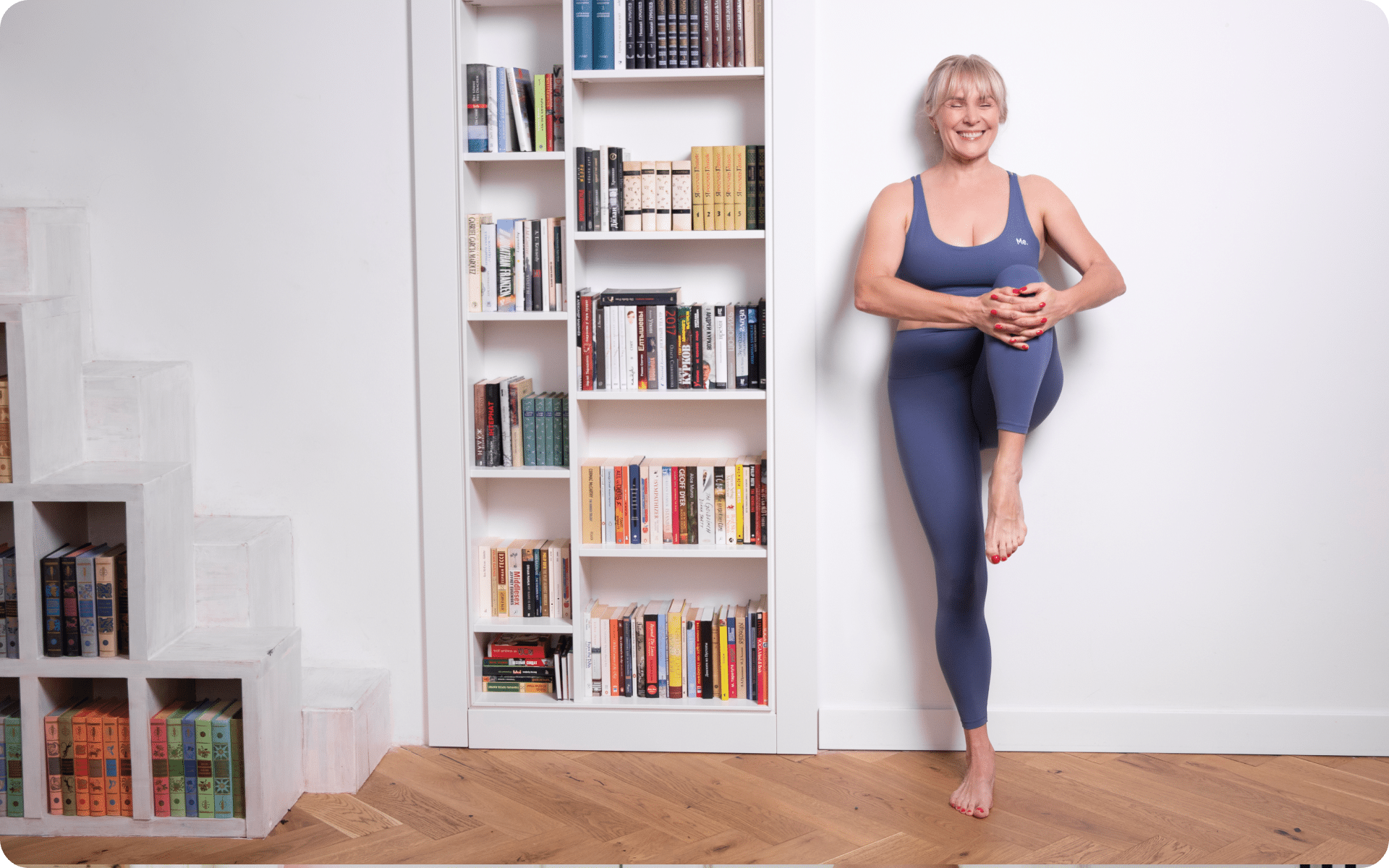
Does Standing Against a Wall Help Posture?
Wall exercises are often used because they provide structure and feedback during movement. Standing against a wall can help train your body to what proper alignment feels like.
When you stand with your back against a wall:
- Keep your heels against the wall
- Your head, shoulders, and hips should lightly touch the wall
- Your chin should stay level
- Keep your shoulders relaxed
The position provides feedback to your brain about proper alignment. It may also help you recognize when your posture shifts forward.
Practicing this for a few minutes each day consistently helps reinforce posture awareness.
What Wall Exercises Are the Best for Posture?
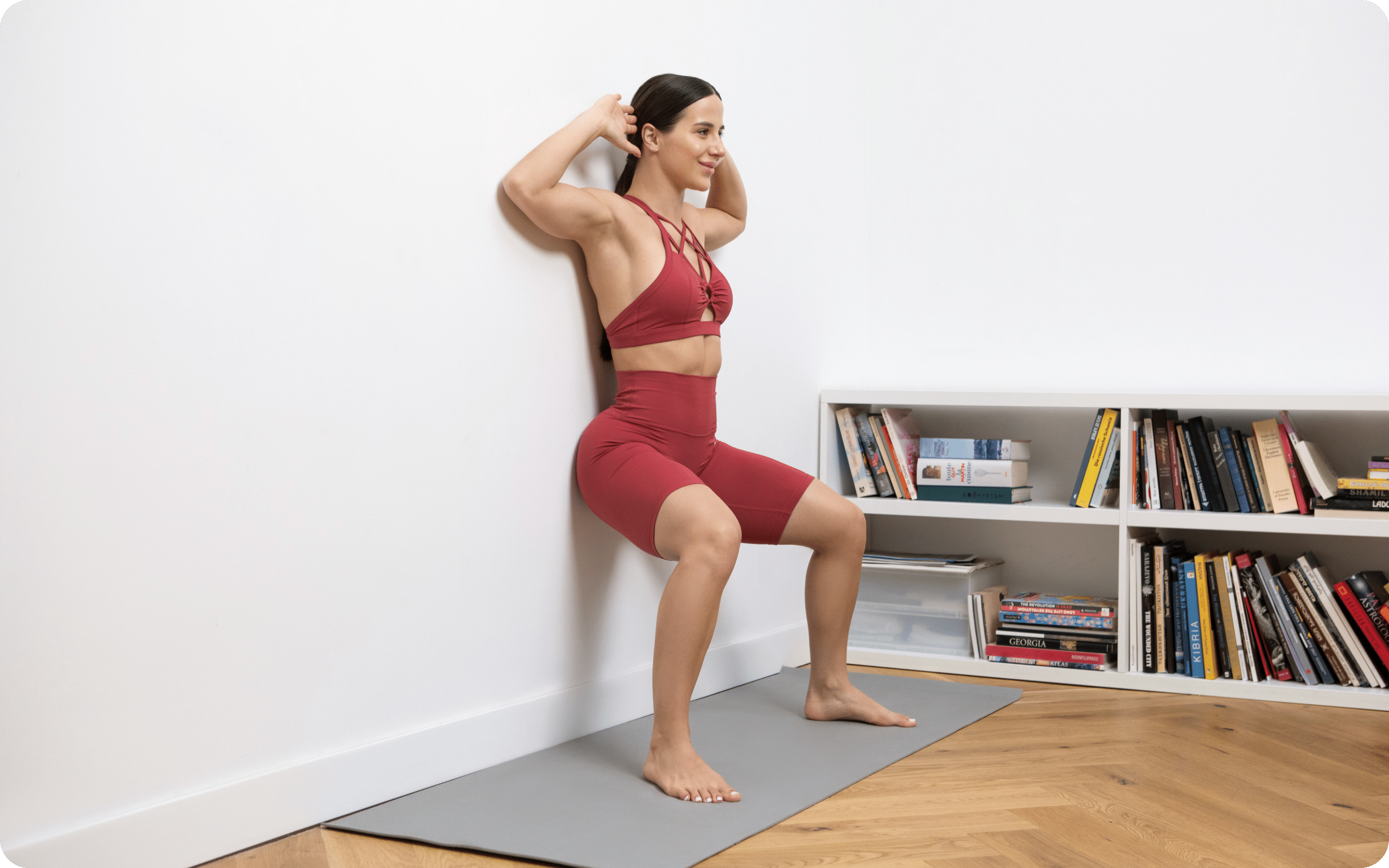
These exercises are simple to perform and can be adjusted to suit different comfort levels. Wall exercises can help guide alignment and provide support during movement while you practice posture awareness (7).
Wall Angels
Wall angels can support neck posture by encouraging upper-back engagement and controlled movement through the neck and shoulders (8).
- Stand with your back against the wall
- Raise your arms into a goalpost position
- Slowly move your arms up and down
The movements help open the chest while supporting upper back engagement.
Wall Slides
- Place your arms against the wall
- Slide them upward while keeping contact with the wall
- Move slowly and with control
Wall slides support coordinated movement between your shoulders and upper back while encouraging posture awareness.
Wall Posture Hold
- Stand tall with your back against the wall
- Hold the position for 30-60 seconds
These simple exercises can support alignment and posture awareness.
BetterMe: Health Coaching app helps you achieve your body goals with ease and efficiency by helping to choose proper meal plans and effective workouts. Start using our app and you will see good results in a short time.
How to Fix Forward Head Posture in Daily Life
If you’re exploring how to fix forward head posture, daily habits play a major role. Stay focused on:
- Keeping screens at eye level
- Avoiding looking down for long periods of time
- Taking regular movement breaks
- Strengthening your upper back and neck
Forward head posture exercises may be more useful when combined with these habits.
How to Correct Forward Head Posture While Sleeping
How you sleep may influence how your neck feels when waking up. If you’re trying to correct forward head posture while sleeping to avoid neck stiffness and support better alignment:
- Use a pillow that keeps the neck in a neutral position
- Avoid stacking pillows
- Try sleeping on your back or side
It may also help to check how well your pillow supports your neck. A pillow that’s too high or too flat shifts your alignment during sleep. Aim to keep your head in line with your back, not tilted forward or backward.
When sleeping on your side, place a pillow between your knees to help keep your body aligned from head to hips.

The Importance of Good Posture
The importance of good posture goes beyond appearance and may influence how your body feels and moves throughout the day.
Neck posture exercises are designed to support better alignment. Good posture goes beyond just appearances. They may influence how your body feels and moves throughout the day.
Good posture:
- Supports more balanced muscle use
- May help your body feel more comfortable during daily activities
- Encourages comfortable daily movement
- Makes daily life more comfortable
Improving posture takes time and consistency. Small changes are all you need to have a noticeable impact.
Frequently Asked Questions
Can posture affect digestion?
Slouching may affect how your body feels during digestion [9]. Sitting upright may support a more comfortable experience during and after meals.
Is it too late to fix the neck hump?
Gradual changes with consistent practice and awareness may help improve posture habits.
Which gym exercise is best for posture?
Common posture exercises often focus on the upper back and shoulders. Try rows or resistance band pulls to best support posture.
What is the best sleeping position for posture?
Sleeping on your back and side with a proper pillow support keeps the neck in a neutral position.
What muscles help improve posture?
The muscles of the neck, upper back, and shoulders all play a role in posture. They also support alignment and control.
The Bottom Line
Neck posture exercises are a simple way to build awareness and engage the muscles that support alignment. When you include them with healthy daily habits such as proper screen positioning and regular movement, they can support better posture over time. You can start with a few basic exercises and practice them consistently.
DISCLAIMER:
This article is intended for general informational purposes only and does not serve to address individual circumstances. It is not a substitute for professional advice or help and should not be relied on for making any kind of decision-making. Any action taken as a direct or indirect result of the information in this article is entirely at your own risk and is your sole responsibility.
BetterMe, its content staff, and its medical advisors accept no responsibility for inaccuracies, errors, misstatements, inconsistencies, or omissions and specifically disclaim any liability, loss or risk, personal, professional or otherwise, which may be incurred as a consequence, directly or indirectly, of the use and/or application of any content.
You should always seek the advice of your physician or other qualified health provider with any questions you may have regarding a medical condition or your specific situation. Never disregard professional medical advice or delay seeking it because of BetterMe content. If you suspect or think you may have a medical emergency, call your doctor.
SOURCES:
- A Study of Head and Shoulder Posture and Cervical Muscle Electromyographic Characteristics in College Students With Chronic Neck Pain: A Case-Control Study (2025, pmc.ncbi.nlm.nih.gov)
- Chin Tuck (Posture and Strength) (2025, ummhealth.org)
- Standing Chin Tuck – Wall (2026, library.theprehabguys.com)
- Scapular Retraction (2026, sportsmedtexas.com)
- Neck Stretches for Pain Relief: How to Stretch Your Neck (2024, webmd.com)
- The Effectiveness of a Neck and Shoulder Stretching Exercise Program Among Office Workers With Neck Pain: A Randomized Controlled Trial (2016, pubmed.ncbi.nlm.nih.gov)
- Trapezius Muscle Activity During Wall Slide Exercises: Natural vs Corrected Head Posture (2025, pubmed.ncbi.nlm.nih.gov)
- Wall Angels: Benefits, Muscles Worked, and How-To (2021, healthline.com)
- 3 Surprising Risks of Poor Posture (2023, health.harvard.edu)

 Reviewed by
 Reviewed by