Corporate wellness trends in 2026 appear to point toward a more intuitive, personalized approach. Many employers seem to be moving away from one-off perks and toward year-round, data-informed support. Traditional offerings like biometric screenings and on-site fitness classes may be losing ground. Individual program results vary by workforce and budget.
Corporate wellness trends are the shifts in how companies support employee wellbeing each year. Think of them as the general direction the field tends to move in. This guide is for HR leaders, wellness managers, and anyone planning a program for the year ahead. Why does it matter? Because employee expectations and costs are both rising. Getting the direction right can help your program feel relevant instead of dated.
Keep reading to see what’s growing, what’s fading, and how to put these trends to work without a huge budget or a big team.

Why Corporate Wellness Is Evolving Faster Than Ever
Corporate wellness may be evolving faster than ever because costs, expectations, and workforce needs are all climbing at once. Companies tend to feel pressure from several sides, which can push programs to change quickly.
Rising costs appear to be a major driver. One employer survey found that 93% of respondents said managing rising benefits costs strongly shapes their wellness decisions (1). The survey also suggests health benefit costs per employee could rise around 6.5% in 2026 (1).
Stress and burnout add more pressure. One report suggests around 66% of employees describe feeling burned out (2). That number tends to push employers to act.
Employee expectations have also shifted. One study found that only 1 in 4 employees strongly agree their employer truly cares about their wellbeing (3). That suggests three in four may not feel convinced.
Here’s what appears to be fueling the pace of change (1):
- Higher costs, which may push employers toward more efficient options
- Burnout and stress, which tend to keep mental wellness front and center
- Rising expectations, since many workers value wellbeing alongside pay
- A more spread-out workforce, thanks to remote and hybrid schedules
What worked five years ago may feel stale now. Staying current is part of what’s new in corporate wellness, and it can help your program stay useful.
Read more: How to Run High-Engagement Wellness Challenges in 2026
Top Corporate Wellness Trends in 2026
The top corporate wellness trends in 2026 tend to center on mental health, holistic support, data, customization, and technology. These themes appear again and again across employer surveys and industry reports.
Below is a quick overview before we dig into each one.
| Trend | What It Means | Example Action |
|---|---|---|
| Mental wellness first | Emotional support is increasingly treated as a core priority | Improve access and reduce stigma around counseling |
| Holistic programs | Support can span mind, body, money, and social life | Add financial coaching alongside fitness options |
| Data-driven decisions | Programs may be guided by usage and outcome data | Track participation and satisfaction each quarter |
| Customization | Support can be tailored to individual needs | Offer different paths by role and life stage |
| Smarter tech | Apps and tools may make support easier to reach | Use one platform for content and navigation |
Now let’s look at each trend in more detail.
1. AI and Technology in Employee Wellness
AI and technology in employee wellness are growing, but adoption appears to still be early and cautious. Most companies seem to be testing the waters rather than diving in.
Corporate wellness technology here refers to digital tools that help deliver, personalize, or track wellbeing support. That can include apps, platforms, and AI features.
The data suggests steady interest. One report indicates that in 2025, about 52% of respondents said clients either hadn’t invested in AI wellness tools or were unsure. Only 14% said clients used AI across multiple wellness areas (1).
Momentum appears to be building for 2026, though (1):
- 30% of respondents are actively recommending AI-powered wellness tools
- 65% are considering recommending them soon
Common uses may include personalized suggestions, benefits navigation, and surfacing unmet needs. For example, a tool might nudge someone toward a stress resource based on their check-in.
Caution tends to remain. The report suggests the top perceived risks are (1):
- 78% cited data privacy and security
- 70% cited lack of trust
- 58% cited compliance or regulatory uncertainty
You may also hear about a digital twin for corporate wellness. In plain terms, a digital twin is a virtual model of something real, used to explore ideas before acting on them. In wellness, it could mean modeling how a program change might play out before rolling it out (4).
This idea is still emerging, so it may be worth watching rather than treating as a must-have. Individual results vary.
2. Holistic Wellness Programs: Mind, Body, and Beyond
Holistic wellness programs aim to support the whole person, not just physical fitness. That can mean covering mental, physical, financial, and social wellbeing together (5).
Holistic corporate wellness programs tend to treat these areas as connected. Money worries can affect sleep. Poor sleep can affect mood (6). So supporting one area may help another.
The data suggests this direction is gaining traction. One survey found mental and physical wellbeing tend to rank as the most common strategic priorities, followed closely by financial wellbeing (7). Financial support also appears to be rising, with one report suggesting 55% of respondents expect more spending there (1).
A holistic program often blends (5):
- Mental wellness, such as counseling access and stress support
- Physical wellbeing, such as movement options and preventive care
- Financial wellbeing, such as coaching or budgeting resources
- Social connection, such as peer groups or community spaces
For example, someone using support for weight management may also want help with the emotional side of that journey. A holistic setup can make that easier.
A connected program tends to feel more useful than scattered perks. Want more program ideas to build on this? Explore our guide on corporate wellness ideas.

3. Mental Wellness as a Core Priority
Mental wellness appears to be a core priority in 2026, and it tends to rank among the clearest themes in the data. Many employers continue to place it at the top (7).
In an employer survey, 74% of respondents named mental health and wellbeing the top investment category. A related figure suggests 76% expect employers to increase spending on mental health programs (1).
Still, offering support isn’t the same as using it. The survey suggests the biggest barriers to engagement may include (1):
- 73% lack of awareness about available programs
- 62% cost or lack of coverage
- 51% difficulty accessing services
- 49% stigma around asking for help
So the 2026 focus tends to go beyond simply adding benefits. It may lean toward (3):
- Better communication, so people know what exists
- Easier access, such as virtual options
- Less stigma, through open, supportive messaging
- Manager training, so leaders can respond with care
For example, a short monthly message explaining one benefit can help lift awareness over time. Smaller, steady reminders may work better than one big announcement for many teams. Individual outcomes vary by workplace culture.
4. Wellness for Remote and Hybrid Teams
Wellness for remote and hybrid teams appears to be shifting toward flexible, digital-first support. Office-only offerings can be harder to run when people work from many places.
The numbers suggest this move is underway. A survey suggests 33% of respondents are investing less in on-site fitness classes in 2026, up from 24% the year before. On-demand fitness options also dipped, with 24% investing less (1).
Work styles may help explain it. One cited data set showed (1):
- 26% of employees fully remote
- 52% on a hybrid schedule
- 22% fully in person
For a spread-out team, wellness may tend to work better when it’s:
- Flexible, so people can join on their own schedule
- Digital, so location matters less
- Inclusive, so remote and in-office staff can both benefit
- Manager-supported, so team habits can reinforce it
For example, a wellness platform that people can reach from any device may serve more of a spread-out workforce than a class only office staff can attend.
Meeting people where they are, rather than where their desk is, tends to be a more practical approach.

5. Data-Driven Wellness and ROI Measurement
Data-driven wellness means using program data to help guide decisions and track results. Many employers appear to want clearer evidence that their investment is working (8).
ROI stands for return on investment—here, the payoff a program may deliver versus its cost. One report suggests 70% of respondents say measuring ROI strongly shapes their decisions (1).
But measurement maturity tends to lag behind that interest. One report suggests (1):
- Only 18% say most of their clients actually measure wellness ROI
- 42% say few of their clients do
Many are widening their view to include VOI, or value on investment. That can look beyond cost savings to things like (1, 3):
- Engagement at work
- Retention and turnover trends
- Morale and reported wellbeing
- Productivity signals
For example, tracking whether people know about and use a benefit can reveal patterns that cost data alone may miss. Results still vary by program and workforce.
For a deeper look at tracking outcomes, see our guide on how to measure employee wellness.
The teams that tend to stay most engaged are often those where effort gets noticed. BetterMe Business combines structured challenges with progress visibility — so managers can easily recognize and reward participation.
6. Personalization at Scale
Personalization at scale means tailoring wellness support to individuals across a large group. A one-size-fits-all approach tends to fit fewer people well.
Workforces differ widely. People vary by role, income, life stage, location, and comfort with technology. A new parent and a pre-retiree may want very different support.
Interest in flexibility shows up in buying choices. One report suggests 17% of brokers rank flexibility and customization as their top vendor criterion, second only to price (1).
Personalization in 2026 may often look like:
- Different paths by need, such as caregiving or financial goals
- Targeted content instead of generic messaging
- Life-stage support, such as help for new parents
- Flexible options, so people can pick what fits
For example, someone could earn wellness rewards through movement, mindfulness, or learning. Offering choice may help keep more people engaged. This tends to reflect the future of corporate wellness, where relevance can matter more than volume.

7. Digital Tools and Wellness Apps
Digital tools and wellness apps appear to be central to many wellness programs. They can make support easier to reach and track (9).
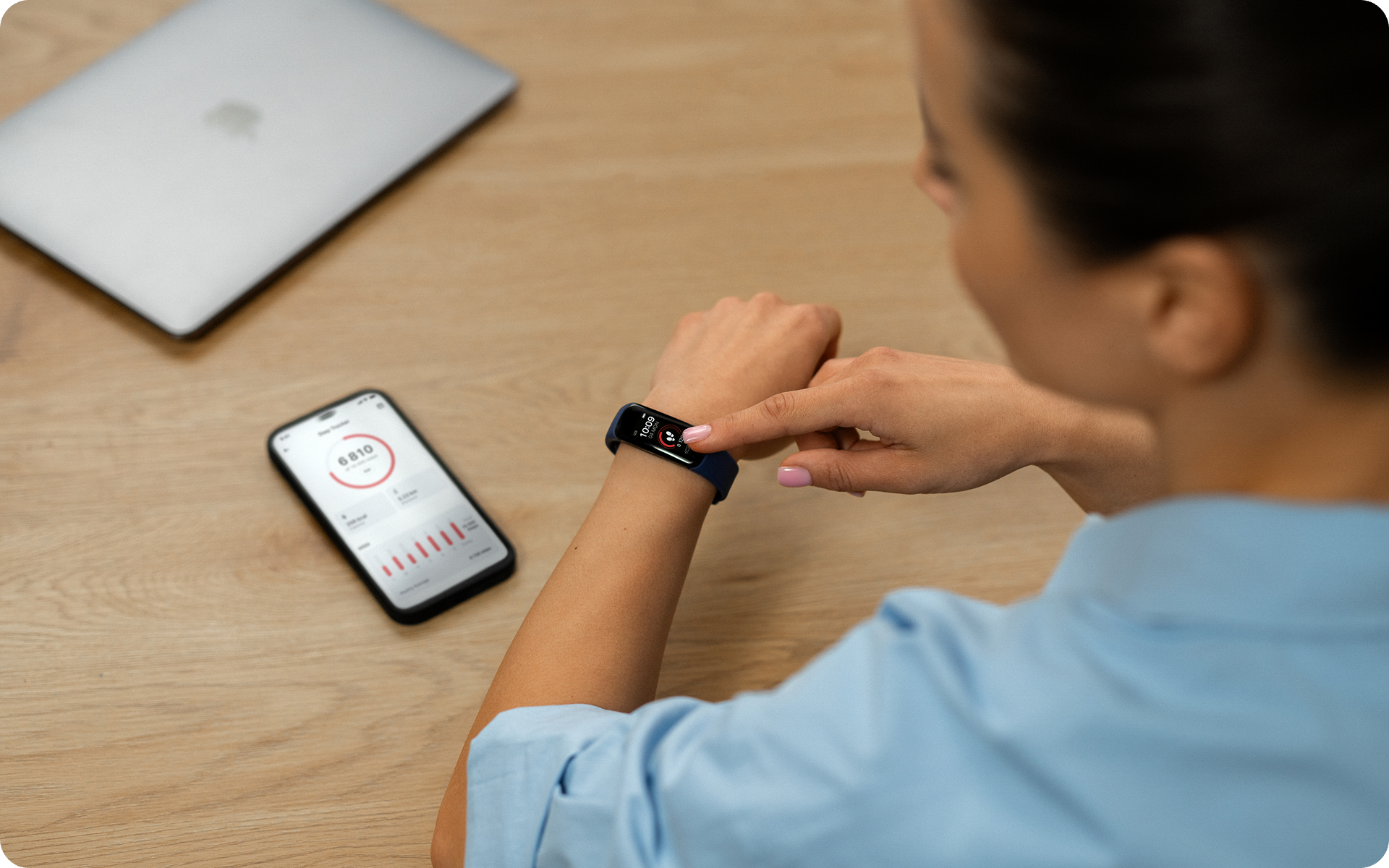
These tools may include wellness platforms, wearables, mental wellbeing apps, and benefits navigation. A wearable is a device, like a smart ring or watch, that tracks activity.
Adoption appears strong. In an employer survey, 75% of respondents say some or all clients have added wearable technology to their programs (1). Platforms often act as a central hub for content, challenges, and updates.
Buyers appear to be getting choosier, though. They tend to prioritize (1):
- Ease of use, so people are more likely to engage
- Clean integration with existing systems
- Accessibility, so more people can join
- Clear value they can track
For example, one simple platform may work better than five disconnected apps. Tool overload can lower engagement. If you’re comparing platforms, keeping up with corporate wellness news today can help you spot what’s practical versus hype.
Read more: Why Corporate Wellness Programs Struggle with Engagement, and What Actually Fixes It
What’s Fading Out in Corporate Wellness
What appears to be fading in corporate wellness are one-off, office-centered offerings that tend to be harder to personalize or measure. Overall spending doesn’t appear to be shrinking—one report suggests 60% of respondents report increased benefits spending (1). The mix may simply be shifting.
One report suggests the offerings seeing the most reduced investment include (1):
- On-site fitness classes: 33% investing less
- Biometric screenings: 33% investing less
- Tobacco and smoking cessation: 31% investing less
- On-demand fitness classes: 24% investing less
- Health fairs: 24% investing less
Why the shift? These options can be harder to run across hybrid teams. Some may also show limited engagement or unclear results.
Investment may be moving toward more flexible, personalized, and measurable support instead. For example, a company might replace a single annual health fair with year-round digital resources. That approach tends to reach more people over time, though individual results vary.
Fading doesn’t mean useless. It may mean these tools now play a smaller role in a broader mix. Individual program results vary.

How to Apply These Trends to Your Wellness Program
You can apply these trends by starting with mental wellness, personalizing support, and measuring what matters. A large budget isn’t required to make progress. Focusing on high-impact, low-lift moves first may be a useful starting point.
Here’s a simple way to match priorities with actions and metrics.
| Priority | Low-Lift Action | What to Measure |
|---|---|---|
| Mental wellness | Send one monthly message explaining a benefit | Awareness and program usage |
| Holistic support | Add a financial coaching or resource option | Sign-ups across wellbeing areas |
| Personalization | Offer 2–3 ways to earn wellness rewards | Participation by group or role |
| Remote and hybrid | Move key resources to a digital platform | Access from remote vs. in-office staff |
| Measurement | Run a short quarterly pulse survey | Satisfaction and unmet needs |
A practical order of steps might look like this:
- Ask first. Use a short survey to learn what people want.
- Build awareness. Communicate existing benefits clearly and often.
- Fill one gap. Add a single high-demand option, such as financial support.
- Personalize lightly. Give people a few ways to participate.
- Track a few metrics. Watch usage, satisfaction, and retention.
- Adjust. Review results each quarter and refine.
For example, if a survey shows low awareness, clearer communication may help lift usage before additional spending is needed. Small, steady changes can add up over time. Results vary by team and timeline.
Want more numbers to help build your case? See our roundup of corporate wellness statistics.

FAQs
What are the biggest corporate wellness trends in 2026?
The biggest corporate wellness trends in 2026 appear to include mental health support, holistic programs, personalization, and smarter technology (7). One report suggests 76% of respondents expect more spending on mental health programs, and 55% expect more on financial wellbeing (1).
Data-driven decisions and support for remote teams also appear to be rising (1, 8). Meanwhile, one-off, office-only offerings may be losing momentum. Individual program results vary by workforce and budget.
How is technology changing corporate wellness?
Technology appears to be changing corporate wellness by making support more personal, accessible, and measurable (9). Apps and platforms can let people reach resources at times that work for them, which may help remote and hybrid teams.
One report suggests 75% of respondents say some or all clients use wearables. AI is emerging for personalization and navigation, though adoption tends to stay cautious. Privacy and trust remain key concerns (1), so a thoughtful rollout may matter.
To see how this fits a full plan, read Corporate Wellness Programs in 2026.
What is holistic corporate wellness?
Holistic corporate wellness refers to support that can span mental, physical, financial, and social wellbeing together (5). Rather than offering only fitness perks, it tends to treat these areas as connected. For example, financial stress may affect mood and sleep (6), so money support could contribute to overall wellbeing.
One survey found mental, physical, and financial wellbeing tend to rank as top employer priorities (7). The goal is a more connected experience, rather than scattered benefits. Results still vary by person.
Ready to bring your team together around a shared goal? BetterMe Business challenges can help create a culture of movement, accountability, and team spirit — without adding to anyone’s workload.
The Bottom Line
Corporate wellness trends in 2026 suggest that programs designed to feel human, connected, and easy to reach may be better positioned than those built around one-off perks. Mental wellness, personalization, and data tend to appear at the top of employer priorities. Pick one trend from this guide, run a short survey to explore the need, and use that insight as a practical starting point.
DISCLAIMER:
This article is intended for general informational purposes only and does not serve to address individual circumstances. It is not a substitute for professional advice or help and should not be relied on for making any kind of decision-making. Any action taken as a direct or indirect result of the information in this article is entirely at your own risk and is your sole responsibility.
BetterMe, its content staff, and its medical advisors accept no responsibility for inaccuracies, errors, misstatements, inconsistencies, or omissions and specifically disclaim any liability, loss or risk, personal, professional or otherwise, which may be incurred as a consequence, directly or indirectly, of the use and/or application of any content.
You should always seek the advice of your physician or other qualified health provider with any questions you may have regarding a medical condition or your specific situation. Never disregard professional medical advice or delay seeking it because of BetterMe content. If you suspect or think you may have a medical emergency, call your doctor.
SOURCES:
- 2026 Employee Well-Being Industry Trends Report (2026, wellable.co)
- 40 employee burnout statistics & trends in the workplace (2026) (2026, worktime.com)
- 2026 Workplace Wellness Trends You Need To Know (2026, webmdhealthservices.com)
- Science & Tech Spotlight: Digital Twins—Virtual Models of People and Objects (2023, gao.gov)
- A holistic approach to sustain and support lifelong practices of wellness among healthcare professionals: generating preliminary solid steps towards a culture of wellness (2024, link.springer.com)
- Perceived economic inequality is linked to poorer sleep quality (2025, pmc.ncbi.nlm.nih.gov)
- 2026 Employer Well-being Strategy Survey: Executive Summary (2026, businessgrouphealth.org)
- Data-Driven Approaches to Employee Wellness (2024, corehealth.global)
- Digital Wellness Programs in the Workplace: Meta-Review (2025, sciencedirect.com)